Background: Immigrant and refugee adolescents often face traumatic experiences and are vulnerable to mental health problems, such as post-traumatic stress disorder (PTSD), anxiety and depression. Yet, they also show remarkable resilience in the face of these stressors. Research is still scarce on how both mental health problems and resilience dynamically interplay in immigrant and refugee adolescents’ development.Objective: We aimed to identify latent profiles of immigrant and refugee adolescents’ wellbeing, consisting of externalizing and internalizing symptoms, PTSD (intrusion and avoidance), and resilience, and analyse the demographic and contextual determinants of these profiles.Method: We employed cross-sectional survey data from the RefugeesWellSchool project for 1607 immigrant and refugee adolescents (mean age 15.3 years, SD 2.15, 42.3% girls) from six European countries: Belgium, Denmark, Finland, Norway, Sweden, and the United Kingdom. Latent profile analysis and three-step procedure with BCH weights were used to identify the wellbeing profiles and their determinants.Results: Results identified four adolescent wellbeing profiles: (1) Low symptoms (49.7%, n = 791); (2) High symptoms with intrusion (10.6%, n = 169); (3) Moderate symptoms (26.9%, n = 428); and (4) Resilient avoidant (12.8%, n = 203). Older participants, those with refugee background, shorter residence in the host country, more experiences of daily stressors or discrimination, or low family support were less likely to belong to the Low symptoms or Resilient avoidant groups (p ≤ .001).Conclusions: The profiles reflected distinct differentiation of intrusive and avoidance dimensions of the PTSD-symptoms. Intrusion clustered with high level of other mental health problems, whereas avoidance co-occurred with high resilience. Experiences related to immigration, stressors, and family support were crucial determinants of the wellbeing profile membership. Future interventions should utilize information obtained by person-centered studies to create better targeted and tailored support for immigrant and refugee adolescents.
Education policies in different countries recognise the needs and abilities of newcomer students in different ways, with consequences for their social inclusion and academic progress at school. We highlight the importance of context to debates around the politics of recognition in newcomer education by drawing on qualitative research in Norwegian and English secondary schools. Taylor’s (1994) political theory of “recognition” provides the analytical lens through which we explore how teachers perceive newcomer students to be recognised (or not) in national education policies in each country. We underscore teachers’ agency in responding to these policies through their own politics of recognition at school.
Based on focus group discussions with secondary school teachers in Denmark, Finland, and Sweden, we investigated teachers' views on home-school collaborations with migrant families in the context of student wellbeing. We asked 1) what roles and strategies constituted home-school collaborations in teachers' views, 2) what norms of belonging characterized teachers' perceptions on collaborations; and, 3) to what extent teachers' perceptions of home-school collaborations reflected equity. The findings revealed two major themes: seeing parents in paradoxical roles and attempting to collaborate in a context of constraints. These themes were often underpinned by teachers' perceived 'ideals' on the educational, cultural-linguistic, familial and psychosocial characteristics of a 'family' and a 'parent'. These assemblages seemed to set belonging for migrant families on condition of meeting teacher-perceived ideals, and pointed to the necessity to enable plural belonging to a collaborative school community that fosters wellbeing.
Scholars draw increasing attention to the importance of belonging for young refugees’ and migrants’ well-being, indicating the need to develop an in-depth understanding of their experiences seeking to belong in resettlement. For refugee and migrant newcomers, schools might constitute particularly significant spaces in their negotiation of belonging, due to being a central developmental and acculturative context in resettlement, and a context where newcomers are situated within interpersonal and cultural positions of their families, home, and host society. Rooted in a conceptualization of belonging as a dynamic, plural, and relationally negotiated experience, this study explores how young newcomers’ negotiation of belonging takes shape within the school context and how their experiences seeking to belong relate to their well-being. To that, the study engages with the qualitative inquiry of 163 newcomers’ (age 11–24) experiences through focus groups conducted in Belgium, Denmark, Norway, and Sweden. Cross-national, joint thematic analysis resulted in two themes: 1. Ambivalences shaping belonging; and 2. Challenging barriers to belonging. Our findings suggest that, in school, newcomers meet opportunities and barriers in their negotiation of belonging that takes shape at the intersection of family, transnational, and host society relations. Schools furthermore seem central spaces for newcomers to exercise agency and creativity in their search for belonging in resettlement. Our findings spark thought on belonging as a reconstructive process in coping with migration and have implications for how schools can support belonging and well-being, through engaging with life stories of migration and the plurality of meanings encroaching upon newcomers’ school trajectories.
High levels of post-traumatic stress are well-documented among refugees. Yet, refugee youths display high heterogeneity in their type of trauma and symptom levels. Following the recurrent plea for validated trauma screening tools, this study investigated the psychometric properties of the Children’s Revised Impact of Event Scale (CRIES-8) among youths from Afghanistan (n=148), Syria (n=234), and Somalia (n=175) living in Europe. The model fit for the factor structures was tested as well as measurement invariance between the three groups. The robustness of results was evaluated by also testing measurement invariance between recently arrived and settled youths, and between different response labelling options. Reliability estimates were calculated as well as prevalence estimates. The intrusion subscale showed a better stable model fit than the avoidance subscale, but the two-factor structure was mainly supported. Configural measurement invariance was achieved between Afghan and Somali youths and strong measurement invariance between Syrian and Somali youths. The results were robust considering the time living in the host country and response labelling styles. Reliability was low among Afghan and Syrian youths, whereas high among Somali youths. There were statistically significant differences in symptom prevalence: Afghan youths had high prevalence compared to Syrian and Somali youths, and unaccompanied refugee minors (URMs) compared to accompanied youths. This study mostly supported the use of the CRIES-8 among adolescents from Afghanistan, Syria, and Somalia, and even comparative analyses of group means. Variation in reliability estimates, however, makes diagnostic predictions difficult as the risk for misclassification is high.
Teachers are pivotal in creating safe and efficacious learning environments for ethnic minority students. Research suggests that teachers’ multicultural attitudes, self-efficacy, and wellbeing at work may all play important roles in this endeavor. Using survey data on 433 teachers in Belgium, Denmark, Finland, Norway, Sweden, and the United Kingdom, the present study used structural equation models to analyze the paths between teachers’ multicultural attitudes and work-related wellbeing (work dedication and exhaustion), and whether self-efficacy mediates these paths. We further investigated how these associations differ between teachers of reception classes for migrant and refugee students versus teachers of multi-ethnic mainstream classes. The results show that positive multicultural attitudes were directly associated with high level of work dedication, but not with work exhaustion. Self-efficacy mediated the association between multicultural attitudes and work-related wellbeing, indicated by both higher work dedication and lower work exhaustion. Concerning the role of teacher’s class type, self-efficacy mediated the association between positive multicultural attitudes and work dedication for both types of teachers, whereas the mediation to low work exhaustion was only evident in mainstream class teachers. To conclude, teachers’ multicultural attitudes and work-related wellbeing are mediated by self-efficacy and this important link should be acknowledged when designing professional development programs in order to create supportive and competent learning environments for all students.
Background: Refugee and non-refugee migrant youths may carry a double burden of past adversities and post-migration stress while trying to continue schooling and adapt to their new social and cultural environment. Executive functioning skills are central to learning and navigating in the new context. Knowledge of how young migrants’ executive functioning is associated with stressful factors and positive or potentially protective factors, could contribute to understanding and possibly finding ways to support these young learners.Objective: To investigate how potentially stressful and positive factors are associated with executive function skills.Method: In a secondary, explorative analysis of questionnaire responses from 1312 migrant students in secondary schools in five European countries, the associations of planning- and initiative executive function skills (PIS-EF) with stressful factors (e.g. emotional and behavioural problems, daily stress, discrimination) and positive factors (e.g. resilience, school belonging, social support) were analysed by linear regression. Furthermore, differences between male/female and refugee/non-refugee migrants were examined.Results: Positive factors accounted for almost one-fifth of the variance in the students’ self-reported PIS-EF and stress factors only one-tenth. Resilience showed the strongest association with students’ PIS-EF, followed by Prosocial behaviour and School belonging. Hyperactivity, and symptoms of anxiety and depression were negatively associated with PIS-EF. Posttraumatic stress symptoms were minimally associated with the investigated aspects of executive functions. Adjusted for other variables, no variables showed significant differences in the association with EF between males and females, and refugee and non-refugee migrant students.Conclusions: Positive factors were more strongly associated with executive functioning than stressful factors and could represent pathways to strengthen executive functioning. To support migrant youths’ functioning, the school, healthcare, and social systems should take a resource-oriented perspective and lay the ground for migrant youth's feeling of belongingness and active use of their personal resources.
School-based psychosocial interventions are increasingly put forward as a way to support young refugees' and migrants' well-being and mental health in resettlement. However, the evidence on these interventions' effectiveness remains scarce and scholars denounce particular gaps in the evidence to date, pointing to a lack of large-scale, controlled studies and studies including social outcome measures. This cluster randomized study aims to strengthen the evidence base on school-based psychosocial interventions for refugee and migrant youth by assessing the effect of two interventions, Classroom Drama and Welcome to School, on youth's mental health, resilience, and social relations in Belgium, Denmark, Norway, and the United Kingdom. Multilevel analyses were conducted separately for the two interventions (Classroom Drama, n = 307, ages 11-19; Welcome to School, n = 251, ages 11-23), using separate no-treatment control groups. Our analyses indicated a significant main, positive effect of Classroom Drama on perceived family support, and an effect on perceived support from friends that was moderated by country: in the United Kingdom, the intervention group reported an increase in perceived friend support, whereas the control group reported a decrease. Furthermore, baseline resilience moderated the effect of the Classroom Drama intervention on behavioral difficulties and well-being. No effects of Welcome to School on any of the outcome variables were found. Overall, this study provides novel, nuanced evidence on school-based psychosocial interventions for refugee and migrant adolescents.
This article investigates school belonging among migrant students and how this changed during the Covid‐19 pandemic. Drawing on quantitative data gathered from 751 migrant students in secondary schools in six European countries (Belgium, Denmark, Finland, Norway, Sweden, and the UK), we examined the impact of Covid‐19 school closures, social support, and post‐traumatic stress symptoms on changes in school belonging. Linear regression showed a non‐significant decrease in school belonging, and none of the studied variables had a significant effect on this change in our whole sample. However, sensitivity analysis on a subsample from three countries (Denmark, Finland, and the UK) showed a small but significant negative effect of increasing post‐traumatic stress symptoms on school belonging during Covid‐19 school closures. Given that scholarship on school belonging during Covid‐19 is emergent, this study delineates some key areas for future research on the relationship between wellbeing, school belonging, and inclusion.
Background Schools are natural environments in which to enhance young people’s social and emotional skills, mental health, and contact between diverse groups, including students from refugee and immigrant backgrounds. A layered or tiered provision of services is recommended as it can be effective to meet the needs of war-affected adolescents who variably show mental health problems (such as posttraumatic stress disorder (PTSD)). The current protocol describes the study design for a multi-layered intervention model. The study will test the effectiveness of two interventions: a teacher-training intervention In-Service Teacher Training (INSETT) combined with targeted cognitive-behavioral treatment-based Teaching Recovery Techniques (TRT) and a classroom-focused preventive intervention Peer Integration and Enhancement Resources (PIER). We analyze, first, whether the interventions are effective in decreasing psychological distress and increasing positive resources, i.e., prosocial behavior and resilience among refugee and immigrant students. Second, we analyze which student-, school-, and parent-related factors mediate the possible beneficial changes. Third, we look at which groups the interventions are most beneficial to. Methods A three-arm cluster RCT with parallel assignment, with a 1:1:1 allocation ratio, is applied in 16 schools that agreed to participate in the Refugees Well School interventions and effectiveness study. Schools were randomized to three conditions of two active interventions and a waiting list control condition. Students, their parents, and teachers in intervention and control schools participated in the study at baseline before the interventions, after the interventions, and at 6 to 12 months after the interventions. The primary effectiveness criterion variables are psychological distress (SDQ) symptoms, resilience (CYRM-12), and prosocial behavior (SDQ). Discussion The current study presents a recommended universal approach of layered interventions aiming to reduce psychological distress and increase resilience among refugee and immigrant students. A combination of promotive, preventive, and targeted interventions may offer a holistic, ecological intervention package for schools to better address the needs of the whole group. Trial registration ISRCTN ISRCTN64245549 . Retrospectively registered on 10 June 2020
Background: Young migrants face particular risks to develop mental health problems. Discrimination and social support impact mental health, yet little is known about the differential impact thereof on mental health in newcomers, non-newcomer migrants, and non-migrants. Aim: This study sheds light on mental health (posttraumatic stress, behavioral problems, hyperactivity, emotional distress, peer relationship problems, prosocial behavior) and the overall well-being of newcomers, non-newcomer migrants, and non-migrants. Furthermore, the impact of social support and discrimination on mental health is investigated. Method: Descriptive analysis and Structural Equation Modelling (SEM) were applied to analyze responses of 2,320 adolescents through self-report questionnaires in Finland, Sweden, and the UK. Results: Newcomers, non-newcomer migrants, and non-migrants have different psychological profiles. While newcomers suffer more from posttraumatic stress disorder (PTSD) and peer problems, non-newcomers and non-migrants report more hyperactivity. Discrimination strongly threatens all mental health dimensions, while support from family serves as a protective factor. Support from friends has a positive impact on PTSD among newcomers. Limitations: As this study has a cross-sectional design, conclusions about causality cannot be drawn. In addition, history of traumatic life events or migration trajectory was lacking, while it may impact mental health. Conclusion: Different mental health profiles of newcomers, non-newcomer migrants, and non-migrants point to the need for a tailored and diversified approach. Discrimination remains a risk factor for mental health, while family support is a protective factor for adolescents. Interventions that foster social support from friends would be especially beneficial for newcomers.
Background The number of forcibly displaced people globally has never been higher, with refugees from Syria constituting the largest displaced population worldwide. Many studies have documented elevated levels of mental health problems in refugee populations, though prevalence estimates of common mental disorders vary considerably between studies, explained both by methodological and contextual factors. Objective Using questionnaire-based screening checklists to approximate the prevalence of and investigate risk factors for post-traumatic stress disorder (PTSD), anxiety and depression among adult refugees from Syria resettled in Norway and to compare estimates with a sister-study in Sweden. Method Cross-sectional survey of a randomly selected sample from the National Population Register in Norway of adult refugees from Syria who were granted residency rights in Norway between 2015 and 2017 (N (sample) = 9,990; n (respondents) = 902). Above-threshold scores on the Harvard Trauma Questionnaire (HTQ) and Hopkins Symptoms Checklist (HSCL-25) defined caseness for PTSD (HTQ>2.06); anxiety (HSCLanxitey>1.75); and depression (HSCLdepression>1.80). Results Weighted, checklist-positive prevalence estimates for PTSD, anxiety and depression were 29.7% (25.4%-34.4%), 30.1% (25.7%-34.9%), and 45.2% (40.6%-49.8%), respectively. Cumulative exposure to potentially traumatic experiences before or during flight was a clear risk factor for all outcomes, and female gender was a risk factor for anxiety and depression, though only in adjusted analyses. The choice of HTQ cut-off to define PTSD caseness (2.5 vs. 2.06) had a notable effect on prevalence estimates. Conclusion In line with prior evidence, the present study suggests adult refugees from Syria resettled in Norway have higher rates of anxiety and depression and markedly higher rates of PTSD compared to general, non-refugee populations, and that this is clearly linked to past traumatic experiences. Prevalence estimates were highly consistent with estimates from the sister-study in Sweden, which used almost identical methodology. Findings underline the importance of screening for and intervening on mental health problems in newly arrived refugees.
Background Sweden is home to a large and growing population of refugee youths who may be at risk of mental health problems such as post-traumatic stress disorder (PTSD). Thus, there is a need for interventions that address mental health problems in these populations. Schools have been identified as an ideal setting for delivering such interventions as they offer a non-stigmatizing space and are often central to young refugees’ social networks. The RefugeesWellSchool trial in Sweden will investigate an intervention comprising two programmes: Teaching Recovery Techniques (TRT) and In-service Teacher Training (INSETT), delivered in a school setting, among refugee youth. TRT is a group-based programme for children and adolescents, informed by Trauma-Focused Cognitive Behavioral Therapy (TF-CBT). INSETT is a multi-module course for teachers providing information on trauma and the refugee experience to build teachers’ cultural competence and capacity for supporting refugee youths in schools. Methods This trial employs a cluster randomized-control design with two arms: (1) the intervention arm in which the TRT and INSETT programmes are offered ( n = 350), (2) the wait-list control arm ( n = 350) in which services are provided as usual until the TRT and INSETT programmes are offered approximately six months later. Data will be collected prior to the intervention, immediately following the intervention, and at three months post-intervention. Outcomes for the trial arms will be compared using linear mixed models or ANCOVA repeated measures as well as the Reliable Change Index (RCI). Discussion This study will provide knowledge about the effectiveness of an intervention comprising two programmes: a group-based programme for youth reporting symptoms of PTSD and a training course for teachers, in order to build their competence and ability to support refugee youths in schools. Trial registration ISRCTN, ISRCTN48178969 , Retrospectively registered 20/12/2019.
While scholarly literature indicates that both refugee and non-refugee migrant young people display increased levels of psychosocial vulnerability, studies comparing the mental health of the two groups remain scarce. This study aims to further the existing evidence by examining refugee and non-refugee migrants’ mental health, in relation to their migration history and resettlement conditions. The mental health of 883 refugee and 483 non-refugee migrants (mean age 15.41, range 11-24, 45.9% girls, average length of stay in the host country 3.75 years) in five European countries was studied in their relation to family separation, daily material stress and perceived discrimination in resettlement. All participants reported high levels of post-traumatic stress symptoms. Family separation predicted post-trauma and internalizing behavioral difficulties only in refugees. Daily material stress related to lower levels of overall well-being in all participants, and higher levels of internalizing and externalizing behavioral difficulties in refugees. Perceived discrimination was associated with increased levels of mental health problems for refugees and non-refugee migrants. The relationship between perceived discrimination and post-traumatic stress symptoms in non-refugee migrants, together with the high levels of post-traumatic stress symptoms in this subsample, raises important questions on the nature of trauma exposure in non-refugee migrants, as well as the ways in which experiences of discrimination may interact with other traumatic stressors in predicting mental health.
Purpose In the field of forced migration and mental health research, longitudinal studies with large sample sizes and rigorous methodology are lacking. Therefore, the Resettlement in Uprooted Groups Explored (REFUGE)-study was initiated in order to enhance current knowledge on mental health, quality of life and integration among adult refugees from Syria resettled in Norway. The main aims of the study are to investigate risk and protective factors for mental ill health in a longitudinal perspective; to trace mental health trajectories and investigate important modifiers of these trajectories and to explore the association between mental health and integration in the years following resettlement. The aims will be pursued by combining data from a longitudinal, three-wave questionnaire survey with data from population-based registries on education; work participation and sick-leave; healthcare utilisation and drug prescription. The goal is to incorporate the data in an internationally shared database, the REFUGE-database, where collaborating researchers may access and use data from the study as well as deposit data from similar studies. Participants Adult (≥18 years), Syrian citizens who arrived in Norway as quota refugees, asylum seekers or through Norway’s family reunion programme between 1 January 2015 and 31 December 2017. Of the initial 9990 sampled individuals for the first wave of the study (REFUGE-I), 8752 were reached by post or telephone and 902 responded (response rate=10.3%). Findings to date None published. Future plans The REFUGE-cohort study will conduct two additional data collections (2020 and 2021). Furthermore, questionnaire data will be linked to population-based registries after all three waves of data collection have been completed. Registry data will be obtained for time-periods both prior to and after the survey data collection points. Finally, pending ethics approval, we will begin the process of merging the Norwegian REFUGE-cohort with existing datasets in Sweden, establishing the extended REFUGE-database. Trial registration number ClincalTrials.gov Registry (NCT03742128).
The construction of fatherhood is undergoing change as a result of closer and more independent relations between fathers and children. These changes have appeared in all the Nordic countries. What insight can the experiences of men with a homosexual lifestyle bring to the understanding of these changes? This essay is based on a study of well-educated homosexual men from the Norwegian middle class who have chosen to have children with lesbian couples. The central question in this study is how these fathers establish their fatherhood when the child is born outside the traditional frame of a heterosexual couple in a shared home. The study indicates that the space of parental collaboration takes the place that a shared parental home traditionally occupies. An important finding is that although the fathers choose to have children in an unconventional way, the space of collaboration which they establish with the mothers serves to confirm conventional values and traditions of family relations. In this way these fathers contribute to continuity in conceptions about family and home.
MEN'S SPACE FOR FATHERHOOD. THE IMPORTANCE OF CHILDREN FOR THE CONSTRUCTION OF FATHERHOOD FOR HOMOSEXUAL FATHERS The construction of fatherhood is undergoing change as a result of closer and more independent relations between fathers and children. What insight can the expel ienees of men with a homosexual lifestyle bring to the understanding of these changes) This essay is based on a study of well-educated homosexual men from the Norwegian middle class who have chosen to have children with lesbian couples. The central question in this study is how these fathers establish their fatherhood when the child is born outside the traditional frame of a heterosexual couple in a shared home Focusing on the spatial dimensions of home and parenthood, the essay establishes a the- orencal perspective that differs from the traditional way of studying such social relations. The central question is in two parts The first concerns the importance of the child for the way the father experiences his own life in space and nine The second concerns how the father establishes a position of fatherhood in a situation where the child already has two parents, namely a mother and a co-mother The study indicates that the space of parental collaboration takes the place that a shared parental home traditionally occupies. An important finding is that although the fathers choose to have children in an unconventional way, the space of collaboration which they establish with the mothers serves to confirm conventional values and traditions of family relations In this way these fathers contribute to continuity in conceptions about family and home.
 Ilse Derluyn合作论文数13
 Hilden Per Kristian合作论文数Institutt for allmenn- og samfunnsmedisin, Universitetet i Oslo12
 An Verelst合作论文数11
 Morten Skovdal合作论文数Department of Public Health, Faculty of Health and Medical Sciences, University of Copenhagen10
 Caroline Spaas合作论文数10Natalie Durbeej合作论文数9Reeta Kankaanpää合作论文数9
 Lucia De Haene合作论文数9Emma Soye合作论文数8
 Signe Smith Jervelund合作论文数Department of Public Health, Faculty of Health and Medical Sciences, University of Copenhagen8Fatumo Osman合作论文数8
 Marianne Opaas合作论文数8
 Kirsi Peltonen合作论文数Department of Mathematics;Helsinki University of Technology;Department of Mathematics, Helsinki University of Technology8Charles Watters合作论文数7
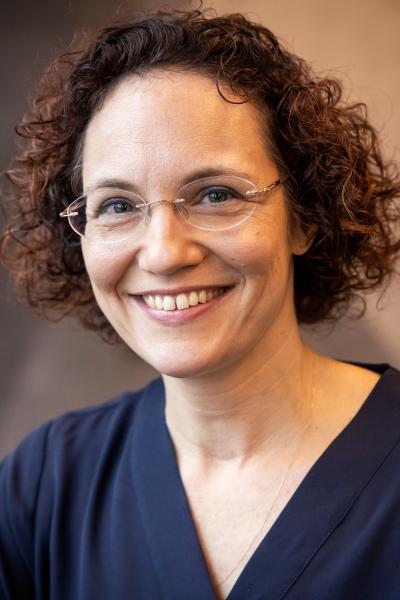 Anna Sarkadi合作论文数Department of Public Health and Caring Sciences, Uppsala University7
 Mervi Vanska合作论文数6Nina Langer Primdahl合作论文数5
 Sofie de Smet合作论文数4Raija-Leena Punamaki合作论文数4
 Hilde Colpin合作论文数4Prue Cauley合作论文数3
 Nikolett Szelei合作论文数Ghent University3Ines Devlieger合作论文数3
 Nissen Alexander合作论文数a Norwegian Centre for Violence and Traumatic Stress Studies3
 Øivind Fjeld-Solberg合作论文数2
 Fredrik Saboonchi合作论文数Department of Clinical Sciences Danderyd Hospital, Karolinska Institutet2Riina Lepistö合作论文数1Oivind Fjeld-Solberg合作论文数1
 Sameh Said-Metwaly合作论文数Fac Psychol & Educ Sci, Katholieke Univ Leuven1
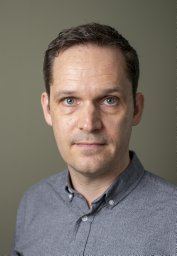 Harald Bækkelund合作论文数Modum Bad, Res Inst, Vikersund, Norway1
 Synne Stensland合作论文数Section for Trauma, catastrophes and forced migration - children and youths, Norwegian Centre for Violence and Traumatic Stress Studies1
 Elisa Pfeiffer合作论文数Clin Child & Adolescent Psychiat Psychotherapy, Ulm Univ1
 Tiina Turunen合作论文数INVEST Psychol, Univ Turku1Wentzel-Larsen Tore合作论文数1
 Feldman Inna合作论文数1McDiarmid Serena合作论文数1
 Kristin Alve Glad合作论文数Norwegian Centre for Violence and Traumatic Stress Studies1




