In response to anemia, the heightened production of erythropoietin (EPO) can sharply promote erythroid progenitor cell (EPC) formation. Specific mediators of such EPO- accelerated erythropoiesis, however, are not well understood. Presently, we first report that the expression of Trib3 in adult bone marrow EPCs in vivo is nominal at steady state, but strongly activated on EPO challenge. In a knockout mouse model, Trib3 disruption modestly increased steady-state erythrocyte numbers and decreased mean corpuscular volume. Following 5-fluorouracil myeloablation, however, rebound red blood cell production and hemoglobin levels were substantially (and selectively) compromised in Trib3-/- mice versus Trib3+/+ congenic controls. Erythrocytes from 5-fluorouracil-treated Trib3-/- mice additionally were more prone to lysis and exhibited elevated peroxide-induced reactive oxygen species. Ex vivo, the development of CD71posTer119pos erythroblasts from Trib3-/- bone marrow progenitors was attenuated, and this was associated with heightened EPO-dependent Erk1/2 activation and moderately increased Akt activation. For developmentally staged EPCs, gene profiling provided further initial insight into candidate mediators of EPO-induced Trib3 gene expression, including Cebp-beta, Atf4, Egr-1, and Nab1. Overall, Trib3 is indicated to act as a novel EPC-intrinsic governor of stress erythropoiesis.
Altered expression of Trib2 pseudokinase has been associated with AML (M2, M4 subtypes) (Cancer Cell, 10: 401), and ectopic expression of Trib2 in hematopoietic progenitors drives myeloid leukemogenesis (Blood, 116: 1321). In addition, inhibition of Trib2 expression by EPO in erythroid progenitors has been demonstrated (Blood, 111: 5390). Beyond this, little is known about Trib2's expression profiles and roles during normal myelopoiesis. To critically address functional roles, we have generated and characterized a novel Trib2-KO mouse model. Within bone marrow CFU-GM formation faltered, and Trib2-KO Linneg progenitors exhibited deficit granulocyte production (with a relative increase in monocytes). This was not associated with significant differences in survival or cell cycle features among developing granulomonocytic cells. Instead, Trib2 levels proved to be heightened among Linneg progenitors (and inhibited in GM cells following GMCSF, GCSF or ATRA exposure). This prompted analyses of CMP and early-CMP (eCMP) populations in which RNAseq demonstrated peak Trib2 expression. Furthermore, eCMP and CMP pools were elevated in Trib2-KO mice. Within progenitors of the erythroid lineage, Trib2 expression levels also selectively increased, and in Trib2-KO mice BFUe and CFUe levels were decreased (and RBC plus HGB were diminished). Intriguingly, when Trib2-KO mice were challenged with Flt3L plus GMCSF, BFUe (but not CFU-GM or GEMM) were mobilized to peripheral blood at levels 13.3-fold above wild-type controls. This indicates candidate effects of Trib2 on a proposed BFUe niche. Overall, novel multi-lineage roles for Trib2 are revealed in regulating eCMP pools, GM-CSF populations, balanced granulocytic vs monocytic cell formation, and the production of erythroid progenitor cells.
Sprouty proteins are established modifiers of receptor tyrosine kinase (RTK) signaling and play important roles in vasculogenesis, bone morphogenesis, and renal uteric branching. Little is understood, however, concerning possible roles for these molecular adaptors during hematopoiesis. Within erythroid lineage, Spry1 was observed to be selectively and highly expressed at CFU-e to erythroblast stages. In analyses of possible functional roles, an Mx1-Cre approach was applied to conditionally delete Spry1. At steady state, Spry1 deletion selectively perturbed erythroid development and led to reticulocytosis plus heightened splenic erythropoiesis. When challenged by hemolysis, Spry1-null mice exhibited worsened anemia and delayed recovery. During short-term marrow transplantation, Spry1-null donor marrow also failed to efficiently rescue the erythron. In each anemia model, however, hyperexpansion of erythroid progenitors was observed. Spry function depends on phosphorylation of a conserved N-terminal PY motif. Through an LC-MS/MS approach, Spry1 was discovered to be regulated via the erythropoietin receptor (EPOR), with marked EPO-induced Spry1-PY53 phosphorylation observed. When EPOR signaling pathways were analyzed within Spry1-deficient erythroid progenitors, hyperactivation of not only Erk1,2 but also Jak2 was observed. Studies implicate Spry1 as a novel regulator of erythropoiesis during anemia, transducer of EPOR signals, and candidate suppressor of Jak2 activity.
Erythropoietin (EPO) and its cell surface receptor (EPOR) are essential for red blood cell production and exert important cytoprotective effects on select vascular, immune, and cancer cells. To discover novel EPO action modes, we profiled the transcriptome of primary erythroid progenitors. We report Serpina3g/Spi2A as a major new EPO/EPOR target for the survival of erythroid progenitors. In knockout mice, loss of Spi2A worsened anemia caused by hemolysis, radiation, or transplantation. EPO-induced erythropoiesis also was compromised. In particular, maturing erythroblasts required Spi2A for cytoprotection, with iron and reactive oxygen species as cytotoxic agents. Spi2A defects were ameliorated by cathepsin-B/L inhibition, and by genetic co-deletion of lysosomal cathepsin B. Pharmacological inhibition of cathepsin B/L enhanced EPO-induced red cell formation in normal mice. Overall, we define an unexpected EPO action mode via an EPOR-Spi2A serpin-cathepsin axis in maturing erythroblasts, with lysosomal cathepsins as novel therapeutic targets.
Abstract Abstract 2298 Trib's 1–3 are a homologous set of pseudokinases that (through their molecular actions as adaptors for E3 ubiquitin ligases, Akt and/or Mek/Erk) can exert diverse tissue and cellular effects. Upon ectopic expression, Trib2 promotes myeloid leukemia, and is elevated in its expression in melanoma. Trib3 can modulate insulin action, adipogenesis, and cardiomyopathy. Trib1 is implicated in inflammatory cytokine responses, and megakaryocytic leukemia. This illustrates the range of Trib functions, and also points to important regulatory roles for Tribs during hematopoiesis. To date the majority of Trib action studies have applied gain-of-function approaches. To gain new insight into hematopoietic roles of Trib2 and Trib3, we have generated novel knockout mouse models, and have employed a bone marrow transplant approach to assess possible effects of Trib2 or Trib3- deficiency on blood cell development. This approach also brings to bear the frequent requirement of physiological stress for the engagement of Trib pseudokinases. We assessed blood lineage reconstitution via hematological and flow cytometric analyses in irradiated (2 × 450 RAD) and bone marrow transplanted congenic recipient C57BL/B6.Ptprca, Ly-5.1 mice (5 × 10⁵ Trib2-KO, Trib3-KO or wild-type donor cells). In all experiments, full representation of donor derived Ly5.2 hematopoietic cells was confirmed in blood, bone marrow and spleen. Trib2-KO and Trib3-KO transplanted mice each exhibited skewed hematopoietic reconstitution profiles (as compared directly to wild-type BM transplanted controls). Trib2-KO transplanted mice exhibited persistently elevated lymphoid and WBC levels at week 6, 10 and 36 post BMT, and peripheral blood CD19+/B220+/Ly5.2+ B-cells also were elevated. In contrast, Trib3-KO transplanted mice exhibited sustained increases in reticulocyte production, together with heightened splenic erythropoiesis. Within a bone marrow transplantation context, findings reveal novel lineage- specific roles for Trib2 during lymphopoiesis, and for Trib3 during stress erythropoiesis. Disclosures: No relevant conflicts of interest to declare.
Certain concepts concerning EPO/EPOR action modes have been challenged by in vivo studies: Bcl-x levels are elevated in maturing erythroblasts, but not in their progenitors; truncated EPOR alleles that lack a major p85/PI3K recruitment site nonetheless promote polycythemia; and Erk1 disruption unexpectedly bolsters erythropoiesis. To discover novel EPO/EPOR action routes, global transcriptome analyses presently are applied to interrogate EPO/EPOR effects on primary bone marrow-derived CFUe-like progenitors. Overall, 160 EPO/EPOR target transcripts were significantly modulated 2-to 21.8-fold. A unique set of EPO-regulated survival factors included Lyl1, Gas5, Pim3, Pim1, Bim, Trib3 and Serpina 3g. EPO/EPOR-modulated cell cycle mediators included Cdc25a, Btg3, Cyclin-d2, p27-kip1, Cyclin-g2 and CyclinB1-IP-1. EPO regulation of signal transduction factors was also interestingly complex. For example, not only Socs3 plus Socs2 but also Spred2, Spred1 and Eaf1 were EPO-induced as negative-feedback components. Socs2, plus five additional targets, further proved to comprise new EPOR/Jak2/Stat5 response genes (which are important for erythropoiesis during anemia). Among receptors, an atypical TNF-receptor Tnfr-sf13c was up-modulated >5-fold by EPO. Functionally, Tnfr-sf13c ligation proved to both promote proerythroblast survival, and substantially enhance erythroblast formation. The EPOR therefore engages a sophisticated set of transcriptome response circuits, with Tnfr-sf13c deployed as one novel positive regulator of proerythroblast formation.
Purpose of reviewIn 1985-1989, erythropoietin (EPO), its receptor (EPOR), and janus kinase 2 were cloned; established to be essential for definitive erythropoiesis; and initially intensely studied. Recently, new impetus, tools, and model systems have emerged to re-examine EPO/EPOR actions, and are addressed in this review. Impetus includes indications that EPO affects significantly more than standard erythroblast survival pathways, the development of novel erythropoiesis-stimulating agents, increasing evidence for EPO/EPOR cytoprotection of ischemically injured tissues, and potential EPO-mediated worsening of tumorigenesis.Recent findingsNew findings are reviewed in four functional contexts: (pro) erythroblast survival mechanisms, new candidate EPO/EPOR effects on erythroid cell development and new EPOR responses, EPOR downmodulation and trafficking, and novel erythropoiesis-stimulating agents.SummaryAs Current Opinion, this monograph seeks to summarize, and provoke, new EPO/EPOR action concepts. Specific problems addressed include: beyond (and before) BCL-XL, what key survival factors are deployed in early-stage proerythroblasts? Are distinct EPO/EPOR signals transduced in stage-selective fashions? Is erythroblast proliferation also modulated by EPO/EPOR signals? What functions are subserved by new noncanonical EPO/EPOR response factors (e.g. podocalyxin like-1, tribbles 3, reactive oxygen species, and nuclear factor kappa B)? What key regulators mediate EPOR inhibition and trafficking? And for emerging erythropoiesis-stimulating agents, to what extent do activities parallel EPOs (or differ in advantageous, potentially complicating ways, or both)?
Investigations of bone marrow (BM) erythroblast development are important for clinical concerns but are hindered by progenitor cell and tissue availability. We therefore sought to more specifically define dynamics, and key regulators, of the formation of developing BM erythroid cell cohorts. A unique Kit(-)CD71(high)Ter119(-) "stage E2" proerythroblast pool first is described, which (unlike its Kit(+) "stage E1" progenitors, or maturing Ter119(+) "stage E3" progeny) proved to selectively expand ∼ 7-fold on erythropoietin challenge. During short-term BM transplantation, stage E2 proerythroblasts additionally proved to be a predominantly expanded progenitor pool within spleen. This E1→E2→E3 erythroid series reproducibly formed ex vivo, enabling further characterizations. Expansion, in part, involved E1 cell hyperproliferation together with rapid E2 conversion plus E2 stage restricted BCL2 expression. Possible erythropoietin/erythropoietin receptor proerythroblast stage specific events were further investigated in mice expressing minimal erythropoietin receptor alleles. For a hypomorphic erythropoietin receptor-HM allele, major defects in erythroblast development occurred selectively at stage E2. In addition, stage E2 cells proved to interact productively with primary BM stromal cells in ways that enhanced both survival and late-stage development. Overall, findings reveal a novel transitional proerythroblast compartment that deploys unique expansion devices.
Abstract Abstract 4238 In late stage erythroblasts, EPO can increase levels of Bclx, Bcl2 and/or Mcl1 anti-apoptotic factors. Proerythroblasts, however, are a key EPO target (and exhibit sharp dependence on EPO for growth, and survival). In these progenitors, however, Bclx, Bcl2 and Mcl1 are not prime EPO/EPOR targets. Via transcriptome-based analyses of EPO response circuits in developmentally staged primary bone marrow proerythroblasts (which we now analyze and present at a global level) an atypical TNF receptor, Tnfrsf13c proved to be among the top 1% of EPO/EPOR induced factors. Within lymphoid lineages, Tnfrsf13c is a known receptor for BAFF ligand; and BAFF is an essential mediator of B-cell survival and development. Possible effects of BAFF (a bone marrow stromal cell surface ligand) on primary erythroid cell formation therefore were assessed. Notably, limited BAFF exposure (15 hours) inhibited apoptosis; increased erythroid cell numbers; and enhanced the formation of late-stage Ter119pos erythroblasts. Specifically, cytoprotection by BAFF rivaled that afforded by EPO; cell numbers were enhanced 140% (in 15 hr); and frequencies of Ter119pos erythroblasts were enhanced to 200% of controls. In keeping with Tnfrsf13c's role as an EPOR target, each of the above effects further proved to depend upon proerythroblast exposure to EPO. With regards to Tnfrsf13c expression, analyses using primary erythroid progenitors with knocked-in minimal EPOR alleles indicated dependence for EPO- induction upon JAK2, STAT5 as well as EPOR C-terminal coupled pathways. Studies overall reveal a novel EPOR action route within primary proerythroblasts as a Tnfrsf13c/BAFF pathway (which engages non-canonical NF-kappaB molecular mechanisms). Disclosures: No relevant conflicts of interest to declare.
Abstract 1985 Poster Board I-1007 TRIB pseudokinases have been implicated as pro-leukemogenic factors, and candidate regulators of insulin-dependent glucose utilization, adipogenesis and obesity. In a hematopoietic context, we have discovered that TRIB3 is a major new EPOR/JAK2/STAT5 response factor which furthermore is selectively elevated (among TRIB-1, -2 and -3) ≥ 10 fold in late-stage murine and human erythroblasts. We therefore have hypothesized that TRIB3 may selectively affect stress erythropoiesis, and have critically addressed this problem by generating novel TRIB3flox/flox and TRIB3-null mice. At steady state, hematopoiesis among TRIB3-null mice is largely unperturbed. When challenged with hemolytic anemia, however, TRIB3- deficient mice exhibit worsened anemia (increased severity, and recovery time). Analyses of possible stage-specific effects further indicate faltered erythropoiesis at relatively late Kitneg CD71high Ter119pos erythroblast stage. Recently, TRIBs have been revealed to act as apparent E3 ubiquitin ligase coupling factors. It is therefore intriguing to speculate that TRIB3 may act selectively during stress erythropoiesis to target and decay a key late-stage negative regulator. Disclosures: No relevant conflicts of interest to declare.
UNLABELLEDHereditary haemorrhagic telangiectasia (HHT), associated with arteriovenous malformations, is a genetic disease of the vascular system with a frequency of approx. 1:10,000. Genetic diagnosis serves to identify individuals at risk of developing the disease and is a useful tool for genetic counselling purposes.QUESTIONS UNDER STUDYHere we report on a child presenting severe arteriovenous malformations leading to heart failure. Her mother and grandmother present fewer symptoms of hereditary haemorrhagic telangiectasia. In this study we identify the cause of HHT in the family.METHODSClinical examination, PCR, DNA sequencing, quantitative PCR, Southern blot, xray, ultrasound, cardiac catheterisation and angiocardiography.RESULTSInitially the sequence variant in c.392C>T in the endoglin gene was detected in the grandmother, but not in other affected family members. Further analyses revealed a deletion of exon 1 of endoglin, segregating with the phenotype.CONCLUSIONSThis report points out the need for careful evaluation of molecular genetic findings, particularly in diseases with highly variable phenotype.
Interest in advancing a more sophisticated knowledge of EPOR action mechanisms remains intense based on the emergence of novel ESAs; cytoprotective effects of EPO and ESAs in ischemically injured tissues; and adverse effects of EPO on cancer progression. By employing primary bone marrow erythroblasts and global transcriptome analyses, we recently have discovered several previously undescribed EPO/EPOR response factors that regulate erythroid progenitor cell development. These include Cyclin-G2, the pseudokinase Tribbles-3 (TRB3), and a strongly EPO-induced intracellular serpin, Serpina-3G (S3G). Here we report on EPOR- mediated routes to S3G expression, and on phenotypes resulting from S3G's reinforced, or disrupted expression. As determined using early-stage erythroid progenitors with minimal knocked-in EPOR alleles, S3G expression proved to depend upon an EPOR-PY343/STAT5 axis. At the protein level, S3G was cytoplasmically retained (as was S3G-flag in stably transduced G1E2 cells, and in transgenic Gata1-IE3.9int-S3G mice). Ectopic expression of S3G further revealed advantaged expansion capacities. To critically assess S3G's function, S3G knock-out mice were prepared. Consistent with a hypothesis that S3G might affect erythropoiesis selectively during anemia, BFUe, CFUe and red cell levels in S3G-null mice at steady-state were not significantly perturbed. However, S3G's deletion markedly impaired erythropoiesis during hemolytic anemia, and inhibited EPO- induced erythropoiesis per se. In particular, hematocrits during anemia in S3G-null mice fell to 23.0 +/− 2.2% as compared to 38.7 +/− 1.8% for S3G+/+ controls. In response to EPO, an increase in hematocrit of only 1.75 +/− 0.2% was exhibited for S3G-null mice as compared to 4.9 +/− 0.5% for S3G+/+ controls. Investigations therefore establish S3G as an important non-redundant mediator of EPO- and anemia- induced erythropoiesis. They also raise interesting new questions concerning the nature of S3G's action pathways, and S3G's candidate pro-erythroblast intrinsic target protease.
During anemia erythropoiesis is bolstered by several factors including KIT ligand, oncostatin-M, glucocorticoids, and erythropoietin. Less is understood concerning factors that limit this process. Experiments performed using dual-specificity tyrosine-regulated kinase-3 (DYRK3) knock-out and transgenic mice reveal that erythropoiesis is attenuated selectively during anemia. DYRK3 is restricted to erythroid progenitor cells and testes. DYRK3-/- mice exhibited essentially normal hematological profiles at steady state and reproduced normally. In response to hemolytic anemia, however, reticulocyte production increased severalfold due to DYRK3 deficiency. During 5-fluorouracil-induced anemia, both reticulocyte and red cell formation in DYRK3-/- mice were elevated. In short term transplant experiments, DYRK3-/- progenitors also supported enhanced erythroblast formation, and erythropoietic advantages due to DYRK3-deficiency also were observed in 5-fluorouracil-treated mice expressing a compromised erythropoietin receptor EPOR-HM allele. As analyzed ex vivo, DYRK3-/- erythroblasts exhibited enhanced CD71posTer119pos cell formation and 3HdT incorporation. Transgenic pA2gata1-DYRK3 mice, in contrast, produced fewer reticulocytes during hemolytic anemia, and pA2gata1-DYRK3 progenitors were compromised in late pro-erythroblast formation ex vivo. Finally, as studied in erythroid K562 cells, DYRK3 proved to effectively inhibit NFAT (nuclear factor of activated T cells) transcriptional response pathways and to co-immunoprecipitate with NFATc3. Findings indicate that DYRK3 attenuates (and possibly apportions) red cell production selectively during anemia.
EPO functions primarily as an erythroblast survival factor, and its antiapoptotic actions have been proposed to involve predominantly PI3-kinase and BCL-X pathways. Presently, the nature of EPO-regulated survival genes has been investigated through transcriptome analyses of highly responsive, primary bone marrow erythroblasts. Two proapoptotic factors, Bim and FoxO3a, were rapidly repressed not only via the wild-type EPOR, but also by PY-deficient knocked-in EPOR alleles. In parallel, Pim1 and Pim3 kinases and Irs2 were induced. For this survival gene set, induction failed via a PY-null EPOR-HM allele, but was restored upon reconstitution of a PY343 STAT5-binding site within a related EPOR-H allele. Notably, EPOR-HM supports erythropoiesis at steady state but not during anemia, while EPOR-H exhibits near wild-type EPOR activities. EPOR-H and the wild-type EPOR (but not EPOR-HM) also markedly stimulated the expression of Trb3 pseudokinase, and intracellular serpin, Serpina-3G. For SERPINA-3G and TRB3, ectopic expression in EPO-dependent progenitors furthermore significantly inhibited apoptosis due to cytokine withdrawal. BCL-XL and BCL2 also were studied, but in highly responsive Kit(pos)CD71(high)Ter119(neg) erythroblasts, neither was EPO modulated. EPOR survival circuits therefore include the repression of Bim plus FoxO3a, and EPOR/PY343/STAT5-dependent stimulation of Pim1, Pim3, Irs2 plus Serpina-3G, and Trb3 as new antiapoptotic effectors.
Germ cells must develop along distinct male or female paths to produce the spermatozoa or oocyte required for sexual reproduction. Male germline stem cells maintain spermatogenesis in the postnatal human testis. Here we show that a small population of bone marrow cells is able to transdifferentiate to male germ cell-like cells. We show expression of early germ cell markers (Oct4, Fragilis, Stella and Vasa) and male germ cell specific markers (Dazl, TSPY, Piwil2 and Stra8) in these cells. Our preliminary findings provide direct evidence that human bone marrow cells can differentiate to putative male germ cells and identify bone marrow as a potential source of male germ cells that could sustain sperm production.
Elucidating the mechanisms of alternative splicing in the brain is a prerequisite to the understanding of the pathogenesis of major neurological diseases linked to impairment of pre-mRNA alternative splicing. The gene trinucleotide repeat-containing 4 (TNRC4) is predicted to encode a member of the CELF (CUG-BP- and ETR-3-like factors) family of RNA-binding proteins containing a 15-18-residue polyglutamine sequence. The TNRC4 transcript is selectively expressed in the brain. Using an anti-peptide antibody against the predicted sequence, we establish the presence of TNRC4 as a approximately 50 kDa protein in the brain. Full-length TNRC4 displays nuclear and cytoplasmic localizations in transfected cells, whereas a C-terminally truncated mutant is essentially confined to the cytoplasm. TNRC4 is not recruited into inclusions formed by polyglutamine-expanded ataxin-1 or huntingtin. TNRC4 activates tau exon 10 (E10) inclusion at high efficiency in transfected cells. TNRC4 contains two consecutive N-terminal RNA recognition motifs (RRMs) separated from the C-terminal RRM. Deletion and point mutant analysis show that the activity of TNRC4 on tau E10 splicing is mainly mediated by the RNA-binding activity of the second RRM and involves an intronic element of the tau pre-mRNA. The polyglutamine sequence has no effect on the activity of TNRC4 on tau E10 splicing. This study represents the first characterization of TNRC4 and provides further insight into the mechanisms of brain-specific alternative splicing and their possible pathological implications.
Germline and somatic stem cells are distinct types of stem cells that are dedicated to reproduction and somatic tissue regeneration, respectively. Germline stem cells (GSCs), which can self-renew and generate gametes, are unique stem cells in that they are solely dedicated to transmit genetic information from generation to generation. We developed a strategy for the establishment of germline stem cell lines from embryonic stem cells (ES). These cells are able to undergo meiosis, generate haploid male gametes in vitro and are functional, as shown by fertilization after intra-cytoplasmic injection into mouse oocytes. In other approach, we show that bone marrow stem (BMS) cells are able to trans-differentiate into male germ cells. BMS cell-derived germ cells expressed the known molecular markers of primordial germ cells. The ability to derive male germ cells from ES and BMS cells reveals novel aspects of germ cell development and opens the possibilities for use of these cells in reproductive medicine. Conversely, we showed that adult male germline stem cells, spermatogonial stem cells (SSCs), can be converted into embryonic stem cell like cells which can differentiate into the somatic stem cells of three germ layers. Understanding how SSC can give rise to pluripotent stem cells and how somatic stem cells differentiate into germ cells could give significant insights into the regulation of developmental totipotency as well as having important implications for male fertility and regenerative medicine.
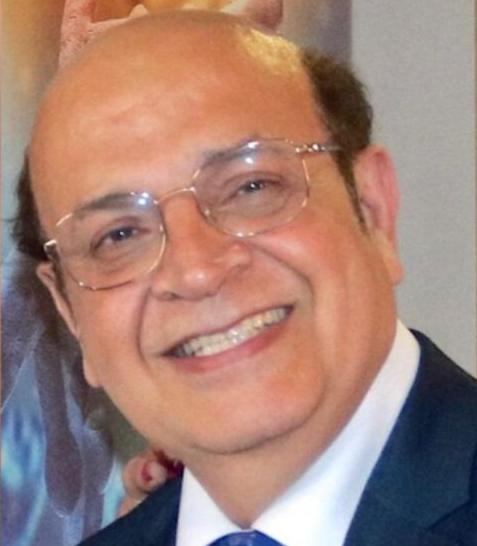
 Don M. Wojchowski合作论文数15
 Karim Nayernia合作论文数P7medicine;International Stem Cell Academy;Institute for Molecular Medicine & Cell8Pradeep Sathyanarayana合作论文数7Pradeep Anamika合作论文数7
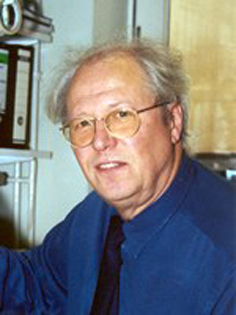 Wolfgang Engel合作论文数Göttinger Graduiertenzentrum für Neurowissenschaften, Biophysik und Molekulare Biowissenschaften, Georg-August-Universität Göttingen7Christine Emerson合作论文数5
 Rakesh Verma合作论文数4Jing Fang合作论文数4Andreas Meinhardt合作论文数Institute of Human Genetics;, University of Mainz4Nadja Drusenheimer合作论文数4Kristina Rathsack合作论文数3Ibrahim M Adham合作论文数3Browne Sarah K合作论文数3
 Thomas Haaf合作论文数Institute of Human Genetics, Julius-Maximilians-Universitat Wurzburg3
 Jae Ho Lee合作论文数College of Medicine, Chungnam National University3Madhu Menon合作论文数Center for Theoretical Physics Department of Physics, Texas A&M University College Station3Ulrich Zechner合作论文数3Estelle Houde合作论文数3
 Gerald G Wulf合作论文数Georg-August-Universitat Gottingen;Klinik für Hämatologie und Onkologie, Universitätsmedizin Göttingen3Olga Bogacheva合作论文数3Jessica Nolte合作论文数3Oleg Bogachev合作论文数3Hw Michelmann合作论文数2
 Ashton-Rickardt Philip G合作论文数Div Immunol & Inflammat, Univ London Imperial2Jachimowicz Edward合作论文数2
 Seema Singh合作论文数2Ingrid Ehrmann合作论文数2Moritz Meins合作论文数2
 David Elliott合作论文数1Kim H. Rance合作论文数1
 Aishwarya Narayanan合作论文数1
 Irakli Panchulidze合作论文数1Ozlem Topaloglu合作论文数1
 Teresa Rodriguez Martin合作论文数1Evelyn Grau合作论文数1Susan M. Byrne合作论文数1Melanie Ufkin合作论文数1
 J Paul Chapple合作论文数1Franco Lacone合作论文数1Khailun Tseden合作论文数1Ruth Asch合作论文数1
 Joerg Gromoll合作论文数1Stephan Wolf合作论文数1Green Jennifer M合作论文数1
 Jonathan D Licht合作论文数University of Florida Health Cancer Center;Department of Medicine, College of Medicine, University of Florida;University of Florida Health/Shands Hospital1
 Moneef Shoukier合作论文数1Teske Ute合作论文数1
 Haydn M Prosser合作论文数Wellcome Trust Sanger Inst1
 Thomas A. Cooper合作论文数Department of Molecular and Cellular Biology, Baylor College of Medicine;Department of Pathology & Immunology, Baylor College of Medicine;Department of Molecular Physiology and Biophysics, Baylor College of Medicine1




