The lips are a critical component that contributes both to esthetics and function. Partial or total resection of the lower lip following diagnosis of squamous cell carcinoma is frequently required. Reconstruction of lip tissues depends on the size and area of the defect. Multiple methods have been introduced for such cases, all with their challenges and downsides in restoring acceptable aesthetics and function. While defects covering roughly one-third of the lip surface can be treated by primary closure, more significant defects may require more complex methods. Recently the free buccal fat pad graft has been described as a volumizer graft, able to reconstruct different defects in the oral cavity. This report aims to describe a case diagnosed with SCC in which a wedge resection of about 50% of the lower lip was reconstructed with a free buccal fat pad graft. Lip tissue underwent primary closure and compensation of the lost lip volume was obtained. Thus, the buccal fat pad graft was shown to be an adequate tool for cases of lip tissue reconstruction.
Severe edentulous posterior mandible atrophy with inadequate bone height superior to the inferior alveolar canal may increase the risk of neurosensory impairment and other complications during inferior alveolar nerve (IAN) transposition (IANT) prior to dental implant insertion. The current report describes the tubing technique as a practical and feasible procedure that ensures IAN preservation during IANT. The technique involves wrapping a standard suction catheter around the exposed nerve to facilitate full coverage. This work presents a retrospective review of 31 patients undergoing IANT procedures followed by immediate placement of dental implants between January 2015 and January 2020. IANT was performed either unilaterally or bilaterally on all patients, followed by IAN tubing before implant placement. A total of 46 IANT procedures involving the tubing technique were performed. Overall, 149 dental implants were inserted during IANT surgeries, with a success rate of 98.6%. Sensory disturbance was documented in 47.8% of the treated sites (left/right mandible) at 1 month (22/46 sites), 21.7% at 3 months (10/46 sites), 6.5% at 6 months (3/46 sites), and 2.2% at 12 months (1/46 sites) postimplantation. In total, except for 1 case, sensory disturbance was fully resolved by the end of the 12-month follow-up period. Taken together, the tubing technique described herein is a practical and reproducible method for protecting the IAN during transposition.
Endometrial polyps (EPs) are benign overgrowths of the endometrium, with the potential to cause severe complications, ranging from discomfort to inflammation and infertility. Dysfunction of endometrial fibroblasts may be a critical component leading to the development of polyps. Although surgical intervention is the common remedy for severe cases, it comes with drawbacks, including infection, bleeding, and risk of damage to the cervix and adjacent tissues. Adipose-derived mesenchymal stromal cells (ASCs) are at the focus of modern medicine, as key modulators of tissue homeostasis, inflammation, and tissue repair, rendering them prime candidate agents for tissue regeneration and cell-based therapies. In this study, EPs were isolated from patients admitted to the OB/GYN department at the Galilee Medical Center and extracted fibroblasts (endometrial polyp fibroblasts, EPFs) were isolated and characterized. ASCs were isolated from healthy patients. The effect of EPF- and ASC-conditioned media (CM) on polyp-derived fibroblasts was evaluated, in both 2D and 3D assays, as well as on the expression of matrix-related gene expression. Herein, EPFs exposed to ASC-CM exhibited reduced migration, invasion, contraction of hydrogels, and extracellular matrix deposition, compared with those exposed to EPF-CM. Altogether, this study suggests that ASCs may have a modulating effect on fibroblasts involved in forming EPs and may serve as the basis for conservative treatment strategies aimed at treating severe cases of EPs.
The aim of this study is to compare the effectiveness of intra-articular and three-point sub-synovial steroid injections. In this retrospective Cohort study an OSCA lysis and lavage, intra-articular and threepoint subsynovial steroid injections were performed and the maximal interincisinal opening (MIO), pain using 10- point visual analog scale (VAS) and quality of life (QOL) were measured one week before the procedure and 1, 3, 6,12 months, and 2 and 3years after surgery. Sixty-five patients suffering from internal derangement refractory to conservative treatment charts were reviewed. successfully lowered pain (p value = 0.0012), and improved mouth opening (p value = 0.023), and quality of life (QoL) (p value = 0.003) for up to 6 months after surgery. OSCA with intra-articular CS injections effectively lowered pain (p value = 0.0025), and improved mouth opening (p value = 0.03) and QoL (p value = 0.004) for 12 months. In comparison, OSCA with sub-synovial steroid injections was significantly effective in lowering pain (p value = 0.000002), improving mouth opening (p value = 0.000004), and QoL (p value p = 0.000006) for the duration of the 36-month follow-up period within the limitations of the study it seems that the OSCA technique with site-specific, sub-synovial CS injections should be the preferred treatment approach when the priority is long-term success concerning pain relief, increased mouth opening and improved quality of life in Wilkes II-IV patients. (c) 2022 European Association for Cranio-Maxillo-Facial Surgery. Published by Elsevier Ltd. All rights reserved.
Introduction: The current corona virus disease 2019 (COVID-19) outbreak set new challenges to nearly all health plans and large health organizations worldwide, including movement restrictions, strict limitations in healthcare services, especially in the dental profession, and patient fears regarding potential infection. Telehealth can serve as an effective platform for remote connection between dental healthcare providers and patients, and can help reduce the risk of infection when social distancing is required. Objective: The current study aimed to evaluate the quality of treatment provided via teledentistry, as perceived by patients using the service, as well as their willingness to use online distant medical consultation in the future. Methods: Since March 2020, a new online service was implemented in the Oral Medicine Unit and Oral and Maxillofacial Surgery Department in the Galilee Medical Center, to expand the range of services beyond merely emergency treatments. Results: The current study examined the quality of teledentistry services as perceived by 89 patients participating in at least one teleconsultation, and their acceptance of remote healthcare. Satisfaction rates were high in patients who received both full and partial solution to their chief complaint. Moreover, acceptance of the teledentistry platform was high, even in the older age groups. Conclusions: We propose to implement teledentistry services in current and future pandemics, as well as during routine times, to strengthen our health care system with digital technologies.
The COVID-19 pandemic spread rapidly across the globe, leading governments to impose prolonged lockdowns on both movement and commerce. Although lockdowns decrease the rates of novel infections, they can have devastating consequences on the economy and employment levels. One of the most severely affected sectors during this crisis has been dental medicine. Dental professionals are uniquely exposed to environments with high levels of occupational hazards, conferring additional risks of viral exposure and transmission. We analyzed 506 anonymous questionnaires completed by dentists and residents regarding acceptance of a future potential SARS-CoV-2 vaccine. Our results demonstrate a statistically significant correlation between the individual's unemployment rate and their willingness to inoculate with a SARS-CoV-2 vaccine when it becomes available. This information can be used to predict trends of vaccine acceptance or rejection based on economic burden during the COVID-19 pandemic by different sectors as part of the preparedness toward global vaccination programs.
The COVID-19 pandemic raises the need for diverse diagnostic approaches to rapidly detect different stages of viral infection. The flexible and quantitative nature of single-molecule imaging technology renders it optimal for development of new diagnostic tools. Here we present a proof-of-concept for a single-molecule based, enzyme-free assay for detection of SARS-CoV-2. The unified platform we developed allows direct detection of the viral genetic material from patients' samples, as well as their immune response consisting of IgG and IgM antibodies. Thus, it establishes a platform for diagnostics of COVID-19, which could also be adjusted to diagnose additional pathogens.
The coronavirus disease 2019 (COVID-19) pandemic demanded widespread adoption of personal protective equipment for viral transmission prevention. The prevalence of allergic rhinitis, ranging from 10% to 20% of the general population,1 together with extensive use of face masks during the pandemic provided an opportunity to study the effects of face masks on rhinitis symptoms. We used questionnaire data to characterize Israeli nurses' symptomatology while wearing face masks when working 8- to 12-hour shifts during the COVID-19 pandemic.
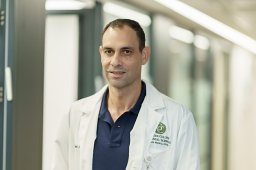 Samer Srouji合作论文数Galilee Med Ctr, Galilee Coll Dent Sci10
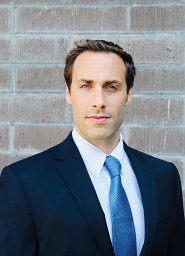 Daniel Oren合作论文数Galilee College of Dental Sciences, Bar-Ilan University6
 Dror Amiel A合作论文数Sackler Faculty of Medicine, Tel Aviv University6
 Idan Redenski合作论文数5
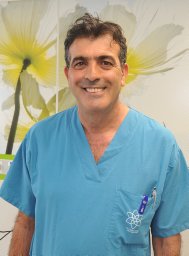 Fares Kablan合作论文数Department of Oral and Maxillofacial Surgery, Poriya Hospital5
 Eyal Sela合作论文数4Tharwat Haj Khalil合作论文数3
 Nicole Morozov合作论文数2
 Tali Shani合作论文数2
 Netanel Eisenbach合作论文数Dept Otolaryngol Head & Neck Surg, Galilee Med Ctr2Shadi Daoud合作论文数1Nir Erez合作论文数1Adeeb Zoabi合作论文数1
 Eli Layous合作论文数1Tal Marshak合作论文数1Mona Shehadeh合作论文数1Doaa Rayan合作论文数1Amani Daoud合作论文数1Avishalom Sharon合作论文数1Yigal Granot合作论文数1Shay Shilo合作论文数1Nicole M. Bernfeld合作论文数1
 Vadim Fedyuk合作论文数1
 Shahar Taiber合作论文数Faculty of Medicine, Tel Aviv University1Sharon Amit合作论文数Clinical Microbiology, Sheba Medical Center, Ramat Gan, Israel.1Ohad Ronen合作论文数Galilee Medical Center affiliated with Azrieli Faculty of Medicine, Bar-Ilan University1
 Dahan Rony合作论文数Faculty of Biology, Technion-Israel Institute of Technology1
 Noa Furth合作论文数1
 Eran E Alon合作论文数1
 Shaked Shivatzki合作论文数1
 Eran Segal合作论文数Department of Computer Science and Applied Mathematics, Faculty of Mathematics and Computer Science, Weizmann Institute of Science;Department of Molecular Cell Biology, Faculty of Biology, Weizmann Institute of Science1
 Itzchak Levy合作论文数1
 Hesham Marei合作论文数1
 Daniel Douek合作论文数Immunology Laboratory, National Institute of Allergy and Infectious Diseases, National Institutes of Health1
 Efrat Shema合作论文数Department of Molecular Cell Biology, Weizmann Institute of Science1
 Mizied Falah合作论文数1Adina Weinberger合作论文数1




