Aims Clubfoot is the most common congenital foot deformity. Although the overall effectiveness of the Ponseti method is well established, it has traditionally been taught as a unified doctrine, and individual components, particularly those related to the maintenance of correction, have not been evaluated with the same level of rigour. Consequently, high-quality evidence to support clinical decision-making remains limited. This study used a consensus-based approach to identify research priorities for clinical trials in clubfoot management. Methods This study followed a previously published protocol. A modified Delphi technique was used, which involved an initial scoping survey, a two-round modified Delphi consensus survey, and consensus meetings that included the UK Clubfoot Network Research Committee. The survey was distributed among key stakeholders in the management of clubfoot as well as patients and carers in the UK. Reporting followed the ACCORD checklist. Results A total of 103 and 93 participants contributed to rounds one and two of the Delphi process, respectively, scoring research priorities from one (low priority) to five (high priority). Stakeholders identified nine priorities in research across four themes of Primary Treatment, Bracing, Relapse, and Physiotherapy. The highest scoring themes were Relapse and Bracing, and the highest scoring priority was regarding the effectiveness of unilateral versus bilateral bracing. Conclusion Identification of research priorities in clubfoot through this study will guide multicentre clinical trials to improve evidence-based clubfoot treatment.
Rehm, Andreas; Osman, Hatem; Newton, Ayla C.; Clegg, Rachael; Ashby, Elizabeth; Chase, Helen E. Author Information
The objective of this inclusive literature review is to identify surgeries performed for Freiberg's disease (FD) and their outcomes and to perform the first population-based study to establish its incidence. We reviewed all retrievable publications linked to FD listed in PubMed and publications quoted within these publications going back to 1914. Patients with FD and the number of livebirths born in our maternity hospital between 2000 and 2023 were identified from our hospital database. We identified 208 publications of which we managed to review 163 (1121 patients, 1169 feet, of which 939 feet underwent surgery, 116 had no surgery, and for 114, it was unknown if surgery was performed. Patient age: 194 × <18 years, 516 × ≥18 years, 411 × age unknown). The most frequently performed surgeries were intra-articular closing wedge metatarsal osteotomies through the defect (IDCWMO) (284 feet), extra-articular dorsal closing wedge metatarsal osteotomies (EDCWMO) (118 feet), osteochondral autologous transplantation (OAT) (64 feet), and modified Weil osteotomies with intra-articular dorsal closing wedge osteotomies (52 feet). Outcome scores were used in 39 publications, with the American Orthopaedic Foot and Ankle Society score having been used most frequently (28 studies, 462 patients, 482 feet). The mean scores were excellent for OATs and EDCWMOs and good for IDCWMOs and modified Weil osteotomies. We identified 124 644 livebirths and 44 patients with FD. In conclusion, multiple procedures achieved a high rate of excellent and good outcomes where nonoperative management failed. FDis rare, with an extrapolated incidence of 1 in 2833 livebirths.
The objective of this study is to identify musculoskeletal manifestations associated with Stickler syndrome from an inclusive literature review and to perform the first population study to establish its incidence. We reviewed all for us retrievable publications linked to Stickler syndrome listed in PubMed and publications quoted within these publications going back to 1954. From our medical record data bases, we identified all patients with the diagnosis of Stickler syndrome out of a population of consecutive live births born in our maternity hospital between 2000 and 2016. We identified 504 publications of which we managed to obtain and review 487, listing 6182 patients with Stickler syndrome. Musculoskeletal manifestations were recorded in 161 publications (2157 patients: 649 children, 931 adults, unknown 577), providing information on musculoskeletal findings for 1738 patients. There were 237 lower limb-, 233 spinal- and 80 upper limb abnormalities recorded for children. Hyperlaxity was recorded for 100 and unspecified pain for 70 children and for 77 abnormalities it was not specified if upper or lower limbs were affected. Coronal and axial lower limb malalignment was documented 74 times. We identified four patients with Stickler syndrome out of 87 378 consecutive live births, giving an incidence of 1 in 21 844 live births. Patients with Stickler syndrome present with a large variety of musculoskeletal manifestations. Assessment by a paediatric orthopaedic surgeon in childhood would be beneficial to identify spinal abnormalities and alignment problems, such as coxa vara/valga, abnormal femoral version, genu valgum and distal lateral tibial dysplasia, where guided growth or osteotomies might be useful to alleviate future function and symptoms.
Rehm, Andreas MD; Worley, Rebecca J. MBBS BSc; Osman, Hatem MBBCh, MSc; Gompels, Ben MBBCh; Chase, Helen E. MBBCh, FRCS Tr&Ortho; Ashby, Elizabeth MD Author Information
Aims:Clubfoot is the most common congenital foot deformity. Clubfoot management is lacking high-quality research to support clinical decision-making. It has been chosen as one of the elective priorities in research by the James Lind Alliance priority setting. We present the protocol of a consensus-based approach to identify research priorities for clinical trials in clubfoot management. Methods:A modified Delphi technique will be used, which will involve an initial scoping survey, a two-round Delphi process, and a consensus meeting. The survey will be conducted among key stakeholders in the management of clubfoot, as well as patients and carers in the UK. The priorities identified during this process will each be assigned to core areas of consideration. The final list of research priorities will then be discussed and agreed in a consensus meeting of representative key stakeholders. Conclusion:While treatment of clubfoot has become more consistent with the use of the Ponseti method, most research is retrospective from single centres, and outcomes are variable. Identifying research priorities in this group of patients through this study will shape and drive the development of multicentre prospective clinical trials deemed most important for improving clinical practice and health outcomes.
 Andreas Rehm合作论文数52
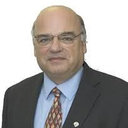 Reggie Hamdy合作论文数Center for Biorecognition and Biosensors, McGill University12Pinelopi Linardatou Novak合作论文数11Luke Granger合作论文数10Ayla Newton合作论文数10
 François Fassier合作论文数Division of Orthopaedic Surgery, Department of Surgery, Faculty of Medicine and Health Sciences, McGill University10Rachael Clegg合作论文数9Joshua C Y Ong合作论文数9
 Azeem Thahir合作论文数Department of Trauma & Orthopaedics.8Tamás Kobezda合作论文数7
 Deborah M Eastwood合作论文数6Jehan Butt合作论文数5Albert Ngu合作论文数5
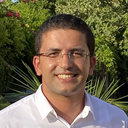 Ramy Shehata合作论文数4Sherif Elerian合作论文数3
 Yael Gelfer合作论文数Department of Physiotherapy, Great Ormond St Hospital for Children3Markus Baker合作论文数2Emma J. Taylor合作论文数2Micheal Grocott合作论文数2
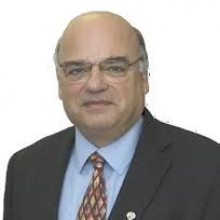 Reggie C. Hamdy合作论文数Department of Pediatric Surgery, Faculty of Medicine and Health Sciences, McGill University2
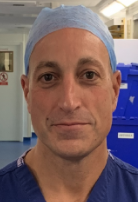 Fares Haddad合作论文数Institute of Sport, Exercise and Health, University College London Hospitals NHS Foundation Trust2Kathleen Montpetit合作论文数Shriners Hospital for Children2Fares S. Haddad合作论文数2Claire Matejowsky合作论文数1Nicholas Judkins合作论文数1Sidhartha Sinha合作论文数1Thomas Ember合作论文数1A. Bridgens合作论文数1
 Ignatius Liew合作论文数1Jennifer Kemp合作论文数1
 Stewart Tucker合作论文数1Ben Gompels合作论文数1
 Donato Giuseppe Leo合作论文数1
 Faris Khan合作论文数Univ Nebraska Med Ctr1Ramesh Nadarajah合作论文数Leeds Inst Data Analyt, Univ Leeds1
 Andreas Roposch合作论文数1
 Peter Wilson合作论文数Div of Infection & Immunity, University College London;Royal College of Pathologists1O'Donnell E合作论文数1Haddad F S合作论文数1
 Maryse Bouchard合作论文数Department of Surgery, Temerty Faculty of Medicine, University of Toronto1Michael G. Mythen合作论文数1Shrestha Sinha合作论文数1
 Raja Jayaram合作论文数Oxford University Hospitals NHS Foundation Trust1
 Daniel Perry合作论文数Department of Women's and Children's Health, Institute of Life Course & Medical Sciences, Faculty of Health and Life Sciences, University of Liverpool;National Institute for Health and Care Research;Alder Hey Children's Hospital1




