Background:Children have busy daily schedules, making school an ideal setting for promoting health-enhancing exercise behavior. However, children with mobility disabilities have limited exercise options to improve their cardiorespiratory fitness and cardiometabolic health. Objective:This study aims to test the feasibility of implementing a virtual reality (VR) exercise program for children with mobility disabilities in a high school setting. Methods:A pre- to posttrial single-group design with a 6-week exercise intervention was conducted at a high school. The study aimed to enroll up to 12 students with a disability. Participants were given the option of exercising at home or school. The exercise prescription was three 25-minute sessions per week at a moderate intensity, using a head-mounted VR display. School exercise sessions were supervised by research staff. Home exercise sessions were performed autonomously. Several implementation metrics of feasibility were recorded, including exercise attendance, volume, adverse events or problems, and benefits related to health-related fitness (walking endurance and hand-grip strength). The study also included a qualitative evaluation of critical implementation factors and potential benefits for participants that were not included in the study measures. Outcomes were descriptively analyzed, and 2-tailed t tests were used as appropriate. Results:In total, 10 students enrolled in the program and 9 completed the study (mean age 17, SD 0.6 y). In total, 5 (56%) participants exercised at school, and 4 (44%) exercised at home; 1 participant dropped out prior to exercise. The mean attendance for all 9 completers was 61.1% (11/18 sessions). The mean exercise minutes per week was 35.5 (SD 22) minutes. The mean move minutes per session was 17.7 (SD 11) minutes. The mean minutes per session was 18 (SD 1.4) minutes for school exercisers and 17 (SD 18) minutes for home exercisers, indicating variable responses from home exercisers. The mean rating of perceived exertion per exercise session was 4.3 (SD 2), indicating a moderate intensity that ranged from low to hard intensity. No adverse events or problems were identified. No improvements in walking endurance or hand-grip strength were observed. School exercisers achieved a higher attendance rate (83%) than home exercisers (27%; P<.001) and seemingly had a 2-fold increase in the volume of exercise achieved (school: mean 279, SD 55 min; 95% CI 212-347; home: mean 131, SD 170 min; 95% CI -140 to 401; P=.10). Qualitative themes relating to implementation factors and benefits to participant well-being were identified. Conclusions:This study identified factors to inform an optimal protocol for implementing a high school-based VR exercise program for children with disabilities. Study findings demonstrated that moderate exercise at school is feasible in VR, but simply providing children with VR exergaming technology at home, without coaching, will not successfully engage them in exercise.
Background Pediatric patients with cancer have limited options to self-manage their health while they are undergoing treatments in the hospital and after they are discharged to their homes. Extended reality (ER) using head-mounted displays has emerged as an immersive method of improving pain and mental health and promoting health-enhancing physical activity among a variety of clinical groups, but there is currently no established protocol for improving both physical and mental health in pediatric cancer rehabilitation. Objective This phase I, pilot, feasibility randomized controlled trial aims to investigate the potential effects of a 14-week ER program on physical activity participation and indicators of health among pediatric patients with cancer who undergo bone marrow transplantation. An ancillary aim is to evaluate the feasibility of the program through participant engagement. Methods This study includes a 2-arm parallel group design with a 1-group crossover (the control group will start the intervention after a waiting period). Overall, 16 pediatric patients with cancer undergoing rehabilitation (aged ≥8 years) at a children’s hospital will be randomly allocated into one of two groups: (1) an immediate start group that undergoes an ER program in the hospital until discharge and then for 8 weeks at home (total duration of approximately 14 weeks), and (2) a waitlist control group that undergoes usual care in the hospital and for 8 weeks at home, before receiving the 8-week home ER program. The program will include active video gaming with rhythmic music exercises as well as mindfulness-based practices using a high-quality app. Home-based programming will include behavioral coaching calls. Physical activity will be measured daily through step counts using a tri-axial accelerometer. Health outcomes will be measured across time and include global health, measured by the National Institutes of Health Patient-Reported Outcomes Measurement Information System (PROMIS) Pediatric Global Health Scale Short Form 7+2, and lung function, measured by a forced expiratory volume using a peak flow meter. Feasibility will be evaluated through participant engagement metrics, such as enrollment, dropout, adverse events, and attendance rates. Descriptive statistics will be obtained for all study variables. Outcomes will be modeled using mixed modeling procedures, and changes in means will be estimated with CIs. Results The study was funded in February 2024. Recruitment procedures started on June 27, 2024. All data are anticipated to be collected by February 2026. Full trial results are anticipated to be analyzed and submitted for publication by March 2026. The study’s anticipated end date is March 31, 2026. Conclusions This trial tests an accessible remote program for improving both physical and mental health among pediatric patients with cancer. The knowledge obtained from this study will inform the development of a larger trial. Trial Registration ClinicalTrials.gov NCT06298357; https://clinicaltrials.gov/study/NCT06298357 International Registered Report Identifier (IRRID) DERR1-10.2196/64879
BackgroundChildren with mobility disabilities, including those with cerebral palsy, have limited options and limited time to exercise to manage their cardiometabolic health and cardiorespiratory fitness. Regular cardiovascular exercise during childhood is a critical health behavior for preventing health decline in adulthood. Thus, there is an urgent need for accessible, age-appropriate, convenient exercise modalities in this group. Sprint-intensity interval training (SIT), combined with telehealth procedures, may be ideal for children with disabilities. SIT includes repetitive bouts of maximal exercise effort combined with rest periods, which can be effective in eliciting comparable results to moderate-exercise training with very short training durations. ObjectiveThis phase 1 pilot feasibility randomized controlled trial aims to investigate the potential effects of a 12-week SIT program on indicators of cardiorespiratory fitness and cardiometabolic health among children with cerebral palsy. An ancillary aim is to evaluate the feasibility of the program through several process feasibility metrics. MethodsThis study uses a 2-armed parallel group design. A total of 50 physically inactive children with cerebral palsy (aged 6-17 years) will be randomly allocated into 1 of 2 groups: a 12-week SIT or a waitlist control group that continues habitual activity for 12 weeks. The SIT prescription includes 3 tele-supervised sessions per week with 30 repeated sequences of 4 seconds of maximal arm exercise, with active recovery, warm-up, and cooldown periods (for an approximately 20-minute total session). SIT includes guided videos with child-themed arm routines and music. The exercise sessions will be remotely supervised through a web-based videoconference application and include safety monitoring equipment. Outcomes are measured at pre- and postintervention (weeks 0 and 13, respectively). Health outcome measures include peak oxygen consumption (VO2 peak), measured by a graded exercise test; high-sensitivity C-reactive protein and blood insulin, hemoglobin A1c, triglycerides, and cholesterol using a finger stick dried blood spot test; blood pressure, using a sphygmomanometer; and body composition (total mass, total lean mass, tissue % lean, and tissue % fat) using dual x-ray absorptiometry. Feasibility will be evaluated by the following metrics: adverse events or problems experienced throughout the intervention related to participant safety; perceived enjoyment; and recruitment, enrollment, and attrition rates. ResultsRecruitment procedures started in November 2023. All data are anticipated to be collected by February 2025. Full trial results are anticipated to be analyzed and submitted for publication by March 2025. Secondary analyses of data will be subsequently published. ConclusionsThis trial tests an accessible and low-cost exercise program that leverages principles of high-intensity exercise to provide a convenient program for children with physical disabilities. Knowledge obtained from this study will inform the development of a larger trial for improving the cardiometabolic health, cardiorespiratory fitness, and well-being of children with physical disabilities. Trial RegistrationClinicalTrials.gov NCT05619211; https://clinicaltrials.gov/study/NCT05619211 International Registered Report Identifier (IRRID)DERR1-10.2196/56499
Abstract Pregnancy and the puerperium are a time of significant physiologic change, and with an average of 4 million births in the United States yearly, radiologists encounter pregnancy-related imaging findings regularly. While many of these findings represent physiologic changes, a significant number represent pathology, making it paramount for radiologists to distinguish between the two. This case-based article reviews imaging findings within the nervous, cardiovascular, pulmonary, breast, gynecologic, musculoskeletal, digestive, hematologic, and integumentary systems throughout pregnancy and the postpartum period.
Pregnancy and the puerperium are a time of significant physiologic change, and with an average of 4 million births in the United States yearly, radiologists encounter pregnancy-related imaging findings regularly. While many of these findings represent physiologic changes, a significant number represent pathology, making it paramount for radiologists to distinguish between the two. This case-based article reviews imaging findings within the nervous, cardiovascular, pulmonary, breast, gynecologic, musculoskeletal, digestive, hematologic, and integumentary systems throughout pregnancy and the postpartum period.
 Drew Davis合作论文数3
 Raven Young合作论文数3
 Byron W Lai合作论文数3
 James Rimmer合作论文数School of Health Professions, University of Alabama at Birmingham3Desmin M Milner合作论文数2Elizabeth Allen合作论文数2Rachel Bass合作论文数Department of Radiology Birmingham, University of Alabama at Birmingham2
 Efstathia Andrikopoulou合作论文数Department of Internal Medicine, Thomas Jefferson University Hospital2
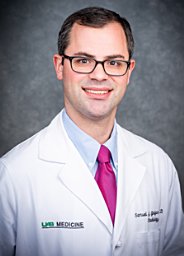 Samuel Galgano合作论文数2Kristin Kelly Porter合作论文数Center for Cognitive Neuroscience, Dartmouth College2
 Jereme Wilroy合作论文数1Kelli Chaviano合作论文数1Tanvee Sinha合作论文数1
 Yumi Kim合作论文数1Madan-Swain Avi合作论文数1Richman Joshua合作论文数1
 Robert A. Oster合作论文数School of Medicine, The University of Alabama at Birmingham1
 Gordon Fisher合作论文数Concordia University1Joseph H. Chewning合作论文数1




