Objective: Robotic surgery is an emerging trend nowadays, but when the costs are considered, there are question marks associated with preferring it to laparoscopic surgery. In this study, we examined the results of both approaches by comparing the intraoperative, postoperative and oncological outcomes of the patients who underwent robotic partial nephrectomy (RPN) and laparoscopic partial nephrectomy (LPN) for renal cell carcinoma in our clinic. Design: Retrospective study Setting: Ankara City Hospital, Turkey Subject: A total of 96 patients who underwent LPN and RPN for renal mass between 2011 and 2018 and followed up for at least three months were included in the study. Interventions: Preoperative patient data included age, gender, body mass index, smoking cessation, American Society of Anaesthesia physical status score, Padua score and renal nephrometry score. Main Outcome Measure: Perioperative and postoperative data included duration of operation, warm ischemia time, blood loss, perioperative and post-operative complications (1-30 days) according to Clavien-Dindo classification. Results: There was a significant difference between the groups in terms of hospital stay (3.6 +/- 1.1 days in the RPN group and 5.32 +/- 2.2 days in the LPN group). In the RPN group, renal artery clamp placement reduced the amount of bleeding compared to non-clamped patients, which was statistically significant. Conclusion: Despite concerns about the higher cost of RPN in comparison to LPN, RPN is a safe and feasible approach in clinical T1 tumors with similar morbidity and oncologic outcomes and shorter hospital stay.
It was aimed to compare open versus robotic‐assisted radical cystectomy (RARC) with intracorporeal ileal conduit (ICIC), versus RARC with extracorporeal ileal conduit (ECIC) formation for bladder cancer.
INTRODUCTION: The aim of this study was to compare the results of patients who underwent robot-assisted radical prostatectomy (RARP) over 70 years old and those who underwent RARP under 70 years old. METHODS: A total of 1019 cases performed by 4 surgeons between February 2009 and December 2018 were reviewed retrospectively. First 50 cases of each surgeon were not included to exclude the learning curve effect. All patients (n = 819) were divided into two groups according patient age, Group 1 = ≥70 years old (n = 151), Group 2 = <70 years old (n = 668). RESULTS: : Mean patient age was 72.6+- 2.5 versus 60.9+-5.4 years p=0.00; mean console time was 148.2+-53.3 versus 148.7+-45.1 minutes, p=0.94; bladder neck reconstruction was 21.2% versus 12.4%, p=0.005; transurethral catheter removal time was 9.4+-3.4 versus 9.0+-3.9 days, p=0.170; for groups 1 and 2, respectively. Positive surgical margin rates were 27.2% versus 24.1%, p=0.432; erectile function (IIEF≥21) rates on postoperative 12th-month were 26.3% versus 50.2%, p=0.005 for groups 1 and 2, respectively. 12th-month continence rates were 89.5% versus 96.6%, p=0.002 for groups 1 and group 2, respectively. DISCUSSION AND CONCLUSION: RARP in patients over 70 years old is worse in terms of functional outcomes than patients under 70 years old. RARP surgery in patients over 70 years old is a safe surgical procedure with similar oncologic and operative outcomes.
Background: To identify determinants of postoperative intensive care unit (ICU) requirement of patients after robot-assisted radical cystectomy (RARC), as RARC is increasingly used for the treatment of recurrent high-grade or locally advanced bladder cancer.Methodology: In this retrospective real-world study, data of 74 patients who had RARC between 2015 and 2017 for the definitive treatment of bladder cancer were examined to identify perioperative factors predicting ICU admission. Patients were grouped as those postoperatively admitted to intensive care unit (ICU group) and those taken to regular urology ward (non-ICU group). Their demographic and perioperative data, Charlson Comorbidity Index, treatments, and laboratory results were recorded. Independent samples t test, Mann-Whitney U test, multivariate logistic regression analysis were used for data analysis.Results: Twenty-nine patients (39.2%) were postoperatively admitted to ICU while the remaining patients were followed in regular ward. Preoperative American Society of Anesthesiologists (ASA) class and estimated blood loss were significantly higher in the ICU group (p < 0.05).Conclusion: Higher ASA classification was found to be predictive for ICU admission following RARC. Prospective randomized trials are required for validation of possible risk factors.
Among 1250 robotic radical prostatectomy procedures that were performed at our department, we identified three patients with previous cerebrovascular disease history. Of those, postoperative follow-up was uneventful for two patients. One patient who had a history of cranial meningioma developed urge urinary incontinence and trigerring of epilepsy in the perioperative follow-up, two months after the robot-assisted laparoscopic radical prostatectomy procedure. Medical management resolved the symptoms.
The study aimed to investigate the best-performing of three risk calculators (RCs) for the Turkish population in predicting cancer-free status and high-risk prostate cancer (PCa) in patients undergoing transrectal ultrasound-guided prostate biopsy. The electronic medical records of 527 patients who underwent prostate biopsy for the first time due to PSA of 0.3-50 ng/dl and/or cancer suspicion at digital rectal examination (DRE) between January 2017 and December 2020 were retrieved retrospectively. The predictive power of the RCs in the biopsy and the surgical cohort was calculated by two urologists using European Randomised Study of Screening for Prostate Cancer (ERSPC) RC, the North American Prostate Cancer Prevention Trial-RC (PCPT-RC), and the Prostate Biopsy Collaborative Group (PBCG)-RC. All three RCs were successful in predicting PCa and high-risk disease at ROC analysis (p < 0.0001). Of these three nomograms, PBCG-RC outperformed PCPT-RC 2.0 and ERSPC-RH in predicting benign pathology outcomes at biopsy. A better performance of PBCG-RC was also observed in terms of prediction of high-risk disease at biopsy. Using any of the available RCs prior to biopsy is of greater assistance to prostate-specific antigen and DRE than examination alone. The study results show that PBCG-RC performed before biopsy has a higher predictive power than the other two RCs.
OBJECTIVE:To compare surgical outcomes of percutaneous nephrolithotomy (PNL) and retrograde intrarenal surgeries (RIRS) as a result of kidney stones larger than 2 cm, together with Guy's stone scores (GSS).MATERIALS AND METHODS:The data of 811 patients with stone sizes 2-6 cm were operated using PNL (n = 361) and RIRS (n = 450) reviewed retrospectively. GSS were graded 1, 2, 3 or 4 according to the computed tomography findings. Stone-free rate (SFR), operation times, length of hospital stay (LOHS) and Clavien complications (CC) were recorded.RESULTS:Although mean operative times were significantly longer in the RIRS group than the PNL group in GSS grades 1, 2 and 3 (P < .001), it was similar between the two groups in GSS grade 4 (P = .186). SFRs in the PNL and RIRS group were 90.3% and 58.4% on post-operative 10th day (P < .001), and it raised up to 95.3% and 81.6% after secondary interventions (P < .001). Significantly higher SFRs observed in the PNL group in GSS grades 1, 2 and 3 categories. On postoperative 10th day, the SFRs were similar in both GSS grade 4 categories (P = .06). LOHS was longer in the PNL group (P < .001). Although LOHS was significantly longer only in GSS grade 3 (P = .043) and GSS grade 4 (P < .001) in the PNL group, it was similar in GSS grade 1 and 2 between groups. Clavien complications increased in line with GSS in the PNL group (P < .001), but the difference did not differ between GSS grade 3 and 4.CONCLUSION:SF of PNL in a single session and short operation time seems to be significant especially in GSS grades 1, 2 and 3 category stones. Although the number of patients in the GSS 4 group is very small to claim this, RIRS might be considered as an alternative to PNL in a special group of patients such as GSS grade 4 because of its lower complication rates and shorter LOHS.
Introduction: Prostate Cancer(PCa) is the most common cancer disease among men.The pathologic grade of tumor has an important place in patient's treatment plan.In our study, we aimed to predict the increase in the tumor grade of prostatectomy specimens than biopsy degree in the patients who underwent Robot-Assisted Laparoscopic Radical Prostatectomy(RALRP) due to PCa diagnosis.Methods: The data of 109 patients who were diagnosed with PCa and underwent RALRP between August 2019 and May 2020 were analyzed retrospectively in our clinic.Surgical operations were carried out by Da Vinci Xi surgical robot system (Intuitive Surgical, Sunnyvale, CA, USA).The patients whose ISUP rating in post RALRP examination increased compared to the prostate biopsy were classified as group-1; patients remained same or decreased were classified as group-2.The patient's age, prostatespecific antigen(PSA), prostate volume, rectal examination by palpation (DRE) findings, Neutrophil/ Lymphocyte ratio (NLR), Platelet/ Lymphocyte ratio(PLR) and AST/ALT (De Ritis) values were compared in these two groups.Results: The average age of patients included in this study was 64.32 ± 6.20 (46-77) years, the PSA value was 9,46±10,84 (0,5-86) ng/mL and prostate volume was 49.19 ± 25.72 (18-145) mL.Increase in tumor grade after RYLRP was detected in 33 (36,7%) patients, while the grade remained in 48 (53,3%) patients, 9 (10%) patients had a decrease.Although, age, PSA, pathological result ratio in DRE, NLR and De Ritis ratio were found higher in group-1 than group-2, this highness was not statistically significant (p>0,05).PLR was significantly higher in group 1 than group 2 (p=0,026).Discussion and conclusion: In our study, although only the increase in PLR was found to be statistically significant, all other parameters except for prostate volume were found to be high in the group with an increase in tumor grade.
One of the most important causes of varicocele‐related infertility is oxidative stress (OS). One of the markers considered as an indicator of OS is thiol–disulphide homeostasis (TDH). Based on the hypothesis that OS should decrease after varicocelectomy in the light of this information, in our current study, we investigated the relationship between TDH levels and sperm parameters. The data of 56 infertile varicocele men were prospectively analysed. The post‐operative total and native thiol levels were significantly higher than those pre‐operative total and native thiol levels (477.7 & 436.7 nmol/L, 417.6 & 372.1 nmol/L). Positive correlation was found between total thiol change and change in semen volume (ρ: .277, p: .039), ratio of spermatozoa with normal morphology (ρ: .342, p: .01), progressive (ρ: .334, p: .012) and nonprogressive motility (ρ: .385, p: .003). Positive correlation was also found between native thiol change and semen volume (ρ: .349, p: .008), ratio of spermatozoa with normal morphology (ρ: .362, p: .006), progressive (ρ: .297, p: .026) and nonprogressive motility (ρ: .368, p: .005). Change in the level of TDH was found as positively correlated with progressive and nonprogressive motility change. According to these results, OS decreases with varicocelectomy in infertile patients and TDH can be used as a useful method for measuring OS.
OBJECTIVE:The purpose of this study was to compare the results of tubeless percutaneous nephrolithotomy (TPNL) and standard percutaneous nephrolithotomy (SPNL) for the management of nephrolithiasis in children. MATERIAL AND METHODS:The data for 48 patients aged lesser than 18 years who underwent percutaneous nephrolithotomy (PNL) between January 2010 and June 2018 were reviewed retrospectively. The patients were classified into 2 categories depending on tube placement. A total of 21 patients were treated with TPNL and 27 with SPNL technique. The surgical method employed was selected depending on intraoperative complications. The size of the endoscopic instrument (mini/standard) to be used was decided according to the stone burden and surgeon preference. RESULTS:A complete stone-free rate (SFR) was achieved in 85.7% (n=18) of the TPNL group and 85.2% (n=23) of the SPNL group (p=0.959). In the TPNL group, two patients with clinically significant stones underwent retrograde intrarenal surgery, and one patient with clinically insignificant residual stone remained under follow-up. In the SPNL group, two patients with clinically significant stones underwent repeat mini-PNL surgery, the stones being fragmented with shock wave lithotripsy in one patient, and 1 one patient with insignificant residual stone remained under follow-up. No significant differences were observed in terms of intraoperative and postoperative complications, mean SFRs, or operative and fluoroscopy times. However, a statistically significant difference was observed in lengths of hospital stay (p<0.001). CONCLUSION:TPNL is a safe and effective procedure in children. No significant difference was found between TPNL and SPNL in terms of stone clearance; however, patients undergoing TPNL had significantly shorter hospital stays.
Aim: To evaluate the results of retrograde intrarenal surgery (RIRS) in stones with anomaly in the kidney. Material and Methods: Between April 2016 and November 2018, the data of 350 patients undergoing retrograde intrarenal surgery due to kidney stones were retrospectively examined.Patients with stones in the kidney with anomalies were recorded. Demographic data, localization of the stone, size, and success and complication rates were reviewed.In the post-operative controls, stones that were 2 mm and below were accepted as stone-free.Postoperative success was evaluated as stone-free at the 1st and 3rd months. Results: The mean age of the patients was 50.9 ± 15.8 (20-78).RIRS was performed in 29 kidneys with anomalies.Ten patients had horseshoe kidneys, 2 patients had ectopic pelvic kidneys, 13 patients had double collecting system and 4 patients had rotation anomalies.The mean stone size was 16.3 ± 6.1 (8-30) mm. The postoperative 1st and 3rd month stone-free rate was 48.2% and 51.7%, respectively.The complication developed in 4 (13.7%) patients. All of these were minor complications.Second procedure was applied to 14 of the remaining patients. Conclusion: In the treatment of kidney stones with anomalies, RIRS is reliable with low complication rates,
ÖZETGİRİŞ ve AMAÇ: Çalışmamız, prostat kanseri nedeniyle, robot yardımlı laparoskopik radikal prostatektomi (RYLRP) ameliyatı uygulanan hastaları, vezikoüretral anostomozda (VÜA), çift yönlü dikenli sütür ile monofilament poliglekapron sütürün sistografideki anastomoz ve ameliyat süresi, anostomoz kaçağı, üriner inkontinans, hastanede yatış ve kateterizasyon süreleri açısından değerlendirmeyi amaçlamıştır
In this study, we compared the weight of the prostate specimen removed after robotic radical prostatectomy with the prostate weight measured pre-operatively by four different imaging modalities. Pre-operative prostate weight before robotic radical prostatectomy was measured by Transabdominal Ultrasonography (TAUS), Transrectal Ultrasonography (TRUS), Abdominal Tomography (CT) and MultiparametricProstate Magnetic Resonance imaging (mpMRI). Of the 170 patients enrolled in the study, the mean age was 65.2 ± 7.08 (46-84) years and mean prostate-specific antigen (PSA) 9.6 ± 7.7 (1.8-50). The mean post-operative actual prostate weight was 63.1 ± 30 gr. The mean pre-operative prostate volumes measured by TAUS, TRUS, CT and MPMRI were 64.5 ± 28.5, 49.1 ± 30.6, 54.5 ± 30.5 and 68.7 ± 31.7 ml, respectively (p < .001). Post-operative actual prostate weight correlated with prostate weight measured by TAUS, TRUS, CT and mpMRI (r coefficient 0.776, 0.802, 0.768 and 0.825 respectively). The best of these was mpMRI. Although prostate weight measured by different imaging methods has a high correlation to predict actual prostate weight, actual prostate weight is best predicted by measurements with mpMRI. However, errors and deviations that may occur with these imaging methods should be taken into consideration.
Aim: To report the outcomes of robot-assisted radical cystectomy (RARC) with bilateral extended pelvic lymph node dissection (BEPLND) and intracorporeal Studer pouch formation for bladder cancer. Materials and Methods: Overall 98 patients (92 males, 6 females) were included. Patient demographics, operative and postoperative variables, pathological parameters, complications, and functional outcomes were evaluated. Results: Mean age and American Society of Anesthesiologists score and body mass index were 60.9 years, 1.7 and 26 kg/m2, respectively. Neoadjuvant chemotherapy was given to 18 patients. Mean operation time, intraoperative estimated blood loss, and mean lymph node (LN) yield were 8.22 hours, 314.6 mL, and 28.3, respectively. Mean hospitalization time was 13.6 days. There were one perioperative and one postoperative deaths, both due to cardiac arrest on postoperative 21st and 60th days. Drains were removed at a mean of 10 days. Surgical margins were positive in two patients. Postoperative pathological stages were reported as pT0 (n = 21), pTis (n = 7), pT1 (n = 7), pT2a (n = 14), pT2b (n = 14), pT3a (n = 15), pT3b (n = 11), and pT4a (n = 9). Positive LNs were found in 21 patients. Prostate cancer was incidentally detected in 23 patients. Twenty-five patients received adjuvant chemotherapy. At a mean follow-up period of 25.1 months, 13 patients died from metastatic disease and 7 from cardiac disease. According to the modified Clavien-Dindo system, 30 minor and 20 major complications were identified in the perioperative (0-30 days) period, and 6 minor and 7 major complications were detected in the postoperative (31-90 days) period. According to the available data of the 60 patients, 37 were fully continent, 14 had mild, 6 had moderate, and 4 had severe daytime incontinence. Conclusions: Due to our experience, RARC with BEPLND and intracorporeal Studer pouch reconstruction procedures are complex procedures with acceptable morbidity, excellent surgical and pathological outcomes, and satisfactory oncologic and functional results.
Purpose: We analyzed the role of oxidative stress in detrusor overactivity (DO) by measuring serum total antioxidant capacity (TAC), total oxidant status (TOS), binding capacity of exogenous cobalt to human albumin (IMA), serum advanced oxidation protein products (AOPP), paraoxonase (PON), and arylesterase. Materials and Methods: The study included 38 female patients diagnosed with DO and 29 healthy female subjects forming the control group. Serum total antioxidant capacity (TAC), total oxidant status (TOS), binding capacity of exogenous cobalt to human albumin (IMA), serum advanced oxidation protein products (AOPP), paraoxonase (PON), and arylesterase were analyzed. The results of serum TAC, TOS, IMA, AOPP, PON, and arylesterase of the subjects in both groups were compared. Results: There was no difference between the groups in terms of age. When compared to the control group, serum TAC and IMA levels were statisticaly lower (P < 0.001) and higher (P = 0.003), respectively. However, TOS, AOPP, PON, arylesterase levels were similar in both groups ( P > 0.05). Conclusion: There seems to be an association between DO and oxidative damage according our results, this can be measured by analyzing TAC and IMA in this patient group.
Lymphocele, one the most common complications after pelvic lymph node dissection, is usually observed between postoperative 2nd-12th months as a subclinical complication. We aimed to present a bilateral hydronephrosis case resulting from a giant lymphocele which developed during the early postoperative period after robot assisted radical prostatectomy (RARP) and pelvic lymph node dissection. Cystography was performed on the 7th postoperative day following RARP and extended lymph node dissection. Due to the left sided deviation of the bladder in cystographic images, non-contrast computed tomography (CT) was obtained, which revealed bilateral hydronephrosis and a giant lymphocele in the right pelvic region. The clinical status improved dramatically after percutaneous catheter drainage of the lymphocele. To the best of our knowledge, this is the first bilateral hydronephrosis case in the literature, which developed due to a giant lymphocele that occurred during the early postoperative period after transperitoneal surgery and had an asymptomatic clinical course despite increased creatinine levels. The findings improved dramatically by percutaneous catheter drainage.
Purpose: In this study, we retrospectively reviewed the penile color Doppler ultrasound (PCDU) scans of the patients who had admitted to our clinic with erectile dysfunction and aimed to evaluate the contribution of penile Doppler scan results to the clinical decisions. Material-method: The data of patients admitted to our outpatient clinic with complaints of erectile dysfunction (IIEF-5 score < 22 or IIEF-EF score < 26) between January 2005 and January 2018 were retrospectively evaluated. Patients whose testosterone level is lower than 280 ng/ml or who had undergone radical prostatectomy were excluded from the analysis. Results: Three thousand ninety patients were included in the study. The mean age of our patients was 55.05 +/- 13.05 years. In total, 2139 (69%) patients had normal PCDU findings, 351 (11%) patients had arterial insufficiency, 531 (17%) patients had venous insufficiency, and 69 (2%) patients had arterial insufficiency with concurrent venous leakage. When the patients were divided into 2 groups <= 40 years (Group 1) old and >40 years (Group 2) old; normal PCDU findings were found in 432 patients (84%) of the Group 1 patients and normal PCDU findings in 1707 (66%) patients of the Group 2 patients (p< 0.0001). There were arterial insufficiency findings in 24 (4.7%) and 327 (12.7%) patients of the Group 1 and 2, respectively (p = 0.002). Conclusion: The etiology is psychogenic in the majority of patients who present with ED complaints to the urology clinic. With age, the prevalence of psychogenic ED is decreasing but still more than organic. (C) 2019 Asociacion Espanola de Andrologia, Medicina Sexual y Reproductiva. Published by Elsevier Espana, S.L.U. All rights reserved.
ÖZET GİRİŞ ve AMAÇ: Üretrovezikal anastomoz öncesi posterior rhabdosfinkter rekonstrüksiyonu uygulanmasının özellikle kontinans üzerine etkisi konusunda çalışmalar mevcuttur.Bu çalışmada yüksek volümlü robotik cerrahi yapan cerrahlara ait veriler değerlendirilerek posterior rhabdosfinkter rekonstrüksiyonu uygulanmasının robotik radikal prostatektomi (RARP) sonuçları üzerine etkisini araştırdık.YÖNTEM ve GEREÇLER: RARP prosedürleri üç cerrah tarafından gerçekleştirildi (AFA, AEC, EA).Cerrahların gerçekleştirdiği ilk 50 operasyon öğrenme eğrisi nedenli çalışma dışı bırakıldı.Hastalar grup 1 (posterior rhabdosfinkter rekonstrüksiyonu uygulanan) (n=133) ve grup 2 (posterior rhabdosfinkter rekonstrüksiyonu uygulanmayan) (n=439) olarak 2 gruba ayrıldı.Ortalama hasta yaşı sırasıyla grup 1'de 63.6±6.5 grup'2 de 63.1±6.9 (p=0.505)ve serum PSA düzeyi grup 1'de 10.9±8.7 grup 2'de 10.1±8.7 (p=0.454)olarak tespit edildi.Grup 1 ve 2 de sırasıyla 97 (%72.9)ve 311 (70.8%), hastada bilateral nörovasküler demet (NVB) koruma, 20 (%15.0)ve 72 (%16.4)hastada unilateral NVB koruma ile operasyon uygulandı.Sırasıyla grup 1 ve grup 2 de 16 (%12.0)ve 56 (%12.7)hastada NVB korunamadı.BULGULAR: Ortalama prostat ağırlığı 65.7±31.7 gr ve 62.2±30.7 gr olarak bulundu(p=0.259).Ortalama konsol süresi, intraoperatif kan kaybı, hastanede yatış süresi ve üretral kateter çekim süresi grup1 ve grup 2 için sırasıyla 143.8±37.4vs 143.1±37.6 dakika (p=0.886);93.4±68.3vs 101.2±72.1 cc (p=0.277);3.8±1.7 vs 4.2±2.1 gün (p=0.027)ve 8.6±2.9 vs 8.9±3.7 gün (p=0.447),olarak saptandı.En az 1 yıllık takip süresi olan hastalardan, erken kontinans (sonda çekilmesini takiben kontinan) oranları grup 1(n=103) ve grup 2(n=322) de sırasıyla %68.9 ve %55.9 olarak bulundu(p=0.019).Postoperatif 1. ay total kontinan hasta sayısı grup 1 ve grup 2 de sırasıyla %78.6 and % 72.6 olarak bulundu (p=0.230).Postoperatif 3. ay total kontinan hasta sayısı grup 1 ve grup 2 de sırasıyla %90.2 and %87.5 olarak bulundu (p=0.414).Postoperatif 6. ay total kontinan hasta sayısı grup 1 ve grup 2 de sırasıyla %95.1 and %94.4 olarak bulundu(p=0.612).TARTIŞMA ve SONUÇ: Posterior rhabdosfinkter rekonstrüksiyonu
The aim of this study was to evaluate the relationship between penile colour doppler ultrasonography (PCDUS) and complete blood count parameters in patients with erectile dysfunction (ED). The data of the patients who applied to our outpatient clinic with ED (IIEF-5 score <22 or IIEF-EF score <26) between January 2007 and May 2017 were retrospectively analysed. The patients who had available PCDUS results and complete blood count (CBC) values were included in the study. Patients were divided into two groups having normal (n = 530 [68.9%]) or abnormal (n = 240 [31.1%]) PCDUS findings (group 1 versus group 2 respectively). Subsequently, group 2 was divided into three subgroups according to presence of arterial insufficiency (group 2a; n = 85 [11%]), venous insufficiency (group 2b; n = 140 [18.2%]) and both of arterial and venous insufficiency (group 2c; n = 15 [1.9%]), and the four groups were compared in terms of CBC parameters. There was no statistically significant difference between the 4 groups, and between the patients with normal and abnormal PCDUS findings in terms of CBC values. CBC values were not associated with PCDUS findings in patients with ED.
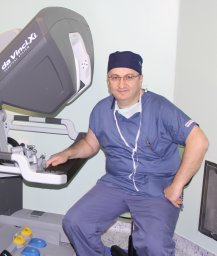 Ali Fuat Atmaca合作论文数First Department of Urology, Ankara Ataturk Training and Research Hospital47
 Derya Balbay合作论文数Department of Urology, School of Medicine, Koç University;Department of Urology, American Hospital30
 Canda Abdullah Erdem合作论文数Ankara Ataturk Training and Research Hospital23
 Ziya Akbulut合作论文数Third Urology Department, Ankara Numune Research and Training Hospital20
 Serkan Altinova合作论文数Department of Urology;Ankara Ataturk Teaching and Research Hospital;Department of Urology, Ankara Ataturk Teaching and Research Hospital20A.E. Canda合作论文数19Bahri Gok合作论文数1st Urology Clinic, Ankara Ataturk Training and Research Hospital19
 Koc Erdem合作论文数12
 Ahmet Tunc Ozdemir合作论文数Departments of Urology and Pathology, Ankara Ataturk Teaching and Research Hospital12
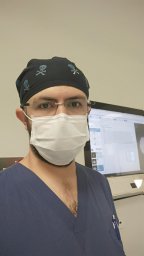 Keske Murat合作论文数10
 Muhammet Fuat Özcan合作论文数Medicana International Ankara Hastanesi10
 Mehmet Yıldızhan合作论文数Dept Urol, Ankara City Hosp8K. Ener合作论文数7
 Nurullah Hamidi合作论文数7
 Kemal Ener合作论文数Third Department of Urology, Ankara Numune Research and Training Hospital7Arslan Ardicoglu合作论文数Department ofUrology, Firat University School of Medicine6Mustafa Aldemir合作论文数Ankara5Davut Kamaci合作论文数4
 Cakici Ozer Ural合作论文数4Egemen Isgoren合作论文数3A. Ardicoglu合作论文数3Hakan Koyuncu合作论文数Dept Urol, Yeditepe Univ3Gurdal Mesut合作论文数3
 Erdal Alkan合作论文数Department of Urology, Memorial Hospital3
 Melih Balci合作论文数Third Department Of Urology, Ankara Numune Research And Training Hospital3Altug Tuncel合作论文数Third Department of Urology, Ankara Numune Research and Training Hospital3S. Cakmak合作论文数2Emre Urer合作论文数2Amjad Alijla合作论文数2
 Ali Yasin Ozercan合作论文数2
 Alper Caglayan合作论文数2
 Mehmet Kemal Gumus合作论文数Dept Phys, Middle East Tech Univ2
 Yalcin Kizilkan合作论文数Department of Urology, Ankara City Hospital2Ozer Guzel合作论文数2Neselioglu Salim合作论文数Faculty of Medicine, Yildirim Beyazit University2
 Ege Can Serefoglu合作论文数Biruni University;Serefoglu Health Services2
 Cuneyt Ozden合作论文数Ankara2Serdar Cakmak合作论文数1A.E. Isgoren合作论文数1F. Bedir合作论文数1Kamaci D.合作论文数1O.F. Karatas合作论文数1Ayse Nur Ozcan合作论文数1Burak Koseoglu合作论文数1Gamze Gok合作论文数1
 Yılmaz Aslan合作论文数1Seda Marali合作论文数1Buğra Bilge Keseroğlu合作论文数1
 Unsal Eroglu合作论文数1




