BACKGROUND:Accumulated levels of mutant huntingtin protein (mHTT) and its fragments are considered contributors to the pathogenesis of Huntington's disease (HD). Stimulating autophagy may enhance clearance of mHTT and its aggregates which has been considered as a possible therapeutic strategy. However, the role and competence of the autophagy-lysosomal pathway (ALP) during HD progression in the human disease remains largely unknown. METHODS:Here, we used multiplex confocal and ultrastructural immunocytochemical analyses of ALP functional markers in relation to mHTT aggresome pathology in striatum and the less affected cortex or cerebellum of HD brains staged from Grade HD2 to HD4 by Vonsattel neuropathological criteria compared to controls. RESULTS:Immunolabeling revealed the localization of HTT/mHTT in ALP vesicular compartments labeled by autophagy-related adaptor proteins sequestosome 1 (p62/SQSTM1) and ubiquitin, and cathepsin D (CTSD) as well as HTT-positive inclusions. Although comparatively normal at HD2, neurons at later HD stages exhibited progressive enlargement and clustering of CTSD-immunoreactive autolysosomes/lysosomes and, ultrastructurally, autophagic vacuole/lipofuscin granules accumulated progressively, more prominently in striatum than cortex. These changes were accompanied by rises in levels of HTT/mHTT and p62/SQSTM1, particularly their fragments, in striatum but not in the cortex, and by increases of LAMP1 and LAMP2 RNA and LAMP1 protein. In addition, cargo-loaded autophagosomes and cathepsin-positive autolysosomes were readily observed, implying a lack of significant blockage in autophagosome formation and autophagosome-lysosome fusion. CONCLUSIONS:The findings collectively suggest that upregulated lysosomal biogenesis and preserved proteolysis maintain autophagic clearance in early-stage HD, but the observed progressive HTT build-up and AL accumulation at advanced disease stages may signify a failure in autophagy substrate clearance. These findings support the prospect that ALP stimulation applied at early disease stages, when clearance machinery is fully competent, could lead to therapeutic benefits in HD patients.
How macroautophagy/autophagy influences neurofilament (NF) proteins in neurons, a frequent target in neurodegenerative diseases and injury, is not known. NFs in axons have exceptionally long half-lives in vivo enabling formation of large stable supporting networks, but they can be rapidly degraded during Wallerian degeneration initiated by a limited calpain cleavage. Here, we identify autophagy as a previously unrecognized pathway for NF subunit protein degradation that modulates constitutive and inducible NF turnover in vivo. Levels of NEFL/NF-L, NEFM/NF-M, and NEFH/NF-H subunits rise substantially in neuroblastoma (N2a) cells after blocking autophagy either with the phosphatidylinositol 3-kinase (PtdIns3K) inhibitor 3-methyladenine (3-MA), by depleting ATG5 expression with shRNA, or by using both treatments. In contrast, activating autophagy with rapamycin significantly lowers NF levels in N2a cells. In the mouse brain, NF subunit levels increase in vivo after intracerebroventricular infusion of 3-MA. Furthermore, using tomographic confocal microscopy, immunoelectron microscopy, and biochemical fractionation, we demonstrate the presence of NF proteins intra-lumenally within autophagosomes (APs), autolysosomes (ALs), and lysosomes (LYs). Our findings establish a prominent role for autophagy in NF proteolysis. Autophagy may regulate axon cytoskeleton size and responses of the NF cytoskeleton to injury and disease.
Orthogonal frequency division multiplexing (OFDM) is considered as one of the most significant transmission methodologies of the recent past. Moreover, it permits easy demodulation and modulation. To find the new OFDM-based waveform to be used in fifth generation which is one of the foremost open issues for wireless networks of the next generation. In addition, the OFDM is affected by the maximum Peak-to-Average Power Ratio (PAPR). In order to minimize these problems, this paper proposed a Twin Symbol Hybrid Optimization used as a basis of the Partial Transmit Sequence (TSHO-PTS) method of Cyclic Prefix-OFDM (CP-OFDM). This CP-OFDM achieves the requirements of 5G telecommunication standards. Moreover, the exhaustive searching for optimal phase factors might increase the computational cost of PTS. To beat this problem, a hybrid version of slap swarm optimization (SSO) and Bald Eagle Search (BES) algorithm is introduced to investigate the phase factor optimally by the PTS method. Digital chaotic sequences are used to ensure the physical layer security during the data transmission scheme for the Discrete Fourier Transform Spread OFDM (DFT-S-OFDM) subcarrier allocation. The simulation takes place in the MATLAB platform, and the performances are evaluated by several performance metrics like Complementary cumulative distribution function (CCDF), Bit Error Rate (BER), and computational complexity. The performance of the proposed model is compared with various existing approaches and previous works. From the implemented results, the proposed strategy achieved less (5 dB) PAPR, minimum (10 –8 ) BER, less processing time (0.18 s) than the existing schemes, and hence the complexity also very low (7%) than others.
Decreasing the peak‐to‐average power ratio (PAPR) is a great challenge for data communication using OFDM. Here is introduced a new hybrid optimized partial transmit sequence (PTS) for minimizing the PAPR, where data encryption is done with 4D DFT-based hyper-chaotic sequence. An innovative hybrid seagul optimization and salp swarm (HSOSS) optimization are proposed here to produce a phase weight factor for the PTS. Several sizes of the subcarrier are investigating the new approaches performance. The proposed model is implemented in MATLAB platform and performances are calculated with factors like bit error rate (BER) with respect to signal-to-noise ratio(SNR), PAPR complementary cumulative distribution function (CCDF) in regard to SNR, and the finally, based on the computation time, final results are compared.
SummaryIn wireless telecommunication, one of the modulation approaches used is the orthogonal frequency division multiplexing (OFDM). Moreover, the high peak‐to‐average power ratio (PAPR) is the one notorious demerit in OFDM systems. Hence, the high power amplifier (HPA) is used in its linear region. Otherwise, the bit error rate (BER) will be increased. Several approaches are proposed in the wireless communications for reducing the PAPR issue. In this paper, we propose a hybrid Discrete Hartley Matrix Transform (DHMT) precoding using both selected mapping (SLM) and partial transmit sequence (PTS) PAPR reduction strategies. For the multicarrier modulation process, instead of Inverse Fast Fourier transform (IFFT) operation, the DHMT operation is used because of its low computational complexity. Based on multi‐chaotic, the time‐frequency domain encryption (TFDE) approach is adopted for physical layer security to confirm the security in data transmission. For enhancing the physical layer security, the proposed encryption system generates chaotic sequences based on Logistic maps and Lozi in the frequency and time domains together. In this study, the implementation of the DHMT‐based OFDM system is processed to reduce the maximum PAPR. Implementation is performed on the MATLAB platform, and the performances are calculated using complementary cumulative distribution function (CCDF), BER regards to signal‐to‐noise ratio (SNR), and the outputs are compared based on the computation time. However, compared with the existing models, the proposed model produced better PAPR minimization regarding SNR.
System security is a basic aspect of data sharing. Aspires have been made to exhaust particular defects over the web. For this, different creative usage and security methods have been made. The measure of information exchange isn't a factor. The major factor is, how much it's secure, the channel gives while transmitting information. Cryptography is one such structure, which grants secure information transmission without losing its protection and uprightness. In light of the key circulation, cryptography is also assembled into two critical forms Symmetric Key Cryptography as well as Asymmetric Key Cryptography. RSA is one of the best conspicuous public-key cryptography based algorithms is unequivocally utilized for encryption/decryption. It's far based on the logical arrangement of factorization of strongly enormous whole numbers which is a compute-intensive way. In this paper, we have provided a novel, secure and profitable information communication system dependent on the RSA algorithm. Mystery updating signal dealing with systems have been proposed in the exploration for the two data transmission and the channel estimation stages. The proposed one facilitates the advantages of both RSA calculation and One Time Password (OTP) produced by the sender and got just by the endorsed customer. Despite that not at all like conventional RSA algorithm, in this work we embrace perfect key assurance by particle swarm optimization (PSO) during both encryption and decryption. The use of PSO for perfect key decision makes the general technique proficient by extending the security level and making the computation procedure very easy.
Lysosomal dysfunction is considered pathogenic in Alzheimer disease (AD). Loss of presenilin-1 (PSEN1) function causing AD impedes acidification via defective vacuolar ATPase (vATPase) V0a1 subunit delivery to lysosomes. We report that isoproterenol (ISO) and related beta 2-adrenergic agonists reacidify lysosomes in PSEN1 Knock out (KO) cells and fibroblasts from PSEN1 familial AD patients, which restores lysosomal proteolysis, calcium homeostasis, and normal autophagy flux. We identify a novel rescue mechanism involving Portein Kinase A (PKA)-mediated facilitation of chloride channel-7 (010-7) delivery to lysosomes which reverses markedly lowered chloride (Cl-) content in PSEN1 KO lysosomes. Notably, PSEN1 loss of function impedes Endoplasmic Reticulum (ER)-to-lysosome delivery of CIC-7. Transcriptomics of PSEN1deficient cells reveals strongly downregulated ER-to-lysosome transport pathways and reversibility by ISO, thus accounting for lysosomal - deficits that compound pH elevation due to deficient vATPase and its rescue by beta 2-adrenergic agonists. Our findings uncover a broadened PSEN1 role in lysosomal ion homeostasis and novel pH modulation of lysosomes through beta 2-adrenergic regulation of CIC-7, which can potentially be modulated therapeutically. Published by Elsevier Ltd.
Fifth generation systems are required to fulfill the objectives like compatibility, flexibility, high speed data rate and low cost. Universal Mobile Telecommunication System (UMTS) use WCDMA as the air interface for 4th generation mobile system. The performance of wireless communication system is often limited by the radio channel models. In urban areas, channel is modeled as Rayleigh fading channel. This channel causes multipath channels and other problems resulting degraded performance. Hence, channel estimation before receiver helps to receive the transmitted signal using rake receiver. Rake receiver is a conventional receiver for DS-CDMA system. In this, channel is estimated adaptively using LMS algorithm and performance of this algorithm is studied for various multipath channels and step sizes. Moreover, the channel introduces Inter Symbol Interference (ISI) and channel equalizers are used to compensate for the ISI. In this work, BER vs. SNR performance of Zero Forcing Equalizer (ZFE), Minimum Mean Square Error (MMSE) and MMSE- Decision Feedback Equalizer (MMSE-DFE) in WCDMA downlink system are compared with conventional rake receiver for various spread factors in Rayleigh multipath fading channel with Additive White Gaussian Noise.
In high-speed wireless applications, because of the high-speed compatibility of the OFDM, it is a significant signal processing approach. In general, an efficient spectral multicarrier modulation strategy is named OFDM, which gets impact via the issues of high PAPR. Because of the limited BW availability, the demand for high-speed applications is increasing. Due to the high data requirement, the various subcarriers are increased in OFDM, hence it made the difficult with PAPR (peak-to-average power ratio). To achieve better results by reducing the PAPR is the foremost problem on OFDM. In this paper, a hybrid optimized PTS is used to decrease the PAPR and the data will be encrypted by the DFT based chaotic sequences. A new Hybrid Whale Optimization and Moth Flame Optimization (HWOMFO) is introduced in this paper. It will generate a weighting factor for the PTS. PTS is the foremost strategy in OFDM for reducing the PAPR with low distortion. The minimum performance on computational complexity and PAPR achieved by this paper. The new combination of optimization approaches provides efficient best combination of phase rotational factors. The new hybrid optimization gives fast convergence quality and low complex and also this combination provides better than others. The proposed scheme is executed in MATLAB simulation and performance will be evaluated using parameters such as BER regards to SNR, complementary cumulative distribution function (CCDF) of PAPR and the outputs are associated depends on computation time. However, the experimental results show that compared with existing approaches, our proposed strategy gives better PAPR reduction with respect to SNR.
Cystatin C (CysC) is implicated in neuroprotection and repair in the nervous system in response to diverse neurotoxic conditions. In addition to being secreted from cells in a soluble form, CysC is released by cells in association with extracellular vesicles (EVs), including exosomes. We demonstrate that EVs containing CysC protect cultured cells from starvation-induced death. Moreover, while EVs secreted by CysC-deficient cells were not protective, EVs secreted by CysC-deficient cells treated with exogenous human CysC significantly enhanced the survival of the cells. CysC also plays a role in modulating the secretion of EVs, enhancing secretion of EVs by primary cortical neurons and primary cortical smooth muscle cells. Confirming these in vitro findings, higher EV levels were observed in the brain extracellular space of transgenic mice expressing human CysC as compared to littermate controls. Regulation of cell-secreted EV levels and content in the brain is likely to be essential to maintaining normal brain function. We propose that enhanced EV release could rescue the deleterious effects of dysfunction of the endosomal-lysosomal system in neurodegenerative disorders. Moreover, a higher level of CysC-loaded EVs released from cells in the central nervous system has important protective functions, representing a potential therapeutic tool for disorders of the central nervous system.
Down syndrome (DS), a complex genetic disorder caused by chromosome 21 trisomy, is associated with mitochondrial dysfunction leading to the accumulation of damaged mitochondria. Here we report that mitophagy, a form of selective autophagy activated to clear damaged mitochondria is deficient in primary human fibroblasts derived from individuals with DS leading to accumulation of damaged mitochondria with consequent increases in oxidative stress. We identified two molecular bases for this mitophagy deficiency: PINK1/PARKIN impairment and abnormal suppression of macroautophagy. First, strongly downregulated PARKIN and the mitophagic adaptor protein SQSTM1/p62 delays PINK1 activation to impair mitophagy induction after mitochondrial depolarization by CCCP or antimycin A plus oligomycin. Secondly, mTOR is strongly hyper-activated, which globally suppresses macroautophagy induction and the transcriptional expression of proteins critical for autophagosome formation such as ATG7, ATG3 and FOXO1. Notably, inhibition of mTOR complex 1 (mTORC1) and complex 2 (mTORC2) using AZD8055 (AZD) restores autophagy flux, PARKIN/PINK initiation of mitophagy, and the clearance of damaged mitochondria by mitophagy. These results recommend mTORC1-mTORC2 inhibition as a promising candidate therapeutic strategy for Down Syndrome.
Lysosomal failure underlies pathogenesis of numerous congenital neurodegenerative disorders and is an early and progressive feature of Alzheimer's disease (AD) pathogenesis. Here, we report that lysosomal dysfunction in Down ayndrome (trisomy 21), a neurodevelopmental disorder and form of early onset AD, requires the extra gene copy of amyloid precursor protein (APP) and is specifically mediated by the β cleaved carboxy terminal fragment of APP (APP-βCTF, C99). In primary fibroblasts from individuals with DS, lysosomal degradation of autophagic and endocytic substrates is selectively impaired, causing them to accumulate in enlarged autolysosomes/lysosomes. Direct measurements of lysosomal pH uncovered a significant elevation (0.6 units) as a basis for slowed LC3 turnover and the inactivation of cathepsin D and other lysosomal hydrolases known to be unstable or less active when lysosomal pH is persistently elevated. Normalizing lysosome pH by delivering acidic nanoparticles to lysosomes ameliorated lysosomal deficits, whereas RNA sequencing analysis excluded a transcriptional contribution to hydrolase declines. Cortical neurons cultured from the Ts2 mouse model of DS exhibited lysosomal deficits similar to those in DS cells. Lowering APP expression with siRNA or BACE1 inhibition reversed cathepsin deficits in both fibroblasts and neurons. Deleting one Bace1 allele from adult Ts2 mice had similar rescue effects in vivo. The modest elevation of endogenous APP-βCTF needed to disrupt lysosomal function in DS is relevant to sporadic AD where APP-βCTF, but not APP, is also elevated. Our results extend evidence that impaired lysosomal acidification drives progressive lysosomal failure in multiple forms of AD. SIGNIFICANCE STATEMENT Down syndrome (trisomy 21) (DS) is a neurodevelopmental disorder invariably leading to early-onset Alzheimer's disease (AD). We showed in cells from DS individuals and neurons of DS models that one extra copy of a normal amyloid precursor protein (APP) gene impairs lysosomal acidification, thereby depressing lysosomal hydrolytic activities and turnover of autophagic and endocytic substrates, processes vital to neuronal survival. These deficits, which were reversible by correcting lysosomal pH, are mediated by elevated levels of endogenous β-cleaved carboxy-terminal fragment of APP (APP-βCTF). Notably, similar endosomal-lysosomal pathobiology emerges early in sporadic AD, where neuronal APP-βCTF is also elevated, underscoring its importance as a therapeutic target and underscoring the functional and pathogenic interrelationships between the endosomal-lysosomal pathway and genes causing AD.
Neurofilament (NFL) proteins have recently been found to play unique roles in synapses. NFL is known to interact with the GluN1 subunit of N-methyl-d-aspartic acid (NMDAR) and be reduced in schizophrenia though functional consequences are unknown. Here we investigated whether the interaction of NFL with GluN1 modulates synaptic transmission and schizophrenia-associated behaviors. The interaction of NFL with GluN1 was assessed by means of molecular, pharmacological, electrophysiological, magnetic resonance spectroscopy (MRS), and schizophrenia-associated behavior analyses. NFL deficits cause an NMDAR hypofunction phenotype including abnormal hippocampal function, as seen in schizophrenia. NFL−/− deletion in mice reduces dendritic spines and GluN1 protein levels, elevates ubiquitin-dependent turnover of GluN1 and hippocampal glutamate measured by MRS, and depresses hippocampal long-term potentiation. NMDAR-related behaviors are also impaired, including pup retrieval, spatial and social memory, prepulse inhibition, night-time activity, and response to NMDAR antagonist, whereas motor deficits are minimal. Importantly, partially lowering NFL in NFL+/− mice to levels seen regionally in schizophrenia, induced similar but milder NMDAR-related synaptic and behavioral deficits. Our findings support an emerging view that central nervous system neurofilament subunits including NFL in the present report, serve distinctive, critical roles in synapses relevant to neuropsychiatric diseases.
2-hydroxypropyl-β-cyclodextrin (CYCLO), a modifier of cholesterol efflux from cellular membrane and endo-lysosomal compartments, reduces lysosomal lipid accumulations and has therapeutic effects in animal models of Niemann-Pick disease type C and several other neurodegenerative states. Here, we investigated CYCLO effects on autophagy in wild-type mice and TgCRND8 mice-an Alzheimer's Disease (AD) model exhibiting β-amyloidosis, neuronal autophagy deficits leading to protein and lipid accumulation within greatly enlarged autolysosomes. A 14-day intracerebroventricular administration of CYCLO to 8-month-old TgCRND8 mice that exhibit moderately advanced neuropathology markedly diminished the sizes of enlarged autolysosomes and lowered their content of GM2 ganglioside and Aβ-immunoreactivity without detectably altering amyloid precursor protein processing or extracellular Aβ/β-amyloid burden. We identified two major actions of CYCLO on autophagy underlying amelioration of lysosomal pathology. First, CYCLO stimulated lysosomal proteolytic activity by increasing cathepsin D activity, levels of cathepsins B and D and two proteins known to interact with cathepsin D, NPC1 and ABCA1. Second, CYCLO impeded autophagosome-lysosome fusion as evidenced by the accumulation of LC3, SQSTM1/p62, and ubiquitinated substrates in an expanded population of autophagosomes in the absence of greater autophagy induction. By slowing substrate delivery to lysosomes, autophagosome maturational delay, as further confirmed by our in vitro studies, may relieve lysosomal stress due to accumulated substrates. These findings provide in vivo evidence for lysosomal enhancing properties of CYCLO, but caution that prolonged interference with cellular membrane fusion/autophagosome maturation could have unfavorable consequences, which might require careful optimization of dosage and dosing schedules.
Extracellular vesicles (EV), including exosomes, secreted vesicles of endocytic origin, and microvesicles derived from the plasma membrane, have been widely isolated and characterized from conditioned culture media and bodily fluids. The difficulty in isolating EV from tissues, however, has hindered their study in vivo. Here, we describe a novel method designed to isolate EV and characterize exosomes from the extracellular space of brain tissues. The purification of EV is achieved by gentle dissociation of the tissue to free the brain extracellular space, followed by sequential low-speed centrifugations, filtration, and ultracentrifugations. To further purify EV from other extracellular components, they are separated on a sucrose step gradient. Characterization of the sucrose step gradient fractions by electron microscopy demonstrates that this method yields pure EV preparations free of large vesicles, subcellular organelles, or debris. The level of EV secretion and content are determined by assays for acetylcholinesterase activity and total protein estimation, and exosomal identification and protein content are analyzed by Western blot and immuno-electron microscopy. Additionally, we present here a method to delipidate EV in order to improve the resolution of downstream electrophoretic analysis of EV proteins.
Amyotrophic lateral sclerosis (ALS) is a progressive motor neuron disease with a poorly understood cause and no effective treatment. Given that calpains mediate neurodegeneration in other pathological states and are abnormally activated in ALS, we investigated the possible ameliorative effects of inhibiting calpain over‐activation in hSOD1G93A transgenic (Tg) mice in vivo by neuron‐specific over‐expression of calpastatin (CAST), the highly selective endogenous inhibitor of calpains. Our data indicate that over‐expression of CAST in hSOD1G93A mice, which lowered calpain activation to levels comparable to wild‐type mice, inhibited the abnormal breakdown of cytoskeletal proteins (spectrin, MAP2 and neurofilaments), and ameliorated motor axon loss. Disease onset in hSOD1G93A/CAST mice compared to littermate hSOD1G93A mice is delayed, which accounts for their longer time of survival. We also find that neuronal over‐expression of CAST in hSOD1G93A transgenic mice inhibited production of putative neurotoxic caspase‐cleaved tau and activation of Cdk5, which have been implicated in neurodegeneration in ALS models, and also reduced the formation of SOD1 oligomers. Our data indicate that inhibition of calpain with CAST is neuroprotective in an ALS mouse model.
Synaptic roles for neurofilament (NF) proteins have rarely been considered. Here, we establish all four NF subunits as integral resident proteins of synapses. Compared with the population in axons, NF subunits isolated from synapses have distinctive stoichiometry and phosphorylation state, and respond differently to perturbations in vivo. Completely eliminating NF proteins from brain by genetically deleting three subunits (α-internexin, NFH and NFL) markedly depresses hippocampal long-term potentiation induction without detectably altering synapse morphology. Deletion of NFM in mice, but not the deletion of any other NF subunit, amplifies dopamine D1-receptor-mediated motor responses to cocaine while redistributing postsynaptic D1-receptors from endosomes to plasma membrane, consistent with a specific modulatory role of NFM in D1-receptor recycling. These results identify a distinct pool of synaptic NF subunits and establish their key role in neurotransmission in vivo, suggesting potential novel influences of NF proteins in psychiatric as well as neurological states.
Aim: Non-small cell lung cancer (NSCLC) is the leading cause of cancer mortality. At the time of diagnosis, most of the patients of NSCLC have advanced disease (stage IIIB or IV). Palliative chemotherapy and Best Supportive Care (BSC) are treatment options for these patients. Therapeutic response relies on the extension of disease and ECOG status of the patients. We did a non-blinded, randomized, phase III clinical trial to compare the BSC versus palliative chemotherapy in terms of overall survival (OS) and ECOG performance status regression analysis. Methods: Newly diagnosed patients with stage IIIB/IV NSCLC from January 2002 to December 2010 were randomly assigned to platin (P) based doublet chemotherapy, geftinib or BSC alone. ECOG status of patients was assessed on every follow-up. The primary endpoint was the comparison of OS among therapies. Analysis was performed to observe the impact of therapy on OS by Kaplan-Meier survival and log rank tests, Cox proportional analysis using SPSS (20.0) (IBM, Armonk, NY). ECOG performance status regression analysis was performed by linear and quadratic regression models. Results: 1610 patients were enrolled (median age 67.2 years, males 91.78%, ECOG performance status 0/1, 2/3, 4: 11%, 34% and 55%, respectively). The median OS (95% CI) of 1610 patients was 9 (8.48-9.52) months. The median OS (95% CI) in months for BSC 15 (14.13-15.87), geftinib 12 (8.6-15.34), P + pemetrexed 12 (9.15-14.85), P + gemcitabine 9 (7.26-10.73), P + paclitaxel 9 (8.28-9.72) and P + etoposide 6 (5.35-6.64); (Chi-square = 358.5, P < 0.001). ECOG performance status regression with R2≥ 0.90 was analysed for all therapies. Geftinib follows linear quadratic model for all ECOG status. BSC follows polynomial quadratic regression model with power of two for all ECOG status. All other chemotherapies follow polynomial quadratic regression model with power of two for ECOG status 0/1 and with power of three for ECOG status 2/3 and 4. Conclusions: BSC alone is a feasible option in elderly patients with advanced NSCLC. Geftinib is suitable in all ECOG status while other chemotherapeutic drugs fare better only in ECOG status 0/1. Disclosure: All authors have declared no conflicts of interest.
 Ralph A. Nixon合作论文数Department of Cell Biology , Grossman School of Medicine, New York University;Department of Psychiatry, Grossman School of Medicine, New York University45
 Aidong Yuan合作论文数Department of Psychiatry, Grossman School of Medicine, New York University14
 Panaiyur Mohan合作论文数14Dun-Sheng Yang合作论文数Department of Psychiatry, Grossman School of Medicine, New York University13Efrat Levy合作论文数Department of Biochemistry and Molecular Pharmacology, Grossman School of Medicine, New York University13
 Ana Maria Cuervo合作论文数Department of Developmental & Molecular Biology, Albert Einstein College of Medicine;Department of Medicine, Albert Einstein College of Medicine;Institute for Aging Research, Albert Einstein College of Medicine12
 Mala V. Rao合作论文数Department of Psychiatry, Grossman School of Medicine, New York University;The Nathan S. Kline Institute for Psychiatric Research11Monika Pawlik合作论文数10Philip Stavrides合作论文数10Ju-Hyun Lee合作论文数Department of Psychiatry, Grossman School of Medicine, New York University9Corrinne Peterhoff合作论文数8
 Sooyeon Lee合作论文数8
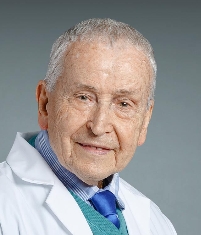 Blas Frangione合作论文数Department of Pathology, Grossman School of Medicine, New York University;Department of Psychiatry, Grossman School of Medicine, New York University8Mrinmoy Sarkar合作论文数7
 Jorge Ghiso合作论文数Langone Medical Center, New York University7
 Sandip Darji合作论文数Ctr Dementia Res, Nathan S Kline Inst Psychiat Res6Bansibadan Maji合作论文数6G Gallo合作论文数6
 Paul M. Mathews合作论文数Center for Dementia Research;Department of Psychiatry, Grossman School of Medicine, New York University6
 Stephen D. Schmidt合作论文数Vaccine Development6Devin M. Wolfe合作论文数Center for Dementia Research, Nathan S. Kline Institute6
 Jabbar Campbell合作论文数5AM Cataldo合作论文数5Sebastien A Gauthier合作论文数AP HP, Ctr Univ Paris5
 W. Haung Yu合作论文数5Ying Jiang合作论文数Department of Psychiatry, Grossman School of Medicine, New York University5
 Karen E. Duff合作论文数Vagelos College of Physicians and Surgeons, Columbia University Irving Medical Center;Taub Institute for Research on Alzheimer's Disease and the Aging Brain, Columbia University5Agueda Rostagno合作论文数5
 Urmi Bandyopadhyay合作论文数Marion Bessin Liver Research Center, Albert Einstein College of Medicine5
 Ruben Vidal合作论文数Indiana University5Takahiro Sasaki合作论文数4
 Wai Haung Yu合作论文数Department of Pharmacology and Toxicology, Temerty Faculty of Medicine, University of Toronto4Mariko Saito合作论文数Department of Psychiatry, Grossman School of Medicine, New York University4Masuo Ohno合作论文数Department of Psychiatry, Grossman School of Medicine, New York University4
 Basavarajappa Balapal S合作论文数Div Analyt Psychopharmacol, Nathan S Kline Inst Psychiat Res4
 Yasuo Uchiyama合作论文数Department of Cell Biology and Neuroscience, Juntendo University School of Medicine4M BERG合作论文数4
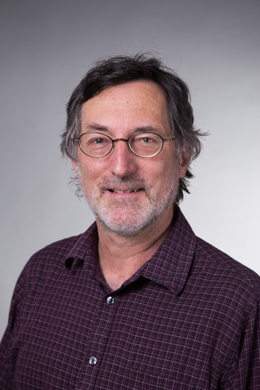 Jean-Pierre Julien合作论文数Department of Psychiatry and Neuroscience, Universite Laval;Robert Packard Center for ALS Research, Johns Hopkins University4Mitsuo Saito合作论文数4Gloria Gallo合作论文数4
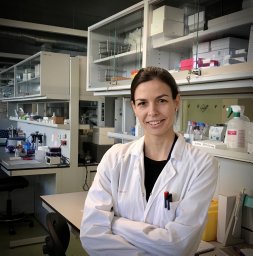 Rocío Pérez-González合作论文数Department of Psychiatry, Hospital Universitario 12 de Octubre4
 Miguel Calero合作论文数Unidad de Análisis Estructural de Proteínas, Centro Nacional de Biotecnología4CM Peterhoff合作论文数3Mary Kate McBrayer合作论文数3Samantha J. Orenstein合作论文数3MV Rao合作论文数3W Errington合作论文数3
 David Westaway合作论文数3
 M. Barry Stokes合作论文数Department of Pathology, College of Physicians and Surgeons, New York, New York.3




