The Mediterranean fruit fly, Ceratitis capitata (Wiedemann), is one of the most important pests of fruits worldwide. In the present study, we investigated the ovipositional response of C. capitata females to 37 compounds of fruit volatiles from various chemical groups and the dose response to five of them. Red plastic hollow hemispheres (domes) were used as oviposition substrates in all tests. Twenty of the compounds tested increased female egg laying compared to control substrates that contain no chemicals. With 16 compounds, similar number of eggs was deposited in treated and in control oviposition substrates. One terpene ((±)-linalool) reduced egg laying indicating a deterrent ovipositional effect. Both the esters and aldehydes tested increased the ovipositional responses in C. capitata. Most of the monoterpene hydrocarbons increased oviposition, while oxygenated monoterpenes, sesquiterpenes hydrocarbons, and oxygenated sesquiterpenes had mostly neutral effect. Ethyl hexanoate and R-(+)-limonene increased oviposition in the majority of doses tested. Different doses of (-)-linalool elicited differential female ovipositional responses. In contrast, valencene and citral, regardless of dose did not affect female oviposition. Practical implications of these findings are discussed.
The recently isolated Lactobacillus paracasei K5 (a potential probiotic) was immobilized on delignified wheat bran (DWB) and was used to produce a functional pomegranate beverage. Fermentations were carried out for 24 h at different pH values (3.3, 3.6, and 3.9), and the fermented juices were stored for 4 weeks at 4 degrees C. In all cases, the immobilized biocatalyst was shown to be efficient for pomegranate juice fermentation, as indicated by analysis of sugars and organic acids, and ethanol production was maintained at low levels (0.5-1% v/v). The sugars consumed during fermentation were used mainly for cell mass production, while DWB exerted a prebiotic effect, protecting and enhancing the viability of L. paracasei. Optimum viability (9.8-11.7 log cfu/mL) was achieved at pH 3.9. The phenolic content and headspace volatiles were increased after fermentation and storage (112 +/- 17-213 +/- 30 mg GAE/100 mL and 27-46 compounds, respectively), indicating potential to produce good quality, synbiotic pomegranate beverages.
Essential oils of Mentha pulegium (Lamiaceae) have shown a high potential for use in pest control. In the present study we examined the comparative potential of the M. pulegium essential oils representing pulegone (EO1) and piperitone (EO2) chemotypes for the control of three serious crop pests, along with their side effects on a beneficial insect. In the case of Tetranychus urticae, the mortality rate of females sprayed at the concentration of 500 μL/L was 68.5% and 71%, for EO1 and EO2 respectively, while the mortality rate at 1000 μL/L was 86% and 92.5%, which were significantly higher compared to the control (21%). In the experiments on Aphis gossypii, the sprayings were held under greenhouse conditions at 1000 μL/L. The mortality rate caused by EO1 was 82% and that of EO2 was 88%. In the control treatment dead aphids were not observed. The results on the third pest, Aphis spiraecola, showed a mortality rate of 40% and 48% for the EO1 and EO2 chemotype, respectively, at 500 μL/L. Interestingly, the mortality caused by both essential oils on the polyphagous predator Nesidiocoris tenuis was not significantly different to the control treatment. All this evidence suggests that the effects of both M. pulegium essential oil chemotypes are equally effective in the control of the pests tested, causing only minor effects on a beneficial insect. Therefore, due to the constraints reported for the pulegone use in pest control, the piperitone-based chemotype can be a valuable source for new crop protection products with the aim of being compatible with modern Integrated Pest Management strategies.
The aim of this study was to determine the antimicrobial efficiency of piperitenone epoxide (PEO) - a principal component of various aromatic plants' essential oil - in combination with various antibiotics against 28 strains of Staphylococcus aureus and 10 strains of Escherichia coli isolated from clinical samples. Mentha spicata's essential oil, initially collected by hydrodistillation, was then subjected to flush column chromatography affording PEO of high purity. Minimum inhibitory concentrations of PEO alone and in combination with various concentrations of antibiotics were assessed using the microdilution method. The combined action was estimated calculating the fractional inhibitory concentration (FIC) index from checkerboard assays. Our results showed that the average minimum inhibitory concentration (mg/l) of PEO alone against E. coli was 512 ± 364.7 μg/ml, which was significantly higher than 172.8 ± 180.7 μg/ml observed for S. aureus. From checkerboard assays, FIC values below the 0.5 index, indicating synergy, were observed for 59% of the drugs tested. Twelve percent of FIC index values were between 0.5 and 1, indicating additive effects, while 21% were indifferent. According to our results, PEO could be a promising antimicrobial compound when combined with specific antibiotics and deserves further study.
A probiotic biocatalyst was prepared through Lactobacillus plantarum ATCC 14917 immobilization on a prebiotic carrier (delignified wheat bran) and was used for fermentations of pomegranate juice. Initially, pomegranate juice was fermented for 24 h and then was stored for 28 days at 4 °C. The obtained results regarding sugar and organic acid analysis revealed that the probiotic biocatalyst was effective. Ethanol was produced in small amounts (0.4–1% v/v). Total phenolic content and antioxidant activity was greater in the fermented pomegranate juice than in unfermented juice after 24 h of fermentation and over the time span of 28 days. Viability of probiotic cells was well maintained (above 8.65 log cfu/mL) after 24 h of fermentation and during 4 weeks of storage at 4 °C, and it is noteworthy that no pathogens were observed. The strength of viability of probiotic cells can be attributed to the immobilization carrier (delignified wheat bran) that exhibits prebiotic properties providing a protective effect to the cells. Finally, the proposed bioprocess of employing the proposed synbiotic biocatalyst for pomegranate juice fermentation shows great potential for commercialization while sensory evaluation highlights the degree of quality of the produced functional pomegranate beverages.
In the current laboratory study, 14 essential oils (EOs) derived from 12 Lamiaceae plant species and their major components were screened for their larvicidal and repellent properties against Aedes albopictus, an invasive mosquito species of great medical importance. The results of toxicity bioassays revealed that the EOs from Thymus vulgaris, Ocimum basilicum, Origanum dictamnus, Origanum majorana, and Origanum vulgare, as well as their major components (terpenes), namely thymol, carvacrol, p-cymene, and γ-terpinene exerted the highest larvicidal effect. Essential oils from Mellisa officinalis, Origanum dictamus, Mentha spicata (chem. piperitenone epoxide), Origanum majorana, and Satureja thymbra were the most potent repellents, with the last two assigned as the best ones. Among the terpenes tested, piperitenone epoxide, carvacrol, thymol, and piperitenone provided the highest level of protection against Ae. albopictus adults. Chemical analysis revealed the presence of a high number of terpenes in the EOs, while in most cases, the biological action of the tested EOs and their major components was in consistency. The most effective EOs and terpenes that were identified through the current laboratory bioassays could be used as alternative agents to control larvae and repel adults of Ae. albopictus.
A recently isolate from feta type cheese, potential probiotic strain Lactobacillus paracasei K5, was applied for pomegranate juice (Punica granutum L.) fermentation. Fermentations were carried out for 24 h followed by the storage of pomegranate juices at 4 °C for 4 weeks. The parameters examined were a composition of volatile compounds, antioxidant activity, total phenolic content, and consumers’ acceptance. The results were encouraging showing that lactic acid fermentation enhanced the composition of volatile compounds even at the fourth week of storage. Increased antioxidant activity (151.44 mg TE/100 mL at the second week) and total phenolics content (285 mg GAE/100 mL at the third week) were observed for all the storage times compared to the initial pomegranate beverage. The fermented pomegranate beverage received better scores for the last 3 weeks of cold storage compared to the non-fermented one. Likewise, L. paracasei K5 was proved to be suitable for the production of functional pomegranate beverages with enhanced aromatic characteristics and high nutritional value.
Essential oils from Greek Mentha species showed different chemical compositions for two populations of M . pulegium , characterized by piperitone and pulegone. Mentha spicata essential oil was characterized by endocyclic piperitenone epoxide, piperitone epoxide, and carvone. The bioactivities of these essential oils and their components have been tested against insect pests ( Leptinotarsa decemlineata , Spodoptera littoralis and Myzus persicae ), root‐knot nematodes ( Meloydogine javanica ) and plants ( Lactuca sativa , Lolium perenne , Solanum lycopersicum ). The structure–activity relationships of these compounds have been studied including semi‐synthetic endocyclic trans ‐carvone epoxide, exocyclic carvone epoxide, a new exocyclic piperitenone epoxide and trans ‐pulegone epoxide. Leptinotarsa decemlineata feeding was affected by piperitenone and piperitone epoxide. Spodoptera littoralis was affected by piperitone epoxide and pulegone. The strongest nematicidal agent was piperitenone epoxide, followed by piperitone epoxide, piperitenone and carvone. Germination of S . lycopersicum and L . perenne was significantly affected by piperitenone epoxide. This compound and carvone epoxide inhibited L . perenne root and leaf growth. Piperitenone epoxide also inhibited the root growth of S . lycopersicum . The presence of a C(1) epoxide resulted in strong antifeedant, nematicidal and phytotoxic compounds regardless of the C(4) substituent. New natural crop protectants could be developed through appropriate structural modifications in the p ‐menthane skeleton.
Oregano essential oil (EO) was extracted via hydro-distillation from Origanum vulgare aromatic plant and tested for its mode of action against 16 clinically isolated strains of Escherichia coli and Staphylococcus aureus (Methicillin resistant and non-methicillin resistant). Initially, Minimum Inhibitory Concentration (MIC) and Minimum Bactericidal Concentration (MBC) were estimated by the broth micro-dilution method. Additionally, the extracellular concentrations of total proteins were measured in bacterial suspensions with the presence of EOs near the MIC concentrations and without the presence of EOs by using the Bradford protein assay. Ampicillin was used as a positive control. Most of S. aureus and almost half of E. coli strains exhibited relatively low MIC values when tested with the EO of oregano. Based on the protein assay a 65% of E. coli strains but over 80% of S. aureus strains exhibited a clear dose-response curve indicating that the mode of action was the disruption of the cytoplasmic membrane and cell wall. Differences in sensitivities of Gram(-) and Gram (+) bacteria on the action of EOs are known with the later been more sensitive than Gram (-). However, MRSA strains were proven resistant to the EOs when compared with their non-MRSA counterparts.
Artemisia absinthium (wormwood) and Salvia sp. (sage) are used as additives to pharmaceuticals, food and alcoholic beverages while in Greece both herbs are also consumed as infusions. The compounds α- and β-thujone, are monoterpenes, which are found in various preparations of these herbs. According to organizations (EMA, SCF) and clinical studies, α- and β-thujone have shown neurotoxic effects in humans over established limits. In this study wormwoodandsageinfusions were investigated in terms of the relative % content of the volatile constituents and the concentrations of α- and β-thujone by gas chromatography-mass spectrometry (GC-MS). In sage infusions, α-thujone was the predominant isomer while in wormwood β-thujone was dominated. Our results revealed that most of the above herbal infusions exceed thujone limits as set by EMA, which are 3 mg/day for wormwood and 5 mg/day for sage. Furthermore, the average toxicity as performed by the Microtox® Analyzer showed higher levels of toxicity in sage infusions compared to the wormwood. No correlation was found between thujone content and toxicity levels of both sage and wormwood infusions.
Background: Oregano (Origanum vulgare), sage (Salvia officinalis), and thyme (Thymus vulgaris) are aromatic plants with ornamental, culinary, and phytotherapeutic use all over the world. In Europe, they are traditionally used in the southern countries, particularly in the Mediterranean region. The antimicrobial activities of the essential oils (EOs) derived from those plants have captured the attention of scientists as they could be used as alternatives to the increasing resistance of traditional antibiotics against pathogen infections. Therefore, significant interest in the cultivation of various aromatic and medicinal plants is recorded during the last years. However, to gain a proper and marketable chemotype various factors during the cultivation should be considered as the geographical morphology, climatic, and farming conditions. In this frame, we have studied the antimicrobial efficiency of the EOs from oregano, sage, and thyme cultivated under different conditions in a region of NE Greece in comparison to the data available in literature. Methods: Plants were purchased from a certified supplier, planted, and cultivated in an experimental field under different conditions and harvested after 9 months. EOs were extracted by using a Clevenger apparatus and tested for their antibacterial properties (Minimum inhibitory concentration – MIC) against clinical isolates of multidrug resistant Escherichia coli (n=27), Klebsiella oxytoca (n=7), and Klebsiella pneumoniae (n=16) strains by using the broth microdilution assay. Results: Our results showed that the most sensitive organism was K. oxytoca with a mean value of MIC of 0.9 µg/mL for oregano EOs and 8.1 µg/mL for thyme. The second most sensitive strain was K. pneumoniae with mean MIC values of 9.5 µg/mL for thyme and 73.5 µg/mL for oregano EOs. E. coli strains were among the most resistant to EOs antimicrobial action as the observed MICs were 24.8–28.6 µg/mL for thyme and above 125 µg/mL for thyme and sage. Most efficient were the EOs from thyme followed by those of oregano. Conclusions: With MIC values above 150 µg/mL, sage EOs did not show any antibacterial efficiency against the majority of the strains. However, no significant differences were observed concerning the antimicrobial action of all EOs originating from irrigated versus non-irrigated cultivated aromatic plants.
Twenty acyclic monoterpenes with different functional groups (acetoxy, hydroxyl, carbonyl and carboxyl) bearing a variable number of carbon double bonds were assayed as repellent and larvicidal agents against the West Nile vector Culex pipiens. Seven of them were derivatives that were synthesized through either hydrogenation or oxidation procedures. All repellent compounds were tested at the dose of 1mgcm(-2) and only neral and geranial were also tested at a 4-fold lower dose (0.25mgcm(-2)). Repellency results revealed that geranial, neral, nerol, citronellol, geranyl acetate and three more derivatives dihydrolinalool (3), dihydrocitronellol (5) and dihydrocitronellyl acetate (6) resulted in no landings. Based on the LC50 values the derivative dihydrocitronellyl acetate (6) was the most active of all, resulting in an LC50 value of 17.9mgL(-1). Linalyl acetate, citronellyl acetate, neryl acetate, geranyl acetate, dihydrocitronellol (5), dihydrocitronellal (7), citronellol, dihydrolinalyl acetate (2), citronellic acid and tetrahydrolinalyl acetate (1) were also toxic with LC50 values ranging from 23 to 45mgL(-1). Factors modulating toxicity have been identified, thus providing information on structural requirements for the selected acyclic monoterpenes. The acetoxy group enhanced toxicity, without being significantly affected by the unsaturation degree. Within esters, reduction of the vinyl group appears to decrease potency. Presence of a hydroxyl or carbonyl group resulted in increased activity but only in correlation to saturation degree. Branched alcohols proved ineffective compared to the corresponding linear isomers. Finally, as it concerns acids, data do not allow generalizations or correlations to be made.
•Essential oil yield was similar for both hydrodistillation techniques.•More oxygenated compounds were obtained by microwave-assisted hydrodistillation.•All the essential oils reduced the longevity and fecundity of Myzus persicae adults.•Mentha pulegium essential oils at 500μl/l were the most effective against M. persicae.•The bioactivity of the essential oils is associated with their main constituents.
The effect of pretreatment with essential oils (EOs) from eight aromatic plants on the seizure latency and severity of pentylenetetrazol- (PTZ-) induced seizures in mice was evaluated. Weight-dependent doses of Rosmarinus officinalis , Ocimum basilicum , Mentha spicata , Mentha pulegium , Lavandula angustifolia , Mentha piperita , Origanum dictamnus , and Origanum vulgare , isolated from the respective aromatic plants from NE Greece, were administered 60 minutes prior to intraperitoneal (i.p.) injection of a lethal dose of PTZ to eight respective groups of Balb-c mice. Control group received only one i.p. PTZ injection. Motor and behavioral activity of the animals after EOs administration, development of tonic-clonic seizures, seizure latency and severity, and percentage of survival after PTZ administration were determined for each group. All groups of mice treated with the EOs showed reduced activity and stability after the administration of the oil, except for those treated with O. vulgare (100% mortality after the administration of the oil). After PTZ administration, mice from the different groups showed increased latency and reduced severity of seizures (ranging from simple twitches to complete seizures). Mice who had received M. piperita demonstrated no seizures and 100% survival. The different drastic component and its concentration could account for the diversity of anticonvulsant effects.
The vine mealybug, Planococcus ficus (Signoret) (Hemiptera: Pseudococcidae), is a pest in grape vine growing areas worldwide. The essential oils from the following aromatic plants were tested for their insecticidal activity against P. ficus: peppermint, Mentha piperita L. (Lamiales: Lamiaceae), thyme-leaved savory, Satureja thymbra L., lavender, Lavandula angustifolia Mill, and basil, Ocimum basilicum L. Essential oils from peels of the following fruits were also tested: lemon, Citrus limon L. (Sapindales: Rutaceae), and orange, C. sinensis L. The reference product was paraffin oil. Bioassays were conducted in the laboratory by using spray applications on grape leaves bearing clusters of P. ficus of one size class, which mainly represented either 3rd instar nymphs or pre-ovipositing adult females. The LC50 values for each essential oil varied depending on the P. ficus life stage but did not significantly differ between 3(rd) instar nymphs and adult females. The LC50 values of the citrus, peppermint, and thyme-leaved savory essential oils ranged from 2.7 to 8.1 mg/mL, and the LC50 values of lavender and basil oil ranged from 19.8 to 22.5 and 44.1 to 46.8 mg/mL, respectively. The essential oils from citrus, peppermint and thymeleaved savory were more or equally toxic compared to the reference product, whereas the lavender and basil essential oils were less toxic than the paraffin oil. No phytotoxic symptoms were observed on grape leaves treated with the citrus essential oils, and low phytotoxicity was caused by the essential oils of lavender, thyme-leaved savory, and mint, whereas the highest phytotoxicity was observed when basil oil was used.
Mosquitoes constitute a severe health problem in many areas all over the world. There are many regions of the tropics and subtropics where mosquitoes are one of the main reasons for inhibiting the economic upgrade. Except nuisance, their medical importance is another matter of attention since mosquitoes are vectors for a wide variety of vector-borne diseases. Due to disadvantages of currently used chemical control methods, it is unavoidable to search for eco-friendly new molecules. We report herein the evaluation of the larvicidal effect exhibited by essential oils of Dianthus caryophyllus, Lepidium sativum, Pimpinella anisum, and Illicium verum against late third to early fourth instar mosquito larvae of Culex pipiens. Furthermore, phytochemical analysis of plant samples revealed their major compounds to be β-caryophyllene, eugenol, eucalyptol, α-terpinyl acetate, and (E)-anethole which were also tested for their potential larvicidal activity. For D. caryophyllus and L. sativum, this was the first report on the chemical composition of their essential oils. The essential oils of I. verum and P. anisum demonstrated high larvicidal activity with a LC50 <18 mgL−1. The other two essential oils of D. caryophyllus and L. sativum revealed moderate larvicidal activity, displaying a LC50 value above 50 mgL−1. Among the pure components, the most toxic were eugenol, (E)-anethole, and α-terpinyl acetate, with LC50 values 18.28, 16.56, and 23.03 mgL−1, respectively. Eucalyptol (1,8 cineole) and β-caryophyllene were inactive at concentrations even as high as 100 mgL−1, showing the least significant activity against mosquito larvae. Results allow some rationalization on the relative importance of the major compounds regarding the larvicidal activity of selected essential oils and their potential use as vector control agents.
INTRODUCTION:Mentha pulegium L. (pennyroyal) is one of the four most commercially important Mentha species, even it is not a cultivated plant. It can be abundantly located in the Iberian Peninsula and North African countries. In Greece it grows in the wild and it is scattered all over the country. Pennyroyal is best known for its essential oil, with Spain and Morocco being the largest producers in the world. Mid-infrared spectroscopy has been applied to determine the origin of various samples.OBJECTIVES:In this work Fourier transform infrared spectroscopy (FT-IR) combined with canonical discriminant analysis has been applied to distinguish 70 Greek pennyroyal samples according to their collection areas.MATERIAL AND METHODS:Pennyroyal nonpolar organic extracts were prepared using ultrasound-assisted solvent extraction. The spectra of the extracts were recorded in the range of 4000-400 cm(-1) and the best discrimination was achieved in the spectral region 1720-1650 cm(-1) .RESULTS:Spectral features for the discrimination of pennyroyal samples among the different collection areas occur primarily in the carbonyl region and are correlated with the main volatile constituents of the extracts (menthone, isomenthone, pulegone, piperitone). All areas were easily differentiated by canonical discriminant analysis. The percentages of correct classification and validation were 94.3 and 90.0%, respectively.CONCLUSION:The combination of FT-IR spectroscopy and multivariate analysis provides a rapid and ambient method to discriminate pennyroyal samples in terms of geographical origin.
Laboratory experiments were conducted to study the bioefficacy against Ae. albopictus of three Citrus essential oils, derived from peels of Citrus sinensis, Citrus limon, and Citrus paradise and of their components. Chiral gas chromatography analysis revealed the dominant occurrence of R-(+)-limonene and (−)-β-pinene in all three essential oils while in the case of lemon oil γ-terpinene, neral, and geranial detected also among other components. The tested Citrus essential oils were toxic against mosquito larvae with LC50 values ranging from 25.03 to 37.03 mg l−1. Among citrus essential oils components tested, γ-terpinene was the most toxic (LC50 = 20.21 mg l−1) followed by both enantiomeric forms of limonene (LC50 = 35.99 and 34.89 mg l−1, for R-(+)-limonene and S-(−)-limonene, respectively). The delayed toxic effects after exposure of larvae to sublethal (LC50) doses were also investigated for citrus essential oils and their major component R-(+)-limonene, indicating a significant reduction of pupal survival. In repellent bioassays, lemon essential oil, S-(−)-limonene, citral (mixture of neral\geranial) and (+)-β-pinene were the most effective compared with other citrus essential oils and components against adult mosquitoes. Repellent bioassays also revealed that limonenes and β-pinenes showed an isomer dependence repellent activity. Finally, according to enantiomeric distribution of limonene and α- and β-pinene, the repellency of lemon essential oil is possibly attributed to the presence of citral.
Summary The larvicidal activity of essential oils derived from three diff erent Mentha species (Lamiaceae) as well as their major aroma p-menthane type components were evaluated against Culex pipiens (Diptera: Culicidae). Therefore, pulegone, piperitenone, piperitone, carvone, menthone and menthol were isolated using column chromatography. The LC 50 values revealed that M. pulegium and M. piperita oils were the most toxic (46.97 and 40.28 mgl-1 respectively) and pulegone was the most eff ective (27.23 mgl-1 ) among the major ingredients. The activity of all essential oils is in agreement with the proportion/toxicity rate of their individual major components, apart from the case of M. piperita where the LC 50 values of its major ingredients menthone and menthol stand higher than 100 mgl -1 . For the isolated molecules, studies on structure activity relationships revealed that the location of C-C double bond and the presence of the isopropylidene group might be key factors. Additional keywords: Culex pipiens, essential oil, larvicidal activity, major components isolation, Mentha species
The seven-step synthesis of a novel structural isomer of VPA-985, N-[3-chloro-4-(5H-pyrrolo[1,2-c][1.3]benzodiazepin-6(11H)-ylcarbonyl)phenyl]-5-fluoro-2-methylbenzamide, is described. (2-Aminophenyl)(1H-pyrrol-2-yl)methanone was converted with thiophosgene into (2-isothiocyanatophenyl)(1H-pyrrol-2-yl)methanone which was cyclised in the presence of base to 5-thioxo-5,6-dihydro-11H-pyrrolo[1,2-c][1.3]benzodiazepin-11-one. The latter underwent desulfurisation with Raney nickel followed by reduction with lithium aluminium hydride in the presence of aluminium trichloride and the resulting 6,11-dihydro-5H-pyrrolo[1,2-c][1.3]-benzodiazepine acylated with 2-chloro-4-nitrobenzoyl chloride to afford 6-(2-chloro-4-nitrobenzoyl)-6,11-dihydro-5H-pyrrolo[1,2-c][1.3]benzodiazepine. The nitro group in the latter compound was reduced with zinc and ammonium chloride to give the corresponding aniline derivative which was then acylated with 2-methyl-5-fluorobenzoyl chloride to provide the final product.
 Moschos Polissiou合作论文数14
 Antonios Michaelakis合作论文数Laboratory of Agricultural Entomology, Benaki Phytopathological Institute9
 Dimitrios P. Papachristos合作论文数7
 Eugenia Bezirtzoglou合作论文数Medical School, Democritus University of Thrace7
 Stavros Plessas合作论文数Faculty of Agriculture Development, Democritus University of Thrace6Ioannai Mantzourani合作论文数6
 Athanasios Koutinas合作论文数Department of Chemistry, Section of Analytical, Environmental & Applied Chemistry, UP6George Koliopoulos合作论文数5George Varvounis合作论文数3
 Antonia Terpou合作论文数School of Agricultural Development, Nutrition & Sustainability, National and Kapodistrian University of Athens3
 Giatropoulos Athanassios合作论文数Laboratory of Biological Control of Pesticides, Benaki Phytopathological Institute3Fournomiti Maria合作论文数3Eleftherios A. Petrakis合作论文数3
 Petros A Tarantilis合作论文数Laboratory of Chemistry, Agricultural University of Athens3Nickolaos Emmanouel合作论文数2Elisavet Stavropoulou合作论文数Ctr Hosp Univ Vaudois CHUV2Papaemmanouil Virginia合作论文数2
 Athanasios Mallouchos合作论文数Lab. of Microbiology and Biotechnology of Foods, Agricultural University of Athens2
 Olga Pagonopoulou合作论文数Laboratory of Physiology;School of Medicine;Democritus University of Thrace;School of Medicine, Democritus University of Thrace2D. Perdikis合作论文数UMDNJ/New Jersey Medical School2
 Georgios Rotas合作论文数2
 Veroniki Peter Vidali合作论文数2Nikolaos T Papadopoulos合作论文数1Merab Kekelidze合作论文数1Ketevan Natchkebia合作论文数1
 Eleni Koutroumanidou合作论文数1
 Konstantina Arvaniti合作论文数1Maria Kokkini合作论文数1Stiliani-Fani P.Megremi合作论文数1Νefeli-Sofia Sotiropoulou合作论文数1Christos Bontsidis合作论文数1Dimitrios M. Papadimitriou合作论文数Lab Nat Resources Management & Agr Engn, Hellen Mediterranean Univ1Stavros Kazakos合作论文数Lab Food Proc, Democritus Univ Thrace1spyridon a antonatos合作论文数Sci Directorate Entomol & Agr Zool, Benaki Phytopathol Inst1K Charalabopoulos合作论文数Med Sch, Democritus Univ Thrace1
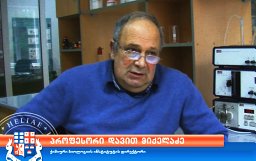 David Mikeladze合作论文数I Beritashvili Ctr Expt Biomed1
 Filitsa Karamaouna合作论文数Benaki Phytopathological Institute1Omar Santana-Meridas合作论文数1Kapsiotis Ioannis合作论文数1Theodoridou Irene合作论文数1Tsora Eleanna合作论文数1Papatsakona Panagiota合作论文数1
 Efstathia Skotti合作论文数Laboratory of Chemistry, Agricultural University of Athens1
 Kioulos Ilias合作论文数Laboratory of Pesticide Science, Agricultural University of Athens1Nerantzaki Alexandra A合作论文数1Dionyssios P. Lykouressis合作论文数1
 Azucena González-Coloma合作论文数Instituto de Ciencias Agrarias, Consejo Superior de Investigaciones Científicas1Eirini Anastasaki合作论文数Laboratory of Chemistry, Agricultural University of Athens1
 Elias Couladouros合作论文数Organic and Bioorganic Chemistry Laboratory, NCSR1




