Given the scarce data in the literature regarding the lanthanide content of Greek monofloral honey, Sc (Scandium), Y (Yttrium), La (Lanthanum), Ce (Cerium), Pr (Praseodymium), Nd (Neodymium), Sm (Samarium), Eu (Europium), Gd (Gadolinium), Tb (Terbium), Dy (Dysprosium), Ho (Holmium), Er (Erbium), Tm (Thulium), Yb (Ytterbium), Lu (Lutetium) and Th (Thorium) were determined in honeydew and nectar honey, using inductively coupled plasma mass spectrometry (ICP-MS). Results showed that, in general, honeydew honey had a higher lanthanide content than nectar honey, even though the determined values were below the limit of quantification. Preliminary reference values in this case for pine honey were Ce (26.82 ± 21.49 ng/L) and La (15.25 ± 11.82 ng/L). Adulteration testing was also performed using elemental analysis coupled to isotope ratio mass spectrometry (EA-IRMS), where no adulteration with cheap sugars was detected. Factor analysis identified the principal lanthanides related to honey botanical origin, basically Ce, and the k-NN algorithm classified the samples, achieving a training classification rate of 81.8% and a hold-out classification rate of 76.5%. Even in low amounts, lanthanides may contribute to the botanical origin identification of monofloral honey.
Discrimination of geographical origin can satisfy the demand for food authenticity while decreasing the risk of adulteration in high-quality food products. Rice is among the most important cultivated crops worldwide, providing food for more than half of the Earth’s population. The aim of this study is to discriminate the geographical origin of rice cultivated in three regions: Agrinio (Western Greece), Serres, and Chalastra (Central Macedonia). In total, 120 samples were collected from Agrinio and 160 samples from Serres during each cultivation period (2021 and 2022), as well as 90 samples from Chalastra (sampling periods 2023 and 2024). The isotope ratios of the light elements (C, N, and S) were measured using isotope ratio mass spectrometry (IRMS), and the results obtained were analyzed using chemometric techniques, one-way ANOVA, Multivariate Analysis of Variance (MANOVA), and a decision tree algorithm. The mean values of delta permille (δ ‰) calculated from the one-way ANOVA were δ15N = 4.64‰, δ13C = −26.8‰, and δ34S = 3.62 for rice from Agrinio; δ15N = 5.34‰, δ13C = −26.1‰, and δ34S = −0.903 for rice from Serres; and δ15N = 5.90‰, δ13C = −28‰, and δ34S = 4.01 for rice from Chalastra. The decision tree algorithm achieved high accuracy (91.9%), sensitivity (from 86.1% for Agrinio to 97.9% for Serres), and specificity. The results obtained from the decision tree algorithm show that this method could be used to discriminate rice cultivars from the three Greek regions.
The use of essential oil components as natural antifungal preservatives in the active packaging of bread is an innovative approach that leverages the antimicrobial properties of these compounds to extend the shelf life of bread and ensure its safety. The aim of the present work was the thorough investigation of the antioxidant properties and antifungal activity of low-density polyethylene (LDPE or PE) nanocomposite films with organically modified montmorillonite (O) loaded with carvacrol (C) or thymol (T) as a function of time, starting from 2 months and concluding at 12 months. The films PE_OC and PE_OT were prepared through the evaporation/adsorption method, a green methodology developed by our group compatible with food packaging. For a comprehensive analysis of the synthesized films' oxygen permeability (OTR), measurements were employed, indicating that the incorporation of clay-bioactive nanocarriers into LDPE films reduced their oxygen permeability. A thorough analysis in terms of the antioxidant activity of the films was assessed at various intervals (2, 3, 6, and 12 months), showing high antioxidant activity for films PE_OC10 and PE_OT10 (polyethylene with 10% wt. organically modified montmorillonite loaded with carvacrol or thymol), even at 12 months. Based on the overall analysis, the PE_OC10 film was identified as the most effective option in the antifungal evaluation conducted using white bread, demonstrating substantial inhibition of fungal growth for up to six months.
To characterize the quality based on the occurrence of pharmaceutically active substances or toxic metals, and determine the botanical origin of honeydew and nectar honey, 50 honey samples were subjected to multiparametric determinations: i) antibiotics and sulfonamides, ii) moisture, total sugars, electrical conductivity, free acidity, pH, Pfund color, diastase, total phenolic content, antioxidant activity (set A), along with iii) minerals (set B). Results showed that antibiotics or sulfonamides were below the limit of quantification (0.5-2 mu g/kg), whereas traces of toxic metals (As, Be, Cd, Cr, Pb) were determined according to the European directives. The data (sets A and B) were subjected to chemoinformatics, and samples were classified according to botanical origin using linear discriminant analysis: 74 % in both cases, and 80 % when data were combined, according to the cross-validation method. In addition, factor and partial least squares analyses highlighted the key parameters that were associated more with the honey type.
The development of antimicrobial and antioxidant packaging materials is critical for improving food safety and extending shelf life. This study aimed to design and characterize low-density polyethylene (LDPE) and poly(ethylene-co-vinyl acetate) (EVA) films incorporating organically modified montmorillonite (OMt) nanocarriers loaded with carvacrol (C) and thymol (T) essential oil components. The incorporation of carvacrol and thymol into OMt was conducted through an evaporation/adsorption method without the use of organic solvents. In the next step, LDPE, EVA and OMtC or OMtT were melt-compounded in order to obtain films. Characterization of the bioactive nanocarriers and films was performed through X-ray diffraction (XRD), tensile testing, oxygen permeability measurements (OTR) and antioxidant assays. Films LDPE/EVA/OMtC and LDPE/EVA/OMtT showed improved mechanical strength and antioxidant activity, with IC50 values between 0.32 and 0.52 mg/mL. Film with component weight ratio LDPE/EVA/OMtC equal to 80/10/10 also demonstrated enhanced barrier properties and significantly inhibited fungal growth on baguette bread for up to 60 days. These findings highlight the potential of these bioactive films to improve the microbial safety and shelf life of bakery products.
The present study aimed to investigate whether different citrus peel powders (orange, mandarin, and lemon) could be incorporated into polylactic acid (PLA), for the preparation and characterization of biodegradable films made of this fruit waste. In particular, films were prepared by the solvent casting method and tested in terms of physicochemical and biochemical parameters, along with mechanical properties. Furthermore, the citrus peel powders were tested for their physicochemical and biochemical properties after ethanolic extraction. The results showed that the addition of citrus powders into PLA proved to be efficient compared to the control films (PLA). The citrus peel-based films showed high antioxidant capacity (38.37%–32.54%), a considerable total phenolic content (17.2–12.58 mg GAE/L), good lightness (L*: 42.83–41.93), elastic Young’s modulus (257.95–175.38 MPa), oxygen transmission rate (976.5 mL m−2 day−1–1218 mL m−2 day−1), elongation at break (183.06%–135.95%), and tensile strength (6.15–4.56 MPa), which were affected significantly (p < 0.05) by the botanical origin of citrus peel. Concerning the citrus peel extracts, the highest values in antioxidant capacity (52.56%), total phenolic content (724.8 mg GAE/L), and titratable acidity (714.67 mg of citric acid/L) were recorded in the extract of lemon peel powders. The corresponding values for orange peel powder extracts were 39.43%, 563.8 mg GAE/L, and 576 mg of citric acid/L, while those for mandarin were 33.01%, 558.46 mg GAE/L, and 54.67 mg of citric acid/L. The application of multivariate analysis of variance and linear discriminant analysis on the mechanical properties, physicochemical, and biochemical data resulted in the differentiation of pure PLA and PLA-based films fabricated with citrus peel powder. From the above findings, it is concluded that citrus peel powders are sources of phytochemicals and can be used for the preparation of PLA-based films for potential applications in food preservation.
Adulteration of high-value agricultural products is a critical issue worldwide for consumers and industries. Discrimination of the geographical origin can verify food authenticity by reducing risk and detecting adulteration. Between agricultural products, beans are a very important crop cultivated worldwide that provides food rich in iron and vitamins, especially for people in third-world countries. The aim of this study is the construction of a map of the locally characteristic isotopic fingerprint of giant beans, “Fasolia Gigantes-Elefantes PGI”, a Protected Geographical Indication product cultivated in the region of Kastoria and Prespes, Western Macedonia, Greece, with the ultimate goal of the discrimination of beans from the two areas. In total, 160 samples were collected from different fields in the Prespes region and 120 samples from Kastoria during each cultivation period (2020–2021 and 2021–2022). The light element (C, N, and S) isotope ratios were measured using Isotope Ratio Mass Spectrometry (IRMS), and the results obtained were analyzed using chemometric techniques, including a one-way ANOVA and Binomial logistic regression. The mean values from the one-way ANOVA were δ15NAIR = 1.875‰, δ13CV-PDB = −25.483‰, and δ34SV-CDT = 4.779‰ for Kastoria and δ15NAIR = 1.654‰, δ13CV-PDB = −25.928‰, and δ34SV-CDT = −0.174‰ for Prespes, and showed that stable isotope ratios of C and S were statistically different for the areas studied while the Binomial logistic regression analysis that followed correctly classified more than 78% of the samples.
Greek giant beans, also known as “Gigantes Elefantes” (elephant beans, Phaseolus vulgaris L.,) are a traditional and highly cherished culinary delight in Greek cuisine, contributing significantly to the economic prosperity of local producers. However, the issue of food fraud associated with these products poses substantial risks to both consumer safety and economic stability. In the present study, multi-elemental analysis combined with decision tree learning algorithms were investigated for their potential to determine the multi-elemental profile and discriminate the origin of beans collected from the two geographical areas. Ensuring the authenticity of agricultural products is increasingly crucial in the global food industry, particularly in the fight against food fraud, which poses significant risks to consumer safety and economic stability. To ascertain this, an extensive multi-elemental analysis (Ag, Al, As, B, Ba, Be, Ca, Cd, Co, Cr, Cs, Cu, Fe, Ga, Ge, K, Li, Mg, Mn, Mo, Na, Nb, Ni, P, Pb, Rb, Re, Se, Sr, Ta, Ti, Tl, U, V, W, Zn, and Zr) was performed using Inductively Coupled Plasma Mass Spectrometry (ICP-MS). Bean samples originating from Kastoria and Prespes (products with Protected Geographical Indication (PGI) status) were studied, focusing on the determination of elemental profiles or fingerprints, which are directly related to the geographical origin of the growing area. In this study, we employed a decision tree algorithm to classify Greek “Gigantes Elefantes” beans based on their multi-elemental composition, achieving high performance metrics, including an accuracy of 92.86%, sensitivity of 87.50%, and specificity of 96.88%. These results demonstrate the model’s effectiveness in accurately distinguishing beans from different geographical regions based on their elemental profiles. The trained model accomplished the discrimination of Greek “Gigantes Elefantes” beans from Kastoria and Prespes, with remarkable accuracy, based on their multi-elemental composition.
DNA technology for food authentication is already well established, and with the advent of Next Generation Sequencing (NGS) and, more specifically, metabarcoding, compositional analysis of food at the molecular level has rapidly gained popularity. This has led to several reports in the media about the presence of foreign, non-declared species in several food commodities. As herbs and spices are attractive targets for fraudulent manipulation, a combination of digital PCR and metabarcoding by NGS was employed to check the purity of 285 oregano samples taken from the European market. By using novel primers and analytical approaches, it was possible to detect and quantify both adulterants and contaminants in these samples. The results highlight the high potential of NGS for compositional analysis, although its quantitative information (read count percentages) is unreliable, and other techniques are therefore needed to complement the sequencing information for assessing authenticity ('true to the name') of food ingredients.
In this study, we aimed to develop a sampling method that could be used in geographical discrimination studies of Protected Geographical Indication (PGI) dry beans (Phaseolus vulgaris L.) by considering the geoclimatic variability within the cultivation zone of the analyzed product. The Regional Unit of Kastoria in Greece, a major area of protected designation origin of pulse crops, was selected for detailed investigation. Meteorological data were collected from five weather stations in different subregions of Kastoria (Argos Orestiko, Kalochori, Lakkomata, Lithia, and Polykarpi), over a period of six years (2015 to 2020), along with data of soil texture. The collected data were analyzed in order to determine statistically significant differences among the subregions with regard to the aforementioned parameters. A seasonality pattern was observed for all subregions concerning the microclimate, which splits the data into two clusters. Moreover, a significant variation of the soil textures was revealed, frequently affecting farmers’ decision regarding agronomic practices, leading to the unique stable-isotope ratios and multi-elemental composition. This study guides the dry bean sample collection and will enable the designation of the boundaries of protected origin regions and enable future sampling schemes for stable-isotope and multi-elemental analysis.
In the present work, direct incorporation of bioactive compounds onto the surface and interlayer of nanoclays before their incorporation into the final polymeric film was conducted, based on a green methodology developed by our group that is compatible with food packaging. This will lead to the higher thermal stability and the significant reduction of the loss of activity of the active ingredients during packaging configuration. On this basis, the essential oil (EO) components carvacrol (C), thymol (T) as well as olive leaf extract (OLE), which is used for the first time, were incorporated onto organo-modified montmorillonite (O) or inorganic bentonite (B) through the evaporation/adsorption method. The prepared bioactive nanocarriers were further mixed with low-density polyethylene (LDPE), via melt compounding, in order to prepare films for potential use as fresh fruit and vegetable packaging material. Characterization of the bioactive nanocarriers and films were performed through XRD, TGA, tensile, antimicrobial and antioxidant tests. Films with organically modified montmorillonite loaded with carvacrol (OC), thymol (OT) and olive leaf extract (OOLE) at 5% wt. showed better results in terms of mechanical properties. The films with polyethylene and organically modified montmorillonite loaded with carvacrol or thymol at 20% wt. (PE_OC20 and PE_OT20), as well as with olive leaf extract at 5 or 10 %wt., clay:bioactive substance ratio 1:0.5 and 10% compatibilizer (PE_OOLE5_MA10 and PE_OOLE10_MA10) exhibited the highest antioxidant activity. The resulting films displayed outstanding antimicrobial properties against Gram-negative Escherichia coli (E. coli) with the best results appearing in the films with 10% OC and OT.
There is a plethora of food products with geographical indications registered in the European Union without any study about their discrimination from other similar products. This is also the case for Greek currants. This paper aims to analyze if stable isotope analysis of C, N, and S could discriminate the Greek currants “Vositzza”, registered as a product of Protected Designation of Origin, from two other currants registered as products of Protected Geographical Indication coming from neighboring areas. The first results show that the stable isotope ratio of sulfur is not detectable due to the very low sulfur content in the samples, and the analysis should be based on the stable isotope ratios of carbon and nitrogen to discriminate these products. The mean value of δ15N (1.38‰) of PDO “Vostizza” currants is lower than that of currants grown outside the PDO zone (2.01‰), while the mean value of δ13C of PDO “Vostizza” currants is higher (−23.93‰) in comparison to that of currants grown outside the PDO zone (−24.83‰). Nevertheless, the results indicate that with only two isotopic ratios, discrimination could not be achieved, and further analysis is required.
The impact of titanium dioxide (TiO2) on the physical properties of poly(lactic acid) (PLA) is explored, along with the combined effect of Atomic Layer Deposition of zinc oxide (ZnO) on the nanocomposite films' surface. PLA/TiO2 bionanocomposites are prepared via melt-extrusion and characterized in terms of their morphological, thermal, and mechanical properties. Homogeneous dispersion of the filler offers enhanced mechanical performance for samples up to 5 wt% in TiO2 content. Thermal stability of PLA is also slightly improved upon increasing TiO2 content. This work also demonstrates that surface modification of PLA/TiO2 films employing Atomic Layer Deposition of zinc oxide enhances hydrophobicity, while antimicrobial activity, although mild, appears enhanced for coated samples. Water vapor permeability is retained in both coated and uncoated nanocomposites. Surface characterization of the studied specimens, by x-ray photoelectron spectroscopy and scanning electron microscopy, reveals subsurface diffusion and reaction of the depositing compounds within PLA, leading to a different surface chemistry involving Zn(OH)(2). This study gives valuable insights on the parameters affecting the atomic layer deposition of inorganic coatings on a polymeric substrate in the presence of nanoinclusions and, therefore, on the physical properties of the coated films, providing the pathway for their exploitation in food packaging applications.
Consumers are increasingly interested in the geographical origin of the foodstuff they consume as an important characteristic of food authenticity and quality. To assure the authenticity of the geographical origin, various methods have been proposed. Stable isotope analysis is a method that has been extensively used for products such as wine, oil, meat, while only a few studies have been conducted for the discrimination of seafood origin and especially for mullet roes or bottarga products. Analysis of the stable isotopes of C, N and S of Bottarga samples from four different origins were carried out. The values of δ15N (5.45‰) and δ34S (4.66‰) for the Greek Bottarga Product named ‘Avgotaracho Messolongiou’, from Messolongi lagoon were lower than other areas while δ13C values were higher (−14.84‰). The first results show that the stable isotopes ratios of carbon, nitrogen and sulphur could be used to discriminate the Greek Protected Designations of Origin Bottarga product ‘Avgotaracho Messolongiou’ from other similar products.
Fraudulent practices are the first and foremost concern of food industry, with significant consequences in economy and human's health. The increasing demand for food has led to food fraud by replacing, mixing, blending, and mislabeling products attempting to increase the profits of producers and companies. Consequently, there was the rise of a multidisciplinary field which encompasses a large number of analytical techniques aiming to trace and authenticate the origins of agricultural products, food and beverages. Among the analytical strategies have been developed for the authentication of geographical origin of foodstuff, Inductively Coupled Plasma Mass Spectrometry (ICP-MS) increasingly dominates the field as a robust, accurate, and highly sensitive technique for determining the inorganic elements in food substances. Inorganic elements are well known for evaluating the nutritional composition of food products while it has been shown that they are considered as possible tracers for authenticating the geographical origin. This is based on the fact that the inorganic component of identical food type originating from different territories varies due to the diversity of matrix composition. The present systematic literature review focusing on gathering the research has been done up-to-date on authenticating the geographical origin of agricultural products and foods by utilizing the ICP-MS technique. The first part of the article is a tutorial about food safety/control and the fundaments of ICP-MS technique, while in the second part the total research review is discussed.
Consumers are increasingly interested in the geographical origin of foodstuff, as an important characteristic of food authenticity and quality. To assure the authenticity of the geographical origin, various methods have been proposed. Stable isotope analysis is a method that has been extensively used for products like wine, oil, and meat by using large datasets and analysis. On the other hand, only few studies have been conducted for the discrimination of seafood origin and especially for mullet roes or bottarga products, and even fewer investigate a small number of samples and datasets. Stable isotopes of Carbon (C), Nitrogen (N), and Sulfur (S) analysis of bottarga samples from four different origins were carried out. The first results show that the stable isotopes ratios of C, N, and S could be used to discriminate the Greek PDO Bottarga (Messolongi) from other similar products by using a probabilistic machine learning methodology. That could use limited sample data to fit/estimate their parameters, while, at the same time, being capable of describing accurately the population and discriminate individual samples regarding their origin.
Polystyrene (PS)/silicate composites were prepared with the addition of two organoclays (orgMMT and orgZenith) and two mesoporous silicas (SBA-15 and MCF) via (i) solution casting and (ii) melt compounding methods. X-ray diffraction (XRD) analysis evidenced an intercalated structure for PS/organoclay nanocomposites. Thermogravimetric analysis indicated improvement in the thermal stability of PS-nanocomposites compared to the pristine polymer. This enhancement was more prevalent for the nanocomposites prepared with a lab-made organoclay (orgZenith). Tensile measurement results indicated that elastic modulus increment was more prevalent (up to 50%) for microcomposites prepared using mesoporous silicas as filler. Organoclay addition led to a decrease in oxygen transmission rate (OTR) values. This decrement reached up to 50% for high organoclay content films in comparison to pristine PS film. Decrement above 80% was measured for microcomposites with mesoporous silicas and 5 wt% filler content obtained via melt compounding.
The self-assembly and the dynamics of an H-shaped copolymer composed of a polyethylene midblock and four poly(ethylene oxide) arms (PE-b-4PEO) are investigated in the bulk and under severe confinement into nanometer-spaced LAPONITE clay particles by means of small- and wide-angle X-ray diffraction (SAXS, WAXS), differential scanning calorimetry (DSC), polarizing optical microscopy (POM), rheology, and dielectric spectroscopy (DS). Because of the H-shaped architecture, the PE midblock is topologically frustrated and thus unable to crystallize. The superstructure formation in the bulk is dictated solely by the PEO arms as inferred by the crystallization/melting temperature relative to the PEO homopolymer. Confinement produced remarkable changes in the interlayer distance and PEO crystallinity but left the local segmental dynamics unaltered. To reconcile all structural, thermodynamic, and dynamic effects, a novel morphological picture is proposed with interest in emulsions. Key parameters that stabilize the final morphology are the severe chain confinement with the associated entropy loss and the presence of interactions (hydrophobic/hydrophilic) between the LAPONITE and the PEO/PE blocks.
This study is a systematic literature review of geographical origin authentication by elemental analytical techniques. Authentication and certification of geographic origin of agri-food products is a useful tool toward the protection of the quality for products. The aim of this work was to map the current state of research in the area of agricultural products and food, identifying emerging fields to the geographical origin of products. The article is divided in three parts. The first part of the article deals with the analytical techniques applied in the food authentication. Special mention is made to elemental analysis and multiple isotope ratio. The second section focuses on statistically published data concerning published research for geographical origin authentication for the period 2015–2019. Specific results are presented inter alia: number of articles according to the type of product, articles according to the type of the analytical techniques, and others. The third part contains characteristic results from articles that were published in the period 2015–2019, on certification of geographical origin on specific agricultural products.
 Philippos J. Pomonis合作论文数29
 Aris Giannakas合作论文数School of Natural Resources and Enterprise Management, University of Ioannina27
 Nektaria-Marianthi Barkoula合作论文数11Angelos A Patakas合作论文数University of Ioannina Laboratory of Plant Production, Department of Farm Organization and Enterprise Management G, Seferi 2 30100 Agrinio Greece10
 Achilleas Kontogeorgos合作论文数9
 Anastasios Zotos合作论文数Laboratory of Soil Science, Aristotle University of Thessaloniki9
 Areti A. Leontiou合作论文数Department of Chemistry, University of Ioannina8Thomas Bakas合作论文数Physics of Material Laboratory, University of Ioannina8
 Katerina Katerinopoulou合作论文数7
 Eleni C. Mazarakioti合作论文数Department of Chemistry, Brock University7Anna-Akrivi Thomatou合作论文数6
 V. N. Stathopoulos合作论文数Department of Chemistry, University of Ioannina6Tiberius C. Vaimakis合作论文数6Pantelis N. Trikalitis合作论文数Department of Chemistry, University of Crete5Kostas S. Triantafyllidis合作论文数5Dimitris E. Petrakis合作论文数5
 Constantinos E. Salmas合作论文数5Kalouda Grigoriadi合作论文数4Stelios P. Skaribas合作论文数4
 Gerasimos S. Armatas合作论文数Department of Materials Science and Technology, University of Crete4
 Vassiliki Belessi合作论文数Department of Chemistry, University of Ioannina4
 Alexandros P. Katsoulidis合作论文数Department of Chemistry, University of Ioannina4
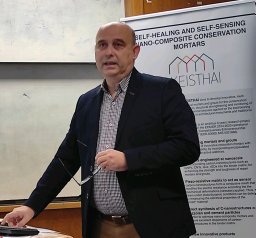 Dimitrios Gournis合作论文数Department of Materials Science & Engineering, University of Ioannina4KM Kolonia合作论文数4
 Panagiotis I. Xidas合作论文数Department of Materials Science Engineering, University of Ioannina4C. G. Spanos合作论文数3Konstantinos Safakas合作论文数3Efthimios Kokkotos合作论文数3Giliopoulos Dimitrios J合作论文数3
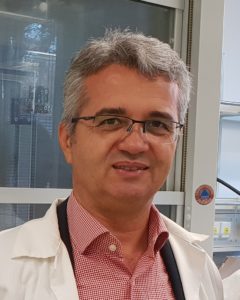 Dimitrios Bikiaris合作论文数Laboratory of Polymer and Colour Chemistry and Technology, School of Chemistry, Faculty of Sciences, Aristotle University of Thessaloniki3G. A. Tsirogiannis合作论文数Department of Engineering Sciences, University of Patras3Antonios T. Sdoukos合作论文数3Dimitrios E. Petrakis合作论文数3
 Konstantinos S. Triantafyllidis合作论文数Department of Chemistry, Aristotle University of Thessaloniki3P. Pomonis合作论文数3
 Haralambos Stamatis合作论文数Biotechnology Laboratory, University of Ioannina3
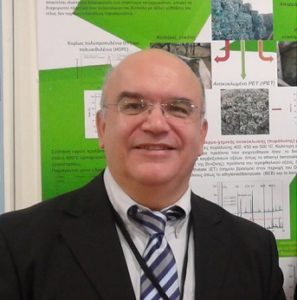 Dimitris S. Achilias合作论文数Laboratory of Organic Chemical Technology, Department of Chemistry, Aristotle University of Thessaloniki3Eleni Psarra合作论文数2maria vlacha合作论文数2Vassilios K Karabagias合作论文数Lab Food Chem, Univ Ioannina2
 Panagiotis Svarnas合作论文数2
 Ioannis Karabagias合作论文数Laboratory of Food Chemistry, University of Ioannina2
 Nikolaos Kourkoumelis合作论文数Physics of Material Laboratory, University of Ioannina2
 George P. Androutsopoulos合作论文数2Petros Katapodis合作论文数2
 Panagiota K Karahaliou合作论文数Department of Physics, University of Patras2
 Georgia Lainioti合作论文数Department of Chemistry, University of Patras2
 Krontiras Christoforos A.合作论文数Department of Physics, University of Patras2A. Moukarika合作论文数Department of Physics, University of Ioannina2




