Tauopathies, including Alzheimer’s disease (AD), comprise microtubule-associated protein tau aggregates that cause neuronal cell death and clinical cognitive decline. Reducing overall tau abundance remains a central strategy for therapeutics; however, no disease-modifying treatment exists to date. One principal pathway for balancing cellular proteostasis includes the mechanistic target of rapamycin complex 1 (mTORC1) signaling. Recently, arginine emerged as one of the primary amino acids to activate mTORC1 through several intracellular arginine sensors and an extracellular arginine receptor, namely the G protein-coupled receptor (GPCR) family C, group 6, member A (GPRC6A). Human AD brains were previously reported with elevated mTORC1 signaling; however, it is unclear whether arginine sensing and signaling to mTORC1 plays a role in tauopathies. Herein, we examined arginine sensing associated with mTORC1 signaling in the human AD and animal models of tauopathy. We found that human AD brains maintained elevated levels of arginine sensors with potential uncoupling of arginine sensing pathways. Furthermore, we observed increased GPRC6A and arginine in the brain, accompanied by increased mTORC1 signaling and decreased autophagy in a mouse model of tauopathy (Tau PS19). We also discovered that both supplementing arginine and overexpressing GPRC6A in cell culture models could independently activate mTORC1 and promote tau accumulation. In addition, we found that suppressing GPRC6A signaling by either genetic reduction or pharmacological antagonism reduced tau accumulation, phosphorylation, and oligomerization. Overall, these findings uncover the crucial role of arginine sensing pathways in deregulating mTORC1 signaling in tauopathies and identify GPRC6A as a promising target for future therapeutics in tauopathies and other proteinopathies. Significance Statement Tauopathies, including Alzheimer’s disease (AD), accumulate pathogenic tau protein inclusions that potentially contribute to the hyperactive mechanistic target of rapamycin complex 1 (mTORC1) signaling and eventually cause neuronal cell death. Here, we presented novel findings that AD and animal models of tauopathy maintained increased expression of arginine sensors and uncoupling of arginine sensing associated with mTORC1 signaling. We investigated the role of a putative extracellular arginine and basic L-amino acid sensing G protein-coupled receptor (GPCR) family C, group 6, member A (GPRC6A) in activating mTORC1 and accelerating pathogenic tau phenotypes in several cell models. Additionally, we showed that genetic repression or antagonism of GPRC6A signaling provides a novel therapeutic target for tauopathies and other proteinopathies.
Lysophosphatidylcholine (LPC) and phosphatidylcholine (PC) are important membrane constituents implicated in signaling and immune regulation. Synthesis of LPCs is challenging due to rapid acyl migration, e.g., induced by chromatography. We here report a highly regioselective synthesis of LPC and mixed PC via an intermediate allowing specific terminal acyl introduction, yielding the pure LPC without chromatography by an exceedingly mild TBS deprotection, using 1 equiv of TFA in aqueous solution. The method enabled the synthesis of glycerol-, acyl-, and choline-labeled LPC.
We developed a versatile stereoselective route for the synthesis of new 2'-(S)-CCG-IV analogues. The route allows for late stage diversification and thereby provides access to a great variety of conformationally restricted cyclopropyl glutamate analogues. A selection of the 2'-(S)-CCG-IV analogues were evaluated using two-electrode voltage-clamp electrophysiology at recombinant GluN1/GluN2A-D receptors, demonstrating that agonists can be developed with GluN2 subunit-dependent potency and agonist efficacy. We also describe a crystal structure of the GluN2A agonist binding domain in complex with 2'-butyl-(S)-CCG-IV that determines the position of 2'-substituents in (S)-CCG-IV agonists in the glutamate binding site and provides further insight to the structural determinants of their agonist efficacy. The stereoselective synthesis described here enables versatile and straight-forward modifications to diverse analogues of interest for the development of potent subtype-specific NMDA receptor agonists and other applications.
Hypothalamic adult neurogenesis provides the basis for renewal of neurons involved in the regulation of whole-body energy status. In addition to hormones, cytokines and growth factors, components of the diet, particularly fatty acids, have been shown to stimulate hypothalamic neurogenesis; however, the mechanisms behind this action are unknown. Here, we hypothesized that GPR40 (FFAR1), the receptor for medium and long chain unsaturated fatty acids, could mediate at least part of the neurogenic activity in the hypothalamus. We show that a GPR40 ligand increased hypothalamic cell proliferation and survival in adult mice. In postnatal generated neurospheres, acting in synergy with brain-derived neurotrophic factor (BDNF) and interleukin 6, GPR40 activation increased the expression of doublecortin during the early differentiation phase and of the mature neuronal marker, microtubule-associated protein 2 (MAP2), during the late differentiation phase. In Neuro-2a proliferative cell-line GPR40 activation increased BDNF expression and p38 activation. The chemical inhibition of p38 abolished GPR40 effect in inducing neurogenesis markers in neurospheres, whereas BDNF immunoneutralization inhibited GPR40-induced cell proliferation in the hypothalamus of adult mice. Thus, GPR40 acts through p38 and BDNF to induce hypothalamic neurogenesis. This study provides mechanistic advance in the understating of how a fatty acid receptor regulates adult hypothalamic neurogenesis.
A series of analogues based on serine as lead structure were designed, and their agonist activities were evaluated at recombinant NMDA receptor subtypes (GluN1/2A-D) using two-electrode voltage-clamp (TEVC) electrophysiology. Pronounced variation in subunit-selectivity, potency, and agonist efficacy was observed in a manner that was dependent on the GluN2 subunit in the NMDA receptor. In particular, compounds 15a and 16a are potent GluN2C-specific superagonists at the GluN1 subunit with agonist efficacies of 398% and 308% compared to glycine. This study demonstrates that subunit-selectivity among glycine site NMDA receptor agonists can be achieved and suggests that glycine-site agonists can be developed as pharmacological tool compounds to study GluN2C-specific effects in NMDA receptor-mediated neurotransmission.
 Trond Ulven合作论文数Institut for Lægemiddeldesign og Farmakologi, Københavns Universitet3
 Rasmus Prætorius Clausen合作论文数Department of Drug Design and Pharmacology, Faculty of Health and Medical Sciences, University of Copenhagen2
 Alex Ramalak Maolanon合作论文数Department of Chemistry, Technical University of Denmark2
 Feng Yi合作论文数2
 Camilla Michalski合作论文数1Vanessa C D Bobbo合作论文数1Shuang-Yan Wang合作论文数1Yoran Snoep合作论文数1Mallory Watler合作论文数1Mani Kallupurackal合作论文数1Dave Morgan合作论文数1
 Andrii Kovalenko合作论文数1Jed T Syrenne合作论文数1
 Ariane Maria Zanesco合作论文数Laboratory of Cell Signaling-Obesity and Comorbidities Research Center, University of Campinas1
 Alexandre Moura-Assis合作论文数Laboratory of Cell Signaling-Obesity and Comorbidities Research Center, University of Campinas1Huimin Liang合作论文数1
 Daniel C Lee合作论文数Cardiology, Department of Medicine, Feinberg School of Medicine, Northwestern University1
 Maj-Linda B Selenica合作论文数1
 Zainuddin Quadri合作论文数International Centre for Genetic Engineering and Biotechnology (ICGEB), 34012 Trieste, Italy.1
 Rune Risgaard合作论文数1Barslund Anne F合作论文数1
 Nogueira Guilherme Augusto Silva合作论文数1Chao Ma合作论文数1
 Natalia Ferreira Mendes合作论文数Departamento de Biociências, Universidade Federal de São Paulo1
 Daiane F Engel合作论文数1Pedersen S D合作论文数1
 Leslie A. Sandusky-Beltran合作论文数Behavioral Neuroscience and Center for Neuroscience Research, State University of New York at Albany1Hunt Jerry B合作论文数1Margaret Fahnestock合作论文数1
 Niels Svenstrup合作论文数Department of Medicinal Chemistry, Bayer HealthCare AG1
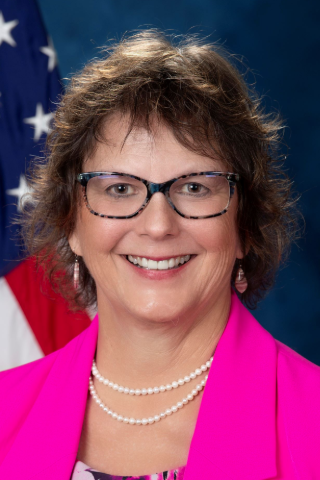 Paula Bickford合作论文数Center of Excellence for Aging & Brain Repair, University of South Florida;Department of Molecular Pharmacology and Physiology, Morsani College of Medicine, University of South Florida1
 Licio Augusto Velloso合作论文数Departamento De Clinica Medica, Faculdade De Ciencias Medicas, Universidade Estadual de Campinas1
 Kevin Nash合作论文数Department of Pathology and Laboratory Medicine, Children's Hospital of Los Angeles1
 David C. Holley合作论文数1Tung-Chung Mou合作论文数1
 Carina Solon合作论文数Department of Internal Medicine, University of Campinas1




