BACKGROUND:DaxibotulinumtoxinA for injection (DAXI), a novel botulinum toxin (BoNT) formulated with a custom-engineered peptide, was recently approved for treating cervical dystonia (CD). DAXI demonstrated a long duration of symptom relief in Phase 3 trials. OBJECTIVE:To report findings from PrevU, an early experience, real-world observational program initiated following DAXI's FDA approval. METHODS:Movement disorder specialists were provided with DAXI to treat CD patients per routine clinical practice, and were surveyed on dosing patterns and treatment intervals across the first three cycles of DAXI as doses were optimized. RESULTS:A total of 234 CD patients (206 receiving BoNT treatment and 28 BoNT-naïve) received a total of 589 DAXI treatments. Among patients with prior BoNT therapy, breakthrough symptoms within 12 weeks of prior BoNT therapy was the most common reason for patient selection (76.2%), and onabotulinumtoxinA was the most common prior toxin (68.4%). DAXI dose was titrated from a mean of 244.4 U (median 250 U) to 314.7 U (median 300 U) by Cycle 3. The ratio of DAXI dose to normalized prior BoNT dose was approximately 1.1:1 at initiation and 1.4:1 at Cycle 3. The mean (SD) time to re-treatment across all DAXI cycles was 16.1 (5.6) weeks for all patients and 15.7 (4.5) weeks for patients with a history of breakthrough before 12 weeks with prior toxin. The most common adverse events were muscle weakness (2.4% of treatments), injection pain (1.4% of treatments), and dysphagia (0.3% of treatments). CONCLUSIONS:In this real-world setting, DAXI demonstrated extended clinical benefit and a favorable safety profile.
BACKGROUND AND OBJECTIVE:Real-world evidence describing long-term persistency with botulinum toxin (BoNT) therapy is limited. We assessed treatment patterns and persistency with BoNT in clinical practice over 2 years. DESIGN:Retrospective, longitudinal, claims database analysis. SETTING:Medical claims data from the Merative MarketScan database in the United States. PARTICIPANTS AND INTERVENTION:Patients with an index medical claim for any BoNT therapy between October 1, 2016 and October 31, 2019, and at least 2 follow-up years. MAIN OUTCOMES MEASURES:Number of treatments, time between treatments, and persistency (based on a 120-day look-forward from treatment date) were evaluated over the 2-year follow-up period. Using the 120-day look-forward from treatment date, 31.1% of all patients (n = 19,711) received only one BoNT injection cycle in the 2-year follow-up, indicating a notable drop in the proportion of patients who persisted with BoNT treatment. This prompted further analysis of cohorts by indication: patients with adult spasticity (n = 1912), pediatric spasticity (n = 638), stroke (n = 611), cervical dystonia (n = 688), migraine (n = 7778), or bladder dysfunction (n = 1791) diagnoses. [Correction added on 02 April 2026, after first online publication: In the previous sentence, "decrease" has been changed to "drop" in this version.] RESULTS: A large proportion of patients treated with BoNT stopped after 1-2 cycles. Across cohorts, the mean (SD) number of treatments administered was 2.1-4.7 (1.0-3.0). The time between treatments (80th percentile reported) ranged from 105 days to 319 days depending on the cohort. CONCLUSIONS:Increased understanding of BoNT treatment persistency in clinical practice is essential to help to optimize patient care. This study opens the discussion and field for future studies about why many patients discontinue BoNT therapy after only one or two treatment cycles. Further research will help to determine the underlying reasons for cessation of treatment.
The therapeutic efficacy remaining from prior treatments with botulinum toxins (BoNTs) when cervical dystonia (CD) patients prefer to be re-treated has not been well characterized. Here, we assessed the residual therapeutic efficacy of BoNT injections at the time of a patient-desired re-treatment. In pivotal trials for daxibotulinumtoxinA (DAXI) in CD, subjects could request re-treatment before returning to pre-treatment symptom levels (defined as ≤20% of peak efficacy remaining). In this post hoc analysis of the Phase 3 ASPEN-OLS trial, the median percent efficacy remaining (based on change in TWSTRS total score) was determined in subjects who requested re-injection before returning to pre-treatment symptoms. Dysphagia and muscle weakness were evaluated in patients requesting re-treatment with efficacy remaining, relative to those waiting to return to baseline. There were 264 (28.7% of 920 total treatments) patient requests for re-treatment before returning to pre-treatment status across the study. The median percent efficacy remaining at the time of requested re-injection was 45.5%, which corresponded to a median of 16.0 weeks (range 10.9–40.3) post-treatment. The rates of dysphagia (≤4.9%) and muscle weakness (≤6.8%) were low and were not significantly different in those who waited for return to pre-treatment symptom status versus subjects who requested re-injection with efficacy remaining. A significant proportion of CD patients wished to be re-treated with efficacy still remaining from prior BoNT injections as early symptoms re-emerged. With the overall clinical profile of DAXI, physicians can safely provide individualized treatment regimens based on the treatment goals or symptomatic needs of their patients.
BACKGROUND:DaxibotulinumtoxinA (DAXI), a novel botulinum neurotoxin (BoNT) formulation, was shown to be safe, effective, and long-lasting in the treatment of cervical dystonia (CD) over one treatment cycle in the phase 3, randomized, placebo-controlled ASPEN-1 trial. OBJECTIVES:To evaluate the safety, immunogenicity, and efficacy of repeat DAXI treatments for CD over 52 weeks in the phase 3, open-label ASPEN-OLS (NCT03617367). METHODS:Adults with moderate-to-severe CD (Toronto Western Spasmodic Torticollis Rating Scale [TWSTRS] score ≥20) initially received DAXI 125U or 250U based on treatment history and investigator judgment. Retreatment could be titrated (50U-75U) each cycle (maximum 300U) for up to four cycles over 52 weeks. Assessments were conducted at Week 4, 6, 12, and every 4 weeks until retreatment. RESULTS:In all, 357 subjects received ≥1 dose of DAXI; most subjects (68.9%) received 250U during Cycle 1. Subjects most commonly received three (47.3%) or two (26.6%) treatments over 52 weeks. The average dose increased with successive cycles (Cycle 2: 239U, Cycle 3: 256U, Cycle 4: 270U). Mean (SD) change in TWSTRS score from baseline increased from -15.4 (10.3) in Cycle 1 to -19.9 (13.6) in Cycle 4. Median duration of effect was 20.1 weeks (Cycle 1, 2). No trend was observed between exposure to DAXI and any safety signals or antibody events. The most frequently reported treatment-related adverse events per treatment were muscular weakness (4.9%), injection-site pain (4.2%), and dysphagia (3.9%). CONCLUSION:DAXI was safe and efficacious over repeated treatments in adults with CD. Adverse event rates were similar to or potentially lower compared with conventional BoNTs.
BACKGROUND:DaxibotulinumtoxinA for injection (DAXI), the first long-acting botulinum toxin (BoNT) type A, is FDA approved for cervical dystonia (CD). DAXI's novel formulation, which includes a custom-engineered peptide, is designed to provide an extended duration of clinical benefit. OBJECTIVE:To evaluate the pooled efficacy and safety of DAXI for CD across two phase 3, multicenter, randomized, double-blind, placebo-controlled trials: ASPEN-1, conducted in North America and Europe, and ASPEN-1-CN, a similarly designed, smaller pivotal clinical trial, conducted in China. METHODS:Adults with moderate-to-severe CD were randomized (3:3:1) to receive DAXI 125U, DAXI 250U, or placebo. The primary endpoint was change from baseline in Toronto Western Spasmodic Torticollis Rating Scale (TWSTRS) total score averaged across weeks 4 and 6. A key secondary endpoint was duration, defined as time until loss of >80 % of peak effect. RESULTS:In all, 357 subjects were randomized and received DAXI 125U (n = 149), DAXI 250U (n = 154), or placebo (n = 54). DAXI 125U (-12.0) and DAXI 250U (-11.9) significantly improved the mean TWSTRS total score versus placebo (-4.6; P < 0.0001). Median (95 % CI) duration of effect was 24.1 (20.6-28.9) weeks for DAXI 125U and 22.0 (20.1-24.3) weeks for DAXI 250U. Rates of treatment-related dysphagia (125U: 4.7 %, 250U: 4.5 %) and muscle weakness (125U: 5.4 %, 250U: 4.5 %) were low for both active doses. CONCLUSIONS:This pooled analysis of two phase 3 trials demonstrates that DAXI is an effective, safe, and long-acting treatment for CD. Key adverse events occurred at rates lower than prior pivotal trials of BoNTs for CD.
BACKGROUND:Intramuscular injection of botulinum toxin type A is a first-line pharmacotherapy for adults with upper limb spasticity (ULS). However, reemergence of symptoms within 12 weeks of treatment is common and longer-lasting treatments are needed. OBJECTIVE:To evaluate the efficacy and safety of three doses of DaxibotulinumtoxinA for Injection (DAXI) for treatment of ULS in adults with stroke or traumatic brain injury. INTERVENTION:Intramuscular injections of placebo (N = 24), DAXI 250 U (N = 22), DAXI 375 U (N = 19), or DAXI 500 U (N = 18) to the suprahypertonic muscle (SMG) and other muscle groups. DESIGN:Randomized, double-blind, placebo-controlled study. SETTING:Twenty-six study centers across the United States. PARTICIPANTS:Eighty-three adult patients with ULS were randomly assigned to each treatment group and followed for up to 36 weeks. OUTCOME MEASURES:Co-primary endpoints were the Modified Ashworth Scale (MAS) score change from baseline in the designated SMG and Physician Global Impression of Change (PGIC) at Week 6. RESULTS:The mean changes from baseline in MAS score for the designated SMG for placebo and the DAXI 250 U, 375 U, and 500 U groups were -0.6, -0.9, -0.9, and -1.8, respectively, at Week 4 and -0.8, -0.9, -1.0, and -1.5, respectively, at Week 6. Statistically significant improvement in MAS score compared with placebo was reported only for the 500 U dose (Week 4: p < .001; Week 6: p = .049). Significant improvements in PGIC ratings compared with placebo were reported for DAXI 375 U (p = .015) and DAXI 500 U (p = .009) at Week 4 but not for any DAXI doses at Week 6. All DAXI doses were well tolerated with no trend toward more adverse events with increased dose. CONCLUSION:Results from this Phase 2 study indicate that DAXI 500 U is effective and well tolerated for treatment of adults with ULS.
OnabotulinumtoxinA (onabotA) is approved for the treatment of various therapeutic indications, which require retreatment. In clinical practice, many patients receive onabotA for multiple therapeutic indications concomitantly over extended time periods; however, there is limited long-term utilization and safety data for treating comorbid indications. SYNCHRONIZE, a 2-year, multicenter, retrospective observational chart review study in 10 US clinics, describes onabotA real-world utilization and safety in adults treated for ≥2 therapeutic indications within repeating 3-month periods for up to 7 treatments. This analysis assessed the long-term onabotA safety profile for multiple therapeutic indications by analyzing the incidence of treatment-emergent adverse events (TEAEs). Of 279 patients treated for ≥2 different therapeutic indications across all treatment combination groups in Period1, there was a gradual decrease to 80 patients at the last treatment period. The overall mean onabotA treatments over the study period was 9.3 (range: 2-48). Across treatment periods, most patients had a treatment interval between different indications of ≤24 h (range: 62-98 %) and received ≥200-<400U of cumulative 3-month dosages for multiple indications (range: 43 %-50 %) with a mean 3-month dose from 231.8 to 287.0 U. In total, 28.7 % of patients reported ≥1 TEAE after Period1; this proportion remained broadly constant across treatments (range: 28.3-31.8 %). Overall, the most common TEAEs across treatments were UTIs (range: 0.7-5.7 %), neck pain (range: 3.7-9.1 %), headache (range: 2.9-6.5 %), and migraine (range: 2.5-6.4 %). There was no apparent trend between TEAE incidence and treatment intervals nor cumulative 3-month dose categories for multiple indications. No patients were determined to have lack of effect based on clinical objective measurement. OnabotA showed a safety profile with no new signals in patients treated concomitantly for ≥2 therapeutic indications over repeat treatments up to 2 years. TEAEs across treatment periods were commonly related to the site of injection and were consistent with those previously reported for individual indications.
Background and ObjectivesASPEN-1 was a phase 3, randomized, double-blind, placebo-controlled study to evaluate the efficacy, duration of response, and safety of 2 doses of DaxibotulinumtoxinA for Injection (DAXI), a novel botulinum toxin type A formulation in participants with cervical dystonia (CD).MethodsAdults (aged 18–80 years) with moderate-to-severe CD (Toronto Western Spasmodic Torticollis Rating Scale [TWSTRS] total score ≥20) were enrolled at 60 sites across 9 countries in Europe and North America. Participants were randomized (3:3:1) to single-dose intramuscular DAXI 125U, 250U, or placebo and followed for up to 36 weeks after injection. The primary end point was change from baseline in TWSTRS total score averaged across weeks 4 and 6. Key secondary end points included duration of effect, Clinical and Patient Global Impression of Change (CGIC, PGIC), TWSTRS subscale scores, and safety. Multiplicity-adjusted intent-to-treat hypothesis tests with multiple imputation were performed using ANCOVA and Cochran-Mantel-Haenszel analyses.ResultsOf 444 individuals screened, 301 were randomized to DAXI 125U (n = 125) or 250U (n = 130) or placebo (n = 46). DAXI 125U and 250U significantly improved the mean TWSTRS total score vs placebo (least squares mean [standard error] difference vs placebo: DAXI 125U, −8.5 [1.93], p < 0.0001; DAXI 250U, −6.6 [1.92], p = 0.0006). The median duration of effect (time from treatment until loss of ≥80% of the peak improvement in average TWSTRS total score achieved at weeks 4 and 6) was 24.0 (95% confidence interval 20.3–29.1) weeks with DAXI 125U and 20.3 (16.7–24.0) weeks with DAXI 250U. Significant improvements were also observed with DAXI in CGIC and PGIC responder rates and TWSTRS subscales. Treatment-related treatment-emergent adverse events (TEAEs) were reported by 29.6% of participants with DAXI 125U, 23.8% with DAXI 250U, and 17.4% with placebo, with injection site pain being the most common overall. The most frequently reported treatment-related TEAEs of interest in DAXI 125U, DAXI 250U, and placebo, respectively, were muscular weakness (4.8%, 2.3%, 0%), musculoskeletal pain (2.4%, 3.1%, 0%), and dysphagia (1.6%, 3.8%, 0%).DiscussionThis study demonstrated that DAXI, at doses of 125U and 250U, is an effective, safe, long-acting, and well-tolerated treatment for CD.Trial Registration InformationClinicalTrials.gov identifier (NCT03608397, submitted July 11, 2018) and EU Clinical Trials Register (ClinicalTrialsRegister.eu EudraCT identifier 2018-000446-19, submitted September 13, 2018). First participant enrolled on June 11, 2018. Trial registration was performed in accordance with the Food and Drug Administration Amendments Act (FDAAA 801), which stipulates that the responsible party register an applicable clinical trial not later than 21 calendar days after enrolling the first human participant (42 CFR 11.24).Classification of EvidenceThis study provides Class I evidence that in adults with moderate-to-severe idiopathic cervical dystonia, DAXI reduces dystonia more effectively than placebo.
OnabotulinumtoxinA (onabotA) is approved in the US for 12 therapeutic indications. Real-world data on onabotA multi-indication use are limited, often leading to delayed or reduced treatment. This study provides real-world evidence on the safety of onabotA when treating multiple indications concomitantly. SYNCHRONIZE was a multicenter, retrospective, chart-review study evaluating onabotA’s safety for adults treated for ≥2 therapeutic indications within a 3-month period. The primary outcome was treatment-emergent adverse events (TEAEs) within 6 months post-treatment. A total of 279 patients were included. The most common concomitant indications treated were cervical dystonia and chronic migraine (43.4%). The average 3-month cumulative dose for multiple indications was 282.2 U. The treatment interval for multiple indications was ≤24 h for most patients (62.4%). Overall, 28.7% of patients reported ≥1 TEAE with no apparent trends in TEAEs and dose interval or cumulative dose. Reported TEAEs included UTI (5.7%), neck pain (5.0%), and headache (4.3%). No patient had a lack of effect according to clinical objective measurements. SYNCHRONIZE described the real-world safety of onabotA for patients treated concomitantly for ≥2 indications within a 3-month period. TEAEs were generally consistent with the known safety profiles of individual indications. No new safety signals were identified).
Background and Objectives ASPEN-1 was a phase 3, randomized, double-blind, placebo-controlled study to evaluate the efficacy, duration of response, and safety of 2 doses of DaxibotulinumtoxinA for Injection (DAXI), a novel botulinum toxin type A formulation in participants with cervical dystonia (CD). Methods Adults (aged 18-80 years) with moderate-to-severe CD (Toronto Western Spasmodic Torticollis Rating Scale [TWSTRS] total score >= 20) were enrolled at 60 sites across 9 countries in Europe and North America. Participants were randomized (3:3:1) to single-dose intramuscular DAXI 125U, 250U, or placebo and followed for up to 36 weeks after injection. The primary end point was change from baseline in TWSTRS total score averaged across weeks 4 and 6. Key secondary end points included duration of effect, Clinical and Patient Global Impression of Change (CGIC, PGIC), TWSTRS subscale scores, and safety. Multiplicity-adjusted intent-to-treat hypothesis tests with multiple imputation were performed using ANCOVA and Cochran-Mantel-Haenszel analyses. Results Of 444 individuals screened, 301 were randomized to DAXI 125U (n = 125) or 250U (n = 130) or placebo (n = 46). DAXI 125U and 250U significantly improved the mean TWSTRS total score vs placebo (least squares mean [standard error] difference vs placebo: DAXI 125U, -8.5 [1.93], p < 0.0001; DAXI 250U, -6.6 [1.92], p = 0.0006). The median duration of effect (time from treatment until loss of >= 80% of the peak improvement in average TWSTRS total score achieved at weeks 4 and 6) was 24.0 (95% confidence interval 20.3-29.1) weeks with DAXI 125U and 20.3 (16.7-24.0) weeks with DAXI 250U. Significant improvements were also observed with DAXI in CGIC and PGIC responder rates and TWSTRS subscales. Treatment-related treatment-emergent adverse events (TEAEs) were reported by 29.6% of participants with DAXI 125U, 23.8% with DAXI 250U, and 17.4% with placebo, with injection site pain being the most common overall. The most frequently reported treatment-related TEAEs of interest in DAXI 125U, DAXI 250U, and placebo, respectively, were muscular weakness (4.8%, 2.3%, 0%), musculoskeletal pain (2.4%, 3.1%, 0%), and dysphagia (1.6%, 3.8%, 0%). Discussion This study demonstrated that DAXI, at doses of 125U and 250U, is an effective, safe, long-acting, and well-tolerated treatment for CD. Trial Registration Information ClinicalTrials.gov identifier (NCT03608397, submitted July 11, 2018) and EU Clinical Trials Register (ClinicalTrialsRegister.eu EudraCT identifier 2018-000446-19, submitted September 13, 2018). First participant enrolled on June 11, 2018. Trial registration was performed in accordance with the Food and Drug Administration Amendments Act (FDAAA 801), which stipulates that the responsible party register an applicable clinical trial not later than 21 calendar days after enrolling the first human participant (42 CFR 11.24). Classification of Evidence This study provides Class I evidence that in adults with moderate-to-severe idiopathic cervical dystonia, DAXI reduces dystonia more effectively than placebo.
BACKGROUND:There is evidence that patients with spasticity are not receiving adequate care. Identifying the unmet needs of patients with spasticity is essential to develop services and treatment strategies to better support this population This is an effort to identify challenges related to treatment of spasticity and provide the springboard for the implementation of identified solutions. OBJECTIVE:To identify the main barriers to spasticity care and identify potential solutions. DESIGN:Delphi process. SETTING:Expert panel. PARTICIPANTS:A total of 35 participants with diverse experience and knowledge related to spasticity care were invited and 29 attended an in-person 2022 Spasticity Summit hosted by the American Academy of Physical Medicine and Rehabilitation. METHODS:The expert panel participated in a presummit survey to identify the main potential barriers to spasticity care. During the in-person meeting the panel initially worked in small groups and then as whole to reach consensus through the Delphi process. The panel also completed a postsummit survey. RESULTS:Several barriers to spasticity care and potentials solutions were identified. Consensus was reached for the top three barriers and potential solutions (>50% and >75%, respectively). Top barriers included the need for a document listing all the challenges related to access of care for spasticity, increased caregiver and community awareness of spasticity, and education of clinicians regarding patient needs. Top solutions to barriers included increasing the number of providers who treat spasticity, enhancing patient and caregiver education, and developing and publishing a consensus guidance statement. CONCLUSIONS:Consensus was achieved on the top three barriers to spasticity care and potential solutions. The purpose of this analysis is to pave the way for further development of solutions to improve the care of patients with spasticity.
A strong correlation has been reported between patient-reported quality of life (QoL) and the investigator-rated Disability Assessment Scale (DAS) in patients with spasticity. The current analysis evaluates the effect of incobotulinumtoxinA on QoL-related outcomes (limb position abnormality, as well as dressing- and hygiene-related disability, measured with the DAS) in adults with upper limb spasticity, using pooled data from six studies. Separate analyses for each DAS domain were performed using data from patients with disabilities for that domain (DAS score ≥1). Results showed that a significantly greater proportion of incobotulinumtoxinA-treated compared with placebo-treated patients achieved a ≥1-point reduction from baseline in each of the DAS domains (improvement) 4 weeks after the first injection. The benefits of incobotulinumtoxinA were observed regardless of the baseline severity of DAS impairment and of the time elapsed since stroke. The effects of incobotulinumtoxinA 4 weeks after injection were maintained or enhanced over multiple injection cycles for all three DAS domains, supporting the use of repeated injection cycles to provide sustained QoL benefit. IncobotulinumtoxinA represents an important treatment option to achieve better QoL-related outcomes for patients with upper limb spasticity, irrespective of the duration of their condition.
Objective: Describe demographics, baseline characteristics, and therapeutic indications of patients treated with onabotulinumtoxinA (onabotA) for simultaneous multiple therapeutic indications in the SYNCHRONIZE real-world study Background: OnabotA is approved by the US Food and Drug Administration (FDA) for treatment of 12 therapeutic and 3 cosmetic indications. However, data are limited on the use of onabotA when treating multiple indications. This often leads to delayed or reduced treatment which may negatively impact patient care. SYNCHRONIZE aimed to provide real-world evidence on the safety of onabotA when treating multiple therapeutic indications within a 3-month period. Design/Methods: This retrospective, chart review study analyzed data from medical records of adult patients from 10 US clinical sites who were treated with onabotA for >1 therapeutic indication within a 3-month period. Patients were followed for up to 24 months. Results: Of 279 patients enrolled (mean [SD] age 49.2 [14.4] years, 78% female, 56% White), most (n=220, 79%) were treated with onabotA for multiple indications by the same provider. The most common comorbidities at baseline (>10%) were migraine (24%), significant pain condition (14%), and anxiety (11%). Most patients received onabotA treatments for 2 indications; the most common treatment indication combination group was cervical dystonia and chronic migraine (n=121, 43%), followed by overactive bladder and spasticity (n=28, 10%). Sixteen patients received onabotA for 3 or more indications within a 3-month period; the most common treatment indication combination for these patients was cervical dystonia, chronic migraine, and oromandibular dystonia (n=4; 1.4%). Conclusions: OnabotulinumtoxinA is FDA-approved for multiple indications. SYNCHRONIZE evaluated real-world utilization and safety when patients were concurrently treated for ≥2 indications within a 3-month period. Baseline data from SYNCHRONIZE indicated that most patients were treated for 2 indications and the most common overlapping indications were cervical dystonia and chronic migraine. OnabotulinumtoxinA safety and utilization data continues to be evaluated. Disclosure: Dr. Forde has received personal compensation in the range of $10,000-$49,999 for serving on a Speakers Bureau for Abbvie. The institution of Dr. Martinez has received personal compensation in the range of $5,000-$9,999 for serving as a Consultant for Merz. The institution of Dr. Martinez has received personal compensation in the range of $500-$4,999 for serving as a Consultant for Biohaven. The institution of Dr. Martinez has received personal compensation in the range of $500-$4,999 for serving as a Consultant for Amgen/Novartis. The institution of Dr. Martinez has received personal compensation in the range of $500-$4,999 for serving as a Consultant for Abbott. The institution of Dr. Martinez has received personal compensation in the range of $10,000-$49,999 for serving as a Consultant for Abbvie/Allergan. The institution of Dr. Martinez has received personal compensation in the range of $500-$4,999 for serving on a Speakers Bureau for Abbvie/Allergan. The institution of Dr. Martinez has received personal compensation in the range of $5,000-$9,999 for serving on a Speakers Bureau for Merz. The institution of Dr. Martinez has received research support from Medtronic. The institution of Dr. Martinez has received research support from Boston Scientific. The institution of Dr. Martinez has received research support from Abbvie/Allergan. Dr. Mayadev has received personal compensation in the range of $500-$4,999 for serving on a Scientific Advisory or Data Safety Monitoring board for Ipsen. Dr. Mayadev has received personal compensation in the range of $500-$4,999 for serving on a Speakers Bureau for Abbvie. The institution of Dr. Mayadev has received research support from Abbvie . Benjamin Brucker has received personal compensation in the range of $10,000-$49,999 for serving as a Consultant for Abbvie. Benjamin Brucker has received personal compensation in the range of $500-$4,999 for serving on a Scientific Advisory or Data Safety Monitoring board for Propharma. Benjamin Brucker has received personal compensation in the range of $10,000-$49,999 for serving on a Speakers Bureau for Urovant. Benjamin Brucker has received personal compensation in the range of $5,000-$9,999 for serving on a Speakers Bureau for Anteres. Benjamin Brucker has received personal compensation in the range of $10,000-$49,999 for serving as an Expert Witness for Legal Witness. The institution of Benjamin Brucker has received research support from Boston Scientifice. Atul T. Patel, 15908 has received personal compensation in the range of $10,000-$49,999 for serving as a Consultant for Revance. Atul T. Patel, 15908 has received personal compensation in the range of $5,000-$9,999 for serving on a Scientific Advisory or Data Safety Monitoring board for Allergan. Atul T. Patel, 15908 has received personal compensation in the range of $5,000-$9,999 for serving on a Scientific Advisory or Data Safety Monitoring board for Ipsen. Atul T. Patel, 15908 has received personal compensation in the range of $10,000-$49,999 for serving on a Speakers Bureau for Allergan/Abbvie. Atul T. Patel, 15908 has received personal compensation in the range of $5,000-$9,999 for serving on a Speakers Bureau for IPSEN. The institution of Atul T. Patel, 15908 has received research support from Allergan. The institution of Atul T. Patel, 15908 has received research support from Revance. The institution of Atul T. Patel, 15908 has received research support from IPSEN. Kimberly Ifantides has received personal compensation for serving as an employee of AbbVie. Kimberly Ifantides has stock in Abbvie. Dr. Singh has received personal compensation for serving as an employee of AbbVie. Dr. Singh has stock in AbbVie. Dr. Zuzek has received personal compensation for serving as an employee of AbbVie Inc.. Dr. Zuzek has stock in AbbVie Inc.. Dr. Ukah has received personal compensation for serving as an employee of Abbvie. Dr. Ukah has stock in Abbvie. Dr. Rhyne has received personal compensation in the range of $500-$4,999 for serving as a Consultant for Abbvie/Allergan. Dr. Rhyne has received personal compensation in the range of $500-$4,999 for serving on a Scientific Advisory or Data Safety Monitoring board for Abbvie/Allergan. Dr. Rhyne has received personal compensation in the range of $50,000-$99,999 for serving on a Speakers Bureau for Abbvie/Allergan. Dr. Rhyne has received personal compensation in the range of $500-$4,999 for serving on a Speakers Bureau for Amgen. Dr. Rhyne has received personal compensation in the range of $500-$4,999 for serving on a Speakers Bureau for Teva. Dr. Rhyne has received personal compensation in the range of $10,000-$49,999 for serving on a Speakers Bureau for Biohaven. Dr. Rhyne has received personal compensation in the range of $5,000-$9,999 for serving on a Speakers Bureau for Lilly. Dr. Rhyne has received personal compensation in the range of $500-$4,999 for serving on a Speakers Bureau for Theranica. Dr. Rhyne has received personal compensation in the range of $500-$4,999 for serving on a Speakers Bureau for Lundbeck. Dr. Rhyne has received personal compensation in the range of $5,000-$9,999 for serving as a Speaker with Diamond Headache Clinic Research and Education Foundation. Dr. Rhyne has received personal compensation in the range of $500-$4,999 for serving as a Speaker with National Headache Foundation.
The pooled incidences of treatment-emergent adverse events (TEAEs) were examined by indication using the integrated clinical database of Merz-sponsored, placebo-controlled, or repeat-dose studies of incobotulinumtoxinA in adults with cervical dystonia, blepharospasm, limb spasticity, sialorrhea, or essential tremor of the upper limb. Overall incidences of TEAEs, serious TEAEs, TEAEs leading to discontinuation, fatal TEAEs, TEAEs of special interest (TEAESIs; indicating possible toxin spread), and treatment-related (TR) events were determined for incobotulinumtoxinA and placebo after a single injection and for repeated dose cycles of incobotulinumtoxinA. The most frequent events after a single dose of incobotulinumtoxinA are summarized. After a single cycle, incidences of overall TEAEs were similar between incobotulinumtoxinA and the placebo in most indications, although between-indication differences were observed. Few TEAEs led to incobotulinumtoxinA discontinuation; there were no fatal TEAEs with incobotulinumtoxinA. In general, repeated cycles did not increase the incidence of any event. The most frequent TR-TEAEs were indication-dependent, including dysphagia for indications affecting the head or neck. The TR-TEAESIs across all indications were most commonly muscular weakness, dysphagia and dry mouth. Overall, the results of this pooled analysis support and extend the favorable safety and tolerability profile of incobotulinumtoxinA for the treatment of adult neurological disorders established by individual clinical studies.
 Allison Brashear合作论文数15Roman G. Rubio合作论文数14
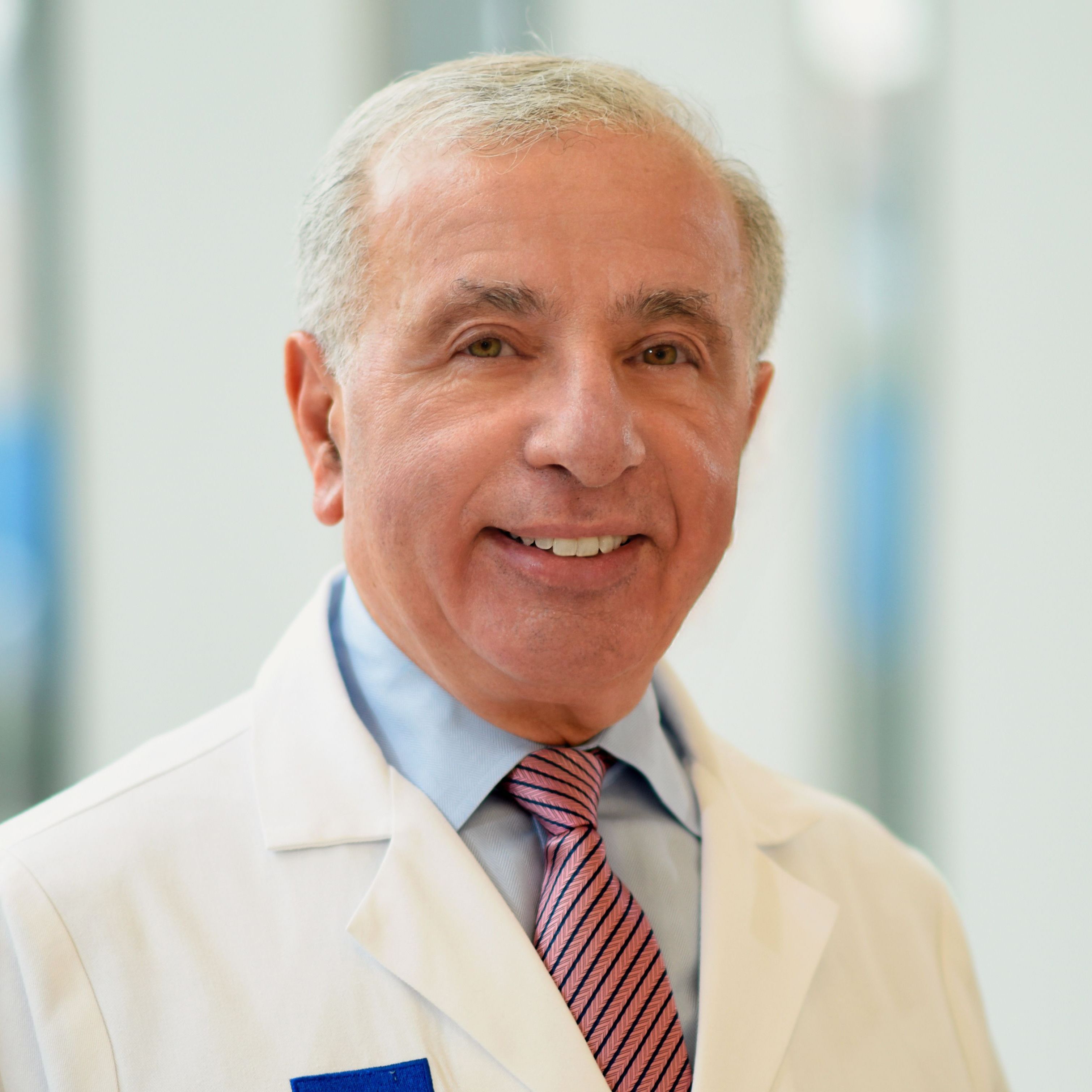 Joseph Jankovic合作论文数Parkinson's Disease Center and Movement Disorders Clinic, Baylor College of Medicine;Department of Neurology, Baylor College of Medicine13Cynthia L. Comella合作论文数13
 Robert Alan Hauser合作论文数Byrd Alzheimer's Institute, University of South Florida11
 Daniel D. Truong合作论文数The Parkinson's and Movement Disorder Institute11
 Khashayar Dashtipour合作论文数College of Medicine, University of California at Irvine10Todd M Gross合作论文数8Ziyad Ayyoub合作论文数8Domenico Vitarella合作论文数7
 David M Simpson合作论文数Department of Neurology, Icahn School of Medicine, Mount Sinai Medical Center7Alberto Esquenazi合作论文数7Pascal Maisonobe合作论文数7
 Michael C. Munin合作论文数University of Pittsburgh7Peter Mcallister合作论文数6
 David Charles合作论文数Vanderbilt University Medical Center6
 Marian Evatt合作论文数Department of Neurology, Emory University School of Medicine6
 Stuart H. Isaacson合作论文数The Institute for Neurodegenerative Diseases;Stealth Startup Clinical Research6Grace Forde合作论文数5Carl D Rios合作论文数5Laxman Bahroo合作论文数5Ahunna Ukah合作论文数5Ophélie Wilczynski合作论文数5
 Ritu Singh合作论文数5Daniel Snyder合作论文数5Aleksej Zuzek合作论文数5Schwartz Marc合作论文数5Ellenbogen Aaron合作论文数5
 Rashid Kazerooni合作论文数UT M.D. Anderson Cancer Center5Theodore H. Wein合作论文数5Manuel Murie-Fernandez合作论文数5
 William G Ondo合作论文数5Christopher Rhyne合作论文数4Simon Page合作论文数4Angeli Mayadev合作论文数4Michael Althaus合作论文数4Bruce Rubin合作论文数4
 Brian M. Kelly合作论文数Division of Orthotics and Prosthetics, Department of Physical Medicine and Rehabilitation, Medical School, University of Michigan4
 Alter Katharine E合作论文数4
 Benjamin M Brucker合作论文数4Bahroo Laxman合作论文数4Wietek Stefan合作论文数4Jonathan R Bouchard合作论文数4
 Glenn D Graham合作论文数4
 Christina Marciniak合作论文数Department of Physical Medicine & Rehabilitation, Feinberg School of Medicine, Northwestern University;The Ken & Ruth Davee Department of Neurology, Feinberg School of Medicine, Northwestern University4Rozalina Dimitrova合作论文数4Conor J. Gallagher合作论文数4Mark F. Lew合作论文数4Carolyn C. Geis合作论文数4




