The use of medical cannabis continues to expand rapidly across the US, yet most health care practitioners and trainees report feeling unprepared to counsel patients or integrate cannabis into care. Despite its clinical relevance, standardized education on medical cannabis remains absent from most medical school curricula. To develop a consensus-based set of core competencies for educating medical students about medical cannabis, including its clinical utility, risks, legal landscape, and evidence base. Between February and October 2023, a modified Delphi process was conducted with 23 experts representing a broad range of clinical and academic expertise. Through 2 rounds of anonymous, web-based surveys, panelists provided quantitative ratings and qualitative feedback on draft competencies. Competencies and subcompetencies were iteratively revised by the research team and re-evaluated by the panel. Final inclusion of competencies required a mean score of 4 or higher (on a 1 to 5 scale) on both importance and wording appropriateness. Subcompetencies were reviewed for comprehensiveness and educational value. The expert panel included 14 physicians across multiple specialties, along with nurses, a pharmacist, and individuals with leadership roles in academic medicine. An initial list of 9 competencies was refined and consolidated into 6 core competencies: (1) understand the basics of the endocannabinoid system; (2) describe the main components of the cannabis plant and their biological effects; (3) review the legal and regulatory landscape of cannabis in the US; (4) describe the evidence base for health conditions that are commonly managed with cannabis; (5) understand the potential risks of medical cannabis use; and (6) understand basic clinical management with medical cannabis. Each competency is supported by 2 to 7 subcompetencies, resulting in 26 subcompetencies reflecting granular topics, such as patient safety, vulnerable populations, structural inequities, and interdisciplinary care. These consensus-derived competencies provide a structured, evidence-informed foundation to guide the integration of medical cannabis into undergraduate medical education. Aligned with competency-based education principles, the implementation of the proposed framework can help ensure that future clinicians are equipped to provide informed, evidence-based, and patient-centered guidance on medical cannabis use.
Importance:The use of medical cannabis continues to expand rapidly across the US, yet most health care practitioners and trainees report feeling unprepared to counsel patients or integrate cannabis into care. Despite its clinical relevance, standardized education on medical cannabis remains absent from most medical school curricula. Objective:To develop a consensus-based set of core competencies for educating medical students about medical cannabis, including its clinical utility, risks, legal landscape, and evidence base. Evidence Review:Between February and October 2023, a modified Delphi process was conducted with 23 experts representing a broad range of clinical and academic expertise. Through 2 rounds of anonymous, web-based surveys, panelists provided quantitative ratings and qualitative feedback on draft competencies. Competencies and subcompetencies were iteratively revised by the research team and re-evaluated by the panel. Final inclusion of competencies required a mean score of 4 or higher (on a 1 to 5 scale) on both importance and wording appropriateness. Subcompetencies were reviewed for comprehensiveness and educational value. Findings:The expert panel included 14 physicians across multiple specialties, along with nurses, a pharmacist, and individuals with leadership roles in academic medicine. An initial list of 9 competencies was refined and consolidated into 6 core competencies: (1) understand the basics of the endocannabinoid system; (2) describe the main components of the cannabis plant and their biological effects; (3) review the legal and regulatory landscape of cannabis in the US; (4) describe the evidence base for health conditions that are commonly managed with cannabis; (5) understand the potential risks of medical cannabis use; and (6) understand basic clinical management with medical cannabis. Each competency is supported by 2 to 7 subcompetencies, resulting in 26 subcompetencies reflecting granular topics, such as patient safety, vulnerable populations, structural inequities, and interdisciplinary care. Conclusions and Relevance:These consensus-derived competencies provide a structured, evidence-informed foundation to guide the integration of medical cannabis into undergraduate medical education. Aligned with competency-based education principles, the implementation of the proposed framework can help ensure that future clinicians are equipped to provide informed, evidence-based, and patient-centered guidance on medical cannabis use.
In the Spring of 2002, I did something that I never imagined I would do as a member of the faculty at my school: I led a group of 10 first-year medical students in mindfulness meditation as part of a new course called Mind-Body Medicine.As a renal physiologist and, at the time, director of the Human Physiology course, I was focused on teaching medical science.Moreover, I did not meditate regularly in my daily life.So, why was I keen on participating in this course?A year earlier, I had begun to think differently about how we train physicians.Our curriculum was welldesigned to address knowledge acquisition and application of scientific facts.It provided excellent training in clinical skills, but much less time, if any, was allotted to the other aspects of the development of a health professional, such as self-awareness, understanding one's character strengths, and personal growth.Also, students and staff had little opportunity or inclination to engage in self-care.
Importance:In 2022, the US House of Representatives passed a bipartisan resolution (House of Representatives Resolution 1118 at the 117th Congress [2021-2022]) calling for meaningful nutrition education for medical trainees. This was prompted by increasing health care spending attributed to the growing prevalence of nutrition-related diseases and the substantial federal funding via Medicare that supports graduate medical education. In March 2023, medical education professional organizations agreed to identify nutrition competencies for medical education. Objective:To recommend nutrition competencies for inclusion in medical education to improve patient and population health. Evidence Review:The research team conducted a rapid literature review to identify existing nutrition-related competencies published between July 2013 and July 2023. Additional competencies were identified from learning objectives in selected nutrition, culinary medicine, and teaching kitchen curricula; dietetic core competencies; and research team-generated de novo competencies. An expert panel of 22 nutrition subject matter experts and 15 residency program directors participated in a modified Delphi process and completed 4 rounds of voting to reach consensus on recommended nutrition competencies, the level of medical education at which they should be included, and recommendations for monitoring implementation and evaluation of these competencies. Findings:A total of 15 articles met inclusion criteria for competency extraction and yielded 187 competencies. Through review of gray literature and other sources, researchers identified 167 additional competencies for a total of 354 competencies. These competencies were compiled and refined prior to voting. After 4 rounds of voting, 36 competencies were identified for recommendation: 30 at both undergraduate and graduate levels, 2 at the undergraduate level only, and 4 at the graduate level only. Competencies fell into the following nutrition-related themes: foundational nutrition knowledge, assessment and diagnosis, communication skills, public health, collaborative support and treatment for specific conditions, and indications for referral. A total of 36 panelists (97%) recommended nutrition competencies be assessed as part of licensing and board certification examinations. Conclusions and Relevance:These competencies represent a US-based effort to use a modified Delphi process to establish consensus on nutrition competencies for medical students and physician trainees. These competencies will require an iterative process of institutional prioritization, refinement, and inclusion in current and future educational curricula as well as licensure and certification examinations.
Medical schools increasingly seek the expertise of talented medical science faculty to engage in the educational mission of the school; yet, the professional identity of these individuals is in flux. As courses and departments have become more integrated and less discipline-based, faculty with doctorates in biomedical science disciplines who primarily teach may suffer a loss of connection to their discipline, either in the courses they are teaching or in their home departments. Recent reports suggest that most medical science educators transitioned from the laboratory to the classroom by happenstance—not the most ideal way to build this key segment of the faculty. This article addresses the importance of foundational sciences in medical training, highlights the unique contributions of science educators in medical schools, and makes a case for why the professional identity of medical science educators should be studied. An imperative for academic medicine is to understand the factors that underpin the professional identity formation of medical science educators and to invest in training and nurturing this group of faculty members that are vital to educating the next generation of health professionals.
Since the beginning of the COVID-19 crisis within the United States, faculty in academic medicine have experienced serious workplace and personal challenges while also exploring unique solutions and innovations in response to these challenges. Despite the global pandemic, social inequality and unrest, and uncertainty about the future, 3 hopeful themes that bind faculty together have emerged: grit, gratitude, and grace. This commentary describes how these qualities are in fact a culmination of ongoing work within academic medicine. While there is still a long way to go, this work is paving a path forward that is leading faculty to have more control over their professional lives. Indeed, these faculty efforts can be enhanced through shared governance, in which faculty participate more fully in the decision making at their institutions. To create thoughtful and enduring solutions, institutional leadership need to collaborate with faculty and provide guidance focused on improving well-being among faculty. This commentary is a call to action that describes how working together through shared purpose and engagement can harness the power of crisis as a catalyst for change and transformation that leads to the betterment of not just faculty, but academic medicine overall.
Scientific engagement refers to an individual’s attitude towards science and a specific way of thinking that is characterized by involvement, commitment, dedication, and passion. It is important that we train scientifically-minded students who are capable of understanding, appraising and applying the research of others into their future health care positions as well as conducting research in a clinical environment. This chapter elaborates on the meaning and importance of scientific engagement among medical students, and the role of fostering scientific curiosity in order to stimulate scientific engagement. Additionally, some suggestions for how teachers can stimulate scientific engagement are provided. To conclude, three case studies of approaches that offer research experience to medical students aimed at increasing their scientific engagement are presented.
The GAME 2019 #FuturistForum involved an exchange of ideas and perspectives on the future of learning in healthcare and necessary evolutions to sustain future health systems. This event allowed for reflection and discourse around a) what medical learning or learning in healthcare may look like 10–15 years from now, b) how technology would impact that evolution, and c) what collaborative roles distinct stakeholders would play. Seventy-five (75) key stakeholders, experts from various fields, participated in the two-day event. Four multifaceted themes were uncovered from the qualitative analysis, which are: learning will be lifelong and outcome-based, the health system will follow a preventive care model, technology will be an enabler of evolution in education and health systems, and that multi-level collaboration will support and sustain future progress. Future implications, exacerbated by the ongoing COVID-19 pandemic, and study limitations are described.
Background Positive effects of mind-body skills programs on participant well-being have been reported in health professions students. The success seen with medical students at this university led to great interest in expanding the mind-body skills program so students in other disciplines could benefit from the program. Objective The purpose of this study was to assess the effects of a 9-week mind-body skills program on the mental and emotional well-being of multidisciplinary students compared to controls. We also sought to determine if the program’s effects were sustained at 1-year follow-up. Methods A cross-sectional pre-post survey was administered online via SurveyMonkey to participants of a 9-week mind-body skills program and a control group of students from 7 colleges at a public university from 2017–2019. Students were assessed on validated measures of stress, positive/negative affect, resilience, depression, anxiety, fatigue, sleep disturbance, mindfulness, empathy, and burnout. Scores were analyzed between-groups and within-groups using bivariate and multivariate analyses. A 1-year follow-up was completed on a subset of participants and controls. Results 279 participants and 247 controls completed the pre-survey and post-survey (79% response rate; 71% female, 68% white, mean age = 25 years). Participants showed significant decreases in stress, negative affect, depression, anxiety, sleep disturbance, and burnout, while positive affect, resilience, mindfulness, and empathy increased significantly ( P < .05). Only sleep disturbance showed a significant decrease in the control group. Follow-up in a subset of participants showed that only mindfulness remained elevated at 1-year ( P < .05), whereas the significant changes in other well-being measures were not sustained. Conclusion Participation in a 9-week mind-body skills program led to significant improvement in indicators of well-being in multidisciplinary students. A pilot 1-year follow-up suggests that effects are only sustained for mindfulness, but not other parameters. Future programming should focus on implementing mind-body skills booster sessions to help sustain the well-being benefits.
Medical science educators are faculty members primarily responsible for teaching the medical sciences to healthcare profession students. These educators also have roles in other academic areas such as curriculum development, learner assessment, advising and mentoring, clinical duties, research, institutional service, leadership and administration. Academic institutions worldwide are increasingly focused on excelling in cutting-edge research, a major criterion for university rankings, which has led to significant resources and attention invested in those endeavours. At the same time, the primary goal of academic institutions is to educate and train healthcare professionals. As a result, medical science educators are often caught in the middle of these competing interests, leading to the ambiguity between personal career development and institutional priorities. It is in this context that we consider how medical science educators might navigate these issues and how academic institutions can support and strengthen this important cohort of faculty. First, with an attempt at humour, we begin by considering three stereotypical identities of medical science educators. We then discuss how the growing number of medical education associations and programs designed to support medical science educators are making a difference. Our goal is to provide a clear direction for the current career trajectory of medical science educators.
Many health professions students experience elevated stress and burnout during their professional education and training. With the added challenges of COVID-19, students face a whole new set of stressors. Students in the Spring 2020 semester of our online academic course, "Mindfulness for Healthcare Providers," began confronting the COVID-19 crisis after several weeks of mindfulness meditation practice as part of the course. Students discussed their experiences using the course discussion boards, providing a unique opportunity to explore the practical application of mindfulness for student well-being during a crisis. Themes from the discussion board revealed a range of novel stressors and concerns due to COVID-19 (physical health, mental health, societal implications, academic and clinical training disruptions). All students reported that mindfulness practice helped them cope by improving specific mindfulness skills (focus, appreciation, cognitive de-centering, non-reactivity). Mindfulness training may be a useful approach to promoting student well-being during a crisis.
Objective: This study examines whether students in the clinical phase show reduced well-being and lower empathy scores compared to preclinical students. Furthermore, it explores students' most stressful experiences. Methods: A cross-sectional mixed-methods study was conducted among medical students of the revised patient- and student-centred curriculum at Witten/Herdecke University (Germany). An online survey included questions regarding empathy (JSPE-S), well-being (WHO-5), distressing factors in the learning and clinical environments, mistreatment and thoughts of dropping out. Results: 176 (34 %) of 517 medical students completed the questionnaire, 73 being preclinical and 103 clinical students. Despite lower well-being, clinical student did not demonstrate lower empathy levels. Main stressors during the clinical phase were negative physician role models and financially focussed care rather than challenging patient encounters. Compared to preclinical students, clinical students showed more mistreatment experiences and higher ratings towards thoughts of dropping out. Conclusion: Our results illustrate contemporary challenges to establishing a learner-centred clinical environment that nurtures well-being and empathy of medical students. The sustainment of empathy despite more stressful experiences and lower well-being may be due to protective factors. Practice Implications: The paper suggests activities to support clinical students to find ways to adapt the clinical learning environment to students' needs. (c) 2020 Elsevier B.V. All rights reserved.
Mind–body medicine is an evidence-based approach to health and healing that focuses on interactions between the mind, body, and behavior. It encompasses a wide range of interventions that are similar yet different in meaningful ways. Mindfulness and relaxation practices are 2 mind–body techniques that have similarities and differences; however, these techniques are often used or discussed interchangeably, such that the differences between them become obscured. A greater understanding of the unique facets of mindfulness and relaxation is needed for researchers and clinicians to make informed decisions when selecting an approach. The purpose of the current article is to offer an evidence-informed perspective on similarities and differences between mindfulness and relaxation. Specifically, mindfulness and relaxation practices are compared and contrasted in terms of theoretical foundation, intention, and psychological and physiological effects and mechanisms. Implications for clinical practice and suggestions for future research are discussed.
The high prevalence of physician burnout is of great concern and may begin with observed declines in empathy and increases in stress and burnout in medical and health professions students. While underlying causes have been described, there is less certainty on how to create effective interventions in curricula and workplace. In October 2015, The Center for Innovation and Leadership in Education (CENTILE) at Georgetown University, together with MedStar Health, Georgetown's clinical partner, and six academic institutions sponsored a conference in Washington, DC. The goal was to discuss the current state of stress and burnout in the health professions, and to share best practices on strategies to promote resilience, empathy and well-being in students, residents, faculty and practitioners across health professions. In this issue of Medical Teacher, three articles address pertinent themes of the conference. Maslach and Leiter provide insights into burnout and strategies to alleviate it. Ekman and Krasner discuss various types of empathy and how neuroscience can be used to effectively cultivate empathy. In the third paper, Kreitzer and Klatt highlight three successful curricular interventions that foster self-awareness and boost resilience. Ultimately, effective strategies will be needed to address this issue at both the individual and organizational levels.
I1 World Congress for Integrative Medicine & Health 2017 - A global forum for exploring the future of comprehensive patient care Benno Brinkhaus1, Torkel Falkenberg2,3, Aviad Haramati4,5, and Stefan N. Willich1 1Institute for Social Medicine, Epidemiology and Health Economics, Charite – Universitatsmedizin Berlin, Berlin, Germany; 2Department of Neurobiology Care Sciences and Society, Division of Nursing, Research Group Integrative Care, Karolinska Institutet, Stockholm, Sweden; 3I C – The Integrative Care Science Center, Jarna, Sweden; 4Department of Biochemistry, Molecular and Cellular Biology, Georgetown University, Medical Center, Washington, DC, USA; 5Department of Medicine, Georgetown University Medical Center, Washington, DC, USA We are excited to present the abstracts of the keynote speakers, parallel sessions and oral and poster presentations of the World Congress on Integrative Medicine & Health (WCIMH 2017; http://www.ecim-iccmr.org/2017/) to be held in Berlin on May 3-5, 2017, which will be jointly convened by the European Society of Integrative Medicine (ESIM) and the International Society for Complementary Medicine Research (ISCMR). The Congress will take place in association with a number of national and international organizations from North America and other continents. Consequently, the congress will provide the most comprehensive global forum and perspective in the field of Complementary and Integrative Medicine in 2017. The congress goal is reflected in its tag line: The Future of Comprehensive Patient Care - Strengthening the Alliance of Researchers, Educators and Providers. We believe that by bringing together researchers, educators and providers, who are addressing various aspects of Integrative Medicine and health, we can build on the evidence obtained through research to inform clinical education and practice and thereby create a better platform for comprehensive patient care. The main themes of the Congress are: Clinical care: The practice of Integrative Medicine should be based on distinct definitions, should be informed by evidence and evolve from guidelines that are developed by experts from conventional and complementary medicine. Education: Academic leaders and health officials have called for future clinicians to possess the knowledge and skills to understand how Integrative Medicine can be incorporated into conventional care to improve the health of the public. Therefore, it is essential to share best practices in how to create robust curricular opportunities for medical students to experience systematic teaching of the principles, strengths and limitations of Integrative Medicine. Research: Within this Congress scientists will showcase the highest quality research worldwide in this field and will provide the state-of-the-science evidence base through plenary lectures, symposia and abstract presentations. Traditional healing systems (THS): Traditional healing practices and practitioners are an important and often underestimated part of health care. THS is found in almost every country in the world and the demand for its services is increasing. Research contributing to evidence informed decision making is imperative to develop a cohesive and integrative approach to health care that allows governments, health care practitioners and, most importantly, those who use health care services, to access THS in a safe, respectful, cost-efficient and effective manner. Arts and medicine: For the first time at a research congress, this theme will explore the important contributions of the arts (music, visual arts, dancing, etc,) for integrative therapeutic interventions to achieve optimal health and healing. Given the ambitious scope of this worldwide international congress, the four authors of the present editorial serve as co-presidents and they are guided by the International Organizing Committee consisting of many experts from around the world including Myeong S. Lee, Jianping Liu, Kenji Watanabe (from Far East Asia), Renee Street (Africa), Amie. Steel (Australia), Paulo Arturo Caceres Guido, Chin An Lin (South America), Heather Boon, Josephine Briggs, John Weeks (North America) and Abdullah Al-Bedah, Mohamed Khalil, Elad Schiff (Middle East and Israel). The programming for each of the five themes is directed by WCIMH 2017 theme subcommittees involving some of the most highly regarded clinicians, educators and researchers in the world in this field (in alphabetic order): Linda Balneaves, Lesley Braun, Eva Bojner Horwitz, Gustav Dobos, Jeffery Dusik, David Eisenberg, Iva Fattorini, Eckhart G. Hahn, Suzanne B. Hanser, Frederick Hecht, George Lewith, Harald Matthes, Andreas Michalsen, Judy Rollins, Volker Scheid, Michael Teut, Robert Saper, Claudia M. Witt, Merlin Wilcox and Darong Wu. The Local Organizing Board is coordinated by M. Cree. We are very grateful to all organisations and individuals working diligently to making this first World Congress for Integrative Medicine & Health in 2017 a great success. We are also pleased to announce that the opening welcome will include the Director General for the World Health Organization, Dr Margaret Chan (on video). All plenary speakers are internationally recognized experts in the field of Complementary and Integrative Medicine such as Josephine B Briggs (US) and Merlin Willcox (UK) as keynote speakers for the theme traditional healing systems; Klaus Linde (Ger) and Michael Moore (UK) for the research theme; Lisa M Wong (US) and Tores Theorell (Sweden) will address the theme of arts and medicine; Darong Wu (China) and Jeffery A Dusek (US) are presenting on the theme of clinical care; and Aviad Haramati and David Eisenberg (both US) will close the Congress with presentations on education. In addition, more than 100 oral presentations in over 40 parallel sessions will be in the program to provide newly emerging data from recent research projects, experiences from new treatment aspects in clinical care, descriptions of new models of education in medicine, information about integration of traditional healing systems in health care systems and new aspects on the integration of arts in medicine. In addition, more than 400 posters will be presented in guided poster sessions during the three days of the Congress. To translate the congress goals and objectives into a tangible action for the field, a Berlin Agreement is being developed. With the title ‘Social and Self-responsibility in practicing and fostering Integrate Health and Medicine Globally,’ this document is meant to help shape the future of comprehensive patient care in Integrative Medicine, and addresses the responsibilities of all participants, including patients and citizens, physicians and all colleagues working in the healthcare system. The Berlin Agreement has been developed by the WCIMH 2017 congress presidents and the International Organizing Committee to create a document for further distribution to the scientific and clinical community and to health care stakeholders, decision makers, and politicians. We anticipate having the final version of the Berlin Agreement endorsed by a number of organizations prior to the Congress and also soliciting the support of congress at the WCIMH 2017 in Berlin. Our hope is that this document will provide an important impetus for further engagement world-wide after the Congress has concluded. Immediately before the start of WCIMH 2017 on Wednesday May 3rd 2017 there will be several high-quality pre-conference workshops covering all congress topics. Reflecting the political situation in recent years, especially in Europe, we have arranged for a unique half-day workshop on the topic: “Refugees with Chronic Diseases between the Middle-East and Europe: The Role of Traditional and Integrative Medicine in Bridging Gaps”, The speakers are all from the Middle East and Europe and will address how Integrative Medicine may serve as an important element to overcome the problematic health situation of refugees around the world. We are convinced that the field of Complementary and Integrative Medicine, including traditional healing systems and medicine and the arts, will benefit from The 2017 World Congress on Integrative Medicine & Health—a preeminent scientific international forum that is focused on highlighting advances in these thematic areas. We invite all practitioners, educators and researchers in the field of Integrative Medicine to come together, participate and engage together to make this Congress an exciting meeting for the successful advancement of Integrative Medicine across the globe.
The Journal of Alternative and Complementary MedicineVol. 23, No. 5 Special FeatureThe Berlin Agreement: Self-Responsibility and Social Action in Practicing and Fostering Integrative Medicine and Health GloballyOrganizing Committee, World Congress on Integrative Medicine and Health Organizing Committee, World Congress on Integrative Medicine and Health*Published Online:1 May 2017https://doi.org/10.1089/acm.2017.29024.jjwAboutSectionsView articleView Full TextPDF/EPUB Permissions & CitationsPermissionsDownload CitationsTrack CitationsAdd to favorites Back To Publication ShareShare onFacebookTwitterLinked InRedditEmail View article"The Berlin Agreement: Self-Responsibility and Social Action in Practicing and Fostering Integrative Medicine and Health Globally." The Journal of Alternative and Complementary Medicine, 23(5), pp. 320–321FiguresReferencesRelatedDetailsCited byErratum à « L’avenir de l’ETP : une prestation supplémentaire ou une autre médecine ?» [Med. Mal. Metab. 14 (2020) 207–213]Médecine des Maladies Métaboliques, Vol. 14, No. 5L’avenir de l’ETP : une prestation supplémentaire ou une autre médecine ?Médecine des Maladies Métaboliques, Vol. 14, No. 3Neue Definitionen der Integrativen Medizin: Alter Wein in neuen Schläuchen?23 March 2020 | Complementary Medicine Research, Vol. 27, No. 2Médecine intégrativeRevue des Maladies Respiratoires Actualités, Vol. 11, No. 3Colonialism, Health Justice, and (Re)Examination of the Value of Traditional Practitioners and Licensed Integrative Health Professionals John Weeks1 April 2018 | The Journal of Alternative and Complementary Medicine, Vol. 24, No. 4New JACM Column Partnership with the Osher Collaborative for Integrative Medicine John Weeks1 February 2018 | The Journal of Alternative and Complementary Medicine, Vol. 24, No. 2 Volume 23Issue 5May 2017 InformationCopyright 2017, Mary Ann Liebert, Inc.To cite this article:Organizing Committee, World Congress on Integrative Medicine and Health.The Berlin Agreement: Self-Responsibility and Social Action in Practicing and Fostering Integrative Medicine and Health Globally.The Journal of Alternative and Complementary Medicine.May 2017.320-321.http://doi.org/10.1089/acm.2017.29024.jjwOnline Ahead of Print:May 2, 2017Published in Volume: 23 Issue 5: May 1, 2017PDF download
Dear SirWe thank Drs. van Venrooij and Barnhoorn for their thoughtful comments. Certainly, we agree that the first step to addressing the issue of medical student burnout is to “acknowledge the pro...
Introduction: We sought to determine the long-term use of mind-body medicine (MBM) skills after graduation from medical school.Methods: An online survey was sent to Georgetown University School of Medicine (GUSOM) graduates who completed at least one semester of a MBM skills training course. Using a quantitative-qualitative mixed-methods approach, we assessed the personal and professional practices of graduates, and identified factors that may influence practice/training after graduation.Results: Current personal practices were positively related to the level of the course completed and amount of home practice during medical school (N=112). Over half the sample indicated they currently practice MBM and refer patients to MBM. Moreover, physician specialty and awareness of home institution MBM training was associated with MBM patient training and referral. Participants reported a dearth of MBM training at their home institutions, and provided qualitative insights about the personal and professional impact of MBM training as well as barriers to continued MBM practice.Conclusions: The results provide preliminary evidence that MBM training during medical school may be related over time to physician trainee self-care and patient care. Rigorous tests of these relationships should be conducted in future work.
Introduction: Empathy among medical practitioners has been shown to affect patient care and outcomes. Factors such as stress and depression are known to have a negative impact on medical student empathy. Approaches such as mindfulness, meditation, and other mind-body techniques can enhance empathy and reverse burnout symptoms. In the present study, we evaluated impact of Mind Body Medicine (MBM) course on perceived stress and empathy on first-year medical students.Methods: Thirteen first-year medical students in total self-selected into MBM (experimental) and seven non-MBM (control) groups completed a prospective, pre- and post-test analysis, using the Jefferson Scale of Physician Empathy - Students (JSPE-S), Perceived Stress Scale (PSS), and Personal Health Questionnaire (PHQ) to evaluate empathy, stress, and depression, respectively.Results: Our results showed an increase in stress, as well as a decrease in empathy, in both MBM and non-MBM groups throughout the course of the study.Conclusion: Our study demonstrated that the inverse relationship increased stress and decreased empathy among first-year medical students and participation in the MBM course did not attenuate the changes. However, a statistically significant rise in the depression score in the non-MBM group was not observed in the MBM group.
 Se Mulroney合作论文数32Joseph Winaver合作论文数20FG KNOX合作论文数15M. D. Lumpkin合作论文数13Hakima Amri合作论文数13Nancy Harazduk合作论文数13
 Susan E Mulroney合作论文数Department of Physiology and Biophysics, Georgetown University10Michael Lumpkin合作论文数7
 Mary Jo Kreitzer合作论文数Center for Spirituality & Healing, University of Minnesota Twin Cities;School of Nursing, University of Minnesota6
 John C. Burnett Jr.合作论文数Division of Circulatory Failure, Department of Cardiovascular Medicine, Mayo Clinic6SK WEBSTER合作论文数5
 Kristi Graves合作论文数Georgetown Univ5
 Derek LeRoith合作论文数Icahn School of Medicine at Mount Sinai5Moshe Levi合作论文数5Sian Cotton合作论文数5Konstantin Gurbanov合作论文数5
 Zaid Abassi合作论文数Department of Physiology;Faculty of Medicine;Department of Physiology|Faculty of Medicine5CB Woda合作论文数4Jay O. Schulkin合作论文数4
 Charles T. Roberts合作论文数Divisions of Cardiometabolic Heath and Reproductive and Developmental Sciences, Oregon National Primate Research Center, Oregon Health & Science University;School of Medicine, Oregon Health & Science University4Woda C合作论文数4Halaihel Nabil合作论文数Department of Animal Pathology, Universidad de Zaragoza4John C Burnett合作论文数4
 Hedy S Wald合作论文数Warren Alpert Medical School, Brown University4E Callanan合作论文数3Ja Haas合作论文数3Li Kleinman合作论文数3
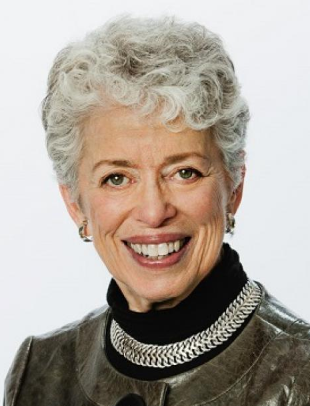 Susan Folkman合作论文数Department of Medicine, University of California, San Francisco;Helen Diller Family Comprehensive Cancer Center, University of California, San Francisco3Luberto Christina M合作论文数3Weissinger Peggy合作论文数3
 Christian Scheffer合作论文数3David M. Eisenberg合作论文数3
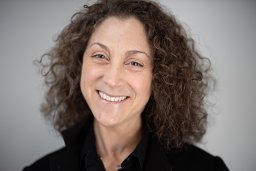 Rochelle E. Tractenberg合作论文数Department of Pharmacology, Georgetown University3
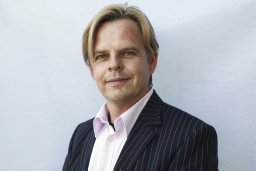 Torkel Falkenberg合作论文数Karolinska Institutet & Head of Research, Vidarinstitutet (a non profit, independent charitable research foundation3
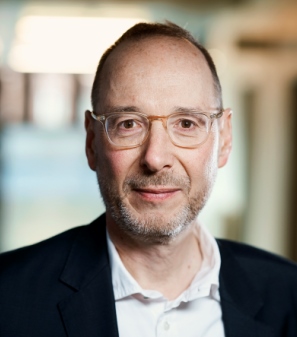 Benno Brinkhaus合作论文数Charite University Hospital Berlin, Berlin, Germany3Diethard Tauschel合作论文数3Mary Ann Dutton合作论文数Department of Psychiatry, Georgetown University3L LYNAM合作论文数2P V Wilson合作论文数2Ws Spielman合作论文数2JF WINCHESTER合作论文数2Kate Shafto合作论文数2neha harwani合作论文数2Kevin Motz合作论文数Department of Otolaryngology - Head and Neck Surgery, University Medical Center2A CHAPMAN合作论文数2Friedrich Edelhaeuser合作论文数2
 Christina L Rush合作论文数Department of Psychology, University of Colorado Denver2
 Melinda R Ring合作论文数Department of Medical Social Sciences, Feinberg School of Medicine, Northwestern University2
 Miek C. Jong合作论文数2




