The IBM z14 is designed for cognitive and analytics processing to support business use cases. With the explosive growth in the amount and richness of data and data-driven business processes, being able to process, analyze, and apply machine learning in a timely and efficient manner is often a business necessity. Improvements to the single-instruction-multiple-data (SIMD) facility, as well as improvements to Java garbage collection, provide improved support for different software packages. Software such as Apache Spark has been enabled for both z/OS and Linux on z to provide the software infrastructure required for cognitive and analytics processing while new software such as IBM Machine Learning for z/OS provides additional assistance for data scientists. End-to-end cross-platform solutions that require data that is stored on the z14 can also be improved using these new software and hardware capabilities. This paper explores the various hardware capabilities of z14, as well as the enabling software and end-to-end solutions.
Measles virus (MV) infects 30 million children every year, resulting in more than half a million deaths. Vitamin A (retinol) treatment of acute measles can reduce measles-associated mortality by 50–80%. We sought to determine whether or not retinoids can act directly to limit MV output from infected cells. Physiologic concentrations of retinol were found to inhibit MV output in PBMC and a range of cell lines of epithelial and endothelial origin (40–50%). Near complete inhibition of viral output was achieved in some cells/lines treated with all-trans retinoic acid (ATRA) and 9-cis RA (9cRA). Important attenuation of the anti-MV effect of retinoids in R4 cells, a subclone of a retinoid-responsive cell line (NB4) deficient in RAR signaling, demonstrates that this effect is mediated at least in part by nuclear retinoid receptor signaling pathways. Inhibition of MV replication could not be fully explained as a result of retinoid effects on cell differentiation, proliferation or viability, particularly at low retinoid concentrations (1–10nM). These data provide the first evidence that retinoids can directly inhibit MV in vitro, and raise the possibility that retinoids may have similar actions in vivo.
Biomarkers are indicators of normal biological processes, pathogenic processes, or pharmacological responses to a therapeutic intervention. The biopharmaceutical industry is building significant molecular-imaging capabilities and in this context is incorporating biomarker concepts throughout its research. In this paper, we discuss and propose information technology (IT) standards and architectures that support incorporation of imaging biomarkers into the drug discovery and clinical development process. In particular, we cover various uses of emerging imaging technologies in biopharmaceutical research and development, examples of imaging biomarkers in therapeutic areas, IT requirements related to the use of imaging technologies, challenges related to the integration of imaging biomarker data with clinical and genotypic data, and the need to integrate external public data sources. We discuss IT standards and architectures associated with the inclusion of biomarker-related data in the submission of new drug applications, with emphasis on imaging technologies. We suggest extensions to the Study Data Tabulation Model of the Clinical Data Interchange Standards Consortium and the JANUS Data Model of the Food and Drug Administration with data elements based on imaging biomarkers.
Biopharmaceutical industry is incorporating biomarker concepts throughout the R&D processes, including the inclusion of biomarker-related data in the submission of new drug applications. In this paper we discuss the role of IT and information systems that support incorporation of surrogate biomarkers in the clinical development process, with emphasis on new molecular imaging technologies and associated IT requirements. In addition, we discuss how recently introduced FDA standards regarding submission data and FDA guidance documents related to genomic and imaging data can be accommodated in a solution architecture for (surrogate) biomarker-based clinical development.:
 Michael Hehenberger合作论文数2
 Jörg Sprengel合作论文数Department of Applied Molecular Biology, Janssen Research Foundation2Nicholas P. Sardino合作论文数1Anthony T. Sofia合作论文数1
 Claire Trottier合作论文数1Elpida Tzortzatos合作论文数1Sophie Chabot合作论文数1jonathan d bradbury合作论文数IBM Syst, Poughkeepsie, NY 12601 USA1
 Wei Xu合作论文数Biostatistics Division, Dalla Lana School of Public Health, University of Toronto;Department of Biostatistics, Princess Margaret Cancer Centre;Ontario Cancer Institute1
 Brian Ward合作论文数Division of Experimental Medicine, Department of Medicine, Faculty of Medicine and Health Sciences, McGill University1
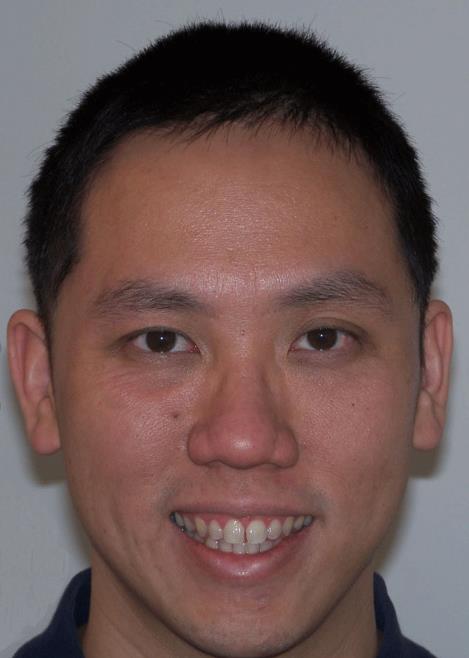 Geoffrey Nguyen合作论文数Zane Cohen Centre for Digestive Diseases, Mount Sinai Hospital;Institute of Health Policy, Management and Evaluation, University of Toronto1
 Anne Griffiths合作论文数Department of Paediatrics, Temerty Faculty of Medicine, University of Toronto;Research Institute, The Hospital for Sick Children;IBD Centre, The Hospital for Sick Children1
 Wilson H. Miller合作论文数Department of Oncology, McGill University;McGill Centre for Translational Research in Cancer, McGill University;Clinical Research Unit, Jewish General Hospital;Lady Davis Institute for Medical Research, Sir Mortimer B. Davis Jewish General Hospital1
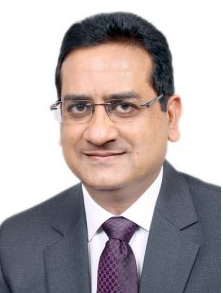 Govind K. Makharia合作论文数Department of Gastroenterology and Human Nutrition, All India Institute of Medical Sciences, New Delhi1
 Alfred Inselberg合作论文数Computer Science and Applied Mathematics Departments, School of Mathematical Sciences, Tel Aviv University1Christopher Yoo合作论文数1
 Smita Halder合作论文数1Joran Siu合作论文数IBM Toronto Software Laboratory1Joanne M. Stempak合作论文数1Raveen Syan合作论文数1
 Koren Mann合作论文数Lady Davis Institute for Medical Research at the S.M.B.D. Jewish General Hospital, McGill University1
 Mark S. Silverberg合作论文数1Myrian Colombo合作论文数1
 Pooja Goswami合作论文数Department of Gastroenterology and Human Nutrition, All India Institute of Medical Sciences1




