The formation of a new carbonyl compound containing three linearly bonded oxygen atoms attached to the carbonyl carbon with a chemical formula of RC(O)O3H (trioxy acid) has been detected. The trioxy acid is formed in the reaction of benzaldehyde-derived acyl peroxy radicals and OH radicals under atmospherically relevant conditions. We employed flow reactor experiments with chemical ionization mass spectrometry, supported by quantum chemistry, to investigate the competitive reaction channels of acyl peroxy radicals formed during OH-initiated oxidation of aldehydes. While the role of trioxy acid in oxidation chemistry and cluster formation is not understood, this study provides insights in their formation and stability under atmospherically relevant conditions.
Abstract. The gas-phase oxidation of 2,5-dimethylfuran (2,5-DMF) by ozone (O3) and hydroxyl radicals (OH) was investigated in flow reactors at atmospheric pressure and room temperature using nitrate chemical ionization orbitrap mass spectrometry. At a residence time of 0.8 s, highly oxygenated organic molecules (HOM) with up to nine oxygen atoms were detected in the ozonolysis channel, and eight oxygen atoms in the OH channel. These observations demonstrate that sequential intramolecular hydrogen-shift autoxidation is sufficiently rapid to form products with up to nine oxygen atoms on sub-second timescales. At 7 s, C10–C12 accretion products form through different combinations of C5 and C6 alkyl peroxy (RO2) radicals. Quantum chemical calculations using density functional theory and coupled-cluster methods identified a distinct Criegee intermediate geometry (Anti-CI-2A) that provides a plausible route to HOM species containing up to nine oxygen atoms. Its different methyl/hydrogen orientation relative to the conventional Syn and Anti conformers enables a rapid 1,6-H shift, facilitating autoxidation toward O9 formation and suggesting that primary ozonide decomposition in structurally complex ozonolysis systems may access reactive Criegee intermediate geometries beyond the conventional Syn and Anti forms. For OH-initiated oxidation, the proposed mechanism accounts for HOM monomer formation up to O6, with rapid termination and radical recycling limiting further autoxidation. Overall, 2,5-DMF produces low-volatility oxidation products from both ozonolysis and OH-initiated pathways with implications for secondary organic aerosol formation.
Abstract Atmospheric oxidation of aromatic carbonyl compounds in urban environments can lead to highly oxygenated organic molecules (HOMs) that are direct precursors to secondary organic aerosols (SOA). Presence of NOx (NO + NO2) is generally assumed to suppress HOM and consequently SOA formation. In this work, experiments with 1 ppm of benzaldehyde, phenylacetaldehyde, and acetophenone show that NO concentrations ranging from 10 ppb to 1 ppm can enhance HOM yields by up to tenfold, with a decreasing trend at above 300 ppb NO. Additionally, HOMs with up to 12 oxygen atoms are observed in sub-second to second timescales, indicating active pathways of rapid oxygen additions following initial oxidation. Quantum chemical calculations are employed to elucidate the oxidation pathways of these carbonyls. The considerable HOM yields and their enhancement in the presence of NOx provide valuable insights into how shifting aromatic and NOx emission trends influence urban air quality and aerosol formation.
Long chain aldehydes are common atmospheric constituents, and their gas-phase oxidation form low volatility condensable products leading to secondary organic aerosol. Although the oxidation of n-aldehydes initiated by OH radicals is dominated by aldehydic hydrogen abstraction, the non-aldehydic hydrogen abstractions tend to become competitive with the increase of aldehyde carbon chain length. Here, we experimentally investigated the oxidation of C-5-C-8 n-aldehydes in variable reaction times (1-13 s) in a flow tube reactor coupled to a nitrate ion time-of-flight chemical ionization mass spectrometer (NO3--ToF-CIMS). Octanal produced highly oxygenated organic molecules (HOMs-low volatility products) with up to 7 O atoms within 1.0 s while the same level of oxygenation was acquired by pentanal within 2.3 s. In long reaction time (11-13 s) experiments, we observed HOMs with progressively more O atoms and higher product yields with the increase of carbon atoms in the precursor aldehydes. Our experiments in the presence of high NO concentrations (2 ppb to 1 ppm) showed the formation of prominent highly oxygenated organonitrates along with the suppression of HOM accretion products. However, some enhancement in the monomeric HOMs even with 6 O atoms were seen under variable NO conditions. Results from hydrogen to deuterium (H/D) exchange experiments showed that the studied n-aldehydes undergo similar autoxidation mechanisms, but the reactivity and HOM formation potential increase with increasing carbon chain length.
Abstract. Long chain aldehydes are common atmospheric constituents, and their gas-phase oxidation form low volatility condensable products leading to secondary organic aerosol. Although the oxidation of n-aldehydes initiated by OH radicals is dominated by aldehydic hydrogen abstraction, the non-aldehydic hydrogen abstractions tend to become competitive with the increase of aldehyde carbon chain length. Here, we experimentally investigated the oxidation of C5–C8 n-aldehydes in variable reaction times (1–13 s) in a flow tube reactor coupled to a nitrate ion time-of-flight chemical ionization mass spectrometer (NO3--ToF-CIMS). Octanal produced highly oxygenated organic molecules (HOMs – low volatility products) with up to 7 O atoms within 1.0 s while the same level of oxygenation was acquired by pentanal within 2.3 s. In long reaction time (11–13 s) experiments, we observed HOMs with progressively more O atoms and higher product yields with the increase of carbon atoms in the precursor aldehydes. Our experiments in the presence of high NO concentrations (2 ppb to 1 ppm) showed the formation of prominent highly oxygenated organonitrates along with the suppression of HOM accretion products. However, some enhancement in the monomeric HOMs even with 6 O atoms were seen under variable NO conditions. Results from hydrogen to deuterium (H/D) exchange experiments showed that the studied n-aldehydes undergo similar autoxidation mechanisms, but the reactivity and HOM formation potential increase with increasing carbon chain length.
This study presents a computational investigation into the role of nitrogen oxides (NO x ) in modulating gas-phase cyclohexene oxidation by ozone (O3) and hydroxyl radical (OH) through their reactions with peroxy radicals (RO2) formed during the oxidation sequence. While NO2 suppresses further oxidation by forming peroxynitrates (RO2-NO2), NO can either enhance autoxidation through the formation of reactive alkoxy radicals (RO) or terminate the radical chain via organic nitrate (RO-NO2) formation. In this work, we evaluate the binding affinities of NO x toward RO2 molecules formed at different oxidation stages at DLPNO-CCSD(T)/aug-cc-pVTZ//ωB97X-D/aug-cc-pVTZ level of theory. This is followed by dissociation rate coefficient calculations using detailed balance and master equation simulations, indicating the lifetime and fragmentation pathways of the covalently bound RO2-NO x molecules. The results suggest a tendency toward stronger RO2-NO x stabilization with increasing oxidation stage, with a strong influence from molecular structure. This study also explores the rarely studied dissociation of RO2-NO2 into RO and NO3. Furthermore, by computing the binding enthalpies of NO3 - and with RO2-NO x , this work assesses the detectability of these N-containing oxidation products by the nitrate ion based chemical ionization mass spectrometer (NO3 --CIMS). The results are benchmarked against nitrophenol compounds known to form stable nitrate adducts. This analysis highlights potential detection biases associated with measuring nitrate-functionalized compounds using NO3 --CIMS as variations in molecular structure and clustering tendency influence signal intensities. Overall, these results highlight the regulatory roles of NO and NO2 in hydrocarbon oxidation and offer insights to improve interpretation of these oxygenated organic nitrates in atmospheric CIMS measurements.
Molecular-level understanding of secondary organic aerosol (SOA) formation from anthropogenic volatile organic compounds (AVOCs), including polycyclic hydrocarbons such as decalin (C10H18), remains limited. Here, we investigate the OH-initiated oxidation of cisdecalin in quartz flow-tube reactors at short residence-times using chemical ionization orbitrap mass spectrometry employing a multi-scheme chemical ionization (MION) inlet. Bromide (Br-) and nitrate (NO3-) ionization methods were applied at 0.9 and 2.9 s reaction-times, respectively, to characterize oxidation-products. Under NO-free conditions, oxidation propagation remained inefficient at short reaction-timescales. Upon NO addition, highly oxygenated molecules (HOMs) and accretion-products formed rapidly, a finding that contrasts
Secondary organic aerosols (SOA) form through the gas-phase oxidation of organic compounds and constitute a major fraction of atmospheric fine particulate matter influencing air quality, human health, and climate. Among their precursors, polycyclic aromatic hydrocarbons (PAHs) are pervasive pollutants, but the mechanisms by which they yield low volatility vapors remain poorly constrained. The role of ozone (O 3 ), despite its abundance, is generally considered negligible, thus contributing little to low-volatility condensable vapors and to subsequent aerosol formation. Here, we show that O 3 directly participates in and strongly enhances the formation of condensable vapors during hydroxyl radical (OH) initiated oxidation of atmospherically relevant PAHs. Sub-second timescale experiments utilizing isotopically labelled ozone combined with detailed quantum chemical calculations demonstrate the incorporation of O 3 in the early stages of naphthalene oxidation which considerably promotes low-volatility aerosol precursor formation. These results establish an unrecognized pathway in which O 3 accelerates oxidation chemistry of PAHs, in contrast to its traditionally assumed limited reactivity. Incorporating this mechanism into a global chemistry–transport model increases anthropogenic SOA due to only naphthalene by up to 7%, indicating that current models significantly underestimate aerosol formation and highlight the need to reassess the role of ozone in atmospheric oxidation chemistry.
The reaction of 3-methyl-2-butene-1-thiol (MBT; (CH3)2C═CHCH2SH) with the OH radical is reported to proceed via the addition to either of the sp2 hybridized C atoms, forming the two distinct C-centered radicals: (CH3)2C(OH)C•HCH2SH (R1) and (CH3)2C•CH(OH)CH2SH (R2). Understanding the fate of these radicals is important for elucidating MBT's atmospheric transformation mechanisms and the reaction products. Using quantum chemical calculations and kinetic modeling, we show that the unimolecular dissociation as well as isomerization reactions of R1 are kinetically unfavorable due to high energy barriers, and that R1 most likely reacts with atmospheric O2 to form R1O2 ((CH3)2C(OH)CH(OO•)CH2SH). In contrast, R2 can either undergo isomerization to form the sulfur-centered MBT-OH radical or add O2 to form R2O2 ((CH3)2C(OO•)CH(OH)CH2SH). These radicals undergo HO2 elimination and intramolecular hydrogen atom transfer (HAT) pathways. Specifically, intramolecular HAT from the -SH group to the terminal oxygen atom of R-OO forms S-centered QOOH radicals, with barrier heights of -18.6 and -18.3 kcal mol-1 for R1O2 and R2O2, respectively, calculated relative to those of the R1 + O2 and R2 + O2 reactants. Rate coefficients for key pathways, including unimolecular dissociation and O2 addition followed by subsequent reactions, were calculated and analyzed. The kinetics results suggest that the intramolecular H atom transfer paths of R1O2 and R2O2 are significantly faster by ∼3 orders of magnitude compared to their bimolecular reactions with NO/HO2, respectively. The findings suggest that under low NO concentrations R1O2 and R2O2 are capable of undergoing H-shift-driven autoxidation mechanisms. The atmospheric implications are discussed. Results indicate that MBT-derived peroxy radicals contribute to tropospheric chemistry by generating reactive species such as highly oxygenated peroxy radicals, HC(O)CH2SH, (CH3)2C(OH)C(═O)H, CH3C(O)CH3, and various S- and C-centered alkyl radicals in the atmosphere.
Organosulfates (OS) are a major constituent of atmospheric secondary organic aerosol (SOA). In lack of apparent gas-phase compounds directly contributing to the particulate bound OS, their synthesis has been thought of taking place by acid-catalyzed reactions in the condensed phase, mainly initiated by H2SO4. The most well-known sulfur bearing molecules are the isoprene epoxydiol derived organosulfates (Riva et al., 2019). In 2015 Mackenzie et al., showed that under very dry condition SO3 can react to form sulfuric anhydrides by carboxylic acid + SO3 reactions (Mackenzie et al., 2015). More recently, several theoretical papers have reported a more general gas-phase source by SO3 reactions with a multitude of atmospheric acids. The potential importance of this newly found chemistry was highlighted by observations of gas-phase SO3 in urban Beijing at concentrations similar to H2SO4 (Yao et al., 2020), strongly implying that SO3 reactions are occurring in urban atmospheres. In the present work we have performed a joint experimental-theoretical characterization of acid + SO3 reactions utilizing flow reactor setups coupled to nitrate (NO3-) chemical ionization mass spectrometry (CIMS) detection combined with supporting quantum chemical computations and master equation simulations. The studied reactions included mono- and dicarboxylic acids, and the strong acids most associated with atmospheric new particle formation events (i.e., H2SO4 and HIO3; Sipilä et al., 2016; Kerminen et al., 2018). Intriguingly, all acids were found to react rapidly with SO3 even with rate coefficients approaching the collision limit and were found to result in analogous acid sulfuric anhydride products. These sulfuric anhydrides provide a path for OS partitioning from gas to particle (i.e., “backwards” in considering the common particulate-phase synthesis route). Furthermore, the subsequent particulate-phase hydrolysis of the formed organic sulfuric anhydrides is a potential source of the small acids into the nanoparticles that would not be expected to partition significantly otherwise. The formed sulfuric anhydrides, especially the disulfuric acid and iodic acid sulfate, are likely to have similar, if not better, properties at initiating NPF as their parent compounds have. References: Kerminen, V.-M. et al., Atmospheric new particle formation and growth: review of field observations, Environ. Res. Lett. 2018, 13, 103003. Mackenzie, R. et al., Gas Phase Observation and Microwave Spectroscopic Characterization of Formic Sulfuric Anhydride, Science 2015, 349, 58−61. Riva, M. et al., Increasing Isoprene Epoxydiol-to-Inorganic Sulfate Aerosol Ratio Results in Extensive Conversion of Inorganic Sulfate to Organosulfur Forms: Implications for Aerosol Physicochemical Properties, Environ. Sci. Technol. 2019, 53, 8682-8694. Sipilä, M. et al., Molecular-scale evidence of aerosol particle formation via sequential addition of HIO3, Nature 2016, 537, 532-534. Yao, L. et al., Unprecedented ambient sulfur trioxide (SO3) detection: Possible formation mechanism and atmospheric implications, Environ. Sci. Technol. Lett. 2020, 7, 809-818.
Aromatic carbonyls, emitted either directly in the atmosphere or secondarily formed through hydrocarbon oxidations, represent one of the key members in the family of volatile organic compounds (VOCs). They are common constituents of natural and polluted atmospheres, and their gas-phase oxidation yields highly oxygenated organic molecules (HOM), which are key to the formation of atmospheric aerosol. Although, there are investigations in explaining the autoxidation chemistry of aliphatic carbonyls (Barua et al., 2023; Castañeda et al., 2012, Wang et al., 2015), insights underpinning the molecular level mechanism for the aromatic carbonyl autoxidation, on the other hand, have remained scarce (Iuga et al., 2008). The present work is an attempt to start filling this gap.Herein, we conducted a combined theoretical-experimental analyses in atmospheric conditions for the OH radical initiated autoxidation of aromatic carbonyls, namely, benzaldehyde (PhCHO), acetophenone (PhCOCH3), and phenylethanal (PhCH2CHO). The energetics of the species in the proposed mechanism were obtained using high-level quantum chemical calculations. Subsequently, master equation simulations and multiconformer transition state theory (MC-TST) were used to estimate the rate coefficients and branching ratios for the autoxidation pathways.A nitrate-based time-of-flight chemical ionization mass spectrometer (nitrate-CIMS) was used to detect the products in these oxidation reactions. Chemical ionization was achieved by supplying synthetic air (sheath flow) containing nitric acid (HNO3) under exposure to X-rays. This produces nitrate (NO3−) ions which are mixed with the sample flow and ionizes HOMs as NO3− adducts. The precursors are mixed in a quartz flow tube reactor where the oxidant OH is produced in-situ by the ozonolysis reaction of tetramethylethylene (TME).The study indicates that autoxidation in aromatic carbonyls proceeds via a bicyclic peroxy radical (BPR) intermediate similar to that observed in case of toluene autoxidation (Iyer et al., 2023). The mechanism involves opening of the BPR ring to produce ring-broken intermediates having high excess energy. These nascent intermediates can then lead to several autoxidation pathways resulting in the HOM formation. Our flow reactor measurements for PhCHO oxidation at variable reaction times show the ample formation of HOM monomers and dimers, well in-line with the proposed mechanism. REFERENCESBarua, S. et al. (2023). Atmos. Chem. Phys., 23, 10517–10532.Castañeda, R. et al. (2012). J. Mex. Chem. Soc., 56, 316–324.Iuga, C. et al. (2008). Chem. Phys. Chem., 9, 1453–1459.Iyer, S. et al. (2023). Nat. Commun., 14, 4984.Wang, S. et al. (2015). Proc. Combust. Inst., 35, 473–480.
New particle formation (NPF) is a major source of atmospheric aerosol particles, significantly influencing particle number concentrations in urban environments. High condensation and coagulation sinks at highly trafficked roadside sites should suppress NPF due to the low survival probability of clusters and new particles, however, observations show that roadside NPF is frequent and intense. Here, we investigate NPF at an urban background and roadside site in Central Europe using simultaneous measurements of sulfuric acid, amines, highly oxygenated organic molecules (HOMs), and particle number size distributions. We demonstrate that sulfuric acid and amines, particularly traffic-derived C2-amines, are the primary participants in particle formation. C2-amine concentrations at the roadside are enhanced by over a factor of 4 relative to the background, overcoming the effect of enhanced coagulation and condensation sinks. Using machine learning we identify a further but uncertain enhancing role of HOMs. These findings reveal the critical role of traffic emissions in urban NPF.
Aromatic compounds like xylene contribute significantly to the formation of tropospheric secondary organic aerosol (SOA) that have strong implications on health and on climate. The sources of this class of molecules are primarily anthropogenic, but biogenic sources of aromatics can be significant too. To form SOA, the volatile xylene needs to oxidize into low volatility aerosol precursors with multiple oxygen containing polar functional groups called highly oxygenated organic molecules (HOMs). It does this through the autoxidation mechanism, which is a sequential process involving peroxy radicals where each intra-molecular reaction step such as an H-atom shift is followed quickly by O2 addition. While laboratory measurements using the sensitive chemical ionization mass spectrometer (CIMS) instrument indicate rapid conversion of xylene to HOM, this is unsupported by established oxidation mechanisms. This is due to the assumed stability of the crucial bicyclic peroxy radical (BPR), an intermediate that is intrinsic to aromatic oxidation in general. Recently, we showed that the BPR associated with toluene oxidation can be unstable, and its decomposition is pivotal to the subsequent autoxidation mechanism that leads to HOM. [1] Through investigating the autoxidation mechanisms of xylene in this work, we establish the importance of aromatic derived BPR decomposition to the formation of SOA. We combine theoretical modelling with sub-second HOM measurements using CIMS to develop the Aerosol Dynamics gas- and particle-phase chemistry model for laboratory CHAMber (ADCHAM) code [2] for xylene that is robust at reproducing the SOA mass yields we measure from our chamber experiments. We also show that the underlying autoxidation mechanisms are remarkably similar for many of the atmospherically dominant monocyclic aromatics, which opens the remarkable prospect of significantly improved model predictions of aromatic SOA even in the absence of theoretical and experimental data.[1] Iyer, S., Kumar, A., Savolainen, A. et al. Molecular rearrangement of bicyclic peroxy radicals is a key route to aerosol from aromatics. Nat. Commun. 14, 4984 (2023). https://doi.org/10.1038/s41467-023-40675-2[2] Roldin, P., Eriksson, A.C., Nordin, E.Z., Hermansson, E., Mogensen, D., Rusanen, A., Boy, M., Swietlicki, E., Svenningsson, B., Zelenyuk, A. and Pagels, J., 2014. Modelling non-equilibrium secondary organic aerosol formation and evaporation with the aerosol dynamics, gas-and particle-phase chemistry kinetic multilayer model ADCHAM. Atmospheric Chemistry and Physics, 14(15), pp.7953-7993.
The formation of sulfuric acid (H2SO4, SA), a key aerosol precursor in the atmosphere, hinges on the rate-limiting oxidation of SO2. During the daytime, hydroxyl radical (OH) is the main SO2 oxidant, but the measured ambient SA concentration suggests the existence of other unaccounted pathways via other oxidants (Berresheim et al., 2014). The nocturnal presence of SA in marine environments is particularly interesting as the formation mechanism is not straightforward due to the lack of photochemical reactions. In marine environments, molecular iodine and iodocarbons are prevalent, and their reactions with the nitrate radical (NO3) are known sources of nighttime IO and OIO radicals (Saiz-Lopez and Plane, 2004). OIO has low daytime concentrations due to its large photolysis cross-section but can accumulate during nighttime. In the absence of a photolysis sink, OIO predominantly undergoes self-reaction, leading to the generation of the iodine oxide I2O4 at nighttime. The reported lifetime of I2O4 against the thermal decomposition back to OIO + OIO is about 30 seconds, which means that it is relatively short-lived, but can survive long enough for reactions with other atmospheric trace gases to become relevant (Kaltsoyannis and Plane, 2008).In this study, laboratory experiments for the reaction of iodine oxides with SO2 were carried out using a flow reactor coupled with a nitrate-based chemical ionization mass spectrometer (NO3--CIMS). The iodine oxides were generated in situ by the reaction of iodine vapors and ozone in the presence of nitrate radical, mimicking the nighttime oxidation of SO2 to form SO3 and consequently SA. The experiments were carried out at room temperature and atmospheric pressure conditions. The experiments were complemented by high-level quantum chemical calculations to get detailed insights into the mechanism and feasibility of the oxidation of SO2 by iodine oxides to produce SA. Among all the formed iodine oxides, I2O4 reacts sufficiently fast with SO2 with a rate coefficient of 2.0×10⁻¹⁴ molecule-1 cm3 s-1 and can thus lead to appreciable concentrations of SO3. These results suggest that I2O4 can be a key SO2 oxidant in the marine environment and explain a significant fraction of the produced SA in the nighttime. References: Berresheim, H., Adam, M., Monahan, C., O'dowd, C., Plane, J. M., Bohn, B. and Rohrer, F. Atmos. Chem. Phys. 14, 12209-12223, 2014.Saiz–Lopez, A. and Plane, J. M. Geophys. Res. Lett. 31, 2004.Kaltsoyannis, N. and Plane, J.M. Phys. Chem. Chem. Phys., 10, 1723-1733, 2008.
Volatile organic compounds (VOCs) play a key role in tropospheric chemistry, giving rise to secondary products such as highly oxygenated organic molecules (HOMs) and secondary organic aerosols (SOAs). HOMs, a group of low-volatility gas-phase products, are formed through the autoxidation process of peroxy radicals (RO2) originating from the oxidation of VOCs. The measurement of HOMs is made by a NO3- ToFCIMS instrument, which also detects other species like small highly oxygenated VOCs (e.g., dicarboxylic acids) and sulfuric acid (H2SO4). The instrument response to HOMs is typically estimated using H2SO4, as HOMs are neither commercially available nor easily synthesized in the laboratory. The resulting calibration factor is then applied to quantify all species detected using this technique. In this study, we explore the sensitivity of the instrument to commercially available small organic compounds, primarily dicarboxylic acids, given the limitations associated with producing known amounts of HOMs for calibration. We compare these single-compound calibration factors to the one obtained for H2SO4 under identical operational conditions. The study found that the sensitivity of the NO3- ToFCIMS varies depending on the specific type of organic compound, illustrating how a single calibration factor derived from sulfuric acid is clearly inadequate for quantifying all detected species using this technique. The results highlighted substantial variability in the calibration factors for the tested organic compounds, with 4-nitrocatechol exhibiting the highest sensitivity and pyruvic acid the lowest. The obtained sulfuric acid calibration factor agreed well with the previous values from the literature. In summary, this research emphasized the need to develop reliable and precise calibration methods for progressively oxygenated reaction products measured with a NO3- chemical-ionization mass spectrometer (CIMS), for example, HOMs.
This study investigates the complex interaction between ozone and the autoxidation of 1-hexene over a wide temperature range (300-800 K), overlapping atmospheric and combustion regimes. It is found that atmospheric molecular mechanisms initiate the oxidation of 1-hexene from room temperature up to combustion temperatures, leading to the formation of highly oxygenated organic molecules. As temperature rises, the highly oxygenated organic molecules contribute to radical-branching decomposition pathways inducing a high reactivity in the low-temperature combustion region, i.e., from 550 K. Above 650 K, the thermal decomposition of ozone into oxygen atoms becomes the dominant process, and a remarkable enhancement of the conversion is observed due to their diradical nature, counteracting the significant negative temperature coefficient behavior usually observed for 1-hexene. In order to better characterize the formation of heavy oxygenated organic molecules at the lowest temperatures, two analytical performance methods have been combined for the first time: synchrotron-based mass-selected photoelectron spectroscopy and orbitrap chemical ionization mass spectrometry. At the lowest studied temperatures (below 400 K), this analytical work has demonstrated the formation of the ketohydroperoxides usually found during the LTC oxidation of 1-hexene, as well as of molecules containing up to nine O atoms.
New particle formation (NPF) is a major source of atmospheric aerosol particles, including cloud condensation nuclei (CCN), by number globally. Previous research has highlighted that NPF is less frequent but more intense at roadsides compared to urban background. Here, we closely examine NPF at both background and roadside sites in urban Central Europe. We show that the concentration of oxygenated organic molecules (OOMs) is greater at the roadside, and the condensation of OOMs along with sulfuric acid onto new particles is sufficient to explain the growth at both sites. We identify a hitherto unreported traffic-related OOM source contributing 29% and 16% to total OOMs at the roadside and background, respectively. Critically, this hitherto undiscovered OOM source is an essential component of urban NPF. Without their contribution to growth rates and the subsequent enhancements to particle survival, the number of >50 nm particles produced by NPF would be reduced by a factor of 21 at the roadside site. Reductions to hydrocarbon emissions from road traffic may thereby reduce particle numbers and CCN counts.
Air ions are electrically charged particles in air. They are ubiquitous in the natural environment and affect the Earth's radiation budget by accelerating the formation and growth of new aerosol particles. Despite this, few datasets exist exploring these effects in the urban environment. A neutral cluster and air ion spectrometer was deployed in Leipzig, Germany, to measure the number size distribution of charged particles from 0.8 to 42 nm, between 27 July and 25 August 2022. Following previous analyses, charged particles were classified into small (0.8-1.6 nm), intermediate (1.6-7.5 nm), and large (7.5-22 nm) fractions by mass diameter, and their mean concentrations (sum of positive and negative polarities) during the campaign were 405, 71.6, and 415 cm-3, respectively. The largest peaks in intermediate and large ions were explained by new particle formation (NPF), with intermediate ions correlating well with sulfuric acid dimer. Smaller morning and evening peaks were coincident with black carbon concentrations and attributed to primary emissions. NPF events, observed on 30 % of days, coincided with intense solar radiation and elevated sulfuric acid dimer. Small charged particles were primarily associated with radioactive decay and highest during the early hours, and they are unrelated to primary emissions or NPF. The apparent contributions of charged particles to 3 and 7.5 nm particle formation rates were 5.7 % and 12.7 %, respectively, with mean growth rates of 4.0 nm h(-1) between 3-7.5 nm and 5.2 nm h(-1) between 7.5 and 22 nm. The ratio of charged to total particle formation rates at 3 nm suggests a minor role for charged particles in NPF. We conclude that NPF is a primary source of > 3 nm ions in our data, with primary emissions being the major source in the absence of NPF.
 Matti Rissanen合作论文数Faculty of Engineering and Natural Sciences, Tampere University18
 Shawon Barua合作论文数16
 Siddharth Iyer合作论文数14
 Rajakumar Balla合作论文数Department of Chemistry, Indian Institute of Technology Madras10
 Roy Harrison合作论文数School of Geography, Earth and Environmental Sciences, University of Birmingham4
 Prasenjit Seal合作论文数Department of Chemistry, University of Calcutta4
 Maik Merkel合作论文数3S Vijayakumar合作论文数3
 James Brean合作论文数Sch Geog Earth & Environm Sci, Univ Birmingham3
 Zongbo Shi合作论文数School of Geography, Earth and Environmental Sciences, College of Life and Environmental Sciences, University of Birmingham3Kay Weinhold合作论文数Abteilung Atmospärische Mikrophysik, Leibniz-Institut für Troposphärenforschung e.V.3Alex Rowell合作论文数2Peter Mettke合作论文数2
 Nanna Myllys合作论文数Dept Chem, Univ Helsinki2
 Ramya C. Balan合作论文数Dept Chem, Indian Inst Technol Madras2
 Lukas Pichelstorfer合作论文数2
 Garmash Olga合作论文数†Department of Physics, University of Helsinki2
 Alfred Wiedensohler合作论文数Department of Atmospheric Microphysics, Leibniz Institute for Tropospheric Research;Calibration Centre, Leibniz Institute for Tropospheric Research;Department of Experimental Aerosol and Cloud Microphysics, Leibniz Institute for Tropospheric Research2
 David C. S. Beddows合作论文数Sch Geog Earth & Environm Sci, Div Environm Hlth & Risk Management, Univ Birmingham2
 Miikka Dal Maso合作论文数Department of Physical Sciences;University of Helsinki;Department of Physical Sciences, University of Helsinki2
 David Beddows合作论文数School of Geography, Earth and Environmental Sciences, College of Life and Environmental Sciences, University of Birmingham2Pontus Roldin合作论文数Division of Nuclear Physics;Physics Department;Lund University;Physics Department, Lund University2Luc-Sy Tran合作论文数1Sergio Harb合作论文数1Revathy Kaipara合作论文数1Manuela Cirtog合作论文数1Caroline Smith Lewin合作论文数1Vincent Michoud合作论文数1Jian Zhao合作论文数1
 Parth Gupta合作论文数1
 Koushik Mondal合作论文数1
 Jérémy Bourgalais合作论文数LRGP, Université de Lorraine and CNRS1
 G Srinivasulu合作论文数Dept Chem, Indian Inst Technol Madras1
 Parandaman Arathala合作论文数Department of Chemistry, University at Albany─State University of New York1Noora Hyttinen合作论文数Univ Oulu, Nano & Mol Syst Res Unit, POB 3000, Oulu 90014, Finland1Arnoux Philippe合作论文数1
 Gustavo Garcia Jr合作论文数Veergen Inc;Department of Molecular and Medical Pharmacology, University of California, Los Angeles1
 Frédérique Battin Leclerc合作论文数Laboratoire Réactions et Génie des Procédés, Université de Lorraine1
 Benedicte Picquet-Varrault合作论文数1
 Nina Sarnela合作论文数Department of Physics, University of Helsinki;Department of Physics, University of Helsinki1
 Tuija Jokinen合作论文数Department of Physics, University of Helsinki;Department of Physics, University of Helsinki1
 Christopher Cantrell合作论文数Department of Atmospheric and Oceanic Sciences, College of Arts and Sciences, University of Colorado Boulder1
 Christopher David Daub合作论文数Department of Chemistry;Virginia Commonwealth University;Department of Chemistry, Virginia Commonwealth University1
 Manuel Dall'Osto合作论文数Department of Marine Biology and Oceanography, Institut de Ciències del Mar, Consejo Superior de Investigaciones Cientificas1Thomas Tuch合作论文数Leibniz Institute for Tropospheric Research1
 Olivier Herbinet合作论文数DCPR1
 Patrick Rinke合作论文数Department Physik, School of Natural Sciences, Technical University Munich;Department of Applied Physics, Aalto University1
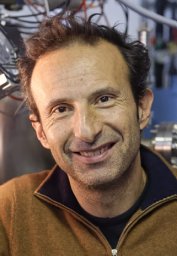 Laurent Nahon合作论文数Science Division, Synchrotron SOLEIL1
 Guillaume Vanhove合作论文数UMR CNRS/USTL 8522, Université des Sciences et Technologies de Lille1




