introduction: Biomarkers of subclinical systemic chronic inflammation are increasingly recognised as a key player in atherosclerosis. C-reactive protein, measured using high-sensitivity assay (hsCRP), is the most promising inflammatory marker in predicting the risk of cardiovascular diseases (CVD). As obesity is associated with disregulated expression of various adipokines, either pro-inflammatory or anti-inflammatory, such adipokines may also serve as non-traditional biomarkers for the accelerated atherosclerosis associated with obesity. In this prospective cohort study, we examined the predictive value of a variety of non-traditional biomarkers for CVD among Hong Kong Chinese, and determined if they would enhance the predictive value in conjunction with the traditional markers. Methods: Subjects were recruited from the Hong Kong Cardiovascular Risk Factors Prevalence Study 2 (CRISPS 2) cohort. Those with known cardiovascular disease(s) were excluded. Baseline serum levels of hsCRP, IL-6, soluble tumour necrosis factor alpha receptor 2 (sTNF- α R2; a surrogate marker of TNF- α ), and adiponectin were determined. Subjects were followed prospectively for 6 years. Results: A total of 1776 subjects were included in the final analysis. The cumulative incidence of CVD was 85 (4.8%). At baseline, subjects with incident CVD had higher proportions of male gender and current/former smoker. They were older, and had higher body mass index (BMI), waist circumference (WC), blood pressure (BP), HOMA-IR, and fasting glucose levels (all P<0.001), compared to those who did not develop CVD (non- CVD). They also had higher LDL-cholesterol and triglycerides, and lower HDL-cholesterol levels. Among the non-traditional biomarkers, subjects with incident CVD had higher baseline levels of hsCRP (1.50 vs 0.69 mg/L), IL-6 (0.83 vs 0.56 pg/mL) and sTNFR2 (2276 vs 1879 ng/mL) [all P<0.001], but similar adiponectin levels, compared to non-CVD subjects. Cox proportional hazards regression showed that baseline hsCRP, IL-6, and sTNFR2 were independent predictors of incident CVD even after controlling for the established risk factors. Conclusion: In this 6-year prospective study, hsCRP, IL-6, and sTNFR2 were independent predictors of incident CVD in Hong Kong Chinese, in addition to the established CVD risk factors. Measurements of these non- traditional biomarkers may allow early CVD risk stratification among these low-risk, apparently healthy subjects. Background: Hepatocellular carcinoma (HCC) is a common malignancy especially in patients with chronic liver disease. It often presents late. Sorafenib is the only systemic treatment for advanced HCC proven to have survival benefit. Previous studies included predominantly patients with Child-Pugh A liver cirrhosis, and the use of sorafenib in patients with poor liver function is controversial. This study aimed to explore the efficacy and tolerability of using sorafenib in Child-Pugh B patients. Methods: Advanced HCC patients treated with sorafenib at Queen Mary Hospital, Hong Kong were analysed retrospectively. Treatment outcomes were analysed according to their respective Child-Pugh status. Results: The baseline demographic parameters were comparable between 108 Child-Pugh A and 64 Child-Pugh B patients. Both clinical benefit rate (21.3% vs 25.0%; P=0.58) and progression free survival (median, 3.2 vs 2.8 months; P=0.31) were similar between the two groups. The overall survival was significantly longer in Child-Pugh A patients (median, 6.1 vs 3.9 months; P=0.009). The most common grade 3/4 adverse events (AEs) were hand-foot-syndrome (13.5%), diarrhoea (9.9%), and rash (7.0%). Grade 3/4 leukopenia, thrombocytopenia, and anaemia occurred in 2.9%, 5.3%, and 8.8% of the patients, respectively. Child-Pugh A and B patients experienced similar incidence of most AEs. Nonetheless, Child-Pugh B patients experienced more anaemia (71.4% vs 50.5 %; P=0.01), gastrointestinal bleeding (15.6% vs 5.6%, P=0.05) and hepatic encephalopathy (10.9% vs 1.9%; P=0.01). Conclusions: Child-Pugh A and B patients tolerated sorafenib similarly and derived comparable clinical and progression-free survival benefit. Child-Pugh B patients were more susceptible to developing cirrhotic complications, thus vigilant surveillance is needed.
 K.S.L. Lam合作论文数52B.M.Y. Cheung合作论文数31N.M.S. Wat合作论文数21
 Kwok Leung Ong合作论文数School of Medical Sciences, Faculty of Medicine, The University of New South Wales19W S Chow合作论文数14K.C.B. Tan合作论文数13
 Aimin Xu (徐愛民)合作论文数Department of Medicine, School of Clinical Medicine, The University of Hong Kong;Department of Pharmacology and Pharmacy, Li Ka Shing Faculty of Medicine, The University of Hong Kong12
 Pak Chung Sham (沈伯松)合作论文数Department of Psychiatry, School of Clinical Medicine, Li Ka Shing Faculty of Medicine, The University of Hong Kong;State Key Laboratory of Brain and Cognitive Sciences, The University of Hong Kong12Carol H. Y. Fong合作论文数11
 Stacey Cherny合作论文数Tel Aviv University10
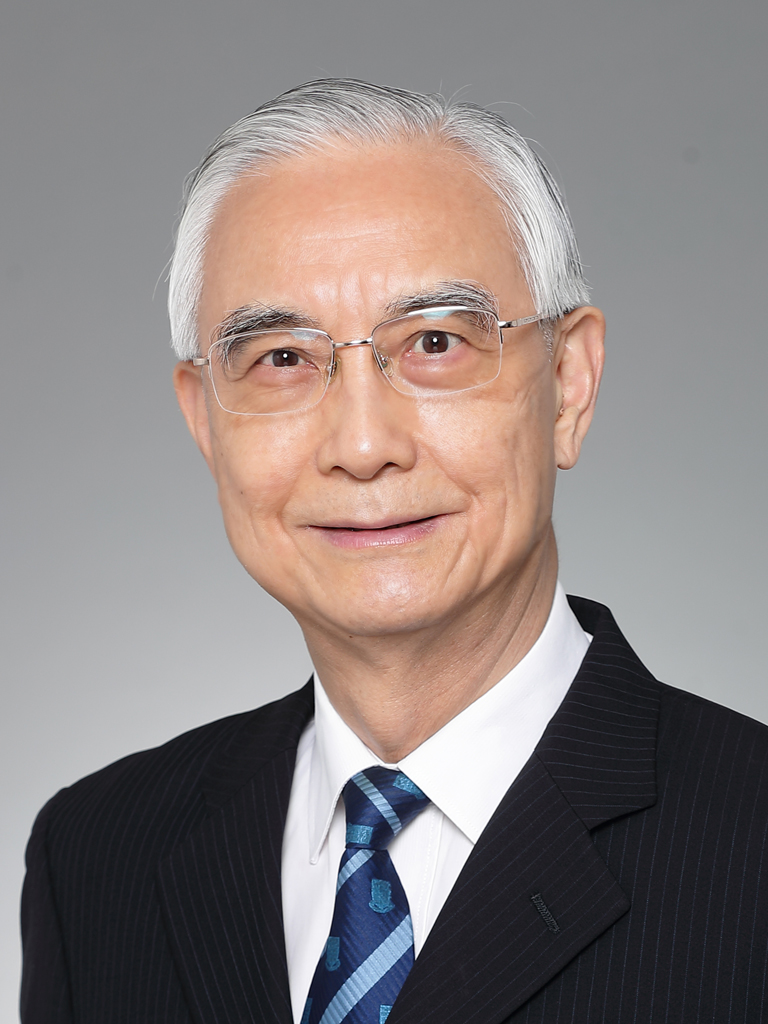 Tai Hing Lam (林大慶)合作论文数School of Public Health, Li Ka Shing Faculty of Medicine, The University of Hong Kong10chy fong合作论文数7
 Hung Fat Tse (謝鴻發)合作论文数Department of Medicine, School of Clinical Medicine, Li Ka Shing Faculty of Medicine, University of Hong Kong;Department of Medicine, Queen Mary Hospital;Tung Wah Hospital;Ruttonjee Hospital7Ryh Leung合作论文数5ED Janus合作论文数4Lsc Law合作论文数4mam yuen合作论文数4
 Anlong Xu (徐安龙)合作论文数Beijing University of Chinese Medicine;School of Life Sciences, Sun Yat-Sen University4S.C.F. Tam合作论文数4rlc hoo合作论文数3lhy ong合作论文数3s tam合作论文数3Edward Janus合作论文数General Internal Medicine, University of Melbourne3
 Y C Woo合作论文数3Wing-Hing Chow合作论文数3Hkf Mak合作论文数3CQ Jiang合作论文数2Bmy Cheung合作论文数2R. W. C. Pang合作论文数2P-C Sham合作论文数2CY Yeung合作论文数2cyy cheung合作论文数2mma yuen合作论文数2r rong合作论文数2Tiu S C合作论文数2
 Patrick Chiu Yat Woo (胡釗逸)合作论文数Department of Microbiology, School of Clinical Medicine, The University of Hong Kong2
 Miaoxin Li (李淼新)合作论文数Zhongshan School of Medicine, Sun Yat-sen University;Precision Medicine Genomics Laboratory, Zhongshan School of Medicine, Sun Yat-sen University2
 G. Neil Thomas合作论文数Institute of Applied Health Research, College of Medical and Dental Sciences, University of Birmingham2J. Y. Xu合作论文数2
 Khong, Pek Lan (孔碧蘭)合作论文数Department of Diagnostic Radiology, The University of Hong Kong2Amin Xu合作论文数1M. H. Yau合作论文数1Michele Yuen合作论文数1yuchih lo合作论文数1s v lo合作论文数1Ock Ma合作论文数1scw cheung合作论文数1Ting Chung Pun合作论文数1tmy mok合作论文数1




