Background and Aims: The G protein-coupled calcium-sensing receptor (CaSR) plays an important role in extracellular calcium homeostasis and regulation of parathyroid hormone (PTH) secretion. There are more than 300 activating/inactivating mutations in the CASR gene. However, the effects of both CaSR protein and CASR gene on bone mineral density (BMD) have not been investigated enough. The aim of this study was therefore to determine the effect of rs104893706 (A843E, (Ala to Glu at codon843)), a gain-of-function mutation of the CASR gene, on BMD in postmenopausal women. Methods: We studied the CASR A843E variation using Polymerase Chain Reaction-Restriction Fragment Length Polymorphism methods in 180 postmenopausal women. Statistical analyses were performed using SPSS software package (version 21.0 SPSS Inc.,Chicago,IL,U.S.A.). Results: No minor A allele, homozygous ( AA) or heterozygous (CA), was observed in the study population. In other words, the frequency of the CASR A843E common CC genotype was 100%. BMD levels of the lumbar spine (L1-L4), femoral neck, and total hip were 1.03 +/- 0.13g/cm(2), 0.87 +/- 0.11g/cm(2), and 0.93 +/- 0.11g/cm(2), respectively. Although the femoral neck (p=0.017), upper neck (p=0.040), lower neck (p=0.011), and Ward's triangle BMD values (p=0.005) were found significantly higher in younger postmenopausal women (age<55 years) compared to older postmenopausal women (age>=55 years), there were no significant differences on BMD value of the lumbar spines, trochanter, and total hip between the age groups (p>0.05). Conclusion: Our findings confirm the effects of advanced age in favor of decreased BMD in postmenopausal women. This study suggests that the CASR A843E gain-of-function mutation may not be associated with bone mineral density and osteoporosis risk since we did not detect the A843E variation in Turkish postmenopausal women.
Background and Aims: The search for new enzyme inhibitors in plants is attractive because they can be used as drugs in the treatment of various diseases. Amaranthus spp. (Amaranthaceae) includes about 70 different species, some of which are edible and some of which are used in traditional medicine to treat various ailments. Amaranthus lividus L. is a vegetable whose stems and leaves are used for human consumption in Turkey. Methods: In this study, the in vitro enzyme inhibition potential of A. lividus on alpha-amylase, alpha-glucosidase, acetylcholinesterase (AChE), elastase, lipase, neuraminidase and tyrosinase was investigated for the first time. For this purpose, water extract of A. lividus was prepared. The tests of enzyme inhibitory activity were carried out by spectrophotometric and fluorometric methods. Results: The water extract showed significant alpha-glucosidase and alpha-amylase inhibitory activities. Also, it displayed good elastase, lipase and tyrosinase inhibitory activities. However, it exhibited low inhibitory activity on AChE and neuraminidase. Conclusion: The plant and its active constituents may be used as an antidiabetic enzyme inhibitor with future phytochemical constituent analysis.
In anticancer therapy, the effectiveness of therapeutics is limited by mutations causing drug resistance. KRAS mutations are the only determinant for cetuximab resistance in patients with colorectal cancer (CRC). However, cetuximab treatment has not been fully successful in the majority of patients with wild-type (WT) KRAS. Therefore, it is important to determine new predictive mutations in CRC treatment. In the present study, the association between AKT1/β-catenin (CTNNB1) mutations with the drug resistance to cetuximab and other chemotherapeutics used in the CRC treatment was investigated by using site-directed mutagenesis, transfection, western blotting and cell proliferation inhibition assay. Cetuximab resistance was higher in the presence of AKT1 E17K, E49K and L52R mutations, as well as CTNNB1 T41A, S45F and S33P mutations compared with that of respective WT proteins. AKT1/CTNNB1 mutations were also associated with oxaliplatin, irinotecan, SN-38 and 5-fluorouracil resistance. Furthermore, mutant cell viability in oxaliplatin treatment was more effectively inhibited compared with that of the other chemotherapeutic drugs. In conclusion, AKT1/CTNNB1 mutations may be used as an important predictive biomarker in CRC treatment.
The aim of this study was to investigate the cellular mechanisms that cause valproic acid (VPA)-induced liver damage and the therapeutic effect of Vitamin U (Vit U) on these mechanisms. Female Sprague Dawley rats were randomly divided into four groups: intact control animals, animals that received Vit U (50 mg/kg/day), animals given VPA (500 mg/kg/day), and animals given both VPA and Vit U. The rats in the Vit U + VPA group were administered Vit U by gavage an hour before VPA administration every day for 15 days. Liver tissues were evaluated through histopathological, biochemical, immunohistochemical, and Western blotting techniques. Administration of Vit U with VPA resulted in (i) prevention of histopathological changes caused by VPA; (ii) blockage of the decrease in catalase (CAT), glutathione reductase (GR), glutathione peroxidase (GPx), and superoxide dismutase (SOD) activities; prevention of the elevation in gamma-glutamyl transferase (GGT) activity and advanced oxidation protein products (AOPP) level; (iii) increased in the levels of interleukin-1 beta (IL-1β), active caspase-3, and cytoplasmic cytochrome c; (iv) increase in cleaved poly (ADP-ribose) polymerase (PARP) level and decrease in LC3B (II/I) ratio; (v) increase in the number of proliferating cells nuclear antigen (PCNA) positive hepatocytes. These findings show that Vit U prevents liver damage caused by VPA through increasing the antioxidant enzyme capacity and hepatocyte proliferation by triggering inflammation and apoptosis. These findings suggest that Vit U provides its protective effects against VPA-induced liver damage by stimulating homeostasis and regeneration.
Coronavirus disease 2019 (COVID-19) is an ongoing pandemic that was reported at the end of 2019 in Wuhan, China, and was rapidly disseminated to all provinces in around one month. The study aims to assess the changes in intercity railway passenger transport on the early spatial transmission of COVID-19 in mainland China. Examining the role of railway transport properties in disease transmission could help quantify the spatial spillover effects of large-scale travel restriction interventions. This study used daily high-speed railway schedule data to compare the differences in city-level network properties (destination arrival and transfer service) before and after the Wuhan city lockdown in the early stages of the spatial transmission of COVID-19 in mainland China. Bayesian multivariate regression was used to examine the association between structural changes in the railway origin-destination network and the incidence of COVID-19 cases. Our results show that the provinces with rising transfer activities after the Wuhan city lockdown had more confirmed COVID-19 cases, but changes in destination arrival did not have significant effects. The regions with increasing transfer activities were located in provinces neighboring Hubei in the widthwise and longitudinal directions. These results indicate that transfer activities enhance interpersonal transmission probability and could be a crucial risk factor for increasing epidemic severity after the Wuhan city lockdown. The destinations of railway passengers might not be affected by the Wuhan city lockdown, but their itinerary routes could be changed due to the replacement of an important transfer hub (Wuhan city) in the Chinese railway transportation network. As a result, transfer services in the high-speed rail network could explain why the provinces surrounded by Hubei had a higher number of confirmed COVID-19 cases than other provinces.
Objective: "Access to clean drinking water" is an essential issue for every individual and is the most important phenomenon of human rights.The criteria of clean and usable water are regulated in our country with the "Regulation on Water for Human Consumption".In this study, it is purposed to be determined whether the free chlorine, conductivity and total hardness values in the waters supplied to the networks with the Blue Tunnel Drinking Water Project in Konya province Meram district are in compliance with the "Regulation on Water for Human Consumption" and to compare those values with the values of 2016, which are belonging to before the Blue Tunnel Project, in the same region.Methods: The study was planned in descriptive type.The research was carried out between August 01 -August 16, 2019 in Meram district of Konya city center.
Background and Aims: Finding new therapeutic enzyme inhibitors by investigating especially medicinal plants is an important research area. The fruits and leaves of Sorbus domestica (service tree) are used as food and folk remedies due to astringent, antidiabetic, diuretic, antiinflammatory, antiatherogenic, antidiarrhoeal, vasoprotective, and vasorelaxant activities, and also used commercially as a vitamin and antioxidant. In this study, the therapeutic effect of S. domestica against diabetes, Alzheimer's disease, aging, and hyperuricemia was investigated. Methods: alpha-Glucosidase, alpha-amylase, acetylcholinesterase (AChE), butyrylcholinesterase (BChE), elastase and xanthine oxidase (XO) inhibitory activities of the fruit extract from S. domestica were measured. Results: The extract showed inhibitory activity against alpha-glucosidase, alpha-amylase, BChE, elastase, and XO whereas AChE inhibitory activity of the extract could not be determined. Moreover, the inhibition effects of the extract against a-glucosidase and elastase were more effective than the standard drugs acarbose and ursolic acid, respectively. Conclusion: S. domestica can be evaluated as a potential source for a new therapeutic agent.
Allium kurtzianum, known as wild garlic in Turkey, is an endemic and bulbous herb of the Amaryllidaceae family. The antioxidant activities of the aerial parts and bulbs of A. kurtzianum were determined using 2,2'-diphenyl-1-picrylhydrazyl (DPPH) radical scavenging and ferric reducing antioxidant power (FRAP) assays, along with the determination of total phenolic and flavonoid compounds in the extracts. Also, phytochemical screening of the extracts was performed by using the LC-MS/MS method. DNA damage protection capacity of the extracts was determined using DNA nicking assay. The cytotoxic activity of the extracts was identified using different cancer cell lines. The antidiabetic activity of the extracts was analysed by evaluating inhibitory capacities on alpha-glucosidase and alpha-amylase. The results showed that total phenolic and flavonoid compounds of the aerial parts were higher than that of the bulbs. Of the 20 compounds quantified, rutin and fumaric acid were the most abundant phenolic compounds in aerial parts and bulbs extracts, respectively. The antioxidant activity of the aerial parts was greater than that of the bulbs. The extracts also dose-dependently protected pBR322 DNA against the harmful effects of hydroxyl radicals. The aerial parts of A. kurtzianum exhibited a cytotoxic effect against prostate, lung, and endometrial cancer cell lines, whereas bulbs of A. kurtzianum did not show cytotoxic effect. However, no valuable inhibitory effect on alpha-glucosidase and alpha-amylase was observed with either extract. In summary, a methanolic extract from A. kurtzianum showed potent antioxidant and DNA protecting effects, as well as anticancer activity against some cancer cells in vitro. The phenolic compounds might be responsible for these activities of the plant. (C) All Rights Reserved
Stimulation of peroxisome proliferator-activated receptors (PPARs) causes mesenchymal stem cells of the human bone marrow differentiate into adipocytes instead of osteoblasts leading to a decreased number of osteoblasts and a decrease in bone mineral density (BMD). Thus, PPARs may have impacts on bone metabolism. 224 postmenopausal women (171 osteoporotic and osteopenic, 53 healthy control) were included in this study. Polymerase chain reaction-restriction fragment length polymorphism (PCR-RFLP) and agarose gel electrophoresis techniques were performed to detect PPARα L162V and PPARγ Pro12Ala/C161T polymorphisms. The distribution of PPARγ Pro12Ala genotype and allele frequencies was not statistically different in control and patient (osteopenic+osteoporotic) groups (p>0.05). However, in the patient group, subjects with “Pro12Pro” genotype had lower lumbar spine (L1-L4) BMD values than those with “Ala” allele (p<0.05). The frequency of PPARγ C161T “CC” genotype was higher in the patient group when compared with that in the control group (p<0.05). There were no significant associations between the genotype and allele frequencies of PPARγ C161T/ PPARα L162V and BMD values (p>0.05). We suggested that PPARγ Pro12Ala and C161T gene variants might be contributing factors in the development of osteoporosis.
Stimulation of peroxisome proliferator-activated receptors (PPARs) causes mesenchymal stem cells of the human bone marrow differentiate into adipocytes instead of osteoblasts leading to a decreased number of osteoblasts and a decrease in bone mineral density IBMD). Thus, PPARs may have impacts on bone metabolism. 224 postmenopausal women (171 osteoporotic and osteopenic, 53 healthy control) were included in this study. Polymerase chain reaction-restriction fragment length polymorphism (PCR-RFLP) and agarose gel electrophoresis techniques were performed to detect PPAR alpha L162V and PPAR gamma Pro12Ala/C161T polymorphisms. The distribution of PPAR gamma Pro12Ala genotype and allele frequencies was not statistically different in control and patient (osteopenic+osteoporotic) groups (p>0.05). However, in the patient group, subjects with "Pro12Pro" genotype had lower lumbar spine (L1-L4) BMD values than those with "Ala" allele (p<0.05). The frequency of PPAR gamma C161T "CC" genotype was higher in the patient group when compared with that in the control group lp<0.051. There were no significant associations between the genotype and allele frequencies of PPAR gamma C161T PPAR alpha L162V and BMD values (p>0.05). We suggested that PPAR gamma Pro12Ala and C161T gene variants might be contributing factors in the development of osteoporosis.
Fruits of several Sorbus species (Rosaceace) are used both in traditional medicine as antidiabetic, antiinflammatory, diuretic, vasoprotective and in foods. In this study, in vitro antidiabetic activities of water extracts of Sorbus aucuparia L. (rowan tree) and Sorbus torminalis L. Crantz (wild sevice tree) fruits were investigated by measuring inhibitory potentials on α-glucosidase and pancreatic α-amylase activities, the most important digestive enzymes. Also, the total phenolic and flavonoid contents of the fruits were determined to evaluate the association between phenolic content and antidiabetic activity. S. torminalis and S. aucuparia extracts exhibited strong α-glucosidase inhibitory activity, more effective than that of standard drug acarbose. However, S. torminalis has shown moderate inhibitory effect against α-amylase while S. aucuparia exhibited weak inhibition. The total phenolic and flavonoid contents of the fruits were correlated with andiabetic activities. It has been suggested that antidiabetic effects of the fruits may be due to phenolic compounds present therein. Therefore, S. aucuparia and S. torminalis fruits might be potential sources of antidiabetic compounds.
Animal production via SCNT provides a unique tool for protection of valuable individuals, conservation of vulnerable and endangered species and production of transgenic animals. A total of 167 MI and 219 MII stage oocytes were used as the material of the study. The oocytes were enucleated at 44 h after in vitro maturation by aspiration of the polar body and the MI or MII plates. Cycling granulosa cells were used for nuclear transfer. Cell fusion was induced with DC pulses of 2.0 kV/cm 60 mu s, 0.1s apart (2x) delivered by a BTX Electrocell Manipulator 200 (BTX, San Diego, CA, USA). After fusion, the embryos were activated by 1.0 kV/cm 20 mu s DC pulses 0.1s apart (2x) followed by 2 mM 6-DMAP (6-dimethylaminopurine) incubation in culture medium for 4 h in a humidified atmosphere of 5% CO2, 5% O-2, and 90% N-2 at 38 degrees C. The somatic cell transferred embryos were cultured for 8 days in mSOF medium supplemented with 0.4% BSA in a humidified 5% CO2, 5% O-2, and 90% N2 atmosphere at 38 degrees C. After in vitro culture period, all embryos transferred to HSOF containing Hoechst 33342 (5 mu g/mL) and the cell numbers were counted under ultraviolet light using a fluorescent microscope. The fusion (66.66 vs 21.55%) and cleavage rates (15.75 vs 11.11%) were significantly higher in MII stage oocytes than MI stage oocytes (P<0.02). While SCNT embryos were developed to morula stage in MII group (14; 9.58%), all the cleaved embryos were arrested at the 2-4 cell stage in MI group. None of the embryos was developed to blastocyst stage in both groups.
Background: Because reactive oxygen species (ros) contribute to the pathogenesis of various acute and chronic liver diseases, dietary antioxidants and drugs from herbal origins have been proved to be beneficial as therapeutic agents in reversing hepatotoxicity and oxidative stress. The objective of this study was to investigate the protective effect of an aqueous extract from smilax excelsa l. Shoots and leaves against acute ccl4-induced liver injury as well as the changes in antioxidative defense system in female wistar albino rats. Materials and Methods: S. Excelsa extract was administered orally in doses of 100, 200 and 400 mg/kg body weight, once daily for 9 days. Acute hepatic toxicity was induced by intraperitoneal injection of ccl4 (1 ml/kg) on the 10th day. 24 h after ccl4 intoxication, biochemical and histopathological analyses were undertaken on sera and liver tissues. Results: Ccl4 challenge caused significant increases in the activities of liver enzymes as well as the levels of bilirubin, malondialdehyde and nitric oxide, while total serum protein levels and antioxidant defense system parameters were reduced significantly compared to the normal group. Administration of s. Excelsa extract at a dose of 400 mg/kg resulted in a suppression of ccl4-induced lipid peroxidation and altered oxidative stress parameters to nearly normal values in comparison to ccl4-treated rats. Nevertheless the extract did not reduce the extent of ccl4-induced mild liver injury, as seen by the histopathology of liver damage. Conclusion: The results of this study suggest that s. Excelsa could protect the liver tissues against ccl4-induced oxidative stress probably by increasing antioxidative defense activities.
Previous studies have suggested that beta 3-adrenergic receptor (ADRB3) gene is associated with body mass index (BMI), which is an important predictor of bone mineral density (BMD). However, little is known concerning the effect of the ADRB3 gene on BMD. The present study investigated the relationship between ADRB3 Trp64Arg polymorphism, BMI and BMD in Turkish postmenopausal women. 133 postmenopausal women (81 osteoporotic and 52 healthy control) were recruited. For the detection of ADRB3 Trp64Arg polymorphism, polymerase chain reaction-restriction fragment lenght polymorphism (PCR-RFLP) techniques have been used. BMD was measured at the lumbar spine and hip by dual-energy X-ray absorptiometry. Distribution of ADRB3 Trp64Arg genotypes was similar in the study groups (p> 0.05). "Arg/Arg" genotype was not observed. In the osteoporotic group, subjects with "Trp/Trp" genotype tended to have lower BMI values compared to those with "Trp/Arg" genotype, the difference was closely tied to statistical significance (p= 0.052). Subjects with "Trp/Trp" genotype had also lower BMD values of femoral neck (p= 0.044) and total hip (p= 0.043) than those with "Trp/Arg" genotype. No significant effects of the ADRB3 Trp64Arg genotypes on BMI and BMD values were found in the control group. Our results suggested that ADRB3 Trp64Arg " Trp/Trp" genotype might be associated with osteoporosis risk by affecting body mass index and bone mineral density values in Turkish postmenopausal women.
 Nuriye Akev合作论文数Faculty of Pharmacy, Istanbul University32
 Nurten Ozsoy合作论文数Faculty of Pharmacy, Istanbul University20
 Refiye Yanardag合作论文数Faculty of Engineering, Istanbul University17Yilmaz-Ozden Tugba合作论文数Faculty of Pharmacy, Istanbul University15
 Alper Okyar合作论文数Faculty of Pharmacy, Istanbul University13
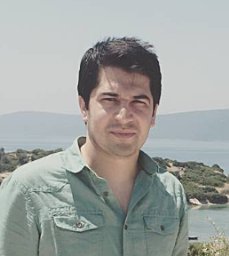 Mehmet Uyar合作论文数Department of Neurosurgery, Ege University Hospital11
 Hulya Yilmaz Aydogan合作论文数The Institute of Experimental Medicine, Istanbul University10
 Sehnaz Bolkent合作论文数Cerrahpasa Faculty of Medicine Cer, University of Istanbul8Ozlem Kurt-Sirin合作论文数7
 Gozde Hasbal合作论文数Dept Biochem, Istanbul Univ7Kurt-Sirin Ozlem合作论文数Faculty of Pharmacy, Istanbul University7
 Isbir Turgay合作论文数Dept Med Biol, Yeditepe Univ6
 Sevim Tunali合作论文数Faculty of Engineering, Istanbul University6
 Ramazan Arıcı合作论文数Dept Reprod & Artificial Inseminat, Istanbul Univ Cerrahpasa5
 Kamber Demir合作论文数5Sukran Kultur合作论文数5
 Serhat Pabuccuoglu合作论文数5Gül ÖZTÜRK合作论文数4
 Mehmet Fatih Seyhan合作论文数4
 Sema Birler合作论文数4tugba yilmaz合作论文数3
 Pinar Aksoy-Sagirli合作论文数Pharmacy Faculty, Istanbul University3Asiye İzem Sandal合作论文数Dept Reprod & Artificial Inseminat, Istanbul Univ Cerrahpasa3Ezgi Erturk合作论文数3
 Aydin Gurel合作论文数Department of Pathology;Faculty of Veterinary Medicine;Istanbul University3
 Pelin Arda-Pirincci合作论文数3
 Mithat Evecen合作论文数stanbul Üniversitesi;Veteriner Fakültesi;Tohumlama Anabilim Dali;stanbul Üniversitesi, Tohumlama Anabilim Dali3Gülay Melikoğlu合作论文数3Jamie Barkin合作论文数2T. Y. Ozden合作论文数2
 Elif Merve Cınar合作论文数2Burcu Ulkuden合作论文数2Sita Chokhavatia合作论文数2Tetsuo Arakawa合作论文数2Gulsum Altiparmak Ulbegi合作论文数2
 Mehmet Koray Gok合作论文数Dept Chem Engn, Istanbul Univ Cerrahpasa2
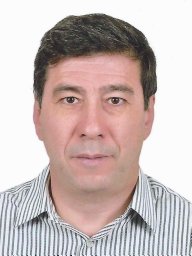 Sait Sen合作论文数Dept Pathol, Ege Univ2
 Meenakshi Bewtra合作论文数Department of Biostatistics, Epidemiology and Informatics, Perelman School of Medicine, University of Pennsylvania2
 Savas Sipahi合作论文数2
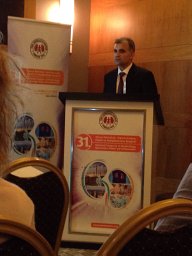 Hür Ender合作论文数Division of Nephrology, Bülent Ecevit University2Aksoy-Sagirli Pinar合作论文数2Yildiz Funda合作论文数2Garip Alev合作论文数2Purclutepe Ozlem合作论文数2Mutlu Ozgur合作论文数2
 Hafize Uzun合作论文数Cerrahpasa Medical Faculty, Istanbul University2
 Mohammad Abdollahi合作论文数Department of Toxicology and Pharmacology, Faculty of Pharmacy, Tehran University of Medical Sciences2Gulhan Turkay合作论文数2
 Kemal Ak合作论文数2




