Background: Defects following Mohs micrographic surgery often require complex facial reconstruction, with timing varying between immediate (<24 h) and staged (>24 h) reconstruction. Objective: To compare the risk of postoperative complications between immediate and staged reconstruction of Mohs defects for facial nonmelanoma skin cancer (NMSC). Methods: Patients with NMSC who underwent Mohs and facial reconstruction were identified using a health network database (TriNetX). Complications including flap loss, skin necrosis, hyperpigmentation, hypertrophic scarring, infection, hematoma, seroma, dehiscence, overall complication, and revision surgery were compared at 1, 6, and 12 months postoperatively. Results: A total of 48,229 patients (mean [SD] age, 71.6 [11.5] years; 31,862 [66%] male) underwent immediate reconstruction, and 48,229 patients (71.5 [11.5] years; 31,997 [66%] male) underwent staged reconstruction. Immediate reconstruction had a lower risk of overall complication at 6 months postoperatively (odds ratio [OR]: 0.95, p = 0.04) and wound dehiscence (OR: 0.58, p < 0.001) at 1 month postoperatively but no difference in flap loss or hematoma. No difference in skin necrosis between groups at 6 months postoperatively was observed. At 12 months, immediate reconstruction demonstrated a lower risk of revision surgery (OR: 0.826, p < 0.0001). There was no difference in hypertrophic scarring or hyperpigmentation at 12 months postreconstruction. Conclusion: Although complications are rare, this study demonstrates advantages of immediate or staged defect reconstruction.
Objectives: To test the hypothesis that surgical otologic intervention for any type of adult hearing loss decreases the odds for incident adverse life events (ALEs) and medical comorbidities (MCBs). Study Design: Retrospective cohort database study. Methods: Electronic medical record data from the TriNetX Research Network were queried for adults (age >= 18 years) with congenital, sensorineural, conductive, and mixed hearing loss (HL). Patients were further stratified into 3 groups by presence or absence (HL-surgery) of surgical intervention at any point following diagnosis, including (1) stapes surgery (HL + stapes); (2) cochlear implantation and bone-anchored hearing aid (HL + CI); and (3) mastoidectomy alone and tympanoplasty with or without mastoidectomy (HL + TM). Primary outcomes were defined as odds for new ALEs or MCBs at any point given HL treatment status [Odds ratio with 95% confidence interval, (OR; 95% CI, P-value)]. Cohorts were balanced using propensity-score matching (PSM) based on US census-defined demographics and congenital comorbidities. Results: There were 2 577 153 patients included in this study. Matched analysis demonstrated that HL + stapes adults (n = 7985) had 0.37-lower odds (95% CI = 0.30-0.47, P < .0001) of experiencing any incident ALE versus HL-surgery adults (n = 2 518 409). Adults in the HL + CI cohort (n = 17 129) had 0.58-lower odds (0.52-0.66, P < .0001) of experiencing any incident MCB versus HL-surgery adults. Conclusions: This study highlights the benefit of surgical intervention for adult hearing loss on social and medical phenomes. These findings represent the largest cohort study to date demonstrating this association and further support that hearing restoration improves patient socioeconomic and medical outcomes.
OBJECTIVES:Functional nasal surgery is commonly performed to correct obstructed nasal airflow, and our institution implements pyriform aperture expansion (PAE) as an adjunct to surgical correction. The aim of this study was primarily to describe the surgical technique of PAE and demonstrate its safety and feasibility in functional nasal surgery. METHODS:A retrospective review of patients who underwent functional nasal surgery including PAE from April 2022 to May 2023 was conducted. Demographic, intraoperative, postoperative complication, and outcome data were collected. The endonasal surgical technique is described and videography is provided. RESULTS:One hundred patients were included. In addition to PAE, patients underwent concurrent septoplasty (92%), septal cartilage harvest (61%), turbinate reduction (94%), nasal valve repair (87%), open reduction and internal fixation of nasal bones (44%), or endoscopic sinus surgery (5%). Complications included epistaxis (7%), septal hematoma (3%), nasal cellulitis (2%), nasal tip numbness (1%), adhesions (1%), and persistent or recurrent pyriform aperture narrowing (4%). Eighty-one percent of patients reported improvement in obstructive nasal symptoms (P < .001). Postoperative examination demonstrated adequate pyriform aperture expansion in 96% of patients. CONCLUSION:This study describes an endonasal approach to PAE, which utilizes an ultrasonic bone aspirator for maxillary reduction. It demonstrates that PAE is a safe and feasible adjunct to functional nasal surgery. With adequate surgical technique, PAE can be performed with relative ease in a timely fashion.
OBJECTIVE: To test the hypothesis that patients with poorly controlled type 2 diabetes mellitus are more likely to develop sensorineural hearing loss (SNHL) than non-diabetic patients. STUDY DESIGN: Retrospective cohort study. SETTING: TriNetX US Collaborative Network (2003-2022). METHODS: Electronic medical record data from the TriNetX US Collaborative Network was queried for subjects without prior hearing loss, defined using medical billing codes (ICD-10, CPT, etc.), who were diagnosed with type 2 diabetes mellitus after January 2003. Patients were stratified by most recent HbA1c (8.0-13.9% or >= 14.0%) and by age at diagnosis (21-30, 31-40, 41-50, 51-60, 61-70, >= 71 years). Primary outcome was development of SNHL <= 20 years after diabetes diagnosis. Cohorts were propensity-score matched for age, gender, race, and hearing loss-related conditions, including vascular disease and tobacco/ nicotine use. Hearing loss risk in each cohort were compared against age-matched non-diabetic subjects. RESULTS: All diabetic patients had greater risk of SNHL compared to age-matched controls; having a higher HbA1c (>= 14.0%) additionally associated with greater risk than a lower HbA1c (8.0-13.9%) for all age groups except 21-30 and 31-40 years. Furthermore, risk was higher for older patients of both HbA1c ranges, with patients >= 71 years at diagnosis having greatest risk. Patients >= 71 with HbA1c >= 14.0% (n = 3,870) had a 0.51% (95% confidence interval: 0.28-0.74, p < 0.0001) greater hearing loss risk, and patients with HbA1c 8.0-13.9% (n = 155,066) had 0.24% (0.22-0.27, p < 0.0001) greater risk. CONCLUSION: Type 2 diabetes diagnosis appears to strongly associate with greater risk of developing SNHL, especially in older patients. Audiometric screening may be warranted.
BACKGROUND:Olfactory dysfunction (OD) affects many survivors of COVID-19. Prior studies have investigated the use of platelet-rich plasma (PRP) injections for OD. We describe the first randomized controlled trial investigating topical PRP for OD treatment and contribute to existing literature illustrating PRP as an emerging therapeutic. METHODS:This is a single-blinded, randomized controlled trial conducted from July 2022 to December 2023. Adult patients with OD ≥6 months secondary to COVID-19 with Brief Smell Identification Test (BSIT) scores of ≤8/12 or SCENTinel odor intensity of ≤40/100 were included. Patients were randomized to three, monthly PRP or placebo-impregnated Surgifoam treatments into bilateral olfactory clefts. The BSIT, SCENTinel, and Questionnaire of Olfactory Disorders-Negative Statements (QOD-NS) were completed monthly through month 12. RESULTS:Of 104 patients screened, 83 participated. No significant differences in age, OD duration, BSIT, SCENTinel, or QOD-NS scores were found between PRP (n = 42) and placebo (n = 41) patients at baseline. PRP patients experienced a statistically significant increase in BSIT scores from baseline at months 5‒9, 11, and 12, while placebo patients did not (p < 0.05). However, total BSIT scores were similar between the two groups throughout the study. Neither the SCENTinel odor intensity scores nor the change from baseline were significantly different between the treatment groups. At month 12, PRP patients experienced minor improvement in OD-related quality-of-life compared with placebo. CONCLUSIONS:This study is the first to describe topical PRP as a safe, experimental treatment for OD in humans. PRP may impact odor identification in post-COVID-19 OD patients, although the lack of difference in total BSIT scores highlights the need for further study.
Background: Poor surgical ergonomic practices can result in musculoskeletal strain and chronic injury. Previous studies have demonstrated that wearable devices like the “Upright Go” (UG) can improve posture with real-time feedback among otolaryngologists. Prior studies have not assessed the long-term impact of these devices on posture and musculoskeletal complaints after biofeedback is removed, nor have any studies correlated improvements in posture with changes in musculoskeletal pain. This is the first study to utilize UG to evaluate the long-term impact of biofeedback on ergonomics and pain in rhinologic surgery.
OBJECTIVES:To test the hypothesis that surgical otologic intervention for any type of pediatric hearing loss decreases the odds for incident adverse cognitive and linguistic developmental outcomes.STUDY DESIGN:Retrospective cohort database study.METHODS:Electronic medical record data from the TriNetX Research Network were queried for children with congenital, sensorineural, conductive, and mixed hearing loss (HL) between ages 0 and 5 years. Patients were further stratified by presence (HL + surgery) or absence (HL-surgery) of surgical intervention at any point following diagnosis, including cochlear implantation, tympanoplasty with or without mastoidectomy, and tympanostomy. Primary outcomes were defined as odds for new adverse cognitive or linguistic outcomes at any point given HL treatment status [odds ratio with 95% confidence interval, (OR; 95%CI, p-value)]. Cohorts were balanced using propensity-score matching (PSM) based on US census-defined demographics and clinically relevant congenital conditions.RESULTS:Of 457,636 total patients included in the study, 118,576 underwent surgery (HL + surgery cohort) and 339,060 did not (HL-surgery). In matched cohorts, surgical otologic intervention significantly decreased the odds of developing cognitive disorders including scholastic, motor, psychological developmental disorders, and pervasive developmental delays (p < 0.01).CONCLUSIONS:Surgical interventions for treatment of pediatric HL including cochlear implantation, tympanoplasty with or without mastoidectomy, and tympanostomy should be considered as they may prevent delays in development.
OBJECTIVE:Application of virtual reality (VR) for surgical planning may improve clinical outcomes for head and neck cancer (HNC) resection. There is a lack of randomized trials and meaningful metrics to assess such technological applications. Our objective was to evaluate the feasibility of a VR protocol for oncologic surgical planning and assess the impact on surgical outcomes. METHODS:A randomized controlled trial utilizing a VR Case Enhancement Protocol (VRCEP) versus standard of care (SOC) surgical planning was conducted. The primary endpoint was feasibility, defined as >80% successful VRCEPs. Metrics included surgeon task-load burden (TLB) using the NASA Task-Load Index and "margin events," defined as "the need for defect-driven margins, positive frozen margins, and/or positive final margins." Margin events were used to calculate a margin event score (MES) per case and margin event rate (MER) per cohort. RESULTS:Thirty-four patients were included in the final analysis (17 VRCEP, 17 SOC) with 94.4% of eligible VRCEP cases completed (17/18). Surgeon TLB was unchanged with VRCEP. Cases undergoing VRCEP were associated with a lower mean MES (0.27 vs. 0.94, p = 0.014) and MER (11.6% vs. 35.6%, p = 0.0041). VRCEP was associated with decreased defect-driven margins (10% vs. 53.3%, p = 0.032). Although not statistically significant, positive frozen and final margin rates were lower in VRCEP. CONCLUSION:Completion of the VRCEP was feasible with no significant increase in surgeon TLB appreciated. VRCEP yielded fewer MEs. Further investigation into the benefit of VR in HNC resection is warranted. Margin events may represent useful metrics for assessing novel surgical technologies. LEVEL OF EVIDENCE:2 Laryngoscope, 135:1090-1097, 2025.
Background: The treatment of facial nerve synkinesis remains complex and variable.Objective: To compare oral, palpebral fissure, and brow symmetry among surgical and nonsurgical interventions in patients with facial synkinesis.Methods: Patients with facial nerve synkinesis at a single tertiary care center between 2008 and 2022 were analyzed before and after interventions using Emotrics software. Symmetry was compared among treatment combination groups (chemodenervation and rehabilitation [CR] vs. chemodenervation and surgery [CS] vs. chemodenervation, surgery, and rehabilitation [CSR]) and among surgical intervention groups (selective neurectomy [SN] vs. selective neurectomy with facelift [SnFa] vs. no surgery).Results: Of the 29 patients meeting inclusion criteria, 72.4% were female and the median age was 60.6 years (interquartile range 49.9-67.6). The median follow-up was 32.6 months; patients who received surgery had a greater follow-up time (57.4 months vs. 26.5 months, p = 0.045). The use of a trimodal approach (CSR) was associated with improved symmetry versus CR for smile angle (p = 0.021). Among surgical interventions, the greatest improvement in palpebral fissure symmetry was in patients who received SN versus no surgery (p = 0.039); the greatest improvement in smile angle was in patients who received SnFa versus no surgery (p = 0.008).Conclusion: We recommend a comprehensive approach to the management of facial synkinesis consisting of chemodenervation, rehabilitation, and surgery tailored to each patient's needs.
OBJECTIVES:Surgeons experience a risk for physical strain and injury secondary to physical demands in the workplace. To minimize injury and maximize career longevity, physicians should be aware of ergonomics pitfalls and postural correction methods. This study investigates ergonomic trends in Facial Plastic and Reconstructive Surgery (FPRS) clinic by quantifying surgeons' and trainees' cervicothoracic spine posture. METHODS:Participants completed a 22-item questionnaire to evaluate current ergonomic practices. A lightweight device was calibrated and attached to the mid-scapular region of participants, providing real-time posture feedback. The percentage of time in upright posture was recorded during clinical and operative workdays. Upright posture was defined as neutral spine positioning with acceptable mild to moderate deviations. RESULTS:Two FPRS attending surgeons, 1 FPRS fellow, and 11 otolaryngology residents participated over 12 months. Discomfort was most commonly reported in the neck, shoulders, and upper back during clinic. Symptoms were self-treated by changing body position, wearing specialized footwear, adjusting height of the chair or examination table, or ignoring discomfort. Eighty-two percent were unaware of ergonomic guidelines or appropriate considerations. Time spent in upright posture was significantly higher in clinic (84.9%) than in the OR (53.5%) (p < 0.001). Upright posture declined after reaching 6 work hours (p = 0.029); no such patterns were observed in the OR (p = 0.946). CONCLUSION:Although time spent in upright posture was objectively poorer in the OR, these data suggest ergonomics are an important consideration in the outpatient setting, with surgeons experiencing discomfort during and after clinic. Further investigation is warranted to identify actionable changes and promote healthy ergonomics. LEVEL OF EVIDENCE:NA Laryngoscope, 135:1379-1385, 2025.
BACKGROUND:For difficult or rare procedures, simulation offers an opportunity to provide education and training. In developing an adequate model to utilize in simulation, 3D printing has emerged as a useful technology to provide detailed, accessible, and high-fidelity models. Nasal osteotomy is an essential step in many rhinoplasty surgeries, yet it can be challenging to perform and difficult to receive adequate exposure to this nuanced portion of the procedure. As it currently stands, there are limited opportunities to practice nasal osteotomy due to the reliance on cadaveric bones, which are expensive, difficult to obtain, and require appropriate facilities and personnel. While previous designs have been developed, these models leave room for improvement in printing efficiency, cost, and material performance. This manuscript aims to describe the methodology for the design of an updated nasal osteotomy training model derived from anatomic data and optimized for printability, usability, and fidelity. Additionally, an analysis of multiple commercially available 3D printing materials and technologies was conducted to determine which offered superior equivalency to bone.METHODS:This model was updated from a first-generation model previously described to include a more usable base and form, reduce irrelevant structures, and optimize geometry for 3D printing, while maintaining the nasal bones with added stabilizers essential for function and fidelity. For the material comparison, this updated model was printed in five materials: Ultimaker Polylactic Acid, 3D Printlife ALGA, 3DXTECH SimuBone, FibreTuff, and FormLabs Durable V2. Facial plastic surgeons tested the models in a blinded, randomized fashion and completed surveys assessing tactile feedback, audio feedback, material limitation, and overall value.RESULTS:A model optimizing printability while maintaining quality in the area of interest was developed. In the material comparison, SimuBone emerged as the top choice amongst the evaluating physicians in an experience-based subjective comparison to human bone during a simulated osteotomy procedure using the updated model.CONCLUSION:The updated midface model that was user-centered, low-cost, and printable was designed. In material testing, Simubone was rated above other materials to have a more realistic feel.
Objectives Patients undergoing head and neck free flap reconstruction (HNFFR) may have significant change to their baseline functional status requiring inpatient rehabilitation (IPR) after discharge. We sought to identify patient/procedure characteristics predictive of discharge destination. Methods Patients undergoing elective HNFFR between July 2017 and July 2022 were reviewed for discharge destination. Those discharged to IPR versus home were compared across patient/procedure characteristics and physical/occupational therapy metrics. Significance was assessed via bivariate and multivariable analyses. Results Of the 531 patients, 102 (19.2%) required IPR postoperatively. Patients discharged to IPR versus home were significantly older (70.1 [11.6] vs. 64.1 [13.1] years; p < 0.001) and more likely to lack family assistance (26.5% vs. 8.6%; p < 0.001), require baseline assistance for activities of daily living (ADLs) (31.4% vs. 9.8%; p < 0.001), have baseline cognitive dysfunction (15.7% vs. 6.1%; p = 0.001), were more likely to have neoplasm as the surgical indication for HNFFR (89.2% vs. 80.0%; p = 0.033) and more likely to have a tracheostomy postop (62.7% vs. 51.7%), and had a significantly longer length of stay (11.2 [8.0] vs. 6.8 [8.3] days; p < 0.001). There was no significant difference in gender, donor site, use of tube feeds, and use of assistive devices between the two groups. Following logistic regression, the strongest predictors of discharge to IPR include lack of family assistance (OR = 3.8; p < 0.001) and baseline assistance for ADLs (OR = 4.0, p < 0.001). Conclusion Certain patient factors predict the need for discharge to rehab after HNFFR. Perioperative identification of these factors may facilitate patient counseling and discharge planning with potential to reduce hospital length of stay and further optimize patient care. Level of Evidence III Laryngoscope , 134:2721–2725, 2024
OBJECTIVE:The aim was to evaluate the difference in recovery when comparing total intravenous anesthesia (TIVA) to inhalational gas anesthesia in patients receiving rhinoplasty.STUDY DESIGN:Retrospective review.SETTING:Postoperative anesthesia care unit (PACU).METHODS:Patients who received a functional or cosmetic rhinoplasty at a single academic institution between April 2017 and November 2020 were included. Inhalational gas anesthesia was in the form of sevoflurane. Phase I recovery time, which was defined as the time it took a patient to reach ≥9/10 on the Aldrete scoring system was recorded, as well as the usage of pain medication in the PACU. The postoperative course and incidence of postoperative nausea and vomiting (PONV) were also collected.RESULTS:Two hundred and two patients were identified with 149 (73.76%) who received TIVA and 53 (26.24%) who received sevoflurane. For the patients who received TIVA, the average recovery time was 101.44 minutes (standard deviation [SD]: 34.64) compared to an average recovery time of 121.09 minutes (SD: 50.19) for patients who received sevoflurane leading to a difference of 19.65 minutes (p = 0.002). Patients who received TIVA experienced less PONV (p = 0.001). There were no differences in the postoperative course including surgical or anesthesia complications, postoperative complications, hospital or Emergency Department admissions, or administration of pain medication (p > 0.05 for all).CONCLUSION:When utilizing TIVA over inhalational anesthesia, patients undergoing rhinoplasty had significantly increased benefits in terms of reduced phase I recovery times and decreased incidence of PONV. TIVA was demonstrated to be a safe and efficacious method of anesthesia for this patient population.
OBJECTIVE:To test the hypothesis that use of cigarettes or other products with either cigarette-like smoke profile or high nicotine content by young populations increases the odds of developing sensorineural hearing loss (SNHL). STUDY DESIGN:Retrospective cohort study. SETTING:TriNetX US Collaborative Network (2003-2022). PATIENTS:Approximately 3.6 million patients at least 18 years old. INTERVENTION:None. MAIN OUTCOME MEASURES:The primary outcome of interest was diagnosis of SNHL, defined using medical billing codes ( International Classification of Diseases, Tenth Revision , Current Procedural Terminology , etc.). Cohort inclusion criteria included electronic health record entry after 2003, age 18 to 54 or 55+ years at index, and status of cigarette, noncigarette nicotine, or cannabis use. Covariates were controlled via 1:1 propensity score matching for SNHL-related conditions, including diabetes mellitus and ischemic diseases. Odds for developing SNHL were calculated against control subjects aged 18 to 54 years who have no record of nicotine/cannabis use. RESULTS:Odds for developing SNHL are higher for people 18 to 54 years old who use any nicotine product (odds ratio [95% confidence interval], 5.91 [5.71-6.13]), cigarettes only (4.00 [3.69-4.33]), chewing tobacco only (9.04 [7.09-11.63]), or cannabis only (3.99 [3.60-4.44]) compared with control. People 55+ years old who use no products also showed increased odds for SNHL (4.73 [4.63-4.85]). CONCLUSIONS:Both nicotine and smoke exposure seem to be strongly associated with increased odds for developing SNHL, with chewing tobacco having the strongest association.
Introduction: Head and neck surgeons at high risk for strain and subsequent complications related to poor posture. We aim to evaluate current ergonomic practices among otolaryngology head and neck surgeons and report cervicothoracic spine posture data from the operating room (OR). Methods: A validated questionnaire evaluating current ergonomic practices was given to participants. A wearable posture device, was calibrated and worn around the neck with the sensor positioned at the mid-scapular region of the upper back. After a full day in the OR, percentage of upright time for the day was recorded. Results : 8 head and neck surgeons, 12 residents, and 4 fellows in training participated in our survey of current ergonomic practices. Over a 2-month period, posture data from the OR was acquired from 5 attendings, 3 fellows and 5 residents on the head and neck service. Changing body position, ignoring discomfort, and specialized footwear were most used to relieve musculoskeletal discomfort while operating. 83.3% of surgeons reported not receiving any formal ergonomics training and were unaware of related guidelines. After morning preparation, posture significantly declined during intraoperative time (p <0.001). There were no significant posture differences by level of training (p= 0.19), or hours spent in the OR (p=0.92). Conclusion: Surgical ergonomics is rarely considered as a point of intervention, but its lack thereof can have serious consequences leading to injury and unresolved day-to-day discomfort. There is a role for ergonomics in case planning, as it has potential to vastly improve surgeon quality of life and career longevity.
Some patients with autoimmune disease will experience otologic symptoms, such as pain and hearing loss. We present a patient with ANCA-associated vasculitis who required surgery for a suspicious mastoid lesion associated with her disease.
Nasal osteotomy is one of the most challenging steps of rhinoplasty. Lack of hands-on training and confidence with this procedure adds to the complexity for learners and trainees. As three-dimensional (3D) printing becomes increasingly accessible, simulation on 3D printed models has the potential to address this educational need in a safe, reproducible, and clinically realistic manner. The simulation session described in this communication, which utilized our low-cost, 3D-printed nasal osteotomy ($12.37) task trainer, produced both educational and confidence benefits for trainees. Here we describe the design, organization, curriculum, and pilot data for a 3D-printed nasal osteotomy task trainer for the simulation of endonasal and percutaneous nasal osteotomy.
Background: Implementation of checklists in the medical field has significantly reduced morbidity and mortality for patients across multiple surgical and non-surgical specialties. Ineffective, sporadic communication between members of operative teams has been recognized as a primary contributing factor to surgical errors. Overall operative complication rates are low in endoscopic sinus surgery (ESS) and endoscopic skull base surgery (ESBS), but those that occur have high morbidity. Few studies have implemented preoperative checklists for ESS, and none are available for ESBS. To date, no studies specific to Rhinology and Skull Base surgery have focused on preoperative preparation to ensure a unified operative plan, assess adequacy of surgical equipment, and encourage communication among team members. This study aimed to design and implement checklists specific to endonasal and skull base surgery, thereby reducing near-miss events and improving operative team satisfaction.
The reported donor site morbidity of the fibula free flap (FFF) is low; however, several uncommon complications have been reported with tibia fracture rarely being reported. We present a case of a pathological tibial fracture in the setting of chronic osteomyelitis after FFF. A 54-year-old female presented with a benign fibro-osseous lesion of the right mandible and was treated with mandibulectomy and reconstructed with a left FFF. Approximately 1 year following surgery, the patient presented to the emergency department. Imaging showed a pathological fracture of the distal third of the tibial shaft with persistent erythema and cellulitis of the lateral prior graft harvest site without signs of systemic infection. She was taken to the operating room for irrigation and debridement with culture and biopsy as well as external fixation of the tibial fracture. Intraoperative biopsy and culture demonstrated fracture site change with callus formation and negative culture. The patient was discharged on 6 weeks of IV vancomycin and ceftriaxone. In conclusion, tibial fracture following FFF is an uncommon complication, yet it can be exacerbated by chronic osteomyelitis. This report highlights the importance of close observation and comprehensive wound care of donor sites after free flap harvest for head and neck reconstruction.
 Howard D Krein合作论文数12
 Ryan N Heffelfinger合作论文数Department of Otolaryngology-Head and Neck Surgery, Thomas Jefferson University Hospital10
 Joseph M. Curry合作论文数Thomas Jefferson University;Thomas Jefferson University Hospital7
 Barbarite Eric合作论文数6Rebecca Chiffer合作论文数5
 Adam J. Luginbuhl合作论文数Thomas Jefferson University5Natalie M. Perlov合作论文数4Marwin Li合作论文数4Thomas Willcox合作论文数4Jena Patel合作论文数4Megha Chandna合作论文数4Dev Amin合作论文数4Emily S Sagalow合作论文数4
 Urdang Zachary合作论文数Department of Otolaryngology/Head &, Oregon Hearing Research Center;Neck Surgery, Oregon Health &Science University;Oregon Hearing Research Center, Oregon Health & Science University4Morgan Hutchinson合作论文数3Sara Belko合作论文数3Raphael G Banoub合作论文数3Lauren Schlegel合作论文数Sidney Kimmel Med Coll, Thomas Jefferson Univ3Alexander Duffy合作论文数Dept Otolaryngol Head & Neck Surg, Thomas Jefferson Univ Hosp3Toskala Elina合作论文数3
 Gurston G Nyquist合作论文数3
 Stavropoula I. Tjoumakaris合作论文数Department of Neurosurgery, Thomas Jefferson University3Chalouhi Nohra合作论文数Dept Neurosurg, Thomas Jefferson Univ3
 Pugliese Robert S合作论文数Thomas Jefferson University Hospital, Thomas Jefferson University Hospital3Zhan Tingting合作论文数Department of Pharmacology and Experimental Therapeutics, Thomas Jefferson University3Rabinowitz Mindy R合作论文数3
 Brian Swendseid合作论文数3Goldman Richard A合作论文数3
 Robert H. Rosenwasser合作论文数Department of Neurological Surgery, Sidney Kimmel Medical College, Thomas Jefferson University;Vickie and Jack Farber Institute for Neuroscience, Sidney Kimmel Medical College, Thomas Jefferson University3
 Pascal M. Jabbour合作论文数Department of Neurological Surgery, The Sidney Kimmel Medical College, Thomas Jefferson University3
 Marc Rosen合作论文数3Neha Garg合作论文数2Emily Garvey合作论文数2Vivian Xu合作论文数2Eric Malani合作论文数2Sruti Tekumalla合作论文数2Bita Naimi合作论文数2Shreya Mandloi合作论文数2Randa Barsoom合作论文数2
 Stephanie Hunter合作论文数Dept Nutr Sci, Purdue Univ2Giuliana Labella合作论文数2
 Hassan Saad合作论文数Department of Neurosurgery, Emory University2Sophia Dang合作论文数Department of Otolaryngology Eye & Ear Institute, University of Pittsburgh Medical Center2
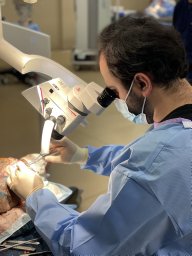 Elias Atallah合作论文数Department of Neurological Surgery, Thomas Jefferson University Hospital2Adam McCann合作论文数Dept Otolaryngol Head & Neck Surg, Univ Kansas Hlth Syst2
 Justin Turpin合作论文数Jefferson Hosp Neurosci2
 Jonathan Li合作论文数2
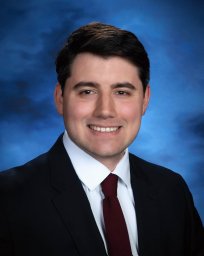 Leonard Estephan合作论文数Department of Otolaryngology-Head and Neck Surgery, Thomas Jefferson University Hospital2
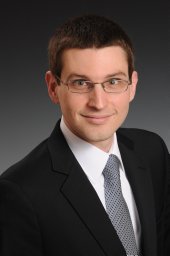 Bekelis Kimon合作论文数Neurosurg Sect, Dartmouth Hitchcock Med Ctr2




