Immunoglobulin light chain (AL) amyloidosis is characterized by the systemic deposition of light-chain-derived amyloids. Immunoglobulin M (IgM)-associated AL amyloidosis is extremely rare and clinically distinct. A 70-year-old man presented with dyspnea, bilateral pleural effusion, and mediastinal lymphadenopathy on computed tomography (CT). Amyloid was detected in a pleural effusion cell block and confirmed via an axillary lymph node biopsy. Serum studies and bone marrow findings supported IgM-λ AL amyloidosis associated with Waldenström macroglobulinemia/lymphoplasmacytic lymphoma. First-line therapy failed, but second-line therapy reduced pleural effusion, avoiding thoracentesis for one year. A pleural effusion cell block analysis enabled rapid diagnosis with minimally invasive exploration.
Pembrolizumab is an immune checkpoint inhibitor (ICI) of programmed cell death-1 category, used for treating various types of cancer. ICIs can sometimes result in immune-related adverse events. Allergic bronchopulmonary mycosis (ABPM) induced by ICI has rarely been reported. We hereby report the case of an 83-year-old woman who experienced non-Aspergillus ABPM with eosinophilia induced by pembrolizumab that had been prescribed for treating bladder cancer. Steroid monotherapy with prednisone was successful and pembrolizumab could be resumed. Through the present case report, we urge the clinicians to be aware of the potential risk of ABPM as a T-helper type 2-associated immune-related adverse event.
Pulmonary involvement associated with inflammatory bowel disease (IBD) are a rare extraintestinal manifestation (EIM) of inflammatory bowel disease (IBD), we herein presented two cases. Case 1: 53-year-old man with Crohn's disease treated with mesalazine and azathioprine. Pulmonary nodular shadows were incidentally detected on chest imaging, and revealed granulomas through transbronchial lung biopsy. Case 2: 68-year-old man with ulcerative colitis treated with mesalazine. He presented with fever and respiratory symptoms, and chest imaging showed multiple nodular infiltrates. He was diagnosed with organizing pneumonia by lung biopsy. Both cases were diagnosed to have pulmonary involvement associated with inflammatory bowel disease (IBD) according to multidisciplinary examination including positron emission tomographycomputed tomography (FDG-PET) and pathological test. Pulmonary manifestations with IBD may not always require discontinuation of drugs or additional use of steroids or immunosuppressants.
Sarcoidosis is a multisystem disease with an unknown etiology and is characterized by the formation of noncaseating granulomas in the affected organs. We present the case of a 69-year-old male Japanese patient with bilateral hilar lymphadenopathy on chest radiographs for more than 10 years, left without further investigation. The patient reported no clinical symptoms. Chest computed tomography revealed ground-glass opacities and reticular shadows in both lungs, along with bilateral hilar and mediastinal lymphadenopathy. Lymphocytosis was observed in bronchoalveolar lavage fluid. Pathological examination of transbronchial lung biopsy revealed noncaseating, epithelioid granulomas congruous with sarcoidosis, together with other findings. There were no abnormalities on electrocardiogram, echocardiogram, and ophthalmic examination. For progressive dyspnea on exertion, systemic corticosteroid therapy with oral prednisolone (25 mg/day) was initiated in 2017 and gradually tapered. Despite this intervention, the decline in forced vital capacity (FVC) was accelerated. Three years later, the patient noticed swelling in his right wrist. Further investigation revealed elevated anti-cyclic citrullinated peptide antibodies and absence of noncaseating epithelioid granuloma on surgical biopsy, leading to the diagnosis of rheumatoid arthritis (RA). Thereafter, the anti-fibrotic agent nintedanib was initiated, because interstitial lung disease (ILD) was considered to have converted into a progressive fibrosing phenotype (PF-ILD) with overlapping RA-associated lung involvement. With treatment, the progression of decline in FVC was slowed, although home oxygen therapy was introduced.
A 59-year-old woman complaining of wet cough, hemoptysis, slight fever, anorexia, and malaise was admitted to hospital with suspected lobar pneumonia. She received treatment for myocardial infarction and deep venous thrombosis caused by familial protein C deficiency. Rapid deterioration due to respiratory failure occurred despite intensive care with broad-spectrum antibiotics. At a later date, sputum examination revealed the presence of Aspergillus niger. Based on clinical and autopsy findings, she was diagnosed with acute respiratory failure due to pulmonary aspergillosis with acute fibrinous and organizing pneumonia. This is the first reported case of pulmonary aspergillosis with acute fibrinous and organizing pneumonia complicated by calcium oxalate resulting from Aspergillus niger infection, leading to severe inflammation and tissue injury in the lungs.
背景.免疫チェックポイント阻害薬によるpseudo-progressionは非小細胞肺癌患者の約5%にみられるが,免疫チェックポイント阻害薬単剤における報告がほとんどである.今回,ニボルマブ+イピリムマブ併用療法後に胸膜炎様のpseudo-progressionを認めた肺腺癌の1例を経験した.症例.70歳,男性.胸膜播種を伴う肺腺癌pT3N0M1a stage IVAに対し1次治療としてカルボプラチン+ペメトレキセド+ニボルマブ+イピリムマブを投与した.投与後から発熱,呼吸困難,CRPの上昇,患側胸水の増加を認めた.胸水ドレナージを行い,セルブロック標本でCD4陽性T細胞を主体とした豊富なリンパ球の滲出を認めた.その後症状が軽快し,化学療法継続下で胸水の再貯留を認めていないことから,免疫関連有害事象ではなく,pseudo-progressionと診断した.結論.本症例はニボルマブ+イピリムマブ併用療法後に胸膜炎様のpseudo-progressionを認めた肺癌における初めての報告である.免疫関連有害事象による胸膜炎との鑑別が重要である.
背景.免疫チェックポイント阻害薬による劇症1型糖尿病は稀な有害事象である.肺癌においては非小細胞肺癌での報告が散見される.今回,小細胞肺癌に対するデュルバルマブ投与後に劇症1型糖尿病を発症した症例を経験した.症例.71歳男性,Performance Status 1.糖尿病の既往歴なし.進展型小細胞肺癌cT4N3M1b stage IVAに対して,20XX年5月よりカルボプラチン+エトポシド+デュルバルマブ併用療法が開始された.Day 27より食欲不振,倦怠感が出現し,2コース目投与日(day 30)の検査で高血糖(761 mg/dl),尿ケトン陽性,尿中Cペプチド3.9 μg/日を認め,デュルバルマブによる劇症1型糖尿病と診断した.インスリン治療で血糖コントロールが得られた後に,カルボプラチン+エトポシド併用療法が3コース行われた.著明な治療効果が得られ,その後病状進行はみられていない.結論.小細胞肺癌に対するデュルバルマブ投与後の劇症1型糖尿病発症は稀であるが,緊急性のある免疫関連有害事象であり注意を要する.
 Masahiro Seike合作论文数6
 Akihiko Gemma合作论文数Nippon Medical School4Kenichiro Atsumi合作论文数3Takashi Hirose合作论文数3Kakeru Hisakane合作论文数3Yoshinobu Saito合作论文数3Yuto Terashima合作论文数2Yumi Sakurai合作论文数2Miyuri Suga合作论文数2Anna Hayashi合作论文数2Naoki Terashi合作论文数2Ken Okamura合作论文数2Tanaka Toru合作论文数2
 Kaoru Kubota合作论文数Division of Thoracic Oncology, National Cancer Center Hospital East2Yasuhiro Terasaki合作论文数2Kazue Fujita合作论文数2Rintaro Noro合作论文数2Koji Nagata合作论文数Dept Aerosp Engn, Nagoya Univ2Junpei Sato合作论文数1Keiki Miyadera合作论文数1Ryota Miyashita合作论文数1Hiroki Iida合作论文数1Yuki Kato合作论文数1Natsuki Takano合作论文数1Jun Omori合作论文数1Takehiro Tozuka合作论文数1
 Azuma Arata (吾妻安良太)合作论文数Department of Pulmonary Medicine and Oncology, Graduate School of Medicine, Nippon Medical School1Nishijima Nobuhiko合作论文数1Sugano Teppei合作论文数1Kure Shoko合作论文数1
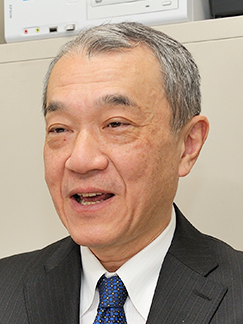 Katsuhiko Iwakiri (岩切勝彦)合作论文数Graduate School, Nippon Medical School1
 Kazuo Kasahara (笠原寿郎)合作论文数Faculty of Medicine, Kanazawa University;Department of Pulonary Medicine and Oncology, Nippon Medical School;Kanazawa University Hospital1
 Mitsuhiro Takeno合作论文数Graduate School of Medicine, Yokohama City University1Koichiro Kamio合作论文数1Shinobu Kunugi合作论文数Graduate School of Medicine, Nippon Medical School1Namiko Taniuchi合作论文数1




