Text A 78-year-old male diagnosed with oxaliplatin-associated PSVD presented at our unit for variceal bleeding. Endoscopic band ligation was employed fortreatment. Initial assessment showed a portal pressure gradient (PPG) of 21 mmHg. Subsequentgastroscopy revealed recurrent high-risk gastro-esophageal varices (GOV) and an adjacent mucosallesion histologically confirmed as focal high-grade dysplasia. In consideration of very high risk of endoscopic submucosal dissection (ESD)-related bleeding, a TIPS was positioned between the righ hepatic vein andintrahepatic branch of the right portal vein. Post-procedural PPG was 5 mmHg. TIPS was well-tolerated, with only two episodes of grade I hepatic encephalopathy reported. Two months later, nosigns of PH were endoscopically detected and the ESD was successfully performed, resulting in thecomplete removal of the sub-cardial lesion without complications.
Objectives Combined treatment of ablation and chemoembolization for hepatocellular carcinoma represents a promising therapy to increase treatment efficacy and improve patient survival. The “hug sign” is a recently introduced radiological sign consisting in deposition of beads/contrast agent during transarterial chemoembolization in the hyperemic area surrounding the post-ablation volume, seen during intraprocedural unenhanced cone-beam CT, that may indicate intraprocedural success. Aim of our retrospective study was to analyze the usefulness of the “hug sign” at the intraprocedural unenhanced cone-beam CT as an early predictor of response to combined treatment, based on the hug sign angle. Materials and methods Between January 2017 and September 2021 all patients with hepatocellular carcinoma which underwent a combined treatment of thermal ablation followed by chemoembolization were enrolled. All treated patients underwent immediate post-procedural unenhanced cone-beam CT to evaluate the deposition of contrast agent, lipiodol or radiopaque beads and to assess the percentage of coverage of the ablated area with the contrast agent (hug sign angle). Patients with missing pre-procedural, intra-procedural and/or post-procedural data/imaging, or with poor-quality post-procedural cone-beam CT images were excluded. Results 128 patients (mean age, 69.3 years ± 1.1 [standard deviation]; 87 men) were evaluated. Our study evidenced that 84.4% (81/85) of patients with a hug sign angle of 360° had no residual tumor at the first 1-/3-months follow-up examination. A hug sign angle of 360° also showed to be an independent protective factor against residual tumor at multivariate analysis. Conclusion Unenhanced cone-beam CT performed at the end of a combined treatment with ablation plus chemoembolization can effectively predict an early treatment response on radiological images, when a hug sign angle of 360° was detected.
IntroductionSplanchnic vein thrombosis (SVT) is a potentially life-threatening disease that can occur in cirrhotic and non-cirrhotic patients. Anticoagulation with heparins and vitamin K antagonists (VKA) is the mainstay of treatment. Recent studies have suggested that DOACs may offer a viable alternative in these settings, however, data on the safety and efficacy of DOACs are still limited, especially in cirrhotic patients.AimTo prospectively define the incidence of recurrence thrombosis and bleeding events during therapy with DOACs in patients with diagnosed SVT.Materials and Methods ResultsWe conducted a prospective, single-center, observational study. Consecutive cirrhotic and non-cirrhotic patients with either recent (< 6 months) or chronic SVT who started DOACs were enrolled between March to October 2023. At 1 and 3 month patients were evaluated for clinical manifestation of venous thromboembolism and bleeding. At 3 month a CT scan was performed to assess recurrence of SVT. Of the 39 patients enrolled (mean age 58, 53% males, 38% cirrhotic), 17 had a recent SVT (43.5%). Of the 22 patients with chronic SVT, 17 (77%) had a cavernous transformation. Among the 15 cirrhotic patients, 87% were Child A and 13% Child B. 21 patients (54%) started rivaroxaban,16 apixaban (41%) and 2 edoxaban (5%). All patients had a previous treatment with heparins or VKA. Cirrhotic patients had more frequently recent thrombosis (p=0,02), varices (P=0,0003) and previous episodes of variceal bleeding (P=0,002). Cirrhotic patients had lower mean level of platelets (p=0,0002) and higher mean level of bilirubin (P=0,01). No thrombotic or major bleeding events occurred at 3 month follow-up. Concerning recanalization, 22 patients (56,4%) presented stability and 17 regression of SVT. Regression of thrombosis was significantly more frequent in recent SVT (p=0,0009).ConclusionsDOACs appears as a potential alternative to standard anticoagulation for the treatment of SVT in cirrhotic and non cirrhotic patients.
Background/objectives: Insulinomas are rare, functioning pancreatic neuroendocrine neoplasms (pNEN), whose gold standard therapy is surgical resection. Endoscopic ultrasound-guided radiofrequency abla-tion (EUS-RFA) is a recent technique that has emerged as a minimally invasive therapeutic option for patients with pancreatic lesions not eligible for surgery. In this study, we aimed to describe a series of patients with unresectable pancreatic insulinoma treated with EUS-RFA.Methods: This is a single-center, retrospective study including all consecutive patients with functioning pancreatic insulinoma undergoing EUS-RFA for surgical unfitness or surgery refusal, between March 2017 and September 2021. Technical success (i.e., complete mass ablation), adverse event rate and severity, clinical and radiologic outcomes (i.e., symptom remission with a normal concentration of blood glucose, and the presence of intralesional necrosis), and post-procedural follow-up were assessed.Results: A total of 10 patients (mean age: 67.1 & PLUSMN; 10.1years; F:M 7:3) were included. The mean size of insulinoma was 11.9 & PLUSMN; 3.3 mm. Technical success and clinical remission were achieved in 100% of pa-tients. Only one (10%) patient was successfully treated with two RFA sessions. Two procedure-related early adverse events occurred, including two (20%) cases of mild abdominal pain. No major complica-tions were observed. The complete radiologic response within 3 months after EUS-RFA was observed in all patients (10 0%). After a median follow-up of 19.5 (range12-59) months, symptom remission and persistent euglycemia were assessed in all the patients.Conclusions: Data from this case series suggest that EUS-RFA is a feasible and safe therapeutic approach for pancreatic insulinomas in patients unwilling or unable to undergo surgery with medium-term efficacy.& COPY; 2023 IAP and EPC. Published by Elsevier B.V. All rights reserved.
Background: Hospital malnutrition affects nearly 30% of patients in medical wards and correlates with worse outcomes. An early assessment is necessary to stratify the risk of short-term outcomes and mortality. The predictive role of COntrolling NUTritional status (CONUT) score in this context has not yet been elucidated in Western countries. We aimed to test CONUT at admission as a predictive score of hospital outcomes, in an Internal Medicine and Gastroenterology Department of an Italian Tertiary Care University hospital. Methods: We prospectively enrolled patients admitted to our center, stratifying them into the four CONUT classes (normal = 0–1; mild = 2–4; moderate = 5–8; severe = 9–12 points) according to serum albumin (g/dL), total lymphocyte count (/mm3), and total cholesterol (mg/dL); the primary outcome measure was length of stay (LOS) and the secondary one was in-hospital mortality. Results: Out of a total of 203 patients enrolled, 44 (21.7%) patients had a normal status (0–1), 66 (32.5%) had a mild impairment (2–4), 68 (33.5%) had a moderate impairment (5–8), and 25 (12.3%) a severe impairment (9–12). The mean LOS was 8.24 ± 5.75 days; nine patients died. A moderate-severe CONUT correlated with a higher LOS at the univariate [HR 1.86 (95% CI 13.9–3.47); p < 0.0001] and multivariate analysis [HR 1.52 (95% CI 1.10–2.09); p = 0.01]. The CONUT score was also a predictor of mortality, with an AUC of 0.831 (95% CI 0.680–0.982) and with an optimal cut-off at 8.5 points. Nutritional supplementation within 48 h from admission correlated with lower mortality [OR 0.12 (95% CI 0.02–0.56) p = 0.006]. Conclusions: CONUT is a reliable and simple predictor of LOS and in-hospital mortality in medical wards.
Background: Refeeding syndrome (RS) is a neglected, potentially fatal syndrome that occurs in malnourished patients undergoing rapid nutritional replenishment after a period of fasting. The American Society for Parenteral and Enteral Nutrition (ASPEN) recently released new criteria for RS risk and diagnosis. Real-life data on its incidence are still limited. Methods: We consecutively enrolled patients admitted to the Internal Medicine and Gastroenterology Unit of our center. The RS risk prevalence and incidence of RS were evaluated according to ASPEN. The length of stay (LOS), mortality, and re-admission rate within 30 days were assessed. Results: Among 203 admitted patients, 98 (48.3%) were at risk of RS; RS occurred in 38 patients (18.7% of the entire cohort). Patients diagnosed with RS had a higher mean LOS (12.5 days ± 7.9) than those who were not diagnosed with RS (7.1 ± 4.2) (p < 0.0001). Nine patients (4.4%) died. Body mass index (OR 0.82; 95% CI 0.69–0.97), RS diagnosis (OR 10.1; 95% CI 2.4–42.6), and medical nutritional support within 48 h (OR 0.12; 95% CI 0.02–0.56) were associated with mortality. Conclusions: RS incidence is high among clinical wards, influencing clinical outcomes. Awareness among clinicians is necessary to identify patients at risk and to support those developing this syndrome.
Background: Contrast-enhanced ultrasound (CEUS) with second-generation contrast agents performed 1 month after hepatocellular carcinoma (HCC) treatment is almost as sensitive as contrast-enhanced computed tomography (CECT) in depicting the residual tumor. However, the efficacy of CEUS performed early after the procedure is still debated. Aim: We evaluated the diagnostic accuracy (DA) of CEUS for the assessment of tumor response shortly after locoregional therapy in patients with unresectable HCC. Methods: Ninety-four patients with 104 HCC lesions who were scheduled to receive percutaneous ethanol injection, radiofrequency ablation, transcatheter arterial chemoembolization, or combined treatment were enrolled in this study. With CECT at 1-month as the reference standard, the DA of CEUS performed 48-h after the procedure was evaluated. Patients were followed-up to look for tumor or disease progression. Results: Based on CECT findings, 43/104 lesions were diagnosed as having residual viability after 1 month. CEUS performed 48 h after treatment detected residual tumor in 34/43 nodules with treatment failure at CECT with a sensitivity, specificity, positive predictive value, negative predictive value, and accuracy of 79.1, 96.7, 94.4, 86.8, and 89%, respectively. There was a high degree of concordance between CEUS and CECT (kappa coefficient = 0.78). A hyperemic halo was detectable in 35 lesions without a statistically significant difference between concordant and discordant cases. In patients with uninodular disease responders according to 48 h CEUS had a significantly longer mean overall survival and time to progression compared to nonresponders. Conclusion: CEUS performed 48 h after treatment can be considered a reliable modality for the evaluation of the real extent of necrosis and has prognostic value in the assessment of HCC.
BACKGROUND AND AIMS:To date, no study has explored the potential role of ElastPQ, a novel point-SWE technique, in the assessment of clinically significant portal hypertension. The aim of our study was to determine a liver stiffness (LS) cut-off value measured by ElastPQ and laboratory parameters that could help to identify those patients who can safely avoid screening endoscopy. METHODS:Data were collected on 1422 patients who underwent ElastPQ measurement from January 2013 to January 2016 in our Department. Inclusion criteria were a LS value of ≥7 kPa, an upper gastrointestinal endoscopy within 12 months and a diagnosis of compensated chronic liver disease. Exclusion criteria were history of decompensated liver disease, evidence of porto-spleno-mesenteric vein thrombosis and non-cirrhotic portal hypertension. Varices were graded as low-risk varices (grade <2) or varices needing treatment (VNT, grade ≥2). RESULTS:The study included 195 patients (120 [61%] HCV, 171 [88%] Child-Pugh A). Varices were present in 35% cases, with 10% prevalence of VNT. According to ROC curve analysis, LS measurement and platelet count were evaluated as predictors of VNT. Overall, 75/195 (38%) met the 'BAVElastPQ' criteria (that is, LS < 12 kPa and platelet count >150 000/μL). Within this group, 11/75 (15%) had any grade of varices and only 1/75 (1%) had VNT. The BAVElastPQ criteria gave sensitivity of 0.95, specificity of 0.42, positive predictive value of 0.15 and negative predictive value of 0.99. CONCLUSIONS:The BAVElastPQ criteria correctly identified 99% of patients without VNT. By applying such criteria, we could have potentially avoided 38% of surveillance endoscopies in our cohort.
Hepatocellular carcinoma is one of the most frequent malignant tumors worldwide: Portal vein tumor thrombosis (PVTT) occurs in about 35%-50% of patients and represents a strong negative prognostic factor, due to the increased risk of tumor spread into the bloodstream, leading to a high recurrence risk. For this reason, it is a contraindication to liver transplantation and in several prognostic scores sorafenib represents its standard of care, due to its antiangiogenetic action, although it can grant only a poor prolongation of life expectancy. Recent scientific evidences lead to consider PVTT as a complex anatomical and clinical condition, including a wide range of patients with different prognosis and new treatment possibilities according to the degree of portal system involvement, tumor biological aggressiveness, complications caused by portal hypertension, patient’s clinical features and tolerance to antineoplastic treatments. The median survival has been reported to range between 2.7 and 4 mo in absence of therapy, but it can vary from 5 mo to 5 years, thus depicting an extremely variable scenario. For this reason, it is extremely important to focus on the most adequate strategy to be applied to each group of PVTT patients.
Purpose: This study was designed to assess the feasibility and safety of a single-step combined therapy using radiofrequency ablation and transarterial chemoembolization (RFA + TACE) in patients with hepatocellular carcinoma (HCC) and uncontrolled coagulopathy. The study also aimed to compare the effectiveness of this approach with TACE alone, performed in a control group. Material and methods: One hundred and forty-three consecutive cirrhotic patients having a single HCC < 8 cm were enrolled in this observational prospective single-center study from January 2010 to June 2017 and were divided, according to coagulation tests, into three groups (A: low risk; B: intermediate risk and C: high risk of bleeding). The feasibility and safety of a single-step combined treatment (RFA followed by TACE) were evaluated in terms of technical success rate, periprocedural complications, and laboratory values variations. Tumor response obtained at 1-month CT follow-up for group C was compared with that of control group, composed by 16 matched patients with severe coagulopathy and single HCC < 8 cm, who underwent only TACE in a previous period, performed by the same operator. Results: Technical success was achieved in all patients, without any major complications. Minor complications rate was significantly higher in group C after RFA; however, the patients were successfully treated with subsequent TACE therapy, without any differences between pre- and post-procedural laboratory values. One-month complete response rates were similar in all the three groups; however, the response rates of group C were significantly higher as compared to that of the control TACE Group (p < .001). Conclusion: The single-step RFA plus TACE therapy allows expansion of the indication for percutaneous thermal ablation, allowing to also include cases previously contraindicated due to the procedural high-risk of complications associated with bleeding, thus improving short-term patient outcome.
BACKGROUND:In liver cirrhosis, the renin-angiotensin-aldosterone system is involved in the pathogenesis of portal hypertension. Its effector, angiotensin II, is generated by angiotensin-converting enzyme (ACE). Serum ACE levels are affected by I/D polymorphism of its gene, with alleles I and D being associated, respectively, with lesser and greater activity of the enzyme. In cirrhotic patients carrying the ACE I allele, an increased risk for gastro-oesophageal varices was observed.AIM:The aim of our study was to evaluate whether ACE I/D polymorphism influenced portal pressure.METHODS:Fifty-one consecutive cirrhotic patients were divided based on ACE genotype (DD, ID, and II). Kidney and liver function tests, upper endoscopy, and hepatic venous pressure gradient measurement (HVPG) were performed in all patients.RESULTS:The presence of the ACE I allele was associated with a higher HVPG value (18.7±6.4 vs 10.3±6.3mmHg; P<.001), higher frequency of large gastrooesophageal varices (59.3% vs 25.0%; P<.05), and higher frequency of variceal bleeding (63.0% vs 29.2%; P<.05). No significant differences were found between patients with and those without the ACE I allele regarding Child-Pugh score, MELD score, ascites, and hepatic encephalopathy.CONCLUSION:ACE I/D polymorphism seems to influence the severity of portal hypertension and the risk of variceal bleeding in liver cirrhosis, regardless of the severity of liver disease.
The small bowel only rarely develops malignant or even benign tumors, involving merely 3% among neoplasms of the digestive tract, often undiagnosed. Inherited syndromes can justify an increased incidence of small intestinal adenocarcinomas, carcinoid tumors, primary lymphomas, mesenchymal tumors and benign lesions. Melanoma is a malignant neoplasm developing from melanocytes, inhabiting the skin and the alimentary tract, as well. Hereby, we describe a complicate case of recurrent melanoma.
Introduction: Hepatocellular carcinoma (HCC) is one of the most frequent malignant tumors with 854,000 new cases per year and represents the second most frequent cause of cancer-death. Despite surveillance, the number of patients that are diagnosed at a stage in which they are eligible for curative treatments ranges from 30% to 60%. Advanced HCC (BCLC-C) is characterized by a median survival of 6 months. Sorafenib, the first systemic drug proven to be effective in prolonging survival of unresectable HCC, was approved by the FDA in 2007 but no second-line treatment was available for a decade for patients progressing on sorafenib. Finally, in 2016, the RESORCE trial demonstrated regorafenib as an effective second-line treatment. Areas covered: In this manuscript, the authors review the principal preclinical and clinical trials on regorafenib used in the treatment of unresectable HCC patients progressing on sorafenib and highlight both the advantages and the limitations of this drug. Expert opinion: Regorafenib is the only second-line treatment available for patients progressing on sorafenib. Despite its promising clinical application, many doubts still remain, necessitating further investigation to explore the tolerability of this drug in Child-Pugh B and sorafenib-intolerant patients, while its scarce cost-effectiveness must also be improved.
AIM To characterize the survival of cirrhotic patients with Barcelona Clinic Liver Cancer (BCLC) stage C hepatocellular carcinoma (HCC) and to ascertain the factors predicting the achievement of disease control (DC). METHODS The cirrhotic patients with BCLC stage C HCC evaluated by the Hepatocatt multidisciplinary group were subjected to the investigation. Demographic, clinical and tumor features, along with the best tumor response and overall survival were recorded. RESULTS One hundred and ten BCLC stage C patients were included in the analysis; the median overall survival was 13.4 mo (95%CI: 10.6-17.0). Only alphafetoprotein (AFP) serum level > 200 ng/mL and DC could independently predict survival but in a time dependent manner, the former was significantly associated with increased risk of mortality within the first 6 mo of follow-up (HR = 5.073, 95%CI: 2.159-11.916, P = 0.0002), whereas the latter showed a protective effect against death after one year (HR = 0.110, 95%CI: 0.038-0.314, P < 0.0001). Only patients showing microvascular invasion and/or extrahepatic spread recorded lower chances of achieving DC (OR = 0.263, 95%CI: 0.111-0.622, P = 0.002). CONCLUSION The BCLC stage C HCC includes a wide heterogeneous group of cirrhotic patients suitable for potentially curative treatments. The reverse and time dependent effect of AFP serum level and DC on patients’ survival confers them as useful predictive tools for treatment management and clinical decisions.
The new direct acting antivirals (DAAs), defined as those drugs that are effective in combinations without interferon, have totally changed HCV treatment and probably in few years will also totally change global landscape of advanced liver diseases. The advantage of DAAs is a low-risk/high-benefit ratio. Although overall adverse events during DAAs treatment are limited in frequency and severity, some toxicity issues emerged during the first years of real-life experience with these drugs. Another peculiar characteristic of present DAAs is a high probability of interaction with other "common-use" drugs, such as anti-hypertensive, anti-platelet, antiarrhythmic and cholesterol lowering agents. Above all, special attention should be paid in older patients and in those belonging to special populations, who more frequently require the concomitant use of polytherapy.
 Massimo Siciliano合作论文数Internal Medicine and Gastroenterology Unit, Sacred Heart Catholic University113
 Antonio Gasbarrini合作论文数Department of Internal Medicine, Gemelli Hospital of Rome, School of Medicine of Rome, Cathlolic University of Milan93
 Maurizio Pompili合作论文数Dipartimento di Neuroscienze Salute Mentale e Organi di Senso, Sapienza Università di Roma61Maria Assunta Zocco合作论文数Department of Internal Medicine and Gastroenterology, University of Göttingen59Matteo Garcovich合作论文数Department of Internal Medicine, Catholic University43Gian Ludovico Rapaccini合作论文数39
 Antonio Grieco合作论文数37
 Francesca Romana Ponziani合作论文数36
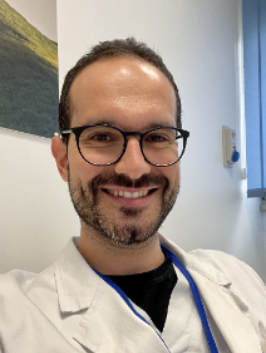 Emanuele Rinninella合作论文数Department of Translational Medicine and Surgery, Università Cattolica Del Sacro Cuore;Faculty of Medicine and Surgery, Università Cattolica Del Sacro Cuore35V. Cesario合作论文数35L. Riccardi合作论文数Department of Internal Medicine, Catholic University of Rome34Salvatore Agnes合作论文数30F.R. Ponziani合作论文数28
 Roberto Iezzi合作论文数Sezione di Scienze Radiologiche, Università degli Studi “G. d’Annunzio”,28
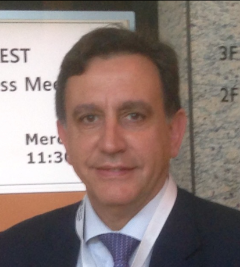 Alfonso Wolfango Avolio合作论文数Department of Medicine and Translational Surgery, Faculty of Medicine and Surgery, Università Cattolica del Sacro Cuore25Maria Elena Ainora合作论文数Gemelli Hospital, Catholic University of Rome24Giuseppe Caracciolo合作论文数24Teresa Antonella Di Rienzo合作论文数21
 Federico Barbaro合作论文数21Anna Maria De Gaetano合作论文数Fondazione Policlinico Universitario Agostino Gemelli IRCCS, Università Cattolica del Sacro Cuore20Campanale Mariachiara合作论文数18
 Annalisa Tortora合作论文数Department of Internal Medicine, Catholic University of Rome17Gianluigi Caracciolo合作论文数16Davide Roccarina合作论文数16
 Felice Giuliante合作论文数15Manuela Campanale合作论文数14G. Bombardieri合作论文数13Silvia Pecere合作论文数12De Gaetano A M合作论文数11Gennaro Nuzzo合作论文数11
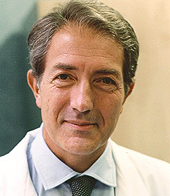 Lorenzo Bonomo合作论文数Universita Cattolica del Sacro Cuore11F. D'Aversa合作论文数10G. Gigante合作论文数10Giovanni Gigante合作论文数10D'Aversa Francesca合作论文数9Alessandro Milani合作论文数9G.B. Gasbarrini合作论文数8michele la torre合作论文数8
 La Torre Marco合作论文数Dept Gen Surg, Univ Roma La Sapienza8
 Angelo Andriulli合作论文数Department of Gastroenterology, IRCCS Ospedale Casa Sollievo della Sofferenza;Division of Gastroenterology and Gastrointestinal Endoscpy, IRCCS Ospedale Casa Sollievo della Sofferenza;Ospedale Ordine Mauriziano di Torino, Umberto I8
 Enrico Di Stasio合作论文数Institute of Biochemistry and Clinical Biochemistry, Catholic University School of Medicine8A Milani合作论文数7Maria Elena Riccioni合作论文数7
 Luca Miele合作论文数Policlinico Gemelli Hospital, Catholic University of the Sacred Heart7
 Gianluca Ianiro合作论文数6Giovanni B. Gasbarrini合作论文数6A Lupascu合作论文数6Giovanni Gasbarrini合作论文数Catholic University of Rome, School of Medicine, Italy,6




