A 14-day rat study with plasma metabolomics was conducted to evaluate the toxicity of Benzene. Wistar rats were orally administered Benzene daily at doses of 0, 300 and 1000 mg/kg bw. The study identified liver and kidneys as target organs of Benzene toxicity and found reductions in total white blood cells, absolute lymphocyte and eosinophil cell counts, and increased relative monocyte counts suggesting bone marrow as a target organ. The study also confirmed liver as a target organ using metabolomics, which showed indications of a stress reaction in rats and changes in metabolites suggestive of a metabolic disorder. The metabolomics investigations did not find any other toxicologically relevant modes of action, and the observed metabolite changes were not associated with markers for mitochondrial dysfunction. The study concludes that integration of omics technologies, such as metabolomics, in regulatory toxicity studies is possible, confirms existing knowledge and adds additional information that can be used for mechanistic understanding of observed toxicity.
Structure-based grouping of chemicals for targeted testing and read-across is an efficient way to reduce resources and animal usage. For substances of unknown or variable composition, complex reaction products, or biological materials (UVCBs), structure-based grouping is virtually impossible. Biology-based approaches such as metabolomics could provide a solution. Here, 15 steam-cracked distillates, registered in the EU through the Lower Olefins Aromatics Reach Consortium (LOA), as well as six of the major substance constituents, were tested in a 14-day rat oral gavage study, in line with the fundamental elements of the OECD 407 guideline, in combination with plasma metabolomics. Beyond signs of clinical toxicity, reduced body weight (gain), and food consumption, pathological investigations demonstrated the liver, thyroid, kidneys (males only), and hematological system to be the target organs. These targets were confirmed by metabolome pattern recognition, with no additional targets being identified. While classical toxicological parameters did not allow for a clear distinction between the substances, univariate and multivariate statistical analysis of the respective metabolomes allowed for the identification of several subclusters of biologically most similar substances. These groups were partly associated with the dominant (> 50%) constituents of these UVCBs, i.e., indene and dicyclopentadiene. Despite minor differences in clustering results based on the two statistical analyses, a proposal can be made for the grouping of these UVCBs. Both analyses correctly clustered the chemically most similar compounds, increasing the confidence that this biological approach may provide a solution for the grouping of UVCBs.
While grouping/read-across is widely used to fill data gaps, chemical registration dossiers are often rejected due to weak category justifications based on structural similarity only. Metabolomics provides a route to robust chemical categories via evidence of shared molecular effects across source and target substances. To gain international acceptance, this approach must demonstrate high reliability, and best-practice guidance is required. The MetAbolomics ring Trial for CHemical groupING (MATCHING), comprising six industrial, government and academic ring-trial partners, evaluated inter-laboratory reproducibility and worked towards best-practice. An independent team selected eight substances (WY-14643, 4-chloro-3-nitroaniline, 17α-methyl-testosterone, trenbolone, aniline, dichlorprop-p, 2-chloroaniline, fenofibrate); ring-trial partners were blinded to their identities and modes-of-action. Plasma samples were derived from 28-day rat tests (two doses per substance), aliquoted, and distributed to partners. Each partner applied their preferred liquid chromatography–mass spectrometry (LC–MS) metabolomics workflows to acquire, process, quality assess, statistically analyze and report their grouping results to the European Chemicals Agency, to ensure the blinding conditions of the ring trial. Five of six partners, whose metabolomics datasets passed quality control, correctly identified the grouping of eight test substances into three categories, for both male and female rats. Strikingly, this was achieved even though a range of metabolomics approaches were used. Through assessing intrastudy quality-control samples, the sixth partner observed high technical variation and was unable to group the substances. By comparing workflows, we conclude that some heterogeneity in metabolomics methods is not detrimental to consistent grouping, and that assessing data quality prior to grouping is essential. We recommend development of international guidance for quality-control acceptance criteria. This study demonstrates the reliability of metabolomics for chemical grouping and works towards best-practice.
HepG2 cells biospecific extraction method and high performance liquid chromatography-electrospray ionization-mass spectrometry (HPLC-ESI-MS) analysis was proposed for screening of potential antiatherosclerotic active components in Bupeuri radix, a well-known Traditional Chinese Medicine (TCM). The hypothesis suggested that when cells are incubated together with the extracts of TCM, the potential bioactive components in the TCM should selectively combine with the receptor or channel of HepG2 cells, then the eluate which contained biospecific component binding to HepG2 cells was identified using HPLC-ESI-MS analysis. The potential bioactive components of Bupeuri radix were investigated using the proposed approach. Five compounds in the saikosaponins of Bupeuri radix were detected as these components selectively combined with HepG2 cells, among these compounds, two potentially bioactive compounds namely saikosaponin b1 and saikosaponin b2 (SSb2) were identified by comparing with the chromatography of the standard sample and analysis of the structural clearance characterization of MS. Then SSb2 was used to assess the uptake of DiI-high density lipoprotein (HDL) in HepG2 cells for antiatherosclerotic activity. The results have showed that SSb2, with indicated concentrations (5, 15, 25, and 40 μM) could remarkably uptake dioctadecylindocarbocyanine labeled- (DiI) -HDL in HepG2 cells (Vs control group, *P < 0.01). In conclusion, the application of HepG2 biospecific extraction coupled with HPLC-ESI-MS analysis is a rapid, convenient, and reliable method for screening potential bioactive components in TCM and SSb2 may be a valuable novel drug agent for the treatment of atherosclerosis.
A novel high throughput-enabled human cell based screen, Anthem's Genotoxicity screen, was developed to achieve higher specificity for predicting in vivo genotoxins by an in vitro method. The assay employs engineered human colon carcinoma cell line; HCT116 cells that are stably engineered with three promoter–reporter cassettes such that an increased reporter activity reflects the activation of associated signaling events in a human cell. The current study focuses on the evaluation of sensitivity and specificity of Anthem's Genotoxicity screen using 62 compounds recommended by the European Centre for the Validation of Alternative Methods (ECVAM). The concordance of Anthem's Genotoxicity screen with in vivo tests was 95.5% with sensitivity of 95.2% and specificity of 95.7%. Thus Anthem's Genotoxicity screen, a high-throughput mechanism based genotox indicator test can be employed by a variety of industries for rapid screening and early detection of potential genotoxins.
Human milk is considered to be the ideal food for infants. Accurate, representative, and up-to-date nutrient composition data of human milk are crucial for the management of infant feeding, assessment of infant and maternal nutritional needs, and as a guide for developing infant formula. Currently in the United States, the nutrient profiles of human milk can be found in the USDA National Nutrient Database for Standard Reference, and in books or review articles. Nonetheless, these resources all suffer major drawbacks, such as being outdated, incomplete profiles, limited sources of data, and uncertain data quality. Furthermore, no nutrient profile was developed specifically for the US population. The purposes of this review were to summarize the current knowledge of human milk nutrient composition from studies conducted in the United States and Canada, and to identify the knowledge gaps and research needs. The literature review was conducted to cover the years 1980–2017, and 28 research papers were found containing original data on macronutrients and micronutrients. Most of these 28 studies were published before 1990 and mainly examined samples from small groups of generally healthy lactating women. The experimental designs, including sampling, storage, and analytic methods, varied substantially between the different studies. Data of several components from these 28 studies showed some consistency for 1–6 mo postpartum, especially for protein, fat, lactose, energy, and certain minerals (e.g., calcium). The data for 7–12 mo postpartum and for other nutrients are very scarce. Comprehensive studies are required to provide current and complete nutrient information on human milk in the United States.
MDMA consumers are young people of childbearing age. Consequently, developmental exposure to this drug is a potential public health concern. Several studies have addressed MDMA neurotoxicity in adults; however, knowledge of the effects of MDMA on developing embryos is limited. After administration, MDMA is metabolized species specifically via two main pathways. One leads to the formation of MDA and the other to the formation of HHMA. Here we evaluated the embryotoxic effects of MDMA, and also those of MDA, a main metabolite of MDMA in rats, and HHMA, a main metabolite in humans. For this purpose, we used the whole embryo culture (WEC). Our results show a concentration-dependent embryotoxic effect of MDMA, MDA and HHMA at a concentration range of 25–50μg/ml. The embryotoxic potential of the parent compound and the two metabolites was comparable in vitro.
The Threshold Toxicological Concern (TTC) is based on the concept that reasonable assurance of safety can be given if exposure is sufficiently low. We report on the evaluation of BASF's data for oral developmental toxicity studies in rabbits with 48 NOAEL values for maternal and developmental toxicity. The 5th percentile of the NOAEL distributions was calculated to be 5mg/kgbw/d for both maternal and developmental toxicity. From literature 56 compounds tested in rabbits were taken and combined with values from BASF's studies. The 5th percentile value for developmental toxicity of these 104 studies (mostly active ingredients) was 2mg/kgbw/d. Thus, a TTC value of 4μg/kgbw/d was calculated using a safety factor of 500 to account for relatively small database. This value is in the same range as the TTC value for developmental toxicity in rats of 8μg/kgbw/d. The lower value may serve as guidance to determine whether further evaluation is needed or whether to rely on a TTC value for industrial chemicals or low concentration (environmental) contaminants if exposure is sufficiently low. A comparison of 30 compounds tested at BASF in both species, suggests that rabbits are not more sensitive than rats. We encourage others to publish data on rabbit developmental toxicity.
The number of candidate chemicals or drugs for registration and authorization is increasing at a fast rate and only few of the existing substances have been tested for teratogenicity to date. Therefore, there is high pressure on authorities to accept models like the whole embryo culture as a screening system for safety evaluation procedures. In view of this background the gradual development of the whole embryo culture into a standardized, scientifically validated tool for developmental toxicology during the last 70 years is summarized. The methodological development of the culture technique is described with the completion, improvement and refinement of the basic culture method as main intention. Special attention was paid to different culture techniques, culture media, gassing schedules, and evaluation strategies. Furthermore the importance of taking "in vitro pharmacokinetics" into consideration when a comparison of in vitro/in vivo results from embryotoxicity testing is intended, is stressed. Additionally, the demonstration of the broad spectrum of useful scientific applications when using this culture system in combination with sophisticated analytical techniques is demonstrated. Finally, an overview on different strategies for the validation of this culture system as an in vitro embryo toxicity test is provided and the officially accepted formal validation process for this application is summarized. The successful validation makes the whole embryo culture a complex in vitro embryotoxicity test with high accuracy and predictability. This robust in vitro system modelling the main phase of rodent organogenesis with a high reproducibility is valuable enough to attract special attention in related scientific fields.
 Bennard Van Ravenzwaay合作论文数14
 B. Birk合作论文数9Robert Landsiedel合作论文数Institute of Pharmacy, Department of Biology, Chemistry, Pharmacy, Free University of Berlin9V. Giri合作论文数6
 Hennicke Kamp合作论文数BASF Metabolome Solutions GmbH5F. Faulhammer合作论文数4
 Saskia Sperber合作论文数4N. Roth合作论文数4
 Neslihan Aygun Kocabas合作论文数Laboratoire de Neurologie Expérimentale, Université Libre de Bruxelles4Martijn Rooseboom合作论文数Leiden/Amsterdam Center for Drug Research (LACDR),, Vrije Universiteit4H. A. Huener合作论文数3E. Rushton合作论文数3Synhaeve Nicholas合作论文数3M Penman合作论文数2P. Demuth合作论文数2T. Ramirez合作论文数2A. Verlohner合作论文数2tilmann b walk合作论文数2Volker Haake合作论文数2
 Marta Barenys合作论文数2
 Martin Paul合作论文数Institute of Clinical Pharmacology and Toxicology, Charité University Medical School2M. Herold合作论文数1M. Bouhifd合作论文数1F. Zickgraf合作论文数1A. Kende合作论文数1E. Amstalden合作论文数1P. Driemert合作论文数1G. Schoenfelder合作论文数1M. Dammann合作论文数1T. Sobanski合作论文数1jesus joglar tamargo合作论文数1B. Hidding合作论文数1F.M. Zickgraf合作论文数1D. Funk-Weyer合作论文数1CE Talsness合作论文数1Jonathan D Mosley合作论文数1Martina Dammann合作论文数1I Chahoud合作论文数1C Sands合作论文数1S. Schneider合作论文数1N. Stein合作论文数1X Jiang合作论文数1
 Juan M. Llobet Mallafre合作论文数Departament de Farmacologia, Universitat de Barcelona1
 Toby J Athersuch合作论文数Dept Surg & Canc, Univ London Imperial1
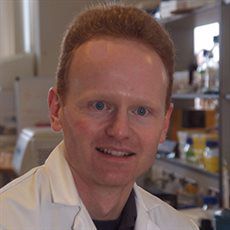 Mark Viant合作论文数School of Biosciences, University of Birmingham;Centre for Environmental Research and Justice;Michabo Health Science Ltd;Environmental Metabolomics Research Laboratory, University of Birmingham1Boix Nuria合作论文数1Stefan Scholz合作论文数Department of Bioanalytical Ecotoxicology, UFZ–Helmholtz Centre for Environmental Research1R. Buesen合作论文数1
 Markus Wehland合作论文数Institute of Clinical Pharmacology and Toxicology Campus, Charité University1




