Research on language modeling for speech recognition has increasingly focused on the application of neural networks.Two competing concepts have been developed: On the one hand, feedforward neural networks representing an ngram approach, on the other hand recurrent neural networks that may learn context dependencies spanning more than a fixed number of predecessor words.To the best of our knowledge, no comparison has been carried out between feedforward and state-of-the-art recurrent networks when applied to speech recognition.This paper analyzes this aspect in detail on a well-tuned French speech recognition task.In addition, we propose a simple and efficient method to normalize language model probabilities across different vocabularies, and we show how to speed up training of recurrent neural networks by parallelization.
The characterization of monoclonal antibodies raised against the foot-and-mouth disease virus isolates A22 Iraq/1964, Asia1 Shamir-Israel/1989, and SAT1 Zimbabwe/1989 with regard to neutralizing activity and sensitivity of their epitopes for treatment with trypsin, resulted in the identification of one non-neutralizing antibody in each panel that binds to a trypsin-sensitive epitope. Furthermore, each of these antibodies recognized 27 isolates of different provenance, representative of six serotypes. These antibodies are recommended for type-independent antigen detection by ELISA. The epitopes for these antibodies reside at the intertypically conserved N-terminus of capsid protein VP2. The two are specified by the lysines at positions two and three, but differ from each other as indicated by the variable heavy chain sequences of their antibodies.
The capsid protein encoding genes of five recent type Asia1 foot-and-mouth disease virus isolates, representative of three genotypes, were sequenced. The deduced amino acid sequences were aligned to each other and to two published sequences. The sequence differences suggested different antigenic properties of the isolates. One isolate was used to generate monoclonal antibodies (mAbs) which were analyzed for neutralizing activity and reactivity with trypsinized virus. Trypsin removes the major antigenic sites located at VP1. The five virus isolates formed three reaction patterns with the mAbs, irrespective of their genotype. Combination of all data allowed to suggest the location of the epitope of each antibody: the VP1 G-H and the VP2 B-C loop, the VP3 B-B knob, and the N-terminus of VP2, respectively, were involved.
The sequences of the antigenically relevant capsid proteins VP1-3 of 10 isolates obtained during an epizootic of serotype A foot-and-mouth disease virus in Iran, and collected within two and a half years, were found to be highly similar. However, each isolate differed by at least one amino acid from all others. This prompted us to analyze the immunological reactivity of the isolates. To this end, monoclonal antibodies (mAbs) against one isolate were generated and characterized with regard to neutralizing activity and reactivity with trypsinized virus. These mAbs as well as others raised against A22 virus were used for antigen profiling. This distinguished four antigenic conditions among the isolates and 16 reactivities among the mAbs. These findings, together with the observed sequence differences indicated the location of several epitopes. Many mAbs recognized the minor antigenic sites on VP2 and 3 and some the major site, the GH-loop of VP1. One epitope was composed of residues of the capsid proteins VP1 and 2.
 Otfried Marquardt合作论文数3A Saalmuller合作论文数1Eberhard Pfaff合作论文数1
 Md. Mamunur Rahman合作论文数Department of Entomology, Faculty of Agriculture, Gazipur Agricultural University1
 Martin Sundermeyer合作论文数Google1
 Hermann Ney合作论文数RWTH Aachen University1
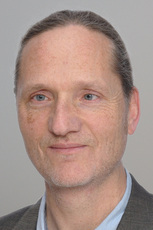 Ralf Schlüter合作论文数Department of Computer Science, Faculty of Computer Science, Mathematics and Natural Sciences, RWTH Aachen University1
 Jean-Luc Gauvain合作论文数Spoken Language Processing Group, Laboratoire d'Informatique Pour la Mécanique et Les Sciences de l'Ingénieur - CNRS1B Höhlich合作论文数1
 Ilya Oparin合作论文数Speech Technology Center1Bernd Haas合作论文数1




