4578 Background: The electrocardiographic QT interval measures ventricular repolarization, and, if prolonged, may predispose to arrhythmias and sudden death. Preclinically, testosterone (T) deficiency may prolong the QT interval. However, the effect of hormone treatments (HTs) for prostate cancer which induce androgen deficiency (AD) has not been well studied. METHODS Three randomized Phase III studies were conducted that compared the GnRH antagonist abarelix to either goserelin plus bicalutamide (G+B) (Study 1); leuprolide (L) monotherapy (Study 2; Urology 58:756, 2001); or L plus B (L+B) (Study 3; J. Urol 167:1670, 2002) in patients (pts) with prostate cancer undergoing initial HT and included pts with Stage D1/D2 disease, rising PSA, intermittent HT or neoadjuvant HT. Study 1 prospectively evaluated data from 177 pts; Studies 2 and 3 retrospectively evaluated 299 of 520 treated pts. Barzett and Fredericia QT intervals (QTcB, QTcF) were measured at baseline (BL), days(D) 84 and 336 of treatment in Study 1; and at BL and D 169 in Studies 2 and 3. RESULTS [Formula: see text] (ng/mL) at BL, D 85 and 336 in Study 1: G+B: 347; 23; 26, respectively; abarelix: 316, 23, 35. In Studies 2 and 3, T levels at BL and D169: L: 342, 9; L+B: 358, 13; abarelix (pooled): 361,14, respectively. [Formula: see text] at BL and median change from BL on study are: Study 1: G+B: 402, +18; abarelix: 407, +13 (p=0.018 t-test; 0.015 Wilcoxon rank sum). Study 2 and 3: L: 413, +21; L+B: 417, +9; abarelix: 410, +12 (p values from pairwise comparisons, all NS). [Formula: see text]: Study 1: G+B: 46%; abarelix: 39%; Studies 2 and 3: L: 27%; L+B: 26%; abarelix: 17%. [Formula: see text] Study 1: G+B: 8%; abarelix: 2%; Studies 2 and 3: L: 6%; L+B: 0%; abarelix: 4%. CONCLUSIONS HTs which induce AD are all associated with prolongation of the QT interval. These findings should be considered in assessing the risk and benefit of HT, especially in those with BL QT values of >450 msec and who are taking Class IA or III antiarrhythmics. [Table: see text].
the CPR for those with a score that was >2 was 20%.These differences were not statistically significant.There was a trend towards a lower pregnancy rate in patients aged >35, those with endometriosis, those who underwent 01, and patients having higher Kerin and Brosen scores, although these differences did not reach statistical significance (P values = 0.67, 0.66).Kerin and Brosen scores were highly correlated (Spearman rank correlation, I = 0.81).Conclusions: Both salpingoscopic scoring systems showed a high correlation with one another.As a result, adoption of a universally accepted scoring system should be easily achieved.A diagnosis of endometriosis and higher salpingoscopy scores were associated with lower pregnancy rates.PI1 SO015
Prostate and bladder carcinoma are, in large part, diseases of older adults, and they are discussed in this context. Pathology, diagnosis, and staging are reviewed. Surgical and medical approaches to these malignancies, and the limitations of these approaches, are highlighted. Renal cell carcinoma, while a relatively rare neoplasm, remains a formidable challenge: approximately 50% of patients die within 5 years of diagnosis. Advances in molecular genetics and histopathologic classification, as well as surgical management and investigational therapies, are emphasized.
 Malcolm L. Gefter合作论文数10
 John P. Richie合作论文数American Health Foundation, Valhalla, NY 10595 U.S.A.9
 Jerome P. Richie合作论文数Brigham and Women's Hospital/Harvard Medical School8gary musso合作论文数5howard benjamin合作论文数5arvind hundal合作论文数5laura kasman合作论文数5Wakefield James D合作论文数5Mark A. Findeis合作论文数5Paul C. Stomper合作论文数5Christopher J. Molineaux合作论文数5Ethan R. Signer合作论文数5LA KALISH合作论文数4michael shawn kelley合作论文数3E Frei合作论文数3Gs Lederman合作论文数3Gp Canellos合作论文数3Socinski Mark A合作论文数3
 Philip Kantoff合作论文数Department of Medicine, Memorial Sloan Kettering Cancer Center3William R. Fair合作论文数Oncology Research Laboratory, Memorial Sloan-Kettering Cancer Center3Jung-Ja Lee合作论文数3Marilyn Campion合作论文数3Susan M. Molineaux合作论文数3Bernice Kuca合作论文数3Joseph Chin合作论文数3William L. Kubasek合作论文数3Geoffrey R. Weiss合作论文数3PP RIEKER合作论文数2Mm Kaplan合作论文数2ENSMINGER WILLIAM D合作论文数2GD STEELE合作论文数2Cy Fung合作论文数2WD KAPLAN合作论文数2WE FINE合作论文数2michael j reed合作论文数2M Israel合作论文数2
 Robert Edward Scully合作论文数Harvard Medical School;Massachusetts General Hospital2P. Reed Larsen合作论文数Division of Endocrinology, Diabetes and Hypertension, Brigham and Women's Hospital;Dana-Farber Cancer Institute;Department of Medicine, Harvard Medical School, Harvard University2Richie J P合作论文数2Canellos G P合作论文数2
 James D. Griffin合作论文数Department of Medical Oncology, Dana-Farber Cancer Institute;Harvard Medical School, Harvard University2
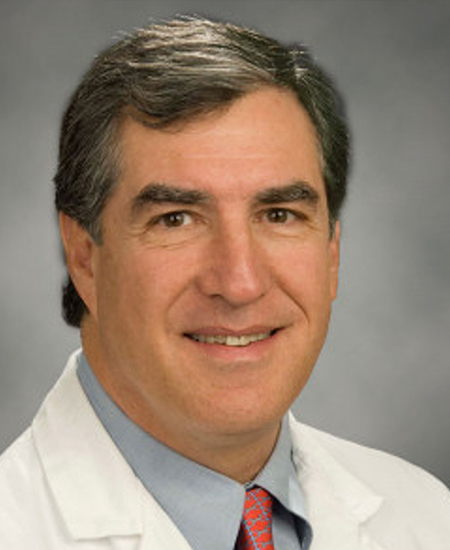 Peter T. Scardino合作论文数Department of Surgery, Memorial Sloan Kettering Cancer Center2
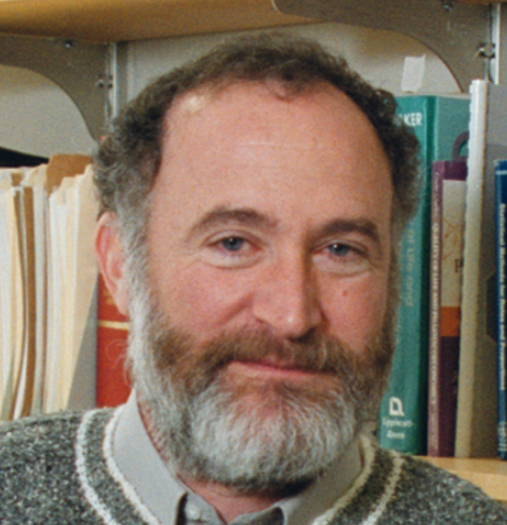 Richard D. Gelber合作论文数Harvard Medical School, Harvard University;Dana-Farber Cancer Institute;Department of Biostatistics, T.H. Chan School of Public Health, Harvard University2
 Peter H Bennett合作论文数National Institute of Diabetes and Digestive and Kidney Diseases, National Institutes of Health2
 Frederick Pei Li (李沛)合作论文数Harvard T.H. Chan School of Public Health, Harvard University;Dana-Farber Cancer Institute2Robert H Young合作论文数2J. Shipley合作论文数2Susan D. Edbril合作论文数2Martha J. Sack合作论文数2




