To investigate how the use of T-cell-depleted marrow or a combination of cyclosporine and methotrexate to prevent graft-versus-host disease affect oral health and the ability to maintain adequate nutrition during the neutropenic phase after allogeneic bone marrow transplantation, 48 allogeneic bone marrow recipients were studied. From a group of adult leukemic marrow recipients of HLA identical sibling marrow, 23 patients were randomly chosen to receive T-cell-depleted marrow and 25 were selected to receive cyclosporine and four doses of methotrexate to prevent graft-versus-host disease. Before the transplantation, all patients were given all necessary dental treatment as well as oral hygiene and nutrition instructions. The oral mucosal and nutritional status in all patients (except one who died) were followed from 5 days before the procedure, during the neutropenic period after transplantation, and until discharge from the hospital. The number of oral lesions was similar in both groups. The subjective experience of orally related problems, such as pain from the oral cavity and number of days with total parenteral nutrition, was less in the T-cell-depleted recipients compared with those who received a graft-versus-host disease prophylaxis with cyclosporine and methotrexate (p < 0.005). The oral cavity was considered to be the port of entry in four of six patients in the cyclosporine and methotrexate group who developed septicemia, compared with only one of six patients in the T-cell-depleted group with septicemia. The difference in the frequency of septicemia derived from the oral cavity did not, however, reach the significant level. No statistically proven difference was observed between the two groups as to weight loss and albumin levels before and after engraftment.
European Journal of HaematologyVolume 46, Issue 5 p. 314-316 Simultaneously presenting aplastic anaemia and Hodgkin's disease successfully treated with allogeneic bone marrow transplantation Gunnar Juliusson, Corresponding Author Gunnar Juliusson Division of Clinical Haematology and Oncology, Department of Medicine Department of Transplantation Surgery, Huddinge Hospital, S-141 86 Huddinge Department of Medicine, Karolinska Institute, Stockholm, Sweden. Department of Pathology, Danderyds Hospital, Karolinska Institute, Stockholm, Sweden. Department of Medicine, Karolinska Institute, Stockholm, Sweden. Radiotherapy, Karolinska Hospital, Karolinska Institute, Stockholm, Sweden.Search for more papers by this authorRobert Hast, Corresponding Author Robert Hast Division of Clinical Haematology and Oncology, Department of Medicine Department of Transplantation Surgery, Huddinge Hospital, S-141 86 Huddinge Department of Medicine, Karolinska Institute, Stockholm, Sweden. Department of Pathology, Danderyds Hospital, Karolinska Institute, Stockholm, Sweden. Department of Medicine, Karolinska Institute, Stockholm, Sweden. Radiotherapy, Karolinska Hospital, Karolinska Institute, Stockholm, Sweden.Search for more papers by this authorPer Ljungman, Corresponding Author Per Ljungman Division of Clinical Haematology and Oncology, Department of Medicine Department of Transplantation Surgery, Huddinge Hospital, S-141 86 Huddinge Department of Medicine, Karolinska Institute, Stockholm, Sweden. Department of Pathology, Danderyds Hospital, Karolinska Institute, Stockholm, Sweden. Department of Medicine, Karolinska Institute, Stockholm, Sweden. Radiotherapy, Karolinska Hospital, Karolinska Institute, Stockholm, Sweden.Search for more papers by this authorMagnus Björkholm, Corresponding Author Magnus Björkholm Division of Clinical Haematology and Oncology, Department of Medicine Department of Transplantation Surgery, Huddinge Hospital, S-141 86 Huddinge Department of Medicine, Karolinska Institute, Stockholm, Sweden. Department of Pathology, Danderyds Hospital, Karolinska Institute, Stockholm, Sweden. Department of Medicine, Karolinska Institute, Stockholm, Sweden. Radiotherapy, Karolinska Hospital, Karolinska Institute, Stockholm, Sweden.Search for more papers by this authorBerk Lönnquist, Corresponding Author Berk Lönnquist Division of Clinical Haematology and Oncology, Department of Medicine Department of Transplantation Surgery, Huddinge Hospital, S-141 86 Huddinge Department of Medicine, Karolinska Institute, Stockholm, Sweden. Department of Pathology, Danderyds Hospital, Karolinska Institute, Stockholm, Sweden. Department of Medicine, Karolinska Institute, Stockholm, Sweden. Radiotherapy, Karolinska Hospital, Karolinska Institute, Stockholm, Sweden.Search for more papers by this authorBengt Sandstedt, Corresponding Author Bengt Sandstedt Division of Clinical Haematology and Oncology, Department of Medicine Department of Transplantation Surgery, Huddinge Hospital, S-141 86 Huddinge Department of Medicine, Karolinska Institute, Stockholm, Sweden. Department of Pathology, Danderyds Hospital, Karolinska Institute, Stockholm, Sweden. Department of Medicine, Karolinska Institute, Stockholm, Sweden. Radiotherapy, Karolinska Hospital, Karolinska Institute, Stockholm, Sweden.Search for more papers by this authorIngvar Båryd, Corresponding Author Ingvar Båryd Division of Clinical Haematology and Oncology, Department of Medicine Department of Transplantation Surgery, Huddinge Hospital, S-141 86 Huddinge Department of Medicine, Karolinska Institute, Stockholm, Sweden. Department of Pathology, Danderyds Hospital, Karolinska Institute, Stockholm, Sweden. Department of Medicine, Karolinska Institute, Stockholm, Sweden. Radiotherapy, Karolinska Hospital, Karolinska Institute, Stockholm, Sweden.Search for more papers by this authorOlle Ringdén, Corresponding Author Olle Ringdén Division of Clinical Haematology and Oncology, Department of Medicine Department of Transplantation Surgery, Huddinge Hospital, S-141 86 Huddinge Department of Medicine, Karolinska Institute, Stockholm, Sweden. Department of Pathology, Danderyds Hospital, Karolinska Institute, Stockholm, Sweden. Department of Medicine, Karolinska Institute, Stockholm, Sweden. Radiotherapy, Karolinska Hospital, Karolinska Institute, Stockholm, Sweden.Search for more papers by this authorGösta Gahrton, Corresponding Author Gösta Gahrton Division of Clinical Haematology and Oncology, Department of Medicine Department of Transplantation Surgery, Huddinge Hospital, S-141 86 Huddinge Department of Medicine, Karolinska Institute, Stockholm, Sweden. Department of Pathology, Danderyds Hospital, Karolinska Institute, Stockholm, Sweden. Department of Medicine, Karolinska Institute, Stockholm, Sweden. Radiotherapy, Karolinska Hospital, Karolinska Institute, Stockholm, Sweden.Search for more papers by this author Gunnar Juliusson, Corresponding Author Gunnar Juliusson Division of Clinical Haematology and Oncology, Department of Medicine Department of Transplantation Surgery, Huddinge Hospital, S-141 86 Huddinge Department of Medicine, Karolinska Institute, Stockholm, Sweden. Department of Pathology, Danderyds Hospital, Karolinska Institute, Stockholm, Sweden. Department of Medicine, Karolinska Institute, Stockholm, Sweden. Radiotherapy, Karolinska Hospital, Karolinska Institute, Stockholm, Sweden.Search for more papers by this authorRobert Hast, Corresponding Author Robert Hast Division of Clinical Haematology and Oncology, Department of Medicine Department of Transplantation Surgery, Huddinge Hospital, S-141 86 Huddinge Department of Medicine, Karolinska Institute, Stockholm, Sweden. Department of Pathology, Danderyds Hospital, Karolinska Institute, Stockholm, Sweden. Department of Medicine, Karolinska Institute, Stockholm, Sweden. Radiotherapy, Karolinska Hospital, Karolinska Institute, Stockholm, Sweden.Search for more papers by this authorPer Ljungman, Corresponding Author Per Ljungman Division of Clinical Haematology and Oncology, Department of Medicine Department of Transplantation Surgery, Huddinge Hospital, S-141 86 Huddinge Department of Medicine, Karolinska Institute, Stockholm, Sweden. Department of Pathology, Danderyds Hospital, Karolinska Institute, Stockholm, Sweden. Department of Medicine, Karolinska Institute, Stockholm, Sweden. Radiotherapy, Karolinska Hospital, Karolinska Institute, Stockholm, Sweden.Search for more papers by this authorMagnus Björkholm, Corresponding Author Magnus Björkholm Division of Clinical Haematology and Oncology, Department of Medicine Department of Transplantation Surgery, Huddinge Hospital, S-141 86 Huddinge Department of Medicine, Karolinska Institute, Stockholm, Sweden. Department of Pathology, Danderyds Hospital, Karolinska Institute, Stockholm, Sweden. Department of Medicine, Karolinska Institute, Stockholm, Sweden. Radiotherapy, Karolinska Hospital, Karolinska Institute, Stockholm, Sweden.Search for more papers by this authorBerk Lönnquist, Corresponding Author Berk Lönnquist Division of Clinical Haematology and Oncology, Department of Medicine Department of Transplantation Surgery, Huddinge Hospital, S-141 86 Huddinge Department of Medicine, Karolinska Institute, Stockholm, Sweden. Department of Pathology, Danderyds Hospital, Karolinska Institute, Stockholm, Sweden. Department of Medicine, Karolinska Institute, Stockholm, Sweden. Radiotherapy, Karolinska Hospital, Karolinska Institute, Stockholm, Sweden.Search for more papers by this authorBengt Sandstedt, Corresponding Author Bengt Sandstedt Division of Clinical Haematology and Oncology, Department of Medicine Department of Transplantation Surgery, Huddinge Hospital, S-141 86 Huddinge Department of Medicine, Karolinska Institute, Stockholm, Sweden. Department of Pathology, Danderyds Hospital, Karolinska Institute, Stockholm, Sweden. Department of Medicine, Karolinska Institute, Stockholm, Sweden. Radiotherapy, Karolinska Hospital, Karolinska Institute, Stockholm, Sweden.Search for more papers by this authorIngvar Båryd, Corresponding Author Ingvar Båryd Division of Clinical Haematology and Oncology, Department of Medicine Department of Transplantation Surgery, Huddinge Hospital, S-141 86 Huddinge Department of Medicine, Karolinska Institute, Stockholm, Sweden. Department of Pathology, Danderyds Hospital, Karolinska Institute, Stockholm, Sweden. Department of Medicine, Karolinska Institute, Stockholm, Sweden. Radiotherapy, Karolinska Hospital, Karolinska Institute, Stockholm, Sweden.Search for more papers by this authorOlle Ringdén, Corresponding Author Olle Ringdén Division of Clinical Haematology and Oncology, Department of Medicine Department of Transplantation Surgery, Huddinge Hospital, S-141 86 Huddinge Department of Medicine, Karolinska Institute, Stockholm, Sweden. Department of Pathology, Danderyds Hospital, Karolinska Institute, Stockholm, Sweden. Department of Medicine, Karolinska Institute, Stockholm, Sweden. Radiotherapy, Karolinska Hospital, Karolinska Institute, Stockholm, Sweden.Search for more papers by this authorGösta Gahrton, Corresponding Author Gösta Gahrton Division of Clinical Haematology and Oncology, Department of Medicine Department of Transplantation Surgery, Huddinge Hospital, S-141 86 Huddinge Department of Medicine, Karolinska Institute, Stockholm, Sweden. Department of Pathology, Danderyds Hospital, Karolinska Institute, Stockholm, Sweden. Department of Medicine, Karolinska Institute, Stockholm, Sweden. Radiotherapy, Karolinska Hospital, Karolinska Institute, Stockholm, Sweden.Search for more papers by this author First published: May 1991 https://doi.org/10.1111/j.1600-0609.1991.tb01546.xCitations: 2AboutPDF ToolsRequest permissionExport citationAdd to favoritesTrack citation ShareShare Give accessShare full text accessShare full-text accessPlease review our Terms and Conditions of Use and check box below to share full-text version of article.I have read and accept the Wiley Online Library Terms and Conditions of UseShareable LinkUse the link below to share a full-text version of this article with your friends and colleagues. Learn more.Copy URL Share a linkShare onFacebookTwitterLinked InRedditWechat Citing Literature Volume46, Issue5May 1991Pages 314-316 RelatedInformation
Before treatment of 181 patients with bone marrow transplantation (BMT) for leukemia, severe aplastic anemia, or metabolic disorders, the oral condition was examined clinically and roentgenologically. Fifty-three patients (29%) had chronic dental infections (osteitis) that needed treatment before BMT. In 10 of 181 cases (6%), BMT was postponed because of oral infections. Septicemia during the neutropenic phase was caused by oral microorganisms (alpha streptococci) in 24 of 59 (41%) patients with microbiologically proven septicemia. Septicemia with alpha streptococci was associated with graft-versus-host disease prophylaxis with methotrexate and subsequent increased frequency of oral ulcerations. No difference was observed in the frequency of reactivation of latent herpes simplex virus infection between different graft-versus-host disease prophylaxis regimens. Reactivation was more frequent in patients conditioned with total body irradiation than in patients conditioned without total body irradiation. Antiviral prophylaxis, with subsequent decreased frequency of oral herpes simplex reactivation, appeared to contribute to a low frequency of septicemia with alpha streptococci.
By use of a PAP staining technique, the immunohistopathology in repeated biopsies from the lip salivary glands (LSGs) from patients undergoing bone marrow transplantation (BMT) was studied. In the previously normal LSGs, focally arranged lymphocytes and adjacent epithelial DR-expression appeared within 12 weeks post BMT, reaching a maximum between 26 and 52 weeks post BMT. Two years post BMT, lymphocytic infiltrates and epithelial DR-expression were still present in half of the specimens but were not seen in the remaining ones. The immunohistopathological changes seen in LSGs post BMT were indistinguishable from what has been found in Sjögren's syndrome. The appearance, and in some patients the subsequent disappearance, of the lymphocytic infiltrates and the epithelial DR-expression, without correlation to clinical symptoms of chronic graft-versus-host disease or immunosuppressive treatment, emphasizes the dynamic nature of lymphocytic infiltration of LSGs in BMT patients. Whether this also pertains to naturally occurring Sjögren's syndrome remains to be elucidated.
Lymphocytic infiltration and epithelial HLA-DR expression of lip salivary glands were studied by means of an immunohistoenzymatic staining technique in patients undergoing repeated lip salivary gland biopsies before, and 12, 26, 52 and 104 weeks after bone marrow transplantation (BMT). Within 12 weeks of transplantation, lymphocytes, mainly of the anti-Leu3a+ T 'helper' phenotype, were seen infiltrating the salivary glands of all the patients, reaching a maximum between 26 and 52 weeks. Epithelial HLA-DR expression, present at the 12th week after BMT, was seen close to the lymphocytic infiltrates in all the specimens. Two years after BMT, lymphocytic infiltrates and epithelial HLA-DR expression were still noted in about half of the specimens but not seen in the remaining ones. No correlations were found between immunohistopathology and earlier or persistent chronic graft-versus-host disease or immunosuppressive treatment. The significance of the findings as well as their resemblance to idiopathic connective tissue diseases, notably Sjögren's syndrome, are discussed.
14 patients undergoing bone marrow transplantation were studied regarding the oral and faecal microflora. Seven patients were given a multidrug regimen, directed against aerobic gram-negative rods and fungi, for local decontamination of the oral cavity and gastrointestinal tract. Seven other patients served as controls. The decontamination regimen was found to decrease the numbers of fungi in the oral cavity and to protect from new colonization. In the gastrointestinal tract aerobic gram-negative rods were eliminated in all patients and new colonization with acquired microorganisms was not observed even when the indigenous anaerobic flora had been disturbed by parenteral antibiotics. In the control group aerobic gram-negative rods and fungi were isolated from all patients during the observation period.
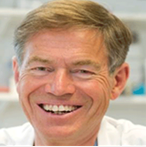 Olle Ringden合作论文数Department of Clinical Science, Intervention and Technology, Karolinska University5
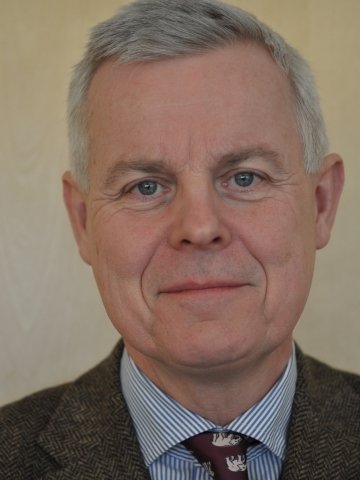 Göran Dahllöf合作论文数Paediatric Dental Unit, Division of Orthodontics and Paediatric Dentistry, Department of Dental Medicine, Karolinska Institute3
 Titti Mattsson合作论文数3Anders Heimdahl合作论文数3
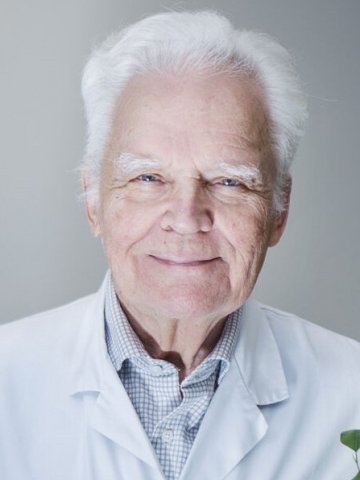 Gösta Gahrton合作论文数Department of Medicine, Karolinska Institutet2Göran Lindahl合作论文数2E Hedfors合作论文数2
 Per Ljungman合作论文数Department of Medicine, Huddinge, Karolinska Institutet1Bengt Sandstedt合作论文数1C.-G. Groth合作论文数1
 Magnus Björkholm合作论文数Department of Medicine, Karolinska Institutet;Karolinska University Hospital1Robert Hast合作论文数1
 Gunnar Juliusson合作论文数Skåne University Hospital;Laboratory Medicine, Lund University1Goran Lundgren合作论文数1Ingvar Båryd合作论文数1Carl Erik Nord合作论文数1




