Mycosis fungoides (MF) is the most common type of primary cutaneous T-cell lymphoma (CTCL), a malignant and chronic skin disease. Early-stage MF has a generally favorable prognosis, but effective and well-tolerated skin-directed therapies are crucial for management. HyBryte™ is a photodynamic therapy of topical hypericin that was recently shown to be well tolerated and efficacious in early-stage CTCL. Valchlor® (mechlorethamine) is an approved second-line therapy for use in early-stage CTCL after other topical therapies. This study compared Valchlor® to HyBryte™ following 12 weeks of treatment. The objectives in this study were (i) to obtain preliminary comparative assessment of safety and efficacy of Valchlor® versus HyBryte™ through 12 weeks of treatment, and (ii) to better understand the impact of HyBryte™ application on the measurement of modified Composite Assessment of Index Lesion Severity (mCAILS). This was an open-label trial enrolling 10 patients with CTCL (stage IA, IB, or IIA) randomized 1:1 to receive topical HyBryte™ or topical Valchlor® for 12 weeks. The overall response rate (ORR, i.e., complete responders + partial responders) was 60
INTRODUCTION:Effective skin-directed therapies (SDT) are the cornerstone for managing early-stage Cutaneous T-cell Lymphoma (CTCL). However, standard treatments like PUVA phototherapy and topical mechlorethamine carry significant drawbacks, including mutagenic risk and treatment-limiting skin reactions. This unmet need has driven demand for safer options. Topical photodynamic therapy with synthetic hypericin (research name: SGX301; trade name: HyBryte™) has emerged as a novel agent addressing this gap. AREAS COVERED:This review details synthetic hypericin's evolution and its unique non-mutagenic, light-activated mechanism. It generates singlet oxygen, preferentially inducing apoptosis in malignant T-cells. We analyze key clinical trials, including the pivotal Phase III FLASH study, to establish its efficacy and safety in patch- and plaque-stage mycosis fungoides, comparing it to other SDTs. EXPERT OPINION:Topical synthetic hypericin is a significant advancement for early-stage CTCL. Its excellent safety profile, proven efficacy, and non-mutagenic mechanism position it as a valuable first-line option. Minimal local adverse events and limited systemic absorption offer a key long-term safety advantage over conventional phototherapies. Its effectiveness in both patch and plaque lesions makes it a versatile tool, improving outcomes and quality of life for patients.
2523 Background: The most common type of cutaneous T-cell lymphoma is Mycosis Fungoides (MF) accounting for 50-60% of cases. Extracutaneous involvement occurs mainly in lymph nodes or blood; 25% of patients are diagnosed at advanced stage with a 5-year survival of 15-25%. Lacutamab is a first-in-class monoclonal antibody designed to specifically deplete KIR3DL2-expressing cells via antibody-dependent cell-cytotoxicity and phagocytosis. KIR3DL2 is a killer immunoglobulin-like receptor expressed in MF patients. Methods: TELLOMAK is an international, multi-cohort phase 2 trial (NCT03902184). MF patients who had received at least 2 prior systemic therapies were treated with lacutamab 750 mg until disease progression or unacceptable toxicity. Primary endpoint was Objective Response Rate (ORR) by global response score based on the evaluation of 4 compartments: skin, blood, lymph nodes and viscera according to the International Consensus criteria Olsen 2011. Key secondary endpoints included duration of response (DoR), progression free survival (PFS), safety, and quality of life. Here we report long term follow-up data of MF patients. Results: As of October 17, 2024, recruitment was completed, with 107 MF patients enrolled. The median age was 62 years. The median number of previous systemic lines was 4 (range: 1-14). Median follow-up was 22.1 months (m) (95% CI 19.4, 23.6). Global confirmed ORR was 19.6% (CI 13.2, 28.1; Olsen 2011), and response in skin was 29.0% (CI 21.2, 38.2). Median time to response was 2.8 m (min, max 1-37) and median DoR was 13.8 m (7.4, NE), median PFS was 10.2 m (CI 8.0, 15.4). Among the KIR3DL2 ≥1% pts (N = 48), ORR was 20.8% (CI 11.7, 34.3; Olsen 2011), and response in skin was 33.3% (CI 21.7, 47.5), median DoR was 13.8 m (CI 4.6, NE) and median PFS 11.8 m (CI 5.6, 16.8). Among the KIR3DL2 < 1% pts (N = 59), ORR was 18.6% (CI 10.7;30.4; Olsen 2011), and response in skin was 25.4 (CI 16.1, 37.8), median DoR was 15.7 m (CI 5.1, NE) and median PFS 9.5 m (CI 6.5;16.6). Grade ≥ 3 related Treatment-Emergent Adverse events (TEAEs) were observed in 5/107 (4.7%) patients, serious related TEAEs in 4/107 (3.7%) patients and related TEAEs leading to study drug discontinuation in 3/107 (2.8%) patients. The most common ( > 10%) related TEAEs were fatigue (12.1%), nausea (13.1%), asthenia (11.2%) and arthralgia (11.2%). Data from additional key endpoints and translational data will also be presented. Conclusions: The long-term follow-up data from the heavily pre-treated MF population enrolled to the TELLOMAK study confirms promising clinical activity of lacutamab regardless of KIR3DL2 expression, with ORR 20.8%, a median duration of response of 13.8 m, a median PFS of 10.2 m and a favorable safety and tolerability profile. These data support the further development of lacutamab in an effort to bring improved treatments to patients with MF. Clinical trial information: NCT03902184 // EU CT number: 2023-507777-18-00 .
The tight control of proliferating keratinocytes is vital to the successful function of the skin. Differentiation of dividing cells is necessary to form a skin barrier. The same dividing cells are necessary to heal wounds and when malignant form tumors. RIPK4, a serine-threonine kinase, plays critical roles in these processes. Its loss of function was associated with pathological keratinocyte proliferation and development of squamous cell carcinoma (SCC) in humans and mice. The current study extends previous findings in the importance of RIPK4 in keratinocyte proliferation. A serum-derived phospholipid, lysophosphatidic acid (LPA), was identified as an important biologic inhibitor of RIPK4. LPA functions by inhibiting the transcription of RIPK4 mRNA. LPA treatment led to increased keratinocyte proliferation, and this was compromised in cells with reduced RIPK4 expression. The current study may help to explain the mechanism by which RIPK4 was downregulated during SCC progression and provide insights on RIPK4 functions. It may also allow for targeting of RIPK4 through a natural component of serum.
AbstractBackgroundHyBryteTM is a photodynamic therapy of topical hypericin that has recently been shown to be safe and efficacious in early stage cutaneous T‐cell lymphoma (CTCL). However, its efficacy, absorption, and effect on heart function parameters in patients who require greater HyBryteTM exposure is unknown.ObjectivesThe primary objectives in this study were to assess hypericin blood levels using a validated detection method with a cut‐off value of 0.05 ng/mL and to determine if topical HyBryteTM induces any electrocardiogram (EKG) changes during 8 weeks of treatment. A secondary endpoint of this study was to assess the effectiveness of HyBryteTM in this patient population as well as assessing a different additional light device than the one used in the Phase 3 HPN‐CTCL‐01/fluorescent light activated synthetic hypericin trial also entitled “A phase 3 multicenter randomised placebo‐controlled study to determine the efficacy of topical hypericin and light irradiation for the treatment of cutaneous T‐cell lymphoma”.MethodsA confirmatory, prospective, open‐label, single‐centre, interventional study focused on stage IB and IIA mycosis fungoides with more than 10% of their body surface areas involved was performed.ResultsHypericin concentration in K2EDTA whole blood samples collected before and after light activation at Weeks 4, 6 and 8 showed an average blood concentration of 0.13 ng/mL and achieved steady state by Week 4. EKGs were examined for clinical changes at each study visit, including changes in QT intervals and correction of heart rates. No significant clinical changes in EKGs were observed.ConclusionsHypericin does not appear to be significantly absorbed through the skin nor cause significant cardiac changes overall or prolong the QT interval when applied topically. A larger study is necessary to clearly define these results.
7082 Background: Cutaneous T-cell lymphoma (CTCL) is a rare form of non-hodgkin’s lymphoma. The most common type of CTCL is Mycosis Fungoides (MF) accounting for 50-60% of cases, while Sezary Syndrome, the leukemic variant of MF accounts for 2-5% of cases. Extracutaneous involvement occurs mainly in lymph nodes or blood; 25% of patients (pts) are diagnosed at advanced stage with a 5-year survival of 15-25%. KIR3DL2 is a killer immunoglobulin-like receptor, expressed in 90% of SS pts, and 50% of MF pts. Lacutamab is a first-in-class monoclonal antibody designed to specifically deplete KIR3DL2-expressing cells via antibody-dependent cell-cytotoxicity and phagocytosis. Methods: TELLOMAK is an international, open-label, multi-cohort phase 2 trial (NCT03902184). MF pts who had received at least 2 prior systemic therapies were allocated to different cohorts according to KIR3DL2 expression in skin. Lacutamab 750 mg is administered as an intravenous infusion until disease progression or unacceptable toxicity. Primary endpoint was Objective Response Rate (ORR) by global response score based on the evaluation of 4 compartments: skin, blood, lymph nodes and viscera according to International Consensus criteria (Olsen 2011; sensitivity analysis vs revised Olsen 2022). Secondary endpoints included other efficacy endpoints, safety, and quality of life. Here we report data of all MF patients, and according to KIR3DL2 status. Results: At the data cutoff of October 13, 2023, recruitment was completed, with 107 pts enrolled. Median age was 62 years. Median number of previous systemic lines was 4 (range: 1-14). Median follow-up was 11.8 months (m) (95% CI 9.9-13.8). ORR was 16.8% (CI 10.9, 25.0; Olsen 2011), and 22.4% (CI 15.6, 31.2; Olsen 2022), response in skin and blood was 29.0% (CI 21.2, 38.2) and 40.0% (CI 24.6, 57.7) respectively. Median time to response was 1.0 months and median PFS 10.2m (CI 6.5, 16.8). Among the KIR3DL2 ≥1% pts (N=48), ORR was 20.8% (CI 11.7,34.3; Olsen 2011), and 29.2% (CI 18.2, 43.2; Olsen 2022), response in skin and in blood was observed in 33.3% (CI 21.7, 47.5) and 41.2% (CI 21.6, 64.0) respectively. Median time to response was 1.0 month and median PFS was 12.0 m (CI 5.6, 20.0). Median duration of response was not reached. Grade ≥ 3 Treatment-related (TR) Treatment-Emergent Adverse events (TEAEs) were observed in 4/107 (3.7%) pts, serious TR TEAEs were observed in 4/107 (3.7%) pts and 3/107 (2.8%) pts discontinued study drug due to TR TEAEs. The most common (>10%) TR TEAEs were fatigue (11.2%), nausea (11.2%), asthenia (10.3%), and arthralgia (10.3%). Conclusions: The data from the heavily pre-treated MF population enrolled to the TELLOMAK study confirms promising clinical activity of lacutamab regardless of KIR3DL2 expression, with a favorable safety and tolerability profile. These data support the further development of lacutamab in an effort to bring improved treatments to patients with CTCL. Clinical trial information: NCT03902184 .
Introduction Cutaneous T cell lymphomas (CTCL) are a heterogeneous group of T cell derived extranodal non-Hodgkin lymphomas that, primarily affect the skin and blood. The most frequent subtype of CTCL is mycosis fungoides (MF), accounting for about 60% of all cases, whilst Sézary syndrome (SS) is much rarer and more aggressive. Patients (pts) with advanced and heavily pretreated relapsed/refractory CTCL have worse health-related quality of life (HRQoL) than those at earlier stages of the disease and have limited treatment options. CTCL pts suffer from debilitating itching and recurrent skin infections which, together with their underlying disease has a profound effect on social wellbeing and a major impact on quality of life. Lacutamab, a novel KIR3DL2 monoclonal antibody which depletes the KIR3DL2+ tumor cells, has shown deep and durable responses in the TELLOMAK study (NCT03902184) in pts with CTCL after at least 2 prior systemic lines of treatment. Here, we report patient-reported outcomes (PROs) on HRQoL in SS and MF pts treated with lacutamab from the TELLOMAKstudy. Methods TELLOMAK is an open-label, multi-cohort Phase 2 single-arm trial designed to evaluate lacutamab in relapsed/refractory (R/R) SS and MF pts after at least 2 prior systemic therapies. Consistent with recent trials in this setting, HRQoL was assessed using PROs based on the validated Skindex-29 questionnaire that inquiries about how often (Never, Rarely, Sometimes, Often, All the time) during the previous 4 weeks the pt experienced the effect described in each item. All responses are transformed to a linear scale varying from 0 (never) up to 100 (effect experienced all the time). The presence and severity of pruritus was assessed using a 10 point visual analogue scale (VAS) ranging from 0 (no itch) to 10 (worst imaginable itch). Here we report HRQoL results, both in terms of summary at all timepoints and change from baseline. Results At the time of data cut-off, for the 56 SS pts enrolled in the TELLOMAK trial, median age was 69, 60.7% were males, median prior lines of systemic therapy was 5, 67.9% of pts had confluence of erythema covering ≥ 80% body surface area (T4). Median follow-up was 14.4 months. At baseline, median VAS was 6.2 and median Skindex-29 global score was 52.7. Treatment with lacutamab was associated with an early decrease of itch intensity starting from W5 with a clinically meaningful decrease of ≥2 points in VAS scale from W13 (VAS≤4) for SS pts that was maintained over time. We also observed an early decrease of Skindex-29 global scores starting from W5 (Skindex 38.7) with a continuous and deep decrease over time (i.e. Skindex 27.8 at W13 then 14.4 at W45) for SS pts. For the 107 MF pts enrolled, median age was 62 years, 67.3% were male, median prior lines of systemic therapy was 4, 15.9% of pts were T4. Median follow-up was 11.8 months. At baseline, median VAS was 6.0 and median Skindex-29 global score was 56.3. We observed an early and slight improvement in itch intensity from W5 (VAS 5) then later deeper decrease with VAS≤4 from W37. We also observed an early slight decrease of Skindex-29 starting from W5 (Skindex 46.3) then later a deeper decrease (i.e. Skindex 38.8 at W29). Description of subgroups according to clinical response and KIR3DL2 levels expression will be further presented. Conclusion Meaningful improvements from baseline in CTCL overall HRQoL and in pruritus intensity were observed in the TELLOMAK trial assessing lacutamab monotherapy, with durable improvements from Week 5. These favorable HRQoL results compliment the established efficacy and safety profile of lacutamab, highlighting its potential as a compelling future treatment option for CTCL patients with unmet need.
Background: Cutaneous T-Cell Lymphomas (CTCL) are rare malignancies that comprise <10% of Non-Hodgkin Lymphoma. Limited treatment options exist for these patients, especially after progression following front-line therapy. Tolinapant is an oral non-peptidomimetic antagonist of the inhibitor of apoptosis proteins (IAPs), cIAP1/2 and XIAP. It plays a role in regulated tumor cell death and immunomodulation (Ferrari et al., Blood Adv. 2021) and has been evaluated in the clinic (ASTX660-01 trial, NCT02503423). Previously, we reported an overall response rate of 28% in CTCL patients treated with tolinapant, with a median duration of response of 8.8 months (Michot et al., EHA 2022). During this trial, in which the patients were given tolinapant on Weeks 1 and 3 in 4-week cycles, clinical investigators have described multiple instances of tumor flare and pseudoprogression, consistent with the described immunomodulatory effects associated with tolinapant treatment. Here, we present one such case, a 58-year-old male, who was diagnosed with mycosis fungoides in 2010, which had previously transformed despite multiple therapies. This subject was selected for a more detailed study due to their clinical course with multiple blood samples and biopsies collected, permitting longitudinal histological and molecular characterization. At enrollment in March 2021, the subject presented with red, scaly plaques and cutaneous tumors scattered on the extremities and trunk. At one-month follow up, the subject had an excellent initial symptomatic response with the visual resolution of several tumors. Moreover, the itch reported as “moderate” at baseline had improved with tolinapant treatment. However, during continued therapy, the remaining plaques and tumors progressively swelled, appearing pink and indurated on dosing, indicative of flare. During off-dosing weeks, these signs of flare were reduced. The subject also reported increased itch during treatment that partly resolved during off-dosing weeks. Considering the disappearance of some tumors and the improved appearance during off-dosing weeks, this was pseudoprogression. Methods: Cell surface phenotype of the lymphoma was determined by flow cytometry (Standard Leukemia/Lymphoma and T-Cell Therapy Panel, NeoGenomics Laboratories) on blood samples collected at screening and during Cycles 1, 3 and 5. To characterize the clinical observations, skin biopsies including tumor tissues were collected at baseline and during Cycles 1, 2, 6, 7 and 10. We used multiplex immunofluorescence analysis (COMET™, Lunaphore Technologies SA), gene expression profiling (PanCancer IO 360™ and Pathways panels, NanoString Technologies, Inc.), genomic profiling (FoundationOne™ Heme, Foundation Medicine, Inc.) and cytokine/chemokine measurements (Human ExplorerMAP™ v. 1.0, xMAP® Technology, Luminex Corporation). Results: Blood samples collected at screening and post-treatment confirmed the presence of lymphoma cells that were CD3 +, CD4 +, CD7 -, CD8 - and CD26 -. Multiplex immunofluorescence analysis of the biopsies was able to detect lymphoma cells as CD4 +, CD7 - and CD8 -. Sparsely distributed CD8 + cells were observed at baseline (screening sample). In the biopsy taken on Cycle 2 Day 1, the level of CD8 + cells was markedly increased. Representative images are shown below (left: baseline; right: post-treatment). Analysis of genes associated with CD8 + T cells, cytotoxic cells, B cells and NK cells showed an increase in gene probe signals for CD8A, CD8B, GZMA, GZMH and PRF1. Post-treatment plasma samples showed an elevation in chemokines involved in leukocyte recruitment, such as, CXCL1, CXCL10 and CCL25. Similarly, consistent systemic changes in CXCL10, the chemokine directing recruitment of CXCR3 + cytotoxic T cells, were also detected in tolinapant-treated peripheral TCL patients in the same trial. Conclusions: Our data offer a cellular and molecular insight into a case of clinical pseudoprogression observed during tolinapant treatment. Understanding pseudoprogression is important for clinical investigators and patients to ensure treatment with tolinapant, or other IAP antagonists, are not discontinued prematurely.
Mycosis fungoides (MF), the most common type of cutaneous T-cell lymphoma, is characterized by proliferation of malignant skin-tropic T cells. Progression from early-stage disease (skin patches and/or plaques) to more advanced stages (cutaneous tumours, erythroderma or extracutaneous involvement) occurs slowly and can be discontinuous. Prognosis is poor for the similar to 25% of patients who progress to advanced disease. Patients at any stage of MF may experience reduced health-related quality of life (QoL) via a spectrum of physically and psychologically debilitating symptoms that can impact many aspects of daily life. Allogeneic stem-cell transplantation is a curative treatment option for some patients with advanced disease, but otherwise there is currently no cure for MF; patients are often refractory to several treatments and require lifelong management. The goals of therapy are symptom control, prevention of disease progression, avoidance of treatment-related toxicity and maintenance/improvement of QoL. Although treatment regimens exist it can be difficult to know how to prioritize them, hence therapies are tailored according to patient needs and drug availabilities, following clinical recommendations. International consensus guidelines recommend skin-directed therapies (SDTs) as first-line treatment for early-stage disease, and SDTs combined with systemic therapy for advanced stages. Chlormethine (CL), also known as mechlorethamine, chlorethazine, mustine, HN2, caryolysine and embichin, is a synthetic deoxyribonucleic acid-alkylating agent that was used as a chemical weapon (mustard gas) during the First World War. Subsequent investigation revealed that survivors of mustard gas exposure had lymphocytopenia, and that CL could inhibit rapidly proliferating malignant T cells. CL has since been developed as a topical treatment for MF and prescribed as such for over 70 years. This review aims to summarize the current knowledge regarding the mechanism of action of CL in the cutaneous micro-environment, in the specific context of MF treatment.
Cutaneous T-cell lymphoma (CTCL) is a rare type of non-Hodgkin lymphoma of the skin, where at later stages skin-homing malignant T-cells affect lymph nodes, blood, and visceral organs. Even though early CTCL does not affect survival, it can progress to more advanced stages of disease and have a significant effect on the quality of life of patients. Although expectant management is a treatment consideration in early disease stages, most patients cycle through different skin-directed therapies throughout their lifetime. It can become a challenge to manage the serious and accumulating risk of side effects of these therapies, including various skin cancers and skin damage. Adverse effects from topical therapies limit their long-term utility. Thus, there is an unmet need for well-characterized therapies that have a rapid onset of action and minimal long-term/cumulative side effect profile. Most recently, the results of a Phase 3 study of topical HyBryte™ as a potential treatment for CTCL demonstrated its efficacy and safety profile. This article summarizes what is known about HyBryte™, focuses on its mechanism of action, and highlights its effectiveness, safety, and tolerability in the context of other current FDA-approved topical therapies for CTCL.
Topic: 19. Aggressive Non-Hodgkin lymphoma - Clinical Background: There are limited treatment options for patients with Peripheral T-Cell Lymphoma (PTCL) after progression following front line therapy. Tolinapant (ASTX660) is a novel oral non-peptidomimetic, small-molecule antagonist of cellular/X-linked inhibitors of apoptosis proteins (cIAP1/2 and XIAP), which also induces necroptosis in T-cell lymphoma models (Ferrari et al., Blood Adv., 2021). An ongoing Phase 1-2 study demonstrates an overall response rate (ORR) of >20% in relapsed/refractory PTCL with single agent tolinapant (Michot et al., EHA 2022). While there are limited studies using decitabine as a hypomethylating agent (HMA) in PTCL, a recent guadecitabine prospective study showed 40% ORR (Wong et al., Leukemia, 2022). Preclinical data demonstrate decitabine treatment leads to re-expression of genes critical for necroptosis and synergy between decitabine and tolinapant in T-cell tumor models (Ward et al. ASH 2021; Manavalan et al. EHA abstract 2022). These data suggest that this combination may have synergistic activity in PTCL. Oral decitabine/cedazuridine (ASTX727) is an oral DNMTi that provides equivalent PK exposure to intravenous decitabine at standard dosing (20 mg/m2 day 1-5 every 28 days). This combination of oral decitabine and cedazuridine was approved in the US, Canada, and Australia for the treatment of intermediate and high-risk myelodysplastic syndromes and chronic myelomonocytic leukemia. There are minimal overlapping toxicities between the study drugs and no expected drug-drug interactions. Aims: The Primary Aim of Phase 1 is to assess safety, and to identify the recommended Phase 2 dose of tolinapant in combination with oral decitabine/cedazuridine. The primary Aim of Phase 2 is to assess preliminary efficacy as determined by overall response rate. Secondary Aims of the trial include assessing safety and to identify the tolerated dosing of oral decitabine/cedazuridine alone in this population and determining the pharmacokinetic parameters of both tolinapant and oral decitabine/cedazuridine. Methods: ASTX660-03 (NCT05403450) is a Phase 1-2, open-label study. To be eligible, subjects with ECOG PS ≤2 must have received at least two prior systemic therapies with evidence of documented progressive disease with at least one measurable lesion by computerized tomography (CT). Subjects with CD30-positive disease must have received or be ineligible for brentuximab vedotin. Key exclusion criteria include ejection fraction <50%, QTc ≥470 milliseconds, and the use of concomitant medications that are either strong or moderate CYP3A4 inhibitors/inducers. There is a lead-in phase to confirm tolerability of the MDS-approved regimen of oral decitabine/cedazuridine in a PTCL population. In Phase 1 subjects are randomized to oral decitabine/cedazuridine alone or to the combination of oral decitabine/cedazuridine with tolinapant. The combination arm will include escalation of tolinapant in dose ranges that have shown efficacy in PTCL. The oral decitabine/cedazuridine only arm will enroll 20-24 subjects. Once the combination arm reaches recommended Phase 2 dose/maximum tolerated dose, there will be a dose expansion of 20 subjects in the combination arm prior to the initiation of the combination dosing in Phase 2 which has an enrollment goal of 102 subjects. There will be no formal statistical analysis in Phase 1. In Phase 2, there will be efficacy analysis for every 34 subjects, without a pause in enrollment. Results: None to date Summary/Conclusion: The Study opened in June 2022 with primary completion estimated to be December 2025. Keywords: Pharmacokinetic, Oral, Peripheral T-cell lymphoma
Importance:Given that mycosis fungoides-cutaneous T-cell lymphoma (MF/CTCL) is chronic, there is a need for additional therapies with minimal short- and long-term adverse effects. Topical synthetic hypericin ointment, 0.25%, activated with visible light is a novel, nonmutagenic photodynamic therapy (PDT).Objectives:To determine the efficacy and safety of topical synthetic hypericin ointment, 0.25%, activated with visible light as a nonmutagenic PDT in early-stage MF/CTCL.Design, Settings, and Participants:This was a multicenter, placebo-controlled, double-blinded, phase 3 randomized clinical trial (FLASH study) conducted from December 2015 to November 2020 at 39 academic and community-based US medical centers. Participants were adults (≥18 years) with early-stage (IA-IIA) MF/CTCL.Interventions:In cycle 1, patients were randomized 2:1 to receive hypericin or placebo to 3 index lesions twice weekly for 6 weeks. In cycle 2, all patients received the active drug for 6 weeks to index lesions. In cycle 3 (optional), both index and additional lesions received active drug for 6 weeks.Main Outcomes and Measures:The primary end point was index lesion response rate (ILRR), defined as 50% or greater improvement in modified Composite Assessment of Index Lesion Severity (mCAILS) score from baseline after 6 weeks of therapy for cycle 1. For cycles 2 and 3, open label response rates were secondary end points. Adverse events (AEs) were assessed at each treatment visit, after each cycle, and then monthly for 6 months. Data analyses were performed on December 21, 2020.Results:The study population comprised 169 patients (mean [SD] age, 58.4 [16.0] years; 96 [57.8%] men; 120 [72.3%] White individuals) with early-stage MF/CTCL. After 6 weeks of treatment, hypericin PDT was more effective than placebo (cycle 1 ILRR, 16% vs 4%; P = .04). The ILRR increased to 40% in patients who received 2 cycles of hypericin PDT (P < .001 vs cycle 1 hypericin) and to 49% after 3 cycles (P < .001 vs cycle 1 hypericin). Significant clinical responses were observed in both patch and plaque type lesions and were similar regardless of age, sex, race, stage IA vs IB, time since diagnosis, and number of prior therapies. The most common treatment-related AEs were mild local skin (13.5%-17.3% across cycles 1-3 vs 10.5% for placebo in cycle 1) and application-site reactions (3.2%-6.9% across cycles 1-3 vs 4% for placebo in cycle 1). No drug-related serious AEs occurred.Conclusion and Relevance:The findings of this randomized clinical trial indicate that synthetic hypericin PDT is effective in early-stage patch and plaque MF/CTCL and has a favorable safety profile.Trial Registration:ClinicalTrials.gov Identifier: NCT02448381.
Dear Editor, Mogamulizumab is an anti-CCR4 antibody that was investigated in the phase 3 MAVORIC study (NCT01728805) of adult patients with previously treated mycosis fungoides (MF) or Sézary syndrome (SS).1 In the primary analysis (December 31, 2016 cutoff), progression-free survival (PFS) and confirmed global overall response rate were significantly better with mogamulizumab compared with vorinostat. The most common treatment-emergent adverse events (TEAEs) among mogamulizumab-treated patients were infusion-related reactions (33%) and drug eruptions (24%). This post-hoc analysis assessed the long-term safety of mogamulizumab using non-overlapping exposure quartiles based on a final safety cutoff of January 3, 2019. Rates of TEAEs in the overall safety population were compared with those of patients in the highest exposure quartile. Efficacy data from the primary analysis for patients within each quartile were described - no additional efficacy follow-up was conducted. In total, 184 patients (105 MF, 79 SS) were randomized to mogamulizumab and received at least one dose of study drug (safety population), with a median mogamulizumab exposure of 170 days (range: 1–1813). Based on quartile assessment, patients with >351 days of exposure were defined as the long-term exposure (LTE) population. Across the quartiles, significant trends were observed in Eastern Cooperative Oncology Group performance status (ECOG PS), disease type, clinical stage IIB or III-IV, and blood involvement (Table 1). In total, 97.3% of patients experienced a TEAE, 85.9% experienced a drug-related TEAE, and 39.7% experienced a serious TEAE. Lymphopenia, a pharmacologic effect of the drug, was not considered an AE. Similar percentages of patients in the overall safety and LTE populations reported TEAEs, although slightly higher percentages of patients in the LTE group reported SAEs and drug-related TEAEs. Patients from the first two exposure quartiles reported the majority of Grade ≥3 events, with a median time to onset for a Grade ≥3 event of 109 days (interquartile range [IQR]: 34–280 days). In the overall safety population, 9 patients experienced Grade 3 drug eruptions that were attributed to mogamulizumab (20.5%), with the remainder experiencing Grade 1–2 eruptions (79.5%). Drug eruption had a variable time to onset (median, 107 days; IQR: 43–256 days). All 16 cases of thrombocytopenia attributed to mogamulizumab were Grade 1–2. Median time to onset of thrombocytopenia was 43 days (IQR: 8–196 days). Eleven (6.0%) patients developed an autoimmune event vs 2 (4.4%) patients in the LTE group. Rates of discontinuation due to AEs increased in the longest exposure group (15.6%) compared with the shortest exposure group (9.6%); however, no clear trend was observed across the four groups. Discontinuation rates related to progressive disease were lower in the longest exposure group (22.2%) compared with the shortest exposure group (46.2%); however, again no clear trends were seen. Across all quartiles, the disease control rate (DCR) was 78.8% (145/184), 76.2% (80/105) for MF patients, and 82.3% (65/79) for SS patients. Assessed by exposure quartile, DCR was: 46.2% (<72 days), 85.0% (72–170 days), 93.6% (171–351 days), and 95.6% (>351 days). Among MF + SS patients with a best response of SD, 10.0% (8/80) stayed on therapy >351 days. Limitations of the current analysis include the post-hoc nature of the study, the comparatively small n values for the quartile assessments, and the potential for bias in interpretation of quartile-based efficacy. However, no new safety signals in patients treated with mogamulizumab for >351 days were identified. The quartile analysis also did not find an increased incidence of autoimmune events over time. As expected, the patients with the longest exposure to mogamulizumab had higher rates of TEAEs than the overall safety population but also showed acceptable disease control, suggesting that TEAEs were generally manageable and patients were able to stay on treatment. Marine Bagot and Youn H. Kim were involved in designing the initial post-hoc analysis. Takahiro Ito performed the statistical analyses. Martine Bagot, Stéphane Dalle, Lubomir Sokol, Athansios Tsianakas, Amy Musiek, Pablo L. Ortiz-Romero, Brian Poligone, Madeleine Duvic, Craig Elmets, Mollie Leoni, Karen Dwyer, Takahiro Ito, Fiona Herr, Youn H. Kim contributed to data collection and acquisition, interpretation of the present findings and provided approval of the final version of the article for publication. Kyowa Kirin, Inc. MB reports personal fees from and serving on an advisory board for Kyowa Kirin during the conduct of the study and reports personal fees from and serving on an advisory board for Takeda, Innate, and Helsinn/Recordati outside the submitted work. SD has nothing to disclose. LS reports personal fees from and serving on an advisory board for Kyowa Kirin during the conduct of the study. AT has nothing to disclose. AM reports serving on an advisory board for Kyowa Kirin during the conduct of the study and serving on an advisory board for Kyowa Kirin and Helsinn and serving as an investigator for Pfizer, Menlo, Elorac, Soligenix, miRagen, and Connect outside the submitted work. P.L.O-R. reports personal fees from and serving on an advisory board for Takeda, Kyowa Kirin, Recordati, Innate, Helsinn, 4SC, and miRagen outside the submitted work. In addition, he has a patent for PLCG1 issued. BP reports grants, personal fees, and speaker honoraria from and serving on an advisory board and as an investigator for Kyowa Kirin during the conduct of the study. Outside the submitted work, he reports grants from and serving as an investigator for Replimune, miRagen, Soligenix, and Astex Pharmaceuticals, and he reports grants, personal fees, and speaker bureau honoraria from and serving as an investigator and consultant for Helsinn. MD was an investigator for Kyowa Kirin during part of the study. She reports non-financial support from Acrotech Biopharma and USCLC, personal fees from and serving as a consultant for Almirall and Guidepoint Global, personal fees from and serving on an advisory board for Bausch, and personal fees from T-Cell Lymphoma Forum outside the submitted work. CE served as an investigator for Kyowa Kirin during the conduct of the study. ML, KD, TI, and FH report employment by Kyowa Kirin during the conduct of the study. YHK reports grants and personal fees from and serving on an advisory board for Kyowa Kirin during the conduct of the study. The data that support the findings of this study are available from the corresponding author upon reasonable request. The data that support the findings of this study are available from the corresponding author upon reasonable request.
 Lubomir Sokol合作论文数Moffitt Cancer Center12
 Youn H. Kim合作论文数Department of Dermatology, School of Medicine, Stanford University;Stanford Cancer Institute, Stanford University11
 Elaine Gilmore合作论文数School of Pharmacy, Queen’s University Belfast10
 Martine Bagot合作论文数Hopital Saint-Louis9
 Pier Luigi Zinzani合作论文数Department of Medical and Surgical Sciences, Università di Bologna9
 Ellen J. Kim合作论文数Dermatology, Perelman School of Medicine, University of Pennsylvania7
 Madeleine Duvic合作论文数Department of Dermatology, Division of Internal Medicine, The University of Texas MD Anderson Cancer Center;Graduate School of Biomedical Sciences, The University of Texas MD Anderson Cancer Center7
 Stéphane Dalle合作论文数Service de Dermatologie, Hôpital Lyon Sud-HCL;Université Claude Bernard Lyon 1;Cancer Research Center of Lyon7
 Albert Baldwin合作论文数Lineberger Comprehensive Cancer Center, School of Medicine, University of North Carolina at Chapel Hill7Christiane Querfeld合作论文数7Carolina V. Alexander-Savino合作论文数6Amy Musiek合作论文数Division of Dermatology, Washington University School of Medicine6
 Peter Heald合作论文数Department of Dermatology, Yale School of Medicine, Yale University6
 Tisch Roland M合作论文数University of North Carolina at Chapel Hill6
 Craig A. Elmets合作论文数Department of Dermatology, School of Medicine, University of Alabama at Birmingham6Pierluigi Porcu合作论文数6Luojing Chen合作论文数6Chung Catherine合作论文数5
 Halwani Ahmad S合作论文数Holden Comprehensive Cancer Center, University of Iowa College of Medicine5
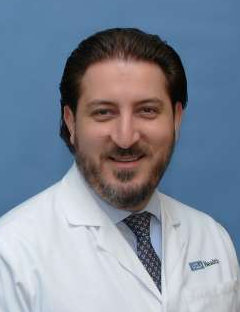 Herbert A. Eradat合作论文数University of California, Los Angeles5
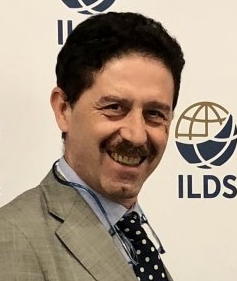 Pablo Luis Ortiz Romero合作论文数Dermatology Department, Hospital Universitario 12 de Octubre;Departamento de Medicina, Universidad Complutense de Madrid;Facultad de Medicina, Universidad Complutense de Madrid5
 Maxime Battistella合作论文数4Richard Straube合作论文数4David Oleksyn合作论文数4
 Alejandro Gru合作论文数4
 Neha Mehta-Shah合作论文数4Alain H. Rook合作论文数4
 Pradip Sen合作论文数Indian Institute of Chemical Biology4Alice P. Pentland合作论文数4
 Matthew S. Hayden合作论文数Departments of Dermatology and Microbiology & Immunology, Columbia University Medical Center;Geisel School of Medicine, Dartmouth-Hitchcock Medical Center;Department of Dermatology, Geisel School of Medicine, Dartmouth College4
 Thomas Kurt Eigentler合作论文数3Christopher J. Schaber合作论文数3Donald J. Weaver合作论文数3Harold N. Keer合作论文数3Christopher Pullion合作论文数3Adam Rumage合作论文数3Mollie Leoni合作论文数3Fiona Herr合作论文数3Takahiro Ito合作论文数3
 Barbara Pro合作论文数Herbert Irving Comprehensive Cancer Center, Columbia University Irving Medical Center;Department of Medicine, Division of Hematology/Oncology, Vagelos College of Physicians and Surgeons, Columbia University3
 Joan Guitart合作论文数Department of Dermatology, Feinberg School of Medicine, Northwestern University3
 Hélène Moins合作论文数Haematology Institute, Université Paris Cité3
 John Greer合作论文数3
 Athanasios Tsianakas合作论文数3Shinohara Michi M合作论文数3Donini Oreola合作论文数3
 Aaron R. Mangold合作论文数Department of Dermatology, Mayo Clinic3Ram-Wolff C合作论文数3
 Karen Dwyer合作论文数St. Vincent’s Health Immunology Research Centre3




