Cells are assaulted daily by stresses that jeopardize genome integrity. Primary human cells adapt their response to the intensity of replication stress (RS) in a diphasic manner: below a stress threshold, the canonical DNA damage response (cDDR) is not activated, but a noncanonical cellular response, low-level stress-DDR (LoL-DDR), has recently been described. LoL-DDR prevents the accumulation of premutagenic oxidized bases (8-oxoguanine) through the production of ROS in an adaptive way. The production of RS-induced ROS (RIR) is tightly controlled: RIR are excluded from the nucleus and are produced by the NADPH oxidases DUOX1/DUOX2, which are controlled by NF-κB and PARP1; then, RIR activate the FOXO1-detoxifying pathway. Increasing the intensity of RS suppresses RIR via p53 and ATM. Notably, LoL-DDR is dysregulated in cancer cell lines, in which RIR are not produced by NADPH oxidases, are not detoxified under high-level stress, and favor the accumulation of 8-oxoguanine. LoL-DDR dysregulation occurred at an early stage of cancer progression in an in vitro model. Since, conversely, ROS trigger RS, this establishes a vicious cycle that continuously jeopardizes genome integrity, fueling tumorigenesis. These data reveal a novel type of ROS-controlled DNA damage response and demonstrate the fine-tuning of the cellular response to stress. The effects on genomic stability and carcinogenesis are discussed here.
Genetic instability is a major hazard threatening the fate of cells and ultimately of organisms. DNA double-strand break (DSB) is a highly toxic lesion, jeopardizing genome stability. Using cytogenetic and differential exome sequencing, we show here that upregulation of the kinase PKB/AKT1 leads to genomic rearrangements and chromosome fusions. By combining various approaches, at the genome scale and at precise loci, we show that PKB/AKT1 stimulates DSB end-joining, leading to inter- and intrachromosomal genomic rearrangements. The MRE11-RAD50-NBS1 (MRN) complex plays an essential role in the early steps of DSB signaling/repair. We show here that PKB/AKT1 favors the assembly of MRN, leading to the stimulation of DSB signaling via the MRE11/ATM axis. We identify MRE11 as a phosphorylation effector of PKB/AKT1 and reveal several sites whose phosphorylation is required for PKB-mediated stimulation of DSB end-joining and chromosome fusions. These data reveal that PKB/AKT1 actively promotes genetic instability by increasing the efficiency of DSB end-joining through MRE11 phosphorylation on these sites. These results highlight that not only a defect of DSB signaling/repair but also its stimulation, can lead to genome rearrangements and underline the importance of a precise regulation of the DNA damage response to maintain genome stability.
DNA double-strand break (DSB) is a highly toxic lesion that can generate genome instability, a major source of tumorigenesis. DSBs are mainly repaired by non-homologous end joining (NHEJ) or homologous recombination (HR). The selection of the DSB repair pathway primarily depends on the DNA resection of the DSB ends. Indeed, HR is initiated by resection at the DSB, generating 3' single-stranded overhang. The shieldin complex prevents resection fostering DSB repair toward NHEJ. Here, we reveal that the inflammasome sensor NLRP3 facilitates DNA end resection to promote the HR pathway in an inflammasome-independent manner. Strikingly, NLRP3 silencing decreases HR efficiency, as evidenced by RAD51 foci and functional HR assays. Mechanistically, we describe that NLRP3 interacts with REV7, a subunit of the shieldin complex, and its depletion increases REV7 recruitment to IR-induced DSBs. Similar to cancer cells harboring HR-mutated genes, we find that NLRP3-deficient cells are sensitive to Poly-ADP-ribose polymerase (PARP) inhibitors (PARPi) and exhibit an epistatic relationship with BRCA1 deficiency. Remarkably, loss of REV7 in NLRP3-depleted cells induces PARPi resistance by restoring HR. This study unravels the crucial role of the innate immune receptor NLRP3 in regulating the selection of DSB repair pathways to maintain genome integrity.
Genetic instability is a hallmark of cancer cells. Homologous recombination (HR) plays a pivotal role in maintaining genome stability through its DNA repair and replication fork escort functions. Therefore, HR is classified as a tumour suppressor pathway. Consistently, many HR genes are mutated in cancer, especially in hereditary breast and ovarian cancer. However, although RAD51 controls the central steps of HR, no RAD51 mutations are associated with cancer predisposition, constituting the “RAD51 paradox”. One of the potential explanations for the “RAD51 paradox” is that mutations affecting mediator/accessory genes (such as BRCA1 or BRCA2) in cancer result in the absence of RAD51 on damaged DNA, leaving access to alternative exclusively mutagenic repair processes, such as single-strand annealing (SSA) or alternative end-joining (A-EJ), which can rescue some cell viability but also increase genetic instability. This raises the question of whether cancer predisposition actually results from HR deficiency itself or from alternative, nonconservative repair pathways. One study assessing this question in a mouse model revealed that decreasing RAD51 HR activity without stimulating SSA or A-EJ in vivo not only does not favour tumorigenesis but rather protects against it. These data suggest that RAD51-controlled HR is not a tumour suppressor but rather favours tumour progression. Cancer cells are highly proliferative, actively replicating their genomes, and are therefore subjected to high replication stress; pathways enabling them to cope with this massive replication stress, such as HR, should help them survive and proliferate, contrary to the belief dogma that HR acts as a tumour suppressor pathway. We propose that HR/RAD51, through its essential role in overcoming replication stress, should facilitate cancer progression as soon as early pretumorigenic hyperplasia states that trigger an active replication program, challenging commonly accepted views.
The canonical DNA damage response (DDR) maintains genome stability, involving DNA synthesis/cell cycle arrest. However, unchallenged cells proliferate when they are continually exposed to low-level/endogenous replication stress. We previously discovered and characterized a noncanonical cellular response that is specific to nonblocking replication stress, i.e., low-level stress (LoL-DDR), in primary cells. Although this response generates replication stress-induced reactive oxygen species (RIR), it triggers a program that prevents the accumulation of premutagenic 8-oxo-guanine (8-oxoG). Primary cells control RIR production via NADPH oxidases. Increasing the severity of replication stress above a precise threshold triggers the canonical DDR, leading to cell cycle arrest and RIR suppression, resulting in a peak-shaped dose response for RIR production. Here, we show that the LoL-DDR is dysregulated in cancer cell lines, which exhibit the following differences compared with primary cells: 1- RIR are not detoxified under high-level stress conditions, resulting in a continuous increase in the dose-response curve of RIR production; 2- RIR are not produced by NADPH oxidases; and 3- replication stress favors the accumulation of the premutagenic 8-oxoG. Moreover, using an in vitro breast cancer progression model, we show that LoL-DDR dysregulation occurs at an early stage of cancer progression. Since, conversely, ROS trigger replication stress this establishes a vicious circle involving replication-stress and ROS that continuously jeopardizes genome integrity that should fuel and amplify tumorigenesis. ### Competing Interest Statement The authors have declared no competing interest.
Genome rearrangement is a hallmark of cancer and ageing. DNA double-strand breaks (DSBs) are highly toxic lesions that can generate genome rearrangements. Several pathways compete for DSB repair, and selection of the appropriate repair process is critical for genetic stability. DSB repair acts according to two steps: (1) the choice between nonhomologous end-joining (NHEJ) and the resection of DNA ends, generating single-stranded DNA (ssDNA) and (2) on generated ssDNA, homologous recombination (HR) and sub-processes. Here, we show that 53BP1, which plays a prime role in the first step by protecting against resection and fostering NHEJ, physically interacts with the catalytic subunits of cAMP-dependent protein kinase A (PKAcs). PKA favours the recruitment of 53BP1 at DNA damage sites and consistently prevents resection, favouring NHEJ. Inhibition of PKA stimulated resection and concurrently reduced NHEJ. Conversely, the activation of PKA with 8-Bromo-cAMP stimulated NHEJ and reduced HR. These data provide new avenues for potential anticancer strategies. More generally, these findings underscore the high complexity of the regulation of DSB repair, identifying PKA as a novel participant in the DNA damage response that acts in the DSB repair process, which may be essential for maintaining genome integrity.
The canonical DNA damage response (cDDR) maintains genome stability, involving DNA synthesis arrest. However, unchallenged cells proliferate when they are continually exposed to low-level/endogenous replication stress. We previously characterized a noncanonical response specific to nonblocking replication stress, i.e. low-level stress (LoL-DDR), in primary cells. Although LoL-DDR generates replication stress-induced ROS (RIR), it prevents the accumulation of premutagenic 8-oxo-guanine (8-oxoG). Primary cells control RIR production via NADPH oxidases. Increasing the severity of replication stress above a threshold triggers the cDDR, leading to cell cycle arrest and RIR suppression, resulting in a peak-shaped dose response for RIR production. Here, we show that the LoL-DDR is dysregulated in cancer cell lines, which exhibit the following differences compared with primary cells: (1) RIR are not detoxified under high-level stress, resulting in a continuous increase in the dose‒response curve of RIR production; (2) RIR are not produced by NADPH oxidases; (3) replication stress favors the accumulation of the premutagenic 8-oxoG. Moreover, using an in vitro breast cancer progression model, we show that LoL-DDR dysregulation occurs at an early stage of cancer progression. Since, conversely, ROS trigger replication stress this establishes a "vicious circle" replication-stress/ROS that continuously jeopardizes genome integrity that should fuel and amplify tumorigenesis.
The use of next-generation sequencing (NGS) has recently enabled the discovery of genetic causes of primary ovarian insufficiency (POI) with high genetic heterogeneity. In contrast, the causes of diminished ovarian reserve (DOR) remain poorly understood. Here, we identified by NGS and whole exome sequencing (WES) the cause of isolated DOR in a 14-year-old patient. Two frameshift mutations in BRCA1 (NM_007294.4) were found: in exon 8 (c.470_471del; p.Ser157Ter) and in exon 11 (c.791_794del, p.Ser264MetfsTer33). Unexpectedly, the patient presented no signs of Fanconi anemia (FA), i.e., no developmental abnormalities or indications of bone marrow failure. However, high chromosomal fragility was found in the patient’s cells, consistent with an FA diagnosis. RT-PCR and Western-blot analysis support the fact that the c. 791_794del BRCA1 allele is transcribed and translated into a shorter protein (del11q), while no expression of the full-length BRCA1 protein was found. DNA damage response (DDR) studies after genotoxic agents demonstrate normal activation of the early stages of the DDR and FANC/BRCA pathway. This is consistent with the maintenance of residual repair activity for the del11q BRCA1 isoform. Our observation is the first implication of bi-allelic BRCA1 mutations in isolated ovarian dysfunction or infertility in humans, without clinical signs of FA, and highlights the importance of BRCA1 in ovarian development and function.
Supplementary Figure 1 from AKT1 Inhibits Homologous Recombination by Inducing Cytoplasmic Retention of BRCA1 and RAD51
FBTSA assays performed to measure binding of the mutated BRCA1 BRCT domains to ACC1-P, BACH1-P, CtiP-P, AB-1P and AB-2P.
Supplementary Figure 7 from Bcl-2 Inhibits Nuclear Homologous Recombination by Localizing BRCA1 to the Endomembranes
FBTSA assay revealing that binding of the WT BRCA1 BRCT domains to ACC1-P, BACH1-P, CtiP-P, AB-1P and AB-2P induce a measurable increase in the BRCT thermostability that raises with peptide concentration.
Cells are inevitably challenged by low-level/endogenous stresses that do not arrest DNA replication. Here, in human primary cells, we discovered and characterized a noncanonical cellular response that is specific to nonblocking replication stress. Although this response generates reactive oxygen species (ROS), it induces a program that prevents the accumulation of premutagenic 8-oxoguanine in an adaptive way. Indeed, replication stress-induced ROS (RIR) activate FOXO1-controlled detoxification genes such as SEPP1, catalase, GPX1 , and SOD2 . Primary cells tightly control the production of RIR: They are excluded from the nucleus and are produced by the cellular NADPH oxidases DUOX1/DUOX2 , whose expression is controlled by NF-κB, which is activated by PARP1 upon replication stress. In parallel, inflammatory cytokine gene expression is induced through the NF-κB-PARP1 axis upon nonblocking replication stress. Increasing replication stress intensity accumulates DNA double-strand breaks and triggers the suppression of RIR by p53 and ATM. These data underline the fine-tuning of the cellular response to stress that protects genome stability maintenance, showing that primary cells adapt their responses to replication stress severity.
Isothermal Titration Calorimetry curves obtained by adding the different phosphopeptides at (A-B) 200 mM onto the WT BRCT domains at 20 mM and (C-D) 100 mM onto the WT BRCT domains at 10 mM .
The black bar corresponds to WT BRCA1, the blue bars to VUS of classes 1 and 2, the grey bars to VUS of class 3 and the red bars to VUS of classes 4 and 5. Bars boxed in green correspond to mutants that are defective in phosphopeptide-binding, as observed using fluorescence based thermal shift assays. HR- marks VUS that are HR-defective.
Homologous recombination (HR) is a prominent DNA repair pathway maintaining genome integrity. Mutations in many HR genes lead to cancer predisposition. Paradoxically, the implication of the pivotal HR factor RAD51 on cancer development remains puzzling. Particularly, no RAD51 mouse models are available to address the role of RAD51 in aging and carcinogenesis in vivo. We engineered a mouse model with an inducible dominant-negative form of RAD51 (SMRad51) that suppresses RAD51-mediated HR without stimulating alternative mutagenic repair pathways. We found that in vivo expression of SMRad51 led to replicative stress, systemic inflammation, progenitor exhaustion, premature aging and reduced lifespan, but did not trigger tumorigenesis. Expressing SMRAD51 in a breast cancer predisposition mouse model (PyMT) decreased the number and the size of tumors, revealing an anti-tumor activity of SMRAD51. We propose that these in vivo phenotypes result from chronic endogenous replication stress caused by HR decrease, which preferentially targets progenitors and tumor cells. Our work underlines the importance of RAD51 activity for progenitor cell homeostasis, preventing aging and more generally for the balance between cancer and aging.
 Guirouilh-Barbat Josée K合作论文数44Pascale Bertrand合作论文数Univ Paris36Elodie Dardillac合作论文数26
 Yannick Saintigny合作论文数CEA, Direction des Sciences du Vivant17Sandrine Ragu合作论文数Institut de Cancérologie Gustave-Roussy, Université Paris Saclay15
 Etienne Rouleau合作论文数13Ambre Petitalot合作论文数12
 Sandrine Caputo合作论文数Institut Curie, Hôpital René Huguenin12
 Eric Le Cam合作论文数Institut de Cancérologie Gustave Roussy, CNRS Univ. Paris-Sud12
 Sophie Zinn-Justin合作论文数Laboratoire de Biologie Structurale et Radiobiologie, Atomic Energy and Alternative Energies Commission12
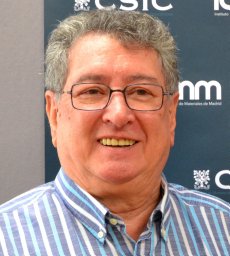 Eduardo Ruiz-Hitzky合作论文数Instituto de Ciencia de Materiales de Madrid11Rosette Lidereau合作论文数11
 Pilar Aranda合作论文数Instituto de Ciencia de Materiales de Madrid, Consejo Superior de Investigaciones Científicas11Olivier Piétrement合作论文数Laboratoire de Microscopie Moléculaire et Cellulaire, Institut Gustave-Roussy11Isslam Bouazzaoui合作论文数10Jeff A. Schnell合作论文数10Philippe Lafitte合作论文数10Dorine Bonte合作论文数10
 Catherine Nogues合作论文数10
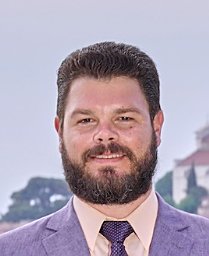 Fidel Antonio Castro-Smirnov合作论文数Universidad de las Ciencias Informáticas10
 Gabriel Matos Rodrigues合作论文数Ctr Ciencias Saude, Univ Fed Rio de Janeiro10
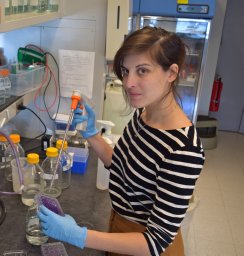 Camille Gelot合作论文数Institut Curie, PSL Research University10
 Sarah Lambert合作论文数Genome Damage and Stability Centre, University of Sussex, Brighton, BN1 9RQ, UK10Eric Jacquet合作论文数Institut de Chimie des Substances Naturelles, Université Paris-Saclay10Nhiri Naïma合作论文数10
 Julien Patrick合作论文数10
 Jean Feunteun合作论文数Centre National de la Recherche Scientifique, Institut Gustave-Roussy10Jean-Christophe Aude合作论文数10Aurélia Barascu合作论文数8F Delacôte合作论文数7Yvan Canitrot合作论文数7Jacques Coppey合作论文数7
 Emilie Rass合作论文数6Michelle Debatisse合作论文数6Isabelle Plo合作论文数INSERM6Jeanne Ayache合作论文数6Emmanuelle Martini合作论文数6
 Ayeong So合作论文数5Indiana Magdalou合作论文数5Jean-Rémi Bertrand合作论文数5
 Corentin Laulier合作论文数5Therese Wilhelm合作论文数5Grabarz Anastazja合作论文数5M Dutreix合作论文数4E Corteggiani合作论文数4T HENNI合作论文数4
 Francois Morle合作论文数4Ali Muhammad合作论文数4




