The human hepatic cell line LX-2 has been described as tool to study mechanisms of hepatic fibrogenesis and the testing of antifibrotic compounds. It was originally generated by immortalisation with the Simian Vacuolating Virus 40 (SV40) transforming (T) antigen and subsequent propagation in low serum conditions. Although this immortalized line is used in an increasing number of studies, detailed genetic characterisation has been lacking. We here have performed genetic characterisation of the LX-2 cell line and established a single-locus short tandem repeat (STR) profile for the cell line and characterized the LX-2 karyotype by several cytogenetic and molecular cytogenetic techniques. Spectral karyotyping (SKY) revealed a complex karyotype with a set of aberrations consistently present in the metaphases analyses which might serve as cytogenetic markers. In addition, various subclonal and single cell aberrations were detected. Our study provides criteria for genetic authentication of LX-2 and offers insights into the genotype changes which might underlie part of its phenotypic features.
Hinsichtlich Prognose und klinischem Erscheinungsbild abschließende Interpretationen struktureller Chromosomenaberrationen, die bisher nicht in der Literatur beschrieben worden sind, zählen zu den Herausforderungen der pränatalen Chromosomendiagnostik. Berichte von einzelnen Kasuistiken sind somit eine wichtige Informationsbasis zur Abschätzung klinischer Konsequenzen bei vergleichbaren Fällen. Mit unserem Beitrag stellen wir einen zuvor nicht beschriebenen chromosomalen Befund mit einer Deletion (7)(p22p21.1) vor.
Spontan entstandene Chromosomenaberrationen sind für etwa 50% aller untersuchten Aborte als deren Ursache nachweisbar. Darüberhinaus können auch familiäre Chromosomenaberrationen Ursachen für Fehlgeburten sein. Bei etwa 4–6% der Paare mit vorangegangenen Fehlgeburten ist bei einem der Partner eine Translokation zu detektieren. Derartige strukturelle Chromosomenveränderungen sind für den Träger in der Regel ohne klinische Bedeutung. Sie können jedoch bei den Nachkommen eines Trägers mit einer balancierten Translokation zu einem unbalancierten Chromosomensatz führen.
We report on a 30-year-old man with azoospermia, primary hypogonadism and minor dysmorphic features who carried a balanced insertional chromosome translocation inv ins (2p24;4q28.3q31.22)de novo. Molecular cytogenetic analyses of the chromosome breakpoints revealed the localization of the breakpoint in 4q28.3 between BACs RP11-143E9 and RP11-285A15, an interval that harbours the PCDH10 gene. In 4q31.22, a breakpoint-spanning clone (RP11-6L6) was identified which contains the genes LSM6 and SLC10A7. On chromosome 2, BACs RP11-531P14 and RP11-360O18 flank the breakpoint in 2p24, a region void of known genes. In conclusion, the chromosome aberration of this patient suggests a gene locus for primary hypogonadism in 2p24, 4q28.3 or 4q31.2, and three possible candidate genes (LSM6, SLC10A7 and PCDH10) were identified by breakpoint analyses.
 A Kron合作论文数5Joan Decker合作论文数5
 Daniela Steinberger合作论文数5S. Schmitt-Heidsieck合作论文数4Carsten Bergmann合作论文数University of Freiburg2Joerg Weimer合作论文数1R Ullmann合作论文数1Steffen K Meurer合作论文数1
 Christian Decker合作论文数1
 Norbert Arnold合作论文数Univ Hosp Schleswig Holstein, Dept Gynecol & Obstet, Kiel, Germany1
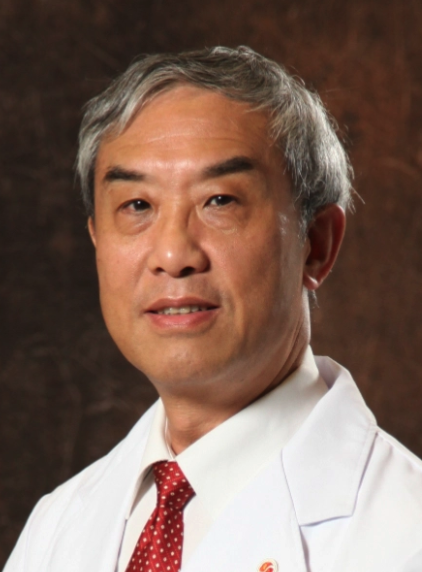 Lieming Xu (徐列明)合作论文数Shuguang Hospital, Shanghai University of Traditional Chinese Medicine1
 Christine Neuhaus合作论文数1
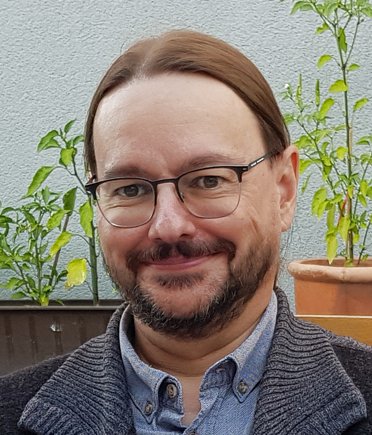 Liehr Thomas合作论文数Institut fur Humangenetik, Universitätsklinikum Jena1Eisenberger Tobias合作论文数1
 Reiner Siebert合作论文数Institut Für Humangenetik, Universitätsklinikum Ulm1
 Ralf Weiskirchen合作论文数Institute of Molecular Pathobiochemistry, Experimental Gene Therapy and Clinical Chemistry, RWTH University Hospital Aachen1
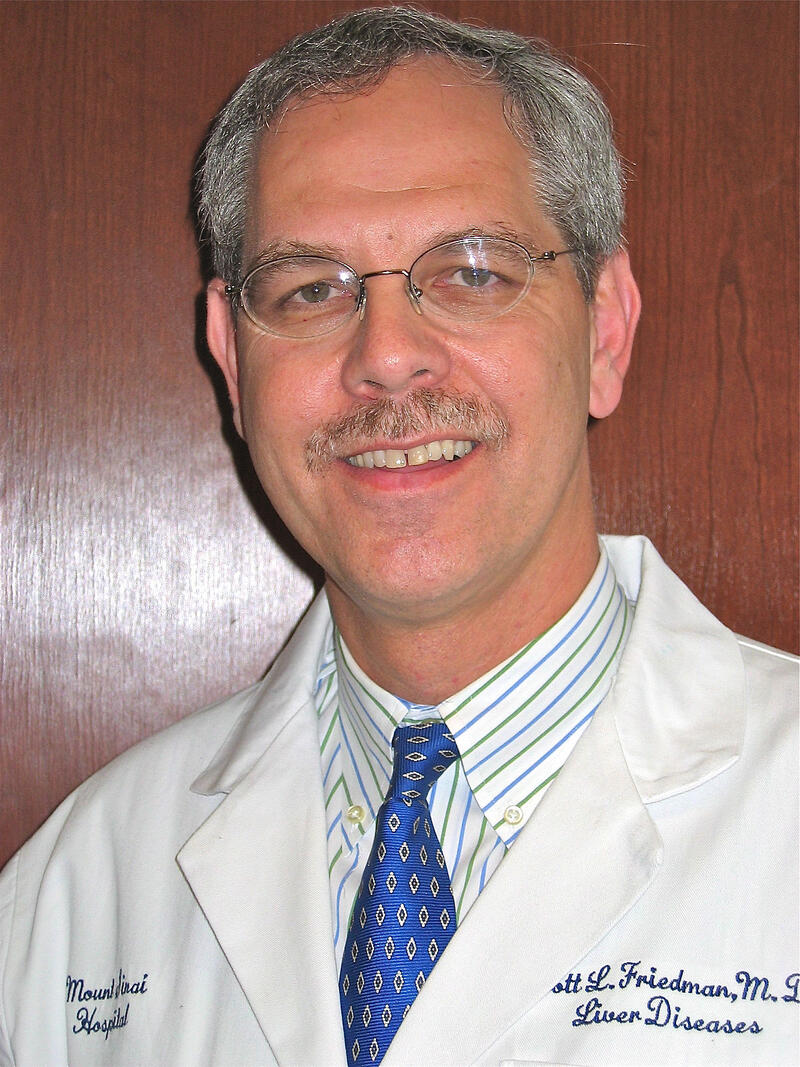 Scott L. Friedman合作论文数Division of Liver Diseases, Mount Sinai School of Medicine1
 Hans-Hilger Ropers合作论文数Institute of Human Genetics, University of Mainz;Max Planck Institute for Molecular Genetics1Andreas Tzschach合作论文数1
 Vera Kalscheuer合作论文数Max Planck Institute for Molecular Genetics1
 Hanno Bolz合作论文数Institute of Human Genetics, University Hospital of Cologne1Corinna Menzel合作论文数1Inga Vater合作论文数1Maria Hoeltzenbein合作论文数1Cornelia Kraus合作论文数1




