This communication contains the experience of two early-career organic professors at primarily undergraduate institutions during the rapid transition to an online learning environment during the COVID-19 pandemic. The techniques and methods for transitioning both the organic lecture and lab of two class sizes (similar to 50 and similar to 10) are juxtaposed, and conclusions are drawn that provide insight into improvements for both online and on-site learning.
Molybdenum, cobalt, nickel, ruthenium, and rhodium catalyzed alkyne hydrostannations using in situ generated Bu3SnH were studied. In most cases, Bu3SnF+polymethylhydrosiloxane (PMHS) performed well as the in situ source of Bu3SnH. In contrast, the combination of Bu3SnCl/KFaq/PMHS, which had witnessed earlier success in Pd-catalyzed hydrostannation reactions, proved less employable in alkyne hydrostannations mediated by these metals.
This describes an effective in situ source of Bu3SnH for hydrostannations of alkynes with various metal catalysts.
AbstractThe stereoselective method to prepare 2,3‐disubstituted chromone derivatives creates 3 stereocenters with good to high selectivity.
A tin-free tandem radical addition methodology onto 3-formylchromones is presented. This radical process yields functionalized chromone structures via two carbon-carbon bond-forming steps. These products contain up to three contiguous stereocenters with good to excellent dr's and yields.
 Spatney Russell合作论文数3
 Madhuri Manpadi合作论文数Department of Chemistry, New Mexico Institute of Mining and Technology3Jake Zimmerman合作论文数3amy l szymanski合作论文数2Wp Gallagher合作论文数2Ghosh Banibrata合作论文数2Jill A. Muchnij合作论文数2
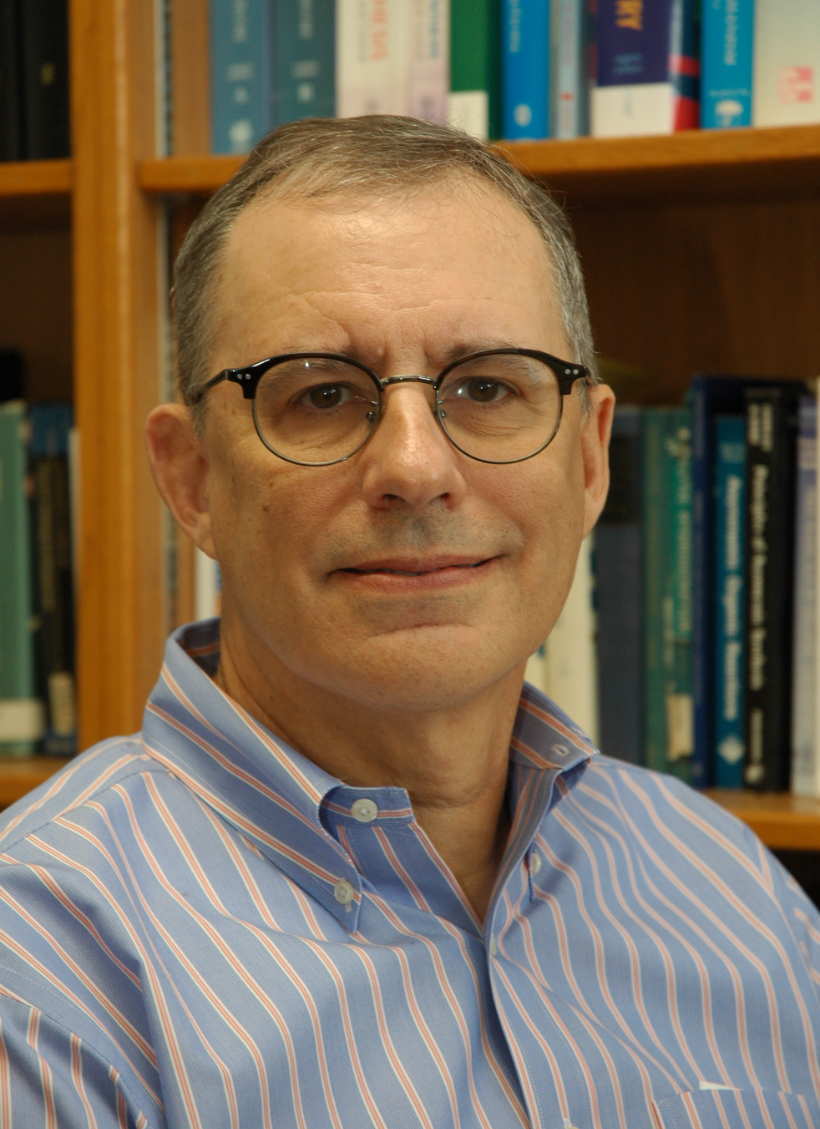 Robert E. Maleczka合作论文数Department of Chemistry, College of Natural Science, Michigan State University2Jonathan E. Dannatt合作论文数1




