Objective To describe older adult patients’ and care partners’ knowledge broker roles during emergency department (ED) visits. Background Older adult patients are vulnerable to communication and coordination challenges during an ED visit, which can be exacerbated by the time and resource constrained ED environment. Yet, as a constant throughout the patient journey, patients and care partners can act as an information conduit, or knowledge broker, between fragmented care systems to attain high-quality, safe care. Methods Participants included 14 older adult patients ([Formula: see text] 65 years old) and their care partners (e.g., spouse, adult child) who presented to the ED after having experienced a fall. Human factors researchers collected observation data from patients, care partners and clinician interactions during the patient’s ED visit. We used an inductive content analysis to determine the role of patients and care partners as knowledge brokers. Results We found that patients and care partners act as knowledge brokers by providing information about diagnostic testing, medications, the patient’s health history, and care accommodations at the disposition location. Patients and care partners filled the role of knowledge broker proactively (i.e. offer information) and reactively (i.e. are asked to provide information by clinicians or staff), within-ED work system and across work systems (e.g., between the ED and hospital), and in anticipation of future knowledge brokering. Conclusion Patients and care partners, acting as knowledge brokers, often fill gaps in communication and participate in care coordination that assists in mitigating health care fragmentation.
PURPOSE: To evaluate the implementation of MOVIN, a multicomponent mobility intervention, by a nurse-led team and measure the effectiveness on unit-level outcomes. METHOD: A pragmatic quasi-experimental study was conducted on an inpatient adult medical unit. Evaluation was guided by the Reach, Effectiveness, Adoption, Implementation, and Maintenance (RE-AIM) framework. Interviews with 13 organizational partners were conducted to understand barriers and facilitators to adoption. Thematic analysis was used to analyze the data. Quantitative data to determine effectiveness on distance of patient ambulation and percent of patients ambulated by nursing staff were analyzed using an interrupted time series. RESULTS: A significant increase in total weekly distances for patient ambulation and percent of patients ambulated by nursing staff occurred between preintervention, intervention, and postintervention periods. Themes for adoption included: Value, , Immediate Feedback, , Inclusive Implementation, , Resource Needs, , and Lack of Organizational Evidence. . The nurse-led team demonstrated high fidelity to maintaining the core components of MOVIN. CONCLUSION: A nurse-led team can successfully launch a multicomponent mobility intervention and sustain impact. RE-AIM supported assessments of key partners at multiple organizational levels, capturing critical unit level outcomes. Multiple methods for data collection and analysis yielded rich results to inform future dissemination of MOVIN.
Older adults who present to the emergency department (ED) sometimes have a negative patient experience. Collaboration between care partners, patients and ED staff is one way to improve the patient experience in the ED, but patient, care partner, and ED clinician perspectives on collaborative work have yet to be studied. The objective of our exploratory study is to compare patient, care partner and clinician perspectives on collaborative work that occurs in the ED. Using data collected from patients, care partners, and ED clinicians during the design of an ED patient journey map, we identified four instances where patients, care partners, and clinicians expressed their perspectives regarding collaborative work. We found that patients, care partners and ED clinicians often had differing perspectives about collaborative work in the ED. For instance, during the intake process, patients report being “checked” by ED clinicians, whereas ED clinicians view this as being “seen”. Patients, care partners, and ED clinicians also shared similar perspectives, such as the importance of an ED care team. Older adult patients, care partners and ED clinicians have some similar and some different perspectives of patient-clinician collaboration in the ED that may affect how they interact with each other and the resulting patient experience.
Patient satisfaction is becoming increasingly viewed as a key component of high-quality care. The literature has shown relationships between high patient satisfaction and improved patient and hospital outcomes, including profitability (Kelley et al. 2014; Richter and Muhlestein 2017). During their journey, patients are often accompanied by a significant other, family member or friend (care partner) when they go to a medical setting to receive care. Although very important in the patient work system, we know relatively little about who these care partners are and how they experience the care the patient receives. In this study, we examine the experience of care partners of older patients who present to the emergency department (ED) with a fall.
Background Heuristic evaluations, while commonly used, may inadequately capture the severity of identified usability issues. In the domain of health care, usability issues can pose different levels of risk to patients. Incorporating diverse expertise (eg, clinical and patient) in the heuristic evaluation process can help assess and address potential negative impacts on patient safety that may otherwise go unnoticed. One document that should be highly usable for patients—with the potential to prevent adverse outcomes—is the after visit summary (AVS). The AVS is the document given to a patient upon discharge from the emergency department (ED), which contains instructions on how to manage symptoms, medications, and follow-up care. Objective This study aims to assess a multistage method for integrating diverse expertise (ie, clinical, an older adult care partner, and health IT) with human factors engineering (HFE) expertise in the usability evaluation of the patient-facing ED AVS. Methods We conducted a three-staged heuristic evaluation of an ED AVS using heuristics developed for use in evaluating patient-facing documentation. In stage 1, HFE experts reviewed the AVS to identify usability issues. In stage 2, 6 experts of varying expertise (ie, emergency medicine physicians, ED nurses, geriatricians, transitional care nurses, and an older adult care partner) rated each previously identified usability issue on its potential impact on patient comprehension and patient safety. Finally, in stage 3, an IT expert reviewed each usability issue to identify the likelihood of successfully addressing the issue. Results In stage 1, we identified 60 usability issues that violated a total of 108 heuristics. In stage 2, 18 additional usability issues that violated 27 heuristics were identified by the study experts. Impact ratings ranged from all experts rating the issue as “no impact” to 5 out of 6 experts rating the issue as having a “large negative impact.” On average, the older adult care partner representative rated usability issues as being more significant more of the time. In stage 3, 31 usability issues were rated by an IT professional as “impossible to address,” 21 as “maybe,” and 24 as “can be addressed.” Conclusions Integrating diverse expertise when evaluating usability is important when patient safety is at stake. The non-HFE experts, included in stage 2 of our evaluation, identified 23% (18/78) of all the usability issues and, depending on their expertise, rated those issues as having differing impacts on patient comprehension and safety. Our findings suggest that, to conduct a comprehensive heuristic evaluation, expertise from all the contexts in which the AVS is used must be considered. Combining those findings with ratings from an IT expert, usability issues can be strategically addressed through redesign. Thus, a 3-staged heuristic evaluation method offers a framework for integrating context-specific expertise efficiently, while providing practical insights to guide human-centered design.
AIMS:To explore how primary care registered nurses (PCRNs) describe their professional identity, their perception of their practice, and the support they need to effectively perform the responsibilities of their role.DESIGN:A qualitative descriptive design using inductive content analysis.METHODS:Semi-structured interviews were conducted with registered nurses (n = 14) working in primary care settings in the United States between June 2018 and December 2020. Inductive content analysis was used and comprised three phases: preparation, organizing, and reporting. COREQ reporting guidelines were used.RESULTS:Three categories were discovered related to PCRN identity and practice: Wearing Multiple Hats, Practicing Within Bounds and Change is a Part of Practice. There were also three categories for support needed: Entering In, Ongoing Support and Making it a Better Place. Within each category, subcategories were identified.CONCLUSION:Primary care registered nurses have a unique professional identity and practice. When entering the setting, nurses must acquire the skills and knowledge to ask the right questions and navigate the system to meet the diverse and complex needs of their patients. PCRNs recognize change is a part of practice and have ideas and visions for what the role of PCRNs could be.IMPLICATIONS FOR PROFESSION:Recognizing the unique identity and practice of PCRNs is necessary to create an environment that leverages their skills and knowledge.IMPACT:We identified key elements of PCRN identity and practice and the support necessary to meet their needs. Healthcare organizations must ensure nurses new to the practice setting receive training and support for their unique and essential role. Additionally, leaders must partner with nurses to enhance nursing practice and achieve optimal patient outcomes.REPORTING METHOD:Adherence to COREQ guidelines were maintained.PATIENT OR PUBLIC CONTRIBUTION:No patient or public contribution.
Abstract Older adults are at risk for losing their ability to ambulate independently during hospitalization. The “MOVIN” (Mobilizing Older adult patients Via a systems-based Intervention) Study is a cluster-randomized control trial aimed to implement a nursing-led mobility model and monitor the change in nurse behaviors and unit culture before, during and after the 14-week intervention period. The model includes psychomotor training, mobility resources (equipment and ambulation aide), communication tools, ambulation pathways, and support for developing a “culture of mobility” led by nurses. It was launched on two inpatient nursing units at large urban Magnet quaternary medical center in Wisconsin in July 2021 (Unit 1) and March 2022 (Unit 2). Electronic reports based on documentation were generated to monitor patient ambulation and distances for feedback and celebration. The researchers and unit teams met often to implement and ensure intervention integrity despite increasing care demands and staffing shortages. Unit leaders navigated pandemic-induced obstacles including turnover, shortages, and high patient volumes by refining staff training, streamlining communication, promoting in-room walking, and finding creative ways to celebrate and build a culture within the COVID-19 restrictions. Unit 1 ambulated 75% of patients (20% increase) with distances averaging 47 miles/month (540% increase). Unit 2, with less ambulatory patients, ambulated 73% of patients (18% increase) with distances averaging 23.4 miles/month (680% increase). MOVIN is a promising system-based intervention that supports culture change and promotes nurse-led patient ambulation. Units were able to increase and sustain the quantity and quality of patient walking despite the obstacles imposed by the pandemic.
Abstract The number of adults aged 65 and older will double by 2050. Older adults have more chronic conditions and complex care needs compared to younger adults. To support the health of older adults the Age Friendly Health Systems model was initiated in the US. Age Friendly Care is comprised of 4 core elements (called the 4 M’s framework), What Matters, Medication, Mentation and Mobility, aimed to ensure that older adults receive the best care possible and are not harmed by health care systems. This symposium will present several papers describing how components of age friendly care were implemented in hospital settings. Paper 1 will describe strategies used by acute care nursing staff to overcome challenges imposed by COVID to implement a mobility intervention to improve ambulation of older adult patients; Paper 2 will present psychometric findings on an instrument to measure a patient’s level of ambulation to promote mobility during a hospital stay; Paper 3 will describe a quality improvement initiative to implement the 4 M’s framework on in-patient medical units; and Paper 4 will provide insights on implementing the What Matters component of 4 M care and strategies for promoting patient goals and preferences for care delivery. Age-Friendly Health Systems have the potential to improve care delivery for older adults. The papers presented demonstrate it is feasible to implement 4 M’s framework in hospitals, but innovative strategies and reliable tools are needed.
ABSTRACT:BACKGROUND: Older people with debilitating degenerative spine disease may benefit from surgery. However, recovery is described as a circuitous process. In general, they describe feeling powerless and receiving depersonalized care during hospitalization. Institution of hospital no-visitor policies to reduce COVID-19 spread may have caused additional negative consequences. The purpose of this secondary analysis was to understand experiences of older people who underwent spine surgery during early COVID-19. METHODS: Grounded theory guided this study of people 65 years or older undergoing elective spine surgery. Fourteen individuals were recruited for 2 in-depth interviews at 2 time points: T1 during hospitalization and T2, 1 to 3 months post discharge. All participants were affected by pandemic-imposed restrictions with 4 interviews at T1 with no visitors, 10 with a 1-visitor policy, and 6 interviews at T2 rehabilitation setting with no visitors. Discriminate sampling of data in which participants described their experiences with COVID-19 visitor restrictions was used. Open and axial coding (consistent with grounded theory) was used for data analysis. RESULTS: Three categories, worry and waiting , being alone , and being isolated , emerged from the data. Participants had delays ( waiting ) in getting their surgery scheduled, which produced worry that they would lose more function, become permanently disabled, have increased pain, and experience more complications such as falls. Participants described being alone during their hospital and rehabilitation recovery, without physical or emotional support from family and limited nursing staff contact. Being isolated often occurred from institution policy, restricting participants to their rooms leading to boredom and, for some, panic. CONCLUSIONS: Restricted access to family after spine surgery and during recovery resulted in emotional and physical burden for participants. Our findings support neuroscience nurses advocating for family/care partner integration into patient care delivery and investigation into the effect of system-level policies on patient care and outcomes.
BACKGROUND AND OBJECTIVES:Physical literacy refers to a holistic view of physical activity (PA), which proposes that a person needs to be motivationally, physically, strategically, mentally, socially, and knowledgeably prepared to be and stay physically active. It has been recently introduced in the field of older adults' PA. Our study sought to develop the Perceived Physical Literacy for Chinese Elderly Questionnaire (PPLCEQ) and evaluate its psychometric properties.RESEARCH DESIGN AND METHODS:We conducted qualitative interviews and literature reviews to develop the item pool. Expert panel review and cognitive interviewing were used to evaluate the questionnaire's content validity. A convenience sample of 388 Chinese older adults was recruited to assess the questionnaire's validity and reliability.RESULTS:The developed PPLCEQ includes 47 items. Consistent with the conceptual definition of physical literacy, exploratory factor analysis showed that the PPLCEQ is composed of 6 subscales. Participants' PPLCEQ scores were moderately correlated to their leisure-time PA (r = 0.38, p < .001), PA maintenance (r = 0.44, ps < .001), and perceived competence for exercising regularly scores (r = 0.58, p < .001). Moreover, the Cronbach's alpha and the test-retest reliability of the questionnaire were 0.88 and 0.70, respectively.DISCUSSION AND IMPLICATIONS:Psychometric assessment results suggest that the PPLCEQ is a reliable and valid tool that can be used in future studies investigating Chinese older adults' perceived physical literacy.
Black girls experience early physical maturation, stereotype messaging, and lack of protection which heightens their HIV and sexually transmitted infection risk. A previous grounded theory study investigated the process of Becoming a Sexual Black Woman , consisting of three phases of Black female sexual development: Girl, Grown, and Woman, and the sociocultural conditions of Protection and Stereotype messaging among Black women. The current study extends previous findings by examining the sexual development of 20 Black girls aged 11 to 18 years old using grounded theory. The analysis consisted of open, axial, selective coding, and constant comparison of interviews with Black girls to expand the conceptual framework. Black girls identified new dimensions of the Girl and Grown phases: learning lessons, looking grown, and acting grown. Black girls also described new conditions of Protection including school as an unprotected space and masking as a protective strategy. Stereotype messaging regarding the Strong Black woman, Black Girl Magic, and colorism influenced participants’ sexual developmental process. Findings led to a fully saturated conceptual framework to guide future sexual and reproductive health programing designed to better protect Black female sexual development throughout the life course.
Patient Journey Mapping (PJM) is an emerging method to describe complex health care processes from the patient perspective. In this paper we describe a novel PJM method that integrates the SEIPS model, in particular the five work system elements (i.e., person, tasks, tools/technology, environment, and organization). The SEIPS-based PJM method supports the integration of multiple perspectives (e.g., patient, clinician) throughout the design and development process, and helps to represent non-linear health care processes, such as those experienced by patients who present to the emergency department.
BACKGROUND CONTEXT Lumbar degenerative spine disease is a consequence of aging. Globally, 266 million people are diagnosed with this debilitating condition annually. As the population ages, the number of spinal surgeries to address the symptoms of this condition will increase. However little information is available about the experiences of older people living with degenerative spine disease and who undergo spine surgery. PURPOSE The purpose of this study was to investigate older peoples' understandings of living with and having surgery for degenerative spine disease and the process they engage in to try to get back to their normal life. STUDY DESIGN/SETTING A qualitative approach, grounded theory (GT), in a Midwestern quaternary care hospital. PATIENT SAMPLE Participants were = 65yrs of age, hospitalized following spine surgery for degenerative spine disease. OUTCOME MEASURES Interviews lasted from 30-60 minutes. Early interviews were open and non-directional, to obtain the meanings that participants assigned to having spine surgery for degenerative spine conditions. As analysis progressed, interviews became more focused to add category depth. METHODS A total of 28 interviews with 14 individuals who were recruited for 2 in-depth interviews at 2-time points: T1 during hospitalization and T2, 1-3 months post discharge. All 14 participants were interviewed at T1; 10 at T2-one month; 2 at T2- two months and 2 at T2-3 months postdischarge (N=28 interviews). Interviews lasted 30-60 minutes. All interviews were audio recorded and transcribed verbatim. Consistent with GT, purposive and theoretical sampling was used. Data analysis included open, axial, and selective coding and was conducted by an interdisciplinary team. RESULTS Based on analysis of the data, a conceptual model was developed which illustrates the phases older persons with degenerative spine disease go through in their trajectory of trying to get back to their normal life. Three key categories identified were (1) losing me (2) fixing me and (3) recovering me. Multiple dimensions within each category were identified. All participants described a prolonged process of losing who they were in terms of functional independence and being able to socialize. Fixing me consisted of having to prove the need for surgery and preparing for surgery. Recovering me involved constant monitoring for success and progress with rehabilitation. For most, recovering me was ongoing- none identified they had returned to their normal. Several conditions, including setbacks and delays, slowed participants recovery trajectory. Throughout this process, participants had to continually adjust their expectations of what was returning to normal. Additionally, participants described complications as ongoing symptoms of their degenerative spine disease after surgery, and a long, protracted course in trying to get back to normal life. CONCLUSIONS The conceptual model, based on real-world patient experiences, details how older people engage in living with and undergoing surgery for degenerative spine disease. Our model can serve as the foundation for developing interventions to guide patient education programs for preparing for surgery, improve transitions of care and develop patient-centered approaches for treating and managing older people with degenerative spine disease and spine surgery. FDA DEVICE/DRUG STATUS This abstract does not discuss or include any applicable devices or drugs. Lumbar degenerative spine disease is a consequence of aging. Globally, 266 million people are diagnosed with this debilitating condition annually. As the population ages, the number of spinal surgeries to address the symptoms of this condition will increase. However little information is available about the experiences of older people living with degenerative spine disease and who undergo spine surgery. The purpose of this study was to investigate older peoples' understandings of living with and having surgery for degenerative spine disease and the process they engage in to try to get back to their normal life. A qualitative approach, grounded theory (GT), in a Midwestern quaternary care hospital. Participants were = 65yrs of age, hospitalized following spine surgery for degenerative spine disease. Interviews lasted from 30-60 minutes. Early interviews were open and non-directional, to obtain the meanings that participants assigned to having spine surgery for degenerative spine conditions. As analysis progressed, interviews became more focused to add category depth. A total of 28 interviews with 14 individuals who were recruited for 2 in-depth interviews at 2-time points: T1 during hospitalization and T2, 1-3 months post discharge. All 14 participants were interviewed at T1; 10 at T2-one month; 2 at T2- two months and 2 at T2-3 months postdischarge (N=28 interviews). Interviews lasted 30-60 minutes. All interviews were audio recorded and transcribed verbatim. Consistent with GT, purposive and theoretical sampling was used. Data analysis included open, axial, and selective coding and was conducted by an interdisciplinary team. Based on analysis of the data, a conceptual model was developed which illustrates the phases older persons with degenerative spine disease go through in their trajectory of trying to get back to their normal life. Three key categories identified were (1) losing me (2) fixing me and (3) recovering me. Multiple dimensions within each category were identified. All participants described a prolonged process of losing who they were in terms of functional independence and being able to socialize. Fixing me consisted of having to prove the need for surgery and preparing for surgery. Recovering me involved constant monitoring for success and progress with rehabilitation. For most, recovering me was ongoing- none identified they had returned to their normal. Several conditions, including setbacks and delays, slowed participants recovery trajectory. Throughout this process, participants had to continually adjust their expectations of what was returning to normal. Additionally, participants described complications as ongoing symptoms of their degenerative spine disease after surgery, and a long, protracted course in trying to get back to normal life. The conceptual model, based on real-world patient experiences, details how older people engage in living with and undergoing surgery for degenerative spine disease. Our model can serve as the foundation for developing interventions to guide patient education programs for preparing for surgery, improve transitions of care and develop patient-centered approaches for treating and managing older people with degenerative spine disease and spine surgery.
AimThe aim of this study is to assess effect of hospital walking programs on outcomes for older inpatients and to characterize hospital walking dose reported across studies. DesignA systematic review and meta-analysis examining impact of hospital walking and/or reported walking dose among medical-surgical inpatients. For inclusion, studies were observational or experimental, published in English, enrolled inpatients aged >= 65 yrs hospitalized for medical or surgical reasons. MethodsSearches of PubMed, CINAHL, Embase, Scopus, NICHSR, OneSearch, , and PsycINFO were completed in December 2020. Two reviewers screened sources, extracted data, and performed quality bias appraisal. ResultsHospital walking dose was reported in 6 studies and commonly as steps/24 hr. Length of stay (LOS) was a common outcome reported. Difference in combined mean LOS between walking and control groups was -5.89 days. Heterogeneity across studies was considerable (I-2 = 96%) suggesting poor precision of estimates. Additional, high-quality trials examining hospital walking and patient outcomes of older patients is needed.
Abstract Lumbar degenerative spine disease (DSD), a consequence of aging, occurs globally in 266 million persons annually. As the population ages, the number of spinal surgeries will increase. The purpose was to investigate older peoples’ understandings of living with and having surgery for DSD and the process they engage in to return to normal. Grounded theory (GT) was used to guide this study. Fourteen older people (≥ 65yrs) were recruited for 2 in-depth interviews (audio-recorded/transcribed verbatim) at 2-time-points: T1 during hospitalization and T2, 1-3-months post-discharge. All 14 interviewed at T1; 10-T2 (1mo); 2-T2 (2mo); 2-T2 (3mo) post-discharge (N=28 interviews). Consistent with GT, purposive and theoretical sampling was used. Data analysis (interdisciplinary team) included open, axial, and selective coding. A conceptual model was developed illustrating the phases older persons with DSD go through in their trajectory of trying to return to normal. Three key categories were identified (1) Losing Me (2) Fixing Me and (3) Recovering Me. All described a prolonged process of losing functional independence and being able to socialize. Fixing Me was proving they needed surgery and preparing for surgery. Recovering Me involved monitoring and ongoing progress. Conditions, including setbacks and delays, slowed recovery. Throughout, participants had to continually adjust their expectations. The conceptual model details how older people engage in living with and undergoing DSD surgery. Our model can serve as the foundation for developing interventions to guide older patient education programs, improve care transitions and develop patient-centered approaches for treating older people with DSD and spine surgery.
OBJECTIVE:Worldwide, older people are suffering from lumbar degenerative disease at an annual rate of 266 million. Although spine surgeries restore mobility, reduce pain and resolve neurological damage, these procedures can place older persons at high-risk for medical complications due to multiple comorbid conditions that are often present in this population. However, the prevalence of complications occurring in older people prior to discharge is unknown. Postoperative medical complications lead to increased healthcare costs as well as pain and potential harm for the patient. Hence, this scoping review aimed to provide an overview of the current knowledge state regarding in-hospital medical postoperative complications in older people (≥65 years) after elective spine surgery. METHOD:A scoping review was conducted following Arksey and O'Malley's framework. Four databases (PubMed, Cochrane, Scopus and CINAHL) were systematically searched. Inclusion criteria were medical complication(s) after elective spine surgery prior to discharge, age ≥65 years and English language. Co-occurrence analysis was used to examine how often each complication was examined in the literature and how often the complications co-occur. RESULTS:Twenty-six studies met inclusion criteria. The most frequently examined postoperative medical complications after spine surgery are delirium and urinary tract infection, followed by gastrointestinal and pulmonary embolus. Despite the list of in-hospital medical complications, definitions or criteria for measurement of any identified complication were sparse and inconsistent. There is a lack of definition or instruments to comprehensively assess medical complications incurred by older people following spine surgery, including characteristics, classification methodology and temporality. To date, no research has been conducted on how older people experience or perceive a medical complication after elective spine surgery. CONCLUSION:The findings highlight the importance to develop comprehensive instruments to assess co-occurrence of postoperative medical complications and design interventions to mitigate the negative impacts of medical complications incurred by older people after spine surgery.
Rachel A. Rutkowski, MS1, Michael S. Pulia, MD, MS1,2, Megan Salwei, PhD3, Emma Loveless1, Lily Jaeger1, Michael Rawson, MS1, Kathryn Wust, MS1, Peter Hoonakker, PhD1, Barbara King, PhD, RN4, Manish N. Shah, MD, MPH2, Brian W. Patterson, MD, MPH1,2, Paula vW. Dáil, PhD5, Maureen Smith, MD, MPH, PhD6,7, Pascale Carayon, PhD1 & Nicole E. Werner, PhD1 1Department of Industrial and Systems Engineering, University of Wisconsin-Madison 2Berbee Walsh Department of Emergency Medicine, University of Wisconsin-Madison 3Center for Research and Innovation in Systems Safety, Department of Anesthesiology, Department of Biomedical Informatics, Vanderbilt University Medical Center 4School of Nursing, University of Wisconsin-Madison 5University of Wisconsin-Madison Health Sciences Patient and Family Advisory Council member 6University of Wisconsin-Madison School of Medicine and Public Health, Departments of Population Health Sciences and Family Medicine & Community Health 7University of Wisconsin Institute of Clinical and Translational Research Health Innovation Program
Background and Objectives Globally, older adults are undergoing spine surgery for degenerative spine disease at exponential rates. However, little is known about their experiences of living with and having surgery for this debilitating condition. This study investigated older adults' understanding and experiences of living with and having surgery for degenerative spine disease. Research Design and Methods Qualitative methods, grounded theory, guided the study. Fourteen older adults (>= 65 years) were recruited for in-depth interviews at 2 time-points: T1 during hospitalization and T2, 1-3-months postdischarge. A total of 28 interviews were conducted. Consistent with grounded theory, purposive, and theoretical sampling were used. Data analysis included open, axial, and selective coding. Results A conceptual model was developed illustrating the process older adults with degenerative spine disease experience, trying to get their life back. Three key categories were identified (1) Losing Me, (2) Fixing Me, and (3) Recovering Me. Losing Me was described as a prolonged process of losing functional independence and the ability to socialize. Fixing Me consisted of preparing for surgery and recovery. Recovering Me involved monitoring progression and reclaiming their personhood. Conditions, including setbacks and delays, slowed their trajectory. Throughout, participants continually adjusted expectations. Discussion and Implications The conceptual model, based on real patient experiences, details how older adults living with and having surgery for degenerative spine disease engage in recovering who they were prior to the onset of symptoms. Our findings provide a framework for understanding a complex, protracted trajectory that involves transitions from health to illness working toward health again.
BACKGROUND:Patient mobility is an evidenced-based physical activity intervention initiated during intensive care unit (ICU) admission and continued throughout hospitalization to maintain functional status, yet mobility is a complex intervention and not consistently implemented. Cognitive work analysis (CWA) is a useful human factors framework for understanding complex systems and can inform future technology design to optimize outcomes.OBJECTIVE:The aim of this study is to understand the complexity and constraints of the ICU work environment as it relates to nurses carrying out patient mobility interventions, using CWA.METHODS:We conducted a work domain analysis and completed an abstraction hierarchy using the CWA framework. Data from documents, observation (32 hours), and interviews with nurses (N=20) from 2 hospitals were used to construct the abstraction hierarchy.RESULTS:Nurses seek information from a variety of sources and integrate patient and unit information to inform decision-making. The completed abstraction hierarchy depicts multiple high-level priorities that nurses balance, specifically, providing quality, safe care to patients while helping to manage unit-level throughput needs. Connections between levels on the abstraction hierarchy describe how and why nurses seek patient and hospital unit information to inform mobility decision-making. The analysis identifies several opportunities for technology design to support nurse decision-making about patient mobility.CONCLUSIONS:Future interventions need to consider the complexity of the ICU environment and types of information nurses need to make decisions about patient mobility. Considerations for future system redesign include developing and testing clinical decision support tools that integrate critical patient and unit-level information to support nurses in making patient mobility decisions.
BACKGROUND:Black females in the United States face unique sociocultural conditions that impact their sexual development and increase their risk for sexually transmitted infections (STI), including but not limited to chlamydia, gonorrhea, and HIV. Research has not adequately explained how sociocultural conditions contribute to this increased risk. The purpose of our investigation was to explore the sociocultural conditions that influence Black cisgender females risk for STI. METHODS:This grounded theory study involved in-depth audio-recorded interviews with 20, primarily heterosexual, Black females ages 19-62. RESULTS:Findings informed a conceptual model that builds on previous theory about the sexual development of Black females and explains how sociocultural conditions impact two, participant identified, sexual pathways: Fast and Cautious. Movement on these sexual pathways was not always a linear trajectory; some participants shifted between pathways as their sociocultural contexts changed (i.e., sexual assault, STI, and level of protection). The Fast sexual pathway often led to greater STI risk. CONCLUSIONS:This model may inform future research designed to prevent STI/HIV and promote the sexual health of Black females across the life course.
 Pascale Carayon合作论文数Department of Industrial & Systems Engineering, College of Engineering, University of Wisconsin-Madison;Center for Quality and Productivity Improvement, University of Wisconsin-Madison10
 Manish N Shah合作论文数9
 Kathryn Wust合作论文数Department of Industrial and Systems Engineering, University of Wisconsin-Madison9Nicole Werner合作论文数9Rachel Rutkowski合作论文数Univ Wisconsin9
 Peter Hoonakker合作论文数Center for Quality and Productivity Improvement, University of Wisconsin-Madison9
 Linsey M. Steege合作论文数University of Missouri and School of Nursing, University of Wisconsin, Madison9
 Hanna J. Barton合作论文数Department of Industrial and Systems Engineering, University of Wisconsin-Madison8Paula vW. Dail合作论文数8
 Michael S. Pulia合作论文数Department of Industrial and Systems Engineering, College of Engineering, University of Wisconsin-Madison8Brian W. Patterson合作论文数8Daniel Liebzeit合作论文数Univ Iowa6
 Maureen E Smith合作论文数Cardiology, Department of Medicine, Feinberg School of Medicine, Northwestern University6Lisa C. Bratzke合作论文数5Andrea Strayer合作论文数5
 Megan Salwei合作论文数Univ Wisconsin, Dept Ind & Syst Engn, 1513 Univ Ave, Madison, WI 53706 USA5
 Cynthia Susan Brown合作论文数College of Business Administration, University of Texas-Pan American5
 Natasha Crooks合作论文数4Denise Buckley合作论文数4Kristen Pecanac合作论文数4
 Amy Kind合作论文数Department of Medicine, School of Medicine and Public Health, University of Wisconsin-Madison4
 Krupp Anna E合作论文数Department of Nursing and Patient Care Services, University of Wisconsin Hospital and Clinics4
 Sheryl Krause合作论文数3Tonya Roberts合作论文数3
 Haocen Wang合作论文数Dept Hlth & Kinesiol, Texas A&M Univ3Mahoney Jane E合作论文数3Mary L. Hook合作论文数3
 Barbara J. Bowers合作论文数School of Nursing, University of Wisconsin-Madison3
 Roger L Brown合作论文数School of Nursing, University of Wisconsin-Madison3
 Andrea Gilmore-Bykovskyi合作论文数3Audrey Tluczek合作论文数3Rachel A Roiland合作论文数2Kennelty Korey A合作论文数School of Pharmacy, University of Wisconsin–Madison2
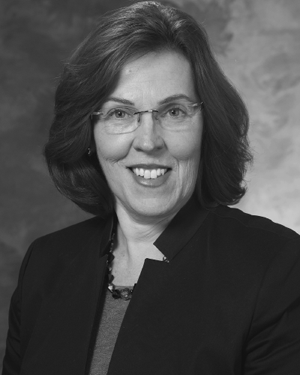 Brenny-Fitzpatrick Maria合作论文数2Kuo Fanglin合作论文数2
 Christine Loyd合作论文数2
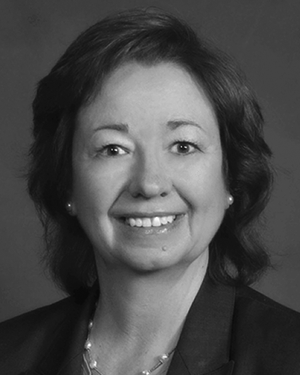 Boltz Marie P合作论文数2
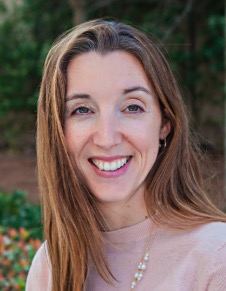 Jessica Sales合作论文数Department of Behavioral Sciences and Health Education, Rollins School of Public Health, Emory University;Department of Psychology, College of Arts and Sciences, Emory University2
 Richard E Kennedy合作论文数1Brad D Ehlenfeldt合作论文数1Tara Weisberg合作论文数1Elizabeth R. Huckaby合作论文数1Jeri Grundhoefer合作论文数1Steve Otero合作论文数1James M. Boyett合作论文数1Brock E Polnaszek合作论文数1Samantha Giordano-Mooga合作论文数1Jacquelyn Mirr合作论文数1Efrat Gil合作论文数1




