Recent discoveries reveal that many complex intraspecific polymorphisms are shaped by a single supergene that maintains coadapted genetic variants through suppressed recombination. Here, we show that in the ant Temnothorax rugatulus, an extreme reproductive polymorphism is instead governed by two independent genomic rearrangements that arose sequentially on different chromosomes. Colonies of this species contain either a single large dispersing queen or multiple queens, including extremely miniaturized microgynes that cannot establish new colonies on their own and reproduce only by joining established multiple-queen colonies. Using chromosome-scale assemblies and population genomic data, we identify two genomic rearrangements, 9.3 and 7.0 Mb in size, that jointly determine these strategies. Divergence dating shows that the supergene underlying colony social structure arose first, creating the conditions for the subsequent emergence of a miniaturization supergene. These findings demonstrate that complex adaptive strategies can be assembled stepwise through the sequential origin of multiple supergenes.
Ambient temperature is a major selective pressure, affecting traits from development to survival. In insects, cuticular hydrocarbons (CHCs) reduce water loss and can be adjusted during acclimation; however, the molecular basis and evolutionary conservation of this plasticity remain poorly understood. We examined transcriptional responses of 3 congeneric Lasius ant species from distinct habitats acclimated to 2 constant and 1 fluctuating temperature regimes. We analyzed global gene (co-)expression patterns and candidate genes involved in CHC biosynthesis. All acclimation treatments induced changes in gene expression, with fluctuating temperatures eliciting the fewest. The arboreal Lasius brunneus showed the weakest response and uniquely lacked increased desiccation resistance, indicating lower plasticity relative to Lasius niger and Lasius platythorax. Coexpression networks revealed that CHC-related genes were broadly distributed across modules, whereas global expression patterns were highly conserved across species. These results highlight species-specific plasticity within a conserved transcriptional framework, with implications for resilience to climate change.
Host-parasite relationships are often shaped by coevolutionary arms races. While abiotic influences on these dynamics are well documented, a combined analysis of abiotic and biotic factors is essential for understanding coevolution, particularly under climate change. In this study, we analysed the interactions of the obligate social parasite Temnothorax americanus, a dulotic ant, and its primary host, the ant T. longispinosus, focusing on behavioural and cuticular hydrocarbon (CHC) traits that govern parasite invasion and host defence. We studied the link between these traits and local climate as well as parasite prevalence. Our results revealed that behavioural interactions were more strongly associated with climate than parasite prevalence. Hosts from warmer, drier regions exhibited reduced aggression during parasite encounters, opting to pick up the brood and flee, while parasites from these regions exhibited greater aggression and activity. CHCs mediating enemy recognition in these ants were linked to local climate and parasite prevalence in both species. As all colonies were maintained under standardized conditions for a year, we attribute the observed phenotypic traits to evolutionary adaptation rather than phenotypic plasticity. Our findings suggest that both abiotic and biotic factors play critical roles in shaping co-evolving traits, sometimes leading to unexpected patterns that would potentially be overlooked when considering only a single factor. These insights provide a framework for understanding how climate influences coevolution of interacting species.
Coevolutionary dynamics in host–parasite systems are driven by reciprocal selection and environmental pressures. When parasite and host are closely related and have similar evolutionary potentials, evolution may follow parallel trajectories, affecting the same traits and underlying genes. We investigated coevolution and its genomic basis in the dulotic ant parasite Temnothorax americanus and its host T. longispinosus across a broad climatic gradient using population genomics, genome-wide association and transcriptome analyses. Population genomics revealed a striking contrast: panmictic host populations versus structured parasite populations, consistent with geographic mosaic dynamics. Genomic responses to parasite prevalence were strongly asymmetric: hosts showed strong selection on immune and structural defence genes, potentially with pleiotropic social functions. Parasites exhibited weaker signals, often in regulatory genes linked to behavioural shifts critical for raiding. Both species displayed shared genomic signatures of climate adaptation (e.g., desiccation resistance, stress response), suggesting convergent physiological responses. Genes associated with host–parasite encounters (mechanosensation, circadian rhythms, venom) also showed parallel selection. Behavioural traits such as aggression showed limited genomic signals but potentially higher transcriptional plasticity. Associations with chemical traits revealed shared selection on genes involved in cuticular hydrocarbon biosynthesis and chemosensory perception, indicating evolutionary coupling of signal production and perception. Constitutive gene expression patterns diverged: host expression correlated with parasite prevalence, while parasite expression was more strongly linked to climate, reflecting contrasting regulatory pressures. Our study demonstrates how differing population structures, asymmetric reciprocal selection, and environmental context shape divergent genomic trajectories of coadaptation, reflecting distinct evolutionary architectures across a heterogeneous landscape. ### Competing Interest Statement The authors have declared no competing interest. DFG, FE 1333/3-3, Fo298/17-3, GRK 2526/1 Huyck Preserve and Biological Research Station
Leaf phenology, a critical determinant of plant fitness and ecosystem function, is undergoing rapid shifts due to global climate change, yet its complex genetic and environmental drivers remain incompletely understood. Understanding the genetic basis of phenological adaptation is crucial for forecasting forest responses to a changing climate. Here, we integrate multi-year satellite-derived phenology from 46 Fagus sylvatica (European beech) populations across Germany with a population-based genome-wide association study to dissect the environmental and genetic drivers of leaf-out day (LOD) and leaf shedding day (LSD). We show that environmental factors, particularly temperature forcing and water availability, are the primary drivers of LOD variation, while LSD is influenced by a more complex suite of climatic cues. Our genomic analysis identifies candidate genes associated with LOD and LSD, primarily linked to circadian rhythms and dormancy pathways, respectively. Furthermore, genomic prediction models incorporating these loci accurately reconstruct past phenological dynamics, providing a powerful framework to forecast forest vulnerability and adaptation to future climate change.
Oxidative stress, driven by reactive oxygen species (ROS), poses a major challenge for organisms facing temperature fluctuations. This study provides the first direct in vivo measurements of ROS production in an insect, Chironomus riparius , across a broad range of ecologically relevant temperatures. We observed a U-shaped pattern of oxidative stress, with minimal ROS levels within an optimal thermal window (12-18°C) and significantly elevated stress at both cold and warm extremes. Crucially, our findings reveal distinct underlying molecular mechanisms for ROS generation at these extremes: at low temperatures, ROS production is predominantly of the superoxide group, linked to hypoxia-induced hemoglobin autoxidation. Conversely, at high temperatures, the hydrogen peroxide group dominates, associated with increased metabolic rate and heat stress signaling pathways. Transcriptomic analysis shows that C. riparius ’s antioxidant defense system adapts accordingly, selectively upregulating mechanisms to counteract the specific dominant ROS type at different temperatures. This mechanistically differentiated oxidative stress and the modulated organismic response profoundly impacts the overall ecological success and evolution of C. riparius as a model for thermal stress in ectotherms. Summary Statement This study shows that cold and heat stress activate different oxidative damage pathways in midge larvae, explaining how organisms face unique physiological limits in thermal extremes. ### Competing Interest Statement The authors have declared no competing interest. Deutsche Forschungsgemeinschaft, https://ror.org/018mejw64, (PF 390/15-1)
The emission of artificial light at night (ALAN) is rapidly increasing worldwide. Yet, evidence for its detrimental effects on various species is accumulating. While the effects of ALAN on phenotypic traits have been widely investigated, effects on the molecular level are less well understood. Here we aimed to integrate the effects of ALAN at the transcriptomic and the phenotypic level. We tested these effects on Chironomus riparius, a multivoltine, holometabolous midge with high ecological relevance for which genomic resources are available. We performed life-cycle experiments in which we exposed midges to constant light and control conditions for one generation. We observed reduced fertility under ALAN from which we predicted the population size to decline to 1% after 200 days. The transcriptomic analysis revealed expression changes of genes related to circadian rhythmicity, moulting, catabolism and oxidative stress. From the transcriptomic analysis we hypothesised that under ALAN, oxidative stress is increased, and that moulting begins earlier. We were able to confirm both hypotheses in two posthoc experiments, showing that transcriptomics can be a powerful tool for predicting effects on higher level phenotypic traits.
Current climate change species response models usually do not include evolution. We integrated remote sensing with population genomics to improve phenotypic response prediction to drought stress in the key forest tree species European beech (Fagus sylvatica L.). We used whole-genome sequencing of pooled DNA from natural stands along an ecological gradient from humid-cold to warm-dry climate. We phenotyped stands for leaf area index (LAI) and moisture stress index (MSI) for the period 2016-2022. We predicted this data with matching meteorological data and a newly developed genomic population prediction score in a Generalised Linear Model. Model selection showed that the addition of genomic prediction decisively increased the explanatory power. We then predicted the response of beech to future climate change under evolutionary adaptation scenarios. A moderate climate change scenario would allow persistence of adapted beech forests, but not worst-case scenarios. Our approach can thus guide mitigation measures, such as allowing natural selection or proactive evolutionary management.
Social insects form complex societies with division of labour between different female castes. In most species, a single queen heads the colony; in others, several queens share the task of reproduction. These different social organisations are often associated with distinct queen morphologies and life-history strategies and occur in different environments. In the ant Temnothorax rugatulus, queens are dimorphic. Macrogynes and microgynes reside in mono- and polygynous colonies and at lower and higher elevations, respectively. We analysed plastic changes in brain transcriptomes in response to the social environment in these queen morphs and their workers. We manipulated the number of queens over 4 months to investigate whether transcriptional activity is influenced by queen morph, social environment or their interaction. Changes in gene expression in the queens' brains in response to our manipulations were largely influenced by the interaction between social environment and queen morph, rather than independently by these factors. Macrogynes and microgynes thus adjust differently to their social environment. Similarly, worker transcriptomes were influenced by an interaction between behavioural type, that is, nurses or foragers, and queen morph. Nurses differentially regulated genes related to nutrition depending on queen morph, suggesting a link between social environment and metabolic dynamics in ant colonies. Overall, our study sheds light on how the social environment influences the molecular physiology of social insects. Furthermore, we demonstrate that in this ant with two queen morphs, worker physiology depends on queen morph and their role in the colony.
ABSTRACT Oxidative stress, caused by reactive oxygen species (ROS), poses a major challenge for organisms facing temperature fluctuations. This study provides the first direct in vivo measurements of ROS production together with transcriptome analysis of oxidative stress genes across a broad range of ecologically relevant temperatures in insect larvae of the dipteran midge Chironomus riparius. We observed a U‐shaped pattern of oxidative stress, with minimal ROS levels within an optimal thermal window (12°C–18°C) and significantly elevated stress at both cold and warm extremes. Crucially, our findings reveal distinct underlying molecular mechanisms for ROS generation at these extremes: at low temperatures, predominantly ROS produced is of the superoxide group, linked to hypoxia‐induced hemoglobin autoxidation. Conversely, at high temperatures, the hydrogen peroxide group dominates, associated with increased metabolic rate and heat stress signaling pathways. Transcriptomic analysis shows that C. riparius's antioxidant defense system adapts accordingly, selectively upregulating mechanisms to counteract the specific dominant ROS type at different temperatures. This mechanistically differentiated oxidative stress at different temperatures and the modulated organismic response reflect the ecological niche and evolution of C. riparius.
The interplay between phenotypic plasticity and cryptic genetic variation (CGV) is crucial for understanding adaptation, yet the prevailing paradigm suggests CGV is primarily exposed under novel or extreme conditions. By examining gene expression responses along a natural temperature gradient in Chironomus riparius , we challenged this view. We found that the vast majority of expressed genes (63%) exhibit dynamic CGV, where interindividual expression variability scales continuously with distance from the selectively optimal temperature, a pattern also observed in higher-level traits like mutation rate and ROS levels. Genes with lower overall expression levels were less temperature-regulated, and thermal reaction norm shapes varied with gene function. Unexpectedly, thermally plastic genes were more pleiotropic, often acting as hub genes, while CGV in gene expression was associated with lower pleiotropy. This pattern, and the observed strong recurrent selection on plastic genes with CGV, aligns with C. riparius ’s adaptation to its highly fluctuating environment through selective tracking. We propose that this continuous, dynamic release of genetic variation is a necessary and inherent outcome of the polygenic nature of traits. This model fundamentally reshapes our understanding of adaptation, implying that populations can gradually and continuously adapt without requiring harsh conditions to expose hidden diversity. This leads to smoother adaptive landscapes, enhancing rapid adaptation and facilitating evolutionary innovation in the face of ongoing environmental change. ### Competing Interest Statement The authors have declared no competing interest.
Parasitism, a common strategy across life, often involves genomic reduction. Socially parasitic 'slavemaking' ants provide an excellent model to study the evolution of this lifestyle. Here, we compared the genomes of four closely related, independently evolved parasite-host pairs and their outgroups to identify convergent patterns. While genome size and gene numbers remain relatively stable, parasites show increased positive and relaxed selection, more putative de novo genes which have recently emerged from previously non-coding regions, and a significant loss of chemical receptors, particularly those associated with the evolution of sociality. Hosts, however, retain many duplicated genes. Gene co-expression networks associated with nest-defence in hosts are rather conserved, while the network structure of raiding parasites is much more variable and reflects the independent evolutionary origin of social parasitism. Our findings suggest that while hosts primarily rely on existing molecular mechanisms for defence, parasite genome evolution is characterised by extensive, convergent gene loss, innovation, and network rewiring. ### Competing Interest Statement The authors have declared no competing interest.
Ferrissia californica (Rowell, 1863) (Gastropoda: Hygrophila: Planorbidae) is a globally distributed freshwater limpet native to North America. Based on the specimens collected in Georgia, we aimed to sequence and annotate the mitochondrial genome of F. californica for the first time. The mt-genome spans 13526 bp containing 13 protein-coding, 2 ribosomal RNA, and 22 transfer RNA genes. Comparisons with the mitochondrial genomes of other gastropod molluscs revealed differences in gene organization. A phylogenetic reconstruction based on 12 protein-coding genes of several representatives from the Planorbidae and Limnaeidae families placed F. californica and Laevapex fuscus (C. B. Adams, 1840) as sister taxa.
Coevolutionary dynamics in host-parasite systems are shaped by reciprocal selection and environmental context. When hosts and parasites share ancestry and ecological overlap, selection can act on similar traits, but population structure and geography may generate adaptive mosaics. Here, we present the first study to investigate genome-wide signatures of selection in response to a broad climatic gradient and a geographic mosaic of coevolution between a social parasite and its host. We examined these processes in the dulotic ant Temnothorax americanus and its congeneric host Temnothorax longispinosus using population genomics, genome-wide association analyses, and transcriptomics. Host populations showed very weak and parasites stronger population structure, enabling geographic mosaic dynamics. Genomic responses to parasite prevalence were divergent: Hosts showed signatures of selection on immune genes, whereas regulatory genes associated with raiding were under selection in parasites. Both species displayed convergent signatures of climate adaptation, including loci related to desiccation resistance, stress response, and parasite prevalence, with signals in communication and recognition genes involved in hydrocarbon biosynthesis, chemosensory perception, circadian rhythms, and venom production. Transcriptome analyses revealed contrasting patterns, with host gene expression linked to parasite prevalence and parasite expression more strongly shaped by climate. Together, our results reveal a genomic mosaic of coadaptation, in which population structure, asymmetric selection, and ecological variation interact to generate divergent yet interconnected evolutionary trajectories. Our findings highlight communication and recognition as recurrent arenas of antagonistic coevolution, underscore climate as a pervasive selective force, and establish a framework for investigating molecular coevolution in social parasite systems.
Microplastics (MP) are a diverse class of contaminants for which it is challenging to assess their effects on freshwater biota. As polyamide (PA) and polyvinyl chloride (PVC) are two of the most abundant microplastic materials in natural environments, the present study investigated whether their chronic presence, particle size (< 100 μm and > 100 μm) and their mixture influenced gene transcription patterns and inclusive fitness of C. riparius. Transcriptome data as the lowest phenotypic trait level suggested that MP exposure impacted a range of organismic processes like oxidative stress and inflammations, leading to an innate immune response, downregulation of metabolism in organs directly exposed to the particles and triggered premature molting, regardless of the MP material or their mixture. A life-cycle fitness assessment was performed using PA, PVC and a mixture of both in, respectively. The integration of the fitness components survival, developmental time and fertility into the daily population growth rate as comprehensive fitness parameter on the highest trait level showed that any chronic microplastic exposure led to a considerable fitness loss. Partitioning the effects of substance and size class showed that microplastic exposure as such and size played an important role, while the MP material was of minor importance. The observed decrease in daily population growth rates between 2.3 and 7.6 % upon chronic MP exposure suggested a dramatic reduction of the species' population size and thus for freshwater ecosystems.
A co-evolutionary arms race ensues when parasites exhibit exploitative behaviour, which prompts adaptations in their hosts, in turn triggering counter-adaptations by the parasites. To unravel the genomic basis of this coevolution from the host's perspective, we collected ants of the host species Temnothorax longispinosus, parasitized by the social parasite Temnothorax americanus, from 10 populations in the northeastern United States exhibiting varying levels of parasite prevalence and living under different climatic conditions. We conducted a genome-wide association study (GWAS) to identify single nucleotide polymorphisms (SNPs) associated with both prevalence and climate. Our investigation highlighted a multitude of candidate SNPs associated with parasite prevalence, particularly in genes responsible for sensory perception of smell including odorant receptor genes. We further focused on population-specific compositions of cuticular hydrocarbons, a complex trait important for signalling, communication and protection against desiccation. The relative abundances of n-alkanes were correlated with climate, while there was only a trend between parasite prevalence and the relative abundances of known recognition cues. Furthermore, we identified candidate genes likely involved in the synthesis and recognition of specific hydrocarbons. In addition, we analysed the population-level gene expression in the antennae, the primary organ for odorant reception, and established a strong correlation with parasite prevalence. Our comprehensive study highlights the intricate genomic patterns forged by the interplay of diverse selection factors and how these are manifested in the expression of various phenotypes.
Background Climate is one of the most important abiotic variables organisms must adapt to. Ectothermic organisms are particularly dependent on ambient temperature, affecting everything from development to survival. Among these, insects are especially susceptible to desiccation due to their high surface-to-volume ratio. To protect against evaporation, they carry a layer of cuticular hydrocarbons (CHCs) on their cuticle. Their composition is species-specific and can be adjusted to maintain waterproofing during acclimation. However, the molecular mechanisms behind this acclimation, and how they vary across species, are still poorly studied. Results Here we investigated the transcriptional response of three congeneric ant species from different habitats acclimated to two constant and one fluctuating temperature regimes. Next to global patterns in gene expression and co-expression, we specifically studied the expression of CHC candidate genes. We expected the meadow species Lasius niger, being more exposed to sun, to show the lowest stress response to high temperatures, and the forest species Lasius platythorax to show the strongest response to constantly high temperatures in terms of changes in gene expression and CHC candidate genes. All acclimation treatments resulted in a small number of differentially expressed genes (DEGs), with the fluctuating regime showing the fewest. This suggests that fluctuating temperatures may mitigate the potentially stressful effects of constant temperatures. The arboreal Lasius brunneus displayed the weakest transcriptional response during acclimation, and, in contrast to the other two species, acclimation did not increase its desiccation resistance. This suggests low plasticity, and thus potentially a higher vulnerability to climate change. Co-expression network analysis revealed that CHC candidate genes were distributed randomly across co-expression modules in all species. Additionally, module preservation analyses indicated highly similar global gene co-expression patterns across all three species, despite their distinct ecological niches. Conclusions Our findings highlight the importance of studying gene expression alongside other (or higher-level) phenotypic traits to understand the mechanisms underlying phenotypic plasticity. Furthermore, they suggest that some species may be more susceptible to climate change than others due to limited acclimation capacity.
 Markus Pfenninger合作论文数Abteilung Ökologie & Evolution, J.W. Goethe-Universität42
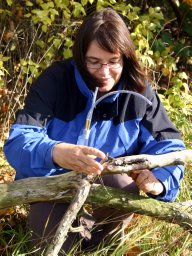 Susanne Foitzik合作论文数Department Biology39
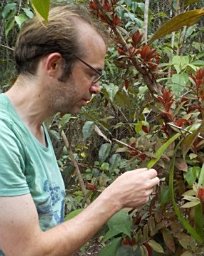 Florian Menzel合作论文数Biocenter, University of Würzburg14
 Evelien Jongepier合作论文数11
 Marah Stoldt合作论文数10
 Ann-Marie Waldvogel合作论文数Institute of Zoology, University of Cologne10
 Erich Bornberg-Bauer合作论文数Dept. Protein Evolution, Max Planck Institute for Biology Tübingen;School of Biological Sciences, The Westfalian Wilhelms University of Münster;Institute for Evolution and Biodiversity, University of Münster8
 Matteo Negroni合作论文数7
 Juliane Hartke合作论文数7
 Ido Pen合作论文数Theoretical Biology Group;Centre for Ecological and Evolutionary Studies;University of Groningen;Centre for Ecological and Evolutionary Studies, University of Groningen7
 Christelle Rutz合作论文数6
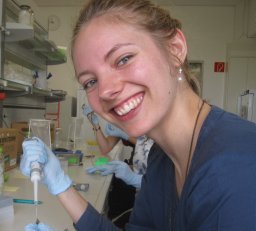 Alice Séguret合作论文数Inst Evolut & Biodivers, Westfalische Wilhelms Univ6
 Philipp P Sprenger合作论文数Bioctr, Univ Wurzburg6
 Thomas Schmitt合作论文数Universität Trier6
 Miklos Balint合作论文数Molecular Biology Center;Babes-Bolyai University;Molecular Biology Center, Babes-Bolyai University6
 Kathrin Theissinger合作论文数Department of Limnology and Conservation6
 Odile Lecompte合作论文数Laboratoire de Biologie et Génomique Structurales, IGBMC CNRS/INSERM/ULP6
 Ljudevit Luka Boštjančić合作论文数Div Mol Biol, Univ Zagreb5
 Caterina Francesconi合作论文数5Arnaud Kress合作论文数Department of Computer Science, ICube, UMR 7357,University of Strasbourg, CNRS, Fédération de médecine translationnelle de Strasbourg,Strasbourg,France5
 Hanno Schmidt合作论文数School of Veterinary Medicine, University of California - Davis5
 Romain Libbrecht合作论文数Department of Ecology and Evolution, University of Lausanne;Laboratory of Insect Social Evolution, Rockefeller University;University of Lausanne, Rockefeller University5
 Kohlmeier Philip合作论文数5
 Schell Tilman合作论文数5Alleman Austin合作论文数5
 Marina Choppin合作论文数4Claudia Gstöttl合作论文数4
 Tobias Uller合作论文数Department of Biology, Faculty of Science, Lund University4
 Erik Wapstra合作论文数School of Zoology;University of Tasmania;School of Zoology, University of Tasmania4
 Geoffrey M While合作论文数School of Zoology;Private Bag 05;University of Tasmania;School of Zoology, University of Tasmania4
 Jenny Makkonen合作论文数4Lucien Hoffbeck合作论文数3Muhidin Seho合作论文数3Maide Nesibe Macit合作论文数3
 Lena Bonassin合作论文数3
 Quentin Foucault合作论文数Department of Molecular Ecology, Senckenberg Biodiversity and Climate Research Centre3Sara Beros合作论文数3
 Laetitia Poidevin合作论文数3
 Bastian Greshake Tzovaras合作论文数Goethe Univ, Inst Cell Biol & Neurosci, Dept Appl Bioinformat, D-60438 Frankfurt, Germany3Andreas Wieser合作论文数3Patel Simit合作论文数3
 Langan Liam合作论文数3
 Thomas Hankeln合作论文数3
 Klaus Schwenk合作论文数Netherlands Institute of Ecology;Centre for Limnology;Centre for Limnology, Netherlands Institute of Ecology3
 L. W. Beukeboom合作论文数Groningen Institute for Evolutionary Life Sciences, Faculty of Science and Engineering, University of Groningen3
 Hannes Lerp合作论文数Department of Ecology and Evolution, J. W. Goethe-University Frankfurt am Main3
 J. Jussila合作论文数Crayfish Innovation Centre, University of Eastern Finland3
 Thomas Hickler合作论文数Department of Physical Geography and Ecosystems Analysis;Geobiosphere Science Centre;Lund University;Geobiosphere Science Centre, Lund University3Bruno Streit合作论文数3




