Background:Intravenous thrombolytic (IVT) and mechanical thrombectomy (MT) therapies are the current standard of care for large vessel occlusion (LVO) stroke. Multiple studies emphasized the impact of time metrics on patient outcomes, particularly door-to-needle (DTN) and door-to-puncture (DTP) times. Tenecteplase (TNK) offers potential advantages over alteplase (ALT), including a simplified one-time bolus administration, which may reduce DTP time. Results suggest TNK is non-inferior to ALT in terms of clinical outcomes, but few large cohort studies have compared DTP time for patients receiving TNK vs. ALT prior to thrombectomy. This real-world study aimed to compare DTP times and discharge outcomes in patients treated with TNK vs. ALT before thrombectomy. Methods:Retrospective data were collected from three comprehensive stroke centers (CSCs) in Texas from October 2019 to November 2024 and included subjects that received both IVT and MT. Data were analyzed for DTP times and other time metrics. Results:Among 50 ALT and 89 TNK patients in our study cohort, the TNK group had significantly shorter DTP times of 80 min (62-96) compared to ALT times of 101.5 min (80-121), P < 0.001. No significant differences were found for door-to-imaging and imaging-to-needle times; however, needle-to-puncture times were significantly shorter with TNK 39 min (29-51) compared to ALT 55 min (43-77), P < 0.001. Both groups had similar favorable outcomes at discharge. Conclusions:Our Lone Star Stroke (LSS) TNK registry represents the real-world experience of academic CSCs in Texas. We demonstrated that transitioning to TNK is associated with shorter DTP times compared to ALT. These results are primarily due to shorter needle-to-puncture times and may be attributable to TNK's simplified single-bolus administration. Both TNK and ALT groups demonstrated high rates of favorable outcomes at discharge, but given its faster DTP time, TNK is likely a preferable option for LVO stroke patients requiring both IVT and MT.
Importance:Clinical practice guidelines recommend initiation of anticoagulation within 2 weeks after stroke with atrial fibrillation. It is unknown whether there is an optimal starting day within the 14-day period that balances the risks of recurrent embolic events against serious hemorrhagic events. Objective:To determine if there is an optimal delay time to initiate treatment with a direct oral anticoagulant after atrial fibrillation-related stroke that minimizes the risk of a composite outcome of ischemic or hemorrhagic events. Design, Setting, and Participants:This phase 2, pragmatic, response-adaptive randomized clinical trial was conducted between June 2017 and June 2023 at acute care hospitals in Texas and included patients who had a mild to moderate ischemic stroke (minimum lesion diameter of 1.5 cm) with atrial fibrillation and were prescribed a direct oral anticoagulant within 2 weeks from stroke onset. Intervention:Within 3 to 4 days after atrial fibrillation-associated ischemic stroke, patients were randomized to a group for treatment start date (group 1 was day 3 or 4 after stoke onset; group 2 was day 6; group 3 was day 10; and group 4 was day 14) with a direct oral anticoagulant for secondary stroke prevention. Main Outcomes and Measures:The composite primary outcome was an ischemic (stroke or systemic embolism) or hemorrhagic (symptomatic intracranial hemorrhage or major systemic hemorrhage) event observed within 30 days from the index stroke time of onset. Posterior probabilities were used to estimate which timing groups were optimal for treatment initiation and were recalculated at predefined intervals. The randomization allocations were adjusted to favor the groups with higher probabilities. Results:The trial enrolled and randomized 200 patients (50% were female; the median age was 75 years [IQR, 65-81 years]; 17.5% were Asian, Black, or >1 race; 16.5% were Hispanic; the median National Institutes of Health Stroke Scale score was 6.5 [IQR, 4-14]; and the median lesion diameter was 3.1 cm [IQR, 2.0-4.4 cm]). No ischemic events were observed for group 1, 3 events were observed for group 2, 2 events were observed for group 3, and 2 events were observed for group 4. One hemorrhagic event was observed for group 1, 1 event was observed for group 2, 1 event was observed for group 3, and 0 events were observed for group 4. Group 1 had a posterior probability of 0.41 for being the optimal day for treatment initiation and it was 0.26 for group 2, 0.17 for group 3, and 0.15 for group 4. The use of response-adaptive randomization was feasible and favored groups with earlier initiation times for use of a direct oral anticoagulant. Conclusions and Relevance:A clearly superior day to initiate use of a direct oral anticoagulant for secondary stroke prevention in patients with atrial fibrillation was not identified, but the evidence suggests that initiating use of a direct oral anticoagulant earlier is better than at later times within the first 2 weeks after stroke onset. Trial Registration:ClinicalTrials.gov Identifier: NCT03021928.
Clinical practice guidelines recommend initiation of anticoagulation within 2 weeks after stroke with atrial fibrillation. It is unknown whether there is an optimal starting day within the 14-day period that balances the risks of recurrent embolic events against serious hemorrhagic events. To determine if there is an optimal delay time to initiate treatment with a direct oral anticoagulant after atrial fibrillation–related stroke that minimizes the risk of a composite outcome of ischemic or hemorrhagic events. This phase 2, pragmatic, response-adaptive randomized clinical trial was conducted between June 2017 and June 2023 at acute care hospitals in Texas and included patients who had a mild to moderate ischemic stroke (minimum lesion diameter of 1.5 cm) with atrial fibrillation and were prescribed a direct oral anticoagulant within 2 weeks from stroke onset. Within 3 to 4 days after atrial fibrillation–associated ischemic stroke, patients were randomized to a group for treatment start date (group 1 was day 3 or 4 after stoke onset; group 2 was day 6; group 3 was day 10; and group 4 was day 14) with a direct oral anticoagulant for secondary stroke prevention. The composite primary outcome was an ischemic (stroke or systemic embolism) or hemorrhagic (symptomatic intracranial hemorrhage or major systemic hemorrhage) event observed within 30 days from the index stroke time of onset. Posterior probabilities were used to estimate which timing groups were optimal for treatment initiation and were recalculated at predefined intervals. The randomization allocations were adjusted to favor the groups with higher probabilities. The trial enrolled and randomized 200 patients (50% were female; the median age was 75 years [IQR, 65-81 years]; 17.5% were Asian, Black, or >1 race; 16.5% were Hispanic; the median National Institutes of Health Stroke Scale score was 6.5 [IQR, 4-14]; and the median lesion diameter was 3.1 cm [IQR, 2.0-4.4 cm]). No ischemic events were observed for group 1, 3 events were observed for group 2, 2 events were observed for group 3, and 2 events were observed for group 4. One hemorrhagic event was observed for group 1, 1 event was observed for group 2, 1 event was observed for group 3, and 0 events were observed for group 4. Group 1 had a posterior probability of 0.41 for being the optimal day for treatment initiation and it was 0.26 for group 2, 0.17 for group 3, and 0.15 for group 4. The use of response-adaptive randomization was feasible and favored groups with earlier initiation times for use of a direct oral anticoagulant. A clearly superior day to initiate use of a direct oral anticoagulant for secondary stroke prevention in patients with atrial fibrillation was not identified, but the evidence suggests that initiating use of a direct oral anticoagulant earlier is better than at later times within the first 2 weeks after stroke onset. ClinicalTrials.gov Identifier: NCT03021928
Introduction: Telerehabilitation (TR) can be as effective as in-clinic therapy; however, the implementation of barriers and facilitators to TR is unknown, especially in the underserved and rural population. In addition to TR, self-management support (SMS) interventions have been successful in improving outcomes for stroke survivors using telehealth. We explored the following: (1) Is an intensive multidisciplinary TR intervention combined with SMS feasible to deliver virtual postacute stroke care? (2) Does an intensive TR intervention combined with SMS lead to improvements in level of impairment, functional outcomes, and quality of life? (3) Does an intensive TR intervention combined with SMS impact patient goal attainment? (4) What barriers and facilitators to TR are perceived by stroke survivors? Methods: Virtually assisted home rehabilitation after acute stroke-2 offered two sessions of rehabilitation therapy, 3 days a week, for 4 weeks, consisting of two of the following disciplines: occupational therapy, physical therapy, or speech therapy. SMS was offered during the first and last session each week. Quantitative outcomes were completed at baseline assessment (week 1), postintervention assessment (week 6), and final assessment (week 10). Following grounded theory, semi-structured qualitative interviews were completed to identify barriers and facilitators of TR. Results: A total of N = 15 participants were consented into the program. When excluding the 3 participants who withdrew within or before week 1 of intervention, the average weekly number of therapy sessions completed by the remaining 12 participants was 5.6 (standard deviation [SD] 0.79), 5.6 (SD 0.90), 5.2 (SD 2.19), and 4.9 (SD 1.98) for weeks 2-5, respectively. Posterior probability (PP) results indicated very strong (PP >97%) to extreme (PP >99%) support in favor of change over time across most outcomes, including decreased modified Rankin Scale (marginal improvement of -0.731) and Patient Health Questionnaire scores (-3.606) and increased Montreal Cognitive Assessment (+4.178). Nine participants took part in the semi-structured interviews, and two major themes emerged: 1-"Perceived Access/Delivery" and 2-"Perceived Therapy Advantages." In regard to the goal attainment, low sample sizes limited precision for analyses, thus these were not included in analyses. Conclusion: TR after acute stroke is feasible, though barriers still exist. This study proved to be a safe and attainable option for underserved populations of stroke survivors, demonstrating high attendance, improved outcomes, and no intervention-related adverse events.
Introduction: Thrombolytic and mechanical thrombectomy therapies are the current standard of care for large vessel occlusion (LVO) stroke. Multiple studies emphasized the impact of time metrics on patient outcomes, particularly door-to-needle and door-to-puncture (DTP) times. Tenecteplase (TNK) offers potential advantages over alteplase (tPA), including a simplified one-time bolus administration, which may reduce DTP time. While studies suggested TNK is non-inferior to tPA in terms of clinical outcomes, few large cohort studies have compared DTP times between patients receiving TNK or tPA prior to thrombectomy. This study aimed to compare DTP times and outcomes at discharge in patients treated with TNK versus tPA before thrombectomy. Methods: We conducted a retrospective analysis of patients treated at three comprehensive stroke centers (CSC) in Texas, United States that transitioned from tPA to TNK between October 2019 and March 2023. The study included patients who received either tPA or TNK followed by thrombectomy and excluded those with DTP times exceeding 180 minutes. Baseline characteristics were compared. The primary outcome was DTP time. Secondary outcomes were TICI scores and ambulatory status upon discharge. Data was extracted from Get with the Guidelines (GWTG) Stroke Patient Management Tool. Results: A total of 102 patients were included, with 53 receiving TNK and 49 receiving tPA. Baseline characteristics were similar between groups (Table 1). Patients in the TNK group had significantly faster DTP time compared to the tPA group, with a median time (IQR) of 81 [65, 105] vs 104 [81, 128] minutes (P=0.005) (Figure 1). No significant differences were observed in door-to-needle, door-to-imaging, or imaging-to-needle times; however, the needle-to-puncture time was notably shorter in the TNK group, median (IQR) 43 [27, 63] vs 60 [43, 83] minutes (P=0.003) (Figure 2). There were no significant differences between the groups in terms of TICI scores or ambulatory status upon discharge. Conclusion: Our analysis of CSCs that transitioned to TNK found reduced DTP times compared to tPA. This finding was driven by shorter needle-to-puncture times and thus, may be due to the simplified, single bolus TNK administration. Both TNK and tPA groups yielded high rates of successful recanalization and similar functional outcomes at discharge. Given its faster DTP time, TNK may be a better option for LVO stroke patients requiring both thrombolysis and thrombectomy.
Background: Shortly after AHA/ASA released an updated policy on stroke care systems, COVID-19 disrupted these systems. Lockdowns and social distancing were considered critical to mitigate COVID-19 transmission but altered public perceptions about stroke medical care. As a result, telehealth expanded rapidly across Texas. However, little is known how to optimally integrate telehealth services into the continuum of stroke care. Methods: To identify barriers and facilitators of post-acute stroke telehealth services among stroke survivors’ facilities of the Lone Star Stroke Consortium (LSSC) Research Consortium, we conducted semi-structured interviews with stroke providers and focus groups with patients. Audiotapes were transcribed, and files prepared for analysis. Using a grounded theory approach, we performed data analysis to allow theory to emerge from data. Two independent reviewers read transcripts, developed coding using an iterative consensus building, verified codes, developed concepts, and created categories. Constant comparison process found emerging themes within each category. Results: We enrolled 23 providers and 34 patients. Access, telemedicine encounter and technology were revealed as major categories of post-acute stroke telehealth among providers and patients. Facilitators of access included increased accessibility and elimination of barriers. Reliable internet connection and technological skills were barriers for both groups. Patients and providers identified virtual visits as good. However, full medical exam, including cognitive evaluation, was a barrier for patients and providers. Technology increased ability to communicate with patients and providers. Barriers included constrains of internet services, lack of documentation for virtual visits, and lack of telemedicine platform. Conclusion: Our study will contribute to future telehealth services integration into continuum of stroke care.
Purpose This study aimed to describe stroke survivors’ experiences receiving telemedicine visits at the Lone Star Stroke Consortium during the COVID-19 pandemic. Materials and Methods A qualitative descriptive phenomenological design was applied to gather patients’ telemedicine experiences through in-depth interviews, using a study guide. Audio-recorded interviews were conducted via ZOOM and transcribed verbatim. Two independent reviewers used the Giorgi descriptive method to analyze the data and search for the essence of stroke survivors’ follow-up telemedicine experiences during the COVID-19 pandemic. Results Fifteen underserved patients were recruited: mean age, 51.8 (15.7), and 9 (60%) females. Three themes emerged: (1) vivid memory of the stroke acute phase, (2) poststroke care experiences, and (3) perceived telemedicine experiences. Conclusions The phenomenon of follow-up telemedicine visits during COVID-19 pandemic, as experienced by the stroke survivors, was positive. It showed patients’ improved care access for poststroke visits. Telemedicine was satisfactory, except where the full medical exam was needed. Study findings highlight the individual approach was important, as well as the need for reliable internet and training to improve patients’ technological skills. A hybrid approach for post-pandemic follow-up visits (in-person and telemedicine) was recommended by stroke survivors. These findings suggest that telemedicine is feasible and effective for poststroke care. Additional strategies are needed to improve future telemedicine integration into the continuum of care.
Background and Purpose: Stroke occurs suddenly and can be a life-changing experience. Nearly 800,000 people in the United States each year suffer a stroke leading to major disability. Support of treatment of acute and follow-up care involves complex, evidence-based interventions to reduce death, stroke recurrence, post stroke disability and risk factors management. In 2019, American Heart Association released a policy guiding implementation of stroke systems of care. However, COVID-19 pandemic lockdowns changed public perceptions of when to seek stroke care. Little is known about care transformation due to pandemic. This study describes stroke survivors lived experience and challenges faced while seeking post-stroke care during pandemic across. Methods and Analysis: A qualitative phenomenological methodology was used to conduct the study. We enrolled 15 participants who had telemedicine follow-up visits and conducted in-depth interviews using study guide. Two independent reviewers used Giorgi descriptive method to search for essence of lived experience of surviving stroke and themes related to follow-up care using telemedicine. Results: Lived experience included variety of reactions due to an acute event such as life uncertainly, confusion and frustration, loneliness and worries. Unexpected challenges of care access and quality due to special COVID protocols and limited or no family support during hospital stay, emerged as additional themes. Themes related to follow-up care included post-stroke care coordination challenges, pros and cons of telemedicine encounters and practical aspects of using technology. Conclusions: Having a stroke during pandemic, created unexpected challenges that transformed post-stroke care. Individual approach was most important in dealing with challenges. Positive changes occurred while using telemedicine except in cases where full medical exam was needed. Patients recommended using hybrid approach for post-pandemic visits (in-person and telemedicine). Knowledge gained from this study can be used in a wider context of limitations imposed by other civilization-related epidemics.
Background and Purpose: Self-management Support (SMS) helps stroke survivors control risk factors to prevent second stroke. Little is known about feasibility and effectiveness of using mobile health technology (MHT) for SMS among underserved stroke survivors. The investigators studied feasibility and effectiveness of using a video teleconference mobile application to deliver a SMS program to underserved, hard to reach stroke survivors. Methods: The Video teleconference Self-management TO Prevent stroke (V-STOP) program was evaluated using longitudinal design with measurements at baseline, immediately post intervention (6 weeks), intermediate (12 weeks), and at study end (18 weeks). Medically underserved stroke survivors with uncontrolled stroke risk factors were included. Feasibility was assessed as time in intervention, telehealth satisfaction, stroke knowledge and SMS effectiveness were measured as psychological (depression, PHQ-8; anxiety, GAD-7), social (community integration questionnaire), and stroke self-management (goal attainment) outcomes. Generalized estimating equations were used with site and time in intervention as covariates. Results: V-STOP was successfully delivered to 106 participants using MHT over 2 years. Mean age was 59.3 (±10.9), majority were white (82.1%), males (54.3%), not living alone (85.9%), married (52.8%), with low annual income (<$25,000) ( 58.5%), and health insurance (59.4%). Program feasibility indicated mean number of V-STOP sessions were 4.6 (±1.8), with 4.4 (±2.0) hours of total time for the intervention. Overall satisfaction at 6 weeks with V-STOP (4.8(±0.5)) and telehealth (4.7(±0.5)) was high. Stroke knowledge was high at 12 weeks (9.6(±0.7)). SMS effectiveness indicated improvement in psychological outcomes at 6, 12, and 18 weeks from baseline; depression (18 weeks - β = 0.64 (CI 0.49-0.84)) and anxiety (18 weeks - β = 0.66 (CI 0.51-0.85)). Community integration improved by 18 weeks - β = 1.08 (CI 1.01-1.16) and stroke self-management also improved long term at 12 and 18 weeks (β = 0.92 (CI 0.84-0.99). Conclusion: MHT is feasible to deliver SMS to underserved stroke survivors. It improves psycho-social and self-management goal setting and goal attainment outcomes.
Objectives: Patient self-management support (SMS) interventions help stroke survivors control stroke risk factors and assist with secondary prevention. We examined utility and preliminary effectiveness of mobile video-teleconferencing (VT) to deliver SMS to stroke survivors in rural and low-income urban Texas communities. Methods: We applied a within-subjects design to assess improvement in self-management behaviors and stroke risk factors among stroke survivors receiving SMS intervention through mobile VT. Adults with stroke and two or more uncontrolled stroke risk factors were eligible. The SMS program, Video-teleconference-Self-management TO Prevent stroke (V-STOP) was delivered over 6 weeks by trained health coaches through VT. We applied Generalized Estimating Equations with site and time in intervention as covariates to evaluate psychological, social, physiological outcomes, self-management behaviors, and quality of life. Results: Mean age of 106 participants was 59.3 (10.9); most were White, Hispanic men, living with someone, with low income. Approximately 69% completed all measures at 6 weeks. Median number of sessions attended was 5 (interquartile range 3) potentially avoiding 210 km of travel per person. Satisfaction with V-STOP and VT delivery was high, at (4.8 [+/- 0.5]) and (4.7 [+/- 0.5]), respectively. Stroke knowledge was improved from 8.8 (+/- 1.0) at baseline to 9.6 (+/- 0.7) at 12 weeks, (p<0.0001). Improvements were observed in self-efficacy, exercise behaviors, depression and anxiety, disability, and quality of life. Conclusion: Implementation of SMS is feasible and shows good utility and preliminary effectiveness of using mobile VT to provide stroke follow-up care to stroke survivors. Participants improved self-management behaviors and stroke risk factors.
Background Stroke is a leading cause of disability in adults and second cause of death in the United States. Survivors face challenges postdischarge, including risks in self-management (SM) following prescribed regimens. Although SM education can help develop skills to control risk factors for stroke recurrence, little is known about lived experiences of patients adopting SM. Aims To examine Veterans' lived poststroke experiences after discharge and their experiences in SM goal setting/attainment. Methods Patients within one year of discharge from a Veterans Administration Medical Center in the United States with two risk factors for stroke recurrence were enrolled and received an SM workbook. Eight patients were interviewed (six males, two females; mean age 62: range 45-80). Part I concerned lived experience. Part II described experiences with goal setting and attainment. Data were analyzed inductively, identifying common experiences. Deductive analysis described goal setting and attainment. Transcript reviews identified SM themes and strategies. Results Lived experiences included 1) uncertainty about life, 2) anger and frustration, and 3) healthcare system challenges. Coping skills and setting goals to manage risks were critical for physical and emotional functioning. Conclusions SM coping and goal setting aided recovery and improved life quality among Veterans after stroke. SM interventions assisted in regaining physical and emotional function. Findings may help in design of interventions for survivors, using SM and goal setting and attainment.
Self-management support (SMS) interventions help stroke survivors achieve behavior changes to control stroke risk factors. Goal-setting is a fundamental skill widely recognized as integral to SMS. Theories related to goal-setting describe a mediating effect between the quality of a goal and successful goal attainment. However, direct measurement of goal attainment and its mediated effect on sustained behavior change is not well quantified. We report findings from an updated systematic review of peer-reviewed systematic reviews to identify current valid, reliable measures of goal attainment, with specific focus on goal-attainment measurement used in SMS interventions for stroke risk factors. The Preferred Reporting Items for Systematic Reviews and Meta-Analyses guidelines were used to ensure transparent reporting. Databases used were Medline (Ovid), PubMed (National Library of Medicine), Embase (Ovid), and PsycINFO (Ovid). A priori eligibility criteria included outcome measures for goal attainment and publication in English (2006–2017), following last major review. Of 1363 citations found, 808 titles and abstracts were screened; 52 articles were included in the full review and nine in the final analysis. No measures of goal attainment in the context of SMS for stroke risk factors were identified. The only published measures of goal attainment related to stroke were in the stroke-rehabilitation context. The effect of goal attainment on effective SMS of stroke risks factors could not be determined. We conclude there remains an absence of outcome measures for goal attainment in the context of SMS and SMS interventions that target stroke risk factors.
Background: Although stroke is an acute event caused by chronic conditions such as high blood pressure (BP), diabetes and unhealthy lifestyle, 80% of all strokes are preventable through awareness and risk factor management. Little is known about predictors of BP control in underserved post-stroke patients engaged in self-management (SM). We examined association between patients Readiness to Change (RTC) behavioral intention and demographics, on BP control following implementation of six weeks risk factor reduction program (V-STOP) delivered via videoconferencing to stroke survivors with focus on the BP control. Methods: Under pre/post quasi-experimental design, patients participated in six weeks educational sessions aimed to control modifiable stroke risk factors. Sixty-six patients participated and 44 completed RTC scale and provided BP measurements at baseline and at the end of intervention. The average patient’s age was 58, 57% were male and majority (71%) were white. Almost half of patients finished high school, 65% had annual income less than $25,000, 55% did not have any insurance. The association between predictors and BP control was evaluated using logistic regression in univariate and multivariate analysis. Statistically or biologically significant predictors were considered in multivariate analysis. Results: Multivariate analysis showed that patient age and education impact BP control endpoint. BP control frequency at six weeks was 78% for patients who were younger than 60 years and had no higher education (n=14, reference group), 88% for those younger than 60 who had higher education (n=7, OR=2, p=0.6), and 92% for patients who were older than 60 and had higher education (n=11, OR=3.1, p=0.034). BP control frequency was lowest (62%) for patients older than 60 years who had not received higher education (n=8, OR=0.46, p=0.3). No other factors evaluated impacted BP control. Conclusion: Our results suggest that older patients who received education higher than high school may be more likely to benefit from the stroke SM program implemented. Targeted programs may be required for patients with different demographics. No significant associations were found between RTC scores and BP control. These findings require validation in larger datasets.
Background: Administrative claims data show variability in post-acute stroke care. Stroke survivors without health insurance are not included in claims data statistics. The PASES survey was developed and tested to describe stroke care experience of underserved survivors participating in V-STOP a telehealth self-management program. Methods: Semi-structured interviews were completed to elicit feedback from survivors on experiences during their stroke event, emergency and hospital care, and after discharge. Items on PASES were established based on participants’ responses and survey was piloted in a sample of underserved survivors (N=95). Descriptive statistics and Chi-square analysis were applied to describe stroke survivors’ experiences and differences based on health insurance status. Results: The sample was 45% female, mean age 57, 18% Black and 60% Hispanic. Most (60%) had an annual income of less than $25,000 and 44% had no insurance. Only 25% reported calling 911. However (60%) report presenting to a hospital within 2 hours of stroke symptoms recognition. Nearly half (42%) reported not knowing whether they received a “clot dissolving” medication. Fifty-four percent did not receive rehabilitation after discharge. Eighty-percent reported seeing a healthcare provider after discharge. Most (61%) saw a primary care provider and 22% saw a neurologist. However, only 24% reported seeing a provider within one month of hospital discharge. No significant differences were identified between insured vs. uninsured with respect to race, ethnicity, income, calling 911, receiving inpatient rehab, seeing a provider after discharge and follow up with primary care provider vs. neurologist. Significant differences were identified between insured vs. uninsured with respect to presenting to a hospital within 2 hours of stroke symptoms (35 vs 18 [p=0.023]) and in receiving no rehab after discharge (27 vs 12 [p=0.02]). Conclusion: Results suggest low utilization of EMS, delayed presentation to hospital, limited access to rehabilitation after discharge and limited access to timely follow-up with stroke specialist among underserved stroke survivors. Health insurance status may influence delayed hospital presentation and access to rehabilitation services.
Objectives: ANSWERS-VA dyadic intervention, a strength-based protocol, was adapted for Veterans and their informal Caregivers (CGs). Immediate aims were to tailor the implementation for Veterans and CGs and test the short-term efficacy for improving outcomes of caregiving self-efficacy and caregiver appraisal of threat. Methods: Intervention protocol and materials were modified for telephone delivery to Veterans (n = 130) with definitive diagnosis of stroke and/or traumatic brain injury enrolled at two Level 1 Complexity VA Medical Centers and CGs. Dyads were recruited and randomly assigned to ANSWERS-VA or the attention control group and received 8 telephone sessions with one booster session. Acceptability and feasibility were assessed by participants in the intervention arm. Caregiver threat appraisal and self-efficacy of caregiving were measured in 52 informal CGs randomized to ANSWERS-VA (n = 20) or the attention control group (n = 32) at week 8. Comparisons of two groups in threat appraisal and caregiving self-efficacy were conducted using the Wilcoxon Two-Sample Test. Results: Veterans and CGs found ANSWERS-VA an acceptable and feasible approach and reported that sessions were: a) educational, thought- provoking and supportive while simultaneously facilitating communication about difficult issues; and b) provided practical and tailored skills. Preliminary data analyses indicate that CGs assigned to both groups were similar demographically. No significant changes were demonstrated in Caregiver threat appraisal ( p = 0.74) or caregiving self-efficacy ( p = 0.71) between both groups at 8 weeks. Conclusions: Implementing virtual, dyadic interventions to Veterans with ABI and their informal CGs presented unique challenges: 1) time-intensive processes in pre-implementation phase; 2) field's ambiguity regarding TBI diagnoses and screening protocols within VA Computerized Patient Record System; 3) transition to ICD-10 codes; 4) clear CG eligibility criteria; 5) telephone recruitment; 6) recruitment expertise; and 7) natural disaster, Hurricane Harvey. Though a small sample, analyzing for change in caregiving self-efficacy and caregiver appraisal at 8 weeks may have been premature to determine the short-term efficacy of ANSWERS-VA.
Background: Evidence indicates inadequate access to secondary stroke prevention (SSP) in rural and poor urban areas. While self-management support (SMS) soon after stroke results in improvements, the best mode of delivery and its use in underserved populations is understudied. Methods: A pre/post repeated measures design was applied to determine feasibility and effectiveness of mHealth to deliver SMS to stroke survivors in community based urban clinics and in rural South Texas. Adults with stroke and two or more uncontrolled stroke risk factors were eligible. The telehealth SMS program, Video-teleconference - Self-management TO Prevent stroke (V-STOP) was delivered by trained staff on a video teleconferencing mobile application (see Table 1). Participants received up to 3 stroke follow-up clinic visits and 3 group SMS sessions at home on their mobile device. Primary outcomes were feasibility (attendance and satisfaction); blood pressure, disability, psychosocial measures, and stroke knowledge. Paired t-test was used to determine improvement in outcomes at baseline, 6, 12, 18 weeks. Results: V-STOP was delivered using mHealth to 66 participants over 1 year. Mean age: 57, 42% female, 17% Black and 62% Hispanic: annual income of less than $25,000 (54%) and no health insurance (63%). Attendance rate was 40% for all 6 sessions. Satisfaction with the program and mHealth delivery was high, mean score of 4.88 out of 5. Improvements from baseline to 18 weeks were observed in systolic blood pressure, mean reduction 19 mmHg, ( p =0.015); stroke knowledge, ( p = 0.001); self-efficacy, ( p =0.004); exercise ( p =0.03); activity limitations ( p =0.001); anxiety ( p =0.025); disability ( p =0.024). Conclusions: Implementation of SMS using mHealth is feasible for SSP among medically underserved stroke survivors. mHealth increases post stroke follow-up and helps stroke survivors improve risk factors.
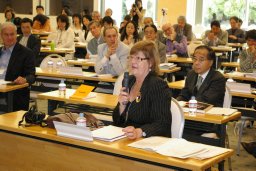 Jane Anderson合作论文数Homerton University Hospital26
 Anette Ovalle合作论文数11
 Rao Chethan P Venkatasubba合作论文数Department of Neurology, Baylor College of Medicine8
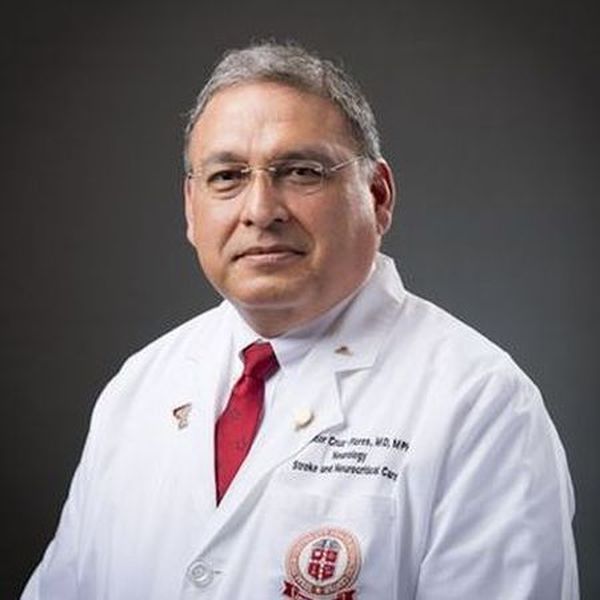 Salvador Cruz-Flores合作论文数Department of Neurology, Paul L. Foster School of Medicine, Texas Tech University Health Sciences Center7
 DaiWai Olson合作论文数Neurology Department, Medical School, The University of Texas Southwestern Medical Center;Neurological Surgery Department, Medical School, The University of Texas Southwestern Medical Center6
 Thomas Kent合作论文数Marine Biomedical Institute, University of Texas Medical Branch6Sean I. Savitz合作论文数6
 Annette Walder合作论文数5Mark P. Goldberg合作论文数5Chizoba Ifeorah合作论文数4Warach Steven J合作论文数4
 Gina Evans合作论文数4Ross Shegog合作论文数4Emilia Jobe合作论文数3Birnbaum Lee A合作论文数3
 Teresa M. Damush合作论文数Indiana University School of Medicine;Center for Health Information and Communication, Health Systems Research3Paul Haidet合作论文数3Linda S Williams合作论文数2David L. Mossbarger合作论文数2Howard F Stein合作论文数2Christin Silos合作论文数2Joyce Burns合作论文数2Kirt Martin合作论文数2Doris Nwangwa合作论文数2Xiaohui Tang合作论文数2
 Ngozi Mbue合作论文数2Scott A Russell合作论文数2Adrienne Dula合作论文数2
 Heather-Lyn Haley合作论文数Department of Family Medicine and Community Health, University of Massachusetts Medical School2
 Truman Milling合作论文数Department of Neurology, Dell Medical School, University of Texas at Austin;Department of Surgery and Perioperative Care, Dell Medical School, University of Texas at Austin2
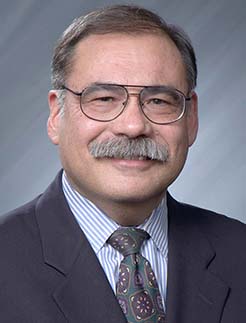 Thomas S. Inui合作论文数Regenstrief Institute for Health Care, School of Medicine, Indiana University2Jeffrey L. Smith合作论文数2
 Ben King合作论文数2Laurie Plue合作论文数Department of Medicine, Indiana University School of Medicine2Shubhada Sansgiry合作论文数The Michael E. DeBakey Veterans Affairs Medical Center2Mary Lynn Fecile合作论文数2David Hatem合作论文数2Candice Bowman合作论文数2Marcia W. Legro合作论文数2
 Arlene Schmid合作论文数Roudebush Veterans Administration Medical Center;Health Services Research and Development (HSR&D) Center on Implementing Evidence-Based Practice, 1481 W. 10th Street, 11 H, Indianapolis, Indiana 46202-5199, USA;VA Stroke Quality Enhancement Research Initiative (QUERI), 1481 W. 10th Street, 11 H, Indianapolis, Indiana 46202-5199, USA;School of Health and Rehabilitation Science, Indiana University;School of Health and Rehabilitation Science, Indiana University2
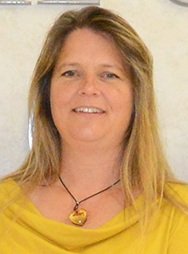 Hildi Hagedorn合作论文数Substance Use Disorders, Minneapolis VA Medical Center2Gloria Nicholas合作论文数2Lisa Davis合作论文数2Gretchel Gealogo Brown合作论文数1Anna Kolpakchi合作论文数1Evan Lawson合作论文数1Steven Warach合作论文数1Michael D. Swartz合作论文数1




