In the 2025 novel drug mini-review, one can take a full measure of the ingenuity that underlies current drug design and development, despite the year's smaller harvest (46 novel drugs) compared to 2024 (53) and 2023 (70). 54% of the novel drugs are first-in-class (FIC). The emphasis on proteins/antibodies is maintained (~25% novel drugs in 2025), an industry trend that does not seem to abate. Fewer than half of the novel medicines address major or common disorders. Among the FIC drugs, it is worth mentioning the Nav1.8 channel inhibitor suzetrigine, the first non-opioid approved to palliate acute pain; the first positive allosteric modulator of transient receptor potential melastatin 8 (TRPM8), acoltremon, that increases basal tear production in dry eye disease, a globally common disorder; lerodalcibep, a 'third generation' adnectin inhibitor of the protease Proprotein Convertase Subtilisin/Kexin type 9 (PCSK9) to treat elevated LDL-c; and zoliflodacin and gepotidacin, both innovatively targeting bacterial topoisomerases to treat uncomplicated urinary tract infections. Most of the approved medicines target unmet medical need areas and/or orphan indications (the latter alone accounting for 41% of the 2025 novel drugs) by applying imaginative approaches. These approaches include: the combination of two FIC drugs, the RAF/MEK clamp avutometinib paired with the FAK/Pyk2 inhibitor defactinib, to block more efficiently the RAS-RAF-MEK-ERK/FAK oncogenic pathway in low-grade serous ovarian cancer; fitusiran, the first RNAi therapy for haemophilia, targeting for the first time the production of the natural anticoagulant anti-thrombin in the liver; and brensocatib, which attenuates the activation of downstream neutrophil proteases by inhibiting the protease DPP1, thereby preventing lung tissue destruction in bronchiectasis. The landscape of novel drugs approved in 2025 reveals that pharmaceutical innovation continues to advance through FIC mechanisms, sophisticated therapeutic approaches, and a strong focus on unmet medical need.
The effectiveness of treatment of head and neck squamous cell carcinomas (HNSCC) is still unsatisfactory, and novel therapeutics could improve outcomes. Histone deacetylases (HDAC) and histone lysine demethylases (KDMs) emerged as important molecular targets in HNSCC. Moreover, joint inhibition of epigenetic targets may be therapeutically advantageous. Thus, the aim of this project was to evaluate the effects of combinations of panobinostat, a pan-HDAC inhibitor, with KDM4-6 inhibitors (KDMi), ML324, GSK-J4, and JIB-04. Experiments were performed in FaDu and SCC-152 cell lines. Resazurin and clonogenic assays were used to evaluate the cell viability and clonogenic potential, respectively. Apoptosis was assessed by flow cytometry after Annexin V staining. Flow-cytometric detection of γH2A.X was applied for DNA damage evaluation. Gene expression was quantified by qPCR. KDM proteins occupancy at gene promoters was measured by quantitative chromatin immunoprecipitation. KDMi enhanced the anticancer effects of panobinostat in HNSCC cell lines. The combinations of panobinostat with ML324 and JIB-04 synergistically reduced cell viability in FaDu and SCC-152 cells, and increased apoptosis induction in SCC-152 cells. These effects could be attributed to the modulation of BIRC5 and CDKN2A expression, and enhanced accumulation of DNA double-strand breaks following combinatorial treatments in FaDu cells. Decreased expression of stemness-related genes upon KDMi treatment in FaDu cells was associated with decreased binding of KDM4A and/or KDM6B at SOX2 and POU5F1 gene promoters. The suppression of stemness-associated phenotype, and the concurrent promotion of apoptosis by the studied combinations of chemicals, suggest their potential as a novel therapeutic strategy in HNSCC.
Alternative substrates to traditional Camellia sinensis tea are increasingly investigated to diversify kombucha and enhance its functional properties. This review synthesizes evidence (2020–2025) on how non-tea substrates influence microbial ecology, metabolite composition, and bioactivity of kombucha. A semi-systematic search of PubMed, Scopus, Web of Science, and publisher platforms identified studies on fruit, vegetable, herbal, algal, cereal, dairy, and food-industry by-product substrates reporting compositional or functional outcomes. Extracted data included substrate characteristics, fermentation conditions, SCOBY features, analytical methods, and reported antioxidant, anti-inflammatory, metabolic, probiotic, and dermatological effects. Fermentation often leads to an increase in total phenolic content and antioxidant capacity. These effects are highly dependent on fermentation conditions, particularly duration and substrate composition. In some cases, prolonged fermentation may result in phenolic degradation or transformation, leading to reduced levels of certain compounds. Fruit- and hibiscus-based systems enhanced anthocyanin-driven antioxidant and anti-inflammatory activity. Vegetable and cereal substrates supplied phenolic acids and β-glucans associated with metabolic regulation and gut health, whereas by-products and algal fermentations supported waste valorization and enrichment in chlorogenic acids, pigments, fibers, and peptides. Despite promising functionality, substantial inter-study variability and limited in vivo validation and the lack of standardized fermentation protocols constrain translational application. In addition, the inherent variability in SCOBY microbial composition represents a major source of inconsistency, as differences in microbial communities can significantly influence fermentation dynamics, metabolite profiles, and functional outcomes.
Reflecting the global expansion of research, the British Journal of Pharmacology (BJP) has observed a substantial increase in the number of studies focusing on natural products. However, disparities in publication requirements between studies of synthetic small molecules and natural products have led to variable acceptance rates. Building on the progress observed following the 2020 and 2024 BJP editorial on natural products, this updated editorial aims to harmonise expectations across different research domains and promote fair and unbiased assessment of natural product studies. By standardising these criteria, the BJP reaffirms its commitment to maintaining scientific rigour whilst ensuring that the guidelines are clear and practical, thereby contributing to high-quality research reporting that advances pharmacological science.
Growing understanding of immune cell regulation and the tumour microenvironment is transforming cancer therapy by enabling the development of tailored immunomodulatory agents, novel combination treatments and new immunotherapy targets. As a result, cancer types and stages once considered incurable or requiring radical surgery can now be managed with effective therapeutic combinations that preserve organs, extend survival and improve patients' quality of life. The themed issue of the British Journal of Pharmacology features four review articles that explore recent advancements in cancer immunotherapy and new approaches to overcome challenges in immunotherapy. Furthermore, the issue includes two research articles that present novel antibodies that remodel the tumour immune landscape and novel approaches to reprogram the tumour microenvironment to increase the efficacy of chimeric antigen receptor T-cell therapy (CAR-T) immunotherapy. LINKED ARTICLES: This article is part of a themed issue Immunotherapy in Cancer. To view the other articles in this section visit http://onlinelibrary.wiley.com/doi/10.1111/bph.v183.6/issuetoc.
We performed an integrated analysis of genome-wide DNA methylation and expression datasets in normal cells and healthy animals exposed to polyphenols with estrogenic activity (i.e. phytoestrogens). We identified that phytoestrogens target genes linked to disrupted cellular homeostasis, e.g. genes limiting DNA break repair (RNF169) or promoting ribosomal biogenesis (rDNA). Existing evidence suggests that DNA methylation may be governed by sirtuin 1 (SIRT1) deacetylase via interactions with DNA methylating enzymes, specifically DNMT3B. Since SIRT1 was reported to be regulated by phytoestrogens, we test whether phytoestrogens suppress genes related to disrupted homeostasis via SIRT1/DNMT3B-mediated transcriptional silencing. Human MCF10A mammary epithelial cells were treated with phytoestrogens, pterostilbene (PTS) or genistein (GEN), followed by analysis of cell growth, DNA methylation, gene expression, and SIRT1/DNMT3B binding. SIRT1 occupancy at the selected phytoestrogen-target genes, RNF169 and rDNA, was accompanied by consistent promoter hypermethylation and gene downregulation in response to GEN, but not PTS. GEN-mediated hypermethylation and SIRT1 binding were linked to a robust DNMT3B enrichment at RNF169 and rDNA promoters. This was not observed in cells exposed to PTS, suggesting a distinct mechanism of action. Although both SIRT1 and DNMT3B bind to RNF169 and rDNA promoters upon GEN, the two proteins do not co-occupy the regions. Depletion of SIRT1 abolishes GEN-mediated decrease in rDNA expression, suggesting SIRT1-dependent epigenetic suppression of rDNA by GEN. These findings enhance our understanding of the role of SIRT1-DNMT3B interplay in epigenetic mechanisms mediating the impact of phytoestrogens on cell biology and cellular homeostasis.
LINKED ARTICLES:This article is part of a themed issue Natural Products and Cancer: From Drug Discovery to Prevention and Therapy. To view the other articles in this section visit http://onlinelibrary.wiley.com/doi/10.1111/bph.v182.10/issuetoc.
Recent research highlights the crucial role of muscle-brain crosstalk in metabolic regulation, particularly in individuals with type 2 diabetes and obesity. Myokines, protein hormones secreted by skeletal muscle, play a crucial role in this communication, influencing brain functions such as neuroplasticity, memory, and mood. Specific myokines like cathepsin B, FNDC5/irisin and interleukin-6 have been identified as key players in this muscle-brain axis. Physical activity modulates the production of these molecular factors, enhancing muscle-brain crosstalk and influencing cellular interactions. Moreover, exercise training may lead to adaptive long-term changes in gene expression, mediated by epigenetic regulators. Metabolic pathways activated during exercise can directly impact epigenetic marks by modulating the availability of metabolic intermediates required for these modifications. In the present review, we summarize the latest findings on the association between obesity/diabetes and cognitive impairment due to hippocampal dysfunction, and elaborate on how exercise influences cognitive functions via the communication between skeletal muscle and the brain. We focus on the underlying mechanisms responsible for the muscle-brain crosstalk, emphasizing dynamic changes in the epigenome and epitranscriptome, which sheds light on novel preventive and therapeutic approaches to combat obesity and cognitive decline.
In the past year, the European Medicines Agency (EMA), the Food and Drug Administration (FDA) and the Medicines and Healthcare Products Regulatory Agency (MHRA) authorised 53 novel drugs. While the 2024 harvest is not as rich as in 2023, when 70 new chemical entities were approved, the number of 'orphan' drug authorisations in 2024 (21) is similar to that of 2023 (24), illustrating the dynamic development of therapeutics in areas of unmet need. The 2024 approvals of novel protein therapeutics (15) and advanced therapy medicinal products (ATMPs, 6) indicate a sustained trend also noticeable in the 2023 new drugs reviewed in this journal last year (16 and 11, respectively). Clearly, the most striking characteristic of the 2024 drug yield is the creative pharmacological design, which allows these medicines to employ a novel approach to target a disease. Some notable examples are the first drug successfully using a 'dock-and-block' mechanism of inhibition (zenocutuzumab), the first approved drug for schizophrenia designed as an agonist of M1/M4 muscarinic receptors (xanomeline), the first biparatopic antibody (zanidatamab), binding two distinct epitopes of the same molecule, the first haemophilia therapy that instead of relying on external supplementation of clotting factors, restores Factor Xa activity by inhibiting TFPI (marstacimab), or the first ever authorised direct telomerase inhibitor (imetelstat) that reprogrammes the oncogenic drive of tumour cells. In addition, an impressive percentage of novel drugs were first in class (28 out of 53 or 53% of the total) and a substantial number can be considered disease agnostic, indicating the possibility of future approved extensions of their use for additional indications. The 2024 harvest demonstrates the therapeutic potential of innovative pharmacological design, which allows the effective targeting of intractable disorders and addresses crucial, unmet therapeutic needs.
Disrupted metabolism, often implicated in hepatocellular carcinoma (HCC), is linked to aberrant epigenetic patterns. Dietary polyphenols, including pterostilbene (PTS), have been demonstrated to remodel epigenetic landscapes and restore metabolic homeostasis by regulating the activity of AMP-activated protein kinase (AMPK), a protein recently shown to orchestrate a diverse set of networks to epigenetically mediate transcription. We therefore explored the mechanistic involvement of AMPK in the epigenetic effects of PTS in HCC. We incorporated PTS into a choline-deficient amino acid defined HCC-inducing diet (CDAA) in male Fisher-344 rats and found significant attenuation in HCC development compared to CDAA alone. Transcriptomics by RNA-sequencing revealed PTS-upregulated targets, that were enriched in key metabolic processes, including the folate (Aldh1l1), methionine (Bhmt), and sarcosine (Dmdgh) cycles. PTS-mediated gene upregulation was linked to lower levels of histone H3-methylation at lysine 27 (H3K27me3) at gene promoters. Mechanistic studies in HCC HepG2 cells revealed that AMPK inhibition abolished epigenetic gene activation in response to PTS, which was accompanied by diminished binding of H3K27me3-demethylase KDM6A at promoters of PTS-target genes. Our findings provide evidence for new disease vulnerabilities that arise from epigenetic/metabolic changes and constitute novel opportunities for preventative and therapeutic success in HCC.
 Moshe Szyf合作论文数Department of Pharmacology & Therapeutics, School of Biomedical Sciences, Faculty of Medicine and Health Sciences, McGill University44
 Matthew Suderman合作论文数Bristol Medical School, University of Bristol44
 Zeguang Han (韩泽广)合作论文数Shanghai Center for Systems Biomedicine, Shanghai Jiao Tong University;Institute of Translational Medicine, Shanghai Jiao Tong University39
 Mike Hallett合作论文数Centre for Structural and Functional Genomics, Department of Biology, Concordia University;Department of Biochemnistry, Western University30
 Jian Huang (黄健)合作论文数Shanghai Center for Systems Biomedicine, Shanghai Jiao Tong University29
 Katarzyna Lubecka-Gajewska合作论文数27
 Bishnu Bhattacharyya合作论文数27Cayla Boycott合作论文数22Megan Beetch合作论文数21
 Gary John Stephens合作论文数Department of Pharmacology;University College London;Department of Pharmacology, University College London17
 Mauro Martins Teixeira合作论文数Instituto de Ciências Biológicas, Departamento de Bioquímica e Imunologia, Universidade Federal de Minas Gerais;Department of Pathology, Albert Einstein College of Medicine, Montefiore Einstein14
 Steve Alexander合作论文数Institute of Neuroscience, School of Life Sciences, Faculty of Medicine & Health Sciences, University of Nottingham14
 Shafaat A. Rabbani合作论文数Department of Medicine, Division of Endocrinology & Metabolism, Faculty of Medicine and Health Sciences, McGill University14Arakelian Ani合作论文数13
 Reynold A. Panettieri Jr合作论文数Rutgers Institute for Translational Medicine and Science, Rutgers, The State University of New Jersey;Robert Wood Johnson Medical School;University of Pennsylvania12
 Mamun Mahtab合作论文数Interventional Hepatology Division, Bangabandhu Sheikh Mujib Medical University;Department of Hepatology, Bangabandhu Sheikh Mujib Medical University12
 Patel Hemal H合作论文数Dept Anesthesiol, Univ Calif San Diego12Khan Wasif A合作论文数12
 Imrana Tanvir合作论文数Fatima Memorial Hospital System12Cheishvili David合作论文数Department of Pharmacology and Therapeutics, McGill University Health Centre12Nathalie Vergnolle合作论文数12
 Haseeb Ahmed Khan合作论文数Department of Pathology, Shaukat Khanum Memorial Cancer Hospital & Research Centre12Nowak W.合作论文数11Kirsty Flower合作论文数10Akbar Sheikh Mohammad Fazle合作论文数10
 James M Flanagan合作论文数10Lucinda Kurzava合作论文数9S C Stanford合作论文数9Christopher G. Sobey合作论文数9Giuseppe Cirino合作论文数9
 Péter Ferdinandy合作论文数Department of Pharmacology and Pharmacotherapy, Medical Faculty, Semmelweis University;Pharmahungary Group9
 Christopher H George合作论文数9
 Claudio Mauro合作论文数Institute of Metabolism and Systems Research, College of Medical and Dental Sciences, University of Birmingham8
 Rainer Schulz合作论文数Institute of Physiology, Justus-Liebig University Giessen8
 Izzo Angelo Antonio合作论文数Dipartimento di Farmacia, Università degli Studi di Napoli Federico II8
 Yong Ji (季勇)合作论文数School of Basic Medical Sciences, Nanjing Medical University;School of Pharmacy, Nanjing Medical University8
 Paul Insel合作论文数Department of Pharmacology, School of Medicine, University of California, San Diego8Dave Kendall合作论文数7T. Y. Yang合作论文数7
 Andreas Papapetropoulos合作论文数Department of Pharmaceutical Chemistry, Faculty of Pharmacy, School of Health Sciences, National and Kapodistrian University of Athens7
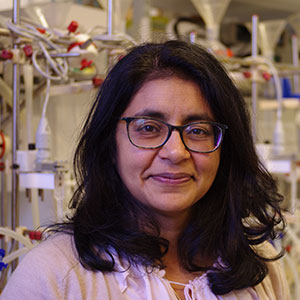 Amrita Ahluwalia合作论文数The William Harvey Research Institute, Faculty of Medicine and Dentistry, Queen Mary University of London7Krystyna Fabianowska-Majewska合作论文数7Yuexi Ma合作论文数6Hannah Buvala合作论文数6Sadaf Harandi-Zadeh合作论文数6
 Xin Wang合作论文数Division of Cardiovascular Sciences, School of Medical Sciences, Faculty of Biology, Medicine and Health, The University of Manchester6
 Kirill Martemyanov合作论文数Department Of Neuroscience, The Scripps Research Institute, The Herbert Wertheim UF Scripps Institute for Biomedical Innovation & Technology, University of Florida Health;EvoDenovo, Inc.;Blueshield Therapeutics, Inc6
 Naga P. Chalasani合作论文数School of Medicine, Indiana University5




