BackgroundRoad safety authorities in high-income countries use geospatial motor vehicle collision data for planning hazard reduction and intervention targeting. However, low-income and middle-income countries (LMICs) rarely conduct such geospatial analyses due to a lack of data. Since 1991, Ghana has maintained a database of all collisions and is uniquely positioned to lead data-informed road injury prevention and control initiatives.MethodsWe identified and mapped geospatial patterns of hotspots of collisions, injuries, severe injuries and deaths using a well-known injury severity index with geographic information systems statistical methods (Getis-Ord Gi*).ResultsWe identified specific areas (4.66% of major roads in urban areas and 6.16% of major roads in rural areas) to target injury control. Key roads, including National Road 1 (from the border of Cote D’Ivoire to the border of Togo) and National Road 6 (from Accra to Kumasi), have a significant concentration of high-risk roads.ConclusionsA few key road sections are critical to target for injury prevention. We conduct a collaborative geospatial study to demonstrate the importance of addressing data and research gaps in LMICs and call for similar future research on targeting injury control and prevention efforts.
Total body surface area (TBSA) burned is critical for assessing burn extent and guiding acute treatment, but its role in predicting long-term outcomes remains underexplored. This study leverages the Burn Model Systems (BMS) database to evaluate how TBSA is characterized and its predictive value for survivors' outcomes, aiming to propose standardized approaches for its use. Publications from the BMS database (1994-2024) were analyzed for TBSA characterization and its relationship to both patient-reported outcomes (eg, quality of life, psychological well-being) and objective outcomes (eg, physical recovery, complications). Descriptive statistics were used to summarize TBSA usage across studies and its influence on outcomes. Of 107 publications, 91 (85%) included TBSA data. Among these, 91% used TBSA as a continuous variable, 23% employed categorical methods, and 16% utilized both. Categorical TBSA stratification varied, with deciles (n = 6) and quintiles (n = 3) being most common, while others used inconsistent approaches. Approximately 32% of studies assessed TBSA's direct impact on outcomes such as physical and psychosocial recovery, return to work, and pain/itch. A quarter of studies included TBSA as a covariate without directly examining its predictive value. Of 32 papers reporting TBSA outcomes, 74.4% demonstrated significant impact on outcomes. TBSA is widely utilized but inconsistently characterized, and few studies directly assess its role in long-term outcomes. Standardizing TBSA reporting could improve predictive accuracy, facilitate cross-study comparisons, and guide evidence-based care for burn survivors.
INTRODUCTION:Actors in conflict, those in asymmetric warfare, conducting criminal activity or participating in paramilitary training activities may possess explosive ordnance. For various reasons this ordnance can misfire resulting in failure to detonate and become impaled or embedded in those near an intended target. The management of the patient with an impaled or embedded unexploded ordnance (eUXO) is a high impact event with the potential to cause death of those in proximity and destruction of the health care facility. The probability of this event is low with less than 50 cases reported in the literature. The objective of this study is to use a modified Delphi approach to produce statements to develop treatment guidelines of the eUXO patient in low-resource settings without explosive ordnance disposal team (EOD) assets. MATERIALS AND METHODS:Fifty-three statements were derived from authoritative texts and a PRISMA-Scoping review through an iterative process by the authors. Included experts rated their agreement with each statement on a 7-point linear numeric scale. Consensus amongst experts was defined as a standard deviation ≤1. Statements attaining consensus after the first and subsequent rounds moved to the final report. Statements that did not attain consensus moved to the next round and this process repeated for 3 rounds. The remaining statements did not attain consensus. The University of South Florida Institutional Review Board determined that this study met the criteria for exemption. RESULTS:After the 37 experts first, 35 experts second, and 33 experts third round, 29 statements attained consensus, and 24 statements did not attain consensus. CONCLUSIONS:Although agreement was reached on key safety, transport, and training principles, uncertainties remain on how best to weigh clinical priorities to manage an eUXO patient to reduce the risk of detonation without available EOD assets in low-resource settings.
This clinical practice guideline from the Explosive Weapons Trauma Care Collective (EXTRACCT) group provides a review of current best practice for management of burn wounds in low-resource conflict settings. The vast majority of burn wounds occur in low-and middle-income countries and yet international consensus guidelines are largely based on highly resource-intensive practices utilized in high-income countries. The guideline provides recommendations for initial evaluation, including airway management and estimation of burn size, resuscitation strategies, wound care, and approaches to definitive surgical management.
ImportanceTimely access to care is a key metric for health care systems and is particularly important in conditions that acutely worsen with delays in care, including surgical emergencies. However, the association between travel time to emergency care and risk for complex presentation is poorly understood.ObjectiveTo evaluate the impact of travel time on disease complexity at presentation among people with emergency general surgery conditions and to evaluate whether travel time was associated with clinical outcomes and measures of increased health resource utilization.Design, Setting, and ParticipantsThis retrospective cohort study used administrative statewide inpatient and emergency department databases with linkage across encounters, including nearly every inpatient or emergency department encounter in the states of Florida and California in 2021. Participants included adult patients who presented to an emergency department with 1 of 5 common emergency surgical conditions. Data were collected from January to December 2021 and analyzed from June to December 2023.ExposureThe primary exposure was travel time from the patient’s home to the facility where they initially received emergency care.Main Outcomes and MeasuresThe primary outcome of interest was surgical disease complexity at the time of presentation to emergency care. Secondary outcomes included inpatient complications, mortality, and indicators of health system resource utilization. Multivariable logistic regression models were used, and adjusted odds ratios (aOR) and 95% CIs were reported.ResultsAmong 190 311 adults with emergency general surgery conditions, 7138 (3.8%) lived further than 60 minutes from the facility where they sought emergency care. Longer travel times were associated with higher odds of complex disease presentation for travel time of more than 120 minutes vs 15 minutes or less (aOR, 1.28; 95% CI, 1.17-1.40). Patients with a travel time 60 minutes or more were more likely to require operative intervention (aOR, 1.17; 95% CI, 1.10-1.26), inpatient admission (aOR, 1.41; 95% CI, 1.33-1.50), interfacility transfer (aOR, 1.32; 95% CI, 1.15-1.51), and longer inpatient stay (adjusted mean difference, 0.47 days; 95% CI, 0.35-0.59), and had higher charges (adjusted mean difference, $8284; 95% CI, $5532-$11 035).Conclusions and RelevanceIn this cohort study of patients with emergency surgical conditions, travel time to emergency care was associated with markers of delayed presentation and increased facility resource utilization. As opposed to static measures, such as rurality, travel time may serve as a more useful metric to inform policy efforts aimed at preserving access to care amidst rural hospital closures and regionalization.
Objectives When unexploded ordnance (UXO) is embedded in the body, the effect of explosive weapons used in conflict is amplified. Though relatively rare, such events present potentially devastating consequences for the patient and medical providers as routine diagnostic and therapeutic procedures hold potential to initiate detonation of the embedded UXO (eUXO). The objective is to identify and synthesize available literature relating to the management of eUXO in low resource settings.Methods A scoping review was conducted using PRISMA-ScR methodology to evaluate literature in all languages from all date ranges until January 31, 2024, discussing the management of casualties with eUXO, including types of ordnance, injury patterns, diagnostics, resource utilization, surgical interventions, and outcomes.Results Search strings identified 3,425 records. After title and abstract screening 3,397 were excluded yielding 18 for full text screening of which 5 were excluded. Therefore 13 reports were included in analysis. Data variable reporting was heterogeneous but themes and subthemes regarding safety, planning and communication emerged.Conclusions A scoping review was conducted to identify gaps in existing literature on the management of eUXO in low resource settings. Coordinated engagement from personnel representing a variety of clinical and non-clinical specialties is required to safely manage eUXO.
Older adults are at a higher risk of complications after burn injuries since many physical and mental changes are compounded by increasing age. Few studies have targeted the long-term effects of burns on older adults. Therefore, this study will investigate the long-term physical and mental health outcomes in older adults. About 3129 participants from the Burn Model System Database were divided into 3 cohorts based on their age at injury (18-54, 55-64, and 65+). Physical Component Summary (PCS) and Mental Component Summary (MCS) scores were derived from the 12-item Short Form (SF-12) and the Veterans RAND 12-item (VR-12) health surveys and analyzed to measure recovery at preinjury, discharge, 2-year follow-up, and 5-year follow-up. ANOVA, T-score analysis, and linear mixed-effects models were utilized to assess for significant differences in outcome scores. PCS scores were significantly different between the 18-54 cohort and 65+ cohorts at the preinjury and 2-year time intervals (P < .001 and P < .001, respectively) but not at the 5-year follow-up (P = .28). MCS scores were significantly different between the 18-54 cohort and 65+ cohorts at all time intervals measured (P = .001, P < .001, P < .001, and P = .005, respectively), though the change in MCS scores over time was not significantly different between age cohorts across time (P = .088). This supports that patients 65 years and older have a different physical function recovery trajectory when compared to patients under 64 years. These findings underscore the belief that for physical recovery after a burn injury, individualized physical rehabilitation plans will provide the most benefit for patients across all ages.
Fire hazards affecting people who are unhoused span natural and built environments, social circumstances, and human behavior. Identifying key drivers of fire risk and burn injury can inform injury prevention and control initiatives. We conducted 12 key informant interviews with burn patients who were unhoused. Deductive and inductive strategies were used to code transcripts. Corcoran's conceptual model of fire risk was applied in order to group factors into environmental, social, and behavioral categories. The most frequently used fire sources were propane, hand sanitizer, and other alcohol-based liquids. Unsafely contained open flames and improper propane tank storage were frequently identified hazards. Participants described the interplay of environmental, social, and behavioral factors that need to be accounted for when addressing fire hazards. For example, the use of propane heaters inside tents is common because it is effective in warming living spaces and limits the risk of having equipment stolen. This project identified specific environmental risks, socioeconomic risks, and their interplay with identified fire hazards as foundational to injury control for people experiencing homelessness. Injury prevention strategies need to be evaluated within the complex environments of homelessness (e.g., exposure to severe weather, unsafe and potentially violent living conditions, substance use, social marginalization, and limited access to injury prevention media).
Background There are demographic and socioeconomic disparities in physical and psychosocial outcomes after burn injury. Here, we assess the demographic and geographic variation in utilization of burn scar reconstruction to assess if such barriers to these procedures may be contributing to disparities in outcomes. Methods We performed a retrospective cohort study using prospectively collected data from adults enrolled in the Burn Model System National Database between 2015 and 2022. Undergoing burn scar reconstruction, defined as surgery for burn scars or laser scar revision, by 24 months after discharge was compared across age group (18-64 vs 65+ years), gender, race/ethnicity, payer type, and enrollment site. Multiple logistic regression was used to assess use of burn scar reconstruction by demographic characteristics while adjusting for presence of range of motion deficits at discharge, hand burn, head/neck burn, and upper arm/shoulder burn. Results In the unadjusted analysis (N = 836), burn scar reconstruction use by 24 months differed by age group (<0.001), race/ethnicity (P = 0.014), payer type (P < 0.001), and enrollment site (P < 0.001). By multiple logistic regression (n = 717), burn scar reconstruction was associated with female sex (odds ratio [OR] 1.89, P = 0.002), workers' compensation (OR 3.41, P < 0.001), enrollment at site 1 or site 2 (OR 6.02, P < 0.001; OR 4.09, P < 0.001), hand burns (OR 2.35, P < 0.001), and upper arm/shoulder burns (OR 2.34, <0.001). Conclusions Location, payer type, and gender were primary drivers of burn scar reconstruction use after adjusting for burn characteristics. Geographic variability in burn scar reconstruction use may reflect less dependence on surgery to achieve favorable functional outcomes; however, these differences may represent barriers requiring further evaluation.
BACKGROUND:Modern conflicts are characterized by wide-spread use of conventional explosive ordnance (EO), improvised explosive devices (IEDs), and other air-launched explosives. In contrast to advances in military medicine and high-income civilian trauma systems since the United States-led wars in Afghanistan and Iraq, the mortality rate among civilian EO casualties has not decreased in decades. Although humanitarian mine action (HMA) stakeholders have extensive presence and medical capabilities in EO-affected settings, coordination between HMA and health actors has not been leveraged systematically. METHODS:Data from a prior systematic review of emergency care interventions feasible within the context of HMA activities and low-resource health care systems were used to model mortality reduction among EO victims. Interventions were categorized using the World Health Organization (WHO) Emergency Care System Framework sites of "scene," "transport," and "facility." The cumulative impact of the interventions on EO-related mortality was estimated using pooled effect estimates and simulation modeling. RESULTS:The meta-analysis included 16 reports from 13 countries, representing 127,505 injured persons. Pooled effect estimates across subcategories of emergency care interventions were 0.42 for layperson transportation (95%CI, 0.24-0.74), 0.79 for prehospital notification systems (95%CI, 0.51-1.19), 0.52 for prehospital trauma care training courses (95%CI, 0.46-0.59), 0.67 for facility-based trauma care training courses (95%CI, 0.48-0.92), and 0.66 for facility-based trauma team organization and activation protocols (95%CI, 0.45-0.97). A 68% reduction in mortality (95%UI, 57%-79%) was observed when implementing the full set of interventions in a region with no prior implemented interventions. CONCLUSION:Enhanced coordination between HMA and health actors to implement a structured set of emergency care interventions holds potential to significantly reduce preventable death among civilian EO casualties.
Workers’ compensation (WC) includes wage replacement, medical cost coverage, and vocational rehabilitation services. We aimed to examine the impact of WC on health-related quality of life (HRQOL) scores among working adults with burn injury. The Burn Model System National Database was queried for self-reported working adult participants who answered the Veterans RAND 12-Item Health Survey (VR-12) at discharge (pre-injury recall) and 6-, 12-, and 24-months post-injury. Participants were stratified into those with and without WC. HRQOL scores were calculated by transforming VR-12 responses to Short Form-6D (SF-12). Mixed-effects linear regression modeling was used to assess impact of WC on HRQOL scores over 2-years post-injury. 495 participants were analyzed (94 with WC, 401 without WC). Males accounted for 87% of WC beneficiaries and 72% of those without WC. Mean pre-injury HRQOL scores were 0.72 for WC beneficiaries and 0.73 for those without WC (p=.99) and decreased significantly in both groups at each study timepoint post-injury. Greater HRQOL loss was seen in WC beneficiaries compared to those without WC at 6-months (p=.07), 12-months (p=.02), and 24-months (p=.03) post-injury. All workers experienced a drop in HRQOL scores post-injury. WC beneficiaries experienced greater HRQOL loss than non-WC participants. These findings align with investigations among working adults with non-burn upper extremity and back injuries, suggesting there is opportunity to improve the delivery of WC benefits for all injured workers. To enhance vocational rehabilitation service delivery, the intensity of interventions should be tailored to person-specific needs, risks of complicated return-to-work, and unique recovery journeys.
Return to work (RTW) after burn injury is dependent on many variables, including type and location of burn injury, access to care, and preinjury mental and physical health. Noting that prior studies were limited by small sample sizes, we aimed to use a large database to explore the associations between hand burn severity, functional hand outcomes, and RTW postinjury. Data from a multicenter longitudinal study were analyzed. Adults with burn injuries were classified into 6 groups ranking in the severity of hand injury: (0) no hand burns, (1) single hand burn no grafting, (2) bilateral hand burn no grafting, (3) single hand burn requiring grafting, (4) bilateral hand burn requiring unilateral graft, and (5) bilateral hand burn requiring bilateral grafts. Grafting was used as a proxy for burn severity. Self-reported employment status, Patient-Reported Outcomes Measurement Information System (PROMIS) upper extremity (UE) scores, and reported requests for work accommodations were collected at discharge, 6-, 12-, and 24-month postinjury. Descriptive statistics and analysis of variance (ANOVA) with post-hoc Tukey test were completed to examine differences in outcomes by hand injury severity. A total of 4621 participants met the inclusion criteria. Group 5, those with the most severe burns, had significantly longer RTW times than groups 0-3 (P < 0.005). Group 5's (bilateral burn/unilateral graft) average RTW was greater, however, not significantly, compared to group 4. At 6 months, the mean PROMIS UE scores for grafted groups (group 3, 40.6; group 5, 35.4) were significantly worse than non-grafted groups (group 1, 46.8; group 2, 45.0; P < 0.0001). At 12 and 24 months, mean PROMIS UE scores were worse for grafted groups, though differences were no longer significant compared to non-grafted groups. At every time point, the majority of respondents did not request accommodations for their injuries from their employers, regardless of severity. Burn severity plays a significant role in both RTW and hand function for participants with hand burns. In addition, the lack of correlation between burn severity and request for work accommodations hints at the baseline vulnerability of these populations. These findings suggest a need for systematic improvements in the way these patients are cared for and re-integrated into the workforce.
Objective To address the limited understanding of sleep disturbance (SD) among adult burn survivors by comprehensively examining its prevalence and related factors on a national scale using the Burn Model System (BMS) National Database. Summary background data SD is a common but underexplored sequela of burn injury, affecting burn survivors’ quality of life and functionality well beyond the initial injury. Existing data on SD and its co-morbidities in these patients are limited to select single-institution studies, lacking a comprehensive national perspective. Methods The BMS National Database was queried to identify burn patients responding to SD-related questions at 6 months, 12 months, 2 years, and 5 years post-injury. Descriptive statistics, subgroup analyses, and mixed-effects modeling were conducted to evaluate the prevalence, progression, and associated factors of SD at different time points. Results 558 adult burn survivors met inclusion criteria. At 6 months post-injury, 34 % of participants reported SD, with 31 % still affected at 5 years. Demographic characteristics (age, gender, ethnicity) and clinical characteristics (body mass index (BMI), total body surface area burned (TBSA)) could not significantly predict the risk of SD. Mixed-effects modeling demonstrated a significant association between higher SD scores and increased depression and anxiety scores. Conclusions SD is a persistent condition among burn survivors, with prevalence continuing up to 5 years post-injury. Our study highlights the inability to predict SD based on demographic and clinical factors, underscoring the need for universal screening and interventions. In addition, the association between SD, depression, and anxiety calls for an integrated care approach that addresses both psychological and physical recovery in burn patients.
Anticipatory guidance delivered via a mobile application (app) can support people with burn injury during the early recovery period. We sought to create a prototype app (Burn Connect and Recover – BurnCORE) to complement care provided at burn centers and serve as a transition to the burn survivorship community. We employed a user-centered design (UCD) approach in collaboration with a diverse group of burn care and technology stakeholders (e.g., patients, carers, clinicians, software engineers) to determine key content, functions, and interface preferences. UCD is an iterative design process where a multi-disciplinary team of application designers receive feedback from future end-users to improve understanding of user requirements, optimal features of user experience (UX), and user-app interface considerations (UI). We performed UCD according to its phases: Phase I--community advisory for foundational inspiration; Phase II--cognitive interviews with patients, their carers, and clinicians to determine key content and features; and Phase III--iterative co-design with stakeholders using low-fidelity prototypes. Participants in Phase I suggested that we focus on key gaps in knowledge of the timeline and domains of burn recovery, strategies to promote self-agency and motivation, eliminating barriers to using burn-specific resources, and select issues that aimed to improve UX. Stakeholders recommended several major application features: understanding the initial burn experience, visualizing recovery, and habituation of daily/weekly tasks. Examples of iterative stakeholder feedback include addition of recovery performance tracking, monitored community chat functions, and better ways to visualize recovery over time. UCD allowed us to confirm important burn recovery domains, define valuable features, and elicit from stakeholders key UX/UI features to optimize app engagement.
Fifteen percent of people receiving care for major burn injuries in urban burn centers across North America were homeless pre-injury. The number and risk of such injuries are increasing due to greater numbers of people experiencing homelessness (PEH) and the frequency of extreme climate events. Prevention education, along with passive and active fire and cold weather protections, is critical for preventing these injuries. To increase acceptability, understandability, and actionability, prevention education needs to be in plain language, contextualized, and consumer-tested. We aimed to test newly developed fire and burn and cold injury prevention education materials with PEH and gain insights for preferred prevention strategies to address and mitigate related risks and hazards.Forty cognitive interviews with PEH were conducted. The Model System Knowledge Translation Center's consumer-testing toolkit was used to evaluate the understandability and actionability of the education materials. Transcripts were analyzed using a harm reduction framework and deductive and inductive thematic coding.Themes were: (1) engage-being approachable and accessible, (2) use context-specific design to enhance relatability-reflect the lived experiences of PEH and their environments, (3) reduce harm-focus on mitigating rather than eliminating hazards, (4) empower-incorporate prevention guidance, guided by PEH in combination with conventional prevention strategies, and (5) integrate-disseminate prevention education and PEH preferred safety equipment within services and locations utilized by PEH.The process of consumer testing with PEH generated acceptable fire and burn and cold injury prevention and mitigation strategies. These strategies were used to develop actionable prevention education materials.
RATIONALE:Trauma systems have become the standard of care in high-income countries, but remain uncommon in low- and middle-income countries. High-quality evidence of effectiveness is needed to advocate for the development of trauma systems in low- and middle-income countries, where the burden of injury is highest. OBJECTIVES:To assess the benefits and harms of organised trauma systems and designated trauma centres compared with usual care in injured patients. SEARCH METHODS:We searched CENTRAL, MEDLINE, Embase, ClinicalTrials.gov, and WHO ICTRP on 16 December 2023. We also searched grey literature, checked reference lists of included studies, and contacted the authors of relevant studies. ELIGIBILITY CRITERIA:We included randomised controlled trials, non-randomised trials, controlled before-after studies, and interrupted time series studies comparing organised trauma systems or designated trauma centres with usual care. We planned to include patients who had had major trauma (i.e. Injury Severity Score greater than 15), but made a post-hoc decision to include patients regardless of injury severity. Studies were considered for inclusion regardless of date, language, or publication status. OUTCOMES:The critical outcomes were patient outcomes (such as mortality, survival, and recovery), and adverse effects. Important outcomes were utilisation and access to trauma care services, quality of care provided, equity, and knowledge about trauma care services. Studies only reported patient outcomes (mortality, survival); there were no reports on adverse effects, utilisation and access to services, quality of care, equity, and knowledge about trauma care services. RISK OF BIAS:We used the Cochrane RoB 1 tool and guidance from the Cochrane Effective Practice and Organisation of Care (EPOC) group to evaluate individual studies. SYNTHESIS METHODS:Two review authors independently selected studies for inclusion, extracted data, and assessed risk of bias and certainty of evidence using GRADE. We could not perform a meta-analysis due to substantial clinical heterogeneity across studies. We re-analysed data from individual studies so they could be presented in a standardised format as relative effect, change in level, and change in slope. We summarised findings using a narrative synthesis. INCLUDED STUDIES:There were four interrupted time series studies (157,111 participants). Two studies (131,220 participants) compared organised trauma systems to usual care and two studies (25,891 participants) compared designated trauma centres to usual care. Two studies were conducted in the US, one in the UK, and one in Norway. SYNTHESIS OF RESULTS:It is very uncertain whether organised trauma systems reduce mortality compared to usual care because the certainty of the evidence was very low (2 studies, 131,220 participants). One study (20,357 participants, follow-up 6 years) reported reduced mortality with an organised trauma system intervention and a relative effect of -30% (change in level -2.02, 95% confidence interval (CI) -3.17 to -0.86; change in slope -0.10, 95% CI -0.53 to 0.33). A second study (110,863 participants, follow-up 9 years) reported improved survival with intervention and a relative effect of 14% (change in level 0.13, 95% CI -0.50 to 0.76; an increase of 0.13 survival cases per quarter; change in slope 0.08, 95% CI 0.01 to 0.15). No studies reported data on adverse effects, utilisation and access to trauma care services, quality of care provided, equity, or knowledge about trauma care services. It is very uncertain whether designated trauma centres reduce mortality compared to usual care because the certainty of the evidence was very low (2 studies, 25,891 participants). One study (7247 participants) reported a decrease in mortality for all patients (relative effect -42%; change in level -3.60, 95% CI -11.26 to 4.07; change in slope -0.51, 95% CI -2.26 to 1.23), patients with Injury Severity Score 15 to 24 (relative effect -44%; change in level -8.80, 95% CI -29.61 to 12.00; change in slope -0.96, 95% CI -5.69 to 3.77), and patients with Injury Severity Score greater than 24 (relative effect -55%; change in level -17.87, 95% CI -47.12 to 11.37; change in slope -1.90, 95% CI -8.55 to 4.75). A second study (18,644 participants, follow-up 11 years) reported reduced mortality for adults (relative effect -67%; change in level -17.52, 95% CI -42.27 to 7.23; change in slope -2.09, 95% CI -6.22 to 2.04) and children (relative effect -84%; change in level -18.56, 95% CI -30.11 to -7.01; change in slope -1.12, 95% CI -3.04 to 0.80). No studies reported data on adverse effects, utilisation and access to trauma care services, quality of care provided, equity, or knowledge about trauma care services. AUTHORS' CONCLUSIONS:The available evidence is currently insufficient to quantify the implications and impact of organised trauma systems and designated trauma centres on clinical practice. This is primarily due to a lack of studies with high methodological rigour for assessing the effects of clinical interventions, as well as the absence of reporting on important outcomes for determining their effectiveness. Future research could provide evidence by utilising observational studies with high methodological rigour when randomised trials are not feasible; and focus on collecting important outcomes such as the utilisation, access, and quality of care provided, and knowledge about trauma care services. FUNDING:This Cochrane review had no dedicated funding. REGISTRATION:Protocol available via doi.org/10.1002/14651858.CD012500.
BACKGROUND:National estimates of financial hardship because of injury are lacking, which limits our ability to both define and mitigate the impacts of financial outcomes of trauma care. Furthermore, the absence of preinjury data limits our understanding of the association between injury and financial hardship. METHODS:We analyzed data from the 2014-2021 Medical Expenditure Panel Survey. We compared injured adults (18-64 years old) to uninjured controls using coarsened-exact matching on age, sex, race/ethnicity, income, payer, survey panel, and comorbidities. Our main outcome of interest was financial hardship, a composite of difficulty paying medical bills, paying medical bills off over time, and delaying medical care because of cost. As a secondary analysis, we evaluated the link between difficulty paying medical bills, delaying care, and poor health. RESULTS:We included a weighted sample of more than 79 million injured patients over the 8-year study period. Difference-in-differences analysis using uninjured, matched controls showed that injured patients experienced an 8.2 percentage point increase in financial hardship (23% relative increase, with 40.6% reporting financial hardship postinjury, p < 0.001) and 4.5 percentage point increase in poor health (20% relative increase, p < 0.001). Injured patients who reported difficulty with medical bills were more likely to report delaying care because of costs (adjusted odds ratio, 3.3; 95% confidence interval, 2.5-4.4), and those who delayed care were more likely to report poor health (adjusted odds ratio, 1.5; 95% confidence interval, 1.2-2.0). CONCLUSION:In this national analysis of financial hardship before and after injury, 40% of injured patients reported difficulty with medical bills and delayed medical care because of cost. Programs aimed at disrupting the path from injury to financial hardship to poor long-term health have the potential to benefit millions of injury survivors. LEVEL OF EVIDENCE:Prognostic and Epidemiological; Level III.
 Jeffrey C Schneider合作论文数61
 Gretchen J. Carrougher合作论文数Department of Surgery, University of Washington59
 Nicole S. Gibran合作论文数School of Medicine, University of Washington52
 Colleen M Ryan合作论文数45
 Adam L Kushner合作论文数Department of Surgery, Columbia University44
 Adam Gyedu合作论文数School of Medical Sciences, Kwame Nkrumah University of Science and Technology;Komfo Anokye Teaching Hospital;School of Medical Sciences, Kwame Nkrumah University of Science and Technology43
 Tam N. Pham合作论文数Harborview Medical Center, School of Medicine, University of Washington41Karen Kowalske合作论文数39
 Charlie Mock合作论文数Department of Epidemiology, School of Public Health, University of Washington37McMullen Kara A合作论文数30Caitlin Orton合作论文数27
 Steven E. Wolf合作论文数UT Southwestern Medical Center, USA25Bamer Alyssa M合作论文数23
 Peter Donkor合作论文数22Haig A Yenikomshian合作论文数21Kajal Mehta合作论文数21
 Lewis E Kazis合作论文数Center for the Assessment of Pharmaceutical Practices, School of Public Health, Boston University;Center for Health Quality, Outcomes and Economic Research, Bedford VA Medical Center21
 Samuel P Mandell合作论文数20
 Clifford C Sheckter合作论文数Keck School of Medicine, University of Southern California, Los Angeles;and †Division of Plastic and Reconstructive Surgery, Geisel School of Medicine, Dartmouth, Hanover, New Hampshire.;Geisel School of Medicine, University of Southern California, Los Angeles15Saman Arbabi合作论文数14Boakye Godfred合作论文数14
 Kiran Nakarmi合作论文数Department of Burns, Plastic and Reconstructive Surgery, Kathmandu Model Hospital14Robert Quansah合作论文数14
 Dagmar Amtmann合作论文数Department of Rehabilitation Medicine, University of Washington14Stephen H Sibbett合作论文数13
 Sherry M Wren合作论文数Medical Center, Stanford University12Lauren J Shepler合作论文数11
 Aldina Mesic合作论文数Strategic Analysis11
 Hannah Wild合作论文数Department of Surgery, University of Washington11Oscar E Suman-Vejas合作论文数10Manish Yadav合作论文数10
 Reinou S Groen合作论文数Surg OverSeas SOS10
 Shailvi Gupta合作论文数10
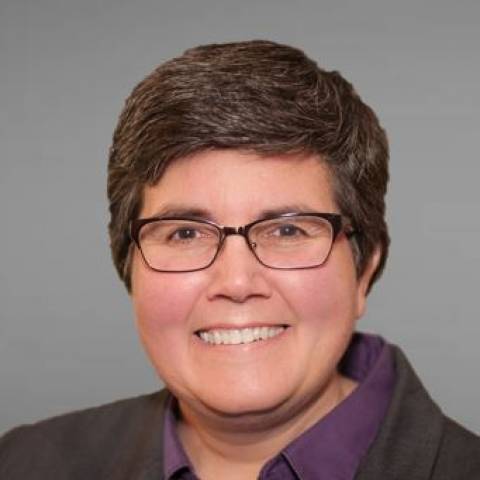 Eileen M. Bulger合作论文数Harborview Medical Center;University of Washington10
 Jamie Oh合作论文数9
 Andrew Humbert合作论文数9Raslina Shrestha合作论文数8Miguel Trelles合作论文数8Shankar M Rai合作论文数7
 Wong Evan G合作论文数Department of Surgery, McGill University;Centre for Global Surgery, McGill University Health Centre;Surgeons Overseas;McGill University Health Centre, McGill University7
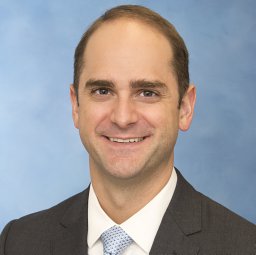 John W Scott合作论文数Center for Surgery and Public Health, Department of Surgery, Brigham and Women's Hospital, Boston, MA (J.W.S., J.M.H.).7Clark Nina M合作论文数Human Metabolic Research Unit, Cornell University7
 Francis Abantanga合作论文数Department of Surgery, Komfo Anokye Teaching Hospital7Cameron Gaskill合作论文数6Kimberly Roaten合作论文数6
 Aaron E Bunnell合作论文数Department of Rehabilitation Medicine, University of Washington6
 Otupiri Easmon合作论文数School of Medical Sciences, Kwame Nkrumah University of Science and Technology6Dominguez Lynette合作论文数6
 Ronald V. Maier合作论文数School of Medicine, University of Washington;Department of Surgery, University of Washington6




