Abstract Riverine fish conservation in eco‐hydraulics is often based on restoring or regulating river habitat to a semi‐natural state. For example, ecohydraulic projects support fish populations by increasing river connectivity through fishways, and by maintaining or restoring natural flow variance to enhance habitat quality and availability. However, the application of these concepts is challenging due to climate change and human perturbations that can modify the riverine environment in unpredictable ways. To address these challenges, we propose broadening eco‐hydraulics to eco‐evo‐hydraulics by incorporating the evolutionary dynamics of fish populations into eco‐hydraulics. We argue that this may improve the resilience and resistance of fish populations to future climate and human perturbation. Moreover, the evolutionary response of fishes to perturbations also alters their capability to “zoogeomorphically engineer” their physical environment, with associated feedbacks such as changes in sediment mobilization. Thus, understanding such hydro‐evolutionary feedbacks can improve the long‐term prediction of river hydraulics. In this position paper, we explore the interactions between hydraulics, hydrology, and rapid evolution based on a literature review to identify gaps and opportunities that need joint efforts from water resources engineers and evolutionary biologists. We propose the concept of eco‐evo‐hydraulics with hydro‐evolutionary feedbacks to encapsulate the interactions between the three disciplines, and suggest research avenues for the future. Finally, we suggest potential managerial strategies based on the eco‐evo‐hydraulic concept for local and basin‐wide fish conservation. We aim to fill the gap between water resources management and evolutionary biology to provide a new theory for fish conservation.
Background Schistosomiasis, a parasitic disease caused by Schistosoma trematodes, remains a significant public health burden in sub-Saharan Africa, particularly in regions with limited access to clean water, sanitation and hygiene. Effective disease control strategies rely on large-scale surveillance to accurately identify and target high-risk populations. However, traditional methods such as malacological surveys and stool/urine microscopy in humans often lack sensitivity and scalability. Environmental DNA (eDNA) is emerging as a promising tool for non-invasive surveillance of aquatic pathogens, offering enhanced sensitivity and feasibility for large-scale monitoring. Methods This study evaluated the efficacy of eDNA-based detection of Schistosoma mansoni in water samples from Lake Albert and Lake Victoria, Uganda. Three eDNA filtration techniques: open membrane, Waterra capsule and Sylphium capsule filters, were compared for DNA yield and detection efficiency. SYBR Green quantitative polymerase chain reaction (qPCR) targeting the mitochondrial cytochrome oxidase subunit I (COI) gene was performed to quantify S. mansoni eDNA, following in silico and in vitro optimisation of primers. Conventional malacological surveys were conducted in parallel to validate eDNA findings, and statistical analyses examined the influence of environmental factors (turbidity and total dissolved solids (TDS)) on eDNA yield and detection rates. Results The SYBR Green S. mansoni qPCR assay had a practical limit of detection (LOD), defined as amplification in >95% of 33 technical replicates, of 100 copies per reaction. The assay amplified in 82% of reactions with 10 DNA copies and 76% with a single copy. The theoretical LOD, determined via amplification probabilities in RStudio, was 83 copies per reaction, which was also the calculated limit of quantification (LOQ). Schistosoma mansoni eDNA was detected in 58.1% (25/43) of filters from Lake Albert and 19.2% (10/52) from Lake Victoria. The Waterra capsule filter yielded the highest eDNA concentrations, while the Sylphium-coupled capsule filter exhibited comparable detection efficiency. Among the DNA purification methods tested, the Sylphium precipitation-based protocol produced significantly higher eDNA yield than column-based kits (DNeasy Blood and Tissue and Zymo Research). Despite significant variation in eDNA recovery across filtration methods, qPCR detection rates were consistent. No significant correlation was observed between turbidity and S. mansoni eDNA detectability. Conclusion Our findings highlight the potential of eDNA as a sensitive, scalable tool for schistosomiasis surveillance. While Waterra filters and Sylphium extraction maximised DNA yield, lower-yield filtration methods still enabled S. mansoni detection in high-transmission settings. These findings support the adaptability of eDNA approaches across varying resource contexts. Future work should prioritise protocol standardisation, ecological validation, and development of field-ready diagnostics such as LAMP to enable broader implementation in endemic regions. ### Competing Interest Statement The authors have declared no competing interest.
Eco-hydraulics traditionally aims at managing riverine systems in a semi-natural state while meeting human demands, assuming aquatic species are static. However, evidence of rapid evolution suggests that ignoring evolutionary dynamics of fish species might limit long-term effectiveness of eco-hydraulics frameworks. It remains unclear how freshwater fish adapt to human perturbation. Why are some fish populations more resilient to human perturbation than others? What are the genetic mechanisms behind it? To answer these questions, we genotyped eleven populations of three-spined stickleback in a regulated river system and collected data on river morphology, connectivity, flow regimes, physico-chemistry and parasite abundance through a combination of field surveys and modelling. Gene-environment association analysis detected strong signals of genetic divergence associated with hydraulic features. Gene ontology analysis revealed evolutionary responses that primarily involve functions in the nervous and sensory systems. These findings demonstrate that fish can evolve in response to river regulation, highlighting the need to transition from eco-hydraulics toward eco-evo-hydraulics. ### Competing Interest Statement The authors have declared no competing interest. Natural Sciences and Engineering Research Council of Canada
Freshwater snails play a key role in the transmission of schistosomiasis, a tropical parasitic disease affecting over 150 million people. Adaptation of these snails to local climatic conditions is a critical factor in determining how climate change and other environmental factors influence disease transmission dynamics, yet this potential adaptation has remained unexplored. Bulinus truncatus is the schistosome intermediate host snail with the widest geographic distribution and is therefore an important factor determining the maximum range of urogenital schistosomiasis. In this study, we assessed the local adaptation capacity of B. truncatus to temperature through an integrative approach encompassing phenotypic, ecophysiological, and genomic data. Ten snail populations from diverse thermal environments were collected in three countries, with eight populations reared in a common garden. The F2 generation (N = 2304) was exposed to eight chronic temperature treatments (+/- 36 snails/population/temperature treatment) and various life history traits were recorded for over 14 weeks. Subsequently, ecophysiological analyses were conducted on the 10 last surviving snails per population. Genotyping the parental generation collected in the field using a genotyping-by-sequencing (GBS) approach, revealed 12,875 single-nucleotide polymorphisms (SNPs), of which 4.91% were potentially under selection. We observed a significant association between outlier SNPs, temperature, and precipitation. Thermal adaptations in life history traits were evident, with lower survival rates at high temperatures of warm-origin snails compensated for by higher reproduction rates. Cold-origin snails, on the other hand, exhibited higher growth rates adapted to a shorter growing season. Ecophysiological adaptations included elevated sugar and hemoglobin contents in cold-adapted snails. In contrast, warm-adapted snails displayed not only increased protein levels but also more oxidative damage. Furthermore, heightened phenoloxidase levels indicated a more robust immune response in snails from parasite-rich regions. These morphological and physiological differences provide convincing evidence for a genetic basis of local adaptation. This in turn holds profound implications for the snail's response to climate change, future schistosomiasis risk, and the effectiveness of schistosomiasis control measures.
Polar cod (Boreogadus saida) functions as a key species in the Arctic food web and is one of the most abundant Arctic fishes. Despite its ecological importance, the feeding ecology of juveniles sampled under the sea ice is unknown. In November 2019, at the onset of sea ice formation, sea-ice associated polar cod and zooplankton samples were collected in the Beaufort and Chukchi seas. Stomach contents were highly digested and largely unidentifiable by morphological analysis. DNA metabarcoding, however, facilitated identification of most prey items to the species-level. Juvenile polar cod had a broad dietary spectrum and consumed at least 45 taxa, with calanoid copepods and ostracods being the most abundant prey taxa. The most frequent prey species were the pelagic ostracod Boroecia maxima and the calanoid copepods Calanus hyperboreus and Metridia longa. Contrary to expectations, the upper water column in the Alaskan Arctic below consolidated ice contained moderate abundances of energy-rich epipelagic zooplankton and under-ice fauna, particularly calanoid copepods and ice amphipods, in late fall. This zooplankton may provide a critical resource for late hatchers to survive in low-temperature habitats with low energy expenditure.
Information on connectivity and genetic structure of marine organisms remains sparse in frontier ecosystems such as the Arctic Ocean. Filling these knowledge gaps becomes increasingly urgent, as the Arctic is undergoing rapid physical, ecological and socio-economic changes. The abundant and widely distributed polar cod (Boreogadus saida) is highly adapted to Arctic waters, and its larvae and juveniles live in close association with sea ice. Through a reduced-representation sequencing approach, this study explored the spatial genetic structure of polar cod at a circum-Arctic scale. Genomic variation was partitioned into neutral and adaptive components to respectively investigate genetic connectivity and local adaptation. Based on 922 high-quality single nucleotide polymorphism (SNP) markers genotyped in 611 polar cod, broad-scale differentiation was detected among three groups: (i) Beaufort -Chukchi seas, (ii) all regions connected by the Transpolar Drift, ranging from the Laptev Sea to Iceland, including the European Arctic and (iii) West Greenland. Patterns of neutral genetic structure suggested broadscale oceanographic and sea ice drift features (i.e., Beaufort Gyre and Transpolar Drift) as important drivers of connectivity. Genomic variation at 35 outlier loci indicated adaptive divergence of the West Greenland and the Beaufort-Chukchi Seas populations, possibly driven by environmental conditions. Sea ice decline and changing ocean currents can alter or disrupt connectivity between polar cod from the three genetic groups, potentially undermining their resilience to climate change, even in putative refugia, such as the Central Arctic Ocean and the Arctic Archipelago.
Schistosomiasis, caused by parasites of the genus Schistosoma, remains a major public health burden in sub-Saharan Africa, particularly where access to clean water, sanitation, and hygiene is limited. Effective control requires large-scale surveillance, but traditional methods such as malacological surveys, and stool or urine microscopy often lack sensitivity and scalability. This study evaluated environmental DNA-based detection of Schistosoma mansoni in water samples from Lake Albert and Lake Victoria, Uganda. Three filtration techniques (open membrane, Waterra eDNA capsule, and Sylphium eDNA Dual filter capsule), were compared for eDNA yield and detection sensitivity. Quantitative PCR (qPCR) targeting the cytochrome c oxidase subunit 1 (COI) mitochondrial gene was used to quantify S. mansoni eDNA, following in silico and in vitro primer optimisation. Conventional malacological surveys were conducted in parallel for validation. Statistical analyses further examined associations between eDNA yield, detectability, and environmental factors. The qPCR assay had a practical limit of detection (LOD) of 100 DNA copies per reaction and a theoretical LOD/limit of quantification of 83 copies. Schistosoma mansoni eDNA was detected in 26 % (15/58) of samples from Lake Albert and 24 % (27/113) from Lake Victoria. Waterra filters yielded the most eDNA, and Sylphium purification produced significantly greater yields than column-based extraction kits. Both filter type and eDNA yield significantly influenced S. mansoni detection: Waterra and Sylphium-single filters had the highest amplification probabilities (∼40 %), while open membrane filters performed poorly (∼3 %). eDNA yield was a strong predictor of detection, with the odds of positivity increasing by ∼0.8 % per additional nanogram of eDNA. Among positive samples, Waterra filters produced the lowest mean Ct values, indicating greater recovery of amplifiable parasite DNA. Conversely, open membrane filters were the most affect by field contamination. Our findings highlight eDNA as a sensitive and scalable tool for surveillance of schistosomiasis and other water-borne parasitic diseases. While higher-capacity filters and two-phase extraction methods maximised eDNA yield, lower-yield methods still enabled detection in high-transmission settings. A comparative analysis of sampling effort, costs and contamination and infection risks is presented. Overall, our results support the adaptability of eDNA approaches across resource contexts and underscore the need for protocol standardisation, ecological validation, and field-deployable diagnostics such as LAMP.
Freshwater snails are pivotal in transmitting schistosomiasis, a tropical parasitic disease affecting over 150 million people. The adaptive potential of these snails is a critical factor in determining how climate change and other environmental factors influence disease transmission dynamics, yet it has remained unexplored. Bulinus truncatus is the schistosome intermediate host snail with the widest geographic distribution and therefore plays a pivotal role in determining the maximum range of urogenital schistosomiasis. In this study, we assessed the local adaptation capacity of B. truncatus to temperature through an integrative approach encompassing phenotypic, ecophysiological, and genomic data. Ten snail populations from diverse thermal environments were collected in three countries, with eight populations reared in a common garden. The F2 generation (total N= 2592) was exposed to eight chronic temperature treatments and various life-history traits were recorded for over 14 weeks. Subsequently, ecophysiological analyses were conducted on the ten last surviving snails per population. Genotyping the parental generation collected in the field using a genotyping-by-sequencing (GBS) approach, revealed 12,875 single nucleotide polymorphisms (SNPs), of which 4.91 % were potentially under selection. We observed a significant association between these outlier SNPs, temperature, and precipitation. Thermal adaptations in life-history traits were evident, with lower survival rates at high temperatures of warm- origin snails compensated for by higher reproduction rates. Cold-origin snails, on the other hand, exhibited higher growth rates adapted to a shorter growing season. Ecophysiological adaptations included elevated sugar and haemoglobin contents in cold-adapted snails. In contrast, warm-adapted snails displayed increased protein levels but also more oxidative damage. Furthermore, heightened phenoloxidase levels indicated a more robust immune response in snails from parasite-rich regions. The substantial local adaptation capacity of B. truncatus holds profound implications for its response to climate change, future schistosomiasis risk, and the effectiveness of schistosomiasis control measures.Highlights ### Competing Interest StatementThe authors have declared no competing interest.
Background: The European yew Taxus baccata L. is a conifer tree species for which the autochthonous populations have become rare and endangered in many European countries after a long history of human overexploitation. The general objective of this study was to perform a population genetic analysis of rediscovered and putative autochthonous relict populations of T. baccata in Belgium.Material and methods: We genotyped 223 individuals from eight relict populations in Wallonia, using seven microsatellite loci. The retrieved genetic data was used to assess the allelic richness without and with correction for the population size (A and AC), the observed and expected heterozygosity (HO and HE), level of inbreeding (FIS), and pairwise genetic differentiation among populations (FST). The spatial genetic structure within populations (SGS) was quantified using kinship coefficients (Fij). Principal coordinates analyses (PCoA) and a Bayesian clustering analysis were performed to assess the relatedness among populations.Results: We found high levels of genetic diversity within the relict populations, but also high levels of inbreeding. Furthermore, the results indicated moderate to high levels of isolation and limited gene flow among populations. The Bayesian clustering analysis indicated the presence of four distinct genetic clusters, showing only a weak relatedness among most of the larger relict populations. These results can be explained by long-term fragmentation and isolation of these likely autochthonous populations, possibly due to historical exploitation and interference. Conclusion: The loss of genetic diversity through inbreeding and limited gene flow among populations may currently compromise the long-term survival of wild European yew in Belgium. The high levels of inbreeding could be addressed, for example, by assisted exchange of germplasm between these populations.
AbstractIn fisheries, operational management units and biological data often do not coincide. In many cases, this is not even known due to the lack of information about a species’ population structure or behaviour. This study focuses on two such species, the common ling Molva molva and the blue ling M. dypterygia, two Northeast Atlantic gadoids with overlapping geographical distribution, but different depth habitats. Heavily exploited throughout their ranges, with declining catches, little is known about their population structure. Genotyping-by-sequencing at thousands of genetic markers indicated that both species are separated into two major groups, one represented by samples from the coasts of western Scotland, Greenland, and the Bay of Biscay and the other off the coast of Norway. This signal is stronger for the deeper dwelling blue ling, even though adult dispersal was also identified for this species. Despite small sample sizes, fine-scale patterns of genetic structure were identified along Norway for common ling. Signatures of adaptation in blue ling consisted in signs of selections in genes involved in vision, growth, and adaptation to cold temperatures.
The African Lake Tanganyika clupeids play an important role in the lake's ecosystem and have a high regional economic and nutritional value. Using DNA metabarcoding, we analysed the prey item composition and microbiome of these two clupeid species, Stolothrissa tanganicae and Limnothrissa miodon . We sequenced the mitochondrial COI region of the gut content for prey analysis and the 16S rRNA region of the hindgut content for microbiome analysis of 140 fish sampled at five locations across Lake Tanganyika. Our research confirmed previously reported prey items and discovered prey items that were not reported before, including the jellyfish Limnocnida tanganjicae . The hindgut of the fish harboured 15 bacterial phyla, with the most common being Firmicutes and Proteobacteria. The two clupeid species differed in diet, but not in microbiome. Further, the diet of S. tanganicae , but not its microbiome, varied on a spatial scale, whereas the microbiome, but not the diet, of L. miodon showed spatial variation. Our findings suggest that the Lake Tanganyika clupeids are opportunists, with a diet reflecting the local zooplankton community's composition. These results can serve as a useful reference for monitoring the health status of economically important fish stocks.
In fisheries, operational management units and biological data often do not coincide. In many cases, this is not even known due to the lack of information about a species' population structure or behaviour. This study focuses on two such species, the common ling Molva molva and the blue ling M. dypterygia, two Northeast Atlantic gadoids with overlapping geographical distribution, but different depth habitats. Heavily exploited throughout their ranges, with declining catches, little is known about their population structure. Genotyping-by-sequencing at thousands of genetic markers indicated that both species are separated into two major groups, one represented by samples from the coasts of western Scotland, Greenland, and the Bay of Biscay and the other off the coast of Norway. This signal is stronger for the deeper dwelling blue ling, even though adult dispersal was also identified for this species. Despite small sample sizes, fine-scale patterns of genetic structure were identified along Norway for common ling. Signatures of adaptation in blue ling consisted in signs of selections in genes involved in vision, growth, and adaptation to cold temperatures.
The Atlantic seabob shrimp, Xiphopenaeus kroyeri (Heller, 1862) (Penaeidae), is commonly found on western Atlantic coasts and of high commercial importance in Brazil, Suriname, and Guyana. Current genetic resources on X. kroyeri are scarce and no genomic studies are available. This study reports the complete mitochondrial genome of X. kroyeri. Using the pipeline NOVOPlasty, we assembled and circularized the complete mitochondrial genome of X. kroyeri with an average coverage of 68x per nucleotide. The AT-rich mitochondrial genome of X. kroyeri is 15,999 bp in length and comprised of 13 protein-coding genes (PCGs), 2 ribosomal RNA genes, and 22 transfer RNA genes. A single 1,030 bp long intergenic space is assumed to be the D-loop/Control region (CR). Selective pressure analysis indicated that the PCGs were under purifying selection. The KA/KS ratios observed for cox1, cox2, atp6, cox3, and cob were found to be much lower than the ratios observed in the other PCGs, suggesting strong purifying selection upon the former genes. The secondary structures of the tRNA genes exhibited a standard ‘cloverleaf’ structure, with the exception of trnS1. A maximum likelihood phylogenetic analysis based on all PCGs indicated that X. kroyeri is more closely related to penaeids (Penaeidae) belonging to the genera TrachypenaeusAlcock, 1901, PenaeopsisSpence Bate, 1881, and MierspenaeopsisK. Sakai & Shinomiya, 2011. This study contributes new genomic resources for this commercially important species which may aid in distinguishing cryptic species and elucidating phylogeographic patterns.
The Arctic marine ecosystem is changing fast due to climate change, emphasizing the need for solid ecological baselines and monitoring. The polar cod Boreogadus saida functions as a key species in the Arctic marine food web. We investigated the stomach contents of polar cod from the northern Barents Sea using DNA metabarcoding with the mitochondrial cytochrome c oxidase I gene in parallel with classical visual analysis. Arctic amphipods and krill dominated the diet in both methods. Yet, metabarcoding allowed for the identification of digested and unidentifiable prey and provided higher taxonomic resolution, revealing new and undiscovered prey items of polar cod in the area. Furthermore, molecular results suggest a higher importance of barnacles and fish (presumably eggs and pelagic larvae) in the diet than previously recorded. Parasites and, in 6 cases, other prey items were only visually identified, demonstrating the complementary nature of both approaches. The presence of temperate and boreal prey species such as northern krill and (early life stages of) European flounder and European plaice illustrates the advection of boreal taxa into the polar region or may be indicative of ongoing borealisation in the Barents Sea. We show that a combination of visual analysis and metabarcoding provides complementary and semi-quantitative dietary information and integrative insights to monitor changing marine food webs.
Species may benefit from green infrastructure, i.e. the network of natural and anthropogenic habitat remnants in human-dominated landscapes, if it helps isolated populations in remaining habitat patches to be functionally connected. The importance of green infrastructure is therefore increasingly emphasized in conservation policy to counter biodiversity loss. However, there is limited evidence, particularly in plants, that green infrastructure promotes functional connectivity, i.e. supports the colonization of habitat patches across a landscape. We applied landscape genetics to test whether the green infrastructure supports structural and functional connectivity in the grassland perennial Galium verum, in 35 landscapes in Belgium, Germany and Sweden. We used multivariate genetic clustering techniques, nestedness analyses and conditional inference trees to examine landscape-scale patterns in genetic diversity and structure of plant populations in the green infrastructure surrounding semi-natural grasslands. Inferred functional connectivity explained genetic variation better than structural connectivity, yielding positive effects on genetic variation. The road verge network, a major structural component of the green infrastructure and its functional connectivity, most effectively explained genetic diversity and composition in G. verum. Galium verum ramets occupying the surrounding landscape proved to be genetic subsets of focal grassland populations, shaping a nested landscape population genetic structure with focal grasslands, particularly ancient ones, harbouring unique genetic diversity. This nested pattern weakened as road network density increased, suggesting road verge networks enable high landscape occupancy by increased habitat availability and facilitates gene flow into the surrounding landscape. Our study proposes that green infrastructure can promote functional connectivity, providing that a plant species can survive outside of core habitat patches. As this often excludes habitat specialist species, conservation practice and policy should primarily focus on ancient, managed semi-natural grasslands. These grasslands both harbour unique genetic diversity and act as primary gene and propagule sources for the surrounding landscape, highlighting their conservation value.
AbstractBackground: The striped catfish,Pangasionodon hypophthalmus, is one of the most important cultured fish species worldwide. Although genetic management and improvement based on molecular approaches have a high potential, few applications are available due to the lack of genomic resources.Methods and results: We used a draft genome of striped catfish to develop 26 polymorphic DNA microsatellite markers. Markers were validated on 62 individuals from three wild populations. The 26 loci were highly polymorphic, with 7 to 21 alleles per locus for a total of 342 alleles. Null alleles were observed at 6 of the 26 loci. Polymorphism Information Content (PIC) values pointed to a high level of polymorphism (PIC>0.5) at all tested loci. Observed and expected heterozygosity ranged from 0.532 to 0.919 and 0.584 to 0.891, respectively. The Tonlé Sap and Lower Mekong samples were similar and differed from the Kratié sample.Conclusions:The 26 microsatellite markers represent an additional and valuable source for population genetic studies, parentage assignment, the estimation of genetic parameters for broodstock management and marker assisted selection in striped catfish.
The Atlantic seabob shrimp, Xiphopenaeus kroyeri () (Penaeidae), is commonly found on western Atlantic coasts and of high commercial importance in Brazil, Suriname, and Guyana. Current genetic resources on X. kroyeri are scarce and no genomic studies are available. This study reports the complete mitochondrial genome of X. kroyeri. Using the pipeline NOVOPlasty, we assembled and circularized the complete mitochondrial genome of X. kroyeri with an average coverage of 68x per nucleotide. The AT-rich mitochondrial genome of X. kroyeri is 15,999 bp in length and comprised of 13 protein-coding genes (PCGs), 2 ribosomal RNA genes, and 22 transfer RNA genes. A single 1,030 bp long intergenic space is assumed to be the D-loop/Control region (CR). Selective pressure analysis indicated that the PCGs were under purifying selection. The K-A/K-S ratios observed for cox1, cox2, atp6, cox3, and cob were found to be much lower than the ratios observed in the other PCGs, suggesting strong purifying selection upon the former genes. The secondary structures of the tRNA genes exhibited a standard 'cloverleaf' structure, with the exception of trnS1. A maximum likelihood phylogenetic analysis based on all PCGs indicated that X. kroyeri is more closely related to penaeids (Penaeidae) belonging to the genera Trachypenaeus, Penaeopsis, and Mierspenaeopsis. This study contributes new genomic resources for this commercially important species which may aid in distinguishing cryptic species and elucidating phylogeographic patterns.
Habitat fragmentation impacts the distribution of genetic diversity and population genetic structure. Therefore, protecting the evolutionary potential of species, especially in the context of the current rate of human-induced environmental change, is an important goal. In riverine ecosystems, migration barriers affect the genetic structure of native species, while also influencing the spread of invasive species. In this study, we compare genetic patterns of two native and one highly invasive riverine fish species in a Belgian river basin, namely the native three-spined stickleback (Gasterosteus aculeatus) and stone loach (Barbatula barbatula), and the non-native and invasive topmouth gudgeon (Pseudorasbora parva). We aimed to characterize both natural and anthropogenic determinants of genetic diversity and population genetic connectivity. Genetic diversity was highest in topmouth gudgeon, followed by stone loach and three-spined stickleback. The correlation between downstream distance and genetic diversity, a pattern often observed in riverine systems, was only marginally significant in stone loach and three-spined stickleback, while genetic diversity strongly declined with increasing number of barriers in topmouth gudgeon. An Isolation-By-Distance pattern characterizes the population genetic structure of each species. Population differentiation was only associated with migration barriers in the invasive topmouth gudgeon, while genetic composition of all species seemed at least partially determined by the presence of migration barriers. Among the six barrier types considered (watermills, sluices, tunnels, weirs, riverbed obstructions, and others), the presence of watermills was the strongest driver of genetic structure and composition. Our results indicate that conservation and restoration actions, focusing on conserving genetic patterns, cannot be generalized across species. Moreover, measures might target either on restoring connectivity, while risking a rapid spread of the invasive topmouth gudgeon, or not restoring connectivity, while risking native species extinction in upstream populations.
Abstract Anthropogenic stressors, such as pollutants, act as selective factors that can leave measurable changes in allele frequencies in the genome. Metals are of particular concern among pollutants, because of interference with vital biological pathways. We use the three‐spined stickleback as a model for adaptation to mercury pollution in natural populations. We collected sticklebacks from 21 locations in Flanders (Belgium), measured the accumulated levels of mercury in the skeletal muscle tissue, and genotyped the fish by sequencing (GBS). The spread of muscle mercury content across locations was considerable, ranging from 21.5 to 327 ng/g dry weight (DW). We then conducted a genome‐wide association study (GWAS) between 28,450 single nucleotide polymorphisms (SNPs) and the accumulated levels of mercury, using different approaches. Based on a linear mixed model analysis, the GWAS yielded multiple hits with a single top hit on Chromosome 4, with eight more SNPs suggestive of association. A second approach, a latent factor mixed model analysis, highlighted one single SNP on Chromosome 11. Finally, an outlier test identified one additional SNP on Chromosome 4 that appeared under selection. Out of all ten SNPs we identified as associated with mercury in muscle, three SNPs all located on Chromosome 4 and positioned within a 2.5 kb distance of an annotated gene. Based on these results and the genome coverage of our SNPs, we conclude that the selective effect of mercury pollution in Flanders causes a significant association with at least one locus on Chromosome 4 in three‐spined stickleback.
There is a general and solid theoretical framework to explain how the interplay between natural selection and gene flow affects local adaptation. Yet, to what extent coexisting closely related species evolve collectively or show distinctive evolutionary responses remains a fundamental question. To address this, we studied the population genetic structure and morphological differentiation of sympatric three-spined and nine-spined stickleback. We conducted genotyping-by-sequencing and morphological trait characterisation using 24 individuals of each species from four lowland brackish water (LBW), four lowland freshwater (LFW) and three upland freshwater (UFW) sites in Belgium and the Netherlands. This combination of sites allowed us to contrast populations from isolated but environmentally similar locations (LFW vs. UFW), isolated but environmentally heterogeneous locations (LBW vs. UFW), and well-connected but environmentally heterogenous locations (LBW vs. LFW). Overall, both species showed comparable levels of genetic diversity and neutral genetic differentiation. However, for all three spatial scales, signatures of morphological and genomic adaptive divergence were substantially stronger among populations of the three-spined stickleback than among populations of the nine-spined stickleback. Furthermore, most outlier SNPs in the two species were associated with local freshwater sites. The few outlier SNPs that were associated with the split between brackish water and freshwater populations were located on one linkage group in three-spined stickleback and two linkage groups in nine-spined stickleback. We conclude that while both species show congruent evolutionary and genomic patterns of divergent selection, both species differ in the magnitude of their response to selection regardless of the geographical and environmental context.
 Filip Volckaert合作论文数Faculty of Science, Katholieke Universiteit Leuven76
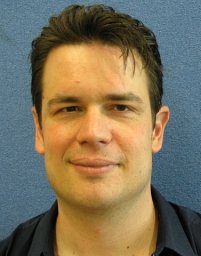 Gregory Maes合作论文数Biogenomics;MindCapture17
 Joost Raeymaekers合作论文数16
 Maarten Larmuseau合作论文数Lab of Human Genetic Genealogy, KU Leuven;Department of Human Genetics, KU Leuven;Instituut Voor Genetica en Samenleving, KU Leuven;Universiteit Antwerpen16
 Dimitry Chistiakov合作论文数Pirogov State Medical University Research Center14
 Chris Haley合作论文数Roslin Institute, University of Edinburgh;MRC Human Genetics Unit, Institute of Genetics and Cancer, University of Edinburgh13
 Georgios Kotoulas合作论文数11
 Tine Huyse合作论文数Laboratory of Aquatic Ecology;Katholieke Universiteit11
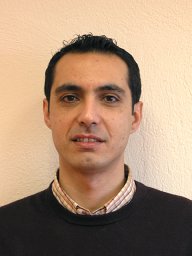 Costas Tsigenopoulos合作论文数Hellenic Centre for Marine Research (HCMR) Institute of Marine Biology and Genetics (IMBG) Thalassocosmos P.O. Box 2214 715 00 Heraklion, Crete Greece11
 Fam Volckaert合作论文数10J. K. J. VAN HOUDT合作论文数8
 Adelino V. M. Canario合作论文数Shanghai Ocean University8
 Henrik Christiansen合作论文数Lab Biodivers & Evolutionary Genom, Katholieke Univ Leuven7E. S. Gysels合作论文数7
 Pascal Hablutzel合作论文数Flanders Marine Institute (VLIZ6A. Libertini合作论文数5Allan Arndt合作论文数5Erika Souche合作论文数5Peter Galbusera合作论文数5VAN Houdt Jeroen合作论文数5
 Luc De Meester合作论文数Departement Biologie, KU Leuven;Freshwater Science, Freie Universitat Berlin;Leibniz Institute of Freshwater Ecology and Inland Fisheries5
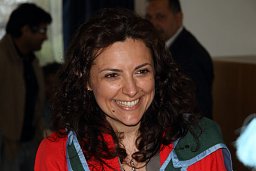 Ilaria Coscia合作论文数5
 Thomas Remerie合作论文数5
 Costas Batargias合作论文数5
 Eric W. M. Stienen合作论文数Research Institute for Nature and Forest5
 Maarten Vanhove合作论文数Laboratory of Animal Diversity and Systematics, Katholieke Universiteit Leuven5
 Andrew Stephen Law合作论文数Edinburgh College of Art, Edinburgh, United Kingdom5Jan Vanaverbeke合作论文数Ghent University;Biology Department;Marine Biology Section;Biology Department, Ghent University5
 Christophe Pampoulie合作论文数5k deneudt合作论文数4
 Karline Soetaert合作论文数Department of Earth Sciences, University of Utrecht;Royal Netherlands Institute for Sea Research4
 Gante Hugo F合作论文数Zoological Institute, University of Basel4
 Magda Vincx合作论文数Marine Biology Research Group, Faculteit Wetenschappen, Universiteit Gent4
 Richard Reinhardt合作论文数Genome Centre Cologne, Max-Planck Institute for Plant Breeding Research4Wouter Courtens合作论文数4
 Bertotto Daniela合作论文数Department of Experimental Veterinary Sciences, Università degli Studi di Padova4C. Massault合作论文数Roslin Institute4Pieter Provoost合作论文数3F. Ollevier合作论文数3
 Sarah Maes合作论文数Lab Biodivers & Evolutionary Genom, Katholieke Univ Leuven3
 Thomas Kerkhove合作论文数3
 Chaturvedi Anurag合作论文数3Cuveliers E L合作论文数3
 Dimitrios Chatziplis合作论文数3Konijnendijk Nellie合作论文数3
 Bruno Louro合作论文数Campus de Gambelas3
 Brendan Mcandrew合作论文数Institute of Aquaculture, University of Stirling3
 Genevieve Lacroix合作论文数Canadian Food Inspection Agency St-Hyacinthe Laboratory3
 Marleen De Troch合作论文数Biology Department, Ghent University3




