The Global South faces unique sustainability challenges especially around the use and management of resources, providing a timely opportunity to understand and adapt Circular Economy (CE) approaches and initiatives, to chart a research agenda for these regions. During the 12th International Conference on Industrial Ecology (IE), ISIE Singapore 2025, we hosted the first special session to unpack the variety of research and key issues related to CE in the Global South. The session aimed to create shared learning and co-creation of a research agenda to prioritize the necessary elements for an effective, inclusive, and just CE transition. A total of 24 participants contributed to the session, representing 16 nationalities. In this paper, we discuss the key outcomes from the session, focusing on the most pressing research gaps, desirable characteristics of a comprehensive CE research agenda, and enablers needed to ensure alignment with both global priorities and local realities. Three core areas emerged as priorities for the IE community’s CE research agenda in the Global South: (1) improving data integrity and availability, especially addressing data collection methodologies for uncovering blind-spots such as those related to the informal economy; (2) combining quantitative IE tools with qualitative, transdisciplinary approaches to better address complex circular challenges; and (3) recognizing and integrating cultural practices and ancestral knowledge drawing on CE principles. By articulating these priorities, our IE society can support more grounded, context-sensitive, and inclusive CE research practices that respond to the specific needs and contributions of the Global South.
Sustainable food security represents a significant challenge in advancing the global agenda expressed in the Sustainable Development Goals, including feeding the growing world population while transitioning toward a circular economy. A growing body of literature is focused on developing concepts and documenting circular economic opportunities in agricultural food systems. However, the methodologies for implementing circular economy models at the farm level remain mostly theoretical. This study proposes a transdisciplinary based approach for evaluating circular economy alternatives in agri-food systems while enhancing farmers’ decision-making skills. The transdisciplinary based research methodology combines methods for simulating critical resource and production flows with multi-criteria decision-making, including training and obtaining feedback from farmers. We test the methodology on a cacao agri-food system in Meta (Colombia). Biomass waste and cost-benefit data allow evaluation for decision-making of four circular economy scenarios: composting, vermicomposting, drip irrigation, and valorization of cacao husks. Research outcomes recommend vermicomposting as a viable circular economy innovation for cacao farms to reduce biomass waste and improve economic income at farm level. Other outcomes include capacity building of farmers on circular economy –including resource flow analysis and cost-benefit calculation. Effective decision-making on circular economy adoption at farm level is evidenced by vermicomposting technology implementation. Policy recommendations call for transdisciplinary based approaches for promoting and scaling the transition towards a circular economy in agri-food systems at a farm scale involving farmers participation in operations research (analytics) modelling and interpretation. In addition, policy advise for circular economy technical assistance and finance, includes vermicomposting as a technology for scaling transition of agri-food systems such as cacao and comparable long-term crops.
The fine flavor cocoa (FFC) market offers additional income for small farmers. Despite the potential of several Latin American countries to produce FFC, their lack of standardized postharvest processes hinders compliance with high-quality standards demanded by the FFC market, as these processes have a direct impact on cocoa's organoleptic characteristics. This work supports the design of a collective postharvest transformation model that coordinates the main steps in the cocoa agri-food chain: transport of the cocoa harvest, classification, fermentation, drying, storage, and commercialization. Our methodology includes a modeling scheme combining optimization and simulation models, considering variability in the processes, and covering operational (transport and resource allocation), tactical (design and sizing of the processing plant), and strategic (sales dynamics) decisions across the cocoa value chain. We illustrate this methodology in a case study in Arauca, Colombia. Our findings emphasize the importance of combining these operational and strategic models since their inputs and outputs are interconnected influencing the decision-making within the cocoa value chain. Our study also identifies key determinants for the postharvest design, highlighting the postharvest center capacity, FFC prices, and the market selling mode (export or local).
This study evaluates the non-achievement of cleaner production dissemination objectives of firms participating in cleaner production dissemination programmes, often sponsored by public funding. The outcomes help identify, describe, and analyse factors influencing firms’ dropout, resulting in shrinking effects on the number of participating firms benefitting from such mechanisms. The RedES-CAR programme, a significant cleaner production dissemination mechanism in Colombia, served as a source for the empirical data used to test the theoretical model. RedES-CAR fits cleaner production dissemination models in the literature and contains a significant database with information on 490 firms committed to participation in the dissemination mechanisms during 2013–2019. Statistical evaluation identifies how user, organisational, market, and innovation factors influence dropout in diverse phases of the dissemination process. Moreover, the outcomes indicate how factors influencing dropout differ during the dissemination process. Market-based factors are the most relevant in early-phase dissemination for awareness and capacity building, and user and organisational factors influence the assessment, adoption, and multiplication of cleaner production practices. The results highlight the need for managers of dissemination programmes to understand cleaner production dissemination as a multiphase process composed of differentiated dissemination objectives and to raise awareness of the shrinking effect occurring in diverse phases. The societal and environmental benefits of CP dissemination increase with project implementation and multiplication, involving networks of actors. This study contributes to the literature by (i) amplifying the perspective of CP-dissemination literature integrating the lens of diffusion of innovation theory, (ii) offering a conceptual model for operationalising cleaner production dissemination (multiphase), and (iii) structuring factors (negatively) affecting dissemination objectives (multilevel). By doing so, this study also guides the design of strategies and structures to disseminate cleaner production by combining promotional, mitigation, and contingency approaches. The literature has traditionally focused on success stories; this study is an analysis of companies that do not fulfil the dissemination objectives.
Circular economy is used as a global language to advance solutions for sustainability consumption and production systems. The circular economy approach aims at improving resource efficiency and effectiveness through a variety of innovations based on the retention of the value of products and their resources. The circular economy approach adds a business model focus for scaling solutiongs to the field of corporate sustainability. Circular solutions require companies and entrepreneurs to acquire a strategic vision on how circularity can be best put into practice and to determine operational capacity to design and adopt circular practices. Translating corporate strategy on circularity into actions entails learning on the integration of sustainability criteria into business strategy and processes, comprehensively linking physical and social organizational dynamics. In this chapter, a learning cycle for transformative change is presented, balancing physical and social impact creation, as part of the company's value creation practices. To understand the feedback loops in detail, the adoption of the circular economy approach is analyzed at diverse scales, such as the business system context (macro), the value chain (meso), and the organization (micro). At every scale, mechanisms to adopt circular solutions are discussed and detailed questions for self-reflection are posed, as tools for organizations to translate corporate strategy on circularity into actions.
The leather industry plays an important role in the circular economy as it reuses the by-products of the meat industry and the generation of high-impact waste streams in the production process. In the long term, the resource-intensive production model of a tannery, using high volumes of water, heavy metals, and discharging organic waste and sewage, is unsustainable. In contrast, a circular economy (CE) approach, based on the optimization of resources and comprehensive improvement of systems, presents opportunities to improve resource efficiency and related environmental sustainability, of the tannery industry. This chapter identifies circular practices and potentially scalable technologies in tanneries by analyzing their technological, economic, and organizational viability. A Colombian tannery firm representative for the small- and medium-sized enterprises in the sector is used as a case for evaluation. Recommendations are made for scaling circularity models in tanneries in Colombia and other countries with similar conditions.
La sostenibilidad ambiental cada vez cobra un papel más importante en la sociedad, lo que ha generado que diferentes sectores se comprometan en implementar estrategias que les permitan extender un impacto positivo en su entorno. Por esto, la Aviación del Ejército fomenta una cultura de conciencia ecológica y coordinada gestión ambiental entre el personal militar y civil. Este libro permite evidenciar como la Aviación del Ejército se afianza como una institución encaminada a ser amigable con el planeta; actuando como agente activo del desarrollo sostenible, promoviendo el respeto por el medio ambiente con todos sus componentes fauna, flora, tierra, agua y aire, para la conservación, protección y bienestar de los ecosistemas en todo el país. Es así como este ejemplar se convierte en un espacio para analizar la actualidad de los fenómenos ambientales terrestres, los protocolos basados en las normativas existentes en el manejo de residuos, las investigaciones y las nuevas alternativas sostenibles, con el fin de evidenciar posibles oportunidades y estrategias de mejora para contribuir hacia una cultura de responsabilidad y sostenibilidad ambiental en todo el ejército Nacional.
El sistema lineal actual no solo ha aumentado la demanda de recursos naturales no renovables, es decir, aquellos que existen en una cantidad específica y limitada, hasta llegar a un punto de riesgo de escasez, sino que las malas prácticas que este sistema conlleva y la poca educación en el tema ha llevado a un aumento insostenible en los residuos.Todas estas prácticas han generado consecuencias evidenciables a nivel global, por lo que desde hace algunos años se ha empezado a idear e implementar este nuevo sistema circular, el cual limita tanto la extracción de materia prima como la producción de residuos con el objetivo de mantener constante el valor de los productos, materiales y recursos en el tiempo.La transformación hacia un sistema circular es un desarrollo que se debe llevar a cabo no solo en los procesos y elementos principales de las cadenas de suministro, sino también en las organizaciones e instituciones, de manera que se articule una red sostenible a nivel nacional.En ese orden de ideas, el presente trabajo expone una revisión teórica en torno a los impactos del sistema lineal principios y características bajo los que se estructura la economía circular, casos exitosos y modelos de estrategias tanto a nivel
Este documento tiene como propósito ofrecer un modelo para convertir a pequeños productores agrícolas en agroempresarios con capacidades, confianza y visiones para autogestionar su futuro a partir de la producción y comercialización de productos agrícolas de valor agregado. El modelo de gestión, denominado MAS, es el objeto de análisis en esta oportunidad, pues brinda a grupos de agricultores tradicionales el fortalecimiento de capacidades técnicas, organizativas y empresariales requeridas para salir del rezago que los caracteriza.
This chapter describes a supply chain programme for the dissemination of circular economy strategies such as cleaner production and industrial symbiosis in an emerging market context. The Sustainable Enterprise Network methodology (RedES) included a triple helix partnership, sponsored by a regional environmental authority (Corporacion Autonoma Regional de Cundinamarca, CAR), operated by Universidad de los Andes School of Management (UASM) together with four other universities to introduce circular economy strategies in 335 private companies. The RedES-CAR experience shows how supply chain models contribute to sustainability in environmentally and socially vulnerable contexts by enhancing dissemination and collaboration among a critical mass of companies, universities, and environmental authorities. The chapter highlights the RedES-CAR programme's key features, benefits obtained by participating firms, and lessons learned, thus contributing to the understanding of methodologies to disseminate circular economy tools in supply chains in emerging markets.
Investigating the benefits of sustainable business models for our societies is an important and timely topic. This Special Volume contributes to current research by exploring a variety of sustainable models in use around the world. The accepted articles provide an overview of the various organizational forms, management mechanisms, sustainability solutions, challenges, theoretical lenses and empirical evidence, i.e. fundamental elements in the study of sustainable business models. In this introductory paper, the thirty-seven articles included in this Special Volume are presented, organized in four approaches to sustainable business models: 1/the generalist approach, 2/the technology-based approach, 3/the entrepreneurship and innovation approach and 4/the behavioral approach. In conclusion, avenues for future research are formulated, with a call for solid theory building, more sophisticated research methods, focus on the interplay of sustainable with existing conventional business models, and systemic consideration of the role of governments in advancing sustainable business models.
During the last decades several international initiatives have emphasised that education is an imperative for societies to become more sustainable. This special volume stream is comprised of 33 papers that illustrate some of the efforts being taken by higher education institutions to contribute to sustainability. The majority of the papers were presented at the European Roundtable on Sustainable Consumption and Production – Environmental Management for Sustainable Universities conference in Istanbul, Turkey in 2013. The papers address topics such as implementation of sustainable development, stakeholder engagement and participation, campus operations, sustainability reporting and assessment, organisational change management, and curriculum development. the papers in this special volume stream provide significant steps for the higher education for sustainable development discipline by exploring new and rethink theories, approaches, concepts, methods, and frameworks, as well as providing case studies and guidelines for practitioners. As the collection of papers shows, there have been many efforts in the implementation of sustainable development in higher education institutions; however, there are still many challenges to integrate sustainable development into their systems, and many opportunities for research in the topic.
Sustainable supply chain approaches consider the role of anchor companies in disseminating environmental improvements among their suppliers. This study analyses the relations between stimuli for anchor companies to contribute to cleaner production dissemination and their actual contribution in terms of programme results, following a stimulus–response approach. Empirical evidence drawn from the Mexican Sustainable Supply Programme pilot featured data from 14 anchor companies and 177 small and medium-sized suppliers. Findings reveal the importance of supply chain structures and the integration of anchor companies in environmental initiatives to disseminate cleaner production among enterprises in emerging markets. Drivers leading anchor companies to participate in initiatives such as the Mexican Sustainable Supply Programme include theory-supported factors, e.g., improving supplier performance, cost reductions, environmental leadership, and improved reputation. These drivers do not coincide with perceived participation benefits and collaborative approaches in project design might cause this shift in importance from dominating “hard” self-centred drivers towards “soft” partner-centred benefits. Moreover, anchor company learning contributes to dissemination of cleaner production practices among suppliers. Anchor company managers should be aware of cleaner production dissemination benefits, and approach sustainable supply initiatives pro-actively as part of their competitive strategy. Policy makers, consultants and services providers seeking improved environmental performance of small and medium-sized enterprises should consider the integrated framework for cleaner production dissemination as a scalable approach for effective diffusion. Differential cleaner production dissemination performance of anchor companies suggests further research on the dynamic capabilities that influence cognitive and behavioural processes in cleaner production dissemination under a stimulus-organism-response model.
Sustainability calls for multi-stakeholder initiatives; hence a requirement for implementing sustainable management approaches is the capacity of different actors to collaborate with each other. This research tested a theoretical model of collaboration capacity as a multi-dimensional organisational construct to gauge cleaner production implementation within supply chains. The construct measured operational, cooperative, and communicative routines of small and medium-sized firms to design, implement and communicate the results of cleaner production projects. Assessment focused on the collaboration capacity of 177 suppliers that participated in the Mexican Sustainable Supply Programme from 2005 to 2008. The results of the study revealed how a supplier's collaboration capacity is influenced by characteristics of firms and managers, such as the firm's sector, the number of participating managers and their profiles. Following collaboration theory reasoning, the empirical findings support the notion that collaboration may contribute to inter-organisational dynamics by strengthening knowledge absorption capacity, structuring solutions, and motivating activity around a commonly defined problem or goal such as cleaner production. Therefore, collaboration capacity is essential for effective implementation of cleaner production. Such cleaner production actions provide competitive advantages for sustainable supply chain management.
 Marcus Thiell合作论文数4
 Andres Medaglia合作论文数2
 Rupert Baumgartner合作论文数Institut für Umweltsystemwissenschaften, Umwelt-, Regional- und Bildungswissenschaftliche Fakultät, Karl-Franzens-Universität Graz2
 Sjors Witjes合作论文数Institute for Management Research, Radboud University2
 Tom Lyon合作论文数Stephen M. Ross School of Business, University of Michigan-Ann Arbor2
 Yuliya Snihur合作论文数2
 Xingfu Tang (唐幸福)合作论文数Department of Environmental Science and Engineering, Fudan University2
 Nikolay A. Dentchev合作论文数Ghent University2
 Jan Jonker合作论文数University of Twente;Laboratory of Mechanical Automation;Laboratory of Mechanical Automation, University of Twente2
 Romana Rauter合作论文数University of Graz2
 Carlos Manuel Herrera合作论文数2
 Michele Rosano合作论文数2
 Timo R. Nyberg合作论文数Paper Machine Automation, Automation and Control Institute, Tampere University of Technology2Eduardo Uribe合作论文数1Ricardo Alexander Peña Venegas合作论文数1
 Gustavo Adolfo Rodriguez Yzquierdo合作论文数1Karla Parra合作论文数1
 Anderson Castro合作论文数1Juanita Duque-Hernández合作论文数1ruben d lizarralde合作论文数1Ingrid Yuliana Arango Calderón合作论文数1
 Tomas B. Ramos合作论文数1
 Sebastian Escobar合作论文数1
 Tatiana Camila Miranda合作论文数1John Alexander León Torres合作论文数1
 Alba Nubia Muñoz-Montilla合作论文数Secretaría de Educación del Distrito1
 Diana Carolina Contreras-Gutiérrez合作论文数1
 john cristhian fernandezlizarazo合作论文数Universidad de La Salle1Simran Talwar合作论文数1
 Andrés A. Ramírez-Duque合作论文数1
 M RODRIGUEZ合作论文数Pulmonary Hypertension and Transplantation, Hospital Italiano de Mendoza1Donald Huisingh合作论文数1
 Glenn A. Aguilar-Hernandez合作论文数Institute of Environmental Sciences (CML),, Leiden University1
 J. Rodriguez合作论文数Ctr Invest Tibaitata, Corp Colombiana Invest Agr Agrosavia1
 santiago mejiadugand合作论文数URBAM Ctr Urban & Environm Studies, EAFIT Univ1
 Lara Johannsdottir合作论文数Faculty of Business Administration, University of Iceland1
 Allen Blackman合作论文数Resources for the Future, 1616 P Street, N.W. Washington, DC, USA1
 Monica Betancourt Vasquez合作论文数1
 Rodrigo Lozano合作论文数Copernicus Institute of Sustainable Development, Utrecht University1
 Hans Dieleman合作论文数1
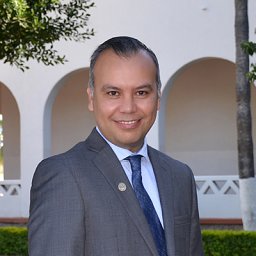 Juan Pablo Soto合作论文数Facultad de Medicina, Universidad de la República1
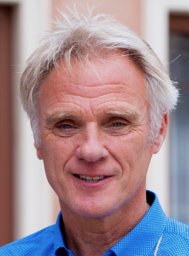 Walter J.V. Vermeulen合作论文数Department of Environmental;Sciences and Policy;Utrecht University;Department of Environmental|Sciences and Policy, Utrecht University1
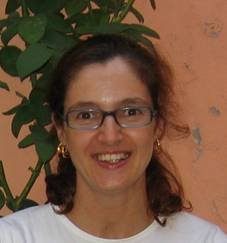 Sandra Caeiro合作论文数Departamento de Ciências Exactas e Tecnológicas, Universidade Aberta1
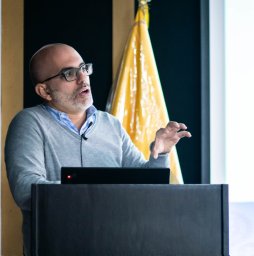 Ramzy Kahhat合作论文数Center for Earth Systems Engineering Management, Arizona State University1
 Kim Ceulemans合作论文数Belgian Inst Space Aeron1




