You have accessJournal of UrologyEducation Research I (PD02)1 Sep 2021PD02-04 TOP-HEAVY TRAINING: TRENDS IN UROLOGY RESIDENT EXPOSURE TO MAJOR SURGERY Ezra Margolin, Daniel Schoenfeld, Suzanne Merrill, Jay Raman, R. Houston Thompson, Adam Reese, Dipen Parekh, John Lynch, Baruch Grob, Daniel Williams, Richard Lee, Stanley Zaslau, Thomas Guzzo, Patrick Shenot, and Gina Badalato Ezra MargolinEzra Margolin More articles by this author , Daniel SchoenfeldDaniel Schoenfeld More articles by this author , Suzanne MerrillSuzanne Merrill More articles by this author , Jay RamanJay Raman More articles by this author , R. Houston ThompsonR. Houston Thompson More articles by this author , Adam ReeseAdam Reese More articles by this author , Dipen ParekhDipen Parekh More articles by this author , John LynchJohn Lynch More articles by this author , Baruch GrobBaruch Grob More articles by this author , Daniel WilliamsDaniel Williams More articles by this author , Richard LeeRichard Lee More articles by this author , Stanley ZaslauStanley Zaslau More articles by this author , Thomas GuzzoThomas Guzzo More articles by this author , Patrick ShenotPatrick Shenot More articles by this author , and Gina BadalatoGina Badalato More articles by this author View All Author Informationhttps://doi.org/10.1097/JU.0000000000001966.04AboutPDF ToolsAdd to favoritesDownload CitationsTrack CitationsPermissionsReprints ShareFacebookLinked InTwitterEmail Abstract INTRODUCTION AND OBJECTIVE: The landscape of urologic training has shifted dramatically with the emergence of robotic surgery. Increased utilization of robotic surgery may alter the level of training at which residents are exposed to major urologic cases. We queried this through evaluation of volume trends in major cases among urology residents at different stages of training at a multi-institutional level. METHODS: Urology resident ACGME case logs from 12 institutions from 2011-2017 were obtained and de-identified. Trends in surgical case distribution were measured using linear regression for residents at each level of urologic training (URO1, URO2, URO3, and URO4). RESULTS: From a sample of 221 resident graduates, a total of 348,656 total cases were logged, of which 116,363 (33%) were major (robotic and open). Major case distribution included 60% oncology, 27% reconstructive and 13% pediatric. Robotic surgeries constituted 34% of all major cases, and the proportion of robotic cases increased by 1.4% per year (p<0.001 for slope). Major cases accounted for 17% of all cases done by URO1 residents, 21% for URO2, 39% for URO3, and 55% for URO4. From 2011 to 2017, the percentage of major cases among URO1 residents decreased from 26% to 13% (-1.8% per year, p<0.001 for slope). This trend primarily reflected a decrease in exposure to oncology cases (-1.8% per year, p<0.001). Among URO4 residents, the proportion of major cases increased from 52% to 60% (+0.9% per year, p=0.045). The proportions of major cases among URO2 and URO3 residents were not significantly changed. Although there was considerable inter-institutional variability in the percentage of major cases done by URO1 residents (ranging from 5% to 35%), the percentage decreased over time in 11 of the 12 institutions. CONCLUSIONS: Increased utilization of robotic surgery has coincided with a shift in exposure to major cases among urology residents at different stages of training, with less exposure to major cases among URO1 residents and more exposure among URO4 residents. This trend calls into question the preparedness of junior residents for senior-level training and the surgical proficiency of resident graduates. Source of Funding: None © 2021 by American Urological Association Education and Research, Inc.FiguresReferencesRelatedDetails Volume 206Issue Supplement 3September 2021Page: e38-e38 Advertisement Copyright & Permissions© 2021 by American Urological Association Education and Research, Inc.MetricsAuthor Information Ezra Margolin More articles by this author Daniel Schoenfeld More articles by this author Suzanne Merrill More articles by this author Jay Raman More articles by this author R. Houston Thompson More articles by this author Adam Reese More articles by this author Dipen Parekh More articles by this author John Lynch More articles by this author Baruch Grob More articles by this author Daniel Williams More articles by this author Richard Lee More articles by this author Stanley Zaslau More articles by this author Thomas Guzzo More articles by this author Patrick Shenot More articles by this author Gina Badalato More articles by this author Expand All Advertisement PDF downloadLoading ...
INTRODUCTION AND OBJECTIVES: Completion of a minimum number of index procedures is required for urology residency graduation. Interestingly, no thresholds are stipulated regarding the surgical technique utilized. Therefore, it is unclear if the distribution between robotic and open technique learning is balanced for the trainee. To evaluate this question, we assessed the distribution of robotic and open surgeries performed by residents upon graduation. METHODS: We obtained voluntary ACGME graduated resident case logs between 2011-2017 from 11 academic institutions. These dates were selected as the ACGME began coding robotic cases separately in 2011. Data was de-identified and trends in robotic and open major surgeries (reconstructive, oncologic and pediatric) were compared using Wilcoxon Rank Sum tests. RESULTS: 136,868 major surgical cases were recorded by 209 graduating residents from 2011-2017. The median proportion of robotic cases increased from 2011 to 2017 across all major surgery (14.2% to 26.7%); reconstructive (2.9% to 9%); oncologic (27% to 54.2%); and pediatric (0% to 1.6%) (p for all < 0.001). Distribution trends over time are shown in Figure 1. Pediatric urology demonstrated the most blunted trend with a median of 3 robotic cases (IQR 0, 24) compared to 184 open cases (IQR 69, 379) being performed in 2017. Similar observations occurred in reconstructive urology. Conversely, in urologic oncology, the number of robotic procedures superseded that of open starting in 2016. The driver of this trend is likely robotic prostatectomy with the median number of robotic cases per graduating resident rising above that of open cases starting in 2012 (robotic: 57 (IQR 10, 163) vs. open: 46 (IQR 7, 256)) and showing a continual rise to 2017 (robotic: 81 (IQR 38, 189) vs. open: 22 (IQR 4, 52)). CONCLUSIONS: Robotically preformed cases by graduating urology residents are increasing across all major surgical categories. However, the balance of technique utilized and the pace at which this distribution is changing vastly differs among reconstructive, oncologic and pediatric surgery. Continued evaluation is necessary, as such data may serve as a platform for determining if surgical technique standards are needed to maintain training integrity. Figure. No caption available. Source of Funding: None
The current manuscript aims to provide an up to date evidence based analysis on the status of surgery in the metastatic renal cell carcinoma setting. It includes the role of surgery in the primary tumor as well as recent perspective on the surgical management of metastatic disease.
 R. Houston Thompson合作论文数Department of Urology, Mayo Clinic Rochester3
 Suzanne B Merrill合作论文数2Jay D. Raman合作论文数2Stanley Zaslau合作论文数2
 Thomas J. Guzzo合作论文数Division of Urology, University of Pennsylvania2
 Dipen J. Parekh合作论文数Department of Urology, Miller School of Medicine, University of Miami2Patrick J. Shenot合作论文数2Adam C. Reese合作论文数Department of Urology, University of California San Francisco2
 John Lynch合作论文数Division of Epidemiology and Biostatistics, School of Public Health, Faculty of Health and Medical Sciences, University of Adelaide;University of Bristol2Brian Sohl合作论文数1Daniel Schoenfeld合作论文数1
 Daniel H. Williams IV合作论文数Department of Urology, School of Medicine and Public Health, University of Wisconsin-Madison1Ezra J Margolin合作论文数1
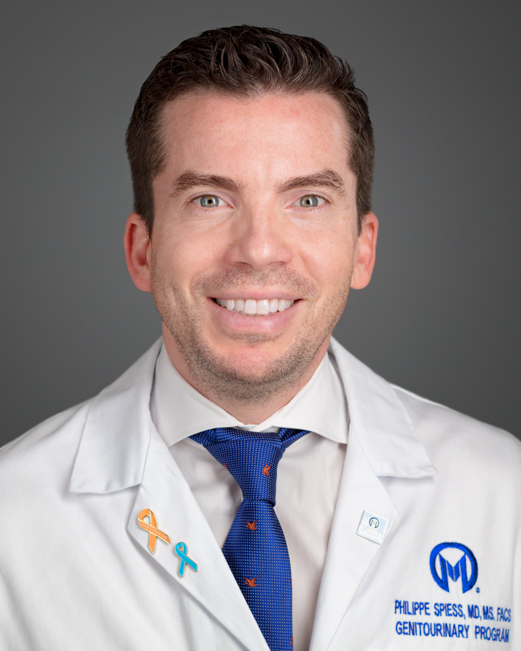 Philippe Spiess合作论文数Moffitt Cancer Center1
 H Van Poppel合作论文数Department of Urology, University Hospitals Leuven1H Williams Daniel合作论文数1
 Maria Mir合作论文数Cleveland Clinic1
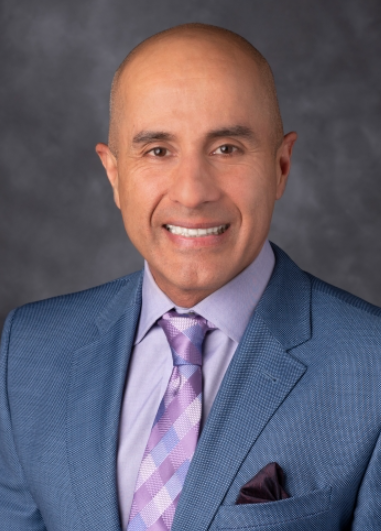 Surena F. Matin合作论文数Department of Urology, Division of Surgery, The University of Texas MD Anderson Cancer Center1
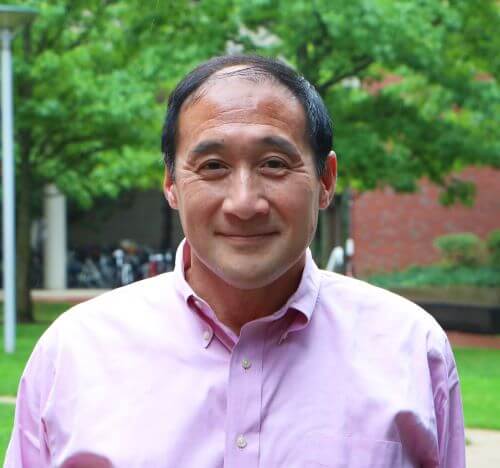 Richard Lee合作论文数Department of Stem Cell & Regenerative Biology, Harvard University;Harvard Medical School;Brigham and Women's Hospital1Gina M. Badalato合作论文数1Erik Lehman合作论文数Penn State University1
 Axel Bex合作论文数Netherlands Cancer Institute;University College London1




