INTRODUCTION:Brain stimulation is not a common inpatient psychiatric treatment; however, there are an increasing number of neuromodulation treatments approved for psychiatric indications. Noninvasive techniques, such as transcutaneous auricular vagus nerve stimulation (taVNS), are promising and should be investigated in this novel setting. This study evaluates the safety and feasibility of taVNS on the inpatient psychiatric unit and preliminarily explores efficacy for comorbid depression and anxiety. MATERIALS AND METHODS:Ten adult patients (five women, mean age ± SD, 35.60 ± 19.14 years) admitted to the inpatient psychiatric unit with comorbid depression and anxiety participated in this open-label safety and feasibility trial. Patients were randomized to receive one of two taVNS dosing approaches: 1) three taVNS sessions on three consecutive days (nine sessions total) (n = 5) or 2) nine taVNS sessions in one day (n = 5). Each day, we assessed depression, using the Patient Health Questionnaire (PHQ-9) and Beck Depression Inventory (BDI), and anxiety, using the Generalized Anxiety Disorder-7 (GAD-7) and Beck Anxiety Inventory (BAI). RESULTS:Both taVNS dosing approaches were safe and feasible in this novel setting. There were no serious adverse events, and we observed a low rate of minor adverse effects, which was similar across treatment conditions. Regardless of condition, stimulation significantly reduced GAD-7 (mean reduction ± SD, -5.90 to 6.87, p < 0.05), BAI (-9.40 ± 10.52, p < 0.05), PHQ-9 (-6.00 ± 7.57, p < 0.05), and BDI (-11.00 ± 11.59, p < 0.05) final scores compared with baseline. There was not a significant difference in clinical response between treatment conditions. DISCUSSION:In this open label study, taVNS significantly decreased depression and anxiety symptoms in patients admitted to the inpatient unit. The small sample size in this trial limited our ability to characterize patient characteristics that may drive response. However, our results suggest taVNS may be an effective adjunct to inpatient psychiatric treatment and should continue to be studied in this setting. CLINICAL TRIAL REGISTRATION:The Clinicaltrials.gov registration number for the study is NCT05791383.
In this study we combined non-invasive transcutaneous auricular vagal nerve stimulation (taVNS) with 40 h of constraint induced movement therapy (CIMT) in infants. All infants completed the full intervention with no adverse events. Therapists were able to maintain high treatment fidelity and reported high ratings for ease of use and child tolerance. Preliminary results show promising gains on motor outcomes: Mean QUEST increase 19.17 (minimal clinically important difference, MCID 4.89); Mean GMFM increase 13.33 (MCID 1%–3%). Infants also exceeded expectations on Goal Attainment Scores (+1). Early data is promising that taVNS paired with intensive motor CIMT is feasible, reliable, and safe in young infants with hemiplegia, and may help harness activity-dependent plasticity to enhance functional movement.
Abstract Date Presented 03/22/24 Assessment of treatment fidelity is essential when complementing effective motor based therapies like CIMT with neuromodulation. This will ensure successful translation to clinical practice and maintain effectiveness of OT interventions. Primary Author and Speaker: Elizabeth Humanitzki Additional Authors and Speakers: Patty Coker-Bolt, Kelly McGloon, Julia Schroeder Brennan Contributing Authors: Annie Cribb, Alyssa Brennan, Philipp Summers, Bashar W. Badran, Mark George, Dorothea Jenkins
Vagus nerve stimulation (VNS) is emerging as a unique and potent intervention, particularly within neurology and psychiatry. The clinical value of VNS continues to grow, while the development of noninvasive options promises to change a landscape that is already quickly evolving. In this review, we highlight recent progress in the field and offer readers a glimpse of the future for this bright and promising modality. We compiled a narrative review of VNS literature using PubMed and organized the discussion by disease states with approved indications (epilepsy, depression, obesity, post-stroke motor rehabilitation, headache), followed by a section highlighting novel, exploratory areas of VNS research. In each section, we summarized the current role, recent advancements, and future directions of VNS in the treatment of each disease. The field continues to gain appreciation for the clinical potential of this modality. VNS was initially developed for treatment-resistant epilepsy, with the first depression studies following shortly thereafter. Overall, VNS has gained approval or clearance in the treatment of medication-refractory epilepsy, treatment-resistant depression, obesity, migraine/cluster headache, and post-stroke motor rehabilitation. Noninvasive VNS represents an opportunity to bridge the translational gap between preclinical and clinical paradigms and may offer the same therapeutic potential as invasive VNS. Further investigation into how VNS parameters modulate behavior and biology, as well as how to translate noninvasive options into the clinical arena, are crucial next steps for researchers and clinicians studying VNS.
ObjectiveThis study aims to determine if pretreating with enteral N-acetylcysteine (NAC) improves CNS oxidative stress and facilitates improvement in oromotor skills during transcutaneous auricular nerve stimulation (taVNS) paired with oral feedings in infants of diabetic mothers (IDMs) who are failing oral feeds.MethodsWe treated 10 IDMs who were gastrostomy tube candidates in an open-label trial of NAC and taVNS paired with oral feeding. NAC (75 or 100 mg/kg/dose) was given by nasogastric (NG) administration every 6 h for 4 days, then combined with taVNS paired with 2 daily feeds for another 14 days. NAC pharmacokinetic (PK) parameters were determined from plasma concentrations at baseline and at steady state on day 4 of treatment in conjunction with magnetic resonance spectroscopic (MRS) quantification of CNS glutathione (GSH) as a marker of oxidative stress. We compared increases in oral feeding volumes before and during taVNS treatment and with a prior cohort of 12 IDMs who largely failed to achieve full oral feeds with taVNS alone.ResultsNAC 100 mg/kg/dose every 6 h NG resulted in plasma [NAC] that increased [GSH] in the basal ganglia with a mean of 0.13 ± 0.08 mM (p = 0.01, compared to baseline). Mean daily feeding volumes increased over 14 days of NAC + taVNS compared to the 14 days before treatment and compared to the prior cohort of 12 IDMs treated with taVNS alone. Seven IDMs reached full oral feeds sufficient for discharge, while three continued to have inadequate intake.ConclusionIn IDM failing oral feeds, NAC 100 mg/kg/dose every 6 h NG for 4 days before and during taVNS paired with oral feeding increased CNS GSH, potentially mitigating oxidative stress, and was associated with improving functional feeding outcomes compared to taVNS alone in a prior cohort. This represents a novel approach to neuromodulation and supports the concept that mitigation of ongoing oxidative stress may increase response to taVNS paired with a motor task.
Objectives Low-intensity focused ultrasound (LIFU) is gaining increased interest as a potential therapeutic modality for a range of neuropsychiatric diseases. Current neuromodulation modalities often require a choice between high spatial fidelity or invasiveness. LIFU is unique in this regard because it provides high spatial acuity of both superficial and deep neural structures while remaining noninvasive. This new form of noninvasive brain stimulation may provide exciting potential treatment options for a variety of neuropsychiatric disorders involving aberrant neurocircuitry within deep brain structures, including pain and substance use disorders. Furthermore, LIFU is compatible with noninvasive neuroimaging techniques, such as functional magnetic resonance imaging and electroencephalography, making it a useful tool for more precise clinical neuroscience research to further understand the central nervous system. Materials and Methods In this study, we provide a review of the most recent LIFU literature covering three key domains: 1) the history of focused ultrasound technology, comparing it with other forms of neuromodulation, 2) the parameters and most up-to-date proposed mechanisms of LIFU, and finally, 3) a consolidation of the current literature to date surrounding the clinical research that has used LIFU for the modification or amelioration of several neuropsychiatric conditions. Results The impact of LIFU including poststroke motor changes, pain, mood disorders, disorders of consciousness, dementia, and substance abuse is discussed. Conclusions Although still in its infancy, LIFU is a promising tool that has the potential to change the way we approach and treat neuropsychiatric disorders. In this quickly evolving field, this review serves as a snapshot of the current understanding of LIFU in neuropsychiatric research.
BackgroundBalance and mobility impairments are prevalent post-stroke and a large number of survivors require walking assistance at 6 months post-stroke which diminishes their overall quality of life. Personalized interventions for gait and balance rehabilitation are crucial. Recent evidence indicates that stroke lesions in primary motor pathways, such as corticoreticular pathways (CRP) and corticospinal tract (CST), may lead to reliance on alternate motor pathways as compensation, but the current evidence lacks comprehensive knowledge about the underlying neural mechanisms.MethodsIn this study, we investigate the functional connectivity (FC) changes within the motor network derived from an individualized cortical parcellation approach in 33 participants with chronic stroke compared to 17 healthy controls. The correlations between altered motor FC and gait deficits (i.e., walking speed and walking balance) were then estimated in the stroke population to understand the compensation mechanism of the motor network in motor function rehabilitation post-stroke.ResultsOur results demonstrated significant FC increases between ipsilesional medial supplementary motor area (SMA) and premotor in stroke compared to healthy controls. Furthermore, we also revealed a negative correlation between ipsilesional SMA-premotor FC and self-selected walking speed, as well as the Functional Gait Assessment (FGA) scores.ConclusionThe increased FC between the ipsilesional SMA and premotor regions could be a compensatory mechanism within the motor network following a stroke when the individual can presumably no longer rely on the more precise CST modulation of movements to produce a healthy walking pattern. These findings enhance our understanding of individualized motor network FC changes and their connection to gait and walking balance impairments post-stroke, improving stroke rehabilitation interventions.
BackgroundThe nucleus accumbens (NAc) is a key node of the brain reward circuit driving reward-related behavior. Dysregulation of NAc has been demonstrated to contribute to pathological markers of addiction in substance use disorder (SUD) making it a potential therapeutic target for brain stimulation. Transcranial focused ultrasound (tFUS) is an emerging non-invasive brain stimulation approach that can modulate deep brain regions with a high spatial resolution. However, there is currently no evidence showing how the brain activity of NAc and brain functional connectivity within the reward network neuromodulated by tFUS on the NAc.MethodsIn this pilot study, we carried out a single-blind, sham-controlled clinical trial using functional magnetic resonance imaging (fMRI) to investigate the underlying mechanism of tFUS neuromodulating the reward network through NAc in ten healthy adults. Specifically, the experiment consists of a 20-min concurrent tFUS/fMRI scan and two 24-min resting-state fMRI before and after the tFUS session.ResultsFirstly, our results demonstrated the feasibility and safety of 20-min tFUS on NAc. Additionally, our findings demonstrated that bilateral NAc was inhibited during tFUS on the left NAc compared to sham. Lastly, increased functional connectivity between the NAc and medial prefrontal cortex (mPFC) was observed after tFUS on the left NAc, but no changes for the sham group.ConclusionDelivering tFUS to the NAc can modulate brain activations and functional connectivity within the reward network. These preliminary findings suggest that tFUS could be potentially a promising neuromodulation tool for the direct and non-invasive management of the NAc and shed new light on the treatment for SUD and other brain diseases that involve reward processing.
Introduction: Transcutaneous auricular vagus nerve stimulation (taVNS) may be useful in treating disorders characterized by chronic parasympathetic disinhibition. Acute taVNS decreases resting heart rate in healthy individuals, but little is known regarding the effects of taVNS on the cardiac response to an acute stressor. To investigate effects on the acute stress response, we investigated how taVNS affected heart rate changes during a cold pressor test (CPT), a validated stress induction technique that reliably elicits a sympathetic stress response with marked increases in heart rate, anxiety, stress, and pain. Materials and Methods: We recruited 24 healthy adults (ten women, mean age = 29 years) to participate in this randomized, crossover, exploratory trial. Each subject completed two taVNS treatments (one active, one sham) paired with CPTs in the same session. Order of active versus sham stimulation was randomized. Heart rate, along with ratings of anxiety, stress, and pain, was collected before, during, and after each round of taVNS/sham + CPT. Results: In both stimulation conditions, heart rate was elevated from baseline in response to the CPT. Analyses also revealed a difference between active and sham taVNS during the fi rst 40 seconds of the CPT (0 heart rate [HR] = 12.75 +/- 7.85 in the active condition; 0 HR = 16.09 +/- 11.43 in the sham condition, p = 0.044). There were no significant fi cant differences in subjective ratings between active and sham taVNS. Conclusions: In this randomized, sham-controlled study, taVNS attenuated initial increases in HR in response to the CPT. Future studies are needed to investigate the effects of various taVNS doses and parameters on the CPT, in addition to other forms of stress induction. Clinical Trial The number for the is NCT00113453.
 Mark S George合作论文数Magnetic Brain Stimulation Laboratory, Department of Psychiatry, Medical University of South Carolina;Brain Imaging Division, Department of Psychiatry, Medical University of South Carolina81
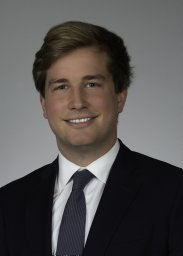 Austelle Christopher W合作论文数Department of Psychiatry and Behavioral Sciences, Medical University of South Carolina25
 William Devries合作论文数23
 Jenkins Dorothea合作论文数23
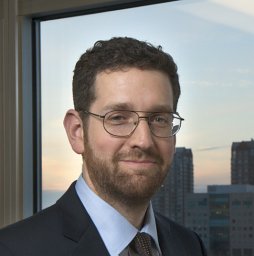 Marom Bikson合作论文数Department of Biomedical Engineering, The City College of New York of the City University of New York;Safe Toddles;Neural Engineering Laboratory, The City College of New York;Soterix Medical Inc.22
 Lisa McTeague合作论文数Department of Psychiatry, Medical University of South Carolina19
 Edward Baron Short合作论文数19Xingbao Li合作论文数17
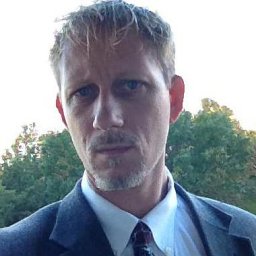 Jeffrey J. Borckardt合作论文数Institute of Psychiatry MUSC IOP, Medical University of South Carolina15
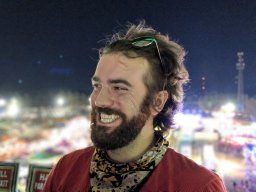 Logan Thorne Dowdle合作论文数Department of Psychiatry and Behavioral Sciences, Medical University of South Carolina;Department of Neurosciences, Medical University of South Carolina;Medical University of South Carolina, Medical University of South Carolina14
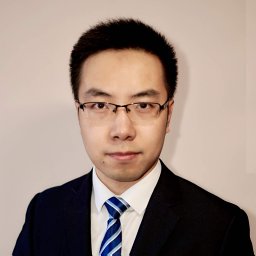 Xiaolong Peng合作论文数Xi'an Jiaotong Univ, Xi'an Jiaotong Univ.14
 Colleen A Hanlon合作论文数Department of Neurobiology, Duke University13Philipp M. Summers合作论文数11
 Kevin A. Caulfield合作论文数Brain Stimulation Laboratory, Medical University of South Carolina11Georgia H O'Leary合作论文数9Patricia Coker-Bolt合作论文数8
 Chloe Glusman合作论文数8
 Devin Adair合作论文数8Sarah Huffman合作论文数8Morgan Dancy合作论文数8Andrew J. Manett合作论文数8
 Oliver Mithoefer合作论文数8
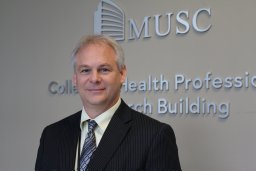 Steven A. Kautz合作论文数Department of Veteran Affairs Rehabilitation Research and Development Brain Rehabilitation Research Center, the Malcom Randall VA Medical Center8
 James W. Lopez合作论文数Med Univ South Carolina7
 Zeinab Esmaeilpour合作论文数Dept Biomed Engn, CUNY City Coll7Hunter G Moss合作论文数Ctr Biomed Imaging, Med Univ South Carolina7Alyssa Brennan合作论文数6Brenna Baker-Vogel合作论文数6Gregory Lee Sahlem合作论文数Department of Psychiatry and Behavioral Sciences, School of Medicine, Stanford University6Thomas W. Uhde合作论文数5Scott Henderson合作论文数5
 Abhishek Datta合作论文数Department of Biomedical Engineering, The City College of New York of CUNY5Joseph J. Taylor合作论文数4Kelly McGloon合作论文数4Elizabeth Humanitzki合作论文数4Sean Thompson合作论文数4
 Sasha Stomberg- Firestein合作论文数4Elise M Gruber合作论文数4
 Nolan Williams合作论文数Department of Psychiatry and Behavioral Sciences, School of Medicine, Stanford University4Alex Kahn合作论文数4
 Turki Aljuhani合作论文数Dept Occupat Therapy, King Saud Bin Abdulaziz Univ Hlth Sci4Alexander Bystritsky合作论文数4W. DeVries合作论文数3Philip Summers合作论文数3Nicholas T LaBate合作论文数3Sally Hunt合作论文数3Lauren E Adams合作论文数3Alan W. Badran合作论文数3
 Vincent P Clark合作论文数3




