Background: Posterior cruciate ligament (PCL) reconstruction (PCLR) is increasingly performed for mid-substance tears, but complications after isolated PCLR remain poorly characterized. Purpose: To identify the complication profile of isolated arthroscopic PCLR. Study Design: Systematic review and meta-analysis; Level of evidence, 4. Methods: Following the PRISMA (Preferred Reporting Items for Systematic Reviews and Meta-Analyses) guidelines, databases were searched. Adult studies of isolated mid-substance PCLR reporting at least 1 postoperative complication were included. Pooled proportions and 95% CIs were calculated using random-effects models. A quantitative synthesis of data was conducted to compare complication rates between single- and double-bundle reconstructions and between autograft and allograft types. Results: A total of 65 studies comprising 4162 patients met the inclusion criteria. The overall complication rate was 14.8% (n = 616). The most frequent postoperative complications were persistent postoperative pain (4.2% [95% CI, 2.3%-6.6%]), residual posterior laxity (4.1% [95% CI, 2.4%-6.2%]), and arthrofibrosis (3.1% [95% CI, 1.8%-4.8%]). Structural complications occurred at lower rates, including tunnel enlargement (2.5% [95% CI, 0.5%-5.8%]), graft failure or rupture (1.7% [95% CI, 0.8%-2.8%]), and postoperative osteoarthritis (2.2% [95% CI, 1.2%-3.6%]). Reoperations remained infrequent, with nonrevision reoperations at 3.4% (95% CI, 1.8%-5.4%) and revision PCLR at 1.1% (95% CI, 0.7%-1.6%). All other complications, including infection, venous thromboembolism, vascular injury, neurologic symptoms, hardware failure, and conversion to arthroplasty, were reported with weighted proportions <1%. Subgroup analyses showed no statistically significant differences by bundle type (single vs double) or graft selection (autograft vs allograft). However, these pooled results should be interpreted with caution, given the heterogeneity across studies. Conclusion: Isolated arthroscopic PCLR demonstrates a pooled complication rate of 14.8%, with persistent pain, residual posterior laxity, and arthrofibrosis being the most frequently reported complications. Major complications were uncommon in the available literature. Subgroup analysis showed no statistically significant differences by the number of bundles reconstructed or by the use of an autograft or an allograft.
This study aimed to assess the presence of spin in abstracts of systematic reviews and meta-analyses comparing biceps tenodesis and tenotomy outcomes and to explore associations between spin and specific study characteristics. Using Web of Science and PubMed databases, systematic reviews and meta-analyses comparing outcomes of biceps tenodesis and tenotomy were identified. Abstracts were evaluated for the nine most severe types of spin as described by Yavchitz et al. and appraised using the AMSTAR 2 (A MeaSurement Tool to Assess systematic Reviews). Study characteristics were extracted, including adherence to PRISMA guidelines,funding status, and impact metrics such as journal impact factor, total number of citations, and average annual citations. A total of 16 studies were included, with spin detected in 81.3
Knee cartilage lesions are frequent in football players, but evidence for surgical treatment is lacking. The aim of this International Cartilage Regeneration & Joint Preservation Society, Fédération Internationale de Football Association, and Aspetar (ICRS-FIFA-Aspetar) consensus was to develop specific expert-based, patient-specific practical recommendations on the appropriateness of non-surgical or surgical treatments for symptomatic knee cartilage lesions in competitive football players. The RAND/UCLA appropriateness method was used, and 17 voting experts provided recommendations on the appropriateness of surgical treatment in 96 different clinical scenarios defined on 6 variables: cartilage injury onset, lesion location, defect size, bone involvement, player symptom level and preference towards higher priority of a quick return to play or long-term results. Surgical treatment of a cartilage lesion was considered appropriate in 32% of the scenarios, in 21% inappropriate, while in 47% of the scenarios, the appropriateness was considered uncertain. The parameters with the highest appropriateness for the surgical treatment of a cartilage lesion in a football player were the inability to play (75.0% of appropriate scenarios), a lesion sized 2 cm2 or bigger (47.9% of appropriate scenarios) and the preference of the player for long-term results (41.7% of appropriate scenarios). In this ICRS-FIFA-Aspetar expert consensus, surgical treatment for cartilage injuries in competitive football players was considered appropriate only in one-third of the clinical scenarios, and the choice was mainly driven by the level of symptoms. Surgical preference was also influenced by larger lesions, lesions of the condyles and trochlea with subchondral bone involvement and player's preference towards long-term results.
There has been significant exploration into anterior cruciate ligament (ACL) reconstruction with lateral extra-articular augmentation, with a marked increase in research output over the past 10 years. This study aims to conduct a thorough bibliometric analysis of the most influential publications on ACL reconstruction combined with lateral extra-articular augmentation. This research is a cross-sectional study, classified as level 4 evidence. In July 2024, a thorough search was conducted utilizing the Web of Science Core Collection and Google Scholar databases to identify studies related to ACL reconstruction with lateral extra-articular augmentation. The 100 most cited articles that met the established inclusion criteria were carefully selected and subjected to an in-depth bibliometric analysis. The top 100 cited articles were published between 1976 and 2020, with a notable concentration during the 2010s. Citation counts for these articles ranged from 125 to 1,000, with citation density varying between 3.32 and 113.00. The United States led in both the number of publications and citations, followed by France and Italy. The majority of the studies focused on anatomical and biomechanical topics, with a growing presence of high-level evidence studies, including 15 classified as levels 1 or 2 evidence. The period from 2010 to 2020 witnessed a significant surge in the publication of the top 100 most cited articles, highlighting their scientific relevance in specialized areas. The diversity of study types, predominantly anatomical and biomechanical, reflects the substantial interest in this field, coupled with an increase in high-evidence-level research, with 15 articles classified as levels 1 or 2. The United States stands out, contributing 31% of these articles, with notable input from France and Italy. This review provides valuable insights into global research trends and outlines potential directions for future research.
Background In recent years, there has been a marked increase in research interest in anterior cruciate ligament (ACL) reconstruction combined with anterolateral ligament (ALL) augmentation. Purpose This study aims to provide a thorough bibliometric analysis of the most influential articles focused on ACL reconstruction with ALL augmentation. Study design Cross-sectional study. Level IV. Methods In July 2024, a systematic search was conducted using the Web of Science Core Collection and Google Scholar databases to identify relevant publications on ACL reconstruction with ALL augmentation. The top 50 cited articles that met specific inclusion criteria were carefully documented and analyzed in a comprehensive bibliometric review. Results The top 50 cited articles were published between 2013 and 2020. Citation counts per article ranged from 87 to 1000, with an average citation count of 207.18 and a citation density ranging from 12.43 to 90.91. The United States emerged as the leader in both the number of publications and total citations, followed by France and Brazil. Most of the articles were focused on anatomical and biomechanical studies, with a notable lack of high-evidence-level studies; only 2 articles were classified as level 2 evidence, and none as level 1. Conclusion All of the top 50 most cited articles were published between 2013 and 2020, highlighting their recent significance in the scientific community. The diversity of study types, predominantly anatomical and biomechanical, reflects widespread interest in the subject, though there is a noticeable gap in high-evidence-level research. The United States and France are the primary contributors to this body of work. This review offers important insights into global research trends and suggests potential directions for future studies.
Dynamic anterior shoulder stabilization (DAS) combined with Bankart repair (BR) has gained attention for treating anterior shoulder instability (ASI) with subcritical anterior glenoid bone loss (GBL). This study aims to evaluate the clinical and biomechanical outcomes of DAS combined with BR for ASI. A comprehensive search of PubMed, Embase, and Scopus through August 2024 identified biomechanical and clinical studies assessing DAS in ASI. Reviews, surgical techniques, case reports, and abstracts were excluded. A meta-analysis was performed using a random-effects model, with using weighted mean differences (WMD) for continuous variables to compare pre-to-post treatment effects. MINORS and QuADS tools were used to assess the quality of the included studies. Five biomechanical studies (60 cadaveric shoulders, GBL 10
Background: There is currently limited work that evaluates the effect of comorbid hypothyroidism on complications and outcomes following total shoulder arthroplasty (TSA). This study aims to evaluate the impact of hypothyroidism on 90-day medical complications as well as 2-year implant related complications and revision rates following TSA. Methods: This retrospective database analysis evaluated patients who underwent TSA between October 1, 2015, and March 9, 2022. Patients with 2-year follow-up were categorized based on the presence of preoperative hypothyroidism within three months before TSA versus euthyroid status, resulting in 7716 hypothyroid and 46,568 euthyroid patients. A 1:1 propensity score matching was performed, adjusting for age, gender, race, ethnicity, and comorbid conditions (diabetes, hypertension, chronic kidney disease, tobacco use, obesity, heart failure, and liver diseases). Postoperative complications were assessed at 90 days, and implant-related complications were evaluated at two years. A Bonferroni correction was applied to account for multiple comparisons. Results: After matching, 7716 matched patients were included in each cohort. Hypothyroid patients had significantly higher risks of sepsis, infection, pulmonary embolism, stroke, and hospital readmission (all P < .0001), as well as higher rates of anemia, pneumonia, renal failure, and blood transfusion requirements (all P <.0001) within 90 days postoperatively. Myocardial infarction did not meet the significance threshold (P 1/4 .005). At 2 years, these patients had elevated rates of periprosthetic fractures, prosthetic joint infection, dislocation, revision surgeries, and mechanical loosening (all P < .0001). Conclusion: Hypothyroidism is associated with an increased risk of 90-day medical complications and 2-year implant-related complications following shoulder arthroplasty. Further investigation into these findings and potential for perioperative medical optimization is indicated. Level of evidence: Level III; Retrospective Cohort Comparison Using Large Database; Prognosis Study (c) 2024 Journal of Shoulder and Elbow Surgery Board of Trustees. All rights are reserved, including those for text and data mining, training, and similar technologies.
Background: Anterior cruciate ligament (ACL) injuries may lead to long-term neuromuscular and structural adaptations in thigh muscles. Although quadriceps dysfunction is well reported, chronic changes in other muscle groups, especially in nonoperatively managed ACL-deficient individuals, remain poorly understood. Methods: The present cohort study utilized Osteoarthritis Initiative data to assess longitudinal thigh muscle changes in individuals with ACL tears confirmed on magnetic resonance imaging (MRI) and no history of reconstruction. A validated deep-learning model segmented muscle cross-sectional area and quantified intra-muscular adipose tissue and contractile percentage. Quantitative MRI data were obtained at baseline and at 4-year follow-up. Propensity score matching (1:2 to 1:3) controlled for baseline covariates. Strength was assessed with use of standardized Osteoarthritis Initiative protocols. Linear mixed-effects models compared longitudinal changes between ACL-deficient and ACL-intact thighs. Results: A total of 1,207 thighs were analyzed, including 92 with ACL tears and 1,115 controls, with a mean patient age of 61 ± 9 years. Over 4 years, ACL-deficient thighs exhibited progressive hamstring atrophy (−28.18 mm 2 /year; 95% confidence interval, −42.43 to −13.92; p < 0.001) and sartorius atrophy (−3.02 mm 2 /year; 95% confidence interval, −5.15 to −0.89; p = 0.006). No significant differences were observed in quadriceps or adductor cross-sectional area. Hamstring force decreased significantly (−3.49 N/year; 95% confidence interval, −6.62 to −0.36; p = 0.029), whereas quadriceps force and specific force showed no significant changes. Intra-muscular adipose tissue and contractile percentage did not significantly differ between groups. Findings had been similar in unmatched patients Conclusions: The present findings highlight selective muscle deterioration in the posterior thigh muscles following ACL injury, with minimal changes in quadriceps morphology, over time. These results underscore the importance of long-term, targeted rehabilitation strategies focusing on hamstring preservation. This study represents the first longitudinal matched-cohort analysis of muscle morphology and fat infiltration in unreconstructed ACL-deficient knees. Level of Evidence: Prognostic Level II . See Instructions for Authors for a complete description of levels of evidence.
Background The indication for deltoid ligament repair in lateral malleolus fractures with associated deltoid ligament injury is controversial. The goal of this meta-analysis is to compare clinical outcomes after acute deltoid ligament repair and trans-syndesmotic screw fixation following fibula fixation for management of bimalleolar equivalent fractures. Methods Five databases were searched according to the Preferred Reporting Items for Systematic Reviews and Meta-Analyses (PRISMA) guidelines until April 1, 2023. Primary outcomes included functional outcomes and symptomatic implant removal, while secondary outcomes included pain scores and complication rate. The Newcastle-Ottawa scale was used to check study quality. Results A total of 123 in the deltoid ligament repair group and 180 in the trans-syndesmotic screw fixation group were included across 5 article. Patients receiving the deltoid ligament repair technique exhibited similar American Orthopaedic Foot & Ankle Society (AOFAS) Ankle-Hindfoot scale scores at mean 12 months (Mean Difference (MD), 0.33; 95% Confidence Interval (CI), -0.4 - 0.70; I2 = 0%; P = 0.09). The symptomatic implant removal rate was lower in these patients (RR, 0.23; 95% CI, 0.09-0.63; I2 = 9%; P = 0.01). They likewise reported comparable visual analog scale for pain (MD=-0.03; 95% CI, -0.39-0.34; I2 = 0%; P = 0.8), and lower complication rates (RR, 0.26; 95% CI, 0.10-0.69; I2 = 0%; P = 0.01). Conclusion This study highlights that acute deltoid ligament repair could be a safe and demonstrated comparable functional outcomes and pain scores to trans-syndesmotic screw fixation, while also offering the advantage of a reduced incidence of symptomatic implant removal and other complications. However, further studies that carefully control for potential confounders are necessary to validate these findings and establish a more definitive consensus for the management of bimalleolar equivalent ankle fractures.
BACKGROUND:Heterotopic ossification (HO) formation has been increasingly recognized as a complication of major orthopedic surgeries, particularly total hip arthroplasty (THA). Though, the overall incidence of HO following THA has been well-documented, it is often not reported by severity or by surgical approach.QUESTIONS/PURPOSES:(1) What are the demographics of patients with HO? (2) What is the severity of HO following THA using the Brooker classification? (3) What is the incidence and class of HO following different THA approaches (anterior, posterior, posterolateral, anterolateral, superior, lateral, trans-gluteal)? (4) What are the number and training level of surgeons who performed each procedure?METHODS:The PubMed, Embase, and Web of Science databases were queried, and PRISMA guidelines were followed. Qualitative and quantitative analyses were performed using Microsoft Excel.RESULTS:We isolated 26 studies evaluating 6512 total hip arthroplasties (THA). The mean HO percentage overall was 28.8%, mostly Class I (54.2%) or Class II (29.6%). The highest percentage of HO was associated with the modified direct lateral (57.2%) and the traditional lateral (34.6%) approaches. The lowest HO percentages were identified following posterolateral (12.8%) and direct superior approaches (1%). Most studies reported a singular senior surgeon operating within the same approach for all patients.CONCLUSIONS:The traditional lateral and modified direct lateral approaches to THA resulted in the highest percentage of HO postoperatively. However, most ossification cases were not clinically significant and did not strongly affect overall patient morbidity. Further studies are warranted to identify an association between severity of ossification and different arthroplasty approaches.
Background:Anterior cruciate ligament (ACL) injuries are commonly assessed using clinical examination and magnetic resonance imaging, but these methods have limitations in reproducibility and quantification. Instrumented laxity measurements using devices, like the DYNEELAX®, offer an alternative approach. However, to date, there is no human data on the DYNEELAX® and the reliability of these devices remains a subject of debate, and there is no consensus on appropriate knee tightening levels for testing. We hypothesized that the DYNEELAX®, with standardized knee tightening, would provide reliable measurements of knee laxity in adult volunteers.Methods:This prospective cohort study involved 48 pain-free adult volunteers. Laxity measurements were taken using a robotic-type motorized instrument (DYNEELAX®) on two separate occasions, at least 1 h and no more than 8 h apart, with knee tightening forces of 90 N ± 5 N. Metrics of anterior tibial translation and internal/external tibial axial rotations were recorded.Results:The device displayed excellent intrarater reliability for all the metrics, with intraclass correlation coefficients ranging from 0.91 to 0.96. Anterior translation exhibited the highest reliability (intraclass correlation coefficient = 0.96), with a minimum detectable change of 0.83 mm.Conclusions:DYNEELAX® is reliable in measuring knee laxity in adult volunteers when using standardized stabilizing knee tightening forces of 90 ± 5 N. The most sensitive measurement parameters (in terms of minimum detectable change as a proportion of the observed range) were anterior translation (in mm) at 150 N and secondary compliance.
Background Total hip and knee arthroplasties (THA and TKA) are pivotal in treating joint disorders refractory to conservative management. In the United States, osteoarthritis linked to the growing elderly population and the obesity-driven rise in osteoarthritis. The rising use of Glucagon-like peptide 1 (GLP-1) agonists for weight loss management has come with reports of their short-term gastrointestinal (GI) side effects. This study examines the risk of short-term GI effects for THA and TKA patients with active GLP-1 prescriptions. Methods A retrospective analysis was performed using the PearlDiver Mariner10 dataset from 2010 to 2022. Patients undergoing total hip or knee arthroplasty were identified and stratified by GLP-1 agonist use within 90 days prior to surgery. Data analyses involved Chi-square tests and multivariable logistic regression analyses. Results A total of 83,587 THA and 150,099 TKA patients were studied, with 667 THA and 1,876 TKA patients using GLP-1 agonists. TKA patients on GLP-1 agonists had higher gastroesophageal reflux rates (p < 0.001) and up to 17% increased odds of reflux 90 days post-surgery. The use of GLP-1 agonists was linked to 31% higher odds of GI ulcers at 30 days post-TKA (p=0.010). GLP-1 agonists were associated with reduced constipation risk by 10-30% in both cohorts. Conclusions Use of GLP-1 agonists was significantly associated with certain short-term GI complications post-elective joint arthroplasty, particularly increased risk of ulcers, ileus, cholecystitis, gastroesophageal reflux, and diarrhea. The results underscore the importance of developing tailored perioperative care strategies for patients on GLP-1 agonists to minimize these risks.
Visual Abstract This is a visual representation of the abstract.
Background Meniscus root tears represent significant pathology that, historically, has been underdiagnosed and undertreated. However, the recognition of their clinical and functional significance has recently surged, mainly due to their frequent association with anterior cruciate ligament injuries. Aim This comprehensive review discusses various aspects of meniscal root tears, including their epidemiology, biomechanics, etiology, clinical and radiological findings, classification, management and surgical techniques.
Background: Tophaceous gout, when manifested as a posterior cruciate ligament (PCL) mass within a joint, is uncommon. Differentiating it from other intraarticular pathologies, notably tenosynovial giant cell tumors (TGCT), previously known as pigmented villonodular synovitis (PVNS), proves challenging. This difficulty arises primarily from the resemblances in their presentation on standard radiological tools such as MRI. Notably, the lesion appearance in tophaceous gout closely aligns with that of TGCT. Case report: We present a case of intraarticular tophaceous gout in a 35-year-old male localized in the posterior chamber of the left knee, particularly around the PCL, leading to posterior knee pain and locking. MRI depicted a diffuse lobulated mass encircling the PCL. During arthroscopic debridement, chalky urate crystals were observed on the articular surfaces during the procedure. Biopsies confirmed the diagnosis of intraarticular tophaceous gout, and the patient showcased significant postoperative improvement. Conclusion: While the diagnosis of soft tissue masses in the knee, notably TGCT and tophaceous gout, poses challenges using conventional radiological tools, our literature review indicates that tophaceous gout in the PCL is seldom suspected in the initial diagnosis of intraarticular tumors due to its resemblance to TGCT on MRI. We emphasize the need for a diagnostic protocol to effectively discern intraarticular tumors of the knee.
Background: Recurrent anterior shoulder instability remains the most common complication from a prior shoulder dislocation, especially among young and active individuals who engage in athletic activities. This instability can lead to repeated subluxation or dislocations of the humeral head from the glenoid fossa. The purpose of this study is to compare postoperative recurrence rates, instability-related revision and return to sport (RTS) rates between isolated arthroscopic Bankart repair (ABR) and ABR with remplissage (ABR + R) for anterior shoulder instability with subcritical glenoid bone loss (GBL) and a Hill-Sachs lesion (HSL). Methods: PubMed, Embase, and Web of Science were searched on June 2022. Studies sought were those comparing postoperative outcomes of ABR + R versus isolated ABR for subcritical GBL and an HSL. Study quality was evaluated using the revised Cochrane tool. Redislocations, instability-related revisions, and RTS rates were extracted and pooled estimates were calculated using the random-effect model. Results: Twelve studies were included with a mean follow-up of 48.2 months for isolated ABR and 43.2 months for ABR + R. The metaanalytic comparison demonstrated that ABR + R resulted in statistically significant improvement in Rowe and American Shoulder and Elbow Surgeons scores by 6.5 and 2.2 points, respectively; however, the improvements in patient-reported outcomes were not clinically meaningful. ABR + R resulted in reduced external rotation at the side by 1 degrees which was not clinically meaningful and there was no significant difference in terms of forward elevation. ABR + R resulted in a statistically significant reduction of overall postoperative recurrences (odds ratio [OR]: 9.36), postoperative dislocations (OR: 6.28), instability-related revision (OR: 3.46), and RTS to any level (OR: 2.85). Conclusion: The addition of remplissage to ABR for recurrent anterior shoulder instability with subcritical GBL and HSL results in significantly lower postoperative instability recurrence, lower instability-related revisions, and higher RTS to any level. Level of evidence: Level III; Meta-analysis (c) 2024 Journal of Shoulder and Elbow Surgery Board of Trustees. All rights reserved.
Injection therapy offers a minimally invasive approach for symptomatic relief that allows concurrent training, limiting time loss and providing a faster recovery. However, there is a lack of scientific evidence to support it, and there are controversies about its use. The present narrative review aims to present the available scientific literature on injection therapies in professional footballers (PF), highlighting the advantages and disadvantages of its use in the most common injuries. The authors searched and reviewed contemporary literature on injection therapies in PF in electronic databases, summarizing them in a narrative review. Injection therapies such as hyaluronic acid and PRP have shown an adequate safety profile that allows their use. Current evidence suggests that hyaluronic acid injections are a valid option for managing symptomatic cartilage injuries. At the same time, PRP injections have failed to prove beneficial in treating muscle injuries and should be avoided until further evidence proves the opposite. Yet, PRP may have potential use in partial ACL injuries, anterior inferior tibiofibular ligament injuries (ankle syndesmosis), and fifth metatarsal fractures and needs further study. Due to the long-term health repercussions, other injection therapies should be preferred over corticosteroids in PF. There is a paucity of evidence on the use and benefits of injection therapies in PF despite its extensive use among physicians. Viscosupplementation may have a role in improving symptomatic cartilage injuries. In contrast, PRP injection therapy needs further high-quality clinical trials to assess its role in PF sports injuries.
BackgroundRotator cuff disease, a prevalent cause of shoulder disability and pain among middle-aged and older adults, has seen an uptick in arthroscopic repairs in the last two decades. These repairs necessitate optimal visualization and controlled hemostasis to prevent complications. This study aimed to assess the efficacy of tranexamic acid (TXA) in arthroscopic rotator cuff repairs by evaluating all available randomized controlled trials (RCTs) in the literature.MethodsA systematic search was conducted in PubMed, Cochrane Library, Embase, Science Direct, Web of Science, Google Scholar, and CINAHL databases from inception through November 2022 for RCTs investigating the use of TXA in arthroscopic rotator cuff repair. The studies selected reported on the primary outcomes, which include visual clarity during surgery, postoperative pain, and operative time. The quality of the studies was evaluated using the RoB 2 (Risk of Bias) tool.ResultsA total of seven studies, with level I and II of evidence, comprising 510 randomized patients (253 females, 257 males) were included, with mean ages of 59 and 58 years for the TXA and control groups, respectively. Bias was graded “Low” in two RCTs and “Some concerns” in five RCTs. Visual analog scale (VAS) for pain was significantly different with TXA use at postoperative day one (WMD= -0.55; 95%CI: -1.07- -0.04, P=.04). Operative time was significantly higher for the control group with a mean difference of 7.97 minutes (WMD= -7.97; 95%CI: -15.19- -0.74, P=0.04). The impact of TXA on visual clarity during shoulder arthroscopy remains uncertain. However, postoperative shoulder swelling results were comparable in both groups (WMD= -1.71; 95%CI: -3.72-0.29, I2=99%, P=.69). Considerable heterogeneity was seen in some results.ConclusionPooled data suggest that the use of TXA in shoulder arthroscopy does reduce postoperative shoulder pain and has a positive effect on decreasing operative time. However, the reduction in pain may not be clinically significant, and there is no effect on reducing shoulder swelling. The impact of TXA on visual clarity remains inconclusive, and further research is needed using methodologically rigorous articles that incorporate objective measures and controlled factors to eliminate subjective bias.
OBJECTIVE:The Football World Cup is among the biggest sporting events in the world, but data to inform the requirements of medical care for such tournaments are limited. This study describes the athlete and team medical services at the FIFA World Cup Qatar 2022 . METHODS:Three different medical service entities were identified through a needs analysis based on expert advice, team physician interviews and questionnaires prior to the event: 'Team Services' to provide any workforce or equipment needs of the teams, a 'Polyclinic' to manage any acute medical demands, and a 'recovery centre' to improve game readiness throughout the tournament. All services had been set up prior to the tournament and thoroughly tested. RESULTS:Of a total of 832 athletes, ~1300 team delegation and ~130 match officials, 167 individuals including 129 (77%) athletes and 38 (23%) non-athletes were assessed in the polyclinic. For the 129 athletes (median 4 players per team), medical imaging was the most requested service, which peaked during the group phase of the tournament. Most requests were received during normal working hours despite many games finishing late at night. 30 of the 32 participating teams solicited medical services for their players at least once. Three teams made use of the recovery facilities, and 17 teams requested additional medical equipment or clinical assistance. CONCLUSION:Central imaging services was the most used medical resource at the FIFA World Cup Qatar 2022, and over half of teams required additional medical equipment or personnel. These data may inform planning of medical services for similar events in the future.
 Demehri Shadpour合作论文数26Ali Guermazi合作论文数23
 Frank W. Roemer合作论文数Department of Radiology, University of Erlangen-Nuremberg;Quantitative Imaging Center, Department of Radiology, Chobanian and Avedisian School of Medicine, Boston University;Boston Imaging Core Lab20
 Khalid Alkhelaifi合作论文数14
 Ashraf Hantouly合作论文数Surg Specialty Ctr, Hamad Med Corp13
 Osama Alzobi合作论文数11
 Theodorakys Marin Fermin合作论文数Aspetar Orthopaedic and Sports Medicine Hospital11
 Qais Naziri合作论文数Rubin Institute for Advanced Orthopaedics, Sinai Hospital of Baltimore11
 Pieter D’Hooghe合作论文数11Emmanouil Papakostas合作论文数10
 Arya Haj-Mirzaian合作论文数Brigham and Women's Hospital, Harvard Medical School10Hafezi-Nejad Nima合作论文数10
 Abdulaziz Ahmed合作论文数Univ Minnesota Crookston, Business Dept, Crookston, MN USA8Bruno Olory合作论文数7Michael Hakky合作论文数7
 Kamyar Moradi合作论文数Shariati Hospital, Tehran University of Medical Sciences;and.;Shariati Hospital, Tehran University of Medical Sciences7Bernard Johnathan A合作论文数7Christopher Sereni合作论文数6
 Farhad Pishgar合作论文数Sch Med, Johns Hopkins Univ6Wilckens John合作论文数6N. Najafzadeh合作论文数Sharif Univ. of Technology5Bahram Mohajer合作论文数5
 Mahsa Dolatshahi合作论文数School of Medicine, Tehran University of Medical Sciences5
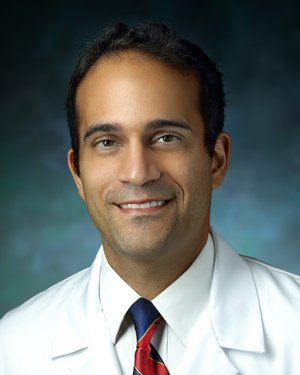 Shadpour Demehri合作论文数Department of Radiology and Radiological Science, School of Medicine, Johns Hopkins University5
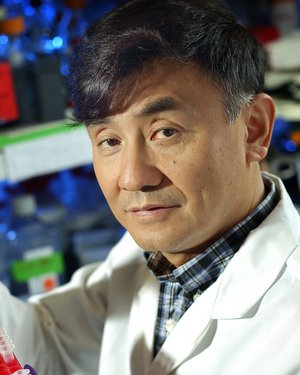 Xu Cao合作论文数Department of Orthopaedic Surgery, School of Medicine, Johns Hopkins University5Eric Dein合作论文数4Andrea M Spiker合作论文数Dept Orthoped Surg, Univ Wisconsine4
 Mei Wan合作论文数Department of Orthopaedic Surgery, School of Medicine, Johns Hopkins University4William P Urban合作论文数4
 Ahmed Ghalib合作论文数4
 David Hunter合作论文数Faculty of Medicine and Health, The University of Sydney;Royal North Shore Hospital4M. Dolatashahi合作论文数3
 Ghislain Aminake合作论文数3
 Joseph Rinaldi合作论文数3
 Loay A. Salman合作论文数3
 Ahmad A Toubasi合作论文数Fac Med, Univ Jordan3
 Jared M. Newman合作论文数Dept Orthopaed Surg & Rehabil Med, Suny Downstate Med Ctr3
 Shady Mahmoud合作论文数Orthopaed Surg, Ain Shams Univ3
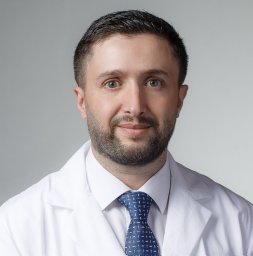 Motasem Salameh合作论文数The Warren Alpert Medical School, Brown University3
 Uma Srikumaran合作论文数Department of Otolaryngology-Head and Neck Surgery, School of Medicine, Johns Hopkins University3
 John Eng合作论文数Department of Otolaryngology-Head and Neck Surgery, School of Medicine, Johns Hopkins University3Nayar Suresh K合作论文数Sidney Kimmel Comprehensive Cancer Center, Johns Hopkins University School of Medicine3
 Shah Neil V合作论文数3
 Rod Whiteley合作论文数University of Sydney3R.M. Kwee合作论文数2
 Ayyoub A. M. Al-Dolaymi合作论文数2Christine S Persaud合作论文数2Giorgos Kalifis合作论文数2




