The first 5 hours of aging in biomass burning plumes can strongly affect ozone photochemistry. We examine how volatile organic compounds (VOCs), nitrogen oxides, and nitrous acid influence hydroxyl radical, ozone, and peroxyacetyl nitrate (PAN) based on three aircraft campaigns over the United States. Our analyses reveal variable, highly elevated hydroxyl radical concentrations in the first 2 hours, resulting in evident fire-to-fire variability in VOCs oxidation and in ozone and PAN production. About 40 to 70% of the variability is explained by chemical aging. Ozone production in the plumes is usually VOC-limited for the first 2 hours and then nitrogen oxide limited downwind. Box model results for hydroxyl radical, ozone, and most VOCs, using the full, explicit Master Chemical Mechanism (MCM) mechanism, suggest no major gaps in the current best knowledge of gas-phase chemistry. However, the MCM sometimes overestimates PAN due to underestimated nitrogen oxide sinks. GEOS-Chem, a widely used chemical transport model with a reduced mechanism, generally underperforms because of incomplete VOC representation. We identify these critical pathways to guide future model development.
This study presents a comprehensive data set tracking the trajectory of highly oxidized molecules (HOMs) produced from the ozonolysis of monoterpenes across the gas to particle conversion process. A particular focus was to examine the ultimate fate of HOMs in suspended particles after the completion of gas phase chemistry. The observed dynamics of HOMs, therefore, provides direct insights into the role of condensed-phase chemistry, if any, in modifying their molecular composition. Individual SOA-bound HOMs exhibited remarkably diverse behaviors, and even certain isomers of identical elemental composition appeared to undergo different transformations. A small group of C8-10 and C20 HOMs decayed rapidly in hydrated particles, on a time scale akin to those of organic hydroperoxides. On the other hand, a subset of C12-20 dimers was found to continuously grow in abundance, and the presence of water substantially enhanced their growth rates. This rising trend was well captured by box model simulations that incorporate the kinetics of condensed-phase chemistry, specifically the peroxyhemiacetal formation pathway. The majority of HOMs remained structurally stable across all hydrous and photolytic conditions investigated in this study. This persistence highlights the potential of HOMs as a widespread and sustained source of cloud condensation nuclei in the atmosphere.
Atmospheric brown carbon (BrC) from wildfires is a key component of light-absorbing carbon that significantly contributes to global radiative forcing, but its atmospheric evolution and lifetime remain poorly understood. In this study, we investigate BrC evolution by synthesizing data from one laboratory campaign and four aircraft campaigns spanning diverse spatial scales across North America. To estimate initial conditions for evaluating plume evolution, we develop a method to parametrize the emission ratios of BrC and other species using commonly measured inert tracers, acetonitrile and hydrogen cyanide. The evolution of BrC absorption in the free troposphere is characterized as a function of hydroxyl radical (OH) exposure, yielding an effective photochemical rate constant of 9.7-1.6+4.8 × 10⁻¹² cm3 molecule-1 s-1. The relatively slow reaction rate results in small BrC decay within the first few hours after emission, making it difficult to distinguish from source variability. This helps explain the absence of clear evolutionary trends in near-field studies. Assuming an OH concentration of 1.26 × 10⁶ molecules cm-3, this rate constant corresponds to an e-folding lifetime of approximately 23 h. After extensive photooxidation (OH exposure ∼1012 molecules cm-3 s), 4 ± 2% of the emitted BrC persists, representing a recalcitrant fraction with potential long-term climate impacts. These results improve our understanding of BrC variability and photochemical processing and provide critical constraints for modeling its impacts on climate.
The composition and transformations of biomass burning aerosols (BBA) have been measured onboard the NOAA Twin Otter research aircraft during the Fire Influence on Regional to Global Environments and Air Quality field study. We analyze real-time aerosol mass spectrometry measurements across three flights during the afternoon, late afternoon, and night of August 28, 2019, for one midsized wildfire. Analysis of several metrics showed that the aerosol composition and optical properties varied depending on the burning conditions at the fire zone and the time of day the BBA was emitted, with substantial variations in the available sunlight. The total aerosol mass loadings were dominated by organic components with a much smaller contribution from inorganic species. A gradual buildup of organic material was observed during the afternoon as the plume aged, indicating the condensation of photochemically formed low-volatility oxidized organic compounds. Highly hygroscopic ammonium nitrate was the main inorganic component, suggesting potential water content in BBA particles and the likelihood of their aqueous-phase reactivity. Depletions of particle-phase NO3 - and Cl- relative to carbon monoxide were observed in the late afternoon and nighttime plumes, respectively, aligning with known gas-particle partitioning thermodynamics and the heterogeneous chemistry of dissolved nitrate and chloride. The wavelength-dependent light absorption by aerosol species was higher for the plume sampled at night and showed no significant changes with plume age, despite observed trends in composition and mass downwind. These differences in particle composition and optical properties demonstrate that the processes involved in BBA aging are not uniform for the same wildfire over the course of the day and depend highly on when the BBA was emitted, as well as the burning phase at the emissions source.
Heterogeneous chemical cycles of pyrogenic nitrogen and halides influence tropospheric ozone and affect the stratosphere during extreme Pyrocumulonimbus (PyroCB) events. We report field-derived N2O5 uptake coefficients, gamma(N2O5), and ClNO2 yields, phi(ClNO2), from two aircraft campaigns observing fresh smoke in the lower and mid troposphere and processed/aged smoke in the upper troposphere and lower stratosphere (UTLS). Derived phi(ClNO2) varied across the full 0-1 range but was typically <0.5 and smallest in a PyroCB (<0.05). Derived gamma(N2O5) was low in agricultural smoke (0.2-3.6 x 10(-3)), extremely low in mid-tropospheric wildfire smoke (0.1 x 10(-3)), but larger in PyroCB processed smoke (0.7-5.0 x 10(-3)). Aged biomass burning aerosol in the UTLS had a higher gamma(N2O5) of 17 x 10(-3) that increased with sulfate and liquid water, but that was 1-2 orders of magnitude lower than values for aqueous sulfuric aerosol used in stratospheric models.
Rapid production of formic acid in biomass burning smoke is not captured by the Master Chemical Mechanism (MCM) nor simplified GEOS-Chem chemistry, likely due to missing secondary chemical production.
Using OH reactivity we assess the major daytime OH radical sinks in western U.S. wildfire plumes and other smoke impacted environments, testing their current model representation while providing a roadmap for future model development.
Urbanization and fires perturb the quantities and composition of fine organic aerosol in the central Amazon, with ramifications for radiative forcing and public health. These disturbances include not only direct emissions of particulates and secondary organic aerosol (SOA) precursors but also changes in the pathways through which biogenic precursors form SOA. The composition of ambient organic aerosol is complex and incompletely characterized, encompassing millions of potential structures relatively few of which have been synthesized and characterized. Through analysis of submicron aerosol samples from the Green Ocean Amazon (GoAmazon2014/5) field campaign by two-dimensional gas chromatography coupled with machine learning, ∼1300 unique compounds were traced and characterized over two seasons. Fires and urban emissions produced chemically and interseasonally distinct impacts on product signatures, with only ∼50% of compounds observed in both seasons. Seasonally unique populations point to the importance of aqueous processing in Amazonian aerosol aging, but further mechanistic insights are impeded by limited product identity knowledge. Less than 10% of compounds were identifiable at an isomer-specific level. Overall, the findings (i) provide compositional characterization of anthropogenic influence on submicron organic aerosol in the Amazon, (ii) identify key season-to-season differences in chemical signatures, and (iii) highlight high-priority knowledge gaps in current speciated knowledge.
Abstract. Proton-transfer-reaction (PTR) is a commonly applied ionization technique for mass spectrometers, where hydronium ions (H3O+) transfer a proton to analytes with higher proton affinities than the water molecule. This method has most commonly been used to quantify volatile hydrocarbons, but later generation PTR-instruments have been designed for better throughput of less volatile species, allowing detection of more functionalized molecules as well. For example, the recently developed Vocus PTR time-of-flight mass spectrometer (PTR-TOF) has been shown to agree well with an iodide adduct based chemical ionization mass spectrometer (CIMS) for products with 3-5 O-atoms from oxidation of monoterpenes (C10H16). However, while several different types of CIMS instruments (including those using iodide) detect abundant signals also at “dimeric” species, believed to be primarily ROOR peroxides, no such signals have been observed in the Vocus PTR, even though these compounds fulfil the condition of having higher proton affinity than water. More traditional PTR instruments have been limited to volatile molecules as the inlets have not been designed for transmission of easily condensable species. Some newer instruments, like the Vocus PTR, have overcome this limitation, but are still not able to detect the full range of functionalized products, suggesting that other limitations need to be considered. One such limitation, well-documented in PTR literature, is the tendency of protonation to lead to fragmentation of some analytes. In this work, we evaluate the potential for PTR to detect dimers and the most oxygenated compounds, as these have been shown to be crucial for forming atmospheric aerosol particles. We studied the detection of dimers using a Vocus PTR-TOF in laboratory experiments as well as through quantum chemical calculations. Only noisy signals of potential dimers were observed during experiments on the ozonolysis of the monoterpene α-pinene, while a few small signals of dimeric compounds were detected during the ozonolysis of cyclohexene. During the latter experiments, we also tested varying the pressures and electric fields in the ionization region of the Vocus PTR-TOF, finding that only small improvements were possible in the relative dimer contributions. Calculations for model ROOR and ROOH systems showed that most of these peroxides should fragment partially following protonation. With inclusion of additional energy from the ion-molecule collisions driven by the electric fields in the ionization source, computational results suggest substantial or nearly complete fragmentation of dimers. Our study thus suggests that while the improved versions of PTR-based mass spectrometers are very powerful tools for measuring hydrocarbons and their moderately oxidized products, other types of CIMS are likely more suitable for the detection of ROOR and ROOH species.
Biomass burning is a major source of light‐absorbing organic aerosol (brown carbon), but its composition, chemical evolution, and lifetime are not well known. We measured water‐soluble brown carbon absorption from 310 to 500 nm on the National Oceanic and Atmospheric Administration Twin Otter aircraft during flights downwind of western United States wildfires in summer 2019. The sampling strategy was near‐Lagrangian and the plume ages spanned 0–5 hr. Trends in brown carbon mass absorption coefficient with plume age varied between flights, and did not show an exponential decay over these short time scales. The measured absorption spectra were smoothly varying, without identifiable contributions from individual chromophores with structured absorption. Using aerosol tracer ions and reference absorption spectra, the calculated contribution of 4‐nitrocatechol to total absorption was <22 ± 9% and <11 ± 5%, although spectral fitting showed that it may be as low as <1.1% and <0.6% at 365 and 405 nm, respectively.
Biomass burning is an important and increasing source of trace gases and aerosols relevant to air quality and climate. The Biomass Burning Flux Measurements of Trace Gases and Aerosols (BB-FLUX) field campaign deployed the University of Colorado Airborne Solar Occultation Flux (CU AirSOF) instrument aboard the University of Wyoming King Air research aircraft during the 2018 Pacific Northwest wildfire season (July-September). CU AirSOF tracks the sun even through thick smoke plumes using short-wave infrared wavelengths to minimize scattering from smoke partides, and uses Fourier transform infrared spectroscopy (FTS) to measure the column absorption of multiple trace gases at mid-infrared wavelengths. The instrument is described, characterized, and evaluated using colocated ground-based remote sensing and airborne in situ data sets. Vertical column density (VCD) measurements agree well with a colocated stationary high-resolution FTS for carbon monoxide (CO, slope within 2%), formaldehyde (HCHO, 3%), formic acid (HCOOH, 18%), ethane (C2H6, 4%), ammonia (NH3, 4%), hydrogen cyanide (HCN, 10%), and peroxyacyl nitrate (PAN(FTS), 1%; we distinguish the molecule PAN from PAN(FTS), which includes similar molecules and is measured as a sum by FTS). Airborne VCD measurements are compared with in situ measurements aboard the NSF/NCAR C-130 aircraft during a coordinated mission to the Rabbit Foot Fire near Boise, Idaho by digesting VCDs into normalized excess column ratios (NEMRs). Column NEMRs from CU AirSOF, expressed as VCD enhancements over background and normalized to CO enhancements, are found to agree with the in situ NEMRs within 20% for HCHO, methanol (CH3OH), ethylene (C2H4), C2H6, NH3, and HCN and within 30-66% for HCOOH and PAN. CU AirSOF integrates over plume heterogeneity, is inherently calibrated, and provides an innovative, flexible, and quantitative tool to measure emission mass fluxes from wildfires.
Phenolic compounds emitted from wildfires con-tribute to secondary organic aerosol (SOA) and brown carbon(BrC) upon oxidation initiated by hydroxyl (OH) and nitrateradicals (NO3). We conducted a set of laboratory chamberexperiments to study catechol oxidation by OH and NO3with afocus on the associated SOA formation and evolution underconditions relevant to fresh wildfire plumes. Oxidation products inboth gas and particle phases as well as SOA volatility weremeasured using an iodide-adduct high-resolution time-of-flightchemical ionization mass spectrometer coupled with thefilter inlet for gases and aerosols (FIGAERO-CIMS). Nitrocatechol(C6H5NO4) was the dominant particle-phase compound in both OH-initiated and NO3-initiated oxidation and was stronglyassociated with particle light absorption at 405 nm, consistent with BrC. Maximum SOA mass yields, ranging from 0.1 to 1.6 for theOH- and NO3-driven experiments, respectively, varied with the net formation of nitrocatechol. Gas-particle partitioningmeasurements implied the effective saturation vapor concentration,c*, of nitrocatechol is 12 mu gm-3for the OH-initiated experimentand 2.4 mu gm-3for the NO3-initiated experiments, both far lower than group contribution method estimates, which ranged from 1.8x10²to 8.5x10⁸ mu gm-3. In extended photochemical aging experiments, wall-loss-corrected photochemical lifetimes of BrC in thechamber were 17.4 +/- 0.8 and 12.4 +/- 0.1 h, while particulate nitrocatechol had lifetimes of 21 +/- 8 and 6.9 +/- 0.6 h for OH-initiatedand NO3-initiated conditions, respectively. Implications for phenolic-derived SOA and BrC evolution in wildfire plumes arediscussed.
Abstract Nitrous acid (HONO) mixing ratios measured in aged wildfire smoke plumes were higher than expected from known homogeneous chemical reactions. In a representative smoke plume, intercepted hours to days downwind of the source, the missing HONO source was highly correlated to particulate nitrate photolysis and NO2 reactive uptake to particles. Using a multilinear regression involving these two sources, we could explain the missing HONO production in this plume (R2 = 0.77). The resulting fit parameters from this plume had good explanatory power (R2 = 0.64) for missing HONO production in other fire plumes. The mean enhancement factor for particulate nitrate photolysis relative to gas‐phase nitric acid photolysis was 63 and the mean NO2 reactive uptake coefficient to submicron aerosol surface area forming HONO was 4.9 × 10⁻⁴. Given the likelihood of other neglected secondary HONO sources, these values are upper‐limits, suggesting a need to revisit HONO formation mechanisms in aged wildfire smoke.
During summer 2018, wildfire smoke impacted the atmospheric composition and photochemistry across much of the western U.S. Smoke is becoming an increasingly important source of air pollution for this region, and this problem will continue to be exacerbated by climate change. The Western Wildfire Experiment for Cloud Chemistry, Aerosol Absorption and Nitrogen (WE-CAN) project deployed a research aircraft in summer 2018 (22 July - 31 August) to sample wildfire smoke during its first day of atmospheric evolution using Boise, ID as a base. We report on measurements of gas-phase species collected in aircraft ascents and descents through the boundary layer. We classify ascents and descents with mean hydrogen cyanide (HCN) > 300 pptv and acetonitrile (CH3CN) > 200 pptv as smoke-impacted. We contrast data from the 16 low/no-smoke and 16 smoke-impacted ascents and descents to determine differences between the two data subsets. The smoke was transported from local fires in Idaho as well as from major fire complexes in Oregon and California. During the smoke-impacted periods, the abundances of many gas-phase species, including carbon monoxide (CO), ozone (O3), formaldehyde (HCHO), and peroxyacetyl nitrate (PAN) were significantly higher than low/no-smoke periods. When compared to ground-based data obtained from the Colorado Front Range in summer 2015, we found that a similar subset of gas-phase species increased when both areas were smoke-impacted. During smoke-impacted periods, the average abundances of several Hazardous Air Pollutants (HAPs), including benzene, HCHO, and acetaldehyde, were comparable in magnitude to the annual averages in many major U.S. urban areas.
The inorganic fraction of fine particles affects numerous physicochemical processes in the atmosphere. However, there is large uncertainty in its burden and composition due to limited global measurements. Here, we present observations from eleven different aircraft campaigns from around the globe and investigate how aerosol pH and ammonium balance change from polluted to remote regions, such as over the oceans. Both parameters show increasing acidity with remoteness, at all altitudes, with pH decreasing from about 3 to about −1 and ammonium balance decreasing from almost 1 to nearly 0. We compare these observations against nine widely used chemical transport models and find that the simulations show more scatter (generally R 2 < 0.50) and typically predict less acidic aerosol in the most remote regions. These differences in observations and predictions are likely to result in underestimating the model-predicted direct radiative cooling effect for sulfate, nitrate, and ammonium aerosol by 15–39%.
A Systematic Re-evaluation of Methods for Quantification of Bulk Particle-phase Organic Nitrates Using Real-time Aerosol Mass Spectrometry 5 Douglas A. Day, 1,2 Pedro Campuzano-Jost, 1,2 Benjamin A. Nault, 1,2,a Brett B. Palm, 1,2,b Weiwei Hu, 1,2,c Hongyu Guo, 1,2 Paul J. Wooldridge, 3 Ronald C. Cohen, 3,4 Kenneth. S. Docherty, 5 J. Alex Huffman, 6 Suzane S. de Sá, 7 Scot T. Martin, 7,8 Jose L. Jimenez 1,2
The manuscript by Day et al. compiled an extensive survey of NOx+ ratios measured for various pRONO2 compounds and mixtures from multiple AMS instruments, groups, and laboratory and field measurements. They find that the pRONO2 NOx+ ratio can be estimated using a ratio referenced to the calibrated NH4NO3 ratio (“RoR method”), and explore the basis for quantifying pRONO2 (and NH4NO3) with the RoR method using ground and aircraft field measurements conducted over a large range of conditions. This work will help provide a more consistent and accurate approach to quantification and exploration of bulk particle-phase nitrates in the atmosphere with AMS.
Wildfire emissions affect downwind air quality and human health. Predictions of these impacts using models are limited by uncertainties in emissions and chemical evolution of smoke plumes. Using high‐time‐resolution aircraft measurements, we illustrate spatial variations that can exist within a plume due to differences in the photochemical environment. Horizontal and vertical crosswind gradients of dilution‐corrected mixing ratios were observed in midday plumes for reactive compounds and their oxidation products, such as nitrous acid, catechol, and ozone, likely due to faster photochemistry in optically thinner plume edges relative to darker plume cores. Gradients in plumes emitted close to sunset are characterized by titration of O 3 in the plume and reduced or no gradient formation. We show how crosswind gradients can lead to underestimated emission ratios for reactive compounds and overestimated emission ratios for oxidation products. These observations will lead to improved predictions of wildfire emissions, evolution, and impacts across daytime and nighttime.
Secondary organic aerosol formation via condensation of organic vapors onto existing aerosol transforms the chemical composition and size distribution of ambient aerosol, with implications for air quality and Earth's radiative balance. Gas-to-particle conversion is generally thought to occur on a continuum between equilibrium-driven partitioning of semivolatile molecules to the pre-existing mass size distribution and kinetic-driven condensation of low volatility molecules to the pre-existing surface area size distribution. However, we offer experimental evidence in contrast to this framework. When catechol is sequentially oxidized by O3 and NO3 in the presence of (NH4)2SO4 seed particles with a single size mode, we observe a bimodal organic aerosol mass size distribution with two size modes of distinct chemical composition with nitrocatechol from NO3 oxidation preferentially condensing onto the large end of the pre-existing size distribution (∼750 nm). A size-resolved chemistry and microphysics model reproduces the evolution of the two distinct organic aerosol size modes─heterogeneous nucleation to an independent, nitrocatechol-rich aerosol phase.
 Jose-Luis Jimenez合作论文数Department of Chemistry, College of Arts and Sciences, University of Colorado Boulder114
 Doug Day合作论文数Cooperative Institute for Research in Environmental Sciences, University of Colorado Boulder;Department of Chemistry, University of Colorado Boulder98
 Pedro Campuzano Jost合作论文数Cooperative Institute for Research in Environmental Sciences92
 Scot T. Martin合作论文数Department of Earth and Planetary Sciences, Harvard University;Harvard John A. Paulson School of Engineering and Applied Sciences52
 Weiwei Hu (胡伟伟)合作论文数中国科学院大学广州地球化学研究所51
 Joel A. Thornton合作论文数Department of Atmospheric Sciences, University of Washington;Department of Chemistry, University of Washington51
 Paulo Artaxo合作论文数Instituto de Estudos Avancados, Universidade de São Paulo;Departamento de Física Aplicada, Instituto de Física, Universidade de São Paulo45
 Suzane S. de Sa合作论文数Harvard Univ, Sch Engn & Appl Sci, Cambridge, MA 02138 USA43
 Isaacman-VanWertz Gabriel合作论文数Department of Environmental Science, Policy and Management, University of California;Department of Environmental Science, Policy and Management, University of California33Lindsay D. Yee合作论文数Engineering and Applied Science, California Institute of Technology;Engineering and Applied Science, California Institute of Technology31
 Allen H. Goldstein合作论文数Department of Environmental Science, Policy, and Management, Rausser College of Natural Resources, University of California, Berkeley;Department of Civil and Environmental Engineering, University of California, Berkeley;Energy Analysis & Environmental Impacts Division, Lawrence Berkeley National Laboratory29
 F. Flocke合作论文数Atmospheric Chemistry Division, National Center for Atmospheric Research27
 Joel F. de Brito合作论文数Institute of Physics, University of São Paulo25M. Lizabeth Alexander合作论文数25
 Steven Brown合作论文数Chemical Sciences Laboratory, National Oceanic and Atmospheric Administration;College of Arts and Sciences, University of Colorado Boulder23
 Wade Permar合作论文数Dept Chem & Biochem, Univ Montana22Carley D. Fredrickson合作论文数University of Washington21Qiaoyun Peng合作论文数Dept Atmospher Sci, Univ Washington20
 Amber Ortega合作论文数20Emily V. Fischer合作论文数Mount Washington Observatory20Lu Hu合作论文数19
 Samuel Hall合作论文数Atmospheric Chemistry Observations & Modeling Lab, National Center for Atmospheric Research, University Corporation for Atmospheric Research19
 Teresa Campos合作论文数Atmospheric Chemistry Observations & Modeling Lab, National Center for Atmospheric Research19
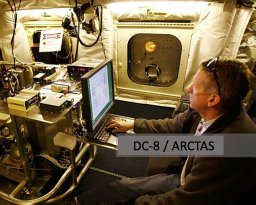 Andrew J. Weinheimer合作论文数Boulder19A. O. Manzi合作论文数18Rebecca Wernis合作论文数18
 Thalman Ryan合作论文数Dept Chem & Biochem, Univ Colorado18
 Samara Carbone合作论文数Instituto de Ciências Agrárias, Universidade Federal de Uberlândia18
 Stephen R. Springston合作论文数Environmental and Climate Sciences Department, Brookhaven National Laboratory18Kirk Ullmann合作论文数18
 Rebecca S. Hornbrook合作论文数Atmospheric Chemistry Division, National Center for Atmospheric Research, Boulder, CO, USA17
 William H. Brune合作论文数Department of Meteorology and Atmospheric Science, College of Earth and Mineral Sciences, Pennsylvania State University17W. Hu合作论文数16
 Geoff Tyndall合作论文数Atmospheric Chemistry Division, National Center for Atmospheric Research16Harald Stark合作论文数Aeronomy Laboratory, NOAA16S. S. de Sá合作论文数15
 Michael A. Robinson合作论文数15
 Henrique Barbosa合作论文数Institute of Physics, University of São Paulo15Lauren A. Garofalo合作论文数Dept Chem, Colorado State Univ14
 Zhe Peng (彭喆)合作论文数College of Environment and Climate, Jinan University14Ann M. Middlebrook合作论文数14
 Roger Seco合作论文数Unitat d'Ecofisiologia i Canvi Global;Centre de Recerca Ecologica i Aplicacions Forestals;Universitat Autonoma de Barcelona;Centre de Recerca Ecologica i Aplicacions Forestals, Universitat Autonoma de Barcelona14Eric C Apel合作论文数14
 Art Sedlacek合作论文数Environmental Science and Technologies Department, Brookhaven National Laboratory14
 Zachary C. J. Decker合作论文数Lab Atmospher Chem, Paul Scherrer Inst PSI13Jakob Lindaas合作论文数13
 Patrick L. Hayes合作论文数University of Colorado at Boulder, University of Colorado13
 N. M. Kreisberg合作论文数Aerosol Dynamics Inc.13
 Alex Guenther合作论文数Department of Earth System Science, School of Physical Sciences, University of California, Irvine13




