OBJECTIVES Although caring for dying patients and their family caregivers (FC) is integral to patient care, training in communication about approaching death is almost inexistent in medical and nursing curricula. Consequently, many health professionals have insufficient knowledge about conducting these conversations. In order to gain a broader insight into essential aspects of this communication from different perspectives, we conducted focus groups with key stakeholders. METHODS Medical specialists, nurses, medical students, bereaved FC and patient representatives participated in five focus groups (n = 30). Following a focus group schedule, we elicited relevant aspects of communication about approaching death, associated emotions, and appropriate communication frameworks. We analyzed data thematically. RESULTS Four main themes were central to conversations about approaching death: (1) embracing care within medical expertise, (2) preparing the conversation while remaining open to the unexpected, (3) recognizing and reflecting on own emotions and reactions, and (4) establishing a meaningful connection with others. SIGNIFICANCE OF RESULTS Communicating about approaching death with dying patients and their FC can be complex and challenging at a professional and personal level. With the recognition of the dying phase, a process is initiated for which health professionals need solid clinical knowledge about but also effective communication skills, constant self-reflection and self-care strategies. Comprehensive training and supervision while dealing with the challenges of communicating approaching death to dying patients and their FC are key, particularly for trainees, less experienced physicians and nurses. The essential components identified in this study can help health professionals to master these conversations.
Objective: To help healthcare professionals (HCP) act with more confidence when communicating about approaching death, we sought to develop a communication model for HCP to facilitate conversations with dying patients and family caregivers (FC) in nonemergency situations. Methods: We used a four-phase integrative approach: (1) creation of a preliminary model based on a systematic literature review and expert knowledge, (2) review of the model draft by international palliative care experts, (3) review by key stakeholders, and (4) final appraisal by communication experts. Results: After the clinical recognition of dying, the communication model provides a structure and practical communication aids for navigating the conversation based on three phases. It describes the content and relational level as core dimensions of effective conversations about approaching death and highlights the importance of HCP self-awareness and self-care when caring for the dying. Conclusion: Based on systematic involvement of key stakeholders, the model supports clinicians navigating challenging conversations about approaching death with dying patients and their FC successfully and with more confidence. Innovation: This study expands the theoretical basis for communication about approaching death and offers a pragmatic model for educational interventions and clinical use.
Caring for dying patients is an integral aspect of care, however medical and nursing students lack training and exposure to conversations with dying patients and their families. Thus, many health professionals lack the skills to communicate about imminent death causing a long-lasting impact to all involved. As a basis to develop an educational module, this study aimed at identifying aspects that are essential to conversations about imminent death from the perspective of key stakeholders. Five focus groups were conducted with medical specialists, nurses, medical students, patient representatives, and bereaved relatives (n=30). Based on a semi-structured guide, relevant verbal and nonverbal aspects of conversations about imminent death, associated emotions, and appropriate frameworks for communication were elicited. All conversations were recorded and thematically analyzed. Based on participants' experiences four main themes were identified as essential to conversations about imminent death: (1) embracing care within medical expertise, (2) preparing the conversation while remaining open to the unexpected, (3) recognizing and reflecting on own emotions and reactions, and (4) establishing a meaningful connection with others. The Findings: indicate that communicating about imminent death with dying patients and their family members is a complex and challenging task for health professionals at a professional as well as personal level. Hence, comprehensive training is needed in order to impart clinical and interpersonal skills that support health professionals to recognize when and how to engage in these conversations. Furthermore, self-reflection processes and self-care practices are to be taught and encouraged to promote positive coping strategies in the long term. Guidance and supervision are also essential to support debriefing practices in order to revisit confronting experiences, as well as to consolidate and optimize what has been learned.
Between 2013 and 2017, the Association of SP Educators (ASPE), a global organization of educators dedicated to the work of human simulation, developed Standards of Best Practice (SOBP) for working with human role players in simulation. These individuals are known by diverse terms, including simulated or standardized patients or participants (SPs). This study had two aims: (1) to understand the ways in which the ASPE SOBP are relevant to the practices of SP educators around the world, and (2) to identify improvements to the ASPE SOBP from a global perspective. This qualitative study was undertaken between January 2020 and July 2022. Subjects consented to audio-recorded interviews. A collaborative, inductive coding approach was adopted, followed by thematic analysis, aligned with the methods described by Braun and Clarke. Themes were further updated following reflexive conversations amongst the investigators at meetings over the course of several months and were aligned with the study aims. Twelve SP educators from six continents participated. Four primary themes were identified (each with multiple subthemes): influencing SP educator practices; advancing professionalization; identifying challenges to implementation; and bridging gaps in the ASPE SOBP. A diverse group of SP educators from around the world identified the ASPE SOBP in general as relevant and applicable to their practice. The standards provided both guidance and flexibility for working with SPs in a safe, effective and quality-based way. At the same time there were challenges noted and recommendations made that can help to inform future iterations of the standards.
Simulated (or standardized) patients (SPs) play a crucial role in the teaching and assessment of communication skills in healthcare. As this methodology has evolved, the SP educator has emerged as its own profession. In 2017, an international team from the Association of SP Educators (ASPE) published Standards of Best Practice (SOBPs) to guide practitioners. Investigators sought to assess the applicability of the SOBPs to the diverse contexts in which SP educators work around the world. In this study, investigators addressed two questions: 1. Are SOBPs relevant to SP educators around the world?; and 2. How can the SOBPs be enhanced or altered in future iterations? Investigators used 60-minute, semi-structured interviews with 12 respondents from 11 countries. Researchers used purposive sampling. Respondents were intentionally recruited from 6 continents. Respondents included individuals who are active SP educators, but who are not ASPE members. All interviews were recorded and transcribed. The data were analyzed using NVivo and investigators used thematic analysis. While respondents provided many insights into the SOBPs and SP methodology, preliminary analysis has revealed three main themes. First, respondents described the role of the SOBPs in affirming current practices and guiding the development of future practices, including domains of safety in simulation and quality control. Second, respondents described how the SOBPs enable professional development through empowering evidence-based practice and promoting scholarship. Third, respondents offered recommendations for adaptation of the SOBPs to online simulation in the context of the Covid-19 pandemic. Successful simulation requires the utilization of practices most likely to lead to optimal learner outcomes. This study indicates that SP educators around the world view ASPE’s SOBPs as a powerful tool providing both guidance and flexibility. Results: suggest that the SOBPs serve as a valuable guide for working with SPs in diverse cultural contexts.
Background: The mandatory communication skills course for fourth-year medical students at the University of Bern Medical School aims to prepare students for challenging communication situations. Students role-play four different scenarios with simulated patients (SPs) and receive feedback from the patient's perspective. The scenarios are video-recorded and uploaded onto the University's virtual learning environment. Students can watch and annotate their own videos and give others access to view them. Project description: Although the course is well liked by students, we identified three areas for improvement: lack of faculty feedback; little active use of the video-recordings; lack of opportunity for students to discuss their experiences with each other. We aimed to address these shortcomings by introducing an additional learning task: students are asked to annotate a section of the video in which they had performed well, and one in which they thought they could have done better, in both their own and a colleague's videos. These video clips and annotations served as the basis of a subsequent two-hour small-group seminar with a physician tutor. The course was evaluated by a mandatory online questionnaire. Results: All 247 students completed the questionnaire. The annotation tool and task were deemed to be comprehensible. Students believed they had learnt more from annotating a peers' video than from their own and most thought being assessed by peers was acceptable. The physician tutors' comments were largely deemed as helpful. The mean mark for the course given by students was 4.6 (median 5) (1=very poor, 6=very good). Conclusion: A communication skills course expanded by video-annotations and group discussions with a physician tutor was shown to be feasible and was well received by students and faculty.
Problemstellung/ Ziele: Beim Versuch, in guter Absicht Patient*innen in Apotheken bestmoglich Beratung anzubieten, die an die Bedurfnisse und Erwartungen der Patient*innen angepasst sind und zur Forderung und Erhaltung der Gesundheit beitragen, sind Pharmazeut*innen taglich aufs Neue gefordert. Um situationsgerecht kommunizieren zu lernen, wird deshalb an der Uni Bern fur den Masterstudiengang Pharmazie ein in Kleingruppen unterrichtetes Kommunikationstraining mit 28 Unterrichtseinheiten (UE) im 5. Studienjahr konzipiert. Projektbeschreibung: Das Kommunikationstraining ist als hybrides Lernarrangement, parallel zu Praxiseinsatzen in der Apotheke, konzipiert und sieht unterschiedliche Ubungsmoglichkeiten auf der Basis von Gesprachen mit Simulationspersonen (SP) vor. Eine Kombination aus synchroner und asynchroner Lehre soll Pharmazie-Studierende bestmoglich auf ihre spatere Tatigkeit im Offizin vorbereiten und ist auch mit den Inhalten des Clinical Skills Trainings und OSCE abgestimmt. Jede der vier Lernblocke umfasst sieben UE: Der Prasenzlehre vorgeschaltet sind zwei UE asynchronen Selbststudiums, in dem die Studierenden sich vor dem Hintergrund ihrer Erfahrungen in der Lehrapotheke theoretisch mit Kommunikationskonzepten auseinandersetzen. Sie erarbeiten die Konzepte u.a. mithilfe von DocCom.Deutsch, d.h. medienunterstutzten online Modulen zu Themen von Kommunikation im Gesundheitswesen. Im synchronen Unterricht (4 UE) wird das zuvor theoretisch angeeignete Wissen in realitatsnahen Simulationen mit dafur trainierten SP angewendet. Im Rahmen eines Peer-Feedbacks werden praxisbegleitende Transferaufgaben ausgewertet. Nach der Prasenzveranstaltung schauen sich die Studierenden die Videosequenzen aus den SP-basierten Trainings an und leiten theoriebasiert daraus konkrete Schlussfolgerungen bzw. Lernziele fur die alltagliche Praxis als Pharmazeut*innen ab (1 UE). Ergebnisse: Es ist ein Unterrichtskonzept mit unterschiedlichen SP-Szenarien zum Umgang mit herausfordernden Situationen in der Patient-Pharmazeuten-Kommunikation entstanden, die uber unterschiedliche didaktische Elemente Raum zur Reflexion bieten: Termin: Einfuhrung in patient*innenzentrierte Gesprachsfuhrung & Informationen vermitteln Termin: Shared Decision Making & Umgang mit Emotionen Termin: Aufklarung und Einwilligung Termin: Motivational Interviewing Die Studierenden lernen, unterschiedliche Eigenschaften und Verhaltensweisen der Interaktionspartner*innen wahrzunehmen und darauf in z.B. Aufklarungs- und Beratungsgesprachen oder in Notfallsituationen zu reagieren. Diskussion/Schlussfolgerungen: Die Studierenden schulen ihre sozialen und kommunikativen Kompetenzen anhand konkreter Situationen mit unterschiedlichen Beratungsanlassen, werden auf kommunikative Herausforderungen in der Apotheke vorbereitet und lernen, auf Patient*innen mit unterschiedlichen Beratungsanlassen angemessen und professionell zu reagieren.
In the wake of the Covid-19 pandemic, people over 65 or suffering from certain conditions were deemed at high risk and asked to isolate themselves. This led to the simulated patient (SP) program at the University of Bern being depleted of middle-aged and elderly SP. Meanwhile, an OSCE had to be delivered using adapted cases that minimized physical contact between candidates and SP. Short of suitable cases at such short notice, the case of an elderly patient with postural instability had to be added to the exam blueprint. With elderly SP off the roster, it was decided to use makeup effects to achieve visual authenticity. A combination of wigs (grey hair, hairdo), 3D Probondo transfers (forehead wrinkles), old age stipple (crow's feet), and colouring (age spots) were used to achieve the old-age effects, while SPs wore scarves to cover their neckline. The lower face was covered with protective face masks in accordance with the exam's Covid-19 hygiene protocol. Case-related feedback from candidates and examiners was analysed for any direct or indirect remark attributable to the ageing effects. As no comment touched upon the subject of the appearance of age, this was interpreted as success, as any distracting effect from the SPs' appearance in this regard would surely have prompted remarks or even complaints. The SPs' feedback revealed how applying the ageing effects helped them adopt the octogenarian's role. This report explains how SP in their fifties were made fit for an octogenarian's case in an OSCE using makeup effects. The effort required for the ageing simulation was considerable, but it is hoped that in future, with more planning time, the amount of effort required can be reduced. The feedback obtained from the candidates suggest the appearance of SPs was not experienced as a distraction, which was the primary objective of this exercise. Adapting our approach to their own contexts allows educators to include cases with elderly patients in their OSCE that cannot be re-written for younger SP, so long as Covid-19 prevents elderly SP from participating.
Ausganglage: Spirituelle Uberzeugungen, Haltungen und Praktiken konnen im Zusammenhang mit Krankheit und Tod zum psychischen und physischen Wohlbefinden von Patienten beitragen. So konnen sie beispielsweise eine wichtige Ressource bei chronischen Krankheiten in Hinblick auf die Schmerzverarbeitung sein. Allerdings konnen sie ebenso auch zu Belastungen fuhren; wie zum Beispiel bei Bestrafungsgedanken oder Sinn- und Glaubenskrisen. Die Berucksichtigung spiritueller Aspekte im Rahmen von Patientengesprachen kann deshalb fur eine gute Versorgung bedeutsam sein. Es gibt im deutschsprachigen Raum bis heute kein entsprechendes Gesprachsmodell. Um Gesprache uber spirituelle Anliegen leichter zu machen, haben wir einen Entwurf fur ein solches Modell erarbeitet. Frage: Wie wird der Modellentwurf von Expert*innen auf dem Gebiet „Spiritual Care“ aufgenommen? Welche Verbesserungen werden vorgeschlagen? Ziel: Validierung und Modifikation des Modellentwurfs anhand einer Fokusgruppe. Methode: Sieben Expert*innen aus den Aufgabenbereichen Klinik und Lehre nahmen an der dreistundigen Fokusgruppe teil. Die Leifragen wurden dabei offen von den Teilnehmenden diskutiert und das Gesprachsmodell als Ganzes bewertet. Die Gruppendiskussion wurde aufgezeichnet, transkribiert und entlang der Leitfragen thematisch analysiert. Ergebnisse: Die Analyse der Gruppendiskussion zeigt, dass das Gesprachsmodell insgesamt als praxistauglich wahrgenommen wird und bereits die wesentlichen erwarteten Elemente enthalt. Besonders positiv hervorgehoben wurde die patientenzentrierte Arbeitsweise, die das Modell vorschlagt. Gleichsam wurden wertvolle Erganzungen vorgebracht, darunter Hinweise zur Terminologie, zu raumoffnenden Massnahmen und zum Einbezug von Angehorigen. Diskussion: Insgesamt zeigt die Fokusgruppenstudie eine hohe Akzeptanz des Modellentwurfs unter Expert*innen. Verbesserungsvorschlage und Erganzungen werden nun in das Modell integriert und das entsprechend revidierte Gesprachsmodell wird in einer Pilotstudie eingesetzt und uberpruft werden. Take home message: Die Fokusgruppe leistete einen wertvollen Beitrag zur Validierung und weiteren Verbesserung unseres Gesprachsmodells. Ein 4-Schritte-Modell mit den Phasen einer Einleitung, einem offenen, patienten-zentrierten Teil, einer geleiteten Exploration und einem Abschluss mit der Entwicklung eines zukunftigen Handlungsplans hat das Potential, sich als Leitmodell fur die Integration spiritueller Aspekte bei Patientengesprachen im deutschsprachigen Raum zu etablieren.
No matter how good a patient simulator’s acting skills, no one can present a rash on demand. Yet illnesses and conditions involving the skin are manifold, and integumentary findings often prompt further monitoring and investigation, apart from impacting upon the patient’s well-being simply for aesthetic reasons. In fact, beyond obvious points of contact e.g. during wound management, nursing staff are also predestined to discover skin conditions, due to the length of time spent with patients but also because of the closer proximity during acts of personal care. Hence developing practical skills around the detection and care of skin conditions is a relevant objective in medical and nursing education programs alike and contributes to patient safety.In this workshop, we want to introduce modern moulage techniques from makeup to three-dimensional transfer tattoos allowing for the presentation of skin conditions in simulation-based education, with visual and haptic fidelity, acting as visual cues in teaching or assessment in medical or nursing education. After a discussion of somewhat obvious scenarios in clinical skills teaching and assessment, the workshop will engage in a deliberation of more uncommon applications and offer participants a chance to experience moulage themselves.
Workshop Overview The use of special effects (moulage) is a way to augment the authenticity of a scenario in simulation. This workshop will introduce different techniques of moulage (oil based cream colors, watercolors, transfer tattoos and 3D Prosthetics). The participants will have the opportunity to explore these techniques by applying various moulages. They will compare the techniques and discuss their advantages and disadvantages. Moreover, strategies for standardization and quality assurance will be discussed. Workshop Rationale Moulage supports the sensory perception in an scenario (1). It can provide evaluation clues (2) and help learners (and SPs) to engage in the simulation. However, it is of crucial importance that the simulated physical pathologies are represented accurate and reliable. Accuracy is achieved by using the appropriate technique, which requires knowledge and practice . With information about different moulage techniques, we hope to increases the knowledge of moulage during the workshop. By applying moulages in various techniques we will practice together. As standardization is critical for simulation scenarios in assessment (3, 4) strategies for standardization of moulage will be introduced and discussed. Workshop Objectives During the workshop participants will: - gain knowledge about different techniques of moulages - practice moulages in various techniques - discuss the advantages and disadvantages of moulage techniques - describe strategies for standardization and quality assurance of moulage Planned Format 5 min Introduction 15 min Overview – Background & Theory (presentation) 15 min Application of moulage for ankle sprain in 4 different techniques (oil based cream color, water color, temporary tatoo, 3D prosthetic) in small groups 5 min Comparing the results by interactive viewing of prepared moulages 15 min Application of moulages for burn in different techniques in small groups 5 min Comparing results the results by interactive viewing of prepared moulages 5 min Sharing experiences with different techniques in small groups 20 min Discussion of the techniques including standardization and quality assurance strategies (plenary discussion) 5 min Summary / Take home points
Fragestellung / Zielsetzung Rollenspiel von standardisierten Patienten (SPs) bei hochstehenden Prufungen unterliegt hohen Qualitatsanspruchen, um die Reliabilitat und Validitat der Prufung zu gewahrleisten. Die Literatur uber die Qualitatskontrolle bei SPs konzentriert sich vor allen Dingen auf das Feedback (1,2) oder das Ausfullen der Checklisten (3,4). Bei Qualitatskontrollen bezuglich des Rollenspiels sind Instrumente mit Bezug auf spezifische Rollen publiziert(5). In den meisten Fakultaten beobachten die SP Trainer die von ihnen trainierten SPs wahrend der OSCEs und bilden sich so ein Urteil uber die Qualitat der Performance. Die Machbarkeit / Notwendigkeit einer systematischen Qualitatskontrolle des Rollenspiels von SPs in OSCEs uber diese Praxis hinaus ist unter SP Trainern umstritten. Das Ziel des hier beschriebenen Projektes ist es, die Anwendungen einer Liste von rollenunabhangigen Qualitatsmerkmalen der Spiels von SPs im Rahmen von OSCEs in der Praxis zu testen. Materialien und Methoden Im Rahmen einer Konsensbildung von Experten auf nationaler Ebene wurde eine Liste von Qualitatsmerkmalen zum Rollenspiel von SPs bei OSCEs erstellt. Diese Liste wurde seitdem systematisch zur Vorbereitung, Durchfuhrung und zum Debriefing von OSCEs eingesetzt. Ergebnisse 1. Bei der Erarbeitung der Liste wurde klar, dass verschiedene SP Trainer unterschiedliche Vorstellungen bezuglich von Qualitatsmerkmalen des Rollenspiels beim OSCE hatten. Diese Vorstellungen konnten im Rahmen Erarbeitung der Liste vereinheitlicht werden. 2. Die Liste wird eingesetzt, um den SPs die in sie gesetzten Erwartungen bezuglich eines guten Rollenspiels beim OSCE gezielt zu vermitteln. 3. Die Liste wird zur Qualitatssicherung des Schauspiels in OSCE Prufungen eingesetzt. Dabei zeigte sich, dass die SPs in der Qualitat ihres Spiels in uber 90% der Beobachtungen den in sie gesetzten Erwartungen der SP Trainer entsprechen. 4. Anhand der Liste wird den SPs ein formatives Feedbacks zu ihrer Leistung gegeben. Die SPs in unserem Programm haben uns immer wieder zuruckgemeldet, dass sie diese Ruckmeldungen zu ihrer Performance sehr schatzen. 5. Die Dokumentation der Performance in den vergangenen Prufungen kann im Training zur nachsten Rolle benutzt werden, um gezielt etwaige Schwachen zu trainieren und die Performance dadurch zu verbessern. 6. In seltenen Fallen, in denen ein SP nicht mehr im Programm behalten werden kann, liefert die Dokumentation der Performance eine gute Gesprachsgrundlage zur Begrundung der Differenzen bezuglich der Erwartung und der aktuellen Leistung. Diskussion In unseren Handen ist der Einsatz der Liste von Qualitatsmerkmalen zur Beurteilung der Leistung von Schauspielpatienten mit hoher Konzentration verbunden. Die gewonnene Klarheit in Bezug auf die Erwartungen und die gebrachten Leistungen bringt eine Struktur und Transparenz in unser Programm, die wir und entsprechend ihrer Ruckmeldungen auch unsere SPs sehr schatzen.
 Kai P Schnabel合作论文数22
 Woermann Ulrich合作论文数7Tommaso Guffi合作论文数3Sibylle J. Felber合作论文数3
 Cathy M Smith合作论文数3Eychmüller Steffen合作论文数3
 Sofia C Zambrano合作论文数School of Medicine, The University of Adelaide3Guttormsen Sissel合作论文数Institut of Medical Education, Bern, SWITZERLAND;sissel.guttormsen@iml.unibe.ch.;Institut of Medical Education, Bern, SWITZERLAND; sissel.guttormsen@iml.unibe.ch.3Jane L Miller合作论文数2Anina Pless合作论文数2Miria Germano合作论文数2
 Henrike Holzer合作论文数2Blatt Benjamin合作论文数2Daniel Bauer合作论文数2Roman Hari合作论文数2Sabine Kroiss-Benninger合作论文数1felicitas l wagner合作论文数1Sabine Feller合作论文数1Sissel Guttormsen Schär合作论文数1Carine Layat Burn合作论文数1Felix Schmitz合作论文数1Rabea Krings合作论文数1Emily Ruba合作论文数1Simon Peng-Keller合作论文数1
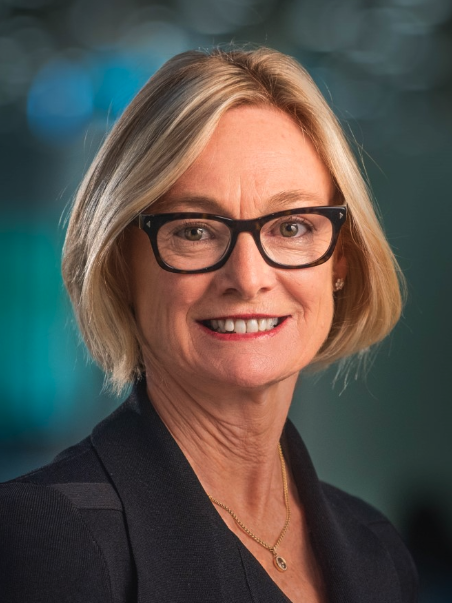 Debra Nestel合作论文数Department of Surgery, University of Melbourne;Department of Simulation Education in Healthcare, School of Clinical Sciences at Monash Health, Monash University1
 Franz Caspar合作论文数1Isabelle Steiner合作论文数1
 Sören Huwendiek合作论文数Klinik I, Universitätsklinikum Heidelberg1




