Objective:The COVID-19 pandemic has caused serious consequences for global health and economy. The important question is whether the level of physical activity might influence the risk of COVID-19 incidence or clinical outcomes, including the severity or mortality of infected patients. The objective of this systematic review and meta-analysis is to evaluate the association between sufficient physical activity and incidence, hospitalization, severity, recovery, and mortality of COVID-19.Methods:A systematic search of Web of Sciences, PubMed, and Scopus between December 2019 and November 2021 was conducted. Studies were screened based on the inclusion criteria, i.e. observational studies (case-control, prospective or retrospective longitudinal designs, and cross-sectional studies) which have determined the association of physical activity, exercise, sports participation, or sedentary behavior with COVID-19 incidence or outcomes, including mortality, severity, recovery and hospitalization in healthy population or population with any specific comorbidity.Results:Based on eligibility criteria, 27 articles were finally included in the qualitative synthesis. The meta-analysis of five studies evaluating the association of physical activity and COVID-19 mortality showed a weighted OR of OR of 0.61 (CI 95%: 0.50-0.75) with heterogeneity (I2 = 45.8%, P < 0.001) and in seven studies regarding physical activity and COVID-19 hospitalization, weighted OR was 0.541 (CI 95%: 0.491-0.595) with heterogeneity (I2 = 81.7%, P < 0.001).Conclusion:Participating in sufficient physical activity might decrease COVID-19 related COVID-19-related hospitalization and mortality. Developing programs to increase physical activity during the COVID-19 pandemic might be an appropriate health strategy.
Background/purpose: Recently, there is more emphasis on the role of core muscles in pathogenesis and rehabilitation of patellofemoral pain (PFP). We aimed to investigate whether increased core muscle strength and endurance improve clinical outcomes. Methods: In a randomized controlled trial, 60 patients (M/F: 25/35, age = 32.28 (5.9) years) with PFP were randomly allocated into two groups of routine exercise (control) and combined core plus routine exercise (intervention). Home exercise was scheduled at least 5 times/week for 12 weeks. We assessed the outcomes of pain (Visual analogue scale) and function (Anterior knee pain score) before and immediately after interventions. Results: Significant improvements were reported in both groups (P < 0.001). There were significant between-group differences in both outcomes in favor of the intervention (Pain: 12.4, CI 95%: 7.1–17.8, P < 0.001; Function: 6.4, CI 95%: 2.2–10.5, P = 0.003). Conclusion: Outcome improvements were significantly greater in intervention group. Inclusion of core stability exercises may lead to additional benefits.
Purpose Disturbance to physical and psychological characteristics among COVID-19 survivors are not uncommon complications. In the current systematic review, we aimed to investigate the role of exercise rehabilitation programs, either in acute or post-acute phase, on COVID-19 patients' outcomes. Methods A systematic search was conducted in November 2021 of Web of Sciences, PubMed-Medline, Google Scholar, and Scopus. Observational and intervention studies on COVID-19-infected patients undergoing a rehabilitation program including any type of exercise were included if they reported physical or psychological factors as outcomes. The Cochrane risk of bias tool for randomized controlled trials and Joanna Briggs Institute (JBI) critical appraisal checklist were used by two independent reviewers. Results A total number of 469, and 957 patients were included in 9 intervention studies, and 14 observational studies, respectively. Most factors reported by studies as outcomes fell in the categories of exercise capacity, respiratory function, as well as psychological aspects. The reported outcomes in almost all studies, disclosed the overall beneficial role of exercise rehabilitation in improving the outcomes. Conclusion The current review demonstrated that exercise rehabilitation generally could have a beneficial role in improvement of both physical and psychological related outcomes. As the best onset time, and FITT components are not yet completely clear, further large, well-designed RCTs are suggested to provide details of exercise rehabilitation program.
According to the existing evidence, physical health in patients with mental disorders is poorer than in the general population. After a comprehensive literature review, we developed and implemented the first structured sports and exercise unit in a psychiatric hospital in Iran. After running workshops and supervision sessions for nurses and personal trainers, we provided a nutrition education program (NEP) alongside a combination of aerobic and resistance exercise three times a week. After unit development, we made several efforts to introduce the services to psychiatrists and residents by sending emails, holding a symposium, and notifications in hospital virtual channel. In about five months, 69 patients were introduced to sports and exercise specialists, 67 were included in exercise therapy, and three high-risk patients were excluded. The age range of participants was 19 - 50 years, and the mean age was 33.54 years. The total number of provided exercise therapy service was 533, and the mean of sessions was eight. The average duration of participation in the program was 24 days. Exercise therapy and lifestyle modification package for patients with mental illness should be integrated into a comprehensive treatment program. Starting this intervention during patients' admission may lead to more engagement after discharge.
This study aimed to investigate the effect of 12 weeks of dual-task training on cognitive status, physical performance, and brain oscillation of patients with Alzheimer's disease (AD). Twenty-six AD patients were randomly assigned to two groups, the training group (TG) and control group (CG). TG executed progressive combined exercises with visual stimulation twice a week for 12 weeks. Training included muscle endurance, balance, flexibility, and aerobic exercises with eyes closed and opened. Brain oscillation on electroencephalography (EEG) and a series of physical, cognitive, and mental tests were taken before and post-intervention. There was a significant improvement after training protocol in cognitive function, particularly in short-term and working memory, attention, and executive function (p < 0.01). Besides, there were substantial improvements in depression status (GDS scale), aerobic fitness (6 min walking), flexibility (chair sit and reach) functional ability (chair stand, timed up and go test), strength (knee extensions, preacher biceps curl, handgrip) in TG compared to CG. These signs of progress were associated with a significant increase (p < 0.05) in the frequency of brain oscillation and a decrease in the theta/alpha ratio. In addition to physical performance, the regular combined training with visual stimulation improves brain health as indicated by improving cognitive function and reducing the theta/alpha ratio. Clinical Trial Registration: Iranian Registry of Clinical Trials (IRCT) https://www.irct.ir/, identifier IRCT20190504043468N1-August 5, 2020.
To determine the prevalence of allergic rhinitis (AR) among adult residents and investigate whether second-hand tobacco smoke (SHS) is correlated with AR as one of the global health problems and one of the most common respiratory disorders reducing the quality of life. A telephone interview survey was conducted by calling 16500 randomly selected telephone numbers from 22 regional telecommunications of Tehran (capital city of Iran) in 2010. A modified European Community Respiratory Health Survey (ECRHS) questionnaire was completed for adults aged between 20 to 44-year-old. Two questions about active smoking and being exposed to SHS were added to the questionnaire. five thousands five hundred cases (76.92%) responded to our calls among 7150 eligible telephone numbers. The gender of study population included 3412 female (62%) and 2088 male (38%) with the mean±SD age of 31.15±7.33. The prevalence of AR was 26.7%. There were no significant relationship between active smoking and AR; while a significant relationship was detected between SHS and AR among our participants (P=0.02). However, no significant difference was found between men and women. In addition, more than 50% of adults suffering from AR, showed significant symptoms of asthma (P<0.001). The results of the current study revealed that the prevalence of AR was higher in Iran compared to other countries worldwide and SHS may be considered as a serious risk factor for AR.
Cow's milk allergy (CMA) is an immunological response to cow's milk proteins such as casein, α-lactalbumin and β lactoglobulin. The aim of this study was to determine the most common cow's milk allergenic proteins in patients with CMA and identify the most effective proteins in different allergic symptoms. Eighty seven patients (≤18 years) with allergy to cow's milk from 2006 to 2013 entered this study. They had a positive history of allergic reactions to cow's milk and a positive specific IgE test to whole cow's milk. The patients' symptoms were divided into four groups. Serum specific IgEs against four different main proteins of cow's milk were measured using RIDA Allergy Screen. Among 87 patients, 53 (60.5%) were male and the median age was 2.5 years. The frequency of respiratory, skin, gastrointestinal symptoms, and anaphylaxis were 63.3%, 55.7%, 20.3%, and 13.4%, respectively. Specific IgEs to total cow's milk protein (n=75, 89.3%), and the main Cow's Milk Proteins including α-lactalbumin (n=65, 77.4%), casein (n=64, 75.3%), β-lactoglobulin (n=52, 62.7%), and bovine serum albumin (n=35, 44.9%) were detected. Specific IgE tests to β-lactoglobulin were positive in 90% of the patients with anaphylaxis. Moreover, significant relationship was found between specific IgE to β-lactoglobulin and anaphylaxis (p=0.04). Although it is presumed that α-lactalbumin and casein are the most common allergenic proteins of cow's milk, in this study there is a significant relationship between the anaphylaxis and the presence of β-lactoglobulin-specific IgE. Therefore, more precautions are recommended due to possible anaphylactic reactions in patients with a positive test history for β-lactoglobulin specific IgE.
Background and Objective: Asthma is a major health problem and a high-burden disease in the world. Unfortunately the prevalence of asthma in adult populations in Iran is not determined precisely. The aim of this study was to assess the prevalence of asthma symptoms and it’s relation with ages, gender and smoking behaviour in city of Tehran. Methods: A telephone interview survey was conducted among 7150 randomly selected telephone numbers in city of Tehran. A questionnaire adapted from The European Community Respiratory Health Survey (ECRHS) with additional two questions about smoking behaviour and hookah. Results: From 7150 eligible telephone numbers dialled there were 5500 responses (76.92%). The study populations included 3412 female (62%), 2088 men (38%) and the mean age of responder were 31.15 ± 7.33. Their smoking behaviour were; 71.6% non smoker, 11.9% active smoker, 16.5% passive smoker and 7.8% used hookah. The prevalence of “wheezing in the last 12 months”, “dyspnea with wheezing” and “wheezing and two nocturnal symptoms” were 24%, 10.8% and 5% respectively. Prevalence of asthma symptoms was significantly greater in smokers than non-smokers groups. Conclusion: In this study by using symptom based questionnaire (ECRHS), we concluded the prevalence of asthma in Tehran adult population was between 5% to 10%. Also this study may made cross-national comparison of our findings with other ECRHS studies possible; rates of “wheezing in the last 12 months”, “dyspnea with wheezing” and “nocturnal dyspnea” were higher than the European Community Respiratory Health Survey median. Role of air pollution, smoking and other risk factors for asthma should be considered.
Results Eighty six patients with CMA (3month to 18 yrs) were entered this study Fifty three patients were males (61.1%). Median of age was 2.5 yrs (Mean=3.98) and most of CMA patients was under 2 yrs (45.1 %). Mean of total IgE was 343.39±93.63 (SE)(0.2-5000IU/ml). The symptoms of patients was as following: (respiratory symptoms: 62.8%, Skin symptoms: 56.4%, gastrointestinal symptoms: 19.2% & Anaphylaxis: 13.6%). Totally, positive Specific IgE to cow’s milk protein, a-lactalbumin, casein, b-lactoglobulin and bovin serum albumin were 89.2%, 78.3%, 75%, 63.4%, & 45.5%, respectively. Although a-lactalbumin & casein were the most allergenic protein, mean of specific IgE concentration to blactoglobulin was highest in patients with CMA. There was a significant correlation between positive specific IgE to b-lactalbumin & anaphylaxis (P=0.05) and also between respiratory symptoms and positive specific IgE to casein (P=0.01). There was significant difference between mean of specific IgE to casein between males and females (P=0.001) that was the more frequent in males.
 Zahra Pourpak合作论文数Allergy Research Institute;Tehran University of Medical Sciences;Allergy Research Institute, Tehran University of Medical Sciences8
 Mostafa Moin合作论文数7
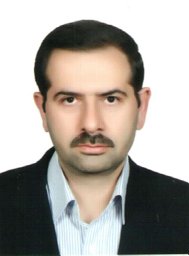 Mohammad Reza Fazlollahi合作论文数Children’s Medical Center Hospital, Tehran University of Medical Sciences7
 Halabchi Farzin合作论文数Sports Medicine Research Center, Tehran University of Medical Sciences;Department of Sports &Exercise Medicine, Tehran University of Medical Sciences;Tehran University of Medical Sciences, Tehran University of Medical Sciences3
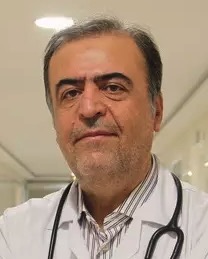 Masoud Movahedi合作论文数Tehran University of Medical Sciences3
 Raheleh Shokouhi Shoormasti合作论文数Immunology, Asthma and Allergy Research Institute, Tehran University of Medical Sciences3
 Abbass Entezari合作论文数3S. Barzegar合作论文数2Zahra Yazdanyar合作论文数2
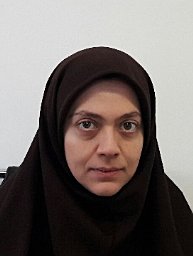 Maryam Selk Ghaffari合作论文数Neurosci Inst, Univ Tehran Med Sci2Mahdaviani Behnaz合作论文数Imam Hospitals Complex, Tehran University of Medical Science2
 Maryam Nourizadeh合作论文数Faculty of Medicine, Tehran University of Medical Sciences2Zahra Lebaschi合作论文数2Movahhedi M.合作论文数2Pegah Teymourpour合作论文数2R. Dashti合作论文数1
 Elnaz Parvin合作论文数1
 Mohammad Hossein Pourgharib Shahi合作论文数Neuroscience Institute, Tehran University of Medical Sciences1
 Fatemeh Mohammadian合作论文数Roozbeh Hosp, Univ Tehran Med Sci1R. Akramian合作论文数1Zahra Mirsepassi合作论文数Corresponding author.1
 Mohammad Ali Mansournia合作论文数Department Epidemiology and Biostatistics, School of Public Health, Tehran University of Medical Sciences;National Institute for Medical Research & Development;Research Institute for Endocrine Sciences1
 Kashani Homa合作论文数1
 Sabetkish Nastaran合作论文数Children's Hospital Medical Center, Tehran University of Medical Sciences1Mahdi Bayati合作论文数1
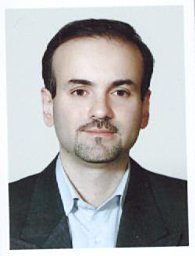 Mahdaviani Seyed Alireza合作论文数NRITLD, Shahid Beheshti Univ Med Sci1
 Shalamzari Sadegh Amani合作论文数Faculty of Humanities, Tarbiat Modares University1
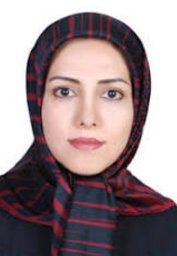 Sharafi Elham合作论文数Sports Medicine Research Center, Tehran University of Medical Sciences1
 Dashti Parisa合作论文数1Souzanchi Golnoosh合作论文数1Dashti Raheleh合作论文数1
 Hamid Reza Naghavi合作论文数Roozbeh Hospital, Tehran University of Medical Sciences1
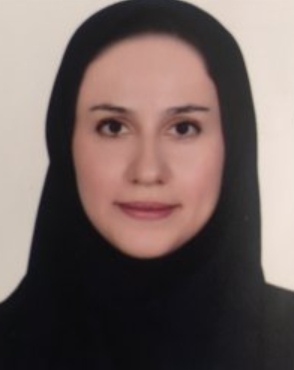 Sakineh Shab-Bidar合作论文数Department of Community Nutrition, School of Nutritional Sciences and Dietetics, Tehran University of Medical Sciences1
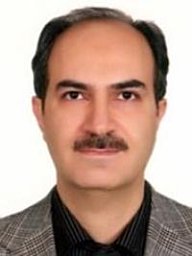 Mohammad Gharagozlou合作论文数Department of Clinical Immunology and Allergy;Allergy Research Institute;Tehran University of Medical Sciences1
 Azarakhsh Mokri合作论文数National Center for Addiction Studies, Tehran University of Medical Sciences1Saeedeh Barzegar合作论文数1




