Wilms tumor is the most common childhood renal malignancy. Though mostly non-genetic, it can be syndromic with the involvement of many Wilms tumor predisposing genes and non-syndromic with the involvement of four genes: WT1, REST, TRIM28, and CTR9. Familial and bilateral Wilms tumors do occur, but these are rare. So far, four Wilms tumor families with pathogenic variants in the CTR9 gene have been described, all (presumably) inherited from unaffected fathers, and three leading to deletion of exon 9. We are reporting female siblings, of whom one has a bilateral Wilms tumor, with a novel pathogenic splice site variant in the CTR9 gene, leading to deletion of exon 9, and inherited from their asymptomatic father. The loss of heterozygosity in the tumor was confirmed. In conclusion, CTR9 pathogenic variants are a very rare cause of Wilms tumors and typically result in familial Wilms tumors.
Summary:Pathogenic variants in the nuclear receptor subfamily 5 group A member 1 gene (NR5A1), which encodes steroidogenic factor 1 (SF1), result in 46,XY and 46,XX differences of sex development (DSD). In 46,XY individuals with a pathogenic variant in the NR5A1 gene a variable phenotype ranging from mild to severe is seen, including adrenal failure, testis dysgenesis, androgen synthesis defects, hypospadias and anorchia with microphallus and infertility. We report the clinical, endocrinological and genetic characteristics of a patient with 46,XY DSD with a novel likely pathogenic missense variant in the NR5A1 gene. A retrospective evaluation of the medical history, physical examination, limited endocrinological laboratory analysis and genetic analysis with DSD gene panel testing was performed. A 1.5-month-old individual was referred with ambiguous genitalia. The karyotype was 46,XY. The endocrinological analyses were within normal male reference including a normal response of cortisol within an adrenocorticotropic hormone test. A novel heterozygous missense variant c.206G>C p.(Arg69Pro) in the NR5A1 gene was detected. This variant was present in mosaic form (~20%) in his unaffected father. Because another missense variant at the same position and other missense variants involving the same highly conserved codon have been reported, we consider this NR5A1 variant in this 46,XY DSD patient as likely pathogenic in accordance with the ACMG/AMP 2015 guidelines causing ambiguous genitalia but no adrenal insufficiency. This variant was inherited from the apparently unaffected mosaic father, which might have implications for the recurrence risk in this family.Learning points:The importance of performing trio (patient and parents) sequencing is crucial in pointing out the origin of inheritance. In a 46,XY differences of sex development patient, a normal adrenal function does not rule out an NR5A1 mutation. With the support of a dedicated overseas institute partnership, we could solve this complex clinical case by molecular diagnosis in a resource-limited setting.
Marfan Syndrome is an autosomal dominant connective tissue disorder caused by mutations in the FBN1 gene. Early Onset Marfan Syndrome is at the severe end of the Marfan syndrome spectrum and is frequently associated with variants in exons 24-32 of the FBN1 gene. To the best of our knowledge, this is the first molecularly confirmed patient from Sub-Saharan Africa with Early Onset Marfan Syndrome who presented with tall stature, arachnodactyly, multivalvular insufficiency and ectopia lentis. Sequencing analysis of FBN1 gene revealed a pathogenic (class 5) heterozygous recurrent variant in exon 61 (c.7606G > A p.0NM_000138.3), which was up to now not associated with rapidly progressive Marfan syndrome with multivalvular insufficiency and congestive cardiac failure. This further supports the notion that the interplay of the given FBN1 mutation, one or more genetic modifiers and epigenetic and environmental factors defines the disease phenotype.
Human genetics research and applications are rapidly growing areas in health innovations and services. African populations are reported to be highly diverse and carry the greatest number of variants per genome. Exploring these variants is key to realize the genomic medicine initiative. However, African populations are grossly underrepresented in various genomic databases, which has alerted scientists to address this issue with urgency. In Tanzania, human genetics research and services are conducted in different institutions on both communicable and noncommunicable diseases. However, there is poor coordination of the research activities, often leading to limited application of the research findings and poor utilization of available resources. In addition, contributions from Tanzanian human genetics research and services are not fully communicated to the government, national, and international communities. To address this scientific gap, the Tanzania Society of Human Genetics (TSHG) has been formed to bring together all stakeholders of human genetics activities in Tanzania and to formally bring Tanzania as a member to the African Society of Human Genetics. This article describes the inauguration event of the TSHG, which took place in November 2019. It provides a justification for its establishment and discusses presentations from invited speakers who took part in the inauguration of the TSHG.
Background:Paroxysmal kinesigenic dyskinesia (PKD) is a movement disorder, with an excellent response to carbamazepine treatment. It has been described in various populations, but not yet in an African population.Case report:In a patient who reported to clinic with side effects of carbamazepine, PRRT2 gene screening was performed based on a clinical history compatible with PKD. A common PRRT2 mutation was identified in this patient, hereby the first genetically confirmed PRRT2-associated PKD in Africa.Discussion:Reporting genetic confirmation of an unusual movement disorder from an equally unusual location shows the wide geographical distribution of PRRT2-associated disease. It also illustrates recognizability of this treatable disorder where the easiest accessible diagnostic tool is neurological history and examination.
Carpenter syndrome (acrocephalopolysyndactyly type II) is a rare autosomal recessive disorder. It was clinically diagnosed in a female baby with polysyndactyly and craniosynostosis in a referral clinic in Northern Tanzania. In the RAB23 gene, a previously described homozygous variant c.82C>T p.(Arg28*) was detected that results in a premature stop codon. Both parents were demonstrated to be heterozygous carriers of this variant. Herewith, its pathogenicity is proved. A literature search suggests this is the first molecularly confirmed case of Carpenter syndrome in continental Africa.
The gene IL6ST encodes GP130, the common signal transducer of the IL-6 cytokine family consisting of 10 cytokines. Previous studies have identified cytokine-selective IL6ST defects that preserve LIF signaling. We describe three unrelated families with at least five affected individuals who presented with lethal Stüve-Wiedemann–like syndrome characterized by skeletal dysplasia and neonatal lung dysfunction with additional features such as congenital thrombocytopenia, eczematoid dermatitis, renal abnormalities, and defective acute-phase response. We identified essential loss-of-function variants in IL6ST (a homozygous nonsense variant and a homozygous intronic splice variant with exon skipping). Functional tests showed absent cellular responses to GP130-dependent cytokines including IL-6, IL-11, IL-27, oncostatin M (OSM), and leukemia inhibitory factor (LIF). Genetic reconstitution of GP130 by lentiviral transduction in patient-derived cells reversed the signaling defect. This study identifies a new genetic syndrome caused by the complete lack of signaling of a whole family of GP130-dependent cytokines in humans and highlights the importance of the LIF signaling pathway in pre- and perinatal development.
Information about the genetic attribution to Parkinson's disease (PD) in Sub Sahara Africa (SSA) is limited. PRKN gene (PARK2, parkin) mutations [1] have been described in individuals from various ethnic backgrounds but were found in only three individuals across three large studies from Nigeria, South Africa and Zambia [2–5]. This is a first PRKN-related parkinsonism family from Eastern Africa. (see Fig. 1)
Ehlers-Danlos syndrome (EDS) comprises a group of heritable connective tissue disorders which has as cardinal features varying degrees of skin hyperextensibility, joint hypermobility, easy bruising and skin fragility. The 2017 New York nosology distinguishes 13 types of EDS, which all, except hypermobile EDS, have a known molecular basis. Hypermobile EDS is recognized as a common and often disabling disorder, incorporating benign joint hypermobility syndrome. EDS needs to be differentiated from other connective tissue disorders, in particular Marfan syndrome, Loeys-Dietz syndrome and cutis laxa. The frequent types of EDS can be diagnosed after careful history taking and clinical examination, but for definite diagnosis molecular confirmation is needed in all types. Management for EDS patients preferably is provided by multidisciplinary teams in expertise centres. After diagnosing EDS genetic counselling is an essential part of the management of patients and their family.
The tenascin‐X (TNX) deficient type Ehlers–Danlos syndrome (EDS) is similar to the classical type of EDS. Because of the limited awareness among geneticists and the challenge of the molecular analysis of the TNXB gene, the TNX‐deficient type EDS is probably to be under diagnosed. We therefore performed an observational, cross‐sectional study. History and physical examination were performed. Results of serum TNX measurements were collected and mutation analysis was performed by a combination of next‐generation sequencing (NGS), Sanger sequencing and multiplex ligation‐dependent probe amplification (MLPA). Included were 17 patients of 11 families with autosomal recessive inheritance and childhood onset. All patients had hyperextensible skin without atrophic scarring. Hypermobility of the joints was observed in 16 of 17 patients. Deformities of the hands and feet were observed frequently. TNX serum level was tested and absent in 11 patients (seven families). Genetic testing was performed in all families; 12 different mutations were detected, most of which are suspected to lead to non‐sense mRNA mediated decay. In short, patients with the TNX‐deficient type EDS typically have generalized joint hypermobility, skin hyperextensibility and easy bruising. In contrast to the classical type, the inheritance pattern is autosomal recessive and atrophic scarring is absent. Molecular analysis of TNXB in a diagnostic setting is challenging.
Fibrodysplasia ossificans progressiva is a rare autosomal dominantly inherited disorder of connective tissue caused by mutations in the gene encoding for ACVR1/ALK2, a bone morphogenetic protein type I receptor. It is mainly characterized by congenital malformations of the great toes and the formation of qualitatively normal bone in extra-skeletal sites leading to severe disability and eventually death. We present a sporadic case from Northern Tanzania with a minor unilateral hallux anomaly and the common ACVR1c.617G>A mutation.
CONTEXT Gordon Holmes syndrome (GHS) is characterized by cerebellar ataxia/atrophy and normosmic hypogonadotropic hypogonadism (nHH). The underlying pathophysiology of this combined neurodegeneration and nHH remains unknown. OBJECTIVE We aimed to provide insight into the disease mechanism in GHS. METHODS We studied a cohort of 6 multiplex families with GHS through autozygosity mapping and whole-exome sequencing. RESULTS We identified 6 patients from 3 independent families carrying loss-of-function mutations in PNPLA6, which encodes neuropathy target esterase (NTE), a lysophospholipase that maintains intracellular phospholipid homeostasis by converting lysophosphatidylcholine to glycerophosphocholine. Wild-type PNPLA6, but not PNPLA6 bearing these mutations, rescued a well-established Drosophila neurodegenerative phenotype caused by the absence of sws, the fly ortholog of mammalian PNPLA6. Inhibition of NTE activity in the LβT2 gonadotrope cell line diminished LH response to GnRH by reducing GnRH-stimulated LH exocytosis, without affecting GnRH receptor signaling or LHβ synthesis. CONCLUSION These results suggest that NTE-dependent alteration of phospholipid homeostasis in GHS causes both neurodegeneration and impaired LH release from pituitary gonadotropes, leading to nHH.
Apert syndrome (AS) is a rare autosomal dominant disorder characterised by craniosynostosis and limb malformations, and is associated with congenital heart disease and other systemic malformations, including intellectual disability. We report two Indonesian patients with AS, in whom molecular analysis detected p.Ser252Trp (c.755C>G) and p.Pro253Arg (c.758C>G) mutations in the fibroblast growth factor receptor 2 (FGFR2) gene, respectively. Although the syndrome has been frequently described, this is the first clinical report of AS confirmed by molecular analysis in Indonesia. The difference in severity of clinical features in the two patients may be consistent with a genotype-phenotype correlation of the FGFR2mutation. The management of individuals with AS is best achieved within a multidisciplinary setting. However, in most developing countries, early intervention may be delayed due to late diagnosis, a lack of facilities and financial constraints. This report underpins the benefits of early diagnosis for AS management.
BackgroundCreatine transporter deficiency is a monogenic cause of X-linked intellectual disability. Since its first description in 2001 several case reports have been published but an overview of phenotype, genotype and phenotype–genotype correlation has been lacking.MethodsWe performed a retrospective study of clinical, biochemical and molecular genetic data of 101 males with X-linked creatine transporter deficiency from 85 families with a pathogenic mutation in the creatine transporter gene (SLC6A8).Results and conclusionsMost patients developed moderate to severe intellectual disability; mild intellectual disability was rare in adult patients. Speech language development was especially delayed but almost a third of the patients were able to speak in sentences. Besides behavioural problems and seizures, mild to moderate motor dysfunction, including extrapyramidal movement abnormalities, and gastrointestinal problems were frequent clinical features. Urinary creatine to creatinine ratio proved to be a reliable screening method besides MR spectroscopy, molecular genetic testing and creatine uptake studies, allowing definition of diagnostic guidelines. A third of patients had a de novo mutation in the SLC6A8 gene. Mothers with an affected son with a de novo mutation should be counselled about a recurrence risk in further pregnancies due to the possibility of low level somatic or germline mosaicism. Missense mutations with residual activity might be associated with a milder phenotype and large deletions extending beyond the 3′ end of the SLC6A8 gene with a more severe phenotype. Evaluation of the biochemical phenotype revealed unexpected high creatine levels in cerebrospinal fluid suggesting that the brain is able to synthesise creatine and that the cerebral creatine deficiency is caused by a defect in the reuptake of creatine within the neurones.
CONTEXT: Unbalanced subtelomeric chromosomal rearrangements are often associated with intellectual disability (ID) and malformation syndromes. The prevalence of such rearrangements has been reported to be 5-9% in ID populations. AIMS: To study the prevalence of subtelomeric rearrangements in the Indonesian ID population. MATERIALS AND METHODS: We tested 436 subjects with unexplained ID using multiplex ligation dependent probe amplification (MLPA) using the specific designed sets of probes to detect human subtelomeric chromosomal imbalances (SALSA P070 and P036D). If necessary, abnormal findings were confirmed by other MLPA probe kits, fluorescent in situ hybridization or Single Nucleotide Polymorphism array. RESULTS: A subtelomeric aberration was identified in 3.7% of patients (16/436). Details on subtelomeric aberrations and confirmation analyses are discussed. CONCLUSION: This is the first study describing the presence of subtelomeric rearrangements in individuals with ID in Indonesia. Furthermore, it shows that also in Indonesia such abnormalities are a prime cause of ID and that in developing countries with limited diagnostic services such as Indonesia, it is important and feasible to uncover the genetic etiology in a significant number of cases with ID.
Ohdo syndrome comprises a heterogeneous group of disorders characterized by intellectual disability (ID) and typical facial features, including blepharophimosis. Clinically, these blepharophimosis-ID syndromes have been classified in five distinct subgroups, including the Maat-Kievit-Brunner (MKB) type, which, in contrast to the others, is characterized by X-linked inheritance and facial coarsening at older age. We performed exome sequencing in two families, each with two affected males with Ohdo syndrome MKB type. In the two families, MED12 missense mutations (c.3443G>A [p.Arg1148His] or c.3493T>C [p.Ser1165Pro]) segregating with the phenotype were identified. Upon subsequent analysis of an additional cohort of nine simplex male individuals with Ohdo syndrome, one additional de novo missense change (c.5185C>A [p.His1729Asn]) in MED12 was detected. The occurrence of three different hemizygous missense mutations in three unrelated families affected by Ohdo syndrome MKB type shows that mutations in MED12 are the underlying cause of this X-linked form of Ohdo syndrome. Together with the recently described KAT6B mutations resulting in Ohdo syndrome Say/Barber/Biesecker/Young/Simpson type, our findings point to aberrant chromatin modification as being central to the pathogenesis of Ohdo syndrome.
Background Intellectual disability (ID) often coincides with an abnormal head circumference (HC). Since the HC is a reflection of brain size, abnormalities in HC may be a sign of a brain anomaly. Although microcephaly is often secondary to ID, hereditary (autosomal recessive) forms of primary microcephaly (MCPH) exist that result in ID. Objective To investigate mutations in MCPH genes in patients with ID and microcephaly. Methods From a population of 527 Indonesian individuals with ID, 48 patients with microcephaly (9.1 %) were selected. These patients were previously found to be normal upon conventional karyotyping, fragile X mental retardation 1 (FMRl) gene analysis, subtelomeric deletion, and duplication multiplex ligationdependent probe amplification (MLPA). Sanger sequencing for abnormal spindle-like microcephaly-associated (ASPM) and WD repeat domain 62 (WDR62) was performed in all 48 subjects, while sequencing for microcephalin (MCPHl), cyclin-dependent kinase 5 (CDK5) regulatory subunit-associated protein 2 (CD5KRAP2) , centromere protein} (CENPJ), and SCUfALl interrupting locus (STIL) was conducted in only the subjects with an orbitofrontal cortex (OFC) below -4 SD. Results In all genes investigated, 66 single nucleotide polymorphisms (SNPs) and 15 unclassified variants which were predicted as unlikely to be pathogenic (lN2), were identified. Possible pathogenic variants (lN3) were identified in ASPM. However, since none of the patients harboured compound heterozygous likely pathogenic mutations, no molecular MCPH diagnosis could be established. Interestingly, one of the patients harboured the same variants as her unaffected monozygotic twin sister, indicating that our cohort included a discordant twin. Conclusions This study is the first to investigate for possible genetic causes ofMCPH in the Indonesian population. The absence of causative pathogenic mutations in the MCPH genes tested may originate from several factors. The identification of UV2 and UV3 variants as well as the absence of causative pathogenic mutations calls for further investigations.
 J.H.L.M. Van Bokhoven (Hans)合作论文数Faculty of Medical Sciences, Radboud University Medical Center;Nijmegen Center for Molecular Life Sciences;Donders Institute for Brain, Cognition and Behaviour, Centre for Cognitive Neuroimaging45
 Jamel Chelly合作论文数Institute of Genetics and Molecular and Cellular Biology, University of Strasbourg;Centre National de la Recherche Scientifique35
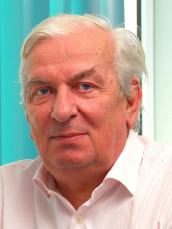 Jean-Pierre Fryns合作论文数University Hospitals Leuven;KU Leuven34
 Hans-Hilger Ropers合作论文数Institute of Human Genetics, University of Mainz;Max Planck Institute for Molecular Genetics27
 Kleefstra Tjitske合作论文数22Yntema Helger G合作论文数18
 Arjan De Brouwer合作论文数Department of Human Genetics, University Medical Center St Radboud17
 Claude Moraine合作论文数16
 Jozef Gecz合作论文数Robinson Research Institute, University of Adelaide;South Australian Health and Medical Research Institute16Willy Nillesen合作论文数13
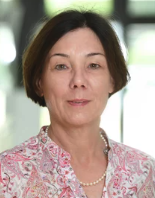 Vera Kalscheuer合作论文数Max Planck Institute for Molecular Genetics12Martine Raynaud合作论文数12Astrid R. Oudakker合作论文数12
 Dorien Lugtenberg合作论文数11Andreas Tzschach合作论文数10
 Sultana M.H. Faradz合作论文数Dr. Kariadi Hospital and Faculty of Medicine, Diponegoro University10
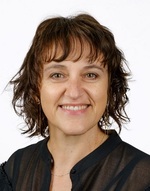 Hilde Van Esch合作论文数FWO Vlaanderen;Departement Menselijke Erfelijkheid, KU Leuven;Laboratory for the Genetics of Cognition, Center for Human Genetics, KU Leuven;University Hospitals Leuven10Steffen Lenzner合作论文数10
 Bregje W van Bon合作论文数Department of Human Genetics, Radboud University Medical Center9Mundhofir Farmaditya E P合作论文数9
 Joris Veltman合作论文数Biosciences Institute, Faculty of Medical Sciences, Newcastle University9
 H.G. Brunner合作论文数Faculty of Medical Sciences, Radboud Universiteit9
 Bert De Vries合作论文数GN ReSound Research9Beldjord Cherif合作论文数8
 Dominique Smeets合作论文数Department of Human Genetics, Radboud University;Radboud University Medical Centre8
 Didier Lacombe合作论文数Service de Génétique Médicale, CHU Bordeaux;INSERM U1211;Centre de Référence Anomalies du Développement et Syndromes Malformatifs Sud-Ouest Occitanie-Réunion;Centre Régional de Dépistage Néonatal7
 Suzanna Gerarda Maria Frints合作论文数7
 Tri Winarni合作论文数Medical Investigation of Neurodevelopmental Disorders (MIND) Institute, University of California at Davis Medical Center;Department of Pediatrics, University of California at Davis Medical Center;Faculty of Medicine, Diponegoro University;University of California at Davis Medical Center, Diponegoro University7Bettina Moser合作论文数7E MARIMAN合作论文数7H. G. Yntema合作论文数6
 Vincent des Portes合作论文数INSERM U129-ICGM, Faculté de Médecine Cochin, Paris, France.6Marjolein H Willemsen合作论文数5Kuss Andreas W合作论文数5
 Raoul Hennekam合作论文数Amsterdam UMC;Department of Paediatrics, University of Amsterdam;Institute of Neurology, University College London5
 Han G. Brunner合作论文数Faculty of Medical Sciences, Radboud Universiteit Nijmegen;Klinische Genetica, Maastricht University5
 Stavit Shalev合作论文数Russell Berrie Nanotechnology Institute, Technion-Israel Institute of Technology;Rappaport Faculty of Medicine, Technion-Israel Institute of Technology;Bruce and Ruth Rappaport Cancer Research Center5Helger G. Yntema合作论文数5
 Rolph Pfundt合作论文数Department of Human Genetics, Radboud University Medical Centre5
 Erik A Sistermans合作论文数5Gillian Turner合作论文数5Susann Schweiger合作论文数5
 Marjo Van Der Knaap合作论文数VU University Amsterdam;Amsterdam University Medical Centers5Martina Ruiterkamp-Versteeg合作论文数4Mandy Cook合作论文数4
 Doris Kretzschmar合作论文数4Kristine Freude合作论文数4Esra Deniz Papatya Cakir合作论文数Sch Med, Uludag Univ4




