Current prostate organoid models rely on tissue-derived material or animal components and lack epithelial and stromal complexity. We defined a xeno-free system to generate human prostate organoids from induced pluripotent stem cells with consistent multilineage differentiation. Organoids formed as free-floating 3D aggregates self-organized into the epithelial and stromal domains with basal, luminal, neuroendocrine, fibroblast, and smooth muscle markers. In an alternative modular co-culture system, engineered epithelial progenitors aggregated with wild-type mesenchymal progenitors, enabling compartment-specific manipulation. Androgen receptor (AR)-overexpressing organoids showed increased epithelial AR and prostate-specific antigen (PSA) expression and proliferation. Single-cell transcriptomics, together with qPCR and immunostaining, confirmed prostate lineage specification and tissue organization. This xeno-free platform provides a reproducible, scalable, and genetically tractable model to study in vitro prostate lineage programs, epithelial and stromal interactions, and disease biology.
Spermatogenesis features the seminiferous epithelial cycle, a periodic progression of germ-cell differentiation along the seminiferous tubules. Using seqFISH+ spatial transcriptomics, we profiled 2,653 genes in 867,062 mouse testis cells, revealing tubule-level transcriptional patterns that recapitulate the cycle and enable high-resolution temporal mapping of cells. Unlike other somatic cells, Sertoli cells exhibit a cyclic transcriptional profile synchronized with spermatogenesis. This cyclicity persists in germ-cell-depleted testes (busulfan and W/Wv), although with gene-specific dephasing and reduced amplitude, supporting an intrinsic Sertoli cyclic program. We identify retinoic acid (RA) as a permissive signal: germ-cell-depleted Sertoli cells cycle RA enzymes, while inhibiting RA synthesis via WIN 18,446 arrests them mid-cycle. Ligand-receptor analysis reveals bidirectional germ-Sertoli signaling. Notably, Wnt inhibition with LGK974 partially recapitulates germ-cell-depletion dephasing and amplitude changes. These findings support an integrative model where an intrinsic Sertoli program maintains baseline periodicity, while germ-cell signals refine the cycle to coordinate spermatogenesis.
Pathologic transformation represents a critical yet poorly defined window during which mutant epithelial stem cells actively construct the microenvironment that enables tumour initiation1,2. Here using integrated single-cell, spatial and functional analyses, we define the earliest multicellular events that licence this transition following oncogenic activation in the lung. KrasG12D-mutant alveolar type II cells rapidly adopt regenerative-like states that act as signalling hubs, orchestrating coordinated stromal and immune reprogramming while enhancing epithelial plasticity. Through secretion of amphiregulin, mutant epithelial cells activate EGFR signalling in adjacent fibroblasts, inducing a fibrotic, injury-like programme. Reprogrammed fibroblasts, in turn, expand and reprogramme alveolar macrophages, amplifying inflammatory signalling and reinforcing epithelial plasticity. These reciprocal interactions establish a self-sustaining epithelial-stromal-immune circuit that generates a tumour-permissive niche before malignant outgrowth. Disruption of the amphiregulin-EGFR axis prevents early niche formation and abrogates tumour initiation. Conservation of this programme in KRASG12D-inducible human alveolar organoids and early-stage lung adenocarcinoma tissues identifies epithelial-microenvironment communication as a therapeutically actionable vulnerability and suggests that intercepting niche formation may prevent progression to treatment-resistant disease.
Abstract Cellular identity and fate transitions are governed by continuous molecular processes that form dynamic trajectories within a high-dimensional transcriptomic landscape. Existing methods attempt to model these dynamics from two complementary perspectives: trajectory inference and velocity modeling. Ideally, velocity and trajectory are dual aspects of transcriptomic dynamics where velocity is tangent to trajectory everywhere. This inherent connection between velocity and trajectory is currently absent in transcriptomic analysis. Splicing velocity are precision-limited to inadequately-sequenced genes, while trajectory inference prioritizes the modeling of global trends while omitting local dynamics. This divergence breaks the geometric continuity between local velocities and global trajectories, hindering the reliable interpretation of developmental dynamics. To reconcile trajectory inference and RNA velocity, we introduce VeloTrace, a framework that unifies them through Neural Ordinary Differential Equations (NeuralODEs). VeloTrace learns a continuous-time velocity field whose integral curves constitute the trajectory itself, while ensuring that velocities are tangent to integral paths everywhere. Leveraging a splicing quality score, VeloTrace incorporates high-quality splicing velocity as partial supervision for velocity orientation and grounding. During optimization, VeloTrace incorporates a Monte Carlo multi–time-frame supervision strategy to ensure coherence between local and global trajectorys and suppress sequencing-induced stochastic diffusion. Through refining the velocity field and cell-specific parameters for pseudo-time, expression, and velocity, VeloTrace reconstructs a smooth, local-and-global-coherent velocity-vector-guided flow in the transcriptomic latent space. This strategy ensures a complementary integration of velocity and trajectory, imputing the transcriptional kinetics for genes of insufficient strength, whose kinetics cannot be accurately portrayed by splicing velocity. In simulation benchmarks, VeloTrace captured the transcriptional dynamics of all expressed genes, even those with inadequate sequencing coverage, producing velocity directions that were most consistent with the true direction and every-where tangential across the entire process, outperforming state-of-the-art methods, including scVelo, UniTVelo, VeloVI and scTour. VeloTrace uniquely reconciles RNA velocity and trajectory inference, creating a velocity field where each cell can infer past and future transitions from its current state. Moreover, VeloTrace extends reliable velocity estimation to a broader set of genes. When applied to mouse neural stem cell differentiation data, it successfully recovers dynamics of driver genes for two developmental lineages, including those with low expression, shedding light on their regulatory roles during differentiation. This unified framework lays the foundation for more accurate modeling of gene regulation and cell fate decisions in complex biological systems.
Tissue homeostasis requires a precise balance between stem cell self-renewal and differentiation. While fate decisions are known to be closely linked with cell cycle progression, the functional significance of this relationship is unclear. We propose a mechanistic framework to analyse cellular dynamics when cell fate is coupled to cell cycle duration. Our model highlights a unique aspect of cell cycle regulation where mitogens serve as control parameters for a bifurcation governing the G1-S transition. Under competitive feedback from cell-cell interactions, the cell cycle regulatory network fine-tunes near the critical point of this bifurcation. Critical positioning lengthens G1 while amplifying cell-to-cell variability in mitogenic signalling and biochemical states. Such regulation confers significant advantages for controlling cell population dynamics, with alternative topologies enabling rapid tissue growth and repair or efficient mutant rejection. Counter-intuitively, we propose that stem cells may couple prolonged G1 with increased self-renewal propensity to efficiently suppress mis-sensing mutants. Our theory provides a distinct explanation to dynamical and statistical patterns of G1 lengthening and predicts regulatory strategies across development, homeostasis, and ageing.
Preinvasive squamous lung lesions are precursors of lung squamous cell carcinoma (LUSC). The cellular events underlying lesion formation are unknown. Using a carcinogen-induced model of LUSC with no added genetic hits or cell type bias, we found that carcinogen exposure leads to non-neutral competition among basal cells, aberrant clonal expansions, and basal cell mobilization along the airways. Ultimately, preinvasive lesions developed from a few highly mutated clones that dominate most of the bronchial tree. Multisite sequencing in human patients confirmed the presence of clonally related preinvasive lesions across distinct airway regions. Our work identifies a transition in basal cell clonal dynamics, and an associated shift in basal cell fate, as drivers of field cancerization in the lung.
Glioblastoma is an incurable brain malignancy. By the time of clinical diagnosis, these tumours exhibit a degree of genetic and cellular heterogeneity that provides few clues to the mechanisms that initiate and drive gliomagenesis1,2. Here, to explore the early steps in gliomagenesis, we utilized conditional gene deletion and lineage tracing in tumour mouse models, coupled with serial magnetic resonance imaging, to initiate and then closely track tumour formation. We isolated labelled and unlabelled cells at multiple stages-before the first visible abnormality, at the time of the first visible lesion, and then through the stages of tumour growth-and subjected cells of each stage to single-cell profiling. We identify a malignant cell state with a neural crest-like gene expression signature that is highly abundant in the early stages, but relatively diminished in the late stage of tumour growth. Genomic analysis based on the presence of copy number alterations suggests that these neural crest-like states exist as part of a heterogeneous clonal hierarchy that evolves with tumour growth. By exploring the injury response in wounded normal mouse brains, we identify cells with a similar signature that emerge following injury and then disappear over time, suggesting that activation of an injury response program occurs during tumorigenesis. Indeed, our experiments reveal a non-malignant injury-like microenvironment that is initiated in the brain following oncogene activation in cerebral precursor cells. Collectively, our findings provide insight into the early stages of glioblastoma, identifying a unique cell state and an injury response program tied to early tumour formation. These findings have implications for glioblastoma therapies and raise new possibilities for early diagnosis and prevention of disease.
The epidermis provides a protective barrier against hostile environments. However, our knowledge of how this barrier forms during development and is subsequently maintained remains incomplete. The infundibulum is a cylindrical epidermal tissue compartment that serves as an outlet for hair follicles protruding from the skin and the excretion of the sebaceous glands that are essential for proper skin function. In this study, we applied quantitative fate mapping to address how infundibulum are maintained during adulthood. We demonstrate that progenitors build and maintain tissues through stochastic cell fate choices. Long-term analysis identified a preferential transient contribution from cells initially located at the bottom of the structure to the maintenance of the tissue, with bursts of local progenitor expansion associated with the phases of hair growth. Beyond providing compartment-wide insights into progenitor cell dynamics in infundibulum, these findings demonstrate how spatiotemporal regulation controls transient progenitor dominance.
Disruptions to regulatory signals governing stem cell fate open the pathway to tumorigenesis. To determine how these programs become destabilized, we fate-map thousands of murine wild-type and KrasG12D-mutant alveolar type II (AT2) stem cells in vivo and find evidence for two independent AT2 subpopulations marked by distinct tumorigenic capacities. By combining clonal analyses with single-cell transcriptomics, we unveil striking parallels between lung regeneration and tumorigenesis that implicate Il1r1 as a common activator of AT2 reprogramming. We show that tumor evolution proceeds through the acquisition of lineage infidelity and reversible transitions between mutant states, which, in turn, modulate wild-type AT2 dynamics. Finally, we discover how sustained nuclear factor κB (NF-κB) activation sets tumorigenesis apart from regeneration, allowing mutant cells to subvert differentiation in favor of tumor growth.
Advances in spatial profiling technologies are providing insights into how molecular programs are influenced by local signaling and environmental cues. However, cell fate specification and tissue patterning involve the interplay of biochemical and mechanical feedback. Here, we develop a computational framework that enables the joint statistical analysis of transcriptional and mechanical signals in the context of spatial transcriptomics. To illustrate the application and utility of the approach, we use spatial transcriptomics data from the developing mouse embryo to infer the forces acting on individual cells, and use these results to identify mechanical, morphometric, and gene expression signatures that are predictive of tissue compartment boundaries. In addition, we use geoadditive structural equation modeling to identify gene modules that predict the mechanical behavior of cells in an unbiased manner. This computational framework is easily generalized to other spatial profiling contexts, providing a generic scheme for exploring the interplay of biomolecular and mechanical cues in tissues.
ABSTRACT:Recent studies indicate the human lympho-myeloid restriction process to be a different and more heterogeneous one than historically inferred. Here we describe the development of bulk and clonal culture systems that efficiently support early B-lymphoid differentiation and its use to elucidate the biological and molecular changes that accompany their initial restriction from subsets of CD34+ human cord blood cells with lympho-myeloid-limited potential. Analyses of these changes revealed that the acquisition of B-lymphoid- and neutrophil/monocyte (NM)-restricted properties are accompanied by a concomitantly accelerated and lineage-shared cell cycling activity and loss of self-renewal potential. Single-cell transcriptome analysis identified reduced expression of multiple self-renewal-associated genes and an accompanying heterogeneous activation of lineage-regulatory modules during the production of B, NM, and dendritic cell precursors. By applying a novel culture system that supports early human lymphoid differentiation, we uncovered a shared mechanism of proliferation control, along with persistent biological and transcriptional heterogeneity in cells undergoing B- and NM-lineage restriction.
Functional cellular heterogeneity in tumours often underlies incomplete response to therapy and relapse. Previously, we demonstrated that the growth of the paediatric brain malignancy, sonic hedgehog subgroup medulloblastoma, is rooted in a dysregulated developmental hierarchy, the apex of which is defined by characteristically quiescent SOX2+ stem-like cells. Integrating gene expression and chromatin accessibility patterns in distinct cellular compartments, we identify the transcription factor Olig2 as regulating the stem cell fate transition from quiescence to activation, driving the generation of downstream neoplastic progenitors. Inactivation of Olig2 blocks stem cell activation and tumour output. Targeting this rare OLIG2-driven proliferative programme with a small molecule inhibitor, CT-179, dramatically attenuates early tumour formation and tumour regrowth post-therapy, and significantly increases median survival in vivo. We demonstrate that targeting transition from quiescence to proliferation at the level of the tumorigenic cell could be a pivotal medulloblastoma treatment strategy. Previous work shows that a small population of quiescent SOX2+ medulloblastoma (MB) stem cells can drive tumour growth in early tumorigenesis and relapse. Here, the authors identify OLIG2 as a transcriptional mediator of the transition from quiescent to rapidly proliferating progenitor states and therapeutically target this axis in preclinical models of MB.
We identify a novel scenario for hyperuniformity in a generic model of population dynamics that has been recently introduced to account for biological memory in the immune system and epigenetic inheritance. In this model, individuals' competition over a shared resource guides the population towards a critical steady state with prolonged individual life time. Here we uncover that the spatially extended model is characterized by hyperuniform density fluctuations. A hydrodynamic theory is derived by explicit coarse-graining, which shows good agreement with numerical simulations. Unlike previous models for non-equilibrium hyperuniform states, our model does not exhibit conservation laws, even when approaching criticality. Instead, we trace the emergence of hyperuniformity to the divergence of timescales close to criticality. These findings can have applications in engineering, cellular population dynamics and ecology.
Spermatogenesis is characterized by the seminiferous epithelial cycle, a periodic pattern of germ cell differentiation with a wave-like progression along the length of seminiferous tubules. While key signaling and metabolic components of the cycle are known, the transcriptional changes across the cycle and the correlations between germ cell and somatic lineages remain undefined. Here, we use spatial transcriptomics via RNA SeqFISH+ to profile 2,638 genes in 216,090 cells in mouse testis and identify a periodic transcriptional pattern across tubules that precisely recapitulates the seminiferous epithelial cycle, enabling us to map cells to specific timepoints along the developmental cycle. Analyzing gene expression in somatic cells reveals that Sertoli cells exhibit a cyclic transcriptional profile closely synchronized with germ cell development while other somatic cells do not demonstrate such synchronization. Remarkably, in mouse testis with drug-induced ablation of germ cells, Sertoli cells independently maintain their cyclic transcriptional dynamics. By analyzing expression data, we identify an innate retinoic acid cycle, a network of transcription factors with cyclic activation, and signaling from germ cells that could interact with this network. Together, this work leverages spatial geometries for mapping the temporal dynamics and reveals a regulatory mechanism in spermatogenesis where Sertoli cells oscillate and coordinate with the cyclical progression of germ cell development.
Recent studies indicate the human lympho-myeloid restriction process to be a different and more heterogeneous one than historically inferred. Here we describe the development of bulk and clonal culture systems that efficiently support early B-lymphoid differentiation and their use to identify biological and molecular changes that accompany their initial restriction from subsets of CD34+ human cord blood cells with lympho-myeloid-limited potential. Analyses of the changes observed revealed the acquisition of B-lymphoid- and neutrophil/monocyte (NM)-restricted properties are accompanied by a concomitantly accelerated and lineage-shared cell cycling activity and loss of self-renewal properties. Parallel, single-cell transcriptome analysis identified reduced expression of multiple self-renewal-associated genes and an accompanying heterogeneous activation of lineage-regulatory modules during the production of B, NM and dendritic cell precursors. These results uncover a connected regulation of lineage-shared proliferation control with persistent heterogeneity in the biological and transcriptional changes in the same cells undergoing B and NM lineage restriction.### Competing Interest StatementThe authors have declared no competing interest.
Spermatogenesis takes place in the testis, relying on the ordered turnover of differentiating cells supplied from stem cells. Classic histological analyses have revealed that this process shows hierarchical spatiotemporal patterning known as the spermatogenic cycle, wave, and descent of segmental order, indicative of currently underexplored mechanisms of tissue- and organ-scale homeostasis. Here, using mice, we conducted high-resolution, wide-field, and ultra long-term live imaging studies in vivo and ex vivo, combined with whole-organ mapping of differentiation stages. Such trans-scale measures demonstrate how stereotypic local cell turnover is coordinated into characteristic phase waves propagating along the seminiferous tubules, further organized into organ-scale patterning over the tubule loops. Minimal mathematical modeling shows that such higher-order dynamics can emerge from the local coupling of autonomous oscillators, which are rooted in delayed feedback interplay between stem and differentiating cells via retinoic acid signaling. These findings highlight a self-organization mechanism underpinning organ-scale homeostasis and constant sperm production. ### Competing Interest Statement The authors have declared no competing interest.
Image-based lineage tracing enables tissue turnover kinetics and lineage potentials of different adult cell populations to be investigated. Previously, we reported a genetic mouse model system, Red2Onco, which ectopically expressed mutated oncogenes together with red fluorescent proteins (RFP). This system enabled the expansion kinetics and neighboring effects of oncogenic clones to be dissected. We now report Red2Flpe-SCON: a mosaic knockout system that uses multicolor reporters to label both mutant and wild-type cells. We develop the Red2Flpe mouse line for red clone-specific Flpe expression, as well as the FRT-based SCON (Short Conditional IntrON) method to facilitate tunable conditional mosaic knockouts in mice. We use the Red2Flpe-SCON method to study Sox2 mutant clonal analysis in the esophageal epithelium of adult mice which reveal that the stem cell gene, Sox2, is less essential for adult stem cell maintenance itself, but rather for stem cell proliferation and differentiation. Inducible genetic mosaics can provide information about cellular lineages that are otherwise difficult to obtain. Here the authors report a mosaic knockout system called Red2Flpe-SCON, which allows lineage tracing of wild-type and mutant cells using a multicolour fluorescent reporter in mice.
Oncogenic mutations are abundant in the tissues of healthy individuals, but rarely form tumours1-3. Yet, the underlying protection mechanisms are largely unknown. To resolve these mechanisms in mouse mammary tissue, we use lineage tracing to map the fate of wild-type and Brca1-/-;Trp53-/- cells, and find that both follow a similar pattern of loss and spread within ducts. Clonal analysis reveals that ducts consist of small repetitive units of self-renewing cells that give rise to short-lived descendants. This offers a first layer of protection as any descendants, including oncogenic mutant cells, are constantly lost, thereby limiting the spread of mutations to a single stem cell-descendant unit. Local tissue remodelling during consecutive oestrous cycles leads to the cooperative and stochastic loss and replacement of self-renewing cells. This process provides a second layer of protection, leading to the elimination of most mutant clones while enabling the minority that by chance survive to expand beyond the stem cell-descendant unit. This leads to fields of mutant cells spanning large parts of the epithelial network, predisposing it for transformation. Eventually, clone expansion becomes restrained by the geometry of the ducts, providing a third layer of protection. Together, these mechanisms act to eliminate most cells that acquire somatic mutations at the expense of driving the accelerated expansion of a minority of cells, which can colonize large areas, leading to field cancerization.
Interactions between mutant cells and their environment play a key role in determining cancer susceptibility. However, our understanding of how the pre-cancer microenvironment contributes to early tumorigenesis remains limited. Here, we show that newly emerging tumours at their most incipient stages shape their microenvironment in a critical process that determines their survival. Analysis of nascent squamous tumours in the upper gastrointestinal tract of the mouse reveals that the stress response of early tumour cells instructs the underlying mesenchyme to form a supportive “pre-cancer niche”, which dictates the long-term outcome of epithelial lesions. Stimulated fibroblasts beneath emerging tumours activate a wound healing response that triggers a dramatic remodelling of the underlying extracellular matrix, resulting in the formation of a fibronectin-rich stromal scaffold that promotes tumour growth. Functional heterotypic 3D culture assays and in vivo grafting experiments, combining carcinogen-free healthy epithelium and tumour-derived stroma, demonstrate that the pre-cancerous niche alone is sufficient to confer tumour properties to healthy epithelial cells. We propose a model where both mutations and the stromal response to genetic stress defines the likelihood of early tumours to survive and progress towards more advanced disease stages. ### Competing Interest Statement The authors have declared no competing interest.
During wound healing, different pools of stem cells (SCs) contribute to skin repair. However, how SCs become activated and drive the tissue remodeling essential for skin repair is still poorly understood. Here, by developing a mouse model allowing lineage tracing and basal cell lineage ablation, we monitor SC fate and tissue dynamics during regeneration using confocal and intravital imaging. Analysis of basal cell rearrangements shows dynamic transitions from a solid-like homeostatic state to a fluid-like state allowing tissue remodeling during repair, as predicted by a minimal mathematical modeling of the spatiotemporal dynamics and fate behavior of basal cells. The basal cell layer progressively returns to a solid-like state with re-epithelialization. Bulk, single-cell RNA, and epigenetic profiling of SCs, together with functional experiments, uncover a common regenerative state regulated by the EGFR/AP1 axis activated during tissue fluidization that is essential for skin SC activation and tissue repair.
 Rulands Steffen合作论文数Arnold Sommerfeld Center for Theoretical Physics and Center for NanoScience, Ludwig-Maximilians-Universität München18
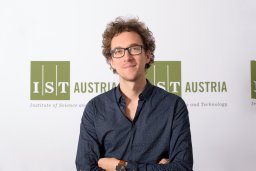 Edouard Hannezo合作论文数IST Austria17
 Cédric Blanpain合作论文数The Universtité Libre de Bruxelles15
 Peter Littlewood合作论文数Department of Physics, Physical Sciences Division, The University of Chicago14
 David J. Jörg合作论文数Max Planck Institute for the Physics of Complex Systems, Nöthnitzer Strasse 38, 01187 Dresden, Germany.13
 Allon M. Klein合作论文数Harvard Medical School, Harvard University13
 Joe Bhaseen合作论文数London Centre for Nanotechnology, Faculty of Mathematical & Physical Sciences, University College London12
 Shosei Yoshida合作论文数Graduate School of Medicine, Kyoto University12
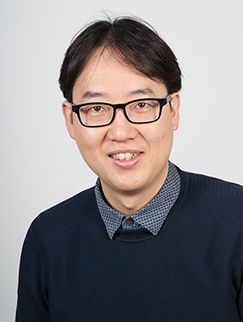 Bon-Kyoung Koo合作论文数Institute for Basic Science;Institute of Molecular Biotechnology12
 Francesca M. Marchetti合作论文数Cavendish Laboratory11
 Dirks Peter合作论文数10Alexander Altland合作论文数10
 Phil Jones合作论文数Wellcome - MRC Cambridge Stem Cell Institute, University of Cambridge/MRC Cancer Unit, University of Cambridge/Department of Ocology, University of Cambridge Department of Ocology, University of Cambridge10Boris L Altshuler合作论文数10Daniel J Kunz合作论文数Wellcome Sanger Inst, Univ Cambridge9
 Bertie Göttgens合作论文数Wellcome - MRC Cambridge Stem Cell Institute, Jeffrey Cheah Biomedical Centre, University of Cambridge;Department of Haematology, University of Cambridge9
 Jacco Van Rheenen合作论文数Division of Cell Biology, The Netherlands Cancer Institute9
 Anna Philpott合作论文数Wellcome - MRC Cambridge Stem Cell Institute, University of Cambridge/Department of Ocology, University of Cambridge9I. E. Smolyarenko合作论文数9
 David Doupé合作论文数Department of Biosciences, Durham University8
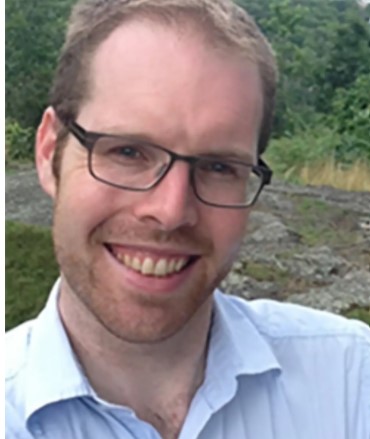 Trevor Pugh合作论文数Department of Medical Biophysics, Temerty Faculty of Medicine, University of Toronto;Princess Margaret Cancer Centre, University Health Network;Translational Genomics Laboratory, Ontario Institute for Cancer Research8
 Michael Taylor合作论文数Department of Medical Biophysics, Temerty Faculty of Medicine, University of Toronto;Departments of Pediatrics, Baylor College of Medicine;Texas Children’s Hospital8
 Hans Clevers合作论文数Utrecht University;Hubrecht Institute8
 Ignacio Bordeu合作论文数Dept Fis, Univ Chile7
 Andrew Green合作论文数UCL Department of Physics and Astronomyhome, University College London;London Centre for Nanotechnology, Faculty of Maths & Physical Sciences, University College London7Ma Yussanne P合作论文数7Luu Betty合作论文数7
 Marco Gallo合作论文数7
 Jonathan Mark James Keeling合作论文数School of Physics and Astronomy, University of St Andrews7
 Florence Cavalli合作论文数Institut Curie7Chatzeli Lemonia合作论文数7
 Fiona Coutinho合作论文数7
 Leonid Butov合作论文数Department of Physics, University of California, San Diego7
 Austen Lamacraft合作论文数Department of Physics, University of Cambridge7
 John Marioni合作论文数Genentech7
 Martin Hohenadler合作论文数Institute for Theoretical and Computational Physics;Graz;University of Technology;Institute for Theoretical and Computational Physics, University of Technology7
 Andy Mungall合作论文数Canada's Michael Smith Genome Sciences Centre, BC Cancer7Michelle Kushida合作论文数The Hospital for Sick Children7Jennifer A. Chan合作论文数6Mary Hoffman合作论文数6Kiran Narta合作论文数6Katrina Ellestad合作论文数6Jennifer C King合作论文数6
 Aaron H Gillmor合作论文数Alberta Childrens Hosp Res Inst6Ngoc Ha Dang合作论文数Arnie Charbonneau Cancer Institute, Department of Oncology, Cumming School of Medicine, University of Calgary, Calgary T2N 1N4, Canada6Ana Nikolic合作论文数6
 Marzena Szymanska合作论文数Department of Physics and Astronomy, Faculty of Maths and Physical Sciences, University College London6
 A. Sorana Morrissy合作论文数1The Hospital For Sick Children6




