The Wahls diet is a modified Paleolithic diet that emphasizes dark green leafy vegetables, colorful fruits, high-quality animal proteins, and omega-3 polyunsaturated fatty acids, while limiting grains, legumes, dairy products, sugar, and processed foods containing proinflammatory omega-6 fatty acids. The Wahls diet may reduce inflammation, oxidative stress, and mitochondrial dysfunction and has plausible mechanisms for slowing amyotrophic lateral sclerosis (ALS) progression. However, research on its dietary components in the ALS animal models has yielded conflicting results. Though multiple cohort studies suggest high carotenoids, omega-3 fatty acids and fruit intake are associated with reduced ALS risks, neither the diet nor its components has been demonstrated to slow down ALS progression in case studies or clinical trials. On the contrary, the Wahls diet, a restrictive, low-carbohydrate and low glycemic index diet, caused an average weight loss of 7.2% BMI in multiple sclerosis clinical trials, which is a significant concern for people living with amyotrophic lateral sclerosis (PALS) as weight loss is associated with faster ALS progression and shorter survival. Considering the above, we cannot endorse the Wahls diet for slowing ALS progression.
ALSUntangled reviews alternative and off-label treatments for people with amyotrophic lateral sclerosis (PALS). Here we review glucocorticoids. Neuroinflammation plays a prominent role in amyotrophic lateral sclerosis (ALS) pathogenesis, so some hypothesize that glucocorticoids might be an effective ALS therapy through their immunosuppressive effects. In this paper, we review the available evidence for glucocorticoids in ALS, including one pre-clinical study with a genetic mouse model of ALS, nine case reports (ranging from 1 to 26 patients each), and four clinical trials. We also review the possible side effects (including steroid myopathy) and the costs of therapy. We graded the level of evidence as follows: Mechanism, D; Pre-Clinical, F; Cases, B; Trials, F; Risks, C. Our review of the current evidence concludes that glucocorticoids do not offer clinical benefit in ALS and confer serious risks. Thus, ALSUntangled does not recommend glucocorticoids as a treatment for ALS.
ALSUntangled reviews alternative and off-label treatments for people living with amyotrophic lateral sclerosis (PALS). Here we review astaxanthin which has plausible mechanisms for slowing ALS progression including antioxidant, anti-inflammatory, and anti-apoptotic effects. While there are no ALS-specific pre-clinical studies, one verified "ALS reversal" occurred in a person using a combination of alternative therapies which included astaxanthin. There have been no trials of astaxanthin in people living with ALS. Natural astaxanthin appears to be safe and inexpensive. Based on the above information, we support further pre-clinical and/or clinical trials of astaxanthin in disease models and PALS, respectively, to further elucidate efficacy.
ALSUntangled reviews alternative and off-label treatments for people living with amyotrophic lateral sclerosis (PALS). Here, we review caffeine which has plausible mechanisms for slowing ALS progression. However, pre-clinical studies are contradictory, and a large case series showed no relationship between caffeine intake and ALS progression rate. While low doses of caffeine are safe and inexpensive, higher doses can cause serious side effects. At this time, we cannot endorse caffeine as a treatment to slow ALS progression.
Lion's Mane (Hericium erinaceus) has historically been used as traditional medicine in Asia and Europe for its potential benefits in fighting infection and cancer. It has gained interest in the neurodegenerative disease field because of its mechanisms of action; these include anti-inflammation, neuroprotection, and promoting neurite growth demonstrated in various cell and animal models. A very small, double-blind, placebo-controlled trial in patients with mild cognitive impairment showed a temporary improvement in cognitive function; this finding has yet to be replicated. However, there have been no studies in ALS cell or animal models or in humans with ALS. Lion's Mane appears safe and inexpensive when consumed in powder or capsule, but one anaphylactic case was reported after a patient consumed fresh Lion's Mane mushroom. Currently, we do not have enough information to support the use of Lion's Mane for treating ALS. We support further research in ALS disease models and clinical trials to study its efficacy.
ALSUntangled reviews alternative and off-label treatments for people living with amyotrophic lateral sclerosis (PALS). Here we review ozone therapy. Ozone therapy has possible mechanisms for slowing ALS progression based on its antioxidant, anti-inflammatory, and mitochondrial effects. A non-peer-reviewed report suggests that ozone treatment may slow progression in a mTDP-43 mouse model of ALS. One verified "ALS reversal " occurred on a cocktail of alternative treatments including ozone. There are no ALS trials using ozone to treat PALS. There can be potentially serious side effects associated with ozone therapy, depending on the dose. Based on the above information, we support an investigation of ozone therapy in ALS cell or animal models but cannot yet recommend it as a treatment in PALS.
ALSUntangled reviews alternative and off-label treatments on behalf of people with ALS who ask about them. Here we review rituximab, a drug which specifically depletes B lymphocytes. We show a current lack of evidence for a role of these cells in ALS progression. The one patient we found who described using Rituximab for their ALS found no benefit. Given all this, and the known serious risks of rituximab, we advise against its use as an ALS treatment.
Vinpocetine (chemical name 14-ethoxycarbonyl(3a,16a-ethyl)-14,15-eburnamine) is a product derived from an alkaloid substance in the periwinkle plant Vinca minor (2). In many countries it is classified as a prescription drug and is used for the treatment of acute stroke and cognitive impairment (3), although systematic reviews have failed to confirm any benefits for patients with these conditions (4,5). In the Unites States, it is classified as a nutritional supplement (3). At least one website claims that Vinpocetine might be “beneficial for ALS” (6). A published case series demonstrated that Vinpocetine was associated with reduced cramping in PALS and suggested further study, including determining whether it could slow ALS progression (7). This review examines Vinpocetine’s potential role in slowing ALS progression.
ALSUntangled reviews alternative and off label treatments with a goal of helping patients make more informed decisions about them. Here we review ketogenic diets. We shows that these have plausible mechanisms, including augmenting cellular energy balance and reducing excitotoxicity, neuroinflammation and oxidative stress. We review a mouse model study, anecdotal reports and trials in ALS and other diseases. We conclude that there is yet not enough data to recommend ketogenic diets for patients with ALS, especially in light of the many side effects these can have.
 Richard Stanley Bedlack合作论文数Department of Neurology, School of Medicine, Duke University11
 Chris McDermott合作论文数Department of Neuroscience, The Medical School, Faculty of Medicine, Dentistry & Health, The University of Sheffield11Gary L. Pattee合作论文数11Bertorini Tulio合作论文数10
 Paul Barkhaus合作论文数10
 Paul Wicks合作论文数Sano Genetics10Mark B. Bromberg合作论文数9Dylan Ratner合作论文数8
 Jesse Crayle合作论文数8Michael Benatar合作论文数7Carmel Armon合作论文数7Isaac Lund合作论文数6
 Gregory T. Carter合作论文数Providence St. Luke's Rehabilitation Medical Center;Gleason Institute for Neuroscience;Elson S. Floyd College of Medicine, Washington State University6Sartaj Jhooty合作论文数5Kaitlyn Pierce合作论文数5
 Eva Feldman合作论文数Department of Neurology, University of Michigan Medical School;Center for Cell Plasticity and Organ Design, University of Michigan;Center for Computational Medicine and Bioinformatics, University of Michigan5
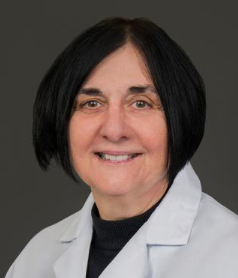 Terry Heiman-Patterson合作论文数Lewis Katz School of Medicine, Temple University5Mazen M. Dimachkie合作论文数University of Texas–Houston Medical School5
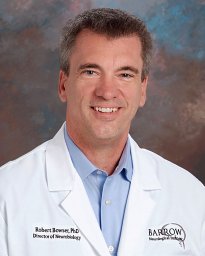 Robert Bowser合作论文数Department of Pathology, University of Pittsburgh Medical School5Javier Mascias Cadavid合作论文数4Morgan Beauchamp合作论文数4
 Kristiana Salmon合作论文数Dept Neurol, McGill Ctr Res Neurosci4Greg Carter合作论文数4
 Xiaoyan Li合作论文数Department of Neurology, Duke University School of Medicine4
 Jonathan Glass合作论文数Emory ALS Center, Department of Neurology, School of Medicine, Emory University4
 Natasha Olby合作论文数College of Veterinary Medicine, NC State University4
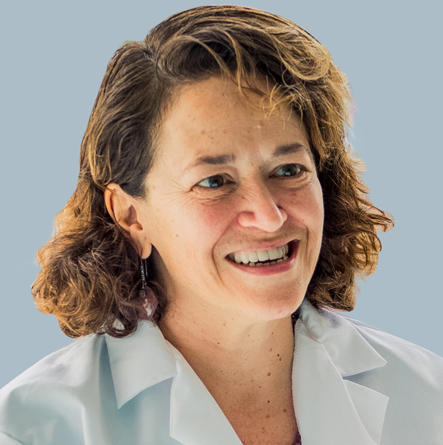 Merit Cudkowicz合作论文数Mass General Research Institute, Massachusetts General Hospital;Department of Neurology, Massachusetts General Hospital;Department of Neurology, Harvard Medical School4Andrew Brown合作论文数3Timothy Fullam合作论文数3Amy Chen合作论文数3Leanne Jiang合作论文数Perron Inst Neurol & Translat Sci3
 Lyle W. Ostrow合作论文数Department of Neurology, Lewis Katz School of Medicine, Temple University3
 Michael S Bereman合作论文数3Gleb Levitsky合作论文数3
 Carlayne E Jackson合作论文数3Mark Terrelonge合作论文数2Yuyao Sun合作论文数2
 Nicholas John Maragakis合作论文数Department of Otolaryngology-Head and Neck Surgery, School of Medicine, Johns Hopkins University2Caress James B合作论文数2
 Staats Kim A合作论文数2
 Pamela P. Kittrell Msn合作论文数2
 Sabrina Paganoni合作论文数Neurological Clinical Research Institute, Massachusetts General Hospital;Center for ALS, Massachusetts General Hospital;Harvard Medical School2Volkan Granit合作论文数Istanbul Medical Faculty, Istanbul University Capa2Martina Wiedau合作论文数1Ashley Whyte-Rayson合作论文数1Carlayne E. Jackson合作论文数1Elise Mallon合作论文数1Terri Heiman-Patterson合作论文数1Jill Ann Goslinga合作论文数1




