The human lung normally accommodates exercise-induced cardiac output increases mainly via recruitment of non-concomitantly perfused pulmonary capillaries. Recruitment is detectable by measuring the first-pass transpulmonary metabolism of 3H-benzoyl-Phe-Ala-Pro, providing an estimate of functional capillary surface area (FCSA). Pulmonary arterial hypertension (PAH) results from luminal narrowing of small precapillary arterioles, reducing downstream perfused FCSA. We hypothesized that exercising PAH patients would not be able to recruit FCSA normally. We studied two patients with severe PAH. Despite exercising to maximal dyspnea, neither could recruit FCSA. These limited data are the first direct measurements of FCSA in exercising PAH patients.
BACKGROUND:Interpretation of blood gases is essential for the correct practice of medicine. Normal ranges for arterial blood gases (ABG) have not been extensively studied in the older population. Also, venous blood gases and venous-arterial pCO2 gradient have not been studied in this population, even though they signify the majority of hospitalized patients. OBJECTIVES:To determine the normal range for ABG and the bias limits of agreement for arterial-venous difference in the elderly population. METHODS:We recruited 130 elderly patients (> 70 years) and obtained blood gas measurements from venous and arterial blood. Patients were divided into four categories: healthy patients, patients with stable chronic pulmonary disease, hospitalized patients with acute respiratory illness, and hospitalized patients without respiratory disease. Samples were analyzed in a point of care analyzer. RESULTS:Mean PaCO2 was 36.9 ± 4.2 mmHg for the healthy control group, 37.0 ± 4.8 mmHg in the stable chronic respiratory group, 37.0 ± 5.0 mmHg in the non-respiratory hospitalization group, and 42.3 ± 11.4 mmHg for the respiratory hospitalization group, Kruskall-Wallis, P <0.0025. Mean bias between venous and arterial CO2 was +10.0 mmHg with 95% limits of agreement between 2.7 mmHg and -22.8 mmHg. CONCLUSIONS:In elderly patients, the range of PaCO2 measurements was similar to the accepted normal range in clinical practice. Venous-arterial PCO2 gradient had high bias and wide limits of agreement, similar to previously published studies.
Pulmonary arterial hypertension (PAH) frequently is associated with an imbalance in antiproliferative bone morphogenic protein-2 receptor signaling and proproliferative type-II activin receptor signaling, favoring the latter. Sotatercept is an activin ligand trap that reduces the dominant detrimental activin signaling and provides clinical benefit. We report a patient with heritable PAH in whom sotatercept had neither positive nor negative effects; we relate that fact to his PAH being caused by a previously unreported variant of unknown significance (c.1276T>C, p.[Cys426Arg]) in the GDF2 gene. GDF2 encodes bone morphogenic protein type-9, the presence of which is required for proper functioning of the pulmonary microvasculature. Low levels of functionally active bone morphogenic protein type-9 contribute to PAH. As we enter an era of precision medicine for patients with PAH with increasingly costly therapies, genetic screening may direct appropriate therapy and limit the use of expensive but likely ineffective therapies.
Abstract Introduction Sleep disorders and deprivation disrupt people's daily activities, mental health, and longevity and are related to widespread conditions. Currently, sleep disorders are diagnosed via polysomnography (PSG), where electrophysiological data is collected and manually annotated by a clinician. State of the art machine learning (ML) models, such as the transformer, are particularly well-suited for modeling timeseries PSG data. Specifically, self-supervised models with linear probing could assist with any relevant sleep predictive task including automating sleep stage classification, which would save clinicians time, reduce variability in manual scoring, and help scale to treat more people. Methods Using a self-supervised learning approach and the transformer architecture, we trained a self-supervised ML model that inputs seven PSG channels of length three hours including electroencephalogram, electrooculogram, electromyography, electrocardiography, oxygen saturation, and thoracic and abdomen respiratory rate using the Sleep Heart Health Study database (1995-1998). The model architecture uses the transformer’s attention mechanism to learn long range dependencies between intervals of sleep and a convolutional layer to learn relationships among channels. The model learns representations of PSG data through masked reconstruction with a mean squared error loss function. The representations are used as input into a deep neural network that is trained via linear probing (without adjusting the weights of the transformer model) to classify sleep stages. Results 5,794 sleep studies from the Sleep Heart Health Study with at least three hours of relevant PSG sleep channel and hypnogram data are included in training the self-supervised and linear probing models. Area under the receiver operator characters curve for sleep stage classification are 0.960 [0.960-0.961], 0.848 [0.846-0.849], 0.906 [0.906-0.907], 0.968 [0.967-0.968], and 0.931 [0.930-0.932] for wake, stage 1, stage 2, stage 3, and REM, respectively. Hyperparameter tuning, class weighting, and dataset cleaning will be performed to increase classification results. Conclusion A self-supervised training approach using the transformer architecture with linear probing was utilized to learn multichannel PSG data representations. These representations were used as input into a downstream model to classify sleep stages accurately. Future work should be done to examine the capabilities of the self-supervised model representations for other predictive sleep tasks. Support (if any) NIH K25HL151912, NIH R01HL171813, NIH R21HL165320
Importance Increased intracranial pressure (ICP) is associated with adverse neurological outcomes, but needs invasive monitoring. Objective Development and validation of an AI approach for detecting increased ICP (aICP) using only non-invasive extracranial physiological waveform data. Design Retrospective diagnostic study of AI-assisted detection of increased ICP. We developed an AI model using exclusively extracranial waveforms, externally validated it and assessed associations with clinical outcomes. Setting MIMIC-III Waveform Database (2000-2013), a database derived from patients admitted to an ICU in an academic Boston hospital, was used for development of the aICP model, and to report association with neurologic outcomes. Data from Mount Sinai Hospital (2020-2022) in New York City was used for external validation. Participants Patients were included if they were older than 18 years, and were monitored with electrocardiograms, arterial blood pressure, respiratory impedance plethysmography and pulse oximetry. Patients who additionally had intracranial pressure monitoring were used for development (N=157) and external validation (N=56). Patients without intracranial monitors were used for association with outcomes (N=1694). Exposures Extracranial waveforms including electrocardiogram, arterial blood pressure, plethysmography and SpO 2 . Main Outcomes and Measures Intracranial pressure > 15 mmHg. Measures were Area under receiver operating characteristic curves (AUROCs), sensitivity, specificity, and accuracy at threshold of 0.5. We calculated odds ratios and p-values for phenotype association. Results The AUROC was 0.91 (95% CI, 0.90-0.91) on testing and 0.80 (95% CI, 0.80-0.80) on external validation. aICP had accuracy, sensitivity, and specificity of 73.8% (95% CI, 72.0%-75.6%), 99.5% (95% CI 99.3%-99.6%), and 76.9% (95% CI, 74.0-79.8%) on external validation. A ten-percentile increment was associated with stroke (OR=2.12; 95% CI, 1.27-3.13), brain malignancy (OR=1.68; 95% CI, 1.09-2.60), subdural hemorrhage (OR=1.66; 95% CI, 1.07-2.57), intracerebral hemorrhage (OR=1.18; 95% CI, 1.07-1.32), and procedures like percutaneous brain biopsy (OR=1.58; 95% CI, 1.15-2.18) and craniotomy (OR = 1.43; 95% CI, 1.12-1.84; P < 0.05 for all). Conclusions and Relevance aICP provides accurate, non-invasive estimation of increased ICP, and is associated with neurological outcomes and neurosurgical procedures in patients without intracranial monitoring.
Objectives/Background: To estimate prevalence and severity of excessive daytime sleepiness among patients with obstructive sleep apnea (OSA) who were prescribed treatment; assess perception and satisfaction of OSA-related care; describe relationships between excessive daytime sleepiness, treatment adherence, and patient satisfaction. Patients/methods: A national population-based cross-sectional sample of US adults with clinician-diagnosed OSA was surveyed in January 2021 via Evidation Health's Achievement App. Patients completed the Epworth Sleepiness Scale, rated satisfaction with healthcare provider and overall OSA care, and reported treatment adherence. Covariates affecting excessive daytime sleepiness (average weekly sleep duration, treatment adherence, sleepiness-inducing medications, age, sex, body mass index, nasal congestion, smoking status, and comorbidities) were adjusted in multivariate regression models. Results: In 2289 participants (50.3 % women; 44.8 +/- 11.1 years), EDS was highly prevalent (42 %), and was experienced by 36 % of patients with high positive airway pressure (PAP) therapy adherence. Each additional hour of nightly PAP use was associated with improved sleepiness (a 0.28-point lower Epworth score; p < 0.001). Excessive daytime sleepiness was associated with lower patient satisfaction with healthcare providers and overall care (OR [95 % CI] 0.62 [0.48-0.80] and 0.50 [0.39-0.64], respectively; p < 0.0001), whereas PAP adherence was associated with higher patient satisfaction (OR [95 % CI] 2.37 [1.64-3.43] and 2.91 [2.03-4.17]; p < 0.0001), after adjusting for confounders. Conclusions: In a real-world population-based study of patients with OSA, excessive daytime sleepiness was highly prevalent and associated with poor patient satisfaction ratings. Better patient-centered care among patients with OSA may require interventions aimed at addressing excessive daytime sleepiness and treatment adherence.
Increased intracranial pressure (ICP) >= 15 mmHg is associated with adverse neurological outcomes, but needs invasive intracranial monitoring. Using the publicly available MIMIC-III Waveform Database (2000-2013) from Boston, we developed an artificial intelligence-derived biomarker for elevated ICP (aICP) for adult patients. aICP uses routinely collected extracranial waveform data as input, reducing the need for invasive monitoring. We externally validated aICP with an independent dataset from the Mount Sinai Hospital (2020-2022) in New York City. The AUROC, accuracy, sensitivity, and specificity on the external validation dataset were 0.80 (95% CI, 0.80-0.80), 73.8% (95% CI, 72.0-75.6%), 73.5% (95% CI 72.5-74.5%), and 73.0% (95% CI, 72.0-74.0%), respectively. We also present an exploratory analysis showing aICP predictions are associated with clinical phenotypes. A ten-percentile increment was associated with brain malignancy (OR = 1.68; 95% CI, 1.09-2.60), intracerebral hemorrhage (OR = 1.18; 95% CI, 1.07-1.32), and craniotomy (OR = 1.43; 95% CI, 1.12-1.84; P < 0.05 for all).
Abstract Introduction Currently, a typical home sleep test only measures respiratory signals, not actual sleep. Therefore, results may be inconclusive or false. Current practice also allows for one-night sleep study at home, that may also affect the results and render them inconclusive. Given these limitations, there is a growing need for a more convenient, accurate, and cost-effective method to diagnose sleep disorders at home. The method should allow patients to connect by themselves to the device at home and allow remote real-time monitoring. It should also provide the possibility for a study that spans over several nights. Methods Forty seven adults (mean ± SD age 52.2 ± 12.8 years, 19% females, body mass index 29.4 ± 5.3 kg/m2) used the DormoTech V-lab and simultaneously underwent a full PSG test using the Nox A1 system (K192469). Quantitative methods such as Bland–Altman plots, correlation analysis, and Passing-Bablok regression analysis were used to assess the extent of agreement between the Nox device and the Vlab device. The tests were manually scored based on recommended guidelines. Results The mean ± standard deviation apnea-hypopnea index (AHI) was 21.72 ± 24.17 events/h on the Vlab device, 21.50 ±23.86 events/h on in-laboratory PSG NoxA1 system with a p-value of 0.732. Bland-Altman analysis of AHI showed a mean difference of −0.193; the limits of agreement were −7.209 to 6.823 events/h. High agreements across the AHI severity levels. Precision, recall (equivalent to sensitivity), and F1-scores ranged from 0.88 to 1.00, indicating high accuracy and reliability. The correlation coefficients are predominantly above 0.9. Similar results were obtained for the secondary endpoints, with no statistically significant differences and high correlation. no safety event occurred. Conclusion There is a substantial consistency across the Vlab, and the selected PSG device in capturing various sleep metrics. This consistency is substantiated by robust statistical analyses. In essence, the high level of agreement between these devices sets a strong foundation for their reliability and consistency in sleep diagnostics. The Vlab is deemed substantially equivalent to the reference device NOX in terms of safety, usability, and efficacy. Support (if any)
Study Objectives:To investigate whether a foundational transformer model using 8-hour, multichannel data from polysomnograms can outperform existing artificial intelligence (AI) methods for sleep stage classification. Methods:We utilized the Sleep Heart Health Study (SHHS) visits 1 and 2 for training and validation and the Multi-Ethnic Study of Atherosclerosis (MESA) for testing of our model. We trained a self-supervised foundational transformer (called PFTSleep) that encodes 8-hour long sleep studies at 125 Hz with 7 signals including brain, movement, cardiac, oxygen, and respiratory channels. These encodings are used as input for training of an additional model to classify sleep stages, without adjusting the weights of the foundational transformer. We compared our results to existing AI methods that did not utilize 8-hour data or the full set of signals but did report evaluation metrics for the SHHS dataset. Results:We trained and validated a model with 8,444 sleep studies with 7 signals including brain, movement, cardiac, oxygen, and respiratory channels and tested on an additional 2,055 studies. In total, we trained and tested 587,944 hours of sleep study signal data. Area under the precision recall curve (AUPRC) scores were 0.82, 0.40, 0.53, 0.75, and 0.82 and area under the receiving operating characteristics curve (AUROC) scores were 0.99, 0.95, 0.96, 0.98, and 0.99 for wake, N1, N2, N3, and REM, respectively, on the SHHS validation set. For MESA, the AUPRC scores were 0.56, 0.16, 0.40, 0.45, and 0.65 and AUROC scores were 0.94, 0.77, 0.87, 0.91, and 0.96, respectively. Our model was compared to the longest context window state-of-the-art model and showed increases in macro evaluation scores, notably sensitivity (3.7% increase) and multi-class REM (3.39% increase) and wake (0.97% increase) F1 scores. Conclusions:Utilizing full night, multi-channel PSG data encodings derived from a foundational transformer improve sleep stage classification over existing methods.
AbstractBackgroundObstructive sleep apnea (OSA) is a highly prevalent sleep disorder that is often associated with numerous medical and psychiatric comorbidities. Patients with OSA experience a variety of symptoms that can be burdensome and affect their quality of life and satisfaction with care. Excessive daytime sleepiness (EDS) is a common symptom of OSA, and can persist despite primary airway therapy (e.g., positive airway pressure [PAP]). This analysis aimed to characterize common comorbidities, as well as symptoms present at OSA diagnosis and their burden in a real-world population of participants with OSA.MethodsUS residents (≥18 years of age, self-reported clinician diagnosis of OSA [from 1/1/2015 to 3/31/2020]) completed a survey in Evidation Health’s Achievement app that assessed self-reported sleepiness (Epworth Sleepiness Scale [ESS]), self-reported PAP usage, self-reported physician-diagnosed comorbidities, and information on their symptoms at time of OSA diagnosis. Self-reported PAP use was categorized as nonuse (no PAP use), nonadherent (<4 h/night or <5 d/wk), intermediate (4–6 h/night, ≥5 d/wk), or highly adherent (≥6 h/night, ≥5 d/wk). EDS was defined as ESS score >10. All data were summarized descriptively.ResultsIn total, 2289 participants completed the survey (50.3% female; 82.5% White; mean ± standard deviation [SD] age, 44.8 ± 11.1 years; mean ± SD age at OSA diagnosis, 40.7 ± 11.4 years; mean ± SD body mass index, 35.4 ± 8.7 kg/m2); 42.5% had EDS. Among the total population, 30.6% were PAP non-users, 6.7% were nonadherent, 9.8% were intermediate adherent, and 52.9% were highly adherent. Across the study population, the most common self-reported physician-diagnosed comorbidities were anxiety (44%) and depression (42%) followed by hypertension (39%), dyslipidemia (26%), and asthma (21%). Among the symptoms participants reported having had at the time of OSA diagnosis, the most common were EDS (79%), fatigue (79%), snoring (75%), and awakening with a dry mouth or sore throat (63%). Concentration/Memory problems (48%) and mood changes (46%) were also common. In the overall population, the symptoms present at the time of OSA diagnosis that were most likely to be highly burdensome were fatigue (53%), EDS (46%), snoring (35%), difficulty concentrating/memory issues (31%), and mood changes (25%).ConclusionsThese real-world survey data identify anxiety and depression as the most frequently reported comorbidities in a population of participants with OSA, each affecting over 40% of participants. In addition to classic OSA symptoms (e.g., EDS, fatigue, snoring, and awakening with dry mouth/sore throat), concentration/memory problems and mood changes were also common at the time of OSA diagnosis and were among the presenting symptoms most frequently reported as highly burdensome, along with fatigue, EDS, and snoring.FundingAxsome Therapeutics and Jazz Pharmaceuticals
BACKGROUNDThe DES-obstructive sleep apnea (DES-OSA) score uses morphological characteristics to predict the presence and severity of obstructive sleep apnea syndrome (OSAS).OBJECTIVESTo validate DES-OSA scores on the Israeli population. To identify patients requiring treatment for OSAS. To evaluate whether additional parameters could improve the diagnostic value of DES-OSA scores.METHODSWe performed a prospective cohort study on patients attending a sleep clinic. Polysomnography results were examined independently by two physicians. DES-OSA scores were calculated. STOP and Epworth questionnaires were administered, and data on cardiovascular risk was extracted.RESULTSWe recruited 106 patients, median age 64 years, 58% male. DES-OSA scores were positively correlated with apnea-hypopnea index (AHI) (P < 0.001) and were significantly different between the OSAS severity groups. Interobserver agreement for calculating DES-OSA was very high between the two physicians (intraclass correlation coefficient 0.86). DES-OSA scores ≤ 5 were associated with high sensitivity and low specificity (0.90 and 0.27, respectively) for moderate to severe OSAS. In univariate analysis, only age was significantly correlated with the presence of OSAS (OR 1.26, P = 0.01). Age older than 66 years as a single point in the DES-OSA score slightly improved the sensitivity of the test.CONCLUSIONSDES-OSA is a valid score based solely on physical examination, which may be useful for excluding OSAS requiring therapy. DES-OSA score ≤ 5 effectively ruled out moderate to severe OSAS. Age older than 66 years as an extra point improved the sensitivity of the test.
AbstractBackgroundObstructive sleep apnea (OSA) is a sleep disorder that is highly comorbid with psychiatric disorders, including depression and anxiety. Excessive daytime sleepiness (EDS) is common in psychiatric disorders and OSA. In participants with OSA, EDS can persist despite use of positive airway pressure (PAP) therapy. This analysis of real-world data aimed to describe EDS and its relationship with PAP use in participants with and without depression.MethodsUS residents (≥18 years of age, self-reported physician diagnosis of OSA [from 1/1/2015 to 3/31/2020]) completed a survey in Evidation Health’s Achievement app assessing subjective levels of sleepiness (Epworth Sleepiness Scale [ESS]) and self-reported PAP usage, categorized as nonuse (no PAP use), nonadherent (<4 h/night or <5 d/wk), intermediate (4-6 h/night, ≥5 d/wk), or highly adherent (≥6 h/night, ≥5 d/wk). ESS score >10 defined EDS. A linear model assessed relationships between PAP use and ESS score. P-values are uncontrolled for multiplicity (nominal).ResultsIn total, 2289 participants (EDS, n=972; no EDS, n=1317) completed the survey (50.3% female; 82.5% White; mean±standard deviation [SD] age, 44.8 ± 11.1 years). Anxiety and depression were the most common comorbidities and were more common in participants with EDS (49% and 49%, respectively) than those without EDS (41% and 37%, respectively). Overall, EDS was more common among participants with comorbid depression (49%) than those without (38%), even among highly adherent PAP users (46% vs 30%, respectively). In a linear model (PAP users only), an additional 1 h/night of PAP use was associated with lower ESS scores in the subgroup of participants without depression (n=928; estimate [SE], −0.42 [0.09]; P<0.05), but not in the subgroup with depression (n=661; estimate [SE], −0.15 [0.10]; P>0.05). In a sensitivity analysis that excluded participants using medications that cause sleepiness, PAP use was associated with lower ESS scores regardless of depression status; however, EDS remained more common in participants with comorbid depression (46%) than in those without (36%).ConclusionsIn this real-world population of participants with OSA, those with EDS were more likely to have comorbid anxiety or depression. EDS was more common in participants with comorbid depression than those without, even with highly adherent PAP use. PAP use was associated with lower ESS scores in participants without comorbid depression, but not in those with comorbid depression; the use of medications that cause sleepiness may contribute to but does not fully explain this phenomenon.FundingAxsome Therapeutics and Jazz Pharmaceuticals
Abstract Introduction Excessive daytime sleepiness (EDS) is common in obstructive sleep apnea (OSA), despite positive airway pressure (PAP) therapy. These analyses evaluated EDS prevalence and its relationship with satisfaction with care in participants with OSA receiving OSA care in a primary care setting. Methods US residents (aged ≥18 years, self-reported physician OSA diagnosis [1/1/2015–3/31/2020]) completed a survey in Evidation Health’s Achievement app assessing Epworth Sleepiness Scale (ESS), specialties of healthcare providers (HCPs) treating OSA, PAP usage, and satisfaction with HCPs and overall OSA care. Self-reported PAP use was categorized: nonuse, nonadherent (<4 h/night, <5 d/wk), intermediate (4–6 h/night, ≥5 d/wk), or highly-adherent (≥6 h/night, ≥5 d/wk) (PAP-adherent=intermediate+highly-adherent groups). Linear modeling assessed the relationship between PAP use and ESS score; logistic regression assessed impacts of PAP adherence and EDS on satisfaction with care. P-values are uncontrolled for multiplicity. Results Participants (N=2289) were 50.3% female; 82.5% White; 44.8±11.1 years old (mean±SD); with BMI 35.4±8.7 kg/m2; 42.5% had EDS (ESS>10). OSA was primarily managed by sleep specialists (43.5%), general practitioners (GPs) (42.5% [28.9% saw a GP only; 13.6% saw a GP and a specialist/pulmonologist]), and/or pulmonologists (18.0%). Among participants with OSA managed by a GP only (n=662), proportions (95% CI) with EDS were: PAP nonuse (49% [42.8–54.9]), nonadherent (47% [31.5–63.2]), intermediate (47% [33.4–60.8]), and highly-adherent (35% [29.3–39.9]). Linear modeling (PAP users; n=398) showed an additional h/night of PAP use was associated with lower ESS scores (estimate [SE], –0.26 [0.13]; P<0.05); logistic regression showed association between PAP adherence and higher satisfaction with HCPs (adjOR=2.26; 95% CI=1.09–4.70; P<0.05) and OSA care (adjOR=1.58; 95% CI=0.75–3.36; P>0.05). There was an association between presence of EDS and lower satisfaction with their HCPs (adjOR=0.62; 95% CI=0.39–0.99; P<0.05) and OSA care (adjOR=0.49; 95% CI=0.31–0.79; P<0.05). Conclusion In a real-world population of participants with OSA receiving OSA care from GPs, EDS was common, even among highly-adherent PAP users. ESS scores were generally lower with increasing PAP adherence. PAP adherence was associated with increased satisfaction with their HCPs; EDS was associated with lower satisfaction with HCPs and overall OSA care. Support (If Any) Jazz Pharmaceuticals
BackgroundNon-invasive ventilation (NIV) is effective in a variety of acute respiratory illnesses in hospitalised patients. Home NIV is effective for stable patients with hypercapnia due to neuromuscular or chronic pulmonary disease. However, there are little data to guide which patients may benefit from NIV immediately following hospitalisation with hypercapnia.ObjectiveTo evaluate outcomes of patients with daytime hypercapnia at the end of an acute hospital admission.DesignRetrospective cohort study.ParticipantsEntry into the cohort was by querying the hospital electronic medical system for consultations regarding NIV after discharge. Cases received NIV and controls did not. We extracted data on demographics, ICD-9 diagnoses and medications coded at admission, blood gas measurements and dates of discharge, first readmission and death.InterventionNone.Main measurementTime from hospital discharge to mortality or readmission.Key resultsWe identified 585 cases and 53 controls who survived to discharge at the index admission. Cases and controls were broadly similar in age and Charlson Comorbidity Index. In the whole cohort, cases treated with home NIV were at increased risk of death compared with controls (HR 1.88 95% CI 1.17 to 3.03). In multivariate Cox regression for all-cause mortality, poor prognostic factors were increasing age (HR 1.03 per year, 95% CI 1.02 to 1.04), cardiac failure (HR 1.31, 95% CI 1.01 to 1.67) and failure to attend NIV follow-up (HR 2.33, 95% CI 1.33 to 4.10). In contrast, chronic respiratory disease was associated with improved prognosis (HR 0.77, 95% CI 0.61 to 0.97) as was sleep apnoea (HR 0.44, 95% CI 0.23 to 0.83). Cases did not have different time-to-readmission compared with controls (HR 1.42 95% CI 0.99 to 2.02).ConclusionTransitioning to home NIV after a hypercapnic hospitalisation may be useful in younger, co-operative patients with chronic respiratory disease. For older patients or those with cardiac failure, home NIV may not be beneficial and may potentially be harmful.
Exercise-induced increases in pulmonary blood flow normally increase pulmonary arterial pressure only minimally, largely due to a reserve of pulmonary capillaries that are available for recruitment to carry the flow. In pulmonary arterial hypertension, due to precapillary arteriolar obstruction, such recruitment is greatly reduced. In exercising pulmonary arterial hypertension patients, pulmonary arterial pressure remains high and may even increase further. Current pulmonary arterial hypertension therapies, acting principally as vasodilators, decrease calculated pulmonary vascular resistance by increasing pulmonary blood flow but have a minimal effect in lowering pulmonary arterial pressure and do not restore significant capillary recruitment. Novel pulmonary arterial hypertension therapies that have mainly antiproliferative properties are being developed to try and diminish proliferative cellular obstruction in precapillary arterioles. If effective, those agents should restore capillary recruitment and, during exercise testing, pulmonary arterial pressure should remain low despite increasing pulmonary blood flow. The effectiveness of every novel therapy for pulmonary arterial hypertension should be evaluated not only at rest, but with measurement of exercise pulmonary hemodynamics during clinical trials.
Background:Severe asthma affects up to 20,000 citizens of Israel. Novel biological therapies, which individually have been proven to reduce asthma morbidity in clinical trials, have become available in recent years. Comparative data among different drugs are scarce. Objectives:To describe and compare the clinical outcomes of biological therapies in severe asthma patients treated at Shamir Medical Center. Methods:We conducted a cohort study based on a review of cases treated with monoclonal antibodies for severe asthma at our center. Data were extracted for demographics, eosinophil count, lung function (FEV1), exacerbation rate, and median dose of oral prednisone. Between-drug comparison was con-ducted by repeated measures ANOVA. Results:The cohort included 62 patients receiving biological therapy. All biologic drugs were found to reduce exacerbation rate [F(1, 2) = 40.4, P < 0.0001] and prednisone use [F(1, 4) = 16, P < 0.001] significantly. ANOVA revealed no difference of efficacy endpoints between the different drugs. Eosinophil count was significantly reduced post-biologic treatment in the anti-interleukin-5 agents (P < 0.001) but not under treatment with omalizumab and dupilumab. Conclusions:All of the biological therapies were effective for improving clinical outcomes. None of the agents was clearly superior to any other. These data emphasize the need for severe asthma patients to be seen by pulmonary medicine specialists and offered, where appropriate, biological therapies.
Abstract Introduction Excessive daytime sleepiness (EDS) is common in patients with obstructive sleep apnea (OSA) and can persist despite use of positive airway pressure (PAP) therapy. These analyses assessed relationships between EDS, PAP use, and patient satisfaction across several aspects of OSA care in a real-world population with OSA. Methods US residents (aged ≥18 years, self-reported physician OSA diagnosis [1/1/2015–3/31/2020]) completed a survey in Evidation Health’s Achievement app assessing Epworth Sleepiness Scale (ESS), PAP usage, and satisfaction with care. Self-reported PAP use was categorized as nonuse, nonadherent (<4 h/night; <5 d/wk), intermediate (4–6 h/night, ≥5 d/wk), or highly adherent (≥6 h/night, ≥5 d/wk) (PAP-adherent=intermediate and highly adherent groups). Logistic regression models assessed impacts of PAP adherence and EDS on satisfaction with care across 7 domains. P-values are uncontrolled for multiplicity (nominal). Results Among all participants (N=2289; 50.3% female, 82.5% White, 44.8±11.1 years old [mean±SD], 35.4±8.7 kg/m2 body mass index [mean±SD]), 42.5% had EDS (ESS>10). PAP use was: nonuse (n=700), nonadherent (n=153), or adherent (n=1436; intermediate n=225, high n=1211). Within these subgroups, the proportions (95% CI) with EDS were: nonuse (47% [43.7–51.1]), nonadherent (52% [44.4–60.2]), intermediate (53% [46.4–59.4]), and highly adherent (36% [33.7–39.1]). Logistic regression (using data from PAP users) showed a positive association of PAP adherence with satisfaction with PAP (OR [95% CI]: 5.43 [3.73–7.90]); OSA treatment effectiveness (3.56 [2.48–5.12]); OSA symptom management (3.15 [2.17–4.57]); coordination of OSA care (2.60 [1.82–3.72]); and education from their healthcare provider on the impact of OSA on cardiovascular health (1.62 [1.13–2.35]), importance of using PAP (1.7 [1.15–2.52]), or availability of prescription drugs to treat OSA symptoms (1.55 [1.06–2.26]). The presence of EDS was associated with lower patient satisfaction in nearly all domains examined (ORs ranged from 0.44–0.62 across 6 of 7 domains). Conclusion EDS was common in this real-world population with OSA, even among participants who were highly adherent PAP users. PAP adherence was associated with higher patient satisfaction across all care domains; the presence of EDS was associated with lower patient satisfaction across 6 of 7 domains. Support (If Any) Jazz Pharmaceuticals
 Mordechai R. Kramer合作论文数Sackler Faculty of Medicine, Tel Aviv University57
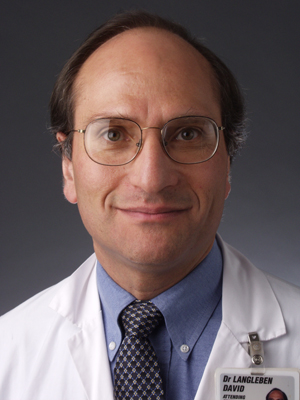 David Langleben合作论文数Center for Pulmonary Vascular Disease, Jewish General Hospital23Yael Raviv合作论文数Rabin Medical Center, Pulmonary Institute21
 Baruch Vainshelboim合作论文数18David Shitrit合作论文数17
 Oren Fruchter合作论文数16Andrew Hirsch合作论文数Division of Respiratory, Department of Medicine, Faculty of Medicine and Health Sciences, McGill University12Anat Amital合作论文数10
 Leonardo Fuks合作论文数Pulmonary Institute, Tel Aviv University9Robert D Schlesinger合作论文数8Rudski Lawrence G合作论文数8Rosengarten Dror合作论文数8
 Mark Eisenberg合作论文数Department of Epidemiology, Biostatistics and Occupational Health, School of Population and Global Health, McGill University;Division of Clinical Epidemiology, Jewish General Hospital;Center for Clinical Epidemiology and Community Studies8Avi Shimony合作论文数8Shimon Izhakian合作论文数7
 Nir Peled合作论文数Oncology Division, Shaare Zedek Medical Center, The Hebrew University7
 Tim Henwood合作论文数7Victoria Rusanov合作论文数6Danielle Hyman合作论文数6José Oliveira合作论文数6
 Nell Marshall合作论文数Evidation Health6Ilana Bakal合作论文数6
 Gregory S. Parks合作论文数Department of Pharmacology, University of California6
 Ragy Saad合作论文数5James Doherty合作论文数5Jerry Zhang合作论文数5
 John D Catravas合作论文数Vascular Biology Center, Medical College of Georgia5Michele Giovinazzo合作论文数5
 Christine C Neville合作论文数5
 Sairam Parthasarathy合作论文数5
 Stylianos E Orfanos合作论文数Evangelismos General Hospital, University of Athens Medical School5
 Walter G Wasser合作论文数Mayanei HaYeshua Med Ctr4
 Evgeni Gershman合作论文数4Justin W. L. Keogh合作论文数4
 Girish N. Nadkarni合作论文数University Hospital of College of Physicians and Surgeons, Columbia University4Milton Saute合作论文数4
 Brent Hodgkinson合作论文数BlueCare4Dominique Joyal合作论文数4Kim Boutet合作论文数4Noam Natif合作论文数3Murad Shihab合作论文数3Lev Eldemir合作论文数3Mai Ka Ying Vang合作论文数3Osnat Shtraichman合作论文数3Ali Abualsaud合作论文数3
 Eytan Mor合作论文数3Susan Morris合作论文数Jazz Pharmaceut3Patricia Kovatch合作论文数Icahn Sch Med Mt Sinai, Dept Genet & Genom Sci, New York, NY 10029 USA3Rozen-Zvi Benaya合作论文数3




