BACKGROUND:Cannabis constituents, including Δ9-tetrahydrocannabinol (THC) and cannabidiol (CBD), show distinct pharmacological profiles with therapeutic relevance for neurological and psychiatric conditions. THC exerts euphoric effects primarily via CB1 receptor activation, while CBD displays non-euphoric properties affecting various pathways. AIMS:This study evaluated the effects of THC, CBD, and their combination on brain functional connectivity (FC) and cerebral blood flow (CBF) using multimodal neuroimaging. METHODS:Adult male Sprague Dawley rats received intraperitoneal doses of 10 mg/kg THC, 150 mg/kg CBD, 10.8:10 mg/kg THC:CBD, or vehicle. Resting-state blood oxygenation level dependent magnetic resonance imaging and arterial spin labelling assessed FC and CBF, approximately 2 h after drug administration. Graph-theory metrics and seed-based analyses identified connectivity and perfusion alterations, while plasma analyses determined cannabinoid concentrations. RESULTS:THC increased whole-brain FC and clustering coefficient, with elevated CBF in cortical and subcortical regions. CBD decreased FC metrics without affecting CBF, while THC:CBD induced moderate increases in both. Seed-based analysis revealed THC-driven increases in cortical-hippocampal and cortical-striatal connectivity, attenuated in the THC:CBD group. A multivariate combined analysis of FC and CBF revealed a divergent pattern of changes induced by each drug. CONCLUSIONS:In conclusion, we show that THC and CBD induce distinct neurophysiological profiles in rats, with THC increasing both connectivity and perfusion, moderated by CBD when combined. These findings corroborate existing knowledge about the effects of cannabinoids on the brain, while also supporting the potential of preclinical functional neuroimaging to delineate cannabinoid-induced endophenotypes, offering insights for therapeutic development.
Essential tremor (ET) is one of the most common motor disorders with debilitating effects on the affected individuals. The endocannabinoid system is widely involved in cerebellar signaling. Therefore, modulation of cannabinoid-1 receptors (CB1Rs) has emerged as a novel target for motor disorders. In this study, we aimed to assess whether modulation of cannabinoid receptors (CBRs) could alter the electrophysiological properties of Purkinje cells (PCs) in the harmaline-induced ET model. Male Wistar rats were assigned to control, harmaline (30mg/kg), CBR agonist WIN 55,212-2 (WIN; 1mg/kg), CB1R antagonists AM251 (1mg/kg) and rimonabant (10mg/kg). Spontaneous activity and positive and negative evoked potentials of PCs were evaluated using whole-cell patch clamp recording. Findings demonstrated that harmaline exposure induced alterations in the spontaneous and evoked firing behavior of PCs, as evidenced by a significant decrease in the mean number of spikes and half-width of action potential in spontaneous activity. WIN administration exacerbated the electrophysiological function of PCs, particularly in the spontaneous activity of PCs. However, CB1R antagonists provided protective effects against harmaline-induced electrophysiological changes in the spontaneous activity of PCs. Our findings reinforce the pivotal role of the endocannabinoid system in the underlying electrophysiological mechanisms of cerebellar disorders and suggest that antagonism of CB1R might provide therapeutic utility.
Cannabidiol (CBD), a non-euphoric component of cannabis, reduces seizures in multiple forms of pediatric epilepsies, but the mechanism(s) of anti-seizure action remain unclear. In one leading model, CBD acts at glutamatergic axon terminals, blocking the pro-excitatory actions of an endogenous membrane phospholipid, lysophosphatidylinositol (LPI), at the G-protein-coupled receptor GPR55. However, the impact of LPI-GPR55 signaling at inhibitory synapses and in epileptogenesis remains underexplored. We found that LPI transiently increased hippocampal CA3-CA1 excitatory presynaptic release probability and evoked synaptic strength in WT mice, while attenuating inhibitory postsynaptic strength by decreasing GABAARγ2 and gephyrin puncta. LPI effects at excitatory and inhibitory synapses were eliminated by CBD pre-treatment and absent after GPR55 deletion. Acute pentylenetrazole-induced seizures elevated GPR55 and LPI levels, and chronic lithium-pilocarpine-induced epileptogenesis potentiated LPI's pro-excitatory effects. We propose that CBD exerts potential anti-seizure effects by blocking LPI's synaptic effects and dampening hyperexcitability.
Cannabis has been used to treat convulsions and other disorders since ancient times. In the last few decades, preclinical animal studies and clinical investigations have established the role of cannabidiol (CBD) in treating epilepsy and seizures and support potential therapeutic benefits for cannabinoids in other neurological and psychiatric disorders. Here, we comprehensively review the role of cannabinoids in epilepsy. We briefly review the diverse physiological processes mediating the central nervous system response to cannabinoids, including Δ9-tetrahydrocannabinol (Δ9-THC), cannabidiol, and terpenes. Next, we characterize the anti- and proconvulsive effects of cannabinoids from animal studies of acute seizures and chronic epileptogenesis. We then review the clinical literature on using cannabinoids to treat epilepsy, including anecdotal evidence and case studies as well as the more recent randomized controlled clinical trials that led to US Food and Drug Administration approval of CBD for some types of epilepsy. Overall, we seek to evaluate our current understanding of cannabinoids in epilepsy and focus future research on unanswered questions.
Cannabidiol (CBD), a non-euphoric component of cannabis, reduces seizures in multiple forms of pediatric epilepsy, but the mechanism(s) of anti-seizure action remain unclear. In one leading model, CBD acts at glutamatergic axon terminals, blocking pro-excitatory actions of an endogenous membrane phospholipid, lysophosphatidylinositol (LPI), at the G protein-coupled receptor GPR55. However, the impact of LPI-GPR55 signaling at inhibitory synapses and in epileptogenesis remains underexplored. We found that LPI transiently increased hippocampal CA3→CA1 excitatory presynaptic release probability and evoked synaptic strength in WT mice, while attenuating inhibitory postsynaptic strength by decreasing GABA A Rγ 2 and gephyrin puncta. Effects of LPI at both excitatory and inhibitory synapses were eliminated by CBD pretreatment and absent after GPR55 deletion. Acute pentylenetrazole-induced seizures elevated levels of GPR55 and LPI, and chronic lithium pilocarpine-induced epileptogenesis potentiated the pro-excitatory effects of LPI. We propose that CBD exerts potential therapeutic effect both by blocking synaptic effects of LPI and dampening hyperexcitability.
Alginate hydrogels are a commonly used substrate for in vitro 3D cell culture. These naturally derived biomaterials are highly tunable, biocompatible, and can be designed to mimic the elastic modulus of the adult brain at 1% w/v solution. Recent studies show that the molecular weight of the alginate can affect cell viability and differentiation. The relationship between the molecular weight, viscosity and ratio of G:M monomers of alginate hydrogels is complex, and the balance between these factors must be carefully considered when deciding on a suitable alginate hydrogel for stem cell research. This study investigates the formation of embryoid bodies (EB) from mouse embryonic stem cells, using low molecular weight (LMW) and high molecular weight (HMW) alginates. The cells are differentiated using a retinoic acid-based protocol, and the resulting aggregates are sectioned and stained for the presence of stem cells and the three germ layers (endoderm, mesoderm, and ectoderm). The results highlight that aggregates within LMW and HMW alginate are true EBs, as demonstrated by positive staining for markers of the three germ layers. Using tubular alginate scaffolds, formed with an adapted gradient maker protocol, we also propose a novel 3D platform for the patterned differentiation of mESCs, based on gradients of retinoic acid produced in situ by lateral motor column (LMC) motor neurons. The end product of our platform will be of great interest as it can be further developed into a powerful model of neural tube development.
Background and Purpose Epidiolex™, a form of highly purified cannabidiol (CBD) derived from Cannabis plants, has demonstrated seizure control activity in patients with Dravet syndrome, without a fully elucidated mechanism of action. We have employed an unbiased approach to investigate this mechanism at a cellular level. Experimental Approach We use a tractable biomedical model organism, Dictyostelium , to identify a protein controlling the effect of CBD and characterize this mechanism. We then translate these results to a Dravet syndrome mouse model and an acute in vitro seizure model. Key Results CBD activity is partially dependent upon the mitochondrial glycine cleavage system component, GcvH1 in Dictyostelium , orthologous to the human glycine cleavage system component H protein, which is functionally linked to folate one‐carbon metabolism (FOCM). Analysis of FOCM components identified a mechanism for CBD in directly inhibiting methionine synthesis. Analysis of brain tissue from a Dravet syndrome mouse model also showed drastically altered levels of one‐carbon components including methionine, and an in vitro rat seizure model showed an elevated level of methionine that is attenuated following CBD treatment. Conclusions and Implications Our results suggest a novel mechanism for CBD in the regulating methionine levels and identify altered one‐carbon metabolism in Dravet syndrome and seizure activity.
ABSTRACT Highly purified cannabidiol (CBD) (approved as Epidiolex ® in the United States and as EPIDYOLEX from the EU agency) has demonstrated efficacy with an acceptable safety profile in patients with Lennox–Gastaut or Dravet syndrome in four randomized controlled trials. While the mechanism of action of CBD underlying the reduction of seizures in humans is unknown, CBD possesses affinity for multiple targets, across a range of target classes, resulting in functional modulation of neuronal excitability, relevant to the pathophysiology of many disease types, including epilepsy. Here we present the pharmacological data supporting the role of three such targets, namely Transient receptor potential vanilloid‐1 (TRPV1), the orphan G protein‐coupled receptor‐55 (GPR55) and the equilibrative nucleoside transporter 1 (ENT‐1).
BACKGROUND AND PURPOSE:Dravet syndrome is a severe, genetic form of paediatric epilepsy associated with premature mortality and co-morbidities such as anxiety, depression, autism, motor dysfunction and memory deficits. Cannabidiol is an approved anticonvulsive drug in the United States and Europe for seizures associated with Dravet syndrome in patients 2 years of age and older. We investigated its potential to prevent premature mortality and improve associated co-morbidities. EXPERIMENTAL APPROACH:The efficacy of sub-chronic cannabidiol administration in two mouse models of Dravet syndrome was investigated. The effect of cannabidiol on neonatal welfare and survival was studied using Scn1a-/- mice. We then used a hybrid, heterozygote Scn1a+/- mouse model to study the effect of cannabidiol on survival and behavioural co-morbidities: motor deficits (rotarod and static-beam test), gait abnormality (gait test), social anxiety (social interaction test), anxiety-like (elevated plus maze) and depressive-like behaviours (sucrose preference test) and cognitive impairment (radial arm maze test). KEY RESULTS:In Scn1a-/- mice, cannabidiol increased survival and delayed worsening of neonatal welfare. In Scn1a+/- mice, chronic cannabidiol administration did not show any adverse effect on motor function and gait, reduced premature mortality, improved social behaviour and memory function, and reduced anxiety-like and depressive-like behaviours. CONCLUSION AND IMPLICATIONS:We are the first to demonstrate a potential disease-modifying effect of cannabidiol in animal models of Dravet syndrome. Cannabidiol treatment reduced premature mortality and improved several behavioural co-morbidities in Dravet syndrome mice. These crucial findings may be translated into human therapy to address behavioural co-morbidities associated with Dravet syndrome.
Anabolic androgenic steroids (AASs) are prescribed for medical conditions related to low testosterone. Abuse of AASs has surged as they become recognised as potent image enhancement drugs. The primary goal of most abusers is to obtain a more attractive outward appearance. Abuse is complex. There are a vast range of AAS substances illegally available, the nature of their true composition is difficult to evaluate. Users follow dosing patterns which incorporate a number of different AASs, in addition to other pharmaceutical substances believed to complement the desired physical effects or manage unwanted effects. Animal work and medical case reports suggest potential to cause serious hepatotoxicity, plus possible neurotoxicity, nephrotoxicity and damage to the cardiovascular and reproductive systems. As the long‐term AASs users reach maturity, further controlled experimentation, with larger sample sizes, is required. Data gathering should be directed towards the most vulnerable group of AAS users, females and adolescent boys.
Introduction: Highly purified cannabidiol (CBD) (approved as Epidiolex((R)) in the United States) has demonstrated efficacy with an acceptable safety profile in patients with Lennox-Gastaut or Dravet syndrome in four randomized controlled trials. CBD possesses affinity for many target classes with functional effects relevant to the pathophysiology of many disease types, including epilepsy. Although the mechanism of action of CBD underlying the reduction of seizures in humans is unknown, transient receptor potential vanilloid 1 (TRPV1) represents a plausible target because (1) CBD activates and then desensitizes TRPV1, (2) TRPV1 is overexpressed in models of temporal lobe epilepsy and patients with epilepsy, (3) and TRPV1 modulates neuronal excitability. Methods: To investigate a potential role of TRPV1 in the anticonvulsive effects of CBD, the effect of CBD on seizure threshold was assessed using a mouse maximal electroshock threshold model of generalized seizure in TRPV1 knockout and wildtype mice. The dose dependence of the CBD effect was determined and compared with that of the positive comparator diazepam and vehicle. Results: At 50 and 100mg/kg, CBD significantly (p<0.0001) increased seizure threshold in wildtype mice compared with TRPV1 knockout and vehicle controls. This effect was observed only at 100mg/kg in TRPV1 knockout mice compared with knockout vehicle mice, in which gene deletion partially attenuated the CBD-increased seizure threshold. The effect of high-dose CBD in wildtype mice was nevertheless significantly different from vehicle-treated TRPV1 knockout mice (p<0.0001). Bioanalysis confirmed that genotype-specific differential brain exposure to CBD was not responsible for the observed effect on seizure threshold. Conclusion: These data strongly implicate TRPV1 in the potential mechanisms of action for the anticonvulsive effects of CBD. The partial inhibition of the anticonvulsive effect of high-dose CBD in TRPV1 knockout mice may indicate the involvement of targets other than TRPV1. Further characterization of TRPV1 in the anticonvulsive effect of CBD in validated models of seizure is warranted, as is pharmacological investigation of the molecular interaction between CBD and TRPV1.
Large conductance, Ca2+-activated K+ (BKCa) channels are widely expressed in the central nervous system, where they regulate action potential duration, firing frequency and consequential neurotransmitter release. Moreover, drug action on, mutations to, or changes in expression levels of BKCa can modulate neuronal hyperexcitability. Amongst other potential mechanisms of action, cannabinoid compounds have recently been reported to activate BKCa channels. Here, we examined the effects of the cannabinoid-like compound (R,Z)-3-(6-(dimethylamino)-6-oxohex-1-en-1-yl)-N-(1-hydroxypropan-2-yl) benzamide (VSN16R) at CA1 pyramidal neurons in hippocampal ex vivo brain slices using current clamp electrophysiology. We also investigated effects of the BKCa channel blockers iberiotoxin (IBTX) and the novel 7-pra-martentoxin (7-Pra-MarTx) on VSN16R action. VSN16R (100 μM) increased first and second fast after-hyperpolarization (fAHP) amplitude, decreased first and second inter spike interval (ISI) and shortened first action potential (AP) width under high frequency stimulation protocols in mouse hippocampal pyramidal neurons. IBTX (100 nM) decreased first fAHP amplitude, increased second ISI and broadened first and second AP width under high frequency stimulation protocols; IBTX also broadened first and second AP width under low frequency stimulation protocols. IBTX blocked effects of VSN16R on fAHP amplitude and ISI. 7-Pra-MarTx (100 nM) had no significant effects on fAHP amplitude and ISI but, unlike IBTX, shortened first and second AP width under high frequency stimulation protocols; 7-Pra-MarTx also shortened second AP width under low frequency stimulation protocols. However, in the presence of 7-Pra-MarTx, VSN16R retained some effects on AP waveform under high frequency stimulation protocols; moreover, VSN16R effects were revealed under low frequency stimulation protocols. These findings demonstrate that VSN16R has effects in native hippocampal neurons consistent with its causing an increase in initial firing frequency via activation of IBTX-sensitive BKCa channels. The differential pharmacological effects described suggest that VSN16R may differentially target BKCa channel subtypes.
Abstract Background Muscle wasting, anorexia, and metabolic dysregulation are common side‐effects of cytotoxic chemotherapy, having a dose‐limiting effect on treatment efficacy, and compromising quality of life and mortality. Extracts of Cannabis sativa, and analogues of the major phytocannabinoid Δ9‐tetrahydrocannabinol, have been used to ameliorate chemotherapy‐induced appetite loss and nausea for decades. However, psychoactive side‐effects limit their clinical utility, and they have little efficacy against weight loss. We recently established that the non‐psychoactive phytocannabinoid cannabigerol (CBG) stimulates appetite in healthy rats, without neuromotor side‐effects. The present study assessed whether CBG attenuates anorexia and/or other cachectic effects induced by the broad‐spectrum chemotherapy agent cisplatin. Methods An acute cachectic phenotype was induced in adult male Lister‐hooded rats by 6 mg/kg (i.p.) cisplatin. In total 66 rats were randomly allocated to groups receiving vehicle only, cisplatin only, or cisplatin and 60 or 120 mg/kg CBG (po, b.i.d.). Feeding behavior, bodyweight and locomotor activity were recorded for 72 hours, at which point rats were sacrificed for post‐mortem analyses. Myofibre atrophy, protein synthesis and autophagy dysregulation were assessed in skeletal muscle, plasma metabolic profiles were obtained by untargeted 1H‐NMR metabonomics, and levels of endocannabinoid‐like lipoamines quantified in plasma and hypothalami by targeted HPLC‐MS/MS lipidomics. Results CBG (120 mg/kg) modestly increased food intake, predominantly at 36‐60hrs (p<0.05), and robustly attenuated cisplatin‐induced weight loss from 6.3% to 2.6% at 72hrs (p<0.01). Cisplatin‐induced skeletal muscle atrophy was associated with elevated plasma corticosterone (3.7 vs 13.1ng/ml, p<0.01), observed selectively in MHC type IIx (p<0.05) and IIb (p<0.0005) fibres, and was reversed by pharmacological rescue of dysregulated Akt/S6‐mediated protein synthesis and autophagy processes. Plasma metabonomic analysis revealed cisplatin administration produced a wide‐ranging aberrant metabolic phenotype (Q2Ŷ=0.5380, p=0.001), involving alterations to glucose, amino acid, choline and lipid metabolism, citrate cycle, gut microbiome function, and nephrotoxicity, which were partially normalized by CBG treatment (Q2Ŷ=0.2345, p=0.01). Lipidomic analysis of hypothalami and plasma revealed extensive cisplatin‐induced dysregulation of central and peripheral lipoamines (29/79 and 11/26 screened, respectively), including reversible elevations in systemic N‐acyl glycine concentrations which were negatively associated with the anti‐cachectic effects of CBG treatment. Conclusions Endocannabinoid‐like lipoamines may have hitherto unrecognized roles in the metabolic side‐effects associated with chemotherapy, with the N‐acyl glycine subfamily in particular identified as a potential therapeutic target and/or biomarker of anabolic interventions. CBG‐based treatments may represent a novel therapeutic option for chemotherapy‐induced cachexia, warranting investigation in tumour‐bearing cachexia models.
ObjectiveEpilepsy is a progressive neurological disease characterized by recurrent seizures and behavioral comorbidities. We investigated the antiseizure effect of cannabidiol (CBD) in a battery of acute seizure models. Additionally, we defined the disease-modifying potential of chronic oral administration of CBD on associated comorbidities in the reduced intensity status epilepticus-spontaneous recurrent seizures (RISE-SRS) model of temporal lobe epilepsy (TLE). MethodsWe evaluated the acute antiseizure effect of CBD in the maximal electroshock seizure, 6-Hz psychomotor seizure, and pentylenetetrazol acute seizure tests, as well as the corneal kindling model of chronic seizures in mice following intraperitoneal administration. Median effective or behavioral toxic dose was determined in both mice and rats. Next, we tested an intravenous preparation of CBD (10mg/kg single dose) in a rat model of pilocarpine-induced status epilepticus. We defined the effect of chronic CBD administration (200mg/kg orally) on spontaneous seizures, motor control, gait, and memory function in the rat RISE-SRS model of TLE. ResultsCBD was effective in a battery of acute seizure models in both mice and rats following intraperitoneal administration. In the pilocarpine-induced status epilepticus rat model, CBD attenuated maximum seizure severity following intravenous administration, further demonstrating CBD's acute antiseizure efficacy in this rat model. We established that oral CBD attenuated the time-dependent increase in seizure burden and improved TLE-associated motor comorbidities of epileptic rats in the RISE-SRS model without affecting gait. Chronic administration of CBD after the onset of SRS ameliorated reference memory and working memory errors of epileptic animals in a spatial learning and memory task. SignificanceThe present study illustrates that CBD is a well-tolerated and effective antiseizure agent and illustrates a potential disease-modifying effect of CBD on reducing both seizure burden and associated comorbidities well after the onset of symptomatic seizures in a model of TLE.
Tuberous sclerosis complex (TSC) is a rare disease caused by mutations in the TSC1 or TSC2 genes and is characterized by widespread tumour growth, intractable epilepsy, cognitive deficits and autistic behaviour. CBD has been reported to decrease seizures and inhibit tumour cell progression, therefore we sought to determine the influence of CBD on TSC pathology in zebrafish carrying a nonsense mutation in the tsc2 gene. CBD treatment from 6 to 7 days post-fertilization (dpf) induced significant anxiolytic actions without causing sedation. Furthermore, CBD treatment from 3 dpf had no impact on tsc2-/- larvae motility nor their survival. CBD treatment did, however, reduce the number of phosphorylated rpS6 positive cells, and their cross-sectional cell size. This suggests a CBD mediated suppression of mechanistic target of rapamycin (mTOR) activity in the tsc2-/- larval brain. Taken together, these data suggest that CBD selectively modulates levels of phosphorylated rpS6 in the brain and additionally provides an anxiolytic effect. This is pertinent given the alterations in mTOR signalling in experimental models of TSC. Additional work is necessary to identify upstream signal modulation and to further justify the use of CBD as a possible therapeutic strategy to manage TSC.
Background: Although commonly misrepresented, cannabidiol (CBD) does not act directly through cannabinoid receptors at physiologically achievable concentrations. CBD has shown anticonvulsant properties in non-clinical studies and antiseizure effects in clinical trials of Dravet and Lennox-Gastaut syndromes with a unique multimodal molecular target profile, distinct from other antiepileptic drugs. We present preclinical evidence summarising CBD's leading mechanisms of action in epilepsy.
The Zika virus (ZIKV) outbreak that occurred in the northeast of Brazil in 2015 led to alarming numbers of babies born with microcephaly in this region. Since then, several studies have evaluated the relationship between ZIKV infection and development of the malformation although the specific mechanistic interaction between ZIKV and human physiological processes that ultimately manifest as microcephaly remains debated. Importantly, most current studies did not consider the specificities of the biology and life cycle of ZIKV. As a consequence, specificities of the infection on the developing central nervous system (CNS) were frequently disregarded. In order to begin to address this important gap in our knowledge, we have collated and critically reviewed the existing evidence in this area to identify any emerging consensus on this topic and thereafter describe possible mechanisms by which ZIKV infection could interfere with specific processes of CNS development, such as neuronal proliferation, and the complex interactions of immature neurons with radial glial cells. With this, we were able to present the current knowledge on this important topic in the neurobiology field.
 Gary John Stephens合作论文数Department of Pharmacology;University College London;Department of Pharmacology, University College London37
 Claire Williams合作论文数31
 Nicholas A. Jones合作论文数18
 Kevin Warwick合作论文数University of Reading;Coventry University15
 Slawomir J. Nasuto合作论文数School of Systems Engineering;University of Reading;School of Systems Engineering, University of Reading14
 Mark W. Hammond合作论文数13
 Dimitris Xydas合作论文数13
 Julia H. Downes合作论文数13
 Victor Becerra合作论文数School of Energy and Electronic Engineering, Faculty of Technology, University of Portsmouth13
 Michael Bazelot合作论文数12C. Stott合作论文数11Farrimond Jonathan A合作论文数School of Psychology and Clinical Language Sciences, University of Reading10Imogen Smith合作论文数8
 Orrin Devinsky合作论文数Department of Neurology, Grossman School of Medicine, New York University;Department of Psychiatry, Grossman School of Medicine, New York University8
 Evan C Rosenberg合作论文数Department of Neuroscience & Physiology and Neuroscience Institute, NYU Langone Medical Center7Royston A. Gray合作论文数6
 Daniel I Brierley合作论文数UCL, Dept Neurosci Physiol & Pharmacol, Ctr Cardiovasc & Metab Neurosci, London, England6
 Pabitra Hriday Patra合作论文数Department of Veterinary Pharmacology and Toxicology, College of Veterinary Sciences and Animal Husbandry, Tripura, India.6
 Andrew J. Hill合作论文数Australian Centre for Field Robotics, University of Sydney Australia6Samantha E. Weston合作论文数6Simon Marshall合作论文数5C. M. Williams合作论文数5Andrew Constanti合作论文数5
 Richard Tsien合作论文数Department of Neuroscience and Physiology, Grossman School of Medicine, New York University;Department of Neurology, Grossman School of Medicine, New York University;Neuroscience Institute, Grossman School of Medicine, New York University5
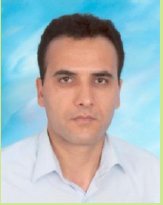 Mohammad Shabani合作论文数Department of Chemistry and Department of Biomedical Engineering, University of Akron5
 Matthew C. Spencer合作论文数Department of Mathematics and Statistics & Department of Biochemistry and Molecular Biology,
Dalhousie University,5James Samuels合作论文数4a constanti合作论文数4
Matthew C. Spencer合作论文数Department of Mathematics and Statistics & Department of Biochemistry and Molecular Biology,
Dalhousie University,5James Samuels合作论文数4a constanti合作论文数4 Charlotte L Hill合作论文数4
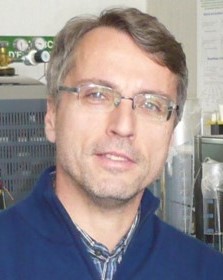 Vincenzo Di Marzo合作论文数Faculty of Agricultural and Food Sciences, Université Laval;Faculty of Medicine, Université Laval;Institute of Biomolecular Chemistry, National Research Council4
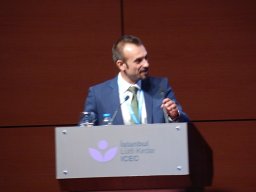 Emilio Russo合作论文数Faculty of Medicine and Surgery, University of Catanzaro4
 Marcus Rattray合作论文数Wolfson Centre for Age-Related Diseases, King's College London4Marnie Duncan合作论文数4M Duncan合作论文数3s e glyn合作论文数3T D M Hill合作论文数3Thomas D M Hill合作论文数3Hong Lin合作论文数3Naoki Amada合作论文数3
 Christian Vogl合作论文数3
 Alister J Mcneish合作论文数Department of Pharmacy and Pharmacology, University of Bath3Hadid Rebecca合作论文数3Abbassian Hassan合作论文数3
 Christopher I Ugbode合作论文数3
 Elizabeth Williamson合作论文数Monash University3
 Mark L Dallas合作论文数School of Medicine, University of Leeds3
 Gavin L Woodhall合作论文数School of Medical Sciences, University of Bristol3
 Angela Bithell合作论文数Department of Psychological Medicine, The Institute of Psychiatry (P052)3




