Abstract Background: Administration of epinephrine has been associated with worse neurological outcomes for survivors of out-of-hospital cardiac arrest. The publication of the 2018 PARAMEDIC-2 trial, a randomized and double-blind study of epinephrine in out-of-hospital cardiac arrest, provides the strongest evidence to date that epinephrine increases return of spontaneous circulation (ROSC) but not neurologically intact survival. This study aims to determine if Emergency Medical Services (EMS) cardiac arrest protocols have changed since the publication of PARAMEDIC-2. Methods: States in the US utilizing mandatory or model state-wide EMS protocols, including Washington DC, were included in this study. The nontraumatic cardiac arrest protocol as of January 1, 2018 was compared to the protocol in effect on January 1, 2021 to determine if there was a change in the administration of epinephrine. Protocols were downloaded from the relevant state EMS website. If a protocol could not be obtained, the state medical director was contacted. Results: A 2021 state-wide protocol was found for 32/51 (62.7%) states. Data from 2018 were available for 21/51 (41.2%) states. Of the 11 states without data from 2018, all follow Advanced Cardiac Life Support (ACLS) guidelines in the 2021 protocol. Five (15.6%) of the states with a state-wide protocol made a change in the cardiac arrest protocols. Maximum cumulative epinephrine dose was limited to 4mg in Maryland and 3mg in Vermont. Rhode Island changed epinephrine in shockable rhythms to be administered after three cycles of cardiopulmonary resuscitation (CPR) and an anti-arrhythmic. Rhode Island also added an epinephrine infusion as an option. No states removed epinephrine administration from their cardiac arrest protocol. Simple statistical analysis was performed with Microsoft Excel. Conclusion: Several states have adjusted cardiac arrest protocols since 2018. The most frequent change was limiting the maximum cumulative dosage of epinephrine. One state changed timing of epinephrine dosing depending on the rhythm and also provided an option of an epinephrine infusion in place of bolus dosing. While the sample size is small, these changes may reflect the future direction of prehospital cardiac arrest protocols. Significant limitations apply, including the exclusion of local and regional protocols which are more capable of quickly adjusting to new research. Additionally, this study is only focused on EMS in the United States.
The significance of the human-microbe relationship is amplified in long duration space exploration (LDSE), where isolated and confined microbial environments degenerate space habitat integrity, compromise planetary protection goals, and have largely unknown and potentially deleterious effects on astronaut health. While environmental surveillance is assumed to be a key component of future deep space missions, the optimal modality, frequency, and location of such surveillance is not yet defined. In order to investigate strategies of microbial surveillance, a series of experiments, conducted at a long-duration, isolated and confined (ICE) Mars simulation, furthered our understanding of the microbiome sampling challenges presented by food, environment, and crewmembers. Descriptive analyses revealed key considerations for microbial monitoring in future long duration space missions, including special considerations for surface sanitation, previously undocumented potential sources of food-borne toxicity, and a novel outlook on the dynamic human microbiome in isolation.
Future long-duration space missions will involve travel outside of the Earth’s magnetosphere protection and will result in astronauts being exposed to high energy and charge (HZE) ions and protons. Exposure to this type of radiation can result in damage to the central nervous system and deficits in numerous cognitive domains that can jeopardize mission success. Social processing is a cognitive domain that is important for people living and working in groups, such as astronauts, but it has received little attention in terms of HZE ion exposure. In the current study, we assessed the effects of whole-body oxygen ion (16O; 1000 MeV/n) exposure (1 or 10 cGy) on social odor recognition memory in male Long-Evans rats at one and six months following exposure. Radiation exposure did not affect rats’ preferences for a novel social odor experienced during Habituation at either time point. However, rats exposed to 10 cGy displayed short and long-term deficits in 24-h social recognition. In contrast, rats exposed to 1 cGy only displayed long-term deficits in 24-h social recognition. While an age-related decrease in Ki67+ staining (a marker of cell proliferation) was found in the subventricular zone, it was unaffected by radiation exposure. At one month following exposure, plasma KC/GRO (CXCL1) levels were elevated in the 1 cGy rats, but not in the 10 cGy rats, suggesting that peripheral levels of this cytokine could be associated with intact social recognition at earlier time points following radiation exposure. These results have important implications for long-duration missions and demonstrate that behaviors related to social processing could be negatively affected by HZE ion exposure.
Objective: To examine psychosocial effects on college student peer support workers of providing mental health peer support as compared to other trained student workers. Participants: From August 2016 through May 2017, undergraduate students trained to provide mental health peer support were compared to trained student workers not providing peer support. Methods: A post-training, post-working survey design was used to assess psychosocial effects using Keyes' Mental Health Continuum Short Form, the Deakin Coping Scale, and the Interpersonal Support Evaluation List. Results: At completion of training, peer supporters had lower flourishing (-9.5%, p = 0.090) than controls. After 6 weeks' work, peer supporters exhibited lowered avoidance coping (-62%, p = 0.023), and more belonging support (+9.5%, p = 0.044). Conclusions: Peer supporters' mental wellness does not decrease over the course of working as a mental health peer support worker; conversely, some aspects of well-being improve.
PURPOSE:To characterize the ocular surface microbiome of healthy volunteers using a combination of microbial culture and high-throughput DNA sequencing techniques.METHODS:Conjunctival swab samples from 107 healthy volunteers were analyzed by bacterial culture, 16S rDNA gene deep sequencing (n = 89), and biome representational in silico karyotyping (BRiSK; n = 80). Swab samples of the facial skin (n = 42), buccal mucosa (n = 50), and environmental controls (n = 27) were processed in parallel. 16S rDNA gene quantitative PCR was used to calculate the bacterial load in each site. Bacteria were characterized by site using principal coordinate analysis of metagenomics data. BRiSK data were analyzed for presence of fungi and viruses.RESULTS:Corynebacteria, Propionibacteria, and coagulase-negative Staphylococci were the predominant organisms identified by all three techniques. Quantitative 16S PCR demonstrated approximately 0.1 bacterial 16S rDNA/human actin copy on the ocular surface compared with greater than 10 16S rDNA/human actin copy for facial skin or the buccal mucosa. The conjunctival bacterial community structure is distinct compared with the facial skin (R = 0.474, analysis of similarities P = 0.0001), the buccal mucosa (R = 0.893, P = 0.0001), and environmental control samples (R = 0.536, P = 0.0001). 16S metagenomics revealed substantially more bacterial diversity on the ocular surface than other techniques, which appears to be artifactual. BRiSK revealed presence of torque teno virus (TTV) on the healthy ocular surface, which was confirmed by direct PCR to be present in 65% of all conjunctiva samples tested.CONCLUSIONS:Relative to adjacent skin or other mucosa, healthy ocular surface microbiome is paucibacterial. Its flora are distinct from adjacent skin. Torque teno virus is a frequent constituent of the ocular surface microbiome. (ClinicalTrials.gov number, NCT02298881.).
 Valery Shestopalov合作论文数1Joan B. Riley合作论文数1Aaron Y Lee合作论文数1Catherine M Davis合作论文数1Asa Margolis合作论文数1Eric Garfinkel合作论文数1Dallin Andersen合作论文数1narae ko合作论文数1
 Angira Shrestha合作论文数1
 Ami Mange合作论文数1
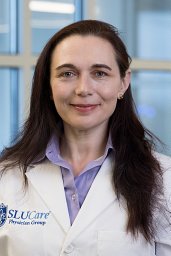 Sheyna Gifford合作论文数1
 Lauren Granata合作论文数Dept Psychol, Northeastern Univ1Thuy Doan合作论文数1
 Russell N. Van Gelder合作论文数Department of Ophthalmology, University of Washington, Seattle1
 Lee Cecilia合作论文数1
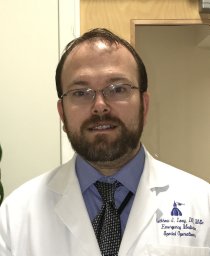 Matthew Levy合作论文数1
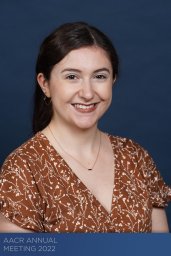 Jones Carli B合作论文数1Lakshmi Akileswaran合作论文数1
 Robert Hienz合作论文数1




