Background: Shoulder instability is a complex problem, particularly in the setting of concomitant subcritical bone loss, which may increase patients’ risk of recurrent dislocation. Although bony augmentation may be successful for patients with critical bone loss, those with subcritical bone loss may benefit from arthroscopic labral repair and remplissage. Indications: Indications for arthroscopic stabilization and remplissage include (1) off-track or engaging Hill-Sachs lesions with subcritical bone loss, which often measure between 20% to 40% in volume; (2) failed previous arthroscopic repair without bone loss; and (3) collision or contact athletes with smaller, on-track Hill-Sachs lesions that are at higher risk for recurrence. Technique Description: The patient is placed in the lateral decubitus position, with the arm in a pneumatic arm holder to assist with traction. Examination under anesthesia is performed. The Hill-Sachs lesion on the posterolateral humeral head is visualized, and the bony bed is prepared for healing. Traction is removed during the remplissage suture passage and final tightening. Two knotless anchors are placed through the infraspinatus and into the defect through the same cannula. The repair stitches from each anchor are shuttled through the opposing anchor's shuttling stitch, which creates a double mattress, staple-like configuration. The remplissage is not tightened until the end of the case to limit closing down the shoulder volume. The labral repair is performed then in standard fashion, utilizing knotless anchors and advancing capsulolabral tissue. The capsulolabral repair is retensioned with each new anchor. Once the labral repair is complete, traction is relieved, and the remplissage is finally tightened. Results: Outcomes after labral repair with concomitant remplissage are similar to labral repair alone, but with lower rates of dislocation. Current data demonstrate a similar range of motion, including external rotation, with additive remplissage. Discussion/Conclusion: Arthroscopic anterior labral repair with remplissage is a useful technique for patients at high risk for dislocation, whether due to anatomic or patient-specific factors. Current postoperative outcomes are similar to labral repair alone, with lower rates of dislocation without loss of motion. Patient Consent Disclosure Statement: The author(s) attests that consent has been obtained from any patient(s) appearing in this publication. If the individual may be identifiable, the author(s) has included a statement of release or other written form of approval from the patient(s) with this submission for publication.
The aim of this article is to illustrate our technique for total elbow arthroplasty, acknowledging the key technological advancements and evidence-based techniques that have emerged in the last 2 decades. In this technical note, we describe our pearls for a reproducible and reliable total elbow arthroplasty procedure. We also provide evidence-based recommendations on implant selection, surgical approach, management of the triceps, and situations where total elbow arthroplasty is more beneficial over open reduction internal fixation for distal humerus fractures.
Background: The use and research of orthobiologics have significantly grown in recent decades, yet patient understanding and perceptions remain largely unexplored. Widespread marketing and potentially misleading claims may skew public understanding of the efficacy and safety of regenerative and orthobiologic therapies. Purpose/Hypothesis: The purpose of this study was to examine patient knowledge and perceptions of orthobiologics, identify misconceptions, and understand information sources. It was hypothesized that patients hold significant misconceptions about orthobiologic use and efficacy. Study Design: Cross-sectional study. Methods: Between October 2023 and April 2024, a cross-sectional, single-center study was conducted at an orthopaedic clinic, engaging all English-speaking patients aged >18 years. A questionnaire was administered covering demographic information, attitudes toward orthobiologic therapies, medical history, and information sources. The survey included multiple-choice questions and Likert scales to assess participants' knowledge and perceptions of the safety and efficacy of orthobiologic treatments. Mean and standard deviation were calculated, and groups were compared using univariate analyses with unpaired t tests. Results: A total of 423 responses were obtained, of which 357 met inclusion criteria and were analyzed (response rate, 84.4%). Most respondents were female (56.6%; n = 202) and aged 25 to 34 (33.3%; n = 119), with ages ranging from 18 to 84 years. Among the respondents, 44.0% (n = 157) were familiar with orthobiologics. Within the entire cohort, patients most frequently indicated the belief that orthobiologics could manage pain and inflammation (70.9%; n = 253) and treat cartilage injuries (66.9%; n = 239). Among respondents aware of orthobiologics, the most recognized treatments were platelet-rich plasma (77.1%; n = 121), mesenchymal stromal cells (56.7%; n = 89), and bone marrow aspirate concentrate (38.2%; n = 60). Among these patients, 45.9% (n = 72) believed orthobiologics could reduce pain, and 36.3% (n = 57) believed they could enhance healing rates. Belief in current evidence was mixed, with 37.6% (n = 59) deeming it insufficient and 15.3% (n = 24) considering it adequate. The most influential factors in patients' decisions to use orthobiologics were cost (68.8%; n = 108), recommendations from orthopaedic surgeons (63.1%; n = 99), and potential side effects (57.3%; n = 90). Primary information sources were orthopaedic surgeons (38.2%; n = 60), other physicians (33.8%; n = 53), and friends or family (32.5%; n = 51). Conclusion: This study demonstrated that patient familiarity with orthobiologics remains limited, with significant variation in understanding that highlights the need for improved education and communication. Physicians, as the primary source of information, play a critical role in bridging this gap. Financial considerations and potential side effects significantly influence patient decisions and should be emphasized during consultations to support well-informed choices.
Medial patellar instability is an uncommon but debilitating condition that may arise following excessive lateral retinacular release. The lateral patellofemoral ligament and lateral patellotibial ligament function as key static stabilizers that resist medial patellar translation throughout knee flexion. This technical note describes a reproducible open technique for combined lateral patellofemoral ligament and lateral patellotibial ligament reconstruction using a single semitendinosus allograft to restore both proximal and distal lateral restraints. This technique provides anatomic reconstruction while minimizing the risk of residual instability.
BACKGROUND:Addressing posterior glenoid deficiency in glenohumeral osteoarthritis (GHOA) with an intact rotator cuff remains contentious among shoulder surgeons. Both reverse total shoulder arthroplasty (rTSA) and anatomic total shoulder arthroplasty (aTSA) with an all-polyethylene posterior augmented glenoid (PAG) are viable options for GHOA with eccentric posterior wear, but aTSA with a PAG has not been directly compared to rTSA in this population. This study compares clinical outcomes of aTSA with a PAG to rTSA in patients with GHOA and Walch B2 or B3 glenoids. METHODS:This retrospective matched cohort analysis used prospectively collected data to evaluate outcomes of aTSA with a PAG versus rTSA in patients with GHOA and B2/B3 glenoid deformities. Inclusion criteria were age > 18, intact rotator cuff, shoulder arthroplasty between 2017-2023, and minimum two-year follow-up. Patient-reported outcome measures (PROMs), range of motion (ROM), and complications were collected postoperatively. Multivariable linear regression identified preoperative factors associated with final outcomes, and propensity score matching (age, sex, retroversion) was used to compare groups. RESULTS:Of 208 shoulders (98 aTSA, 110 rTSA), aTSA patients were younger (62.2 ± 8.2 vs 72.7 ± 6.7 years, p < 0.001) and more often male (89.2% vs 50.0%, p < 0.001). Preoperative retroversion was greater in the rTSA cohort (22.7 ± 8.0° vs 19.4 ± 7.1°, p = 0.002). Both groups showed substantial postoperative improvement in ROM and PROs. After propensity matching (36 per group), outcomes remained comparable, including ASES (87.8 ± 13.1 vs 88.6 ± 10.7, p = 0.79), SANE (87.2 ± 12.7 vs 86.2 ± 10.6, p = 0.74), VAS pain (1.6 ± 1.8 vs 1.4 ± 1.7, p = 0.66), and physical/mental health scores. aTSA yielded significantly greater external rotation (47.7 ± 11.2° vs 39.3 ± 7.0°, p < 0.001) and forward flexion (157.9 ± 14.3° vs 144.7 ± 23.7°, p = 0.016). MCID and substantial clinical benefit rates were similar between cohorts. Revision rates were low and comparable (3.1% vs 2.5%, p = 1.0). Radiolucency was significantly more common after aTSA (41.9% vs 9.3%, p < 0.001). CONCLUSION:Both aTSA with a PAG and rTSA provide excellent 2-year outcomes for GHOA with posterior glenoid deficiency, with no meaningful PROM differences. aTSA may offer better postoperative ROM, while rTSA may confer lower radiolucency rates. LEVEL OF EVIDENCE:Level III, Retrospective Cohort Comparison, Treatment Study.
Osteochondral defects in the knee can be managed in a variety of ways on the basis of location, size, and activity level. Current strategies to address these lesions produce variable long-term clinical outcomes and are associated with prolonged postoperative rehabilitation. In this Technical Note, we describe a reproducible, single-staged surgical technique for use of the OvertureTi Minimally Invasive Unicompartmental Articular Knee Resurfacing System. This system provides a viable alternative to biological surgical options or knee arthroplasty by selectively treating focal chondral lesions, while preserving healthy surrounding cartilage and meniscus.
Patellar tendon rupture after total knee arthroplasty is a severe complication that can result from a combination of patient-specific risk factors, surgical technique, and trauma. Several methods have been proposed to address this pathology; however, a “gold standard” has yet to be defined. In this Technical Note, the authors describe a modified surgical technique for patellar tendon reconstruction after total knee arthroplasty using a fresh-frozen Achilles tendon allograft with an attached calcaneal bone plug. Our technique aims to restore the extensor mechanism’s function while offering superior stability and durability.
Background:Despite mounting clinical evidence for the utility of orthobiologics in nonoperative management of orthopaedic pathology, the market for orthobiologic therapies remains largely unregulated by the Food and Drug Administration, giving rise to a wide range of pricing for these therapeutics by different provider types. Purpose:To determine the availability and pricing for platelet-rich plasma (PRP), amniotic or adipose "stem cell," and bone marrow aspirate concentrate (BMC) injections for the treatment of knee osteoarthritis among orthopaedic sports medicine and alternative providers (eg, chiropractic clinics and stand-alone "regenerative medicine" clinics) in a major metropolitan city. Study Design:Cross-sectional study. Methods:Orthopaedic sports medicine providers in the Chicagoland area were identified through the American Orthopaedic Society for Sports Medicine (AOSSM) and Arthroscopy Association of North America (AANA) surgeon databases. Alternative clinics offering orthobiologic injections were systematically compiled using Yelp! and Google search listings and reviews. Clinics were contacted using a standardized telephone script. Data were collected for each site on the types of injections offered, whether price was disclosed over the telephone, the price of injections offered, and the source of stem cell injections if they were provided. Mann-Whitney U tests were used to compare the mean price between practices. F tests for equality of variances were used to compare the variability in prices between practice types. Results:A total of 25 unique orthopaedic sports medicine practices (comprising 80 AOSSM/AANA surgeons) and 40 alternative clinics offered PRP, stem cell, and/or BMC injections, as indicated over the telephone. There was no difference in likelihood of offering PRP (P = .698) or BMC injections (P = .340). However, alternative clinics were significantly more likely to offer stem cell injections (P < .001). There was no difference in the willingness to disclose the price for PRP (P = .269), stem cell injections (P = .302), and BMC (P = .528) or the source of what each clinic advertised as stem cell injections (P = .630). The mean price for a single PRP injection was significantly higher (P = .011) and significantly more variable (F statistic = .139; P < .001) at alternative clinics. Similarly, the mean price for a single stem cell injection was significantly higher (P < .001) and significantly more variable (F statistic = 0.080; P = .025) at alternative clinics. Conclusion:This study demonstrates that orthobiologic knee injections are highly prevalent for in-clinic use within the Chicago metropolitan area, with PRP being the most commonly used therapeutic. When compared with orthopaedic sports medicine providers, alternative clinics were more likely to offer stem cell injections and charge a significantly greater and more variable amount per PRP and stem cell treatment.
Suprascapular nerve (SSN) entrapment is a rare but significant cause of posterior shoulder pain and weakness. Compression of the nerve at the level of the spinoglenoid notch leads to weakness and atrophy of the infraspinatus. A detailed history and physical examination along with appropriate workup are paramount to arrive at this diagnosis. Surgical decompression is indicated in cases refractory to conservative management. In this technical note, we describe our technique for open decompression of the SSN at the spinoglenoid notch. This approach permits direct visualization of the SSN and allows for a safe, reliable, and thorough decompression.
Background:Social media has the potential to play a substantial role in the decision-making of patients when choosing a physician for care. Purpose:The purpose of this study was to determine whether an association exists between physician social media activity and patient satisfaction ratings on physician review websites (PRWs) as well as number of reviews. It was hypothesized that there would be a significant association between physician social media utilization and patient satisfaction ratings. Study Design:Cross-sectional study. Methods:The American Orthopaedic Society for Sports Medicine database was queried for the complete membership list. The online media profile and level of activity of the members were evaluated, and an online media presence score was calculated. The surgeons with the approximately top 10% of online media presence scores were compiled to assess the relationship between social media usage (Twitter, Instagram, YouTube, and Facebook) and patient satisfaction ratings on the Google Reviews, Healthgrades, and Vitals PRWs. Bivariate analysis was performed to compare demographic variables and level of online presence. Results:A total of 325 surgeons were included in the analysis. The most common platform used was Facebook (88.3%). There was no significant relationship between active social media use and overall ratings on any of the PRWs. Active Twitter use was associated with a greater number of ratings on all review websites, a greater number of comments on Google Reviews and Healthgrades, and shorter patient-reported clinic wait times on Healthgrades. Active Instagram use was associated with a greater number of comments on Vitals. No relationships were observed for YouTube or Facebook. Conclusion:For the included sports medicine surgeons who were most active on social media, no significant relationships were found between social media use and overall ratings on PRWs. Of all the platforms assessed, active use of Twitter was the only significant predictor of more reviews on PRWs. Thus, when deciding which form of social media engagement to prioritize in building one's practice, Twitter may serve as a relatively low-demand, high-reward option.
Background: Long-term follow-up for anterior cruciate ligament reconstruction (ACLR) is limited due to heterogeneity in the number of techniques utilized, the number of surgeons included, and attrition bias. Purpose: To analyze a single surgeon's 35-year experience with ACLR using the transtibial technique, with an emphasis on temporal trends in graft selection and subanalyses on rates of revision surgery, contralateral ACLR, and nonrevision reoperation among different demographic cohorts of patients. Study Design: Case series; Level of evidence, 4. Methods: All patients who underwent arthroscopically assisted single-bundle ACLR between 1986 and 2021 were identified from a prospectively maintained single-surgeon registry. Outcomes of interest included revision, reoperation, and contralateral rupture rates. Results: A total of 2915 ACLRs were performed during the senior surgeon's career. The mean age for primary ACLR was 29.4 ± 14.8 years. During primary ACLR, 98.4% of patients received a central-third bone-patellar tendon-bone (BPTB) graft. Increasing patient age was associated with increasing allograft usage ( P < .01), with a significant temporal increase in allograft usage over the senior surgeon's career ( P < .01). There was a higher revision rate among younger patients ( P < .01), female patients aged 21 to 25 years ( P = .01), and patients who received an allograft during the primary procedure ( P = .04). The contralateral rupture rate showed no difference between sexes ( P = .34); however, patients who underwent ACLR with autograft had a greater rate of contralateral injury compared with those with allograft ( P < .01). The contralateral rupture rate was greater than the revision rate ( P < .01). The most common causes of nonrevision reoperation were failed meniscal repair, new meniscal tears, arthrofibrosis, and painful hardware removal. Conclusion: The findings of this single-surgeon registry reveal temporal trends in ACLR over a 35-year career. There was a trend toward increasing BPTB allograft use in ACLR, especially in older patients and revision cases. A greater revision rate was observed among younger patients, female patients, and those receiving allografts during primary surgery. Contralateral ACLR was more common than revision surgery.
PurposeTo perform a multi-national survey and identify patterns in capsular management at the time of hip arthroscopy.MethodsAn anonymous, non-validated survey was distributed by the American Orthopedic Society for Sports Medicine, Arthroscopy Association of North America, European Society of Sports Traumatology, Knee Surgery, and Arthroscopy, International Society for Hip Arthroscopy, and Turkish Society of Sports Traumatology, Arthroscopy, and Knee Surgery. Questions were broken down into 6 categories: demographics, capsulotomy preference, traction stitches, capsular closure, postoperative rehabilitation, and postoperative complications.ResultsThe survey was completed by 157 surgeons. Surgeons who used a half or full T-type capsulotomy had 2.4 higher odds of using traction sutures for managing both the peripheral and central compartment during hip arthroscopy for femoroacetabular impingement (FAIS) (p=0.024). Surgeons who felt that there was sufficient literature regarding the importance of hip capsule closure had 1.9 higher odds of routinely performing complete closure of the capsule (p=0.044). Additionally, surgeons who practiced in the United States had 8.1 higher odds of routinely closing the capsule relative to international surgeons (p<0.001). Moreover, those who received hip arthroscopy training in residency or fellowship had 2.4 higher odds of closing the capsule completely compared to surgeons who did not have exposure to hip arthroscopy during their training (p=0.009).ConclusionGeographic and surgeon-related variables correlate to capsular management preferences during hip arthroscopy. Surgeons who utilized a half or full T-capsulotomy more often utilized traction stitches for managing both the peripheral and central compartment. Surgeons performing routine capsular closure are more likely to believe that sufficient evidence is available to support the practice, with surgeons in the United States more likely to perform routine capsular closure in comparison to their international colleagues.
Entrapment of the axillary nerve is a rare cause of shoulder pain and dysfunction. In quadrilateral space syndrome (QSS), compression of the axillary nerve leads to posterior and lateral shoulder pain with weakness in abduction and external rotation. A detailed history, physical exam, and imaging work-up are paramount to arriving at this diagnosis. In this technical note and accompanying video, we report a case of QSS caused by fibrous bands and describe our technique for arthroscopic decompression of the axillary nerve.
PURPOSE:To perform a multinational survey and identify patterns in capsular management at the time of hip arthroscopy. METHODS:An anonymous, nonvalidated survey was distributed by the American Orthopaedic Society for Sports Medicine; Arthroscopy Association of North America; European Society of Sports Traumatology, Knee Surgery & Arthroscopy; International Society for Hip Arthroscopy; and Turkish Society of Sports Traumatology, Arthroscopy, and Knee Surgery. The questions were broken down into 6 categories: demographic characteristics, capsulotomy preference, traction stitches, capsular closure, postoperative rehabilitation, and postoperative complications. RESULTS:The survey was completed by 157 surgeons. Surgeons who performed half or full T-type capsulotomies had 2.4 higher odds of using traction sutures for managing both the peripheral and central compartments during hip arthroscopy for femoroacetabular impingement (P = .024). Surgeons who believed that there was sufficient literature regarding the importance of hip capsular closure had 1.9 higher odds of routinely performing complete closure of the capsule (P = .044). Additionally, surgeons who practiced in the United States had 8.1 higher odds of routinely closing the capsule relative to international surgeons (P < .001). Moreover, surgeons who received hip arthroscopy training in residency or fellowship had 2.4 higher odds of closing the capsule completely compared with surgeons who did not have exposure to hip arthroscopy during their training (P = .009). CONCLUSIONS:Geographic and surgeon-related variables correlate with capsular management preferences during hip arthroscopy. Surgeons who perform half or full T-capsulotomies more often use traction stitches for managing both the peripheral and central compartments. Surgeons performing routine capsular closure are more likely to believe that sufficient evidence is available to support the practice, with surgeons in the United States being more likely to perform routine capsular closure in comparison to their international colleagues. CLINICAL RELEVANCE:As the field of hip preservation continues to evolve, capsular management will likely continue to play an important role in access, instrumentation, and postoperative outcomes.
Importance: There has been growing interest in the use of patient-specific instrumentation (PSI) to maximise accuracy and minimise the risk of major complications for medial opening-wedge high tibial osteotomies (MOW-HTOs). Numerous studies have reported the efficacy and safety of implementing this technology into clinical practice, yet no systematic review summarising the clinical literature on PSI for MOW-HTOs has been performed to date.Aim: The aim of this investigation was to perform a systematic review summarising the evidence surrounding the use of PSI for MOW-HTOs in the management of medial compartment osteoarthritis.Evidence review: PubMed, Scopus, and the Cochrane Library were queried in October 2021 for studies that used PSI for MOW-HTOs when managing medial compartment knee osteoarthritis. Primary outcomes included accuracy in coronal plane correction (mechanical medial proximal tibial angle), sagittal plane correction (posterior tibial slope), and mechanical axis correction (hip-knee-ankle angle [HKA], mechanical femorotibial angle, and weightbearing line). Accuracy was defined as error between post-operative measurements relative to the planned preoperative correction. A secondary outcome was the incidence of major complications.Findings: This review included eight different techniques among the 14 included studies. There was a weighted mean error of 0.5 & DEG; (range: 0.1 & DEG;-1.3 & DEG;) for the mechanical medial proximal tibial angle, 0.6 & DEG; (range: 0.3 & DEG;-2.7 & DEG;) for the posterior tibial slope, and 0.8 & DEG; (range: 0.1 & DEG;-1.0 & DEG;) for the hip-knee-ankle angle. Four studies compared the correctional error of the mechanical axis between conventional techniques and PSI techniques. The comparative difference between the two techniques favoured the use of PSI for MOW-HTOs (standardised mean difference = 0.52; 95% confidence interval, 0.16 to 0.87; p = 0.004). Among the 14 studies evaluated, four studies explicitly reported no major complications, while five studies reported a non-zero incidence of major complications. Among these nine studies, the weighted mean major complication rate was 7.1% (range: 0.0-13.0%).Conclusions and relevance: The findings of this present systematic review suggest that the use of PSI for MOW-HTOs leads to high accuracy relative to the planned corrections in the coronal plane, sagittal plane, and mechanical axis. Furthermore, these findings would suggest there is a low risk of major complications when implementing PSI for MOW-HTOs.Level of evidence: Systematic review; IV.
Successful total shoulder arthroplasty relies on a multitude of factors specific to patients, implant selection, and surgical technique. Among technical factors, correct intraoperative placement of prosthetic components is paramount. Three-dimensional computed tomography has emerged as a vital tool, allowing surgeons to measure glenoid inclination, glenoid version, and humeral head subluxation more accurately and reproducibly. Several commercial preoperative planning software resources are available to determine the optimal size and positioning of prosthetic components yet do so at significant cost and with meaningful time constraints. At our institution, we have applied the principles of these technologies to develop a custom, 3-dimensionally printed glenoid guide for accurate placement of the central pin. In this technical note, we describe our evaluation of patients with glenohumeral arthritis, as well as our step-by-step procedure for designing and printing a custom patient-specific instrumentation glenoid guide for anatomic total shoulder arthroplasty.
Although historically overlooked, medial meniscus posterior root (MMPR) tears are now increasingly recognized as a substantial cause of biomechanical impairment and morbidity. MMPR tears, when left untreated, are strongly correlated to meniscal extrusion and ultimately lead to altered kinematics and loading functionally equivalent to a total meniscectomy. To prevent progressive joint degeneration and alleviate pain while re-establishing native joint kinematics, MMPR repair is generally recommended in appropriately selected patients. In this Technical Note, the authors describe a detailed checklist with 10 crucial points of emphasis when performing the gold-standard transtibial pull-out repair of the MMPR, with an additional centralization stitch, providing technical pearls backed up by previous literature and ample experience treating this condition.
Objectives: Orthobiologic therapies have recently gained popularity in orthopaedic surgery as potential treatment options that can be used to manage the symptoms of musculoskeletal conditions. However, the market for these products remains unregulated by the Food and Drug Administration (FDA), giving rise to a wide range of available yet untested products. There are growing concerns related to patient safety and product efficacy, but also in regard to the amount of money being charged by providers for these treatments Thus, the purpose of this study was to investigate the current market for orthobiologic injections for knee osteoarthritis in a large, metropolitan city and determine 1) the willingness of providers to disclose the cost of an injection prior to an appointment; 2) the cost of injections if disclosed; 3) the cellular source of injections being advertised as “stem cell” products; and 4) whether there are differences in the market for orthobiologics within and outside of orthopaedic sports medicine practices. Methods: Orthopaedic sports medicine providers in the Chicagoland area were identified through the American Orthopaedic Society for Sports Medicine (AOSSM) and Arthroscopy Association of North America (AANA) registries of sports medicine physicians seeing patients in at least one location within the Chicagoland area. Non orthopaedic clinics (including chiropractors, pain management physicians, and self-advertised “regenerative medicine” clinics) offering orthobiologic injections were compiled using Yelp! and Google search for listings and reviews containing the following key words: “PRP” or “platelet-rich plasma” or “platelet rich plasma,” “SCT” or “stem cells” or “amniotic tissue injections” or “adipose stem cell injections,” and “BMAC” or “bone marrow aspirate concentrate.” A single author [BLINDED] contacted every clinic via a common telephone script, which was modified from an existing study. Data was collected for each site on the types of injections offered, whether price was disclosed over the phone, the price of injections offered, and the source of alternative “stem cell” injections if they were provided. Prices were explicitly specified as being for one injection of one joint. Results: A total of 25 orthopaedic sports medicine practices (comprising 80 AOSSM/AANA surgeons) and 40 non orthopaedic clinics offered at least one of either PRP, “stem cell,” and/or BMAC injections over the phone (Table 1). There was no difference in the likelihood of providing PRP injections (p = 0.698) or BMAC injections (p = 0.340). However, non orthopaedic clinics were significantly more likely to offer “stem cell” injections (p < 0.001). There was no difference in the willingness to disclose the price of PRP without an appointment (p = 0.269), willingness to disclose the price of “stem cell” injections (p = 0.302), willingness to disclose price of BMAC (p = 0.528), or willingness to disclose the source of what each clinic advertised as “stem cell” injections (p = 0.302). While the average price of a BMAC injection was not different between provider types (p = 0.238), the average price of a single PRP injection was significantly higher (p = 0.011) and significantly more variable (F statistic = 0.139; p < 0.001) at non orthopaedic clinics (Figure 1). Similarly, the average price of a single “stem cell” injection was significantly higher (p < 0.001) and significantly more variable (F statistic = 0.080; p = 0.025) at non orthopaedic clinics. Most commonly, alternative “stem cell” products included amniotic-based injections, which are currently discouraged for distribution or use based upon the most recent FDA guidance document. Conclusions: When compared to orthopaedic sports medicine providers, non orthopaedic clinics providing orthobiologic treatments in the Chicagoland area are more likely to offer alternative “stem cell” injections and charge a significantly greater and more variable amount per PRP and “stem cell” injection. Unfortunately, there was liberal use of the terms “regenerative medicine” and “stem cell” therapies in the face of increased scrutiny related to the FDA’s current position on cell-based therapies. Future studies should examine these trends on a national scale to assess compliance with FDA regulations on orthobiologics, as well as establish standards of price for these treatments.
Hip capsulotomy is performed during arthroscopic hip procedures to achieve adequate visualization of the joint and instrument access. The hip capsule, and in particular the iliofemoral ligament, is an important stabilizer of the hip joint, and patients who undergo capsulotomy without subsequent repair may experience hip pain and instability, with increased risk of requiring revision hip arthroscopy. Therefore, restoring watertight closure of the capsule is necessary to restore native biomechanics and achieve desired postoperative outcomes. Although primary repair or plication suffice in most cases, capsule reconstruction may instead be necessary when there is insufficient tissue, often due to capsular insufficiency following index surgery. The purpose of this Technical Note is to describe the authors' current technique for arthroscopic hip capsular reconstruction using the indirect head of the rectus femoris tendon in the setting of capsular iatrogenic hip instability, as well as its advantages and disadvantages and technical pearls and pitfalls.
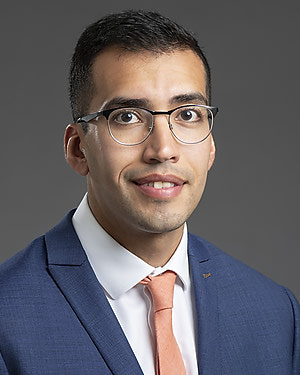 Jorge Chahla合作论文数Rush University Medical Center;Cedars-Sinai Kerlan-Jobe Institute Sports39
 Zeeshan A. Khan合作论文数34
 Suhas P Dasari合作论文数32
 Luc Fortier合作论文数27Nikhil N. Verma合作论文数21
 Safa Gursoy合作论文数Faculty of Medicine, Acibadem University16
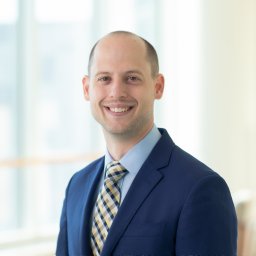 Hevesi Mario合作论文数University of Minnesota, University of Minnesota16
 Hasani Swindell合作论文数13Enzo S Mameri合作论文数12
 Garrett Jackson合作论文数12
 Johnathon McCormick合作论文数9Kaplan Daniel J合作论文数7
 Adam B Yanke合作论文数Department of Orthopaedic;Restoration Center;Medical Center, Rush University;Restoration Center, Rush University Medical Center7
 Brett R. Levine合作论文数Rush University Medical Center;Edward-Elmhurst Memorial Hospital Center;Midwest Orthopaedics at Rush6
 Nabil Mehta合作论文数Department of Orthopedic Surgery, Rush University Medical Center5Christopher M Brusalis合作论文数5Garrigues Grant E合作论文数5
 Brian J. Cole合作论文数Midwest Orthopedics at Rush;Department of Orthopedics, Rush Hospital;Department of Surgery, Rush Oak Park Hospital;Department of Orthopedic Surgery, Rush Medical College, Rush University;Department of Anatomy & Cell Biology, Rush Medical College, Rush University;Cartilage Restoration Center;Northwest Indiana ER and Hospital5
 Obianuju A Obioha合作论文数aPsychology Department, Princeton University;Behavioral Pediatrics, Steven &Alexandra Cohen Children's Medical Center of New York5Fernando Gómez Verdejo合作论文数4
 Dhanur Damodar合作论文数4Zeeshan Khan合作论文数3
 Vitor La Banca合作论文数3
 Luke B Kasson合作论文数3
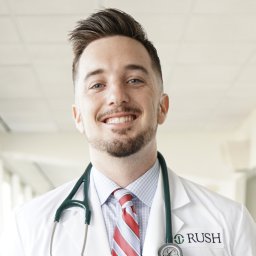 Parker Rea合作论文数Department of Orthopaedic Surgery, Rush University Medical Center3
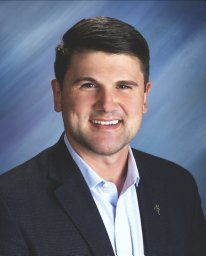 Blake M. Bodendorfer合作论文数Miller Orthopaedic Specialists, Council Bluffs, IA, USA and Omaha, NE, USA3
 Kyle N Kunze合作论文数Hosp Special Surg, Dept Orthopaed Surg, 535 East 70th St, New York, NY 10021 USA3
 Lakshmanan Sivasundaram合作论文数3Robert F. Laprade合作论文数3
 Shane J. Nho合作论文数Schulthess Clinic Hip Service Zurich3Tyler Williams合作论文数2
 Derrick Knapik合作论文数2Juan Bernardo Villarreal-Espinosa合作论文数2
 Alec Warrier合作论文数2Monique S Haynes合作论文数2Alexander J Hodakowski合作论文数2Victoria Oladipo合作论文数2Felicitas Allende合作论文数2William E Harkin合作论文数2Neha S Chava合作论文数2Karan Pandher合作论文数2
 Joao Artur Bonadiman合作论文数2
 Amar Vadhera合作论文数2
 Joshua Condon合作论文数2
 Harkirat Jawanda合作论文数2Arpan Patel合作论文数2Robert Browning合作论文数2
 Emre Anıl Ozbek合作论文数Dept Orthoped & Traumatol, Ankara Univ2
 Asheesh Bedi合作论文数Department of Orthopaedic Surgery, Medical School, University of Michigan-Ann Arbor2




