5080 Background: Homologous recombination repair mutation (HRRm) testing is recommended by NCCN guidelines for metastatic castration-sensitive prostate cancer (mCSPC). The real-world CAPTURE study is one of the first to associate HRRm carriers with worse outcomes. However, real-world data to quantify prognostic and predictive value of HRRm in mCSPC are limited and heterogeneous, especially for patients treated within US community oncology settings. Methods: This was a retrospective observational cohort study of patients with documentation of HRRm testing who initiated systemic therapy for mCSPC (index) between 1/1/2019-3/31/2024 in The US Oncology Network or non-Network practices. Stratified random samples of 150 patients with HRRm and 150 patients without HRRm were selected for chart abstraction to collect patient characteristics within 60 days prior to index and prostate cancer treatments (androgen deprivation therapy, ADT; androgen receptor pathway inhibitors, ARPi; docetaxel, DOC) through the end of follow-up (3/31/2025). Somatic and/or germline testing results for a 12-gene HRRm panel (ATM, ATR, BRCA1, BRCA2, CDK12, CHEK2, FANCA, MLH1, MRE11A, NBN, PALB2, RAD51C) were recorded from all available records. Descriptive Kaplan-Meier analyses of overall survival (OS) and real-world progression-free survival (rwPFS) were assessed per HRRm, de novo metastatic and high-volume disease (HVD) status. Results: Overall, 300 patients were selected with median (IQR) age of 69 (63-77) years and median (IQR) follow-up of 25 (15-36) months. Among patients with available data at baseline, most were Gleason ≥8 (79% of 181) and PSA >4 ng/mL (85% of 274). In the HRRm cohort (N=150), 70 (47%) patients were BRCAm and 80 (53%) patients had non-BRCAm HRRm mutations. De novo mCSPC was identified in 97 (65%) patients with HRRm and 100 (67%) patients without HRRm. HVD was observed in 85 (57%) patients with HRRm and 96 (64%) without HRRm. Frontline (index) systemic therapies for mCSPC in the HRRm/non-HRRm subgroups included ADT (28%/22%), ADT+ARPi (39%/47%), ADT+DOC (15%/15%) and ADT+ARPi+DOC (15%/15%). Outcomes are summarized below. Conclusions: Patients with HRRm mCSPC experienced numerically shorter OS and rwPFS than non-HRRm patients. This highlights an important need for early HRRm testing and targeted treatment strategies within earlier disease settings. Outcome, median (95% CI), months HRRm (N=150) No HRRm(N=150) OS, overall 44.0 (36.8-55.2) 48.5 (40.2-NR) rwPFS, overall 17.5 (14.4-22.1) 22.6 (17.9-33.4) N (%), de novo 97 (65) 100 (67) OS, de novo 41.7 (30.6-44.9) 48.5 (33.4-69.4) rwPFS, de novo 15.4 (13.0-23.1) 22.0 (17.2-32.3) N (%), HVD 85 (57) 96 (64) OS, HVD 44.4 (36.8-55.2) 42.5 (33.4-69.4) rwPFS, HVD 17.7 (12.0-27.3) 19.2 (16.3-30.3)
PURPOSE:Equitable access to high-quality cancer care depends on scalable, sustainable training initiatives, particularly in radiation oncology. This study evaluated whether gains in treatment planning competency, confidence, and knowledge among medical physicists were maintained 2 years after a virtual volumetric modulated arc therapy/intensity modulated radiation therapy (VMAT/IMRT) training course. METHODS AND MATERIALS:Medical physicists who completed a 15-week virtual training in 2022 were reassessed 2 years later via remote submission of a head and neck VMAT/IMRT plan, a multiple-choice knowledge test, and a confidence survey. Plan quality was assessed using automated scorecards (25 points) and expert rubrics (14 points), whereas knowledge and confidence were measured via surveys. Wilcoxon signed-rank tests compared pre, post, and follow-up outcomes. Effect sizes were calculated using Cohen's d. RESULTS:Nineteen of the 40 invited participants who had completed the prior postcourse assignment (47.5%) were enrolled in the follow-up study, representing 15 countries across four continents. Seventeen participants had complete data, defined as submitting pre, post, and follow-up responses for both objective and subjective assessments. Objective scores improved from 10.5/25 (±8.1) pretraining to 16.4/25 (±6.8) posttraining and 18.6/25 (±6.4) at follow-up (P = .011 and P = .001), with no significant change from posttraining to follow-up (P = .26). Subjective scores declined posttraining (11.1/14 ± 5.9 to 8.5/14 ± 3.0; P = .021) but rebounded at follow-up (10.8/14 ± 3.4; P = .037), with no difference from baseline (P = .96). Among 18 participants with complete survey data, confidence improved from 3.18 ± 1.26 at baseline to 4.14 ± 0.95 posttraining and was sustained at 4.12 ± 0.74 at follow-up, with a significant improvement from baseline to follow-up (P = .0023). Knowledge increased from 65.3% ± 29.9 at baseline to 83.3% ± 17.1 posttraining and was sustained at 80.6% ± 20.2 at follow-up, with a significant improvement from baseline to follow-up (P = .026). CONCLUSION:Remote VMAT/IMRT training led to lasting improvements in treatment planning, confidence, and knowledge, with objective scores continuing to rise over time. These findings support remote education as a sustainable model for building radiation therapy capacity in low- and middle-income countries.
Background Radiotherapy treatment plan evaluation is a universal core competency. We partnered with radiation oncology residents in the Philippines to develop a structured, interactive chart rounds workshop series. We sought to evaluate a pilot training initiative on breast cancer to gain feedback and inform future planned initiatives. Methods To understand local practice, we conducted site visits at three radiation oncology departments in the Philippines (one private, two public) to review workflow, technology, clinical cases, and resident responsibilities. With input from US- and Philippines-based radiation oncologists, physicists, and dosimetrists, we designed a 1-hour hybrid (in-person/virtual) pilot workshop on breast plan evaluation with pre- and post-workshop surveys. Residents were guided through four anonymized breast plans using the acronym FCB-CHOPS framework (fusion, contours, beam, coverage, heterogeneity, organs at risk, prescription and dose summation): (1) whole breast 3D-CRT with inadequate inferior flash; (2) whole breast 3D-CRT with inadequate medical coverage; (3) whole breast 3D-CRT with sequential boost, emphasizing hotspot evaluation on primary, boost, and composite plans; and (4) VMAT versus 4-field 3D-CRT for postmastectomy radiation. Attending physicians and physicists were invited to participate, with emphasis on resident participation. Results Twenty-seven residents, five attendings, and two physicists participated in the pilot workshop; 20 residents completed the pre-workshop survey and 19 completed the post-workshop survey. Residents reported learning treatment planning through informal instruction from peer residents (95%), independent learning (80%), and attendings (65%), with fewer reporting learning from structured didactics (25%). All trainees reported using a systematic mnemonic (CB-CHOP or FCB-CHOPS). Self-reported comfort in plan evaluation was highest for 3D-CRT, followed by IMRT, brachytherapy, and lowest for SRS/SBRT. For breast plans, most (80%) correctly identified the rationale for including flash, but only 20% knew how physicists technically implement flash. All respondents used at least axial CT slices when evaluating breast plans; fewer used beams-eye-view (45%) or skin/surface rendering (14%). Mean comfort in evaluating breast plans was 3.50/5 beforehand vs. 3.32/5 afterwards (p = 0.51). After the workshop, 95% reported having a defined strategy for breast plan evaluation, 95% found the workshop very helpful, and 100% expressed wanting to participate in future sessions. Conclusion A pilot workshop identified and helped address gaps in plan evaluation skills. Although not statistically significant, shifts in comfort level could reflect increased awareness of the complexity and rigor required for high‑quality breast plan assessment. Given high interest in future workshops, this model supports collaborative global radiation oncology education and demonstrates space for growth.
Background: Palbociclib (PAL) in combination with endocrine therapy (ET) has been approved for hormone receptor-positive/human epidermal growth factor receptor 2-negative (HR+/HER2-) advanced/metastatic breast cancer (MBC) since February 2025. Despite extensive real-world data in a variety of populations, little is known about the use and effectiveness of PAL combination in MBC patients living in disadvantaged neighborhoods. The current study aimed to compare overall survival (OS) and real-world progression-free survival (rwPFS) of first-line PAL plus an aromatase inhibitor (AI) vs AI alone in HR+/HER2 MBC patients living in disadvantaged neighborhoods in the US. Methods: This is a retrospective observational study of HR+/HER2- MBC patients in the Flatiron Health longitudinal database. The database contains electronic health records from >280 cancer clinics, representing >3 million actively treated cancer patients in the US. Patients were included in this analysis if they had HR+/HER2- MBC, were ≥18 years, started PAL + AI as first-line therapy between February 2015 and June 2022 (index period), and lived in disadvantaged neighborhoods. Neighborhood disadvantage was measured with the Yost index, a composite measure of neighborhood social economic status. The Yost index score ranges from 1 (the first quintile) to 5 (the fifth quintile), with higher scores indicating higher socioeconomic status of the neighborhoods. Neighborhood disadvantage was defined as a Yost Index score of 1-2. Patients were retrospectively assessed from start of PAL+AI to December 2022 (data cutoff date), death, or last medical activity, whichever came first. OS was defined as months from start of PAL+AI to death. rwPFS was defined as months from start of PAL+AI to death or disease progression, evaluated based on clinical assessment or radiographic scan/biopsy. Stabilized inverse probability of treatment weight (sIPTW) was used to balance baseline demographics and clinical characteristics. 1:1 propensity score matching (PSM) was performed as sensitivity analysis. Results: Of the 723 patients who were eligible for the analysis, 394 and 329 patients received PAL+AI and AI, respectively. Median follow-up was 27.2 months for PAL+AI and 25.7 months for AI treated patients. Compared with AI group, PAL+AI group was younger (median age 66.0 vs 69.0 years) and had higher proportions of de novo MBC (39.9% vs 24.0%) and lung/liver metastases (32.0% vs 19.8%). After sIPTW, baseline demographic and clinical characteristics were generally well balanced between PAL+AI and AI groups. After sIPTW, median OS was 57.1 (95%CI=47.2-70.8) months in PAL+AI group vs 38.2 (95%CI=29.6-48.0) months in AI group (HR=0.70, 95%CI=0.55-0.90, p =0.0053). Median rwPFS was 19.1 (95%CI = 15.8 – 24.2) months in PAL+AI group and 14.0 (95%CI=10.7-19.7) months in AI group (HR=0.66, 95%CI=0.52-0.84, p =0.0007). Sensitivity analysis with 1:1 PSM showed consistent results. Conclusions: This real-world data analysis demonstrated that first-line palbociclib plus AI was associated with prolonged OS and rwPFS in HR+/HER2- MBC patients living in disadvantaged neighborhoods. These findings support use of first-line palbociclib in combination with endocrine therapy in this population. Citation Format: Filipa Lynce, Xianchen Liu, Benjamin Li, Lynn McRoy, Connie Chen, Raymond Liu, Hope S. Rugo. Real-world effectiveness of palbociclib plus an aromatase inhibitor in HR+/HER2- MBC patients living in disadvantaged neighborhoods [abstract]. In: Proceedings of the San Antonio Breast Cancer Symposium 2024; 2024 Dec 10-13; San Antonio, TX. Philadelphia (PA): AACR; Clin Cancer Res 2025;31(12 Suppl):Abstract nr P4-12-04.
BACKGROUND:First-line platinum-based chemotherapy (1L PBC) followed by avelumab 1L maintenance (1LM) in patients without disease progression after 1L PBC is a standard-of-care treatment in locally advanced/metastatic urothelial carcinoma (la/mUC). We examined real-world treatment patterns and outcomes in patients with la/mUC treated in the US and characterized early adoption of avelumab 1LM following US Food and Drug Administration approval in June 2020. MATERIALS AND METHODS:This retrospective cohort study identified patients ≥ 18 years diagnosed with la/mUC between January 2015 and July 2021 using electronic health records from the Flatiron Health database. Treatment patterns and baseline characteristics were described by type of 1L treatment. Real-world progression-free survival (rwPFS) and real-world overall survival (rwOS) were determined using the Kaplan-Meier method. RESULTS:A total of 4387 patients were included, with 3706 (84.5%) receiving systemic treatment. The most common 1L therapy was cisplatin-based therapy (33.3%), followed by carboplatin-based (30.9%) and immuno-oncology (IO) therapies (28.0%). Patients treated with 1L cisplatin-based therapy had longer median rwPFS and rwOS from 1L initiation (8.0 and 18.3 months, respectively) vs patients treated with 1L carboplatin-based therapy (6.4 and 13.2 months), or IO therapies (6.1 and 14.2 months). Among eligible patients, early use of avelumab 1LM was 29%. Approximately half (51.7%) of treated patients received second-line (2L) treatment, 16.8% received no 2L treatment, and 31.5% remained on 1L at end of study. CONCLUSION:Our findings contribute to our understanding of optimal treatment sequencing options based on individual patient characteristics in a rapidly evolving treatment landscape.
Background: Brain metastases (BM) are common in patients with ALK + metastatic non-small cell lung cancer (mNSCLC). Limited contemporary real-world evidence exists on the burden of BM in these patients. This study estimated the cumulative incidence of BM in patients with ALK + mNSCLC treated with second-generation ALK tyrosine kinase inhibitors (TKI) as first-line (1L) targeted therapies and assessed the association between BM and mortality. Materials and Methods: Using a 100 % sample of Medicare fee-for-service and Advantage beneficiaries from 2017 to 2022, patients > 65 years with ALK + mNSCLC (index date = 1L alectinib/brigatinib following lung cancer diagnosis) were identified. The cumulative incidence of BM was calculated, accounting for competing risk of death, overall and by age and race/ethnicity. To assess the association between BM and death, a time-varying Cox proportional hazards model compared the risk of death in those with incident, and baseline BM, separately, to those without BM, adjusting for confounders. Results: In 1040 patients, 289 (28 %) had baseline BM. In 751 patients without baseline BM, the cumulative incidence of BM was 20 % after 5 years. After 4 years, the cumulative incidence of BM was highest in patients >= 85 years (25 %) and in non-White patients (23 %). Patients with incident BM had 2.6 times the risk of mortality compared to patients without BM (hazard ratio (HR): 2.59, 95 % confidence interval (CI): 1.98-3.38), while patients with baseline BM had 1.5 times the risk of mortality compared to patients without BM (HR: 1.46, 95 % CI: 1.20-1.77). Conclusions: Patients with ALK + mNSCLC treated with second-generation ALK TKIs as 1L targeted therapies faced a high burden of BM. Incident BM were associated with increased mortality risk to a greater extent than baseline BM. Efforts are needed to provide safe and efficacious approaches to prevention and treatment of BM, including additional monitoring as required, in patients with ALK + mNSCLC.
e17102 Background : Relugolix, a gonadotropin-releasing hormone (GnRH) receptor antagonist, is the only oral androgen deprivation therapy (ADT) approved for advanced prostate cancer (PC), which distinguishes it from injectable GnRH receptor agonists or antagonists. In the US, patients (pts) from minority populations have shown lower adherence to oral medications vs White pts in other disease areas. Given the potential for racial disparities, we assessed treatment (tx) adherence to relugolix and tx modifications between Black and White pts with PC. Methods : Veterans Health Administration data (2006–2023) were analyzed between Black and non-Hispanic White adult males with PC who initiated relugolix tx. Adherence to relugolix (defined as medication possession ratio [MPR] ≥80%) was assessed every 3 months for up to 1 year after tx initiation among those who were continuously prescribed relugolix tx during each period. MPR was defined as the ratio of the total dispensed dose in a given period to the standard recommended dose, capped at 100%. Multivariable generalized linear modeling compared adherence between races. Discontinuation of relugolix, switching to another ADT, and initiating an add-on PC tx were assessed using the Kaplan–Meier method and Cox regression. Results : We identified 141 Black and 313 White pts with PC who initiated relugolix. During year 1 of tx, both groups had >90% adherence to relugolix with no significant differences (Table). During follow-up (median 10.7 and 12.6 months for Black and White pts, respectively), 27% Black and 21% White pts discontinued relugolix (HR 1.61; 95% CI 1.04, 2.49; P =0.034); 9% Black and 4% White pts switched to another ADT (HR 2.65; 95% CI 1.06, 6.66; P =0.038); and 11% Black and 10.5% White pts had add-on PC tx (HR 1.50; 95% CI 0.78, 2.91; P =0.226). Conclusions: Adherence to relugolix was very high during the first year of tx in both Black and White pts, with no differences by race. Black pts were more likely than White pts to discontinue relugolix as well as switch to another ADT. While our findings align with prior clinical trial and real-world evidence suggesting adherence to relugolix is high, further study is needed to elucidate reasons for racial differences in discontinuation and switching to other ADTs. Adherence to relugolix by race. Black pts White pts MPR ratio (Black vs. White) ‡ 95% CI P -value Follow-up (months) n † Median MPR (%) n Median MPR (%) 3 128 98.6 301 100.0 0.98 0.94, 1.01 0.209 6 106 95.1 238 98.6 0.98 0.93, 1.03 0.462 9 77 87.6 175 97.1 1.00 0.93, 1.08 0.931 12 52 94.4 142 92.3 1.09 0.99, 1.21 0.078 † Number of pts who were continuously prescribed relugolix tx during each time period. ‡ MPR was defined as the ratio of the total dispensed dose in a given period to the standard recommended dose. Individual MPRs were capped at 100%. Adjusted generalized linear models were used to calculate MPR ratio of Black vs. White pts, 95% CI and p-value.
Introduction:Radiotherapy (RT) is essential for cancer treatment, yet access in Latin America remains highly unequal due to socio-economic and systemic disparities. This study aims to identify and analyze the key socio-economic determinants influencing RT access, infrastructure, and workforce distribution across 11 Latin American countries. Methods:A comprehensive database was created using 29 demographic, economic, and healthcare-related variables from public sources and expert input. Countries included were Argentina, Bolivia, Brazil, Chile, Colombia, Ecuador, Mexico, Paraguay, Peru, Uruguay, and Venezuela. Variables were categorized under access, demand, and supply of RT services. Correlation analyses and linear/exponential regression models were applied in an exploratory way to evaluate relationships between socio-economic indicators and RT availability. Results:Higher GDP per capita and adjusted GDP (PPP) correlated significantly with better RT infrastructure, including EBRT and megavoltage units (r > 0.68, p < 0.05). Urban population percentage strongly correlated with RT access (r = -0.77, p = 0.005), while social security coverage was linked to lower inhabitants per RT center (r = -0.67, p = 0.025). Notably, the number of radiation oncologists correlated perfectly with patients requiring EBRT (r = 1.0, p < 0.001), but showed no correlation with poverty or urbanization, highlighting workforce capacity constraints. Rural areas were underserved due to infrastructure centralization in urban zones. High out-of-pocket expenditure and low public health investment would be associated with limited access to these treatments. Conclusion:Socio-economic disparities-particularly GDP, healthcare coverage, and urbanization-are strongly associated with RT access inequities in Latin America. For the medical community and public policymakers, confirming these assumptions requires a different scope about discussions regarding access to these highly complex services, when they are not associated with the population's health needs but rather with the countries' mere organizational and financial capabilities. Some possible formats require the definition of new clinical and financial management models. Our findings underscore the need for targeted health policies, investment in infrastructure and workforce, and decentralized care models. Expanding RT services beyond urban centers and improving funding models are critical to ensuring equitable cancer treatment across the region.
INTRODUCTION:This real-world study evaluated the incidence and clinical impact of brain metastases in patients with anaplastic lymphoma kinase-positive (ALK + ) metastatic non-small cell lung cancer (mNSCLC) receiving first-line (1L) treatment with second- or first-generation ALK tyrosine kinase inhibitors (TKIs). METHODS:A retrospective analysis of patients with ALK + mNSCLC receiving 1L ALK TKI was conducted using Flatiron data. Baseline and incident brain metastases were assessed, and their impact on mortality was quantified using time-varying Cox proportional hazards models. RESULTS:Among 475 patients, 80 % received second-generation (n = 382) and 20 % received first-generation (n = 93) ALK TKIs. Baseline brain metastases were present among 32 % patients in second-generation cohort and 29 % in first-generation cohort. Among patients without baseline brain metastases, 5-year cumulative incidence of brain metastases during the follow-up period was 21 % in second-generation cohort and 25 % in first-generation cohort. In the second-generation cohort, patients who developed incident brain metastasis had a statistically significant 3-fold-higher risk of death (hazard ratio [HR], 2.97 [95 % confidence interval [CI], 1.59-5.53]) compared to those who did not develop incident brain metastases. In the first-generation cohort, the risk of death was numerically higher for patients with incident brain metastasis compared to those without (HR, 1.42 [0.58-3.51]), although this was not statistically significant, likely limited by the small sample size. Baseline brain metastases, compared with no baseline brain metastases, were not associated with a significantly increased risk of death, after adjusting for incident brain metastasis and other covariates. CONCLUSIONS:Brain metastases remains a clinically important concern in patients with ALK + mNSCLC treated with 1L ALK TKIs. Incident brain metastases were strongly associated with increased mortality, highlighting the need for CNS-penetrant 1L therapies with durable intracranial efficacy.
BACKGROUND:A standard treatment option for patients with locally advanced/metastatic urothelial carcinoma (la/mUC) is first-line platinum-based chemotherapy (1L PBC) followed by avelumab 1L switch maintenance (1LM) in patients without progression. This study aimed to evaluate the real-world treatment patterns and outcomes in patients with la/mUC in the US treated with 1L PBC and characterize the early adoption of avelumab 1LM following FDA approval in June 2020. METHODS:This retrospective cohort study identified adults diagnosed with la/mUC between January 2017 and September 2021 using electronic health records from the Flatiron Health database. Patients were grouped based on real-world response to 1L PBC: complete or partial response (rwCR/PR) or stable disease (rwSD). Baseline characteristics and treatment patterns were described. Clinical outcomes, including real-world overall survival (rwOS) and progression-free survival (rwPFS), were analyzed using the Kaplan-Meier method. RESULTS:Of 1,703 identified patients with la/mUC treated with 1L PBC, 1,245 (73%) had response data available during the study period, with 998 (80%) having a best response of rwCR/PR (60%) or rwSD (20%). Demographic and clinical characteristics were similar between patients with rwCR/PR and rwSD. Patients with rwCR/PR had longer median rwOS and rwPFS from 1L PBC initiation vs patients with rwSD. Of patients evaluated after FDA approval of avelumab 1LM on June 30, 2020, 435 discontinued 1L PBC. Of these patients, 339 had response data, and 138 of those without progression were considered avelumab 1LM eligible. Of these, 97 (70%) initiated avelumab 1LM within 180 days following last administration of 1L PBC, with 40 patients receiving second-line (2L) treatment, most commonly enfortumab vedotin (60%). CONCLUSION:In the post-FDA approval period, uptake of avelumab 1LM was high (70%) in patients with rwSD or rwCR/PR following 1L PBC, and 41% of these patients received 2L treatment, most commonly with enfortumab vedotin.
BACKGROUND AND PURPOSE:High-quality intensity-modulated radiation therapy (IMRT)/volumetric modulated arc therapy (VMAT) is necessary to drive positive patient outcomes, yet gaps in staff training hinder its implementation in low-to-middle-income countries (LMICs). This work aimed to evaluate a large-scale remote training curriculum for medical physicists and clinicians with existing IMRT infrastructure in LMICs. MATERIALS AND METHODS:A 15-week free, virtual course with weekly live sessions incorporating didactics and case-based learning led by expert volunteers was conducted. The first 500 registrants were accepted into the program. Participants' confidence and knowledge was evaluated via pre- and post-course surveys on a 1-5 Likert scale across seven IMRT/VMAT domains and through 11 multiple-choice questions. Participants also created treatment plans for standardized bilateral head-and-neck cancer cases, assessed by eight expert volunteers using qualitative rubrics and quantitative scorecards on the ProKnow DS platform. Performances were compared using Wilcoxon signed-rank tests. RESULTS:A total of 240 medical physicists, medical physics residents, and dosimetrists responded to both the pre- and post-course surveys. Mean confidence scores increased from 3.00/5 (SD: 1.04) to 3.80/5 (0.87) (p < 0.001). Knowledge scores improved from 4.16/11 (SD: 1.77) to 5.98/11 (SD: 2.11) (p < 0.001). Additionally, 33 participants completed both the pre-course and post-course treatment planning assignments. Automated scorecard performance significantly improved from 12.64/25 (SD: 7.50) to 17.74/25 (SD: 6.74) (p = 0.0004). Grading rubric scores did not significantly change, from 9.15/14 (SD: 3.33) to 9.76/14 (SD: 2.65) (p = 0.4). CONCLUSION:The virtual IMRT/VMAT curriculum significantly enhanced knowledge, confidence, and treatment planning skills among participants, demonstrating a scalable, low-cost intervention for improving IMRT/VMAT implementation in LMICs.
Background: A cyclin dependent kinase 4/6 inhibitor (CDK4/6i) in combination with endocrine therapy has become standard of care for HR+/HER2- advanced/metastatic breast cancer (MBC). CDK4/6i dose adjustment is recommended based on individual safety and tolerability during the treatment of MBC. Clinical trial data demonstrated that Palbociclib (PAL) dose adjustment had no significant impact on progression-free survival (PFS). Small real-world studies have not demonstrated consistent outcomes associated with PAL dose adjustment, including real-world PFS (rwPFS) and overall survival (OS). Large real-world studies with longer follow-up are needed to understand patient characteristics and clinical outcomes associated with CDK4/6i dose adjustment. This study examined PAL dose adjustment and outcomes in HR+/HER2- MBC in routine clinical practice. Methods: Using Flatiron Health longitudinal database, we conducted a retrospective analysis of HR+/HER2- MBC patients who started PAL plus an aromatase inhibitor (AI) as first-line therapy between February 2015 and March 2020 (index period). Patients were assessed from start of PAL+AI to September 30, 2020 (data cutoff), death, or last medical activity, whichever came first. Dose adjustment was defined as a change of PAL daily dose compared to initial/previous prescription dose. Treatment duration was defined as months from start of PAL+AI to end of the treatment. OS was defined as months from start of PAL+AI to death. rwPFS was defined as months from start of PAL+AI to death or disease progression, evaluated based on clinical assessment or radiographic scan/tissue biopsy. Kaplan-Meier analysis was used to estimate treatment duration, rwPFS, and OS. Multivariable Cox proportional hazard regression models were performed to adjust for baseline characteristics: age, sex, race/ethnicity, healthcare practice type, initial diagnosis, Eastern Cooperative Oncology Group Performance Status, National Cancer Institute-Comorbidity Index, disease free interval from initial breast cancer to MBC diagnosis, bone only disease, lung/liver involvement, and number of metastatic sites. Results: A total of 1,324 patients received PAL+AI during the index period. Mean age was 67.1 years (SD=9.6), 99.2% were female, and 68.0% were white. Of these patients, 1,110 (83.8%) initiated PAL at 125 mg/day, 144 (10.9%) at 100 mg/day, 48 (3.6%) at 75 mg/day, and 22 (1.7%) did not have information about initial dose. Among 1,302 patients who had initial dose documented, 524 (40.3%) experienced dose adjustment. Comparted with patients without dose adjustment, those with dose adjustment were more likely to be white (71.8% vs 65.8%) and had a higher proportion of lung/liver involvement (35.5% vs 32.4%). Median follow-up was 28.5 and 22.6 months in patients with and without dose adjustment, respectively. Median treatment duration was longer in patients with dose adjustment than in those without dose adjustment (27.4, 95%CI = 24.5–30.6 vs 21.4, 95%CI = 19.7–26.5 months). Patients with and without dose adjustment showed similar median rwPFS (20.5, 95%CI=17.8–25.9 vs 19.6, 95%CI=16.9–21.7 months; unadjusted HR = 0.90, 95%CI = 0.77–1.04, p=0.162; adjusted HR = 0.89, 95%CI = 0.76–1.04, p=0.133). Median OS was significantly prolonged in patients with dose adjustment than in those without dose adjustment (57.8, 95%CI=49.0–NA vs 51.4, 95%CI=45.3-58.7 months; unadjusted HR = 0.72, 95%CI = 0.59–0.88, p=0.001; adjusted HR = 0.73, 95%CI = 0.59–0.89, p=0.002). Conclusions: Similar to other CDK4/6is, PAL dose adjustment is common in the treatment of HR+/HER2- MBC. PAL dose adjustment did not have significant effect on rwPFS but was associated with prolonged treatment duration and OS. Further research is needed to confirm these findings and understand the reasons for PAL dose adjustment in real-world settings. Citation Format: Rachel Layman, Xianchen Liu, Benjamin Li, Lynn McRoy, Connie Chen, Gabrielle B Rocque, Adam Brufsky. Real-world palbociclib dose adjustment and outcomes in HR+/HER2- metastatic breast cancer: Flatiron database analysis [abstract]. In: Proceedings of the San Antonio Breast Cancer Symposium 2024; 2024 Dec 10-13; San Antonio, TX. Philadelphia (PA): AACR; Clin Cancer Res 2025;31(12 Suppl):Abstract nr P4-10-14.
Purpose We provide for the first time a comprehensive situational diagnosis and propose an artificial intelligence (AI)-assisted nationwide plan of implementation, attending the most urgent needs. Methods Baseline information was collected from open-source databases of the Peruvian Government. Data on cancer incidence from the Health Authorities and GLOBOCAN were collected and compared. The existing external-beam radiotherapy (EBRT) devices and brachytherapy (BT) units were identified and information on their obsolescence was additionally collected. The ten most common cancer entities with RT indication were considered for the analysis. Utilizing open-source softwares, population clusters based on density, cancer incidence, geographic distribution, existing facilities able to be implemented with radiotherapy and travel times for patients were defined. A coding for identifying the best possible locations with AI was developed, keeping the allocation of resources to the minimum possible. A projection until 2030 on required resources was additionally elaborated. Results As of 2023 eight additional EBRT and seven BT devices were needed to cover the existing demand. The artificial-intelligence algorithm yielded the regions where these resources should be primarily allocated. An increase in demand of approximately 22% is expected until 2030, which translates into additional 23 EBRT and 16 BT devices, considering the replacement of obsolete units until then. Conclusion Increased investment pace is required to cover the existing RT demand in Peru. This AI-assisted analysis might help prioritize allocation of resources. The code employed in this work will be made publicly available, so this method could be replicated in other developing economies.
 Quyen D. Chu合作论文数46Lynn McRoy合作论文数25
 Xianchen Liu合作论文数South China Normal University;Shandong University;University of Tennessee Health Science Center;University of Pennsylvania's Center for Public Health Initiatives23
 Roger H Kim合作论文数17Rachel M Layman合作论文数16
 Adam M. Brufsky合作论文数Division of Malignant Hematology and Medical Oncology, Department of Medicine, School of Medicine, University of Pittsburgh;Comprehensive Breast Cancer Center, University of Pittsburgh16Chen Connie合作论文数16
 Hope S. Rugo合作论文数Division of Hematology and Oncology, Department of Medicine, School of Medicine, University of California San Francisco;Helen Diller Family Comprehensive Cancer Center, University of California San Francisco16Gary V. Burton合作论文数15Carol Meschonat合作论文数14
 J. Michael Mathis合作论文数Health Sciences Center Gene Therapy Program, Louisiana State University12Fleurette Abreo合作论文数11Neal T. Holm合作论文数11
 Federico L. Ampil合作论文数Radiation Oncology, Feist-Weiller Cancer Center, Louisiana State University Health9
 Gustavo Sarria合作论文数9
 Mariel Lavieri合作论文数Department of Industrial and Operations Engineering, College of Engineering, University of Michigan7
 Ted Skolarus合作论文数Department of Urology, University of Michigan;VA Ann Arbor HSR&D Center for Clinical Management Research7Jacobs Bruce L合作论文数7Fred Ampil合作论文数7Caroline Carlson合作论文数6A. Yorke合作论文数6
 Devin Abrahami合作论文数Ctr Clin Epidemiol, Lady Davis Inst Med Res6
 Arrigo De Benedetti合作论文数6
 Brent K. Hollenbeck合作论文数Center for Healthcare Outcomes Policy, University of Michigan6Shulman Adam C合作论文数6Kerry Byrnes合作论文数6
 Lester W. Johnson合作论文数Dept Management & Mkt, Swinburne Univ Technol6Gustavo J. Sarria合作论文数5
 Doris Makari合作论文数5Gloria C Caldito合作论文数5Anup Abraham合作论文数5
 Tudor Borza合作论文数Department of Urology, School of Medicine and Public Health, University of Wisconsin-Madison5
 Helm Jonathan L合作论文数Department of Psychology, University of California, Davis5
 Claire Dempsey合作论文数5Runhua Shi合作论文数5Lori Panu合作论文数5Jesse Tubbs合作论文数5Arrigo DeBenedetti合作论文数4Dante Roa合作论文数4Sameeksha Malhotra合作论文数4Ken Urish合作论文数4Anna Vlahiotis合作论文数4Mairead Kearney合作论文数4Alejandro González-Motta合作论文数4
 María Caicedo-Martínez合作论文数4Krishnan Ramaswamy合作论文数4
 Geoffrey Liu合作论文数Department of Medical Biophysics, Temerty Faculty of Medicine, University of Toronto;Princess Margaret Cancer Centre, University Health Network;Division of Epidemiology, Dalla Lana School of Public Health, University of Toronto;Mount Sinai Hospital;Institute of Medical Science, University of Toronto4
 Lynce Filipa合作论文数Medstar Washington Hospital Center, Washington Cancer Institute4
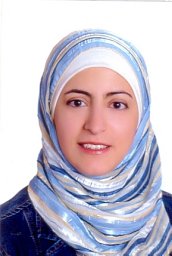 Wadi-Ramahi Shada合作论文数4




