Introduction Endometriosis describes the presence of endometrial glands outside of the uterus and can cause various symptoms such as chronic pelvic pain, hypermenorrhea and infertility. These complications pose an extreme burden on the patients, especially as up to date, the average time until diagnosis can consume several years and requires invasive laparoscopy. Objectives The aim of this study is to molecularly characterize endometrium and endometriosis using marker-independent Raman microspectroscopy to identify potential biomarkers and validate its diagnostic potential. Methods After histopathological characterization of tissue sections of human endometrium and endometriosis, Raman microspectroscopy was performed on the gland region. Multivariate analysis of the hyperspectral maps was used to localize major subcellular structures and further decipher their molecular composition. Samples from different anatomical regions and throughout all menstrual cycle phases were analyzed. Results Raman imaging enabled label-free visualization of tissue morphology and submolecular tissue characterization. Distinct differences between endometrium and endometriosis were found for collagen type I and nuclear signatures. Spectral deconvolution allowed identification of a Raman biomarker indicative of fibrotic changes in endometriosis samples. Additionally, a significant increase in epigenetic 5mC foci and an increased signal intensity relevant for methylations was detected in nuclei of endometriosis. Furthermore, a neural network-based classification of Raman data resulted in high accuracies in discriminating endometrial and peritoneal tissue from endometriosis. Conclusion The non-destructive approach by hyperspectral Raman imaging enabled for molecular sensitive characterization of endometriotic lesions which could not only be an asset in complementing histopathological tissue evaluation but combined with data-driven classification models support in situ tissue diagnosis. ### Competing Interest Statement The authors have declared no competing interest. Deutsche Forschungsgemeinschaft, GRK 2543/1, INST 2388/64-1, INST 2388/33-1 Bundesministerium für Bildung und Forschung, 01EJ2403B
Objective Investigate the effect of passive, active or no intra-operative work breaks on static, median and peak muscular activity, muscular fatigue, upper body postures, heart rate, and heart rate variability. Background Although laparoscopic surgery is preferred over open surgery for the benefit of the patient, it puts the surgeons at higher risk for developing musculoskeletal disorders especially due to the less dynamic and awkward working posture. The organizational intervention intraoperative work break is a workplace strategy that has previously demonstrated positive effects in small-scale intervention studies. Methods Twenty-one surgeons were exposed to three 90-min conditions: no breaks, 2.5-min passive (standing rest) or active (targeted stretching and mobilization exercises) breaks after 30-min work blocks. Muscular activity and fatigue of back, shoulder and forearm muscles were assessed by surface electromyography; upper body posture, i.e., spinal curvature, by inclination sensors; and heart rate and variability (HRV) by electrocardiography. Generalized estimating equations were used for statistical analyses. This study (NCT03715816) was conducted from March 2019 to October 2020. Results The HRV-metric SDNN tended to be higher, but not statistically significantly, in the intervention conditions compared to the control condition. No statistically significant effects of both interventions were detected for muscular activity, joint angles or heart rate. Conclusion Intraoperative work breaks, whether passive or active, may counteract shoulder muscular fatigue and increase heart rate variability. This tendency may play a role in a reduced risk for developing work-related musculoskeletal disorders and acute physical stress responses.
Purpuse The paracervical block (PCB) is a local anesthesia procedure that can be used to perform gynecological surgeries without the need for further anesthesia. With the PCB, surgeries can be moved from the central operating room to outpatient operating rooms, where they can be performed without the presence of an anesthesia team. Methods In this paper, the indications, implementation and limitations of the procedure are discussed. Conclusion Especially in times of scarce staff and OR resources during the Corona pandemic, OR capacity can be expanded in this way.
Als schwerste Manifestationsform der Endometriose stellt die tief infiltrierende Endometriose das Behandlungsteam oft vor besondere Herausforderungen. Neben einer möglichst exakten Diagnostik und Befundeinschätzung ist eine individuelle, an die Lebenssituation der Patientin angepasste, operative Therapie unerlässlich. Aufgrund ihres komplexen Charakters sollte die Therapie einer TIE an spezialisierten Endometriosezentren interdisziplinär erfolgen.
Purpose Malignant ovarian germ cell (MOGCT) and sex cord stromal tumors (SCST) are ovarian neoplasms that affect disproportionally young women. Little is known about the impact of surgical and adjuvant management of these patient's sexual life. This study investigated the effect of fertility-sparing surgery on sexual activity and global quality of life (gQoL) in women with MOGCT and SCST. Methods CORSETT was an observational, multicenter, mixed retrospective/prospective cohort study of the AGO study group. Women of any age who had been diagnosed with MOGCTs and SCSTs between 2001 and 2011 were asked to complete the Sexual Activity Questionnaire (SAQ) and the EORTC QLQ-C30. Results In total, 355 patients were included. Of these, 152 patients with confirmed histological diagnosis had completed the questionnaires. A total of 106 patients were diagnosed with SCST and 46 with MOGCT. Totally, 83 women (55%) were sexually active. After fertility-sparing surgery, patients had a 2.6 fold higher probability for being sexually active than after non-fertility-conserving treatment (unadjusted odds ratio (OR) 2.6, p = 0.01). After adjustment for age, time since diagnosis, FIGO stage, histology and phase of disease, the OR dropped to 1.8 (p = 0.22). Of the sexually active patients, 35 (42%) reported high levels of discomfort during intercourse; 38% after fertility-sparing; and 58% after non-fertility-sparing surgery (adjusted OR 2.8, p = 0.18). Women with fertility-conserving treatment reported a significantly better global QoL (F-adj 2.1, 6.2 points difference, p = 0.03) but not more pleasure during intercourse than women without fertility-sparing surgery (F-adj 0.4, p = 0.52). Conclusion Fertility preserving approaches should be offered to every patient, when oncologically acceptable.
Laparoscopic extensive myomectomy, hysterectomy for large myomas, laparoscopic treatment of endometriosis or treatment of cancer of the uterus are advanced laparoscopic gynaecological procedures. Since they can be very challenging, many special pre-, intra- and postoperative aspects need to be considered. This chapter aims to give insights into the different advanced laparoscopic gynaecological procedures. The preoperative arrangement, the intraoperative setting, key operative steps and the postoperative course are described in detail. An overview of common intraoperative complications like ureter injuries, bladder injuries, gastrointestinal injuries, vascular injuries and pneumoperitoneum-linked complications is given. Some typical postoperative complications like wound-healing problems, bleeding and gastrointestinal lesions are described together with possible treatment options.
[This corrects the article DOI: 10.3892/mco.2020.2170.].
Introduction Laparoscopy has partially replaced open surgery due to the lower infection rate for the patient and hence better and shorter recovery. However, the surgeon’s physical load is higher due to longer duration static and awkward body postures, increasing the risk for developing work-related musculoskeletal disorders. Interventions of an organisational nature are work breaks, being either passive or active. The primary objectives of this study are to determine whether passive and active work breaks lead to less discomfort than no work breaks and whether active work breaks lead to less discomfort than passive work breaks. Methods and analysis A controlled, randomised cross-over trial will be performed in the laboratory, of which its protocol is described here according to the Standard Protocol Items: Recommendations for Interventional Trials (SPIRIT) 2013 Statement. Recruitment of 21 laparoscopic surgeons started in April 2019 and the study is ongoing. The participating surgeons will perform three 1.5 hour experimental conditions, one without work breaks, one with 2.5 min passive work breaks including rest, and one with 2.5 min active work breaks including mobility and stretching exercises. The work breaks will be taken after 30 and 60 min of work. During the experiments, outcomes will be recorded. The primary outcome is rating of perceived discomfort measured on an 11-point numeric rating scale. The secondary outcomes are performance, muscle activity of selected muscles, upper body angles, heart rate, workload and subjective evaluation of both interventions. The collected data will be tested using a one-way or two-factorial repeated-measures analysis of variance. Ethics and dissemination Ethical approval of the study protocol was received by the local medical ethical committee of the University of Tübingen in February 2019 (no 618/2018BO2). The results of this study will be presented at national and international conferences, submitted for publications in peer-reviewed journals and serve as the starting point for a feasibility study. Trial registration number NCT03715816 .
Abstract Purpose: Endometrioid ovarian carcinoma (ENOC) is generally associated with a more favorable prognosis compared with other ovarian carcinomas. Nonetheless, current patient treatment continues to follow a “one-size-fits-all” approach. Even though tumor staging offers stratification, personalized treatments remain elusive. As ENOC shares many clinical and molecular features with its endometrial counterpart, we sought to investigate The Cancer Genome Atlas–inspired endometrial carcinoma (EC) molecular subtyping in a cohort of ENOC. Experimental Design: IHC and mutation biomarkers were used to segregate 511 ENOC tumors into four EC-inspired molecular subtypes: low-risk POLE mutant (POLEmut), moderate-risk mismatch repair deficient (MMRd), high-risk p53 abnormal (p53abn), and moderate-risk with no specific molecular profile (NSMP). Survival analysis with established clinicopathologic and subtype-specific features was performed. Results: A total of 3.5% of cases were POLEmut, 13.7% MMRd, 9.6% p53abn, and 73.2% NSMP, each showing distinct outcomes (P < 0.001) and survival similar to observations in EC. Median OS was 18.1 years in NSMP, 12.3 years in MMRd, 4.7 years in p53abn, and not reached for POLEmut cases. Subtypes were independent of stage, grade, and residual disease in multivariate analysis. Conclusions: EC-inspired molecular classification provides independent prognostic information in ENOC. Our findings support investigating molecular subtype–specific management recommendations for patients with ENOC; for example, subtypes may provide guidance when fertility-sparing treatment is desired. Similarities between ENOC and EC suggest that patients with ENOC may benefit from management strategies applied to EC and the opportunity to study those in umbrella trials.
Endometriosis affects a significant number of young premenopausal women. Quite apart from the medical challenges, endometriosis is a relevant burden for healthcare and social security systems. Standardized quality indicators for the treatment of endometriosis have not previously been systematically verified. The three-stage study QS ENDO was initiated to record and improve the reality and quality of care. One of its aims is to create quality indicators for the diagnosis and treatment of endometriosis. For the first stage of QS ENDO Real, letters were sent to all 1014 gynecological departments in the German-speaking area of Europe (the DACH region) which included a questionnaire as a means of surveying the current state of care. A total of 296 (29.2%) of the centers which received the questionnaire participated in the survey. The subsequent evaluation of the completed questionnaires showed that the majority of patients with endometriosis (around 60%, based on estimates from the data) are not treated in hospitals which have been certified by the SEF. The guidelines recommend the use of specific classification systems (rASRM, ENZIAN) but, depending on the level of care offered by the hospital, only around 44.4 to 66.4% of departments used the rASRM score and only 27% of hospitals used the ENZIAN classification system to describe deep-infiltrating endometriosis. When taking patientsʼ medical history, some centers (6.6 – 17.9%) considered questions about leading symptoms such as dyschezia, dysuria and dyspareunia to be unimportant. QS ENDO Real has made it possible, for the first time, to get an overview of the reality of care provided to patients with endometriosis in the German-speaking areas of Europe. The findings indicate that several of the measures recommended in international guidelines as the gold standard of care are only used to treat some of the patients. In this respect, more efforts will be needed to provide more advanced training. The approach used for treatment must be guideline-based, also in not-certified centers, to improve the quality of care in the treatment of patients with endometriosis.
Neben dem Schmerz ist unerfüllter Kinderwunsch das zweite wesentliche und für die Patientin belastende Leitsymptom der Endometriose. Daher ist bei Kinderlosigkeit, insbesondere ohne Beschwerden, eine sorgfältige Abklärung sinnvoll. Wenn Endometriose vorliegt, stehen therapeutisch hauptsächlich operative Optionen zur Verfügung, um die Konzeptionschancen spontan oder durch assistierte Reproduktionstechniken (ART) zu erhöhen.
Abstract BACKGROUND: Adult granulosa cell tumors (AGCT) represent 3-5% of all ovarian cancers. These tumors are characterized by their slow growth and usually occur in postmenopausal women with a median age of diagnosis of 50 to 54 years. The majority of patients are diagnosed as stage I and are treated with surgery to remove their ovaries and uterus. Although these treatments are effective at first, one third of patients relapse leading to mortality in 50-80% of relapsed patients. The best course of treatment for patients with recurrent advanced stage disease is optimal debulking surgery. Currently, there are no effective treatments available for patients where surgery is not an option. Our research team previously discovered a somatic missense mutation (c.402C>G; pC134W) in the transcription factor Forkhead box L2 (FOXL2) in 97% of AGCTs. We also discovered frequent activating telomerase reverse transcriptase (TERT) promoter mutations in AGCT. As the FOXL2 C134W mutation is present in essentially all AGCTs and telomerase reactivation is required for tumorigenesis, it is likely that additional mutations are responsible for the variability in clinical behaviour. This study aims to describe the mutational landscape of AGCT to further refine our understanding of the frequent recurrence of this disease. METHODS: Using whole genome sequencing (WGS), we characterized the genomes of ten AGCTs and their matched normal blood. We observed that AGCTs have a low mutation burden and the majority of mutations are single nucleotides variants. We have collected 516 formalin-fixed paraffin-embedded AGCT specimens including primary, recurrent and metastatic tumors from seven international centres for validation of our WGS results. Allelic discrimination assays were used for hotspots mutations, in addition to targeted sequencing of 39 genes of interest using a custom amplicon-based panel in our extension cohort. RESULTS: Of the 39 genes analyzed, the third most commonly mutated gene (FOXL2 and TERT being the first and second most common) in our preliminary analysis of 88 cases was lysine (K)-specific methyltransferase 2D (KMT2D or MLL2). We identified various missense and nonsense mutations in this gene in 16 of 88 AGCTs (18%) analyzed thus far. KMT2D is a histone methyltransferase that targets histone H3 lysine 4 (H3K4), a methylation activation mark, and has an essential role in transcriptional regulation. Using an allelic discrimination assay, we identified a known hotspot mutation (c.49G>A;p.E17K) in v-akt murine thymoma viral oncogene 1 (AKT1) in 2 of 67 (3%) AGCT patients, one of which the mutation was present in all three recurrent specimens from the same patient. AKT1 E17K mutation has been reported in multiple cancers such as breast, colorectal and high grade serous ovarian cancer at a low prevalence. A recent clinical trial of AKT inhibition in solid tumors with AKT1 mutations included one recurrent AGCT patient and showed significant tumor regression in one metastatic site. CONCLUSION: AKT1 E17K mutations are present in AGCT at a low prevalence and could represent a therapeutic target for patients with recurrent advanced stage disease harbouring this mutation. Citation Format: Jessica A. Pilsworth, Dawn R. Cochrane, Samantha Neilson, Anniina E.M. Färkkilä, Hugo M. Horlings, Satoshi Yanagida, Janine Senz, Yi Kan Wang, Bahar Moussavi, Daniel Lai, Ali Bashashati, Jacqueline Keul, Adele Wong, Hannah van Meurs, Sara Y. Brucker, Florin-Andrei Taran, Bernhard Krämer, Annette Staebler, Esther Oliva, Sohrab P. Shah, Stefan Kommoss, Friedrich Kommoss, C. Blake Gilks and David G. Huntsman. GENOMIC CHARACTERIZATION OF ADULT-TYPE GRANULOSA CELL TUMORS: IMPLICATIONS FOR PATHOGENESIS AND TREATMENT OF RECURRENT DISEASE [abstract]. In: Proceedings of the 12th Biennial Ovarian Cancer Research Symposium; Sep 13-15, 2018; Seattle, WA. Philadelphia (PA): AACR; Clin Cancer Res 2019;25(22 Suppl):Abstract nr GMM-047.
Fibroids are the most common benign tumors in women of childbearing age and can be found in almost 80-90% of all women by age 50 years. They can cause pain, excessive menstrual bleeding or infertility. The development of fibroids increases with age. Since the age of women in industrial countries who are trying to conceive is generally increasing, there has been a growing demand for minimally invasive and uterine-sparing surgical treatment of fibroids. Whereas the main focus of previous surgical techniques for the treatment of fibroids was enucleation of the tumour with subsequent closure of the uterine incision, modern devices developed over the past decade can destroy fibroids by using ultrasound or radio-frequency without incising the uterine wall. Thus, there is no uterine scar, which would impart a risk of rupture during labour or pregnancy. This article provides an overview of the latest techniques and devices used for uterine-sparing surgical treatment of fibroids. While laparoscopic myomectomy is still the gold standard, novel laparoscopic and transcervical radiofrequency ablation techniques use low-voltage and alternating current to induce heat in the uterine tissue, which triggers necrosis in fibroids. This enables the removal of multiple fibroids without the need for large incisions in the uterine wall. In addition, we address the benefits and potential risks, as well as the impact on fertility and pregnancy, of the different surgical approaches used for the treatment of uterine fibroids.
Non‐thermal plasma treatment is one of the promising options for local anti‐neoplastic treatment of dysplastic lesions and early intraepithelial cancer. Primarily, the antiproliferative properties are driven through the generation of reactive oxygen and nitrogen species. In this study, we investigated the amount and distribution of reactive species generated by a non‐thermally operated electrosurgical argon plasma source using electron spin resonance (ESR) spectroscopy. During the plasma treatment of both, aqueous solution and solid human preputial tissue an increasing amount of different oxygen‐ and carbon‐centered radicals was detected. However, and most probably due to spin trap degradation by the high energy input and the increase of reactive components in aqueous solution, the ESR signal decreased after treatment times exceeding 10 s.
The telomerase reverse transcriptase (TERT) gene is highly expressed in stem cells and silenced upon differentiation. Cancer cells can attain immortality by activating TERT to maintain telomere length and telomerase activity, which is a crucial step of tumorigenesis. Two somatic mutations in the TERT promoter (C228T; C250T) have been identified as gain-of-function mutations that promote transcriptional activation of TERT in multiple cancers, such as melanoma and glioblastoma. A recent study investigating TERT promoter mutations in ovarian carcinomas found C228T and C250T mutations in 15.9% of clear cell carcinomas. However, it is unknown whether these mutations are frequent in other ovarian cancer subtypes, in particular, sex cord-stromal tumors including adult granulosa cell tumors. We performed whole-genome sequencing on ten adult granulosa cell tumors with matched normal blood and identified a TERT C228T promoter mutation in 50% of tumors. We found that adult granulosa cell tumors with mutated TERT promoter have increased expression of TERT mRNA and exhibited significantly longer telomeres compared to those with wild-type TERT promoter. Extension cohort analysis using allelic discrimination revealed the TERT C228T mutation in 51 of 229 primary adult granulosa cell tumors (22%), 24 of 58 recurrent adult granulosa cell tumors (41%), and 1 of 22 other sex cord-stromal tumors (5%). There was a significant difference in overall survival between patients with TERT C228T promoter mutation in the primary tumors and those without it (p = 0.00253, log-rank test). In seven adult granulosa cell tumors, we found the TERT C228T mutation present in recurrent tumors and absent in the corresponding primary tumor. Our data suggest that TERT C228T promoter mutations may have an important role in progression of adult granulosa cell tumors.
Separating wounded serosa by physical barriers is the only clinically approved adjunct for postoperative adhesion prevention. Since the optimal adhesion barrier has not been found, it is essential to improve our pathogenic understanding of adhesion formation and to compare the effects of different barrier materials on tissue and cells. Wistar rats underwent standardized peritoneal damage and were treated either with Seprafilm, Adept, Intercoat, Spraygel, SupraSeal or remained untreated as a control. 14 days postoperatively, the lesions were explanted and histomorphologically analyzed using the European ISO score to evaluate material implants. Striking differences between the material groups were present regarding the inflammation, fibrosis, and foreign body reaction. According to the ISO score, Intercoat and Spraygel were considered as nonirritating to tissue. Adept, Seprafilm, and SupraSeal were assessed as mild-irritating materials. Interestingly, the most effective material in adhesion prevention revealed moderate inflammation accompanied by minor fibrosis. The degree of inflammation to barrier materials does not predict the efficacy in the prevention of adhesions. Histopathological investigations are crucial to improve our understanding of the cellular mechanisms during adhesion formation and elucidate the tissue response to material approaches used in adhesion prevention. This will lead to improved antiadhesive strategies and the development of functional barrier biomaterials. © 2017 Wiley Periodicals, Inc. J Biomed Mater Res Part B: Appl Biomater, 106B: 598-609, 2018.
Objective The main objectives of our study were to demonstrate that laparoscopic supracervical hysterectomy (LSH) or total laparoscopic hysterectomy (TLH) can be performed safely even in patients with a uterine weight >= 500 g, to analyze the rate of conversions to laparotomy due to uterine size and to estimate the incidence and type of intraoperative and long-term postoperative complications.Study Design Retrospective open, single-center, comparative interventional study of LSH and TLH.Results The present study comprised a total of 138 patients that underwent laparoscopic hysterectomy with a uterine weight >= 500 g; 109 patients (79.0%) underwent LSH and 29 patients (21.0%) underwent TLH. Median uterine weight across the entire cohort was 602 g, with the largest uterus weighing 1860 g. A total of 24 cases (17.4%) among the 138 hysterectomies were converted to a laparotomy due to lack of adequate intraabdominal space and size of the uterus. Mean uterine weight of the patients in the LSH group that underwent conversion was 883 g (SD 380 g, n = 13) and 757 g (SD 371 g, n = 11) in the TLH group. The rate of conversion to laparotomy due to the uterine weight was significantly lower in the LSH group (11.9%) compared to the TLH group (37.9%) (p = 0.002). Intraoperative complications requiring laparotomy for other reasons but uterine size occurred in 6 patients of the study cohort (6/138; 4.3%). Long-term postoperative complications occurred in 2 patients (2/138, 1.4%), both patients from LSH group had to be re-operated on due to adhesions.Conclusions Our study adds further insight in the limited data set of laparoscopic hysterectomy for increased uterine weight and shows that LSH and TLH are safe and feasible even in patients with very large uteri (>= 500 g).
 Maura Sassetti合作论文数Dipartimento di Fisica;Universita di Genova;Dipartimento di Fisica, Universita di Genova56
 Tomi Ohtsuki合作论文数Department of Physics;Sophia University;Department of Physics, Sophia University22
 Stefan Kettemann合作论文数Max - Planck;Institut fur Physik Komplexer Systeme Nothnitzerstr;Max - Planck|Institut fur Physik Komplexer Systeme Nothnitzerstr16
 Sara Y. Brucker合作论文数Department für Frauengesundheit, Universitätsklinikum Tübingen;Forschungsinstitut für Frauengesundheit, Universitätsklinikum Tübingen;Universitätsfrauenklinik, Universitätsklinikum Tübingen15
 Fabio Cavaliere合作论文数15dong si da gui (東巳 大槻)合作论文数14jia zhi xiao ye (嘉之 小野)合作论文数11
 Isa Kh Zharekeshev合作论文数Universität Hamburg Institut für Theoretische Physik11
 Diethelm Wallwiener合作论文数Universitäts-Frauenklinik Heidelberg Voßstr. 910Stefan Kommoss合作论文数10
 Alexander Struck合作论文数Department of Physics, University of Kaiserslautern10F. Napoli合作论文数9
 Giovanni Cuniberti合作论文数Institute for Materials Science, Technische Universitat Dresden9
 Angus Mackinnon合作论文数Department of Physics, Faculty of Natural Sciences, Imperial College London9E. Mariani合作论文数8
 Florin-Andrei Taran合作论文数Klinik für Frauenheilkunde, Universitätsklinikum Freiburg;Gynacological Cancer Center, Comprehensive Cancer Center Freiburg, Universitätsklinikum Freiburg8Tobias Brandes合作论文数8Annette Staebler合作论文数8
 Ludwig Schweitzer合作论文数Physikalisch-Technische Bundesanstalt8Nicodemo Magnoli合作论文数Dipartimento di Fisica;Universita di Genova;Dipartimento di Fisica, Universita di Genova8
 Alessandro Braggio合作论文数Istituto Nanoscienze, Consiglio Nazionale delle Ricerche7
 Neis Felix合作论文数6T. Kleimann合作论文数6Jun-Ichiro Ohe合作论文数6M. Merlo合作论文数5stefan debald合作论文数5tou he yuan lin (透 河原林)合作论文数5
 Y. Bruynseraede合作论文数Department of Physics and Astronom5
 Gerd Bergmann合作论文数College of Letters, Arts and Sciences, Dornsife, University of Southern California5
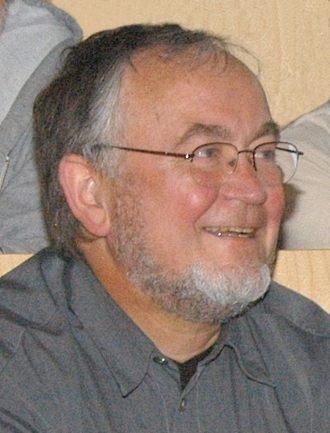 Michael Schreiber合作论文数Institut für Physik, Fakultät für Naturwissenschaften, Technische Universität Chemnitz5Tohru Kawarabayashi合作论文数5Jürgen Andress合作论文数4W. Häusler合作论文数4
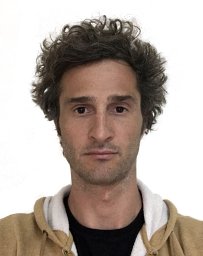 De Giovannini Umberto合作论文数Max Planck Inst Struct & Dynam Matter4
 Yasushi Ono合作论文数4Cornelia Bachmann合作论文数4Ralf Rothmund合作论文数4O. Halfpap合作论文数4M. Batsch合作论文数4A. Fechner合作论文数4
 Dietmar Weinmann合作论文数Institut de Physique et Chimie des Materiaux de Strasbourg4
 Friedrich Kommoss合作论文数Institute of Pathology, Medizin Campus Bodensee4j masek合作论文数3Jacqueline Keul合作论文数3
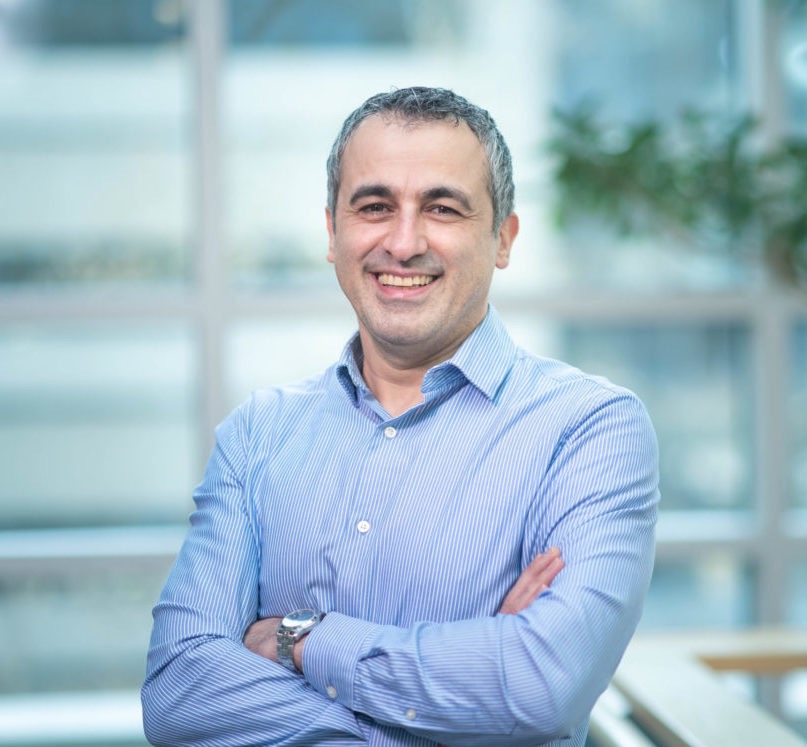 Ali Bashashati合作论文数School of Biomedical Engineering, Faculty of Applied Science, The University of British Columbia;School of Biomedical Engineering, Faculty of Medicine, The University of British Columbia3
 Falko Fend合作论文数3
 Sascha Hoffmann合作论文数3R. Cenni合作论文数3




