OBJECTIVE:Suicidal behaviors and non-suicidal self-injury (NSSI) are highly prevalent and often co-occur among individuals with borderline personality disorder (BPD). Individuals with both a BPD diagnosis and NSSI are at heightened risk for suicide. However, few studies have examined which factors differentiate those with BPD and NSSI who have attempted suicide from those who have not. This study aimed to identify such clinical factors to inform suicide risk assessment within this vulnerable population. METHODS:Participants were 78 individuals with BPD and a history of NSSI. Fifty-four had a lifetime history of suicide attempt (SA). Participants completed structured interviews and self-report measures assessing childhood trauma, dissociation, and anxiety, as well as current suicidal ideation, depressive symptoms, global functioning, and demographics. Logistic regression was used to evaluate whether these factors are associated with an increased likelihood of having a lifetime SA history in this unique population. RESULTS:Dissociative amnesia was associated with decreased likelihood of having a lifetime SA, while dissociative absorption was associated with increased likelihood of having such a history, while controlling for education level, current suicidal ideation, global functioning, and depression severity. CONCLUSIONS:In individuals with BPD who engage in NSSI, those who have made a SA present with distinct dissociative symptoms. Future studies should further investigate other risk factors for suicidal behavior among individuals with BPD who engage in NSSI to improve suicide risk assessment in this population.
OBJECTIVE:The authors compared the efficacy of 6 months of dialectical behavior therapy (DBT) to 6 months of selective serotonin reuptake inhibitors with clinical management (SSRI/M) in reducing suicide-related events (SREs), suicide attempts, nonsuicidal self-injury (NSSI), and related clinical outcomes in individuals diagnosed with borderline personality disorder. METHODS:The study sample comprised 84 individuals with borderline personality disorder; more than one suicide attempt, SRE, or NSSI episode in the past 6 months; and another of these behaviors in the past year. Two-thirds had comorbid major depressive disorder. Participants were randomly assigned to receive DBT or SSRI/M. Poisson models were used to analyze numbers of suicide attempts and SREs, and a zero-inflated Poisson model was used for NSSI behaviors. Survival analysis was performed with the log-rank test for time to first suicide attempt or SRE. Follow-up assessments at 12 months were analyzed in a separate model. Mixed-effects regression was used to compare quantitative outcomes. RESULTS:Significantly fewer SREs occurred in the DBT arm compared with the SSRI/M arm during the 6-month treatment phase. Significantly fewer suicide attempts occurred in the DBT arm compared with the SSRI/M arm. Survival analysis indicated significantly lower risk for having any SRE in the DBT arm compared with the SSRI/M arm, but no difference in risk of suicide attempt. DBT participants had significantly lower NSSI counts than SSRI/M participants. Severity of depression and suicidal ideation decreased comparably in both treatment groups. After 6 months of treatment, the rate of major depressive disorder was significantly lower in the SSRI/M arm compared with the DBT arm. At 12-month follow-up (6 months after completion of the treatment phase), outcomes were comparable between the two groups. CONCLUSIONS:Six months of DBT showed greater efficacy than 6 months of SSRI/M in reducing SRE and NSSI behaviors in patients with borderline personality disorder.
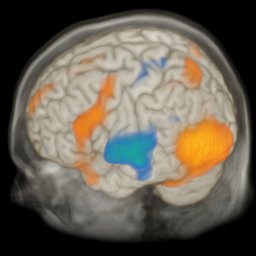
Background: Borderline personality disorder (BPD) is a severe mental illness, with high rates of co-morbid major depression and suicidality. Despite the importance of optimizing treatment in BPD, little is known about how neural processes relate to individual treatment response. The present study examines how baseline regional brain blood oxygen level dependent (BOLD) activation during a functional magnetic resonance imaging (fMRI) task of emotion regulation is related to treatment response following a randomized clinical trial of six months of Dialectical Behavior Therapy (DBT) or Selective Serotonin Reuptake Inhibitor (SSRI) treatment.Methods: Unmedicated individuals with BPD (N=35), reporting suicidal behavior or self-injury in the prior six months, underwent an fMRI task in which negative personal memories were presented and they were asked to either distance (i.e., experience the memory from a third-person perspective, a regulation strategy) or immerse (i.e., experience the memory from a first-person perspective). Patients were then randomized to six months of either DBT (N=16) or SSRI (N=19) treatment. Baseline and post-treatment depression severity was scored. Results: BOLD activity in prefrontal cortex, anterior cingulate, insula, and dorsal striatum was associated with distancing compared with immerse. Baseline activation during distancing in dorsolateral and ventrolateral prefrontal cortex (dlPFC, vlPFC) differentially predicted antidepressant treatment response across the SSRI and DBT groups, with higher activity predicting better response in the SSRI group, and lower activity predicting better response in the DBT group. Discussion: The present findings indicate that greater dlPFC and vlPFC engagement during emotion regulation may predict more antidepressant benefit more from SSRI treatment, whereas lower engagement may predict more antidepressant response to DBT treatment. These results suggest different antidepressant mechanisms of action of SSRIs and DBT that may allow pretreatment fMRI to guide individualized antidepressant treatment selection.
BACKGROUND:One mainstay of psychiatric treatment for suicidal crises is inpatient psychiatric hospitalization. Despite the need to secure immediate safety and stabilization, inpatient treatment for acutely suicidal patients remains diagnosis-specific, which may fail to directly target and adequately manage suicidal behavior as a symptom and reason for admission or treatment. The post-discharge period is a high-risk period for repeat suicide attempts or death by suicide, but overburdened workforce and high patient turnover make it difficult to provide suicide-specific treatment. METHODS:In response to this need, we developed the Suicide Prevention Inpatient Group Treatment (SPIGT), a four-module, group-based intervention, which provides evidence-supported concrete tools and psychoeducation to directly address suicidality. To assess feasibility and acceptability of implementation, the SPIGT was piloted on an inpatient psychiatric unit starting in 2016. Group participants were given optional, anonymous surveys after each module. Unit clinicians also completed optional, anonymous surveys to assess their attitudes towards the intervention. RESULTS:Results indicate that participants responded very favorably to each module, and that unit clinicians felt that the implementation of this intervention was feasible and acceptable. CONCLUSION:The SPIGT shows promise as a scalable suicide-specific, brief intervention, which addresses an unmet and critical need in suicide prevention.
INTRODUCTION:Ecological Momentary Assessment (EMA) holds promise for providing insights into daily life experiences when studying mental health phenomena. However, commonly used mixed-effects linear statistical models do not fully utilize the richness of the ultidimensional time-varying data that EMA yields. Recurrent Neural Networks (RNNs) provide an alternative data analytic method to leverage more information and potentially improve prediction, particularly for non-normally distributed outcomes. METHODS:As part of a broader research study of suicidal thoughts and behavior in people with borderline personality disorder (BPD), eighty-four participants engaged in EMA data collection over one week, answering questions multiple times each day about suicidal ideation (SI), stressful events, coping strategy use, and affect. RNNs and mixed-effects linear regression models (MEMs) were trained and used to predict SI. Root mean squared error (RMSE), mean absolute percent error (MAPE), and a pseudo-R2 accuracy metric were used to compare SI prediction accuracy between the two modeling methods. RESULTS:RNNs had superior accuracy metrics (full model: RMSE = 3.41, MAPE = 42 %, pseudo-R2 = 26 %) compared with MEMs (full model: RMSE = 3.84, MAPE = 56 %, pseudo-R2 = 16 %). Importantly, RNNs showed significantly more accurate prediction at higher values of SI. Additionally, RNNs predicted, with significantly higher accuracy, the SI scores of participants with depression diagnoses and of participants with higher depression scores at baseline. CONCLUSION:In this EMA study with a moderately sized sample, RNNs were better able to learn and predict daily SI compared with mixed-effects models. RNNs should be considered as an option for EMA analysis.
The rising rates of suicide warrant effective treatments that can quickly help stabilize suicidal individuals and prevent future suicidal crises from occurring. Across the past few decades, there has been a rise in the development of ultra-brief (1-4 sessions) and brief suicide-specific interventions (6-12 sessions) to meet this need. This article reviews several prominent ultra-brief and brief interventions, including the Teachable Moment Brief Intervention, Attempted Suicide Short Intervention Program, Safety Planning Intervention, Crisis Response Planning, Cognitive Therapy for Suicide Prevention, Brief Cognitive-Behavioral Therapy for Suicide Prevention, Collaborative Assessment and Management of Suicidality, and the Coping Long-Term With Active Suicide Program. A brief review of each interventions' evidence base is also provided. Current challenges and directions for future research in testing the efficacy and effectiveness of suicide prevention initiatives are discussed.
INTRODUCTION:The loss of a patient to suicide has an enormous impact on clinicians, but few studies have examined its effects.METHOD:In this retrospective study, we compared clinicians who have and have not experienced a patient suicide using a survey of 2157 outpatient clinicians from 169 New York clinics to determine differences in their suicide prevention knowledge, practices, training, and self-efficacy.RESULTS:Approximately 25% of the clinician respondents lost patients to suicide; psychiatrists, nurses/nurse practitioners, and those with more years of experience were disproportionately affected. After controlling for these demographic/professional differences, clinicians who had experienced patient suicide reported feeling that they had insufficient training, despite actually having more suicide prevention training, greater knowledge of suicide prevention practices, and feeling more comfortable working with suicidal patients than clinicians who had not lost a patient to suicide. There were no differences in self-efficacy or utilization of evidence-based clinical practices.CONCLUSIONS:Controlling for demographic/professional differences, clinicians who experienced a patient suicide had more training, knowledge, and felt more comfortable working with suicidal patients. It is critical that sufficient training be available to clinicians, not only to reduce patient deaths, but also to help clinicians increase their comfort, knowledge, skill, and ability to support those bereaved by suicide loss.
Objective: Suicidal individuals are a heterogeneous population and may differ in systematic ways in their responsiveness to stress. The primary aim of the present study was to identify whether a different pattern of physiological stress response exists among adult suicide attempters with a history of behavioral problems during childhood and adolescence, which earlier studies have related to both decreased activity of the HPA axis and to suicidal behaviors. Method: Seventy-eight participants with Borderline Personality Disorder were assessed using the SCID-II, and completed self-report measures assessing their history of suicide attempts, history of aggressive behaviors, depressive symptoms, history of lifetime abuse and demographics. Participants’ cortisol reactivity was assessed using the Trier Social Stress Test. Results: Analyses indicated that suicide attempters with a history of behavioral problems in youth (n = 30) had a significantly lower response to stress than both suicide attempters without such a history (n = 26) and non-attempters (n = 22), when controlling for lifetime history of abuse. The groups did not differ in basal cortisol. Conclusions: These findings suggest a unique subtype of suicide attempter among those with Borderline Personality Disorder, characterized by a blunted physiological stress response.
Objective: Suicidal ideation (SI) is heterogeneous with different patterns and risk factors. SI can be persistent with stable severity, but may also fluctuate rapidly over a short period of time. The latter pattern is likely associated with affective instability and may consist of activation of SI at times of stress, that then subside. Although affective instability is a hallmark of borderline personality disorder (BPD), little is known about SI variability in BPD. We hypothesized that SI variability would be associated with affective instability in BPD suicide attempters. Method: Sample included 38 females with BPD and history of suicidal behavior. SI was assessed over 1 week using ecological momentary assessment (EMA) at six epochs daily. The relationship between SI variability (i.e., change of SI from one epoch to another) and SI severity (i.e., average scores across epochs), and affective instability, assessed using the Affective Lability Scale (ALS), were examined. Possible confounding effects of depression severity and impulsiveness were tested. Results: Participants demonstrated high ALS scores and wide range of SI variability. ALS scores predicted SI variability, even after controlling for depression severity. Although ALS also predicted SI severity, this association was driven by depression severity. ALS did not correlate with impulsiveness score. Conclusions: Affective instability may predict SI variability in BPD suicide attempters independent of depression severity. This supports our model of suicidal subgroups with different constellations of clinical aspects and risk factors. Future studies could examine these associations in larger samples and different populations to determine implications for suicide prevention.
Suicide is reaching epidemic proportions, with over 44,000 deaths by suicide in the US, and 800,000 worldwide in 2015. This, despite research and development of evidence-based interventions that target suicidal behavior directly. Suicide prevention efforts need a comprehensive approach, and research must lead to effective implementation across public and mental health systems. A 10-year systematic review of evidence-based findings in suicide prevention summarized the areas necessary for translating research into practice. These include risk assessment, means restriction, evidence-based treatments, population screening combined with chain of care, monitoring, and follow-up. In this article, we review how suicide prevention research informs implementation in clinical settings where those most at risk present for care. Evidence-based and best practices address the fluctuating nature of suicide risk, which requires ongoing risk assessment, direct intervention and monitoring. In the US, the National Action Alliance for Suicide Prevention has put forth the Zero Suicide (ZS) Model, a framework to coordinate a multilevel approach to implementing evidence-based practices. We present the Assess, Intervene and Monitor for Suicide Prevention model (AIM-SP) as a guide for implementation of ZS evidence-based and best practices in clinical settings. Ten basic steps for clinical management model will be described and illustrated through case vignette. These steps are designed to be easily incorporated into standard clinical practice to enhance suicide risk assessment, brief interventions to increase safety and teach coping strategies and to improve ongoing contact and monitoring of high-risk individuals during transitions in care and high risk periods.
Background: Few investigations of patient perceptions of suicide prevention interventions exist, limiting our understanding of the processes and components of treatment that may be engaging and effective for high suicide-risk patients. Aims: Building on promising quantitative data that showed that adjunct mindfulness-based cognitive therapy to prevent suicidal behavior (MBCT-S) reduced suicidal thinking and depression among high suicide-risk patients, we subjected MBCT-S to qualitative inspection by patient participants. Method: Data were provided by 15 patients who completed MBCT-S during a focus group and/or via a survey. Qualitative data were coded using thematic analysis. Themes were summarized using descriptive analysis. Results: Most patients viewed the intervention as acceptable and feasible. Patients attributed MBCT-S treatment engagement and clinical improvement to improved emotion regulation. A minority of patients indicated that factors related to the group treatment modality were helpful. A small percentage of patients found that aspects of the treatment increased emotional distress and triggered suicidal thinking. These experiences, however, were described as fleeting and were not linked to suicidal behavior. Limitations: The sample size was small. Conclusion: Information gathered from this study may assist in refining MBCT-S and treatments to prevent suicidal behavior among high suicide-risk patients generally.
Following reports of childhood maltreatment moderating antidepressant (AD) treatment response, we conducted a secondary data analysis examining the moderating effect of childhood abuse on self-injurious behavior (SIB) in a trial comparing AD and Dialectical Behavior Therapy (DBT) in patients with Borderline Personality Disorder (BPD).
Dr Beth Brodsky, PhD, is Associate Clinical Professor of Medical Psychology in Psychiatry at Columbia University, and a Research Scientist in the Silvio O. Conte Center for the Neurobiology of Mental Disorders, at the New York State Psychiatric Institute, Department of Molecular Imaging and Neuropathology, New York, NY Marcia L. Verduin, MD, Book Editor
Suicide is a serious public health problem worldwide. The World Health Organization calls for collaboration among all sectors of society using a multi-tiered approach to address risk factors. Schools have played a central public health role in fighting infectious diseases, malnutrition, community violence, accidental injuries, and heart disease. Similarly, when it comes to youth suicide prevention, schools are critically important community institutions.Schools are central civic institutions for building the resilience and positive helping environment necessary for the prevention of suicide. In this paper we will describe a program called "Creating Suicide Safety in Schools" (CSSS), which was developed to address the need for more comprehensive and consistentsuicide prevention training for school settings. The CSSS provides aframework for integrating school-based suicide prevention best practices, and the program is being implemented and evaluated in New York State. We will outline the CSSS model, the workshop, and how it is disseminated. The CSSS Workshop has been offered to school personnel for more than five years andindividuals from several hundred schools have participated in this training opportunity. Preliminary findings of the program's acceptability in terms of attitudes, knowledge, perceptions of administrative support, and sense of empowerment based on a survey of 93 participants, will be presented.
Dr Beth Brodsky, PhD, is Associate Clinical Professor of Medical Psychology in Psychiatry at Columbia University, and a Research Scientist in the Silvio O. Conte Center for the Neurobiology of Mental Disorders, at the New York State Psychiatric Institute, Department of Molecular Imaging and Neuropathology, New York, NY Marcia L. Verduin, MD, Book Editor
OBJECTIVE To test changes to cognitive functioning among high-suicide risk outpatients participating in an adjunct mindfulness-based intervention combining mindfulness-based cognitive therapy and safety planning (MBCT-S). DESIGN Ten outpatients with a 6-month history of suicide attempt or active suicidal ideation plus suicidal ideation at study entry received 9 weeks of adjunct group-based MBCT-S. Executive attention, sustained attention, visual memory, and semantic memory encoding were measured by neuropsychological assessment. Rumination, mindfulness, cognitive reactivity (defined as the tendency towards depressogenic information processing and thought content in response to mild mood deterioration), and self-compassion were assessed using self-report measures. Changes in pre- to post-treatment functioning on these constructs were analyzed by using dependent t-tests. Where significant improvements were found, correlations between changes to cognitive functioning and depression and suicidal ideation during treatment were calculated. RESULTS Executive attention improved with MBCT-S in high-suicide risk outpatients (Stroop interference effect = 0.39 [standard deviation (SD), 27] at baseline and 0.27 (SD, 0.15) at post-treatment, t[9] = 2.35, p = 0.04, d = 0.75). One mindfulness skill, acting with awareness, increased with MBCT-S (average change in Five Facet Mindfulness Questionnaire-acting with awareness subscale score with treatment, 3.3 [SD, 3.0], t[9] = 3.46, p < 0.01, d = 1.1). Self-reported rumination and cognitive reactivity to suicidality and hopelessness decreased among participants (Ruminative Responses Brooding subscale score change, -3.4 [SD, 1.1], t[9] = 10, p < 0.001, d = 3.2; Leiden Index of Depression Sensitivity-Revised-Hopelessness/Suicidality subscale score change, -3 [SD, 2.7], t[9] = 3.56, p < 0.01, d = 1.1). None of these changes were related to improvements in depression or reductions in suicidal ideation during treatment. CONCLUSIONS Findings from the present pilot study suggest that treatment with MBCT-S may improve cognitive deficits specific to suicide ideators and attempters among depressed patients. Future controlled trials using follow-up assessments are needed to determine the specificity of these improvements in cognitive functioning to MBCT-S and their durability and to formally test whether the observed improvements in cognitive functioning explain MBCT-S treatment gains.
Identification of biological indicators of suicide risk is important given advantages of biomarker-based models. Decreased high frequency heart rate variability (HF HRV) may be a biomarker of suicide risk. The aim of this research was to determine whether HF HRV differs between suicide attempters and non-attempters. Using the Trier Social Stress Test (TSST), we compared HF HRV between females with and without a history of suicide attempt, all with a lifetime diagnosis of a mood disorder. To investigate a potential mechanism explaining association between HF HRV and suicide, we examined the association between self-reported anger and HF HRV. Results of an Area under the Curve (AUC) analysis showed attempters had a lower cumulative HF HRV during the TSST than non-attempters. In addition, while there was no difference in self-reported anger at baseline, the increase in anger was greater in attempters, and negatively associated with HF HRV. Results suggest that suicide attempters have a reduced capacity to regulate their response to stress, and that reduced capacity to regulate anger may be a mechanism through which decreased HF HRV can lead to an increase in suicide risk. Our results have implications for the prevention of suicidal behavior in at-risk populations.
 Barbara Stanley合作论文数54
 J. John Mann合作论文数Department of Psychiatry, Columbia University28
 Maria A. Oquendo合作论文数Department of Psychiatry, Perelman School of Medicine, University of Pennsylvania22
 Steven P Ellis合作论文数11
 Kevin M Malone合作论文数10
 Eric A. Fertuck合作论文数Department of Neuroscience, New York State Psychiatric Institute8John G. Keilp合作论文数8
 Hanga Galfalvy合作论文数Departments of Psychiatry and Biostatistics, Columbia University Medical Center7
 Chesin Megan S合作论文数Dept Psychol, William Paterson Univ7
 Laurence Greenhill合作论文数Benioff Children's Hospitals, University of California, San Francisco7
 Boris Birmaher合作论文数Department of Psychiatry, University of Pittsburgh;UPMC Western Psychiatric Hospital7
 David J Kolko合作论文数Department of Psychiatry, University of Pittsburgh6
 David A Brent合作论文数Department of Psychiatry, University of Pittsburgh;School of Medicine, University of Pittsburgh6
 Jamie Zelazny合作论文数Western Psychiatric Institute and Clinic6Christopher A Benjamin-Phillips合作论文数4Emily Biggs合作论文数4Melhem Nadine M合作论文数4
 Ainsley K. Burke合作论文数Department of Psychiatry, Columbia University;NY State Psychiatric Institute4Michael F. Grunebaum合作论文数Department of Neuroscience, New York State Psychiatric Institute4GPA Placidi合作论文数3Mellman Lisa A合作论文数3Susan G Lazar合作论文数3
 Adrienne Tin合作论文数University of Mississippi School of Law3Bauer Stephen F合作论文数3Song Inkyung合作论文数Center for the Study of Emotion &Department of Psychology, University of Florida3
 William Hurt Sledge合作论文数School of Medicine, Yale University3
 Jerald Kay合作论文数3Christine Waternaux合作论文数3
 Scott T. Wilson合作论文数New York State Psychiatric Institute and Department of Psychiatry, Columbia University3John M. Oldham合作论文数3
 Kevin Ochsner合作论文数Department of Psychology, Columbia University3
 Liat Itzhaky合作论文数3
 Eric M Plakun合作论文数3Tse Hwei Choo合作论文数2Yael Holoshitz合作论文数2Brandon Beeler合作论文数2Aliza Spruch-Feiner合作论文数2
 Ilana Gratch合作论文数2
 Cemile Ceren Sönmez合作论文数2B Stanley合作论文数2
 Maureen Monahan合作论文数2
 Jochen Weber合作论文数Dermatology Section, Memorial Sloan Kettering Cancer Center2
 Jennifer Silvers合作论文数Department of Psychology, College of Life Sciences, University of California2Dianne Currier合作论文数Centre for Mental Health, Melbourne School of Population and Global Health, Faculty of Medicine, Dentistry and Health Sciences, The University of Melbourne2
 Michael Pantalon合作论文数School of Health Professions, Long Island University;Department of Emergency Medicine, Yale University School of Medicine2
 Hedy Kober合作论文数Neuroscience, Biological & Biomedical Sciences, Yale University2
 Xinhua Liu合作论文数Department of Biostatistics, Mailman School of Public Health, Columbia University2Gorlyn Marianne合作论文数2Chaudhury Sadia R合作论文数2




